Plaintiff Summary With No Experience
Description
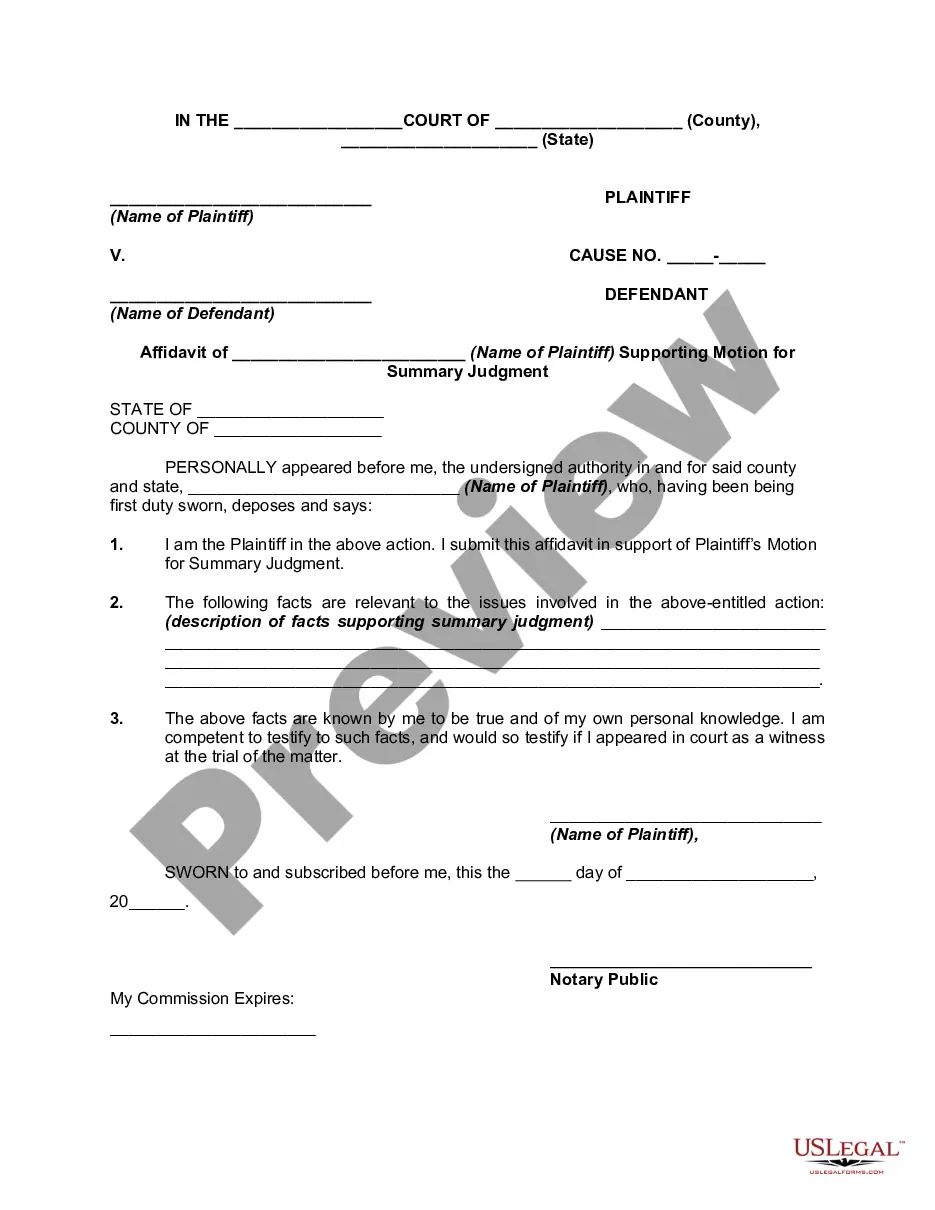
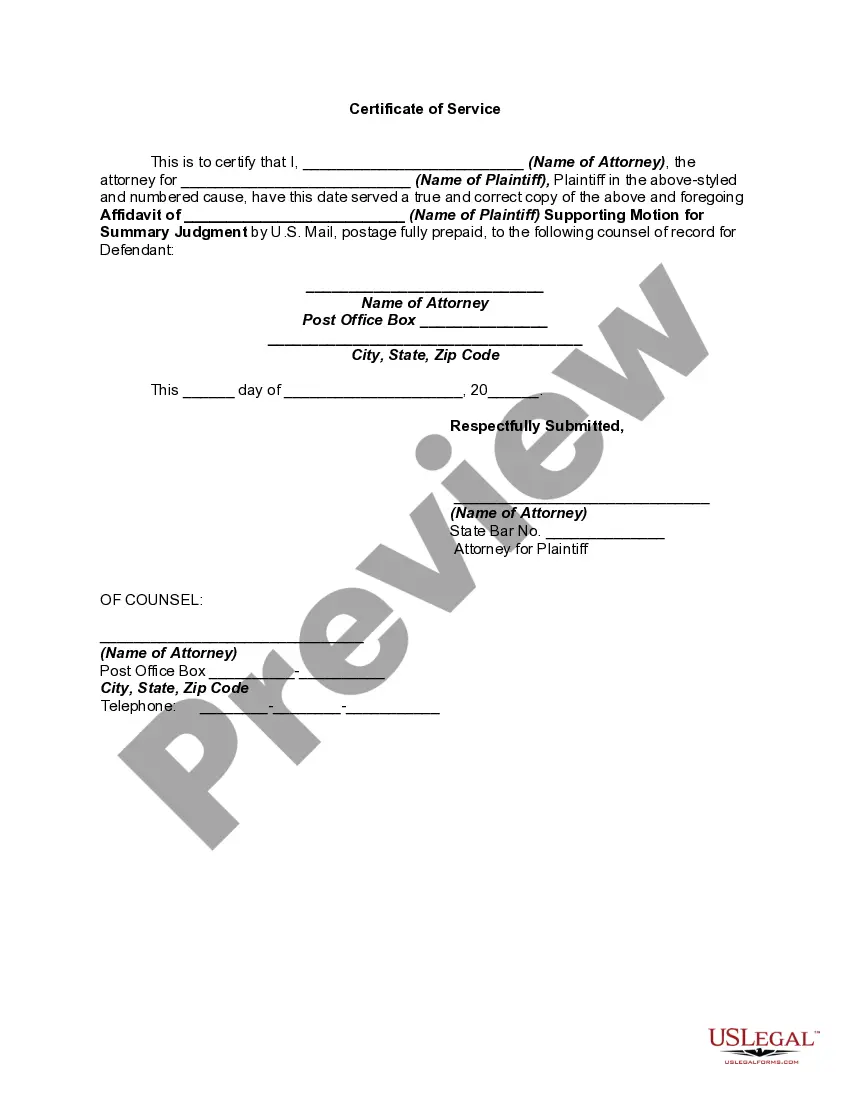
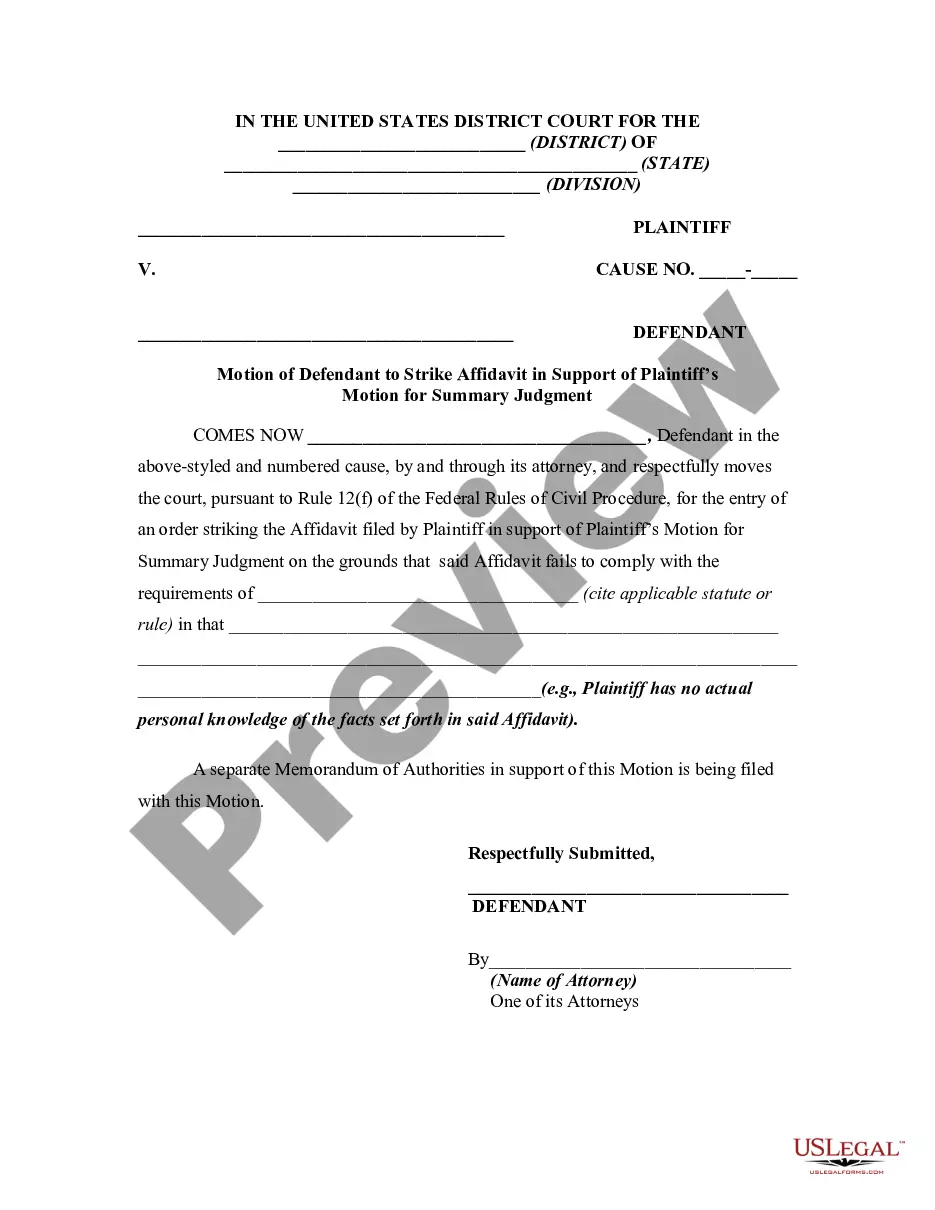
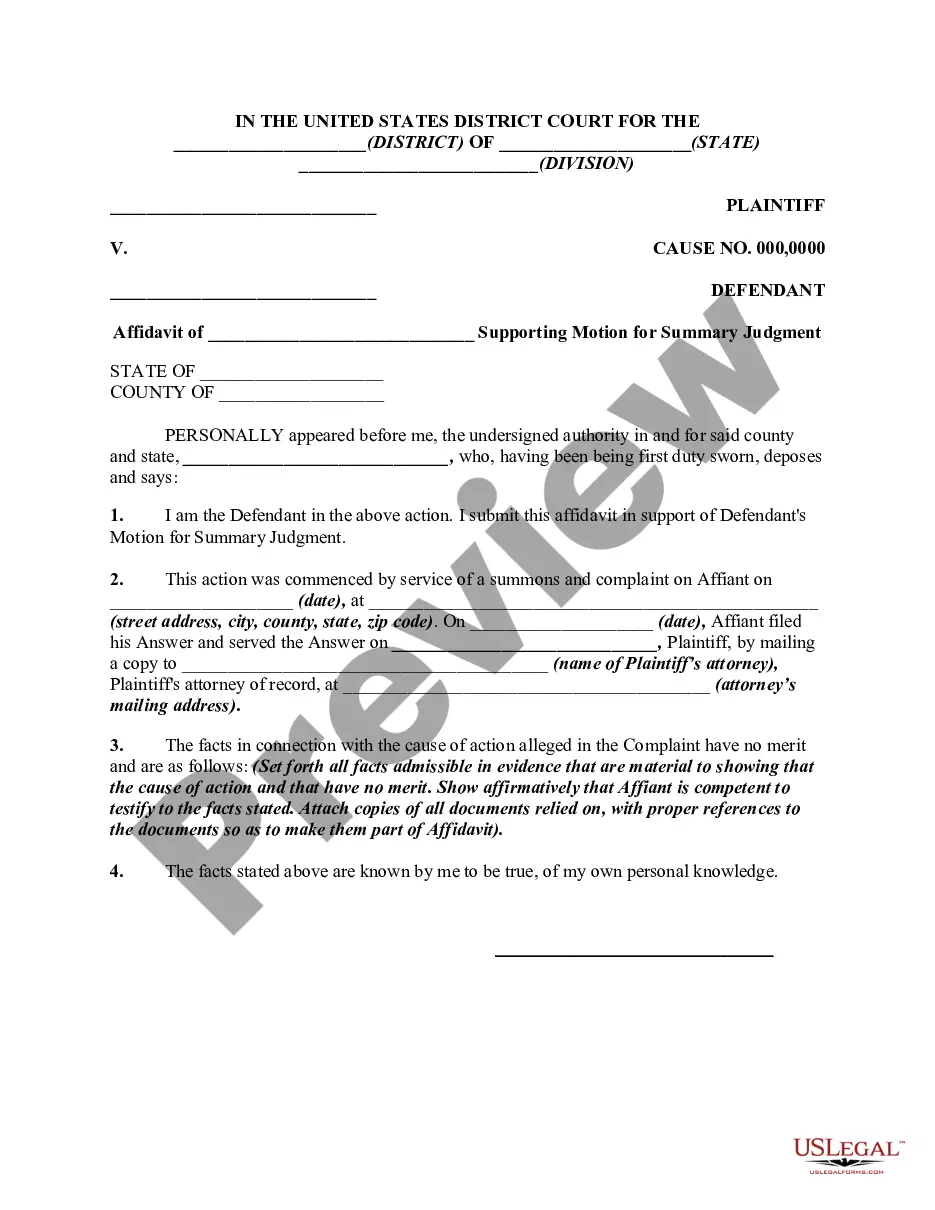
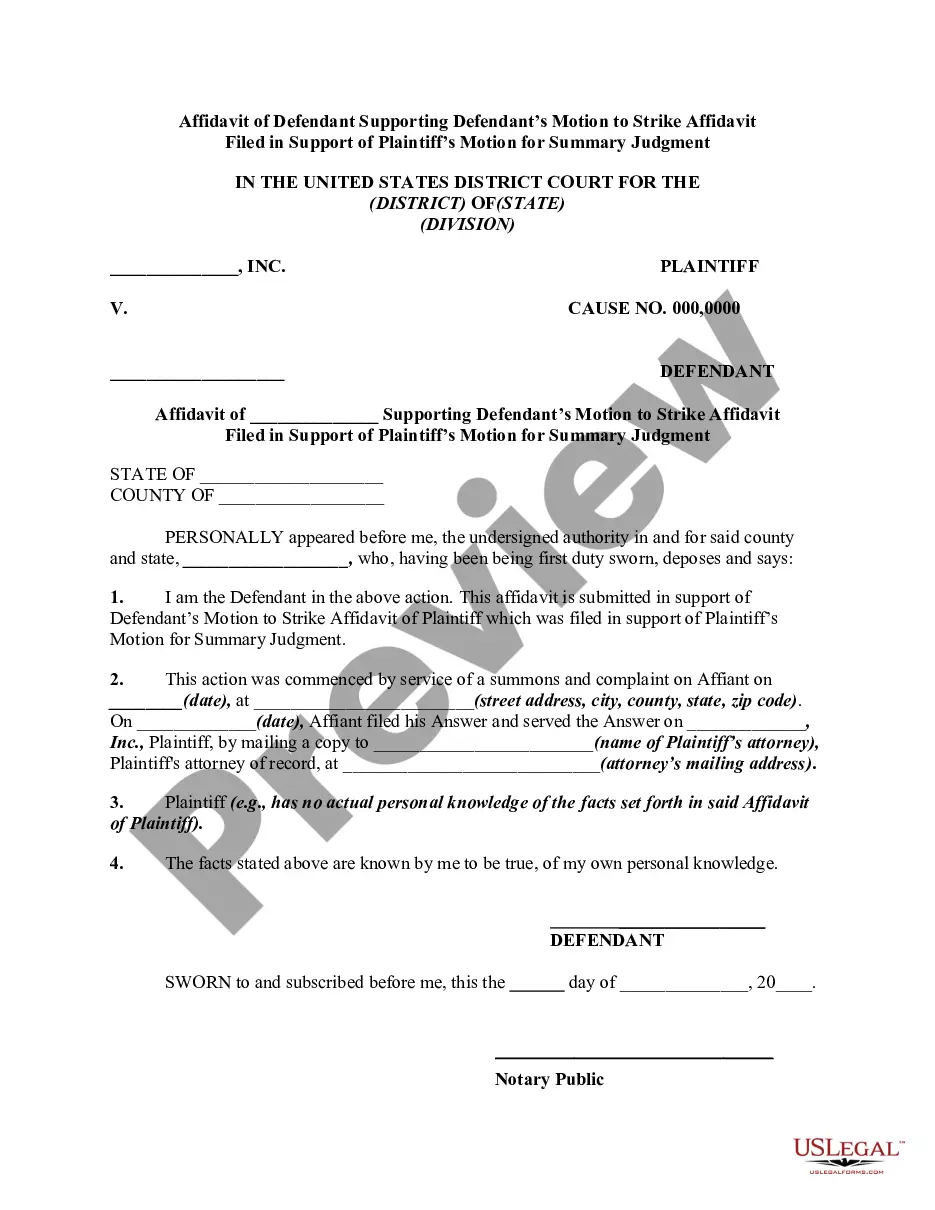
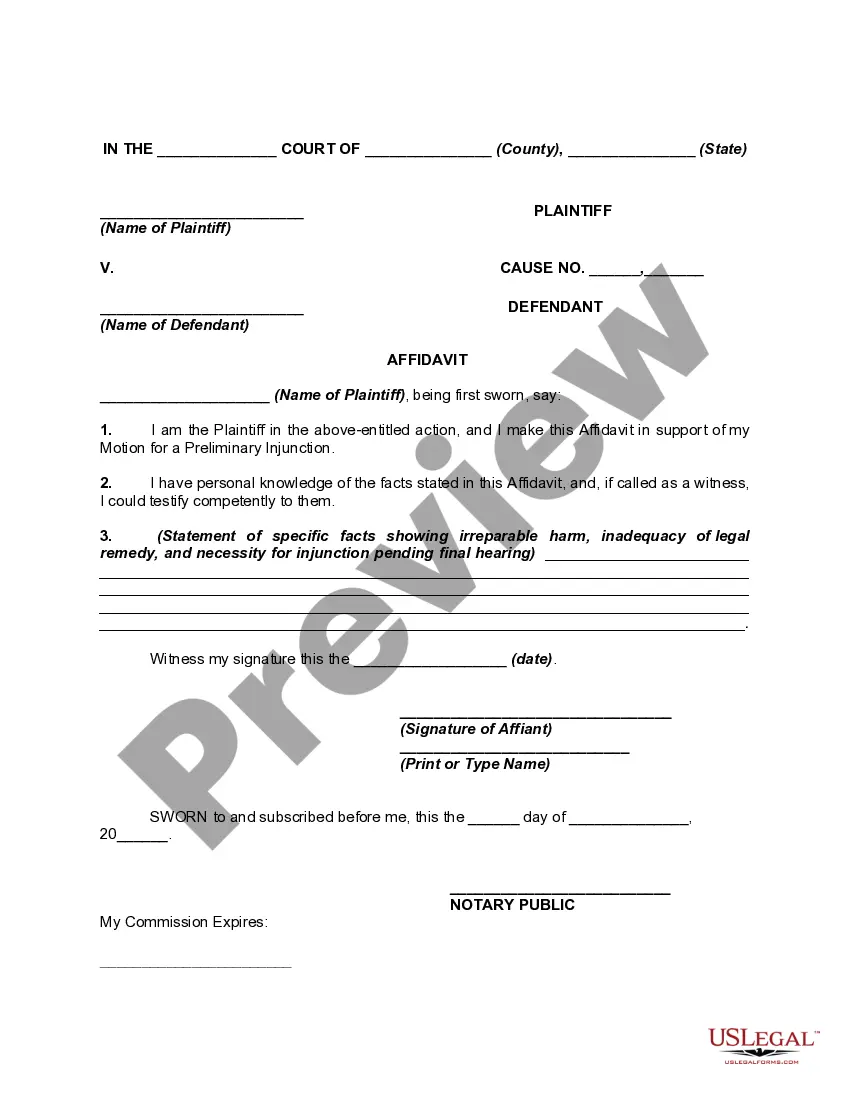
Get your form ready online
Our built-in tools help you complete, sign, share, and store your documents in one place.
Make edits, fill in missing information, and update formatting in US Legal Forms—just like you would in MS Word.
Download a copy, print it, send it by email, or mail it via USPS—whatever works best for your next step.
Sign and collect signatures with our SignNow integration. Send to multiple recipients, set reminders, and more. Go Premium to unlock E-Sign.
If this form requires notarization, complete it online through a secure video call—no need to meet a notary in person or wait for an appointment.
We protect your documents and personal data by following strict security and privacy standards.

Make edits, fill in missing information, and update formatting in US Legal Forms—just like you would in MS Word.

Download a copy, print it, send it by email, or mail it via USPS—whatever works best for your next step.

Sign and collect signatures with our SignNow integration. Send to multiple recipients, set reminders, and more. Go Premium to unlock E-Sign.

If this form requires notarization, complete it online through a secure video call—no need to meet a notary in person or wait for an appointment.

We protect your documents and personal data by following strict security and privacy standards.
Looking for another form?

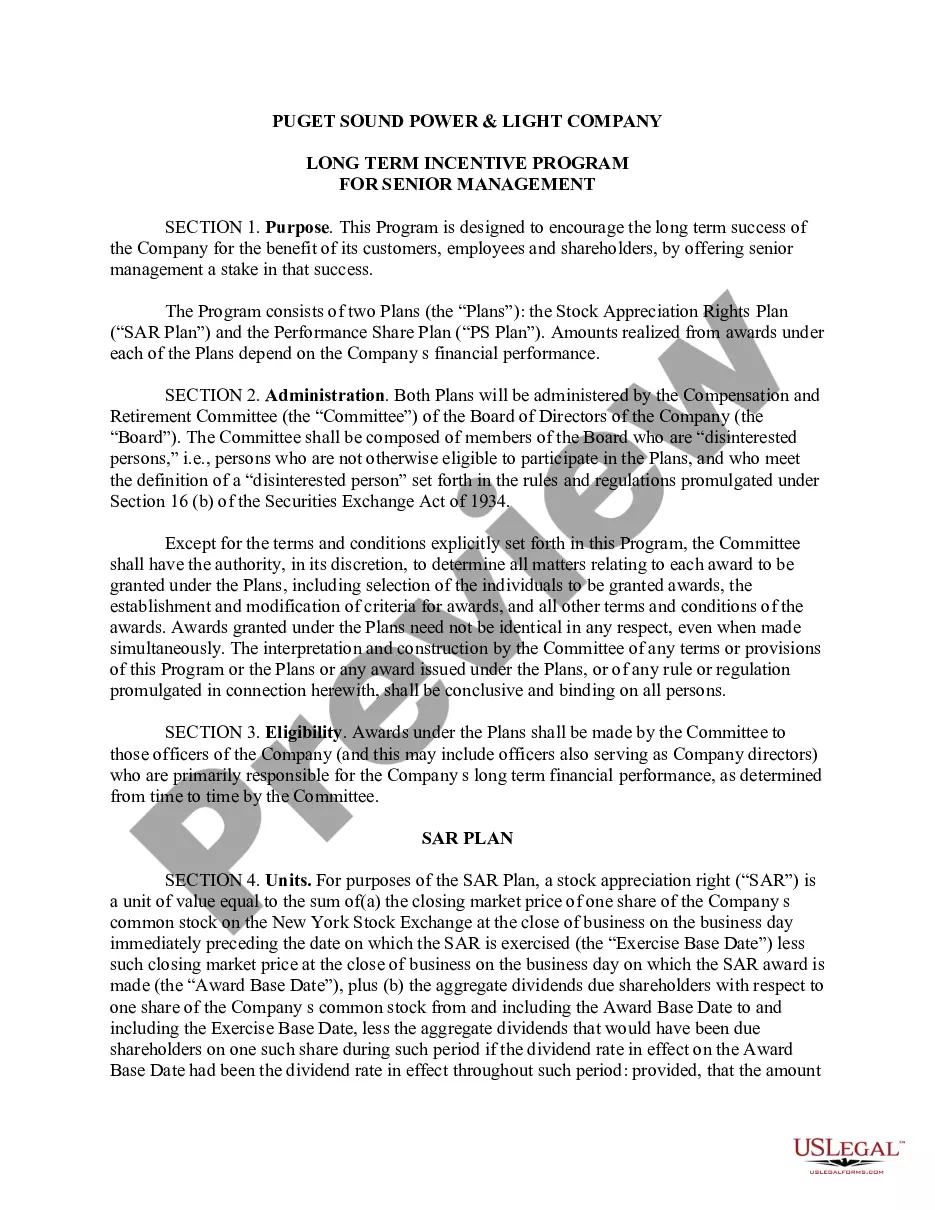





How to fill out Affidavit Of Plaintiff Supporting Motion For Summary Judgment By Plaintiff?
Whether for business purposes or for personal matters, everyone has to handle legal situations at some point in their life. Completing legal papers requires careful attention, beginning from selecting the right form sample. For example, if you select a wrong edition of the Plaintiff Summary With No Experience, it will be rejected once you submit it. It is therefore crucial to have a dependable source of legal papers like US Legal Forms.
If you need to get a Plaintiff Summary With No Experience sample, follow these easy steps:
- Get the template you need by utilizing the search field or catalog navigation.
- Check out the form’s information to make sure it fits your situation, state, and county.
- Click on the form’s preview to view it.
- If it is the wrong form, go back to the search function to locate the Plaintiff Summary With No Experience sample you need.
- Get the file if it matches your requirements.
- If you have a US Legal Forms account, click Log in to access previously saved files in My Forms.
- If you do not have an account yet, you may download the form by clicking Buy now.
- Pick the appropriate pricing option.
- Complete the account registration form.
- Select your payment method: you can use a bank card or PayPal account.
- Pick the file format you want and download the Plaintiff Summary With No Experience.
- Once it is saved, you are able to complete the form by using editing applications or print it and finish it manually.
With a substantial US Legal Forms catalog at hand, you do not have to spend time seeking for the appropriate template across the internet. Use the library’s simple navigation to find the correct form for any occasion.
Form popularity
FAQ
In this case, you must be able to prove the amount you are owed. If you are the defendant, you can apply for summary judgment on the ground that there is no merit to all or part of the claim that the plaintiff is making against you.
Stated differently, to successfully defend against summary judgment the non-moving party (you) should seek to demonstrate that indeed there are material facts in dispute. Alternatively, the non-moving party (you) can argue that the undisputed facts support a judgment as a matter of law in your favor.
Judges may grant partial summary judgment. For example, a judge might rule on some factual issues, but leave others for trial. Alternately, a judge might grant summary judgment regarding liability, but still hold a trial to determine damages.
Apply each legal argument to the facts stated in the undisputed facts section, and explain why under the law and the facts summary judgment should be granted. In one paragraph, reiterate why summary judgment should be granted on each count of the complaint.
The chance of success in these cases is less than 10% [1]. Another study found that summary judgment is mostly granted in Title VII cases, for example, cases involving equal pay or employment discrimination [2]. When it comes to federal cases, summary judgments are filed in 17% of total cases.