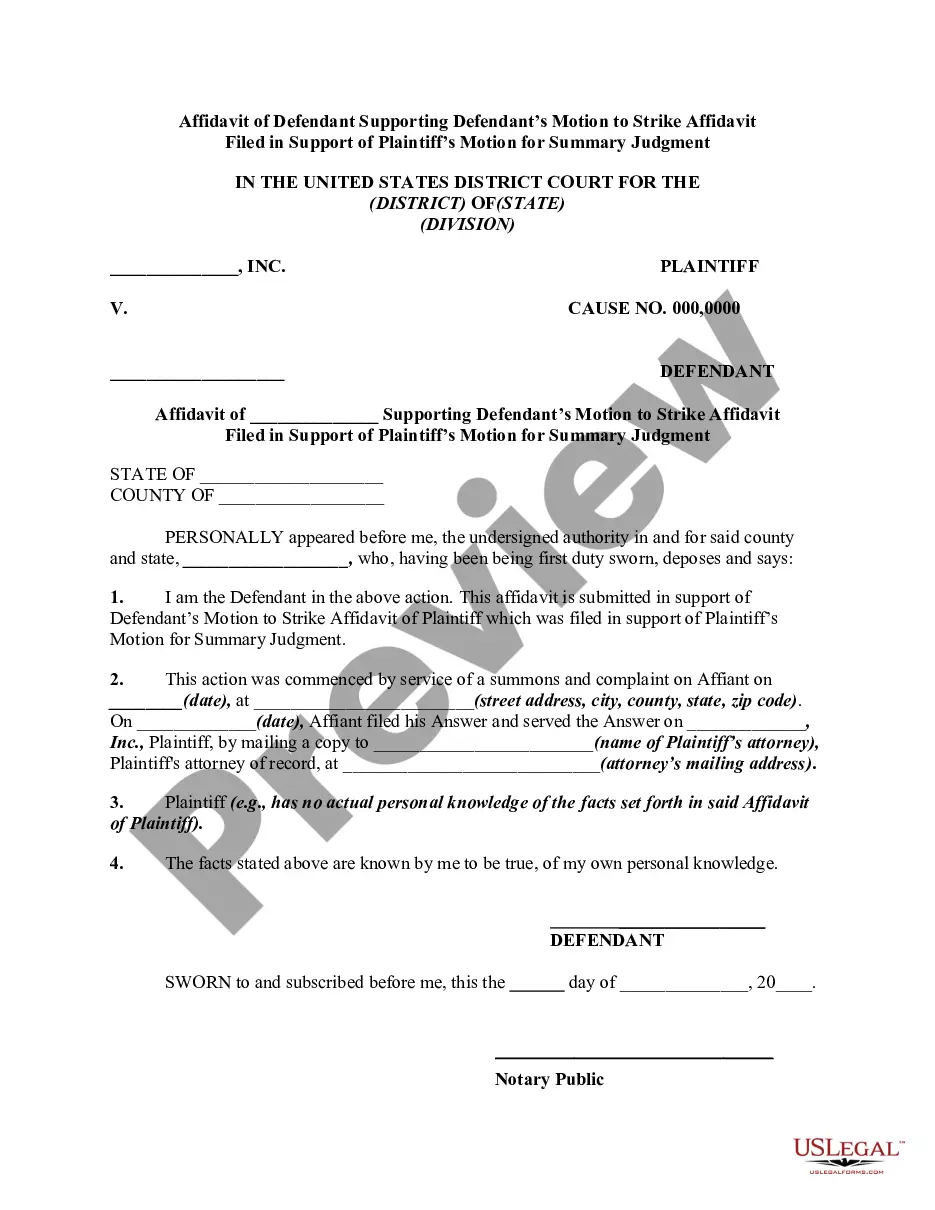
Plaintiff Motion For Summary Judgement
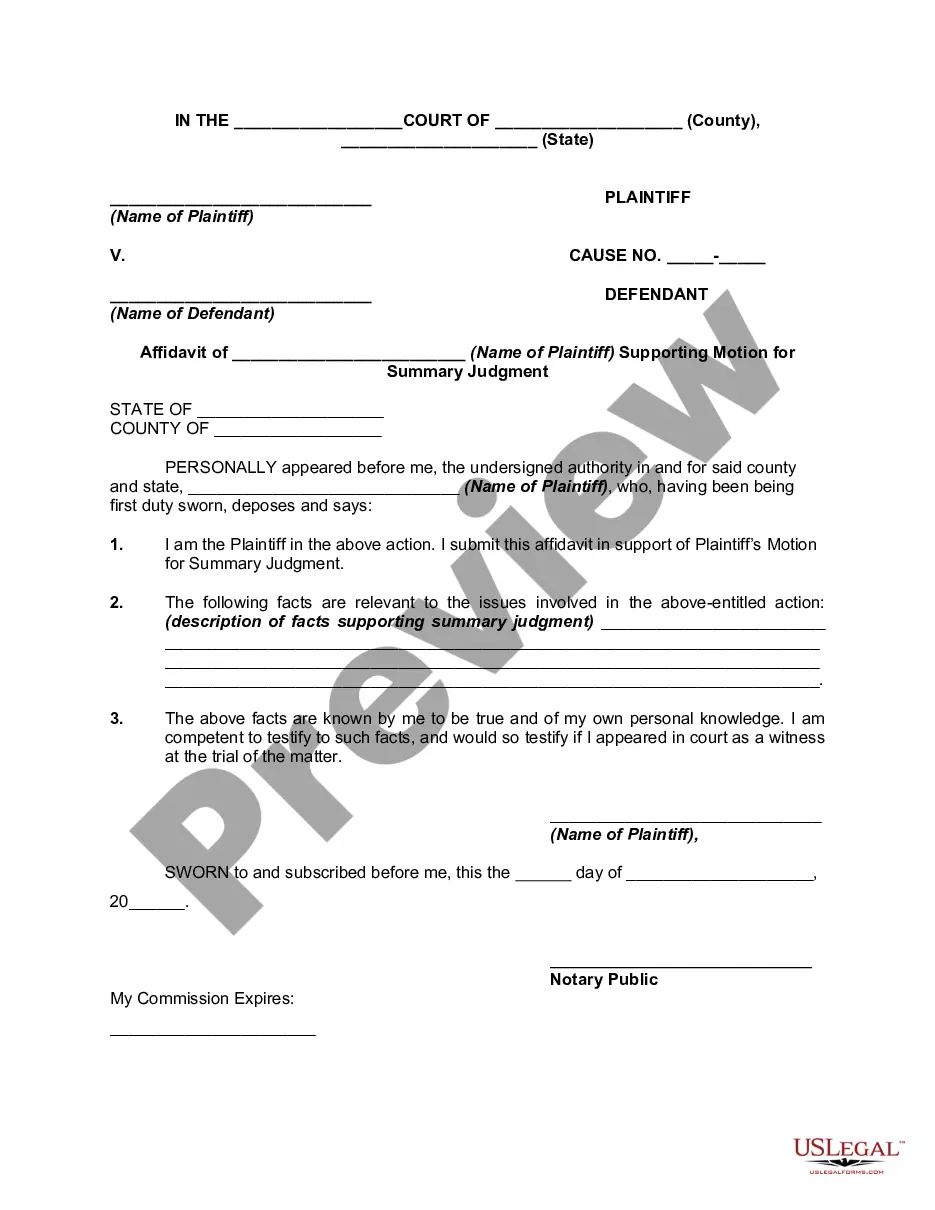
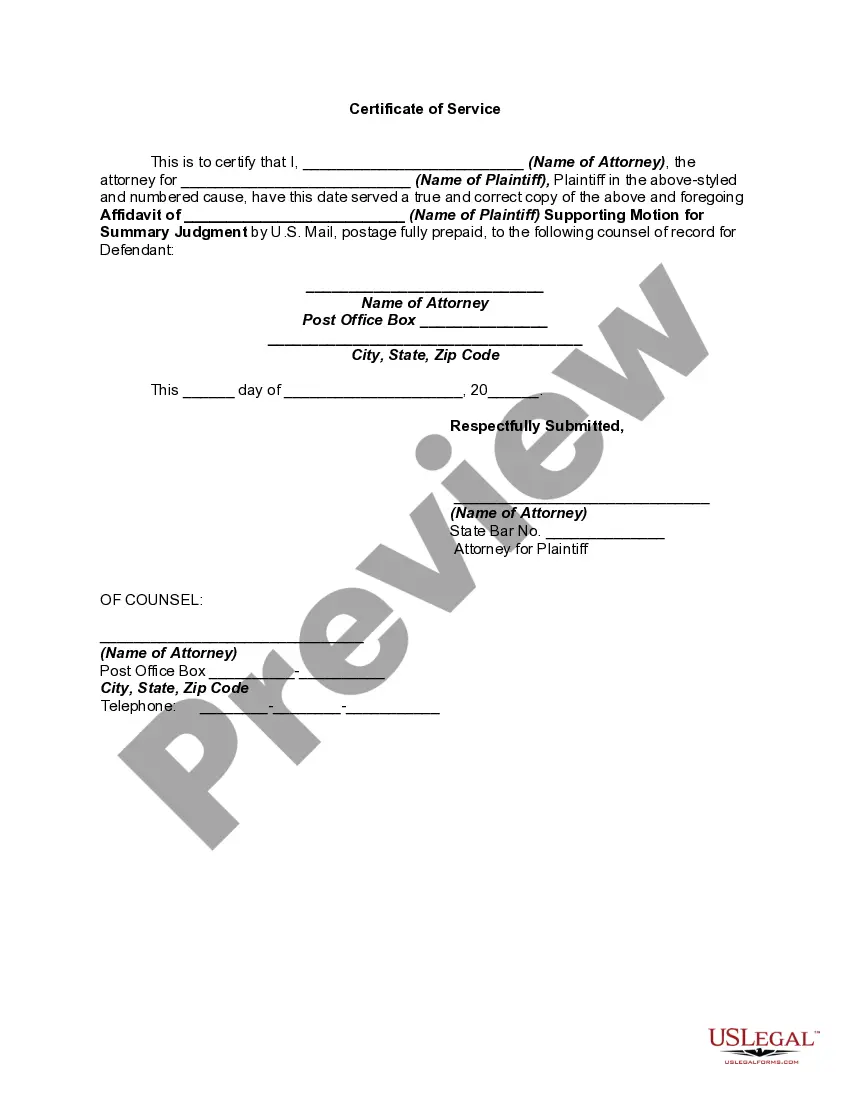
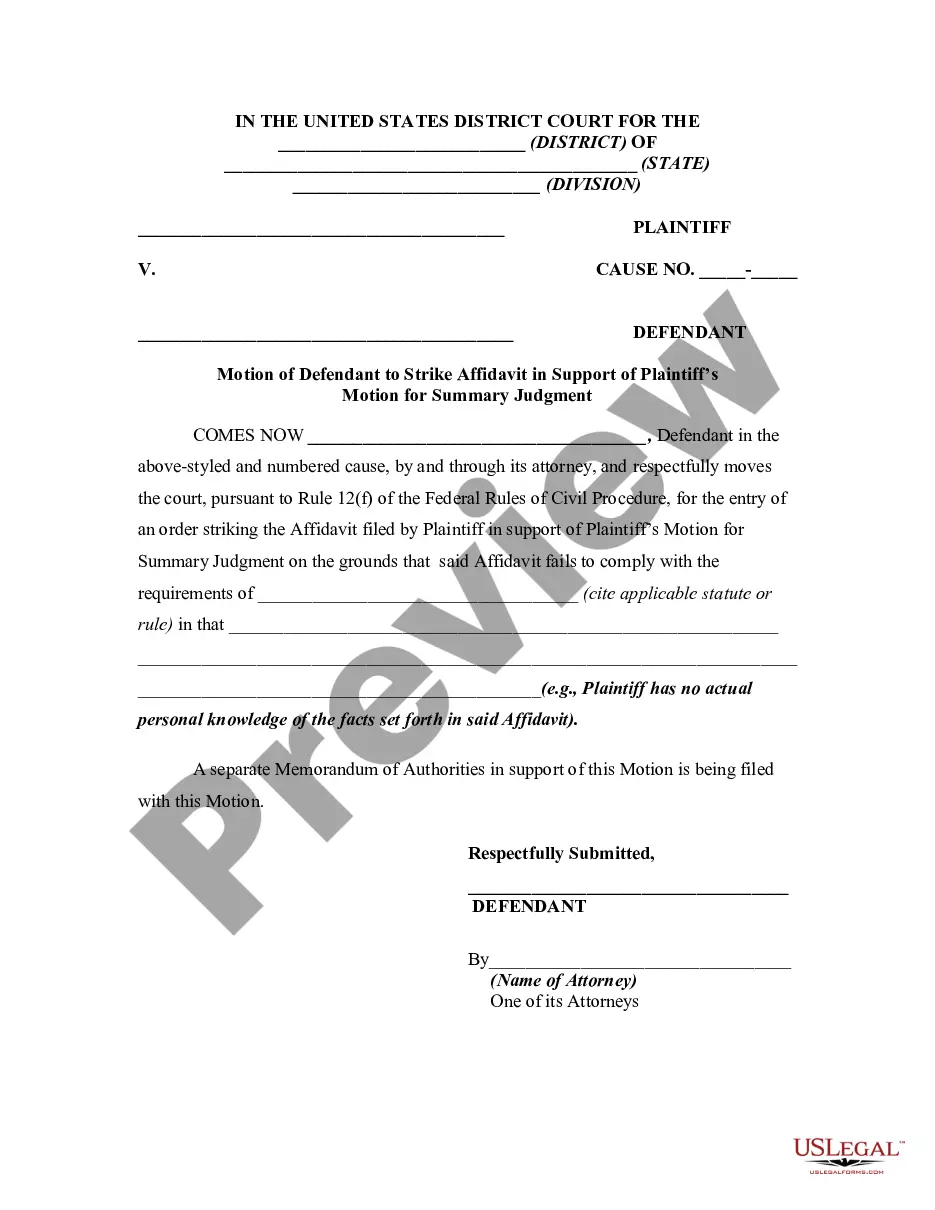
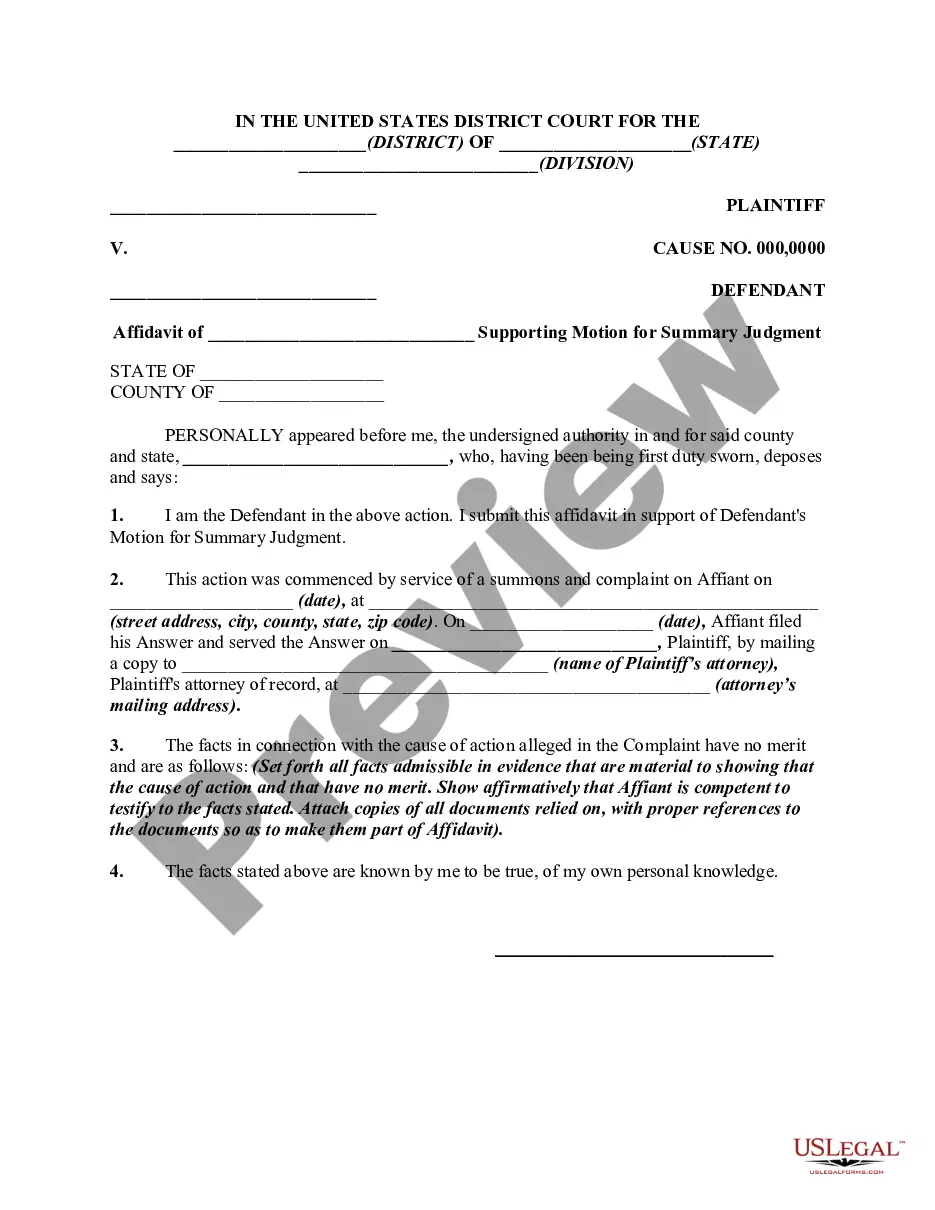
Description
Get your form ready online
Our built-in tools help you complete, sign, share, and store your documents in one place.
Make edits, fill in missing information, and update formatting in US Legal Forms—just like you would in MS Word.
Download a copy, print it, send it by email, or mail it via USPS—whatever works best for your next step.
Sign and collect signatures with our SignNow integration. Send to multiple recipients, set reminders, and more. Go Premium to unlock E-Sign.
If this form requires notarization, complete it online through a secure video call—no need to meet a notary in person or wait for an appointment.
We protect your documents and personal data by following strict security and privacy standards.

Make edits, fill in missing information, and update formatting in US Legal Forms—just like you would in MS Word.

Download a copy, print it, send it by email, or mail it via USPS—whatever works best for your next step.

Sign and collect signatures with our SignNow integration. Send to multiple recipients, set reminders, and more. Go Premium to unlock E-Sign.

If this form requires notarization, complete it online through a secure video call—no need to meet a notary in person or wait for an appointment.

We protect your documents and personal data by following strict security and privacy standards.
Looking for another form?


How to fill out Affidavit Of Plaintiff Supporting Motion For Summary Judgment By Plaintiff?
Accessing legal templates that meet the federal and local laws is essential, and the internet offers numerous options to pick from. But what’s the point in wasting time looking for the appropriate Plaintiff Motion For Summary Judgement sample on the web if the US Legal Forms online library already has such templates gathered in one place?
US Legal Forms is the most extensive online legal catalog with over 85,000 fillable templates drafted by attorneys for any professional and personal situation. They are easy to browse with all papers collected by state and purpose of use. Our specialists stay up with legislative changes, so you can always be confident your paperwork is up to date and compliant when acquiring a Plaintiff Motion For Summary Judgement from our website.
Obtaining a Plaintiff Motion For Summary Judgement is easy and quick for both current and new users. If you already have an account with a valid subscription, log in and save the document sample you require in the right format. If you are new to our website, adhere to the steps below:
- Take a look at the template utilizing the Preview feature or through the text description to make certain it meets your requirements.
- Locate another sample utilizing the search function at the top of the page if necessary.
- Click Buy Now when you’ve found the right form and opt for a subscription plan.
- Register for an account or sign in and make a payment with PayPal or a credit card.
- Pick the format for your Plaintiff Motion For Summary Judgement and download it.
All templates you locate through US Legal Forms are multi-usable. To re-download and complete previously purchased forms, open the My Forms tab in your profile. Enjoy the most extensive and straightforward-to-use legal paperwork service!
Form popularity
FAQ
Under a motion for summary judgment, the movant should assert that a fact cannot be genuinely disputed based on the record. The nonmovant is given notice and a reasonable time to respond, after which the court may grant or deny summary judgment.
Examples of summary judgement motions John says that Linda ran a red light and caused the crash. John happens to have a video of Linda running the red light and crashing into him. John's attorney files a motion for summary judgment claiming that: There are no material facts that can be reasonably disputed.
Judges may grant partial summary judgment. For example, a judge might rule on some factual issues, but leave others for trial. Alternately, a judge might grant summary judgment regarding liability, but still hold a trial to determine damages.
This allows a plaintiff in an action based on an instrument to pay money only or a judgment to file a motion for summary judgment and supporting papers with the summons instead of a complaint.
Stated differently, to successfully defend against summary judgment the non-moving party (you) should seek to demonstrate that indeed there are material facts in dispute. Alternatively, the non-moving party (you) can argue that the undisputed facts support a judgment as a matter of law in your favor.