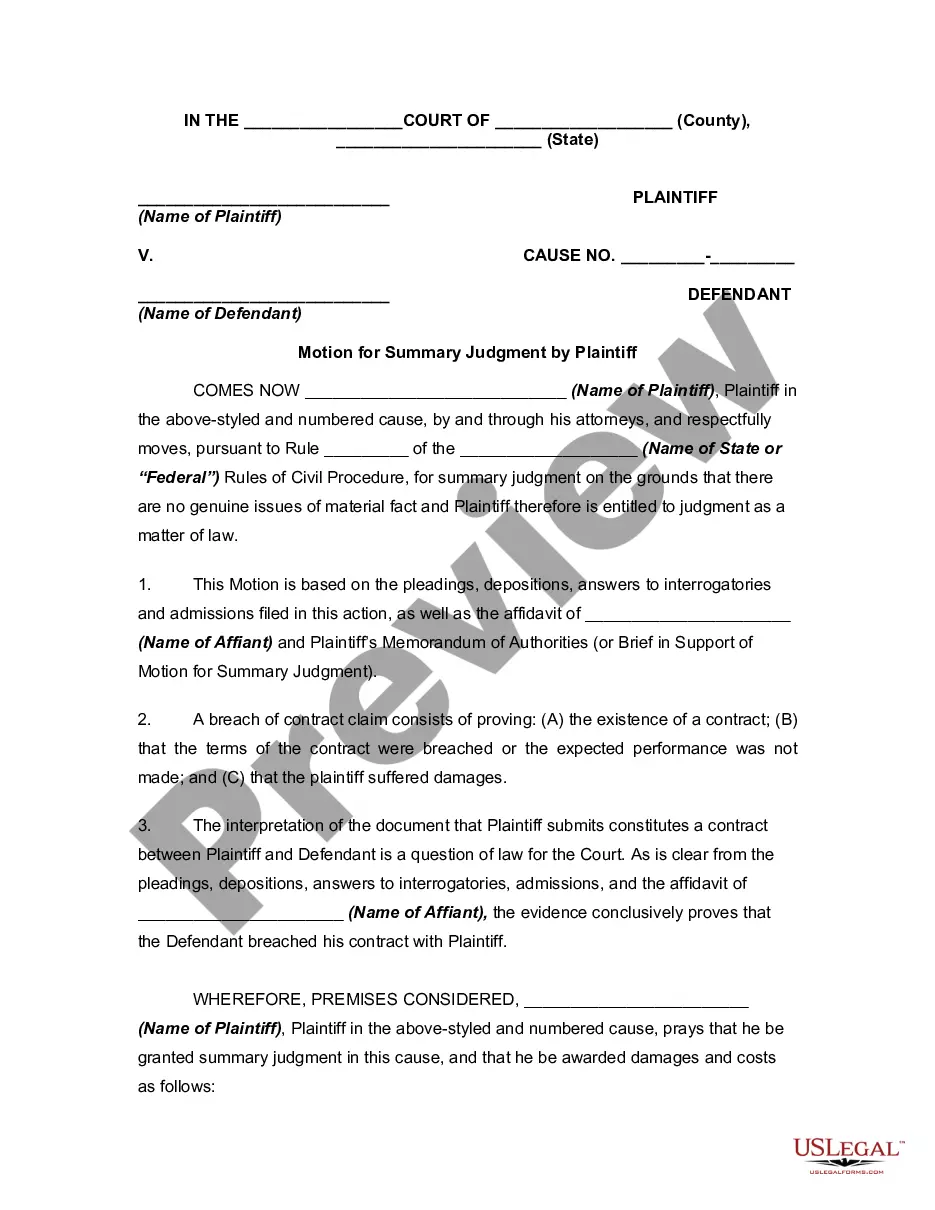
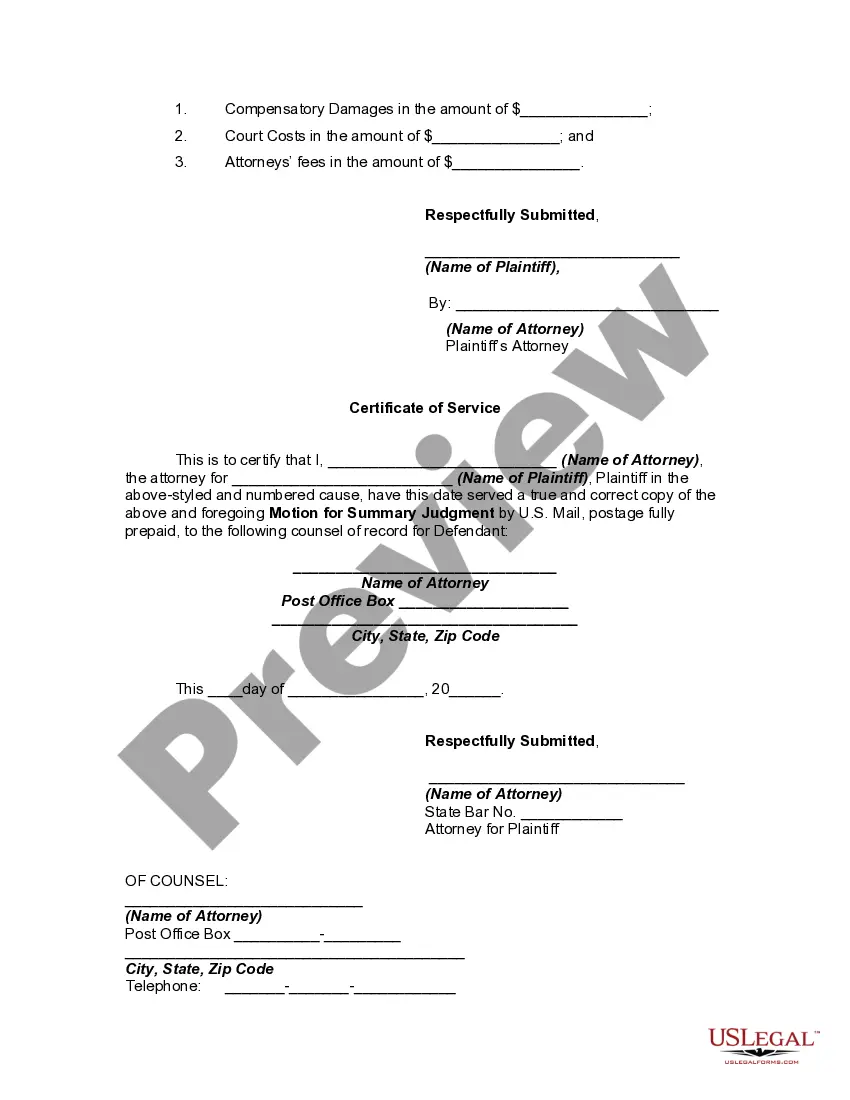
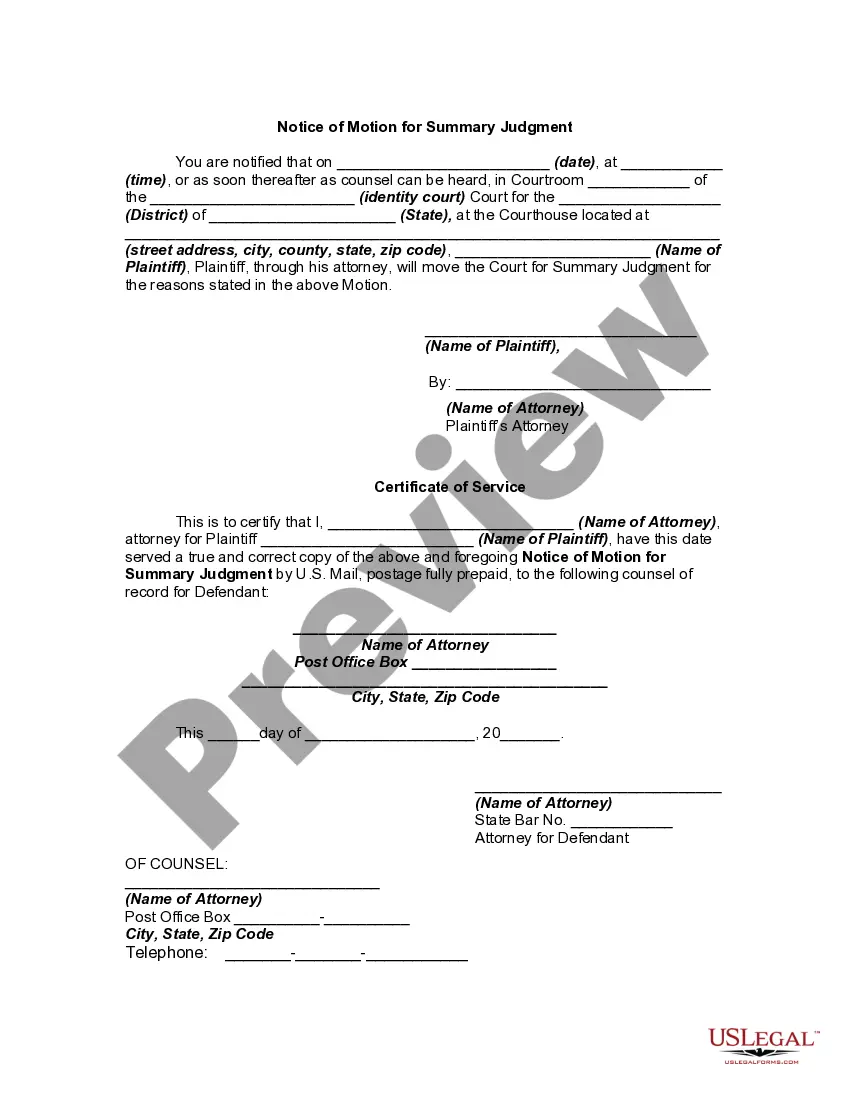
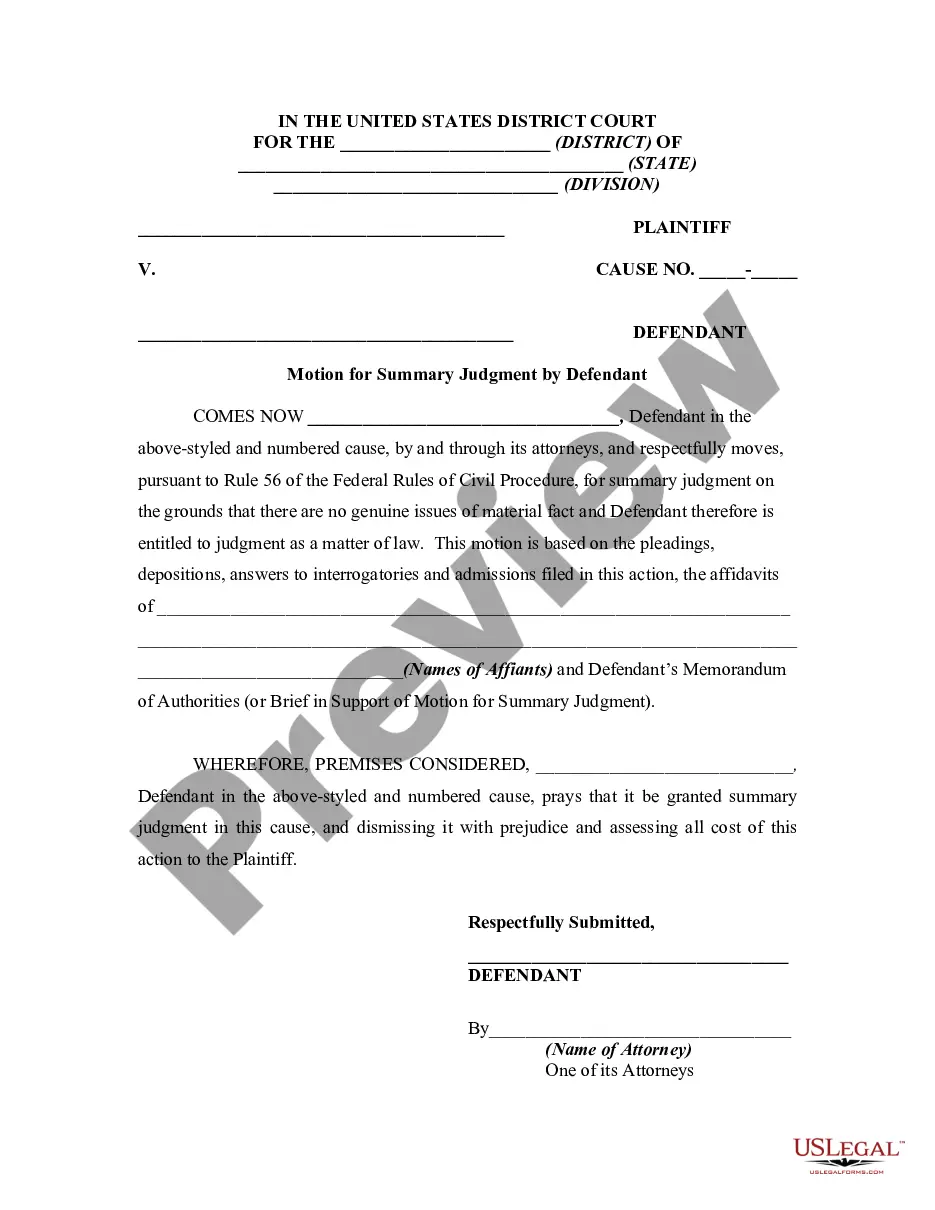
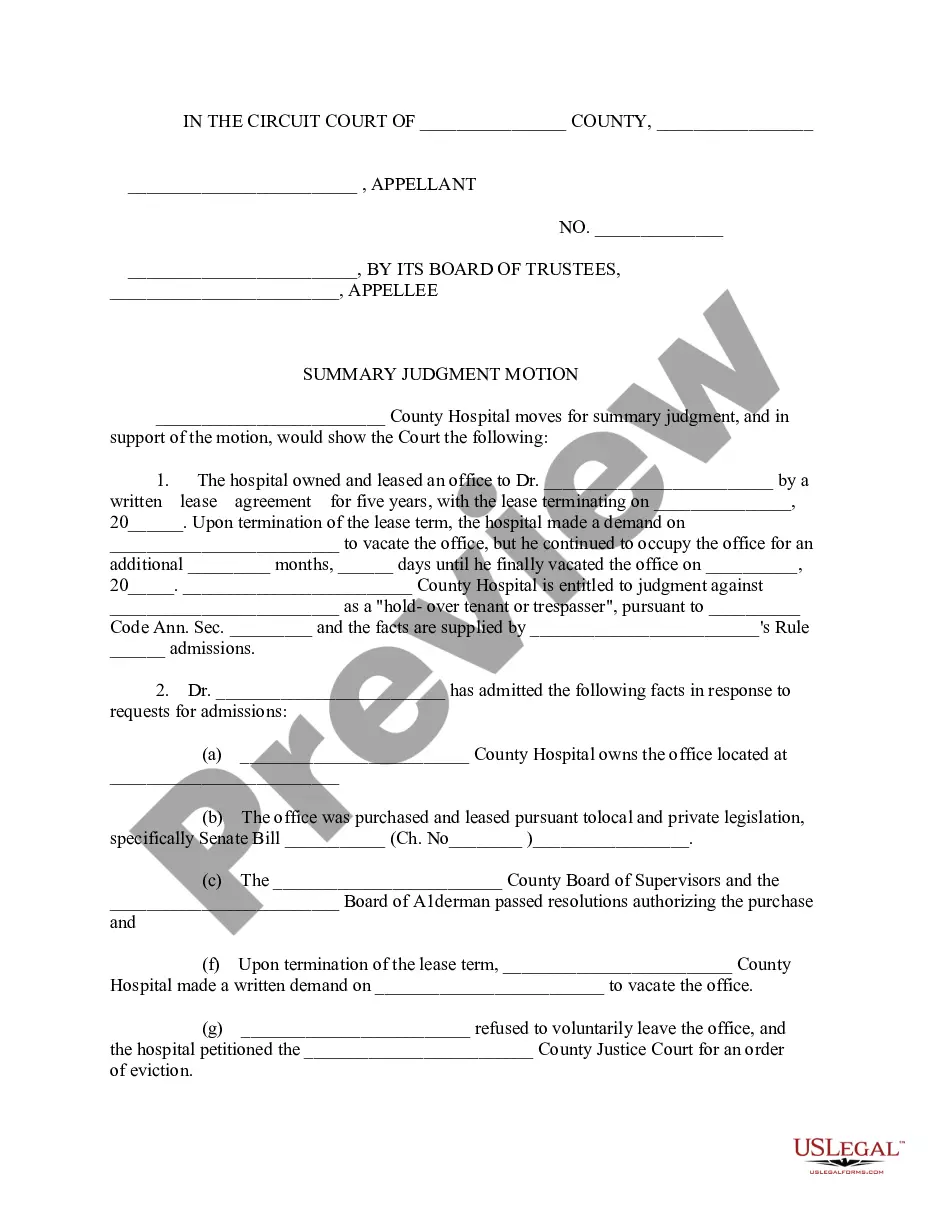
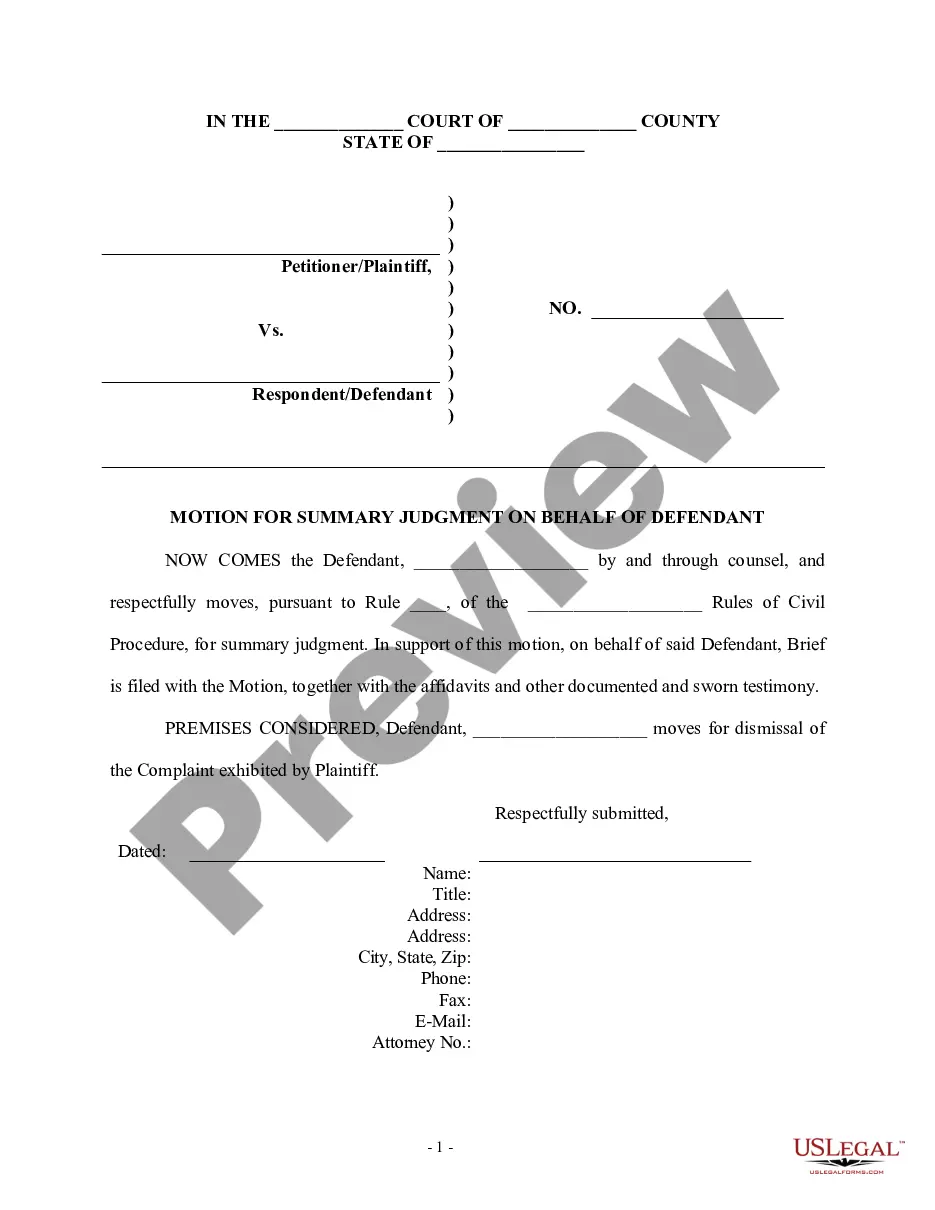
Pennsylvania Motion For Summary Judgment Sample
Description
Get your form ready online
Our built-in tools help you complete, sign, share, and store your documents in one place.
Make edits, fill in missing information, and update formatting in US Legal Forms—just like you would in MS Word.
Download a copy, print it, send it by email, or mail it via USPS—whatever works best for your next step.
Sign and collect signatures with our SignNow integration. Send to multiple recipients, set reminders, and more. Go Premium to unlock E-Sign.
If this form requires notarization, complete it online through a secure video call—no need to meet a notary in person or wait for an appointment.
We protect your documents and personal data by following strict security and privacy standards.

Make edits, fill in missing information, and update formatting in US Legal Forms—just like you would in MS Word.

Download a copy, print it, send it by email, or mail it via USPS—whatever works best for your next step.

Sign and collect signatures with our SignNow integration. Send to multiple recipients, set reminders, and more. Go Premium to unlock E-Sign.

If this form requires notarization, complete it online through a secure video call—no need to meet a notary in person or wait for an appointment.

We protect your documents and personal data by following strict security and privacy standards.
Looking for another form?

How to fill out Motion For Summary Judgment By Plaintiff For Breach Of Contract?
- If you're a returning user, log into your US Legal Forms account and select the required template by clicking the Download button. Ensure that your subscription is active. If not, renew it according to your plan.
- For new users, start by browsing the extensive library, checking the preview mode and form descriptions carefully. Make sure the chosen template satisfies your local jurisdiction requirements.
- If the template does not meet your needs, utilize the Search tab above to find a more suitable form and proceed if it fits your criteria.
- Click the Buy Now button to choose your preferred subscription plan. Register for an account to gain access to a comprehensive library of legal resources.
- Complete your purchase by entering your credit card details or utilizing PayPal for a seamless transaction.
- After the transaction is complete, download your form directly to your device. You can access it anytime via the My Forms section in your profile.
US Legal Forms differentiates itself by offering a robust collection of over 85,000 fillable and editable legal templates, more than competitors at a similar cost. Additionally, users can connect with premium experts for assistance, ensuring that documents are completed accurately and meet legal standards.
In conclusion, obtaining your Pennsylvania motion for summary judgment sample is simple with US Legal Forms. By following these steps, you can ensure that your legal documents are tailored to your needs. Start your journey toward legal clarity today!
Form popularity
FAQ
In Pennsylvania, the standard for a motion for summary judgment is based on whether there is a genuine issue of material fact. If no such issue exists, the court may grant the motion and decide the case without a trial. It is important to prepare well, so consider reviewing a Pennsylvania motion for summary judgment sample to understand how to effectively argue your position. This understanding can significantly impact the outcome of your case.
Responding to a motion for summary judgment in Pennsylvania requires careful preparation. First, gather all relevant evidence and documents that support your case. Then, draft a response that clearly outlines the reasons why the motion should be denied, using a Pennsylvania motion for summary judgment sample for guidance. Make sure to submit your response within the specified timeframe to comply with court rules.
You may seek summary judgment to resolve a case quickly without the need for a lengthy trial, saving time and resources. A well-prepared motion can demonstrate that the evidence overwhelmingly supports your position, making it a strategic choice. Using a Pennsylvania motion for summary judgment sample can help you articulate your reasons clearly and effectively. This approach can also reduce uncertainty and provide a clearer outcome.
To request a summary judgment, you must prepare and submit a motion along with supporting documentation to the court. Make sure to include a Pennsylvania motion for summary judgment sample to structure your documents accurately. The motion should outline the key facts of your case, present your legal arguments, and cite relevant laws. It’s important to follow local court rules for filing to ensure your request is considered.
The odds of obtaining a summary judgment depend on several factors, including the strength of your evidence and the arguments presented. Courts often grant summary judgments when there is no genuine dispute about the material facts. Referring to a Pennsylvania motion for summary judgment sample can improve your chances by illustrating how to effectively present your case. Ultimately, the decision rests with the judge based on the information provided.
Typically, the party who believes they have a solid case files for summary judgment, seeking to avoid a trial. This can be either the plaintiff or the defendant, depending on the situation. Using a Pennsylvania motion for summary judgment sample can help either party present their case convincingly to the court. Remember, having strong documentation and clear arguments is key to a successful motion.
To request a summary judgment, you need to file a motion with the court that includes your arguments and evidence supporting your case. Ensure you also provide the relevant Pennsylvania motion for summary judgment sample to guide your drafting. This motion should clearly indicate that there are no genuine disputes about material facts, allowing the court to rule in your favor. Consider using resources like US Legal Forms to help you prepare your request effectively.
Winning a motion for summary judgment hinges on providing clear, compelling evidence that supports your position. You should focus on outlining undisputed facts and relevant laws that favor your argument. Leveraging a Pennsylvania motion for summary judgment sample can provide the necessary structure and insights to bolster your case effectively.
Filing a motion for summary judgment in Pennsylvania requires completing specific court forms and submitting them along with evidence that supports your motion. Generally, you must carefully follow court rules regarding format and deadlines. Considering access to a Pennsylvania motion for summary judgment sample can simplify this process and ensure compliance.
To successfully file a Pennsylvania motion for summary judgment, you must show that there is no genuine issue of material fact and that you are entitled to judgment as a matter of law. This involves preparing a clear statement of undisputed facts supported by evidence. Following this structured approach can greatly enhance your chances of success.