Order Injunction Preliminary Withdrawn
Description

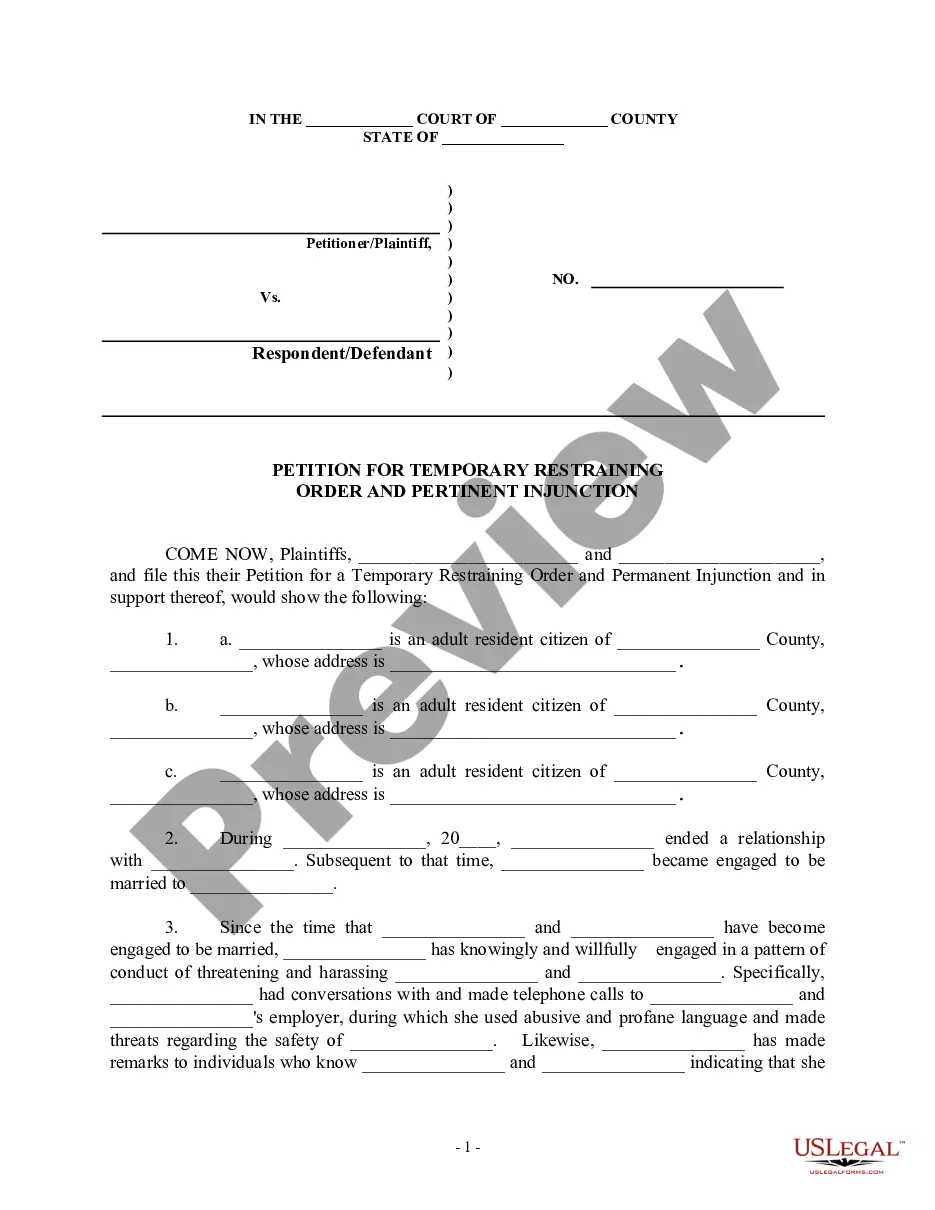
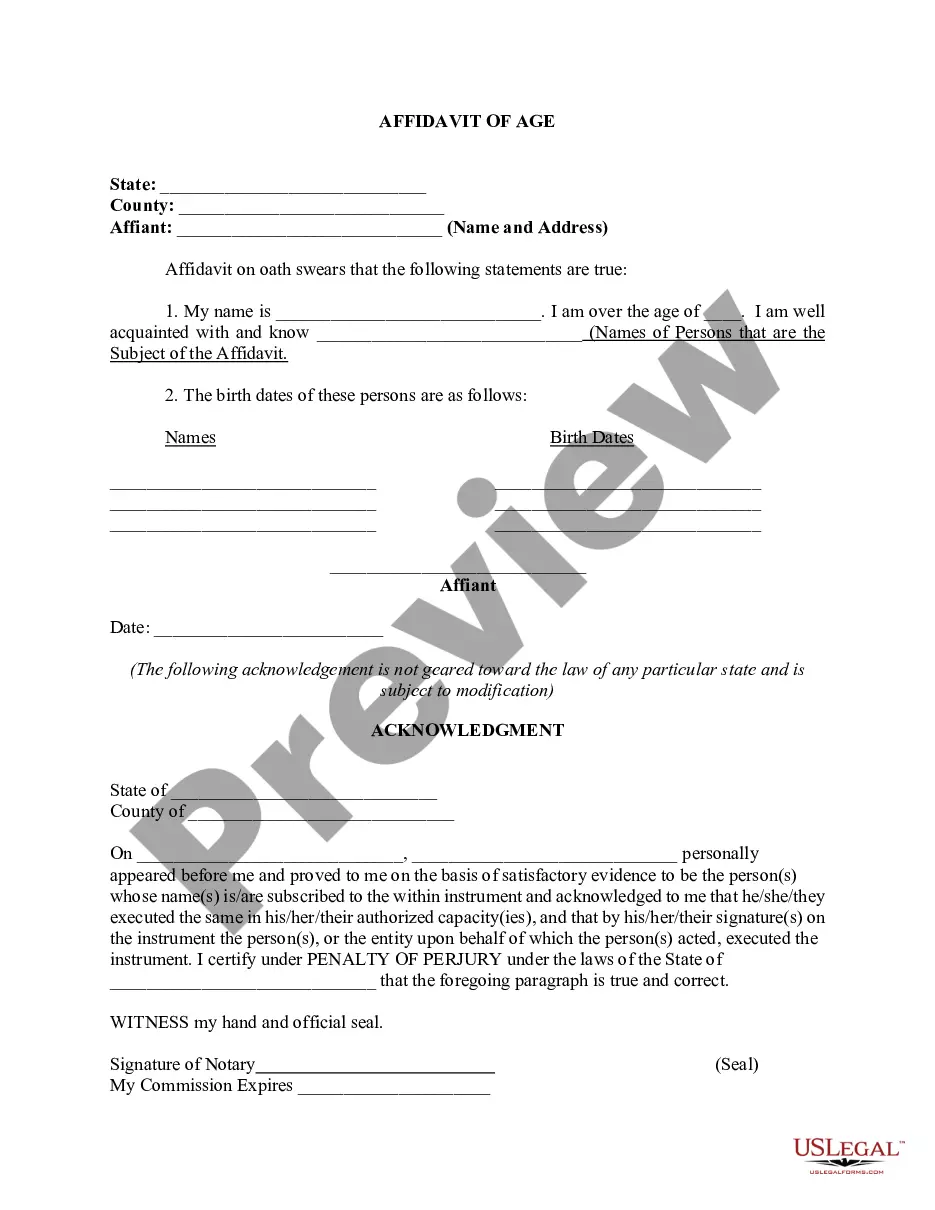
Get your form ready online
Our built-in tools help you complete, sign, share, and store your documents in one place.
Make edits, fill in missing information, and update formatting in US Legal Forms—just like you would in MS Word.
Download a copy, print it, send it by email, or mail it via USPS—whatever works best for your next step.
Sign and collect signatures with our SignNow integration. Send to multiple recipients, set reminders, and more. Go Premium to unlock E-Sign.
If this form requires notarization, complete it online through a secure video call—no need to meet a notary in person or wait for an appointment.
We protect your documents and personal data by following strict security and privacy standards.

Make edits, fill in missing information, and update formatting in US Legal Forms—just like you would in MS Word.

Download a copy, print it, send it by email, or mail it via USPS—whatever works best for your next step.

Sign and collect signatures with our SignNow integration. Send to multiple recipients, set reminders, and more. Go Premium to unlock E-Sign.

If this form requires notarization, complete it online through a secure video call—no need to meet a notary in person or wait for an appointment.

We protect your documents and personal data by following strict security and privacy standards.
Looking for another form?
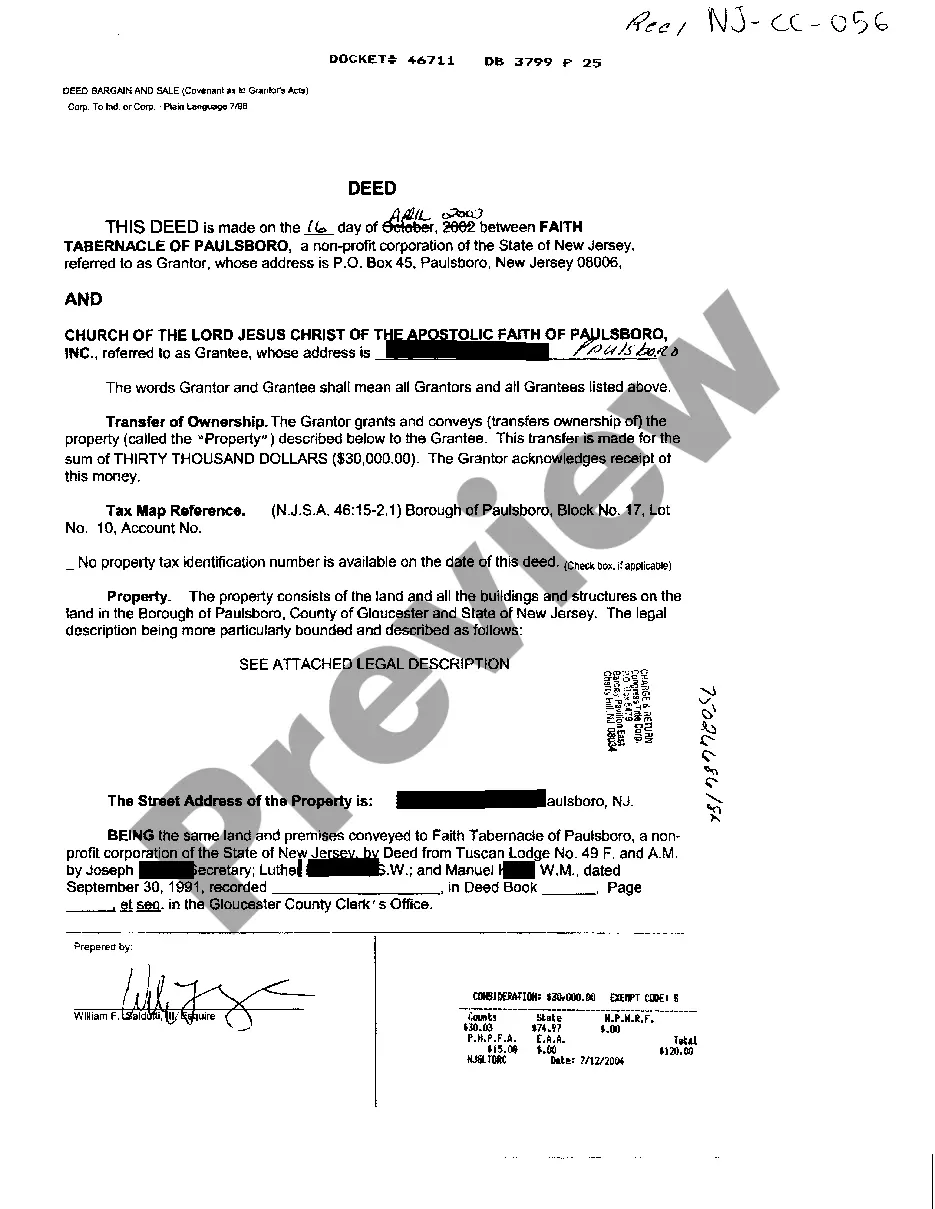
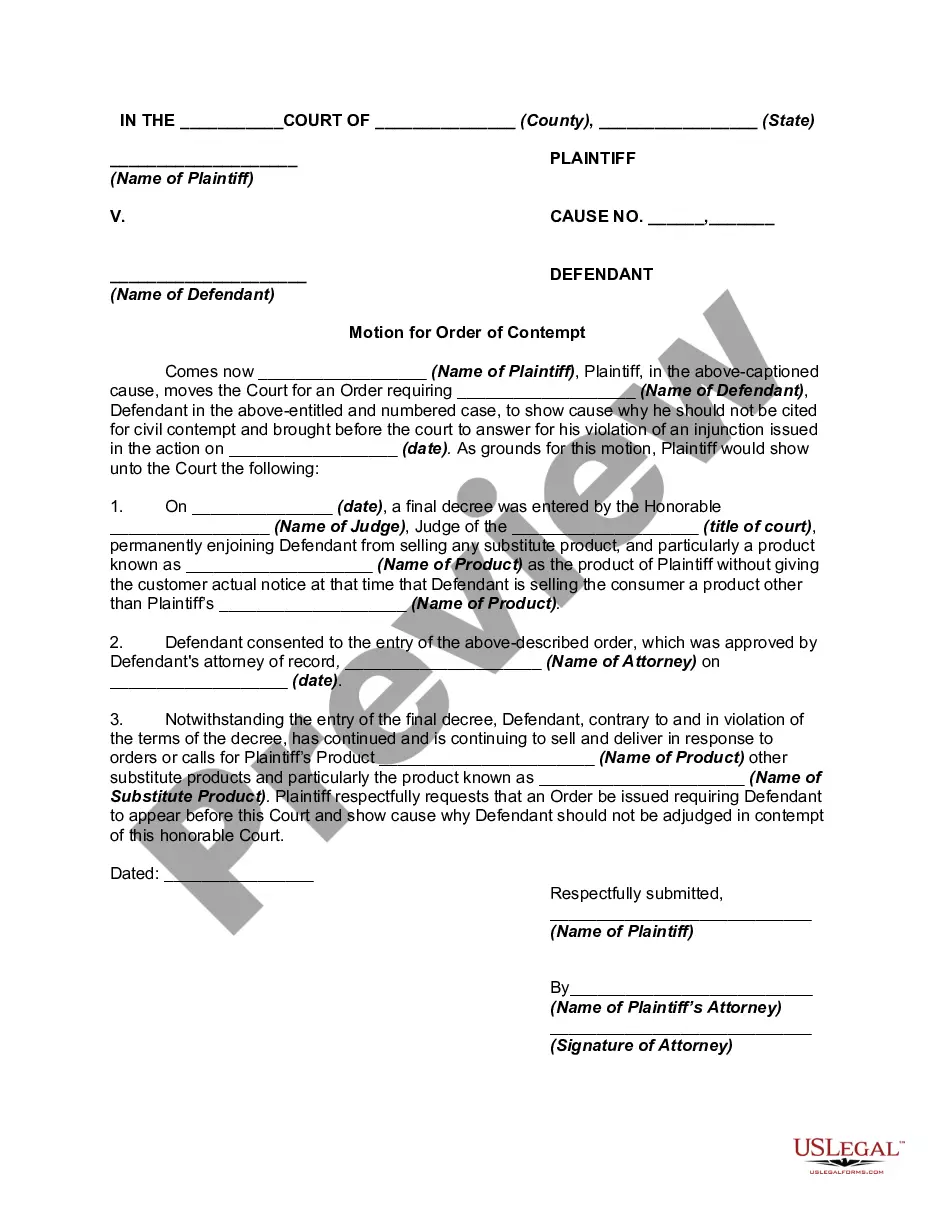
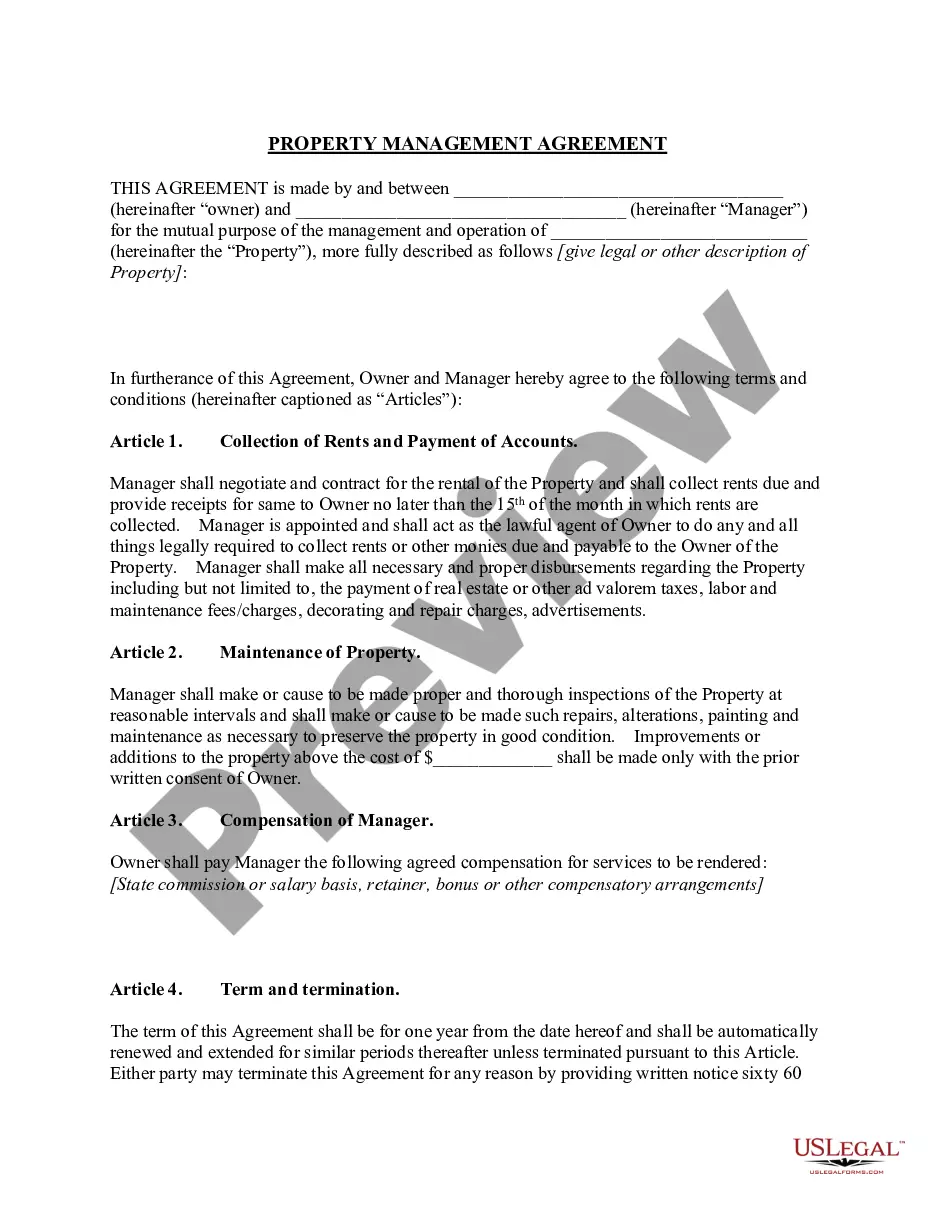
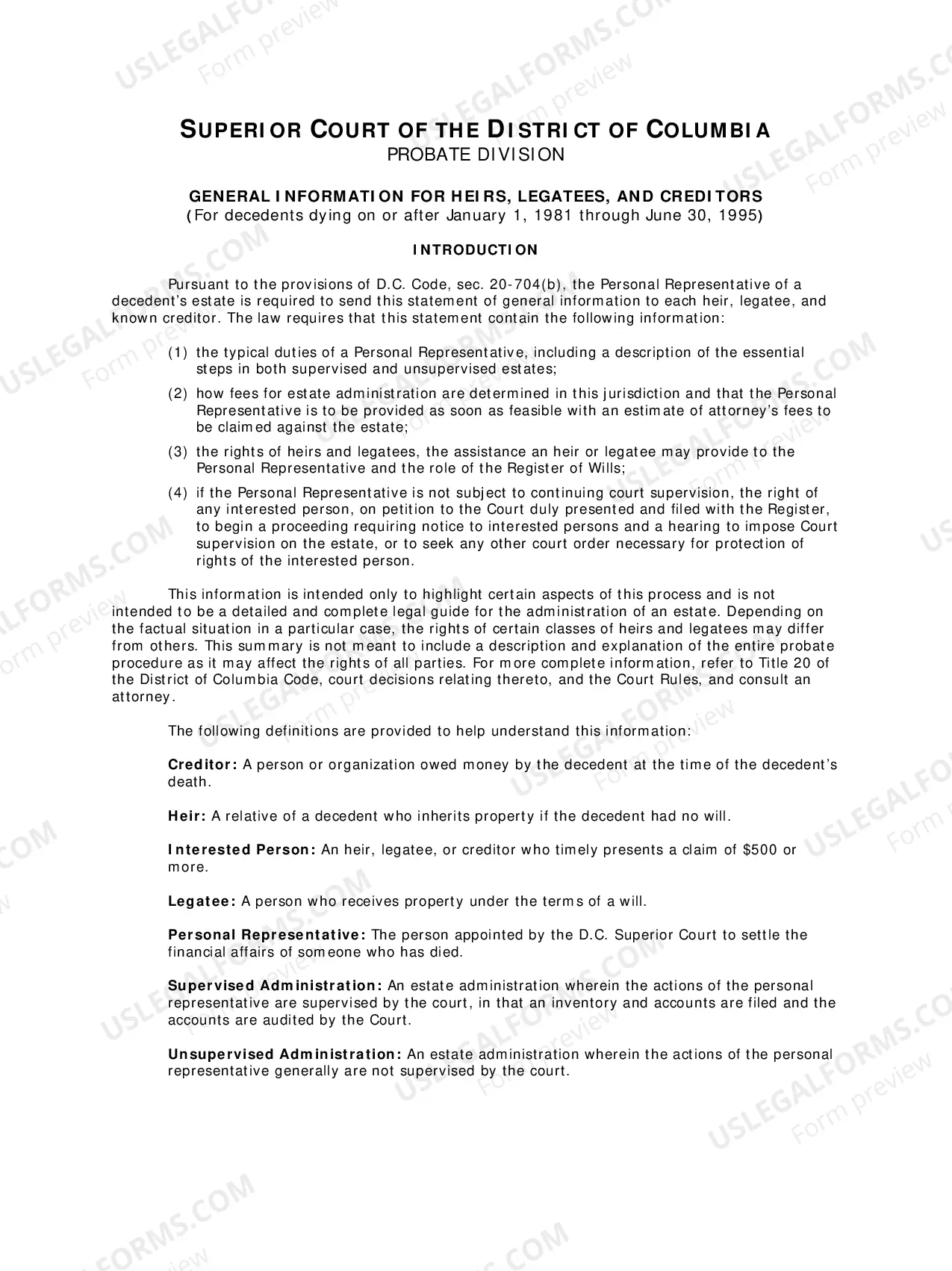
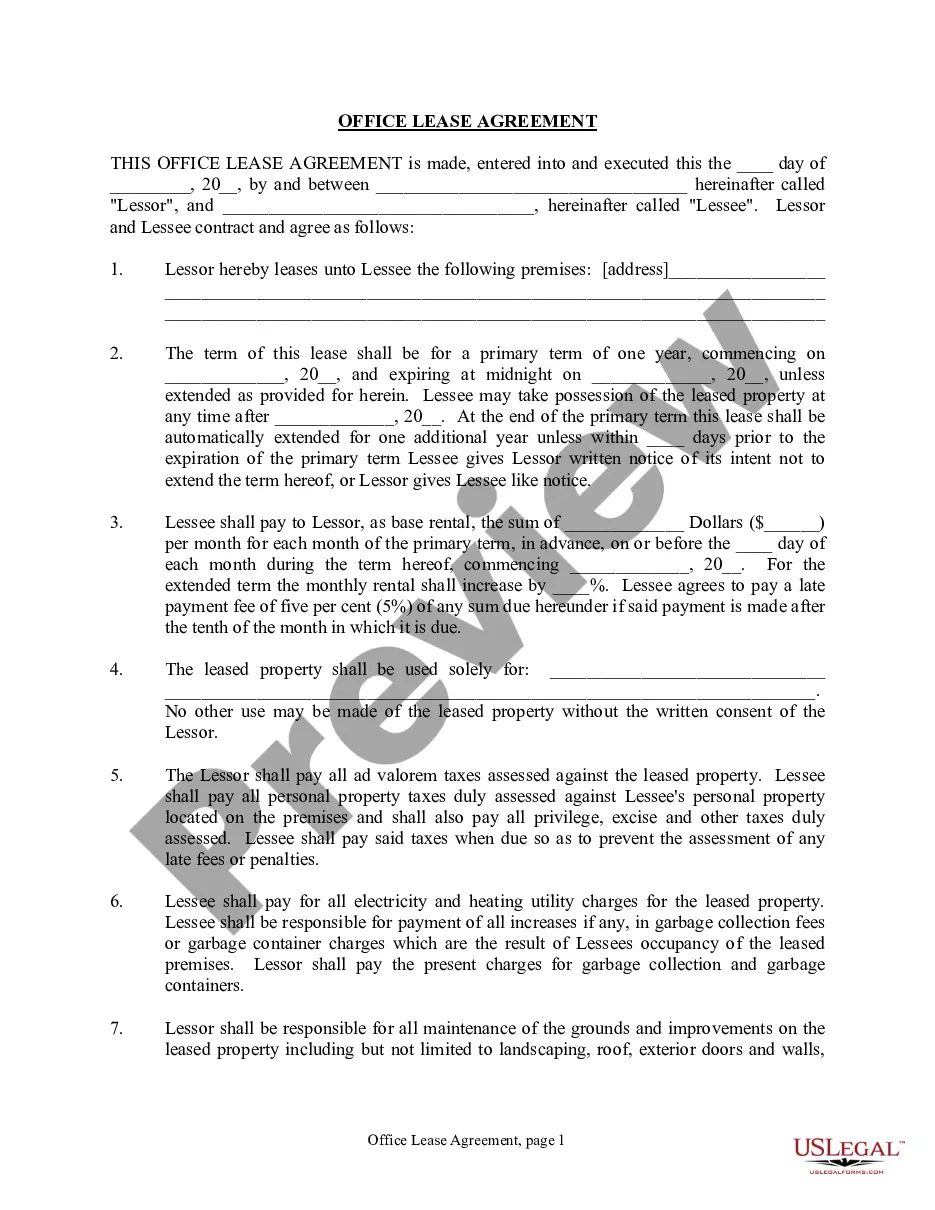
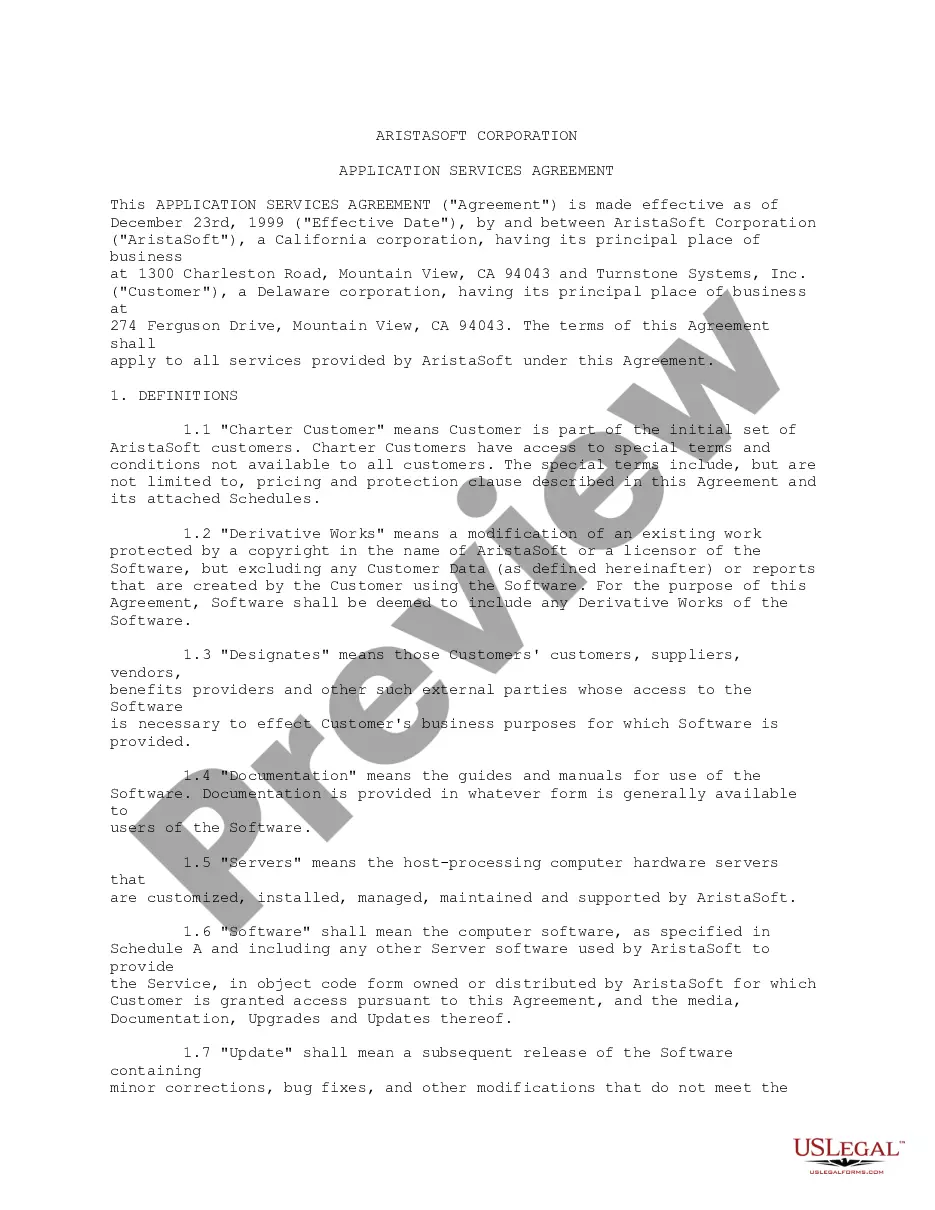
How to fill out Affidavit In Support Of Motion For Preliminary Injunction?
Obtaining legal templates that comply with federal and state laws is crucial, and the internet provides numerous choices to select from.
However, what’s the advantage of spending time looking for the suitable Order Injunction Preliminary Withdrawn example online if the US Legal Forms digital library already compiles such templates in one location.
US Legal Forms is the largest online legal repository with over 85,000 editable templates created by lawyers for various business and personal scenarios.
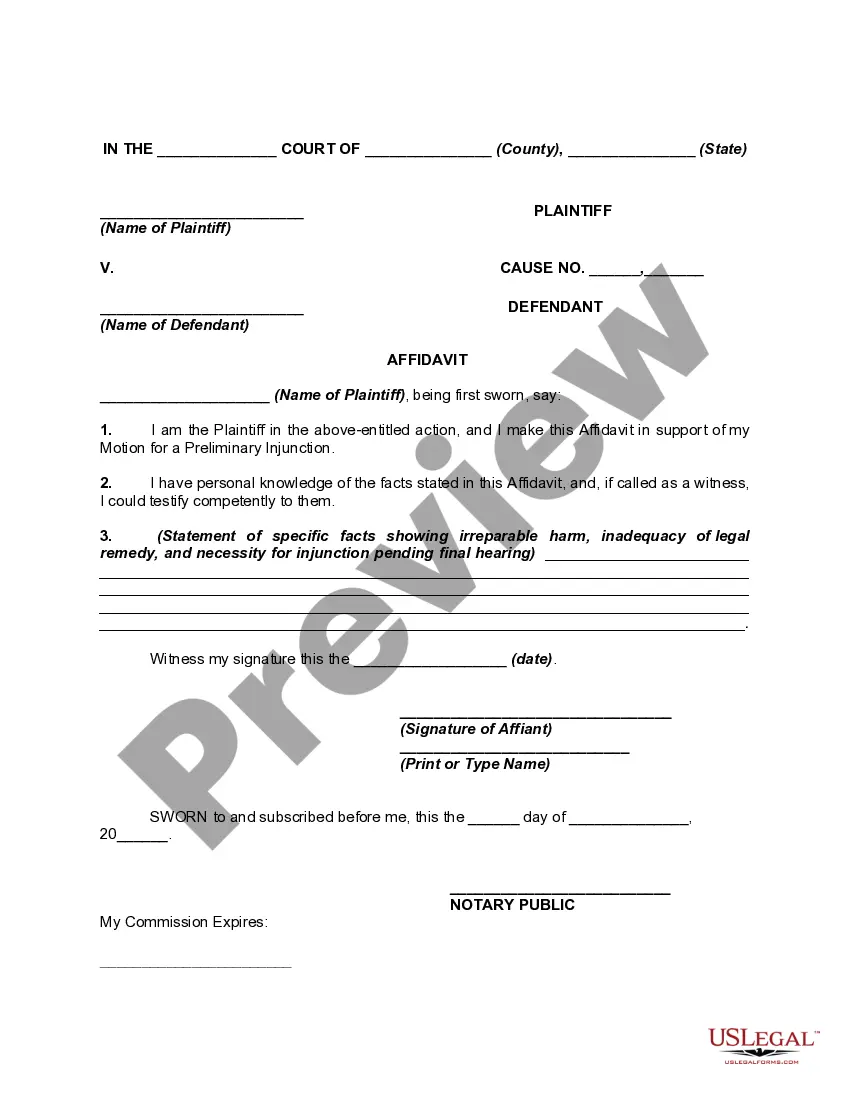
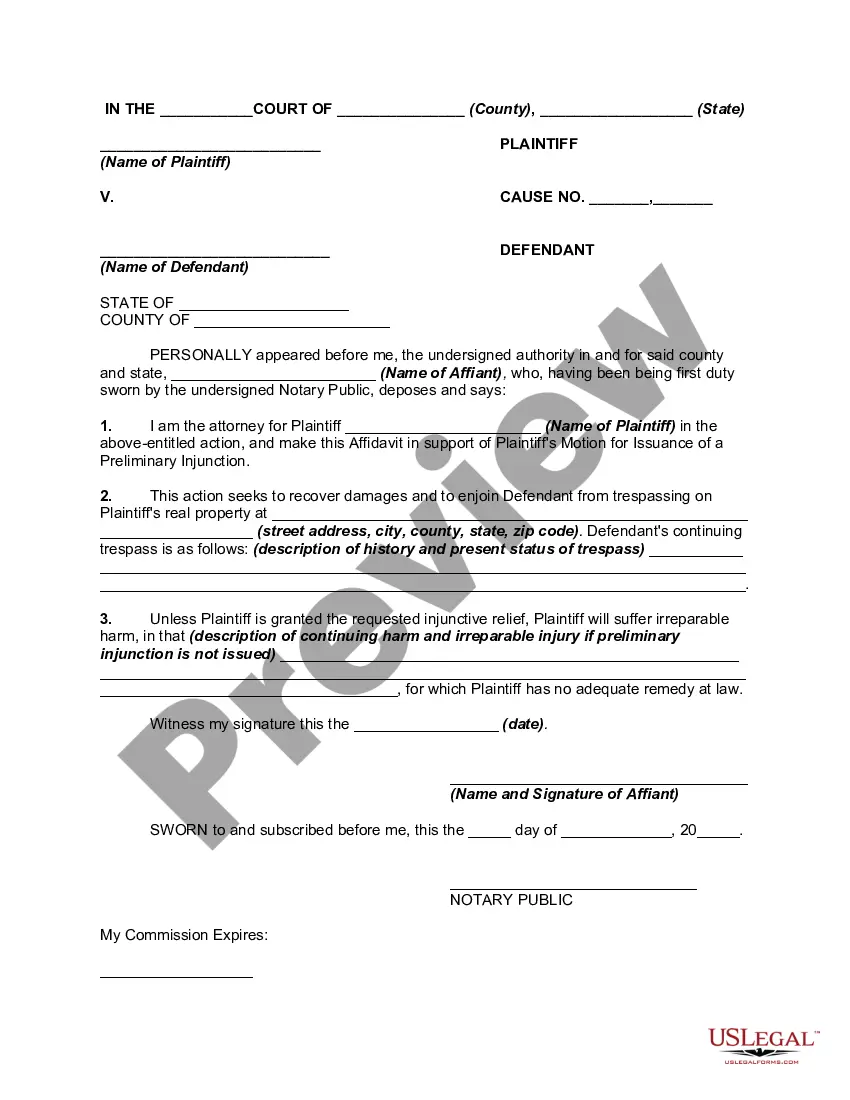
Review the template using the Preview function or via the text description to confirm it meets your requirements.
- They are simple to navigate with all documents categorized by state and intended use.
- Our experts keep abreast of legislative updates, so you can always be confident that your documents are current and compliant when obtaining an Order Injunction Preliminary Withdrawn from our site.
- Acquiring an Order Injunction Preliminary Withdrawn is quick and easy for both existing and new clients.
- If you already possess an account with an active subscription, Log In and retrieve the document template you need in the appropriate format.
- If you are unfamiliar with our site, adhere to the instructions below.
Form popularity
FAQ
It is well established that, to determine whether an injunction is ?just and proper,? courts apply the ?familiar set of four equitable factors: the movant's likelihood of success on the merits; the possibility of irreparable injury to the moving party; the extent to which the balance of hardships favors each party; and ...
Section 527 - Preliminary injunctions and temporary restraining orders (a) A preliminary injunction may be granted at any time before judgment upon a verified complaint, or upon affidavits if the complaint in the one case, or the affidavits in the other, show satisfactorily that sufficient grounds exist therefor.
A preliminary injunction, which is also known as an ad-interim injunction, is assigned to a plaintiff prior to a trial. preliminary injunction preserves the subject matter in its existing condition to prevent any dissolution of the plaintiff's rights, and thereby render him/her the possibility of immediate relief.
The party asking for an injunctive relief must prove three things: 1) that there is a cause of action against the defendant; 2) that the party seeking the injunction has a right to the property in question; and 3) that the objects in question are in danger of ?probable, imminent, and irreparable injury.? In the Strube ...
Gurudas and Ors[2], the court ruled that it would evaluate an application for an injunction on the basis of three factors: i) the case's prima facie legality; ii) the balance of convenience; iii) irreparable harm.