Motion For Preliminary Default Divorce Louisiana
Description
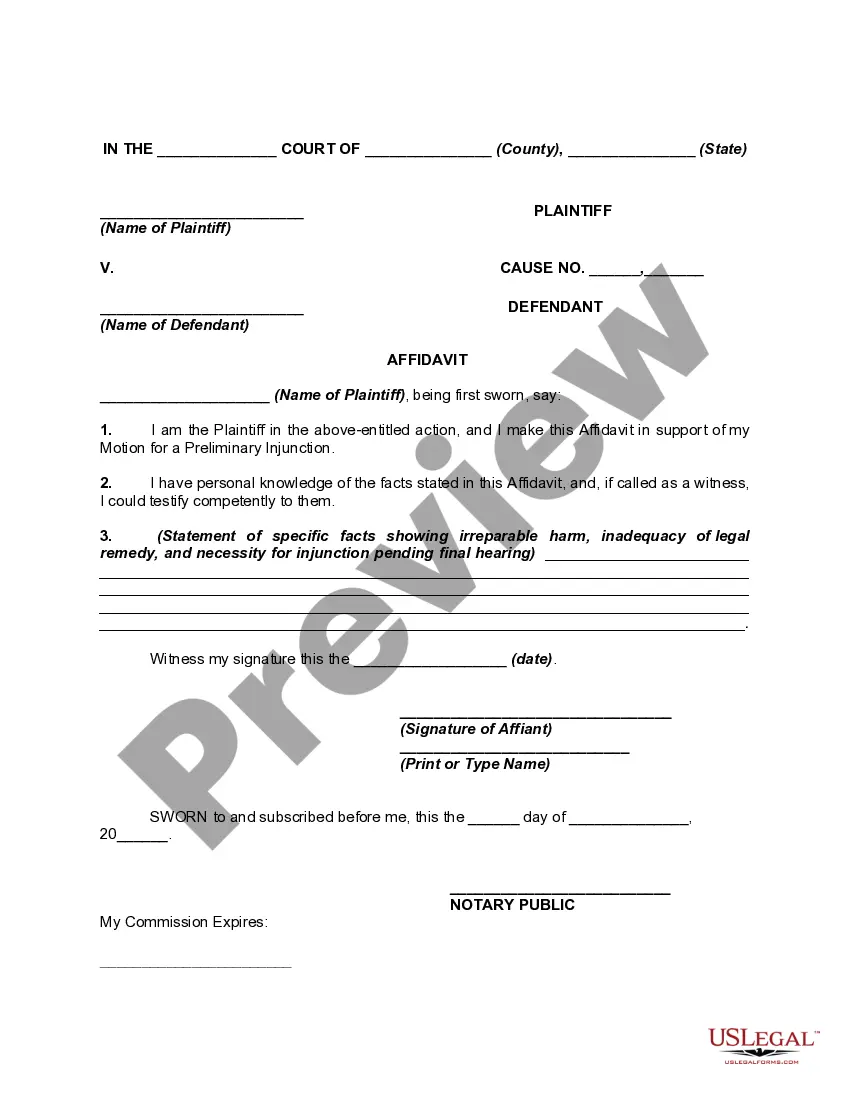

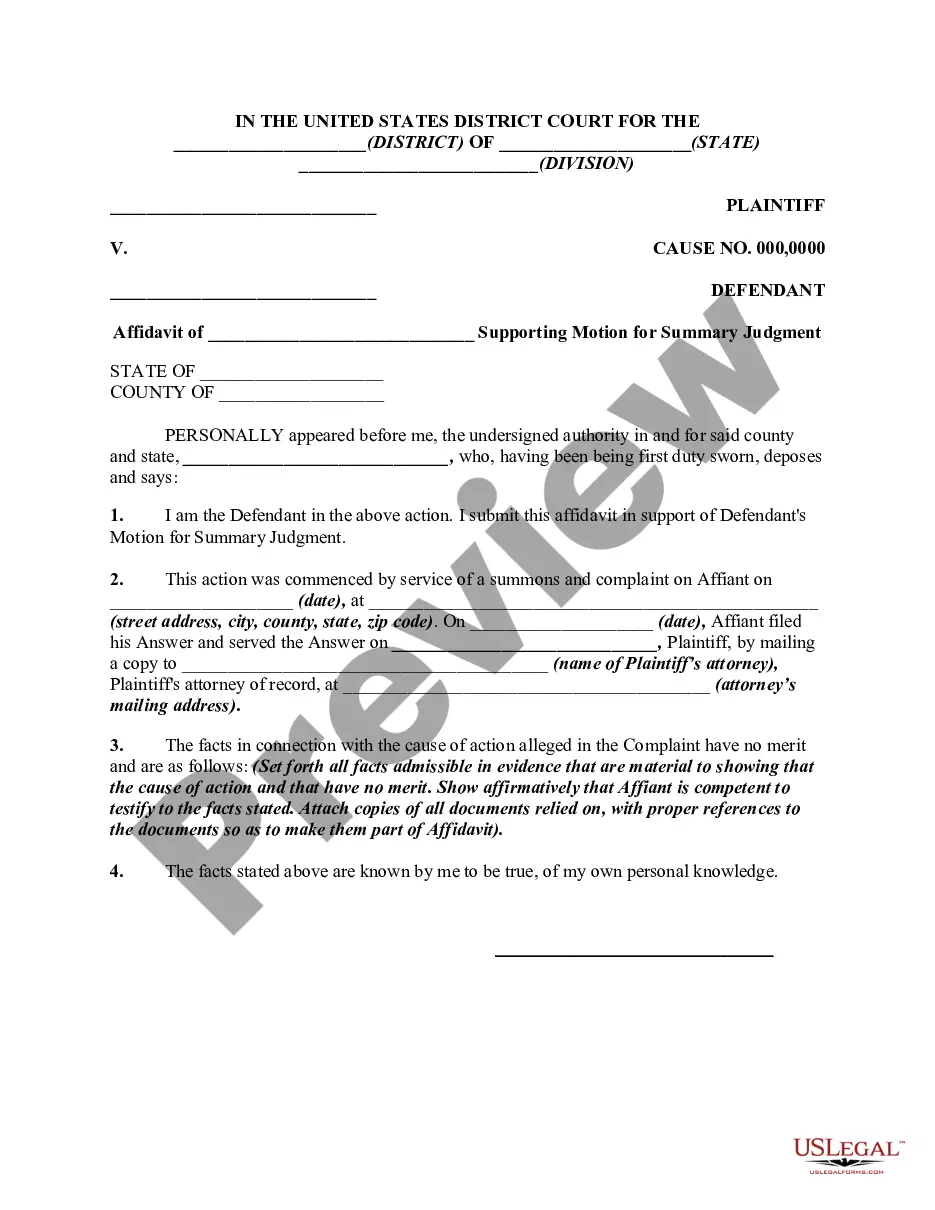
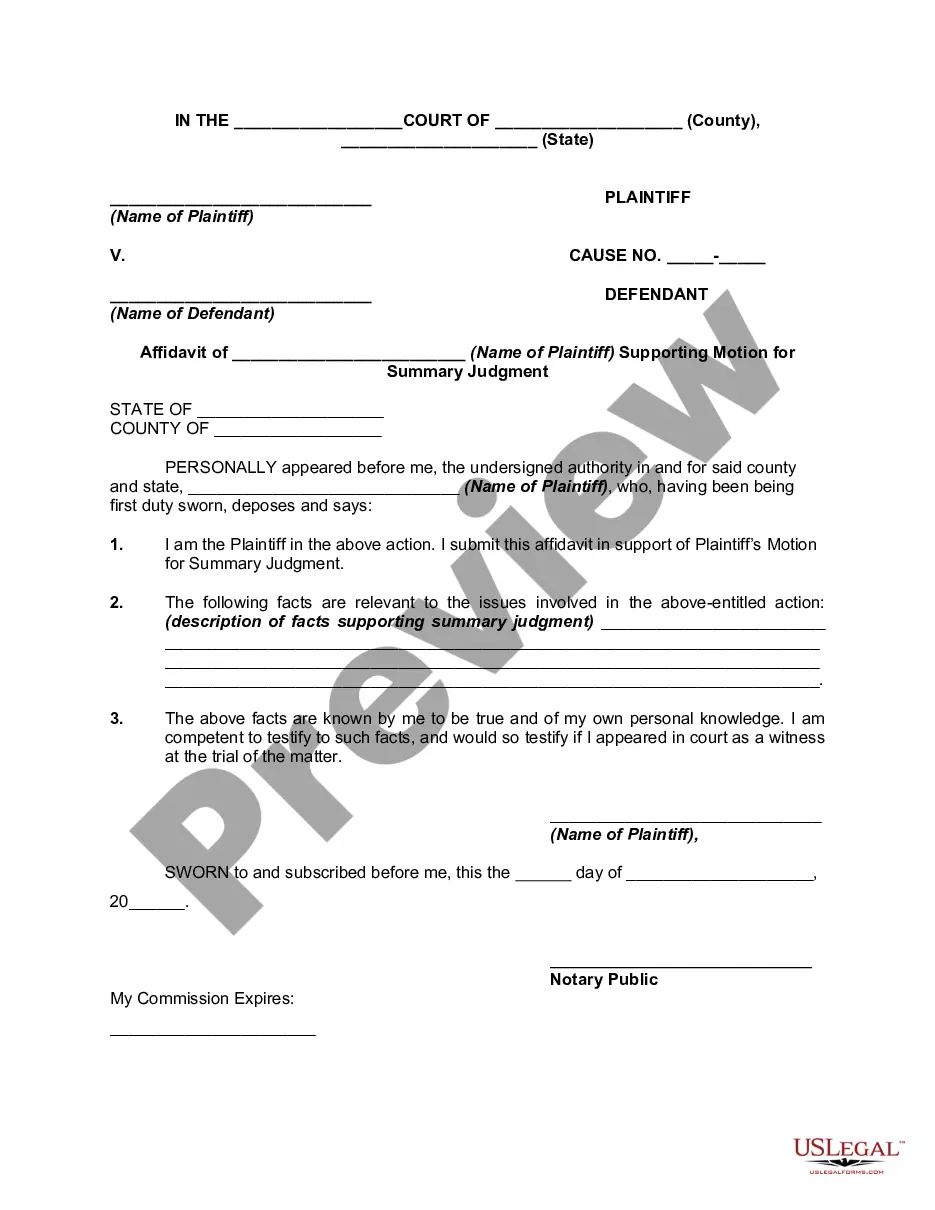
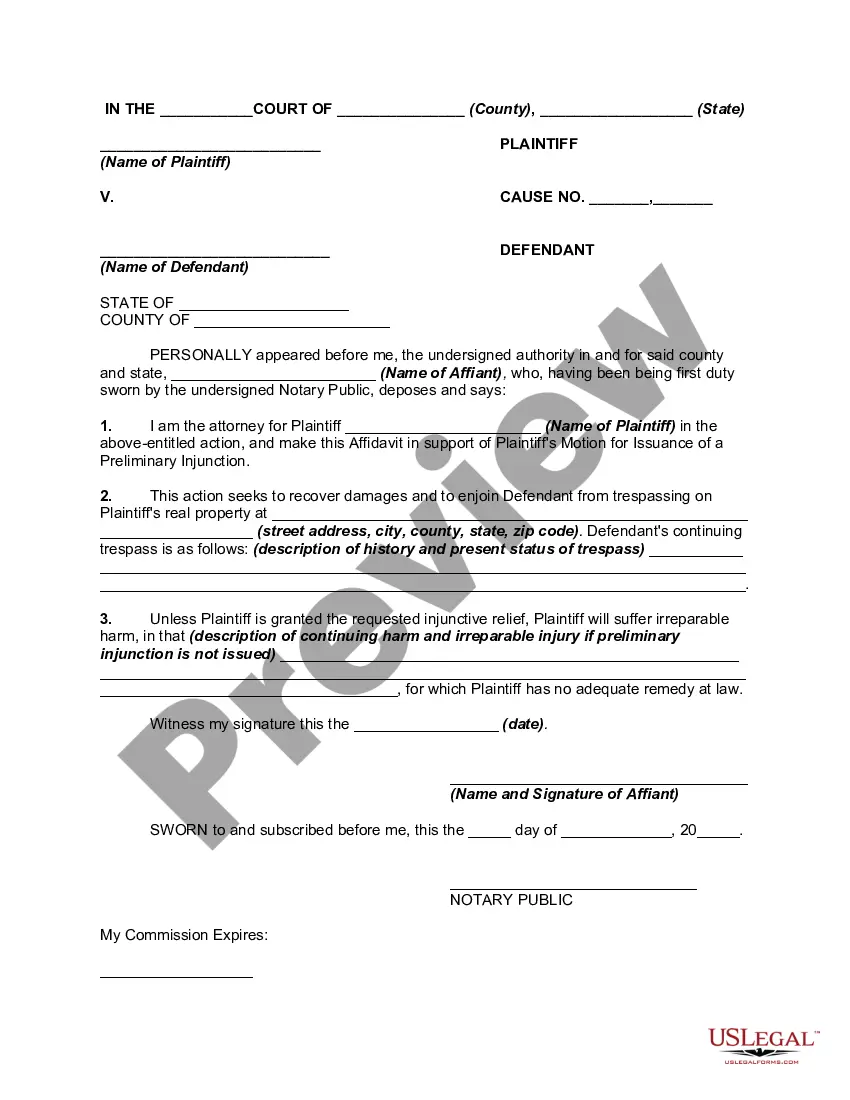
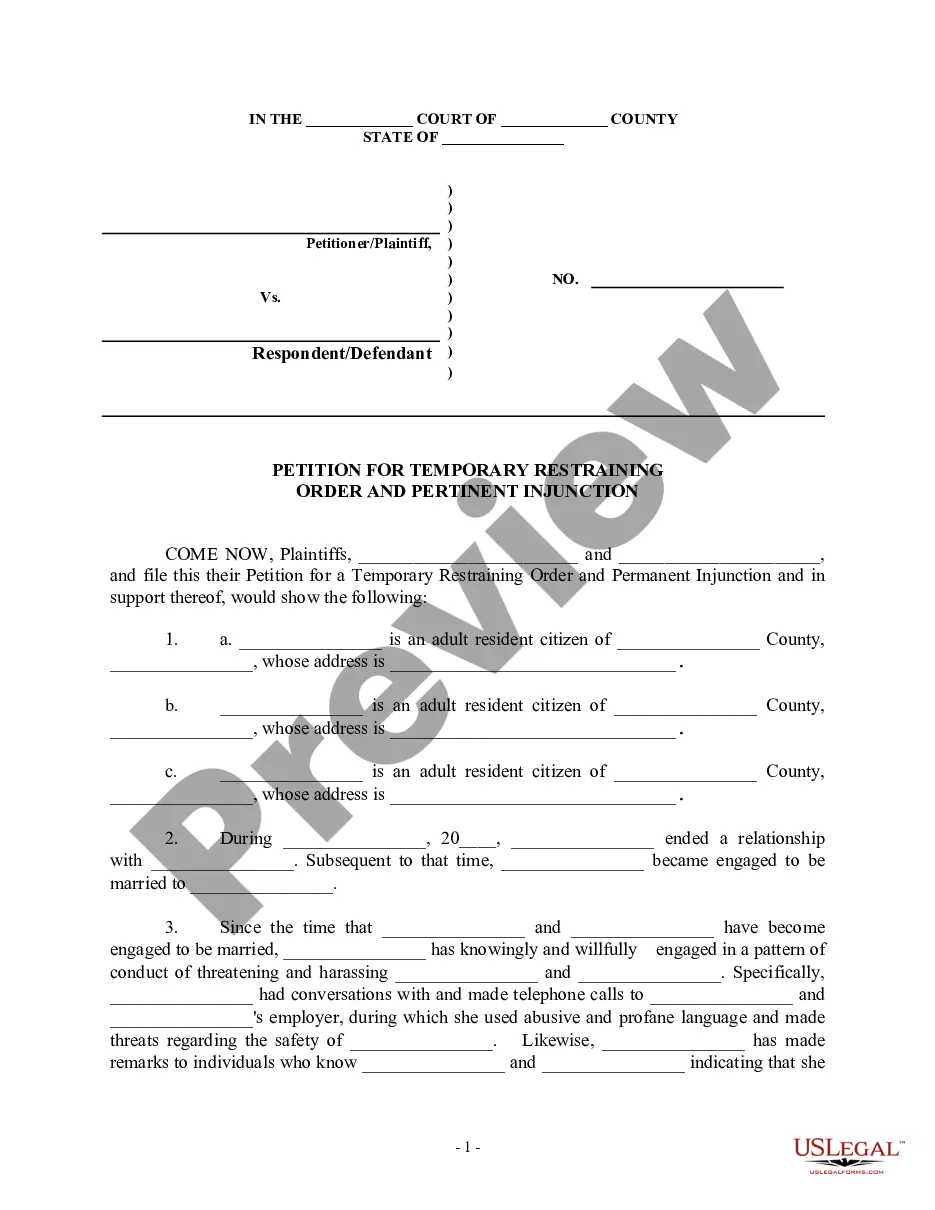



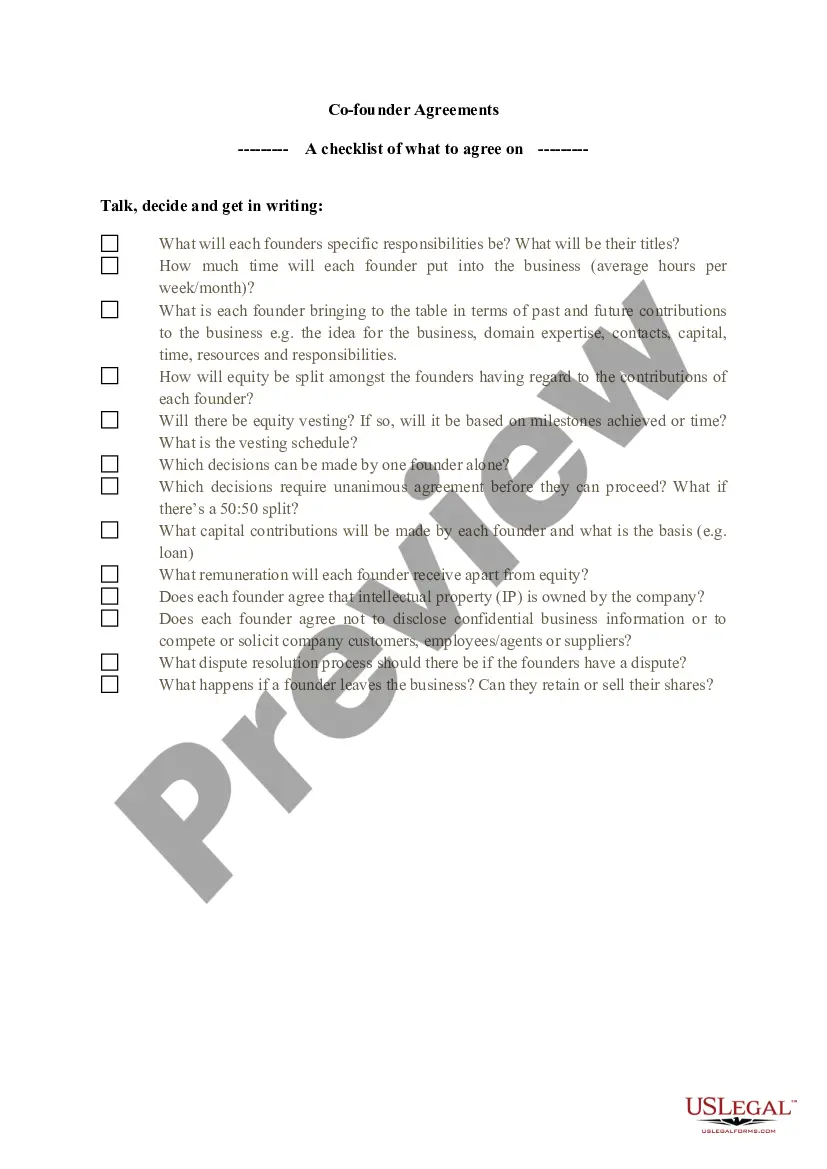
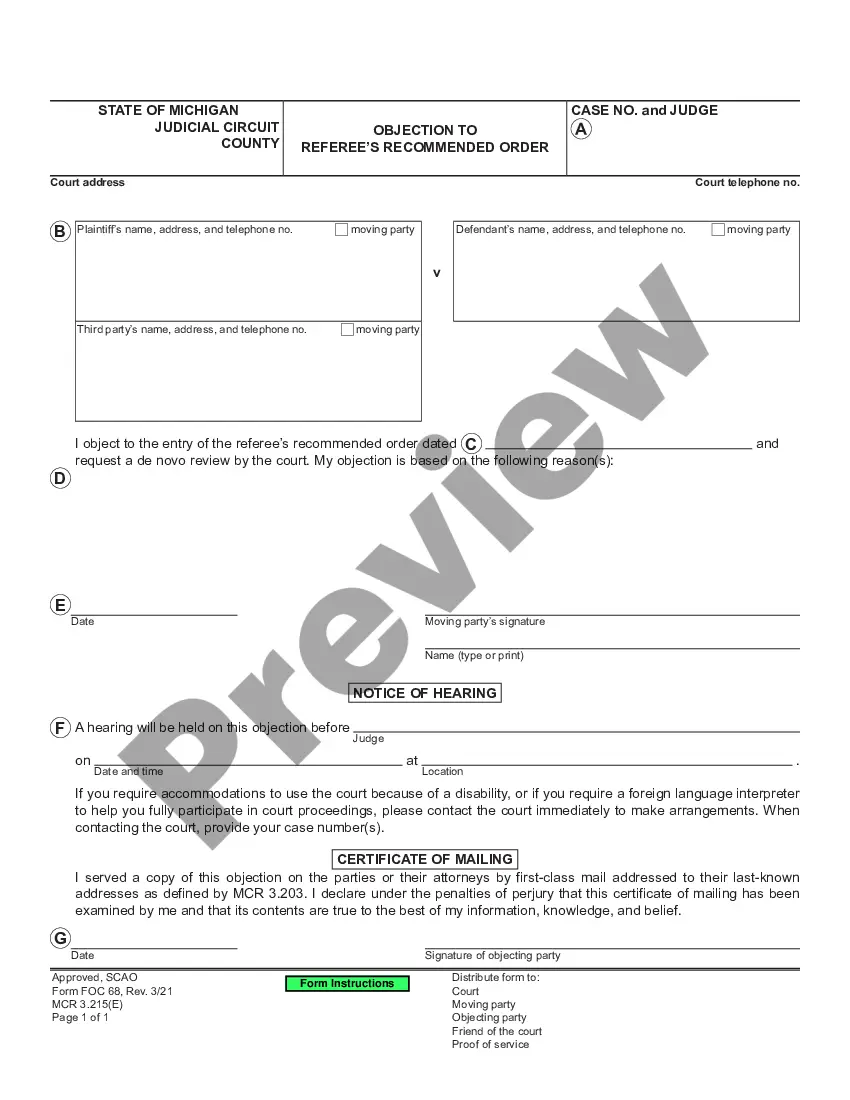
How to fill out Affidavit In Support Of Motion For Preliminary Injunction?
Securing a primary location to obtain the latest and applicable legal documents is part of the challenge of navigating bureaucracy.
Finding the appropriate legal paperwork requires precision and careful attention, which is why it is crucial to source samples of Motion For Preliminary Default Divorce Louisiana exclusively from trustworthy providers, such as US Legal Forms. An incorrect template can squander your time and prolong your current situation. With US Legal Forms, you have minimal concerns. You can access and verify all the details regarding the document’s applicability and appropriateness for your situation and within your state or area.
Eliminate the stress associated with your legal paperwork. Browse the comprehensive US Legal Forms catalog to discover legal templates, assess their applicability to your situation, and download them instantly.
- Utilize the catalog navigation or search bar to find your template.
- Review the form’s details to determine if it meets the prerequisites of your state and area.
- View the form preview, if available, to confirm that the form is indeed the one you need.
- Continue your search and find the correct document if the Motion For Preliminary Default Divorce Louisiana does not match your criteria.
- If you are confident about the form’s applicability, proceed to download it.
- If you are a registered user, click Log in to verify your identity and access your chosen templates in My documents.
- If you do not yet have an account, click Buy now to acquire the form.
- Select the pricing option that meets your needs.
- Proceed to the registration process to finalize your purchase.
- Complete your purchase by selecting a payment option (credit card or PayPal).
- Choose the file format for downloading the Motion For Preliminary Default Divorce Louisiana.
- Once you have the form on your device, you can edit it with the editor or print it to finish it manually.
Form popularity
FAQ
The default judgment law in Louisiana allows a court to rule in favor of one party when the other fails to respond to the legal proceedings appropriately. It provides a mechanism for plaintiffs to obtain judgments when defendants ignore the lawsuit. Familiarity with this law is crucial when considering a motion for preliminary default divorce Louisiana, as it outlines the necessary steps and requirements for a successful claim.
To negotiate a default judgment effectively, start by discussing the case details with the opposing party and attempt to reach a settlement. You can present your arguments and evidence to demonstrate the merits of your position. Consider using mediation services or legal assistance to clarify the terms and make the negotiation smoother. Ultimately, a well-prepared negotiation can lead to a mutual agreement without needing further court action.
A default judgment can be advantageous or disadvantageous, depending on your perspective. For petitioners, it serves as a means to finalize a divorce without opposition, leading to potentially quicker outcomes. Conversely, for respondents unaware of the proceedings, it could result in unfavorable terms, such as alimony or asset divisions being decided without their input. Understanding this helps you prepare better if you use a motion for preliminary default divorce Louisiana.
If you get a section 8 notice, it's the first step your landlord has to take to make you leave your home. You won't have to leave your home straight away. If your section 8 notice is valid, your landlord will need to go to court to evict you. You might be able to challenge your eviction and stay longer in your home.
You must submit an affidavit and pay a filing fee of $40.00 when you file the action. The Court will issue an Order to Show Cause which will be attached to your affidavit and served upon the tenant requiring him to either vacate the premises or show cause by requesting a hearing date.
The South Carolina eviction notice itself must be delivered to the tenant as an official letter or form detailing the key information about the property and tenant. It must also clearly explain the reason the landlord wishes to terminate the lease and how long the resident has to comply with the notice.
After the notice period has passed, the landlord may file for a Rule/Order to Show Cause. Successful evictions rely on correct filings, so the landlord must file all the forms correctly. ing to South Carolina state law, filing fees cost about $40 for the Rule to Show Cause. A Writ of Ejectment costs an extra $10.
A South Carolina five (5) day notice to quit (non-payment) is a legal notice requiring a tenant to pay past-due rent within five (5) days or risk being evicted.
The South Carolina Notice to Vacate Form must contain the date on which the Notice to Vacate is given, and the time frame in which the rental property should become vacant. Specific details must be clearly stated on the notice, so the other party has reasonable awareness about their responsibilities.
The landlord must give written notice specifying what the tenant did that violated the rental agreement. If the tenant does not remedy or live by the terms of the rental agreement within 14 days after receiving written notice, eviction can begin.