Injunction Law Means For You
Description
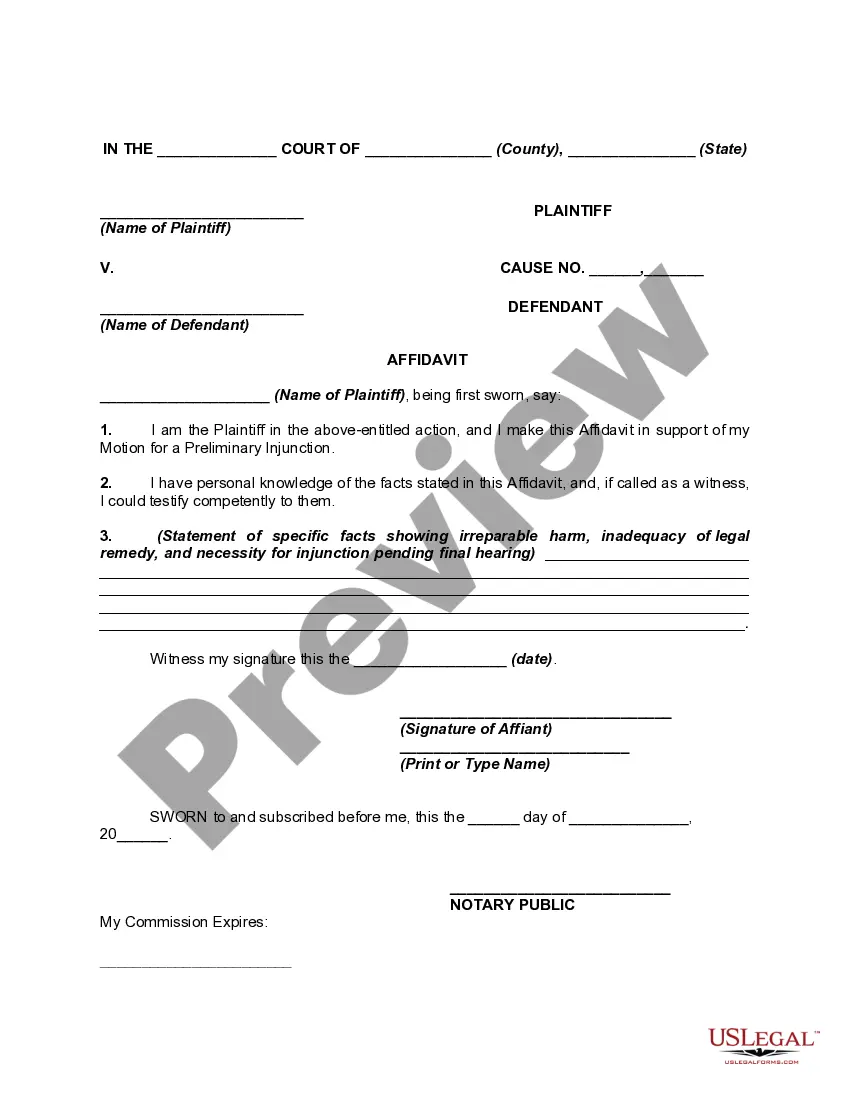

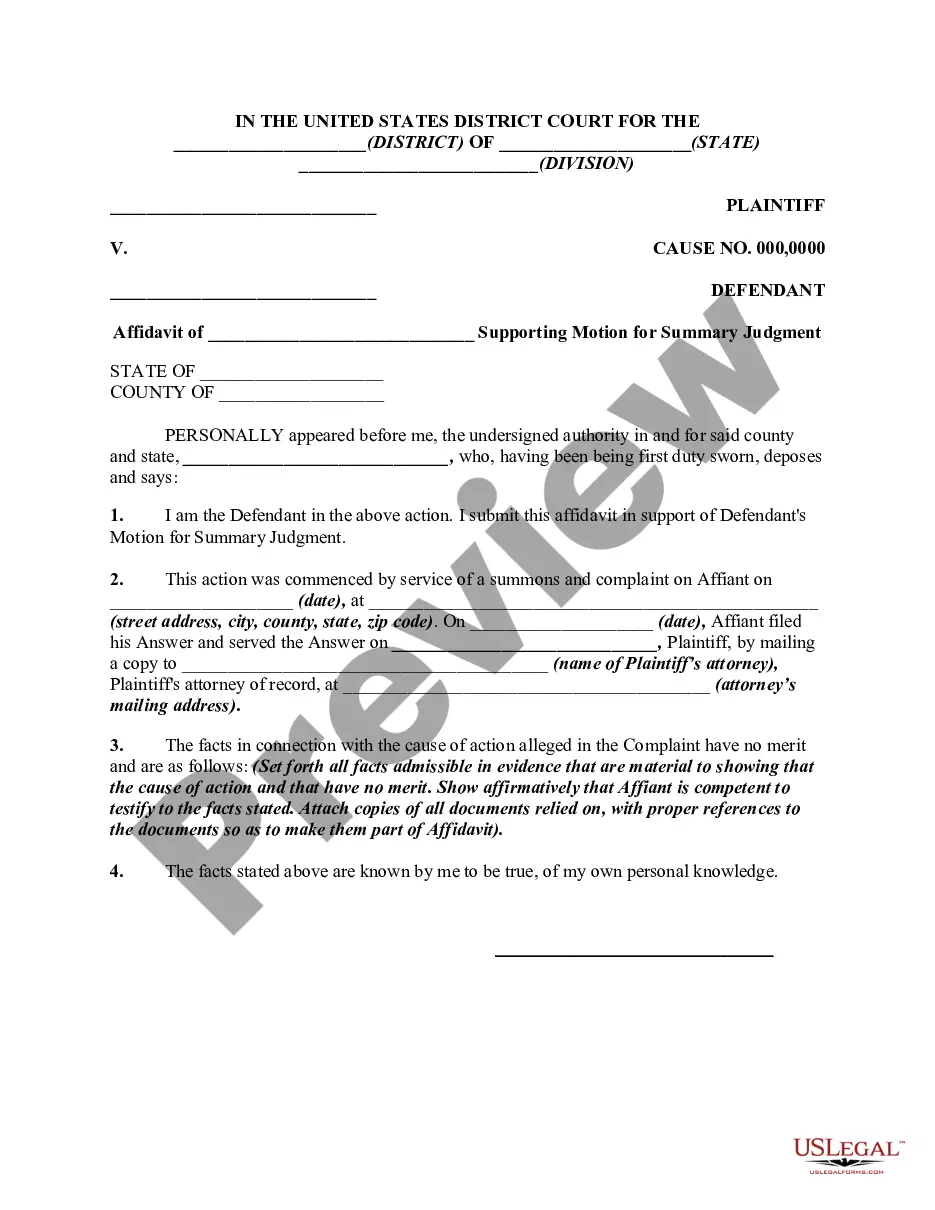
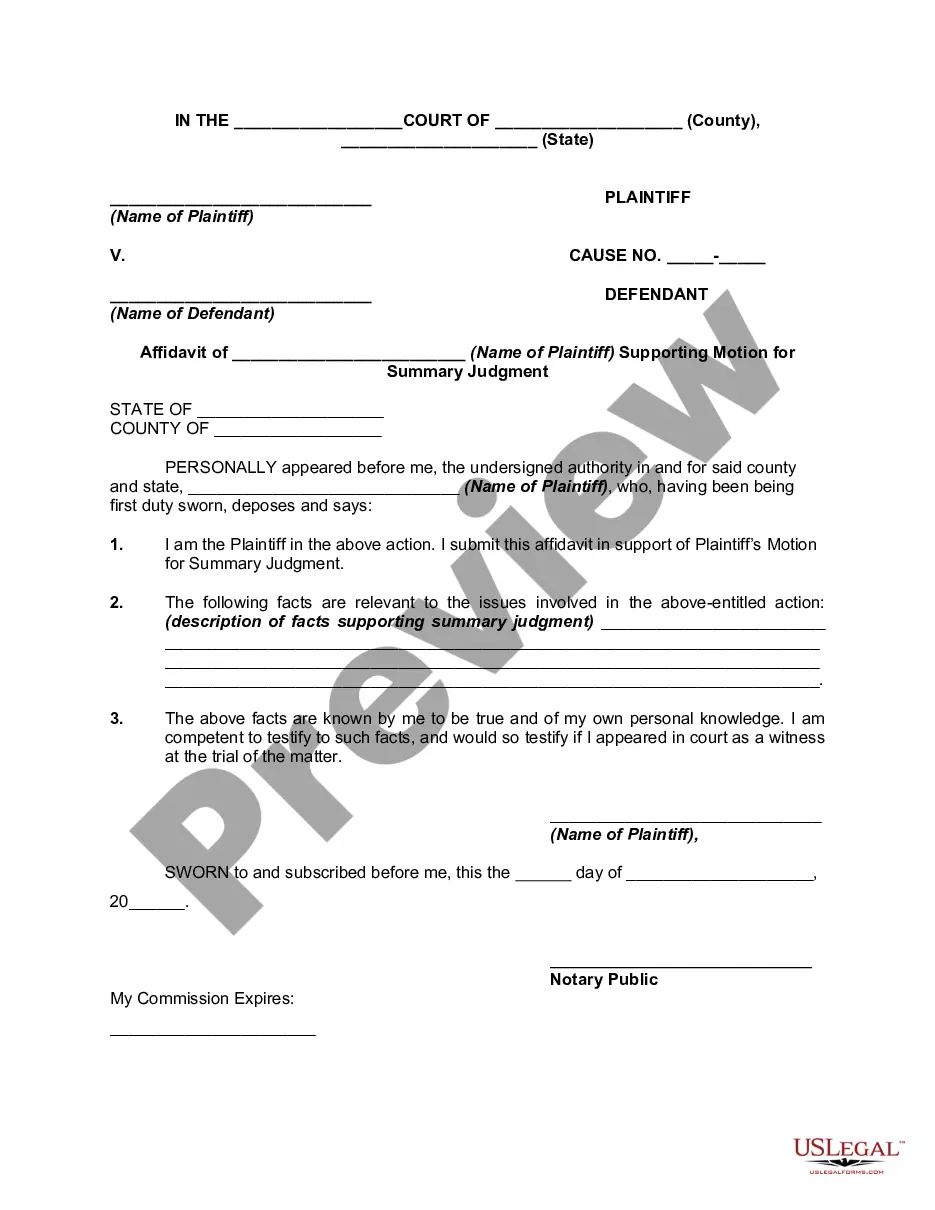
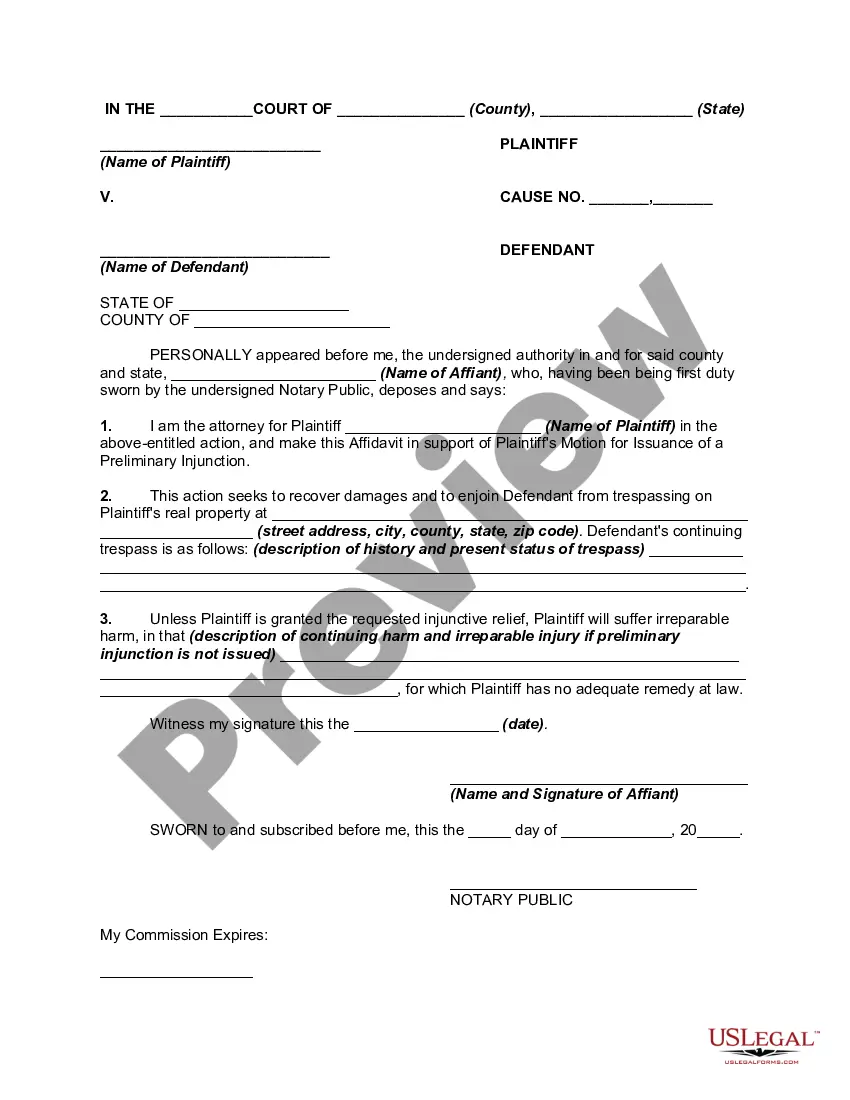
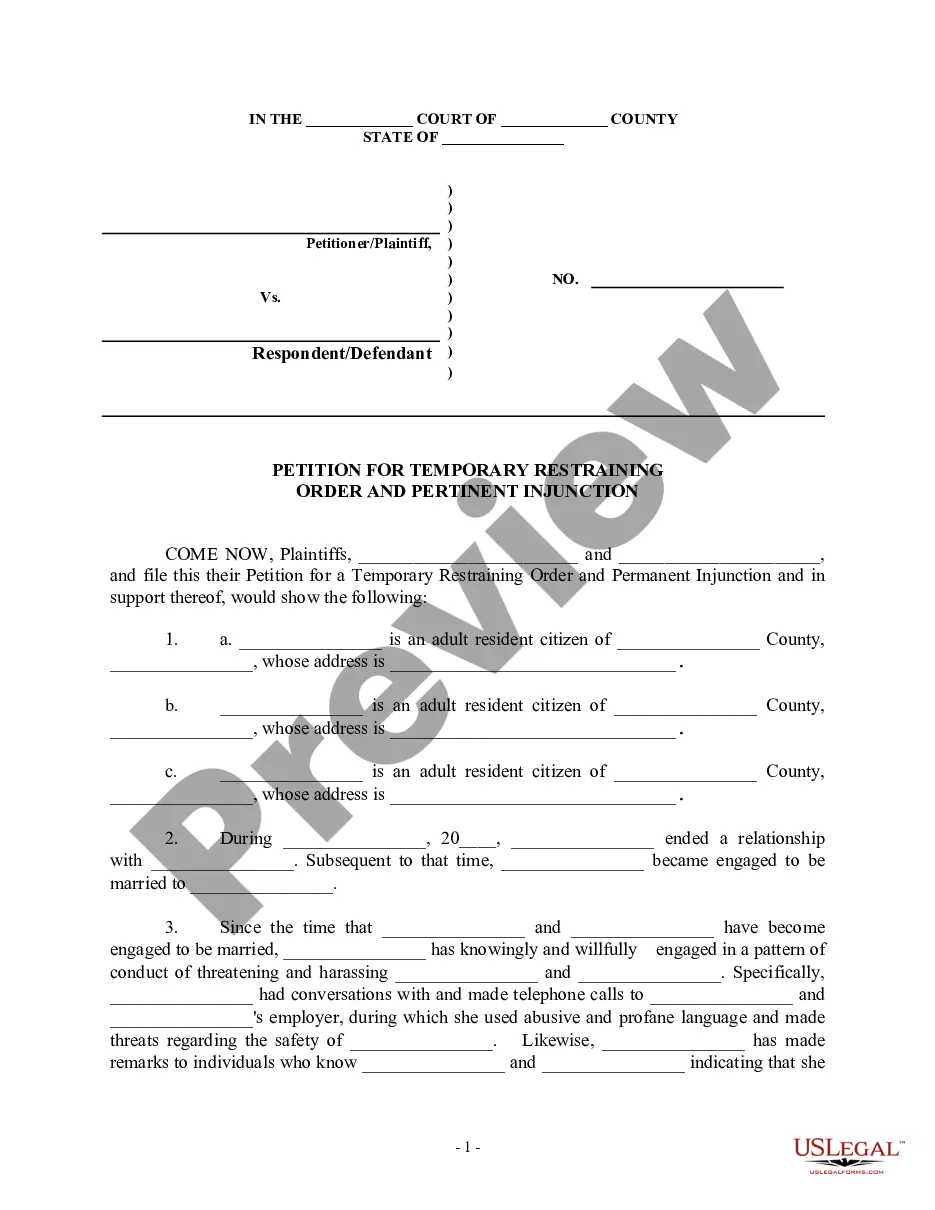




How to fill out Affidavit In Support Of Motion For Preliminary Injunction?
Locating a reliable source for obtaining the latest and suitable legal templates constitutes a significant portion of contending with bureaucratic processes.
Identifying the appropriate legal documents necessitates precision and meticulousness, which is why it is crucial to obtain examples of Injunction Law Means For You exclusively from reputable origins, such as US Legal Forms. A faulty template can squander your time and delay the matter at hand. With US Legal Forms, you can have peace of mind. You can access and verify all pertinent information regarding the document’s applicability for your situation and within your state or territory.
Once you have the form on your device, you can modify it with the editor or print it and fill it out by hand. Eliminate the hassle associated with your legal documents. Explore the extensive US Legal Forms collection where you can discover legal templates, review their applicability to your circumstances, and download them immediately.
- Use the catalog navigation or search bar to find your sample.
- Examine the form’s description to determine if it meets your state and regional requirements.
- Check the form preview, if available, to confirm it is the correct document for your needs.
- Return to the search to find the appropriate template if the Injunction Law Means For You does not satisfy your needs.
- If you are confident about the form’s suitability, download it.
- If you are a registered user, click Log in to verify your identity and access your chosen templates in My documents.
- If you do not possess an account yet, click Buy now to purchase the template.
- Select the pricing option that aligns with your needs.
- Proceed to register and finalize your purchase.
- Complete your transaction by selecting a payment method (credit card or PayPal).
- Choose the document format for downloading Injunction Law Means For You.
Form popularity
FAQ
Obtaining an injunction can be a complex process, as it requires a clear demonstration of your need for protection. You must show that without the injunction, you would suffer irreparable harm. Additionally, the court will consider whether you have a strong likelihood of winning your case. Understanding what injunction law means for you is essential, and using a platform like US Legal Forms can help simplify the paperwork and guide you through the legal requirements.
The primary purpose of filing an injunction is to prevent harm before it occurs or to stop ongoing harm. This legal tool provides a way for individuals to seek immediate relief from actions that could cause significant damage. By understanding how injunction law means for you, you can appreciate the value of this remedy in protecting your rights and interests. Filing an injunction can lead to a quicker resolution compared to waiting for a trial.
A simple sentence for injunction could be, 'The court issued an injunction to prevent further damage.' This sentence illustrates the basic function of an injunction and conveys its significance in legal terms. By using straightforward language, you can better understand how injunction law means for you, emphasizing the protective nature of such legal orders.
When writing a request for an injunction, start by clearly identifying yourself and the specific relief you are seeking. Provide a detailed description of the circumstances leading to your request, including any evidence to support your claim. Be sure to explain why injunction law means for you that immediate action is required, and conclude with a respectful request for the court to grant the injunction. Utilizing platforms like uslegalforms can help streamline this process by offering templates and guidance.
An example of an injunction statement could involve a scenario where a property owner wants to stop a neighbor from constructing a fence that would block their view. The statement would detail the property lines, the specific actions taken by the neighbor, and how these actions cause harm. This type of clear and direct information provides a compelling case for why injunction law means for you that intervention is necessary to prevent the harm from occurring.
To obtain an injunction, you must demonstrate several key elements to the court. First, you need to show that you will suffer irreparable harm without the injunction. Next, you must establish that you have a likelihood of success on the merits of your case, as well as that the balance of equities tips in your favor. Understanding these requirements is crucial, as injunction law means for you that meeting these standards can significantly influence the court's decision.
Writing a statement for an injunction involves outlining the facts of your case clearly and concisely. Begin with a brief introduction of the situation that necessitates the injunction, followed by specific details about the harm you are facing. Include the legal grounds for your request, emphasizing how injunction law means for you in this context. Finally, conclude with a request for the court to grant the injunction, making sure to follow any court-specific formatting guidelines.