File Injunction Against Landlord Without Cause
Description
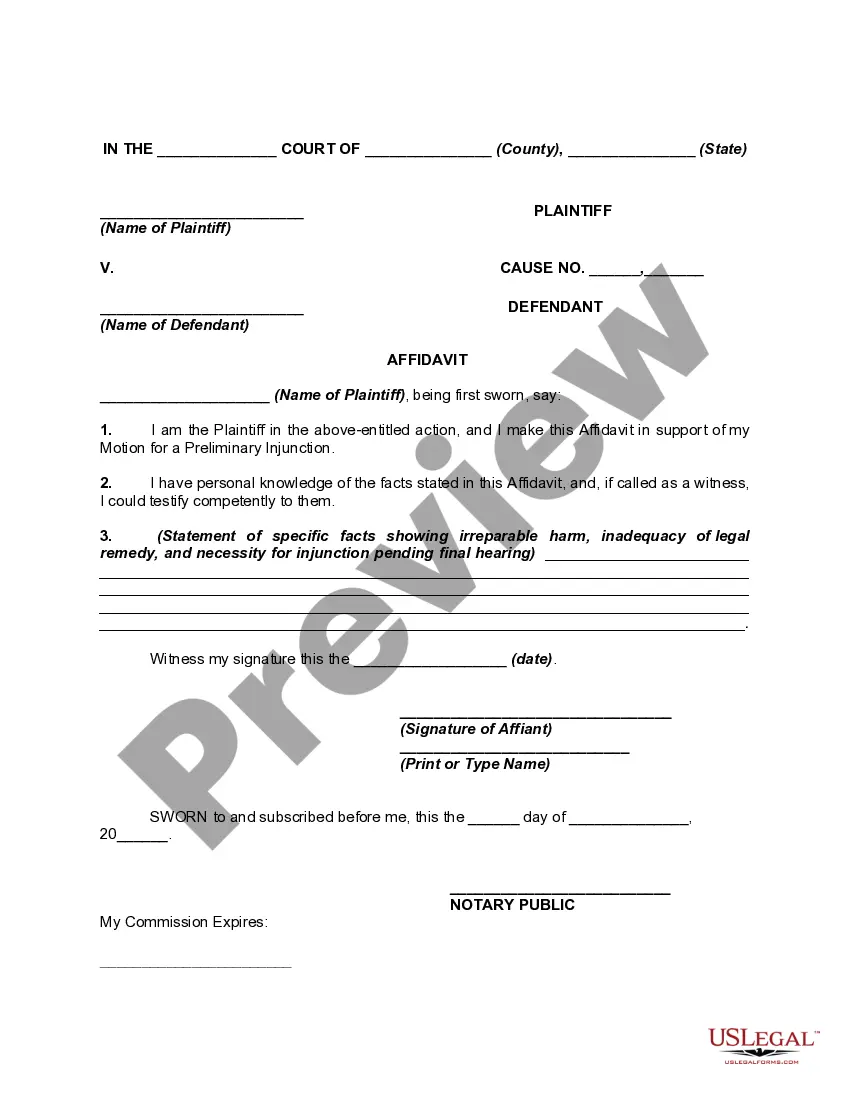

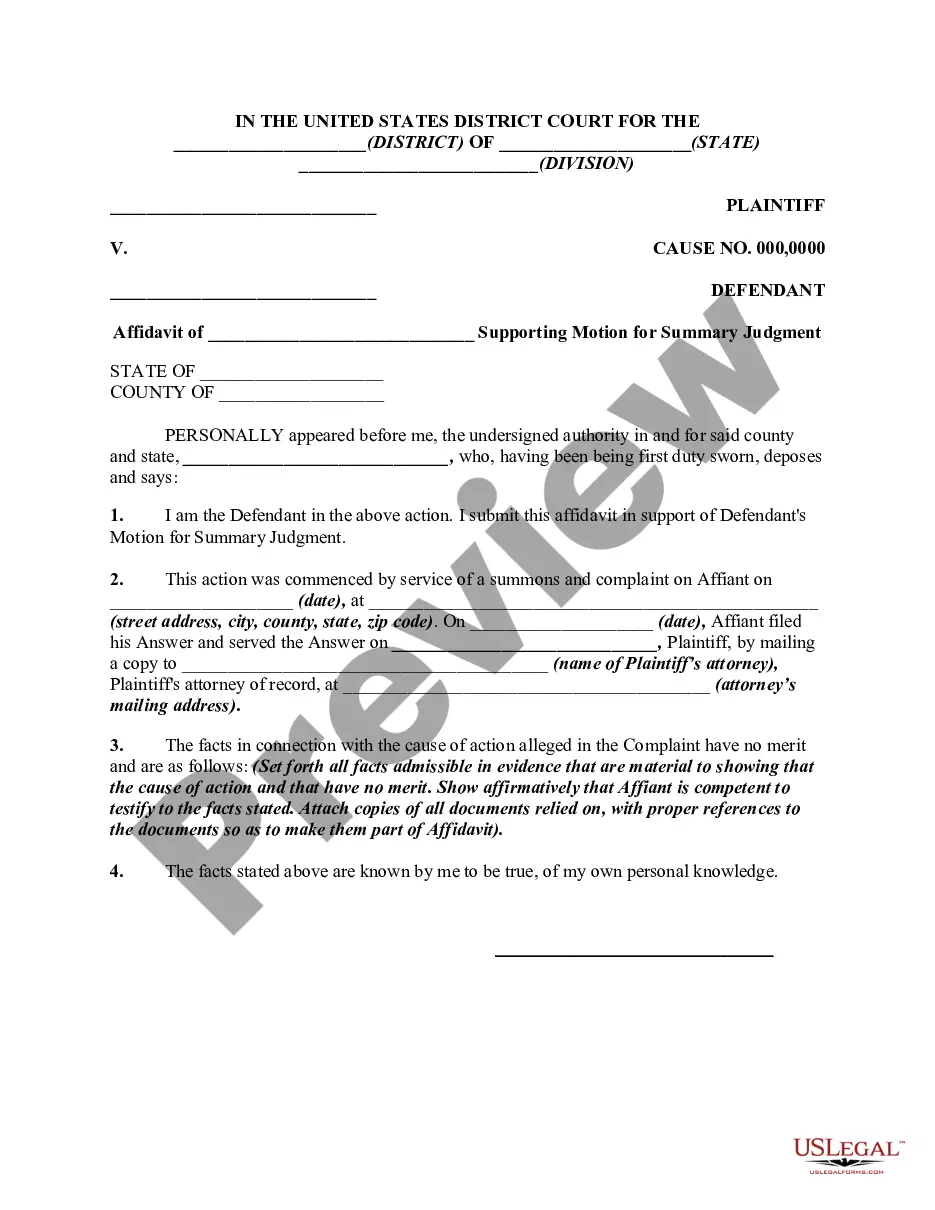
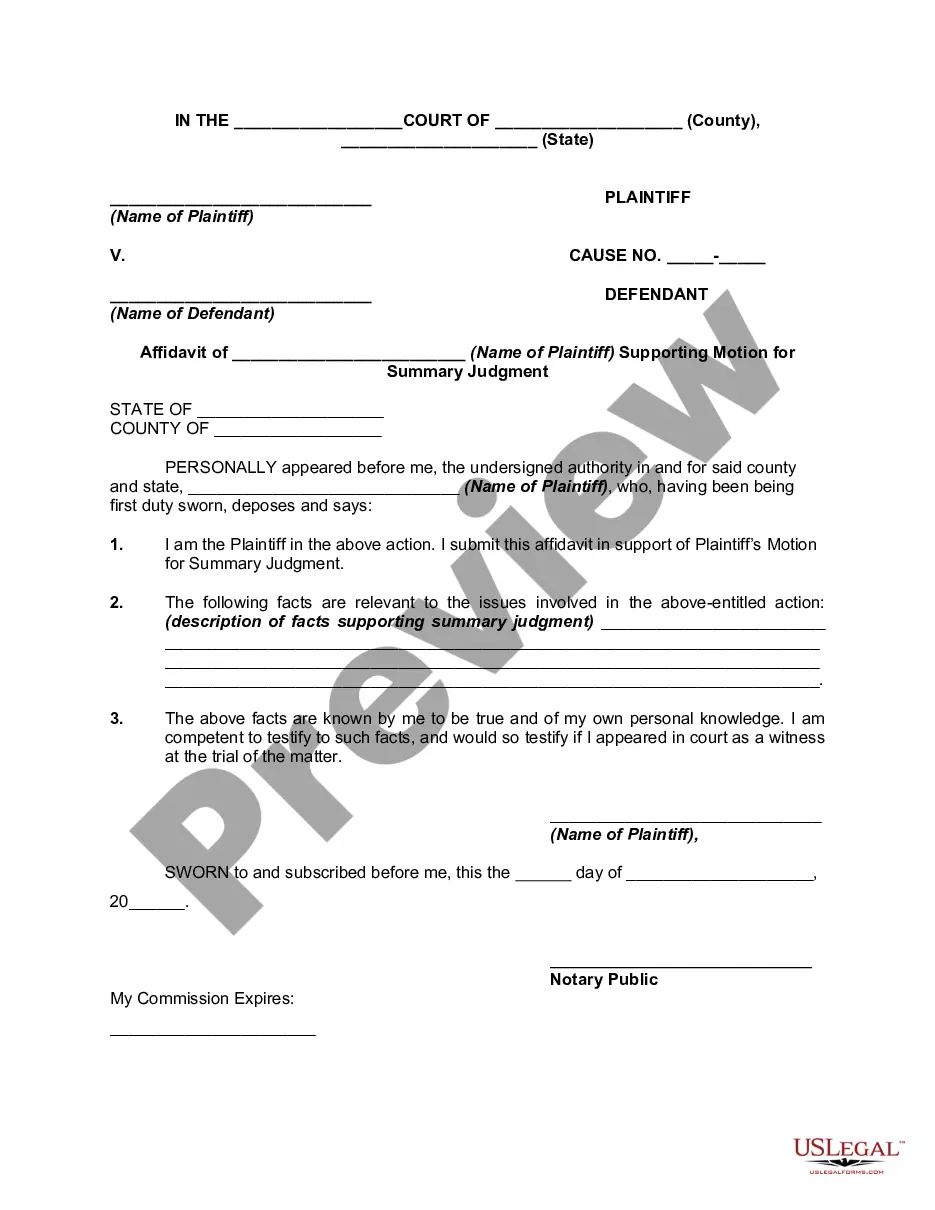
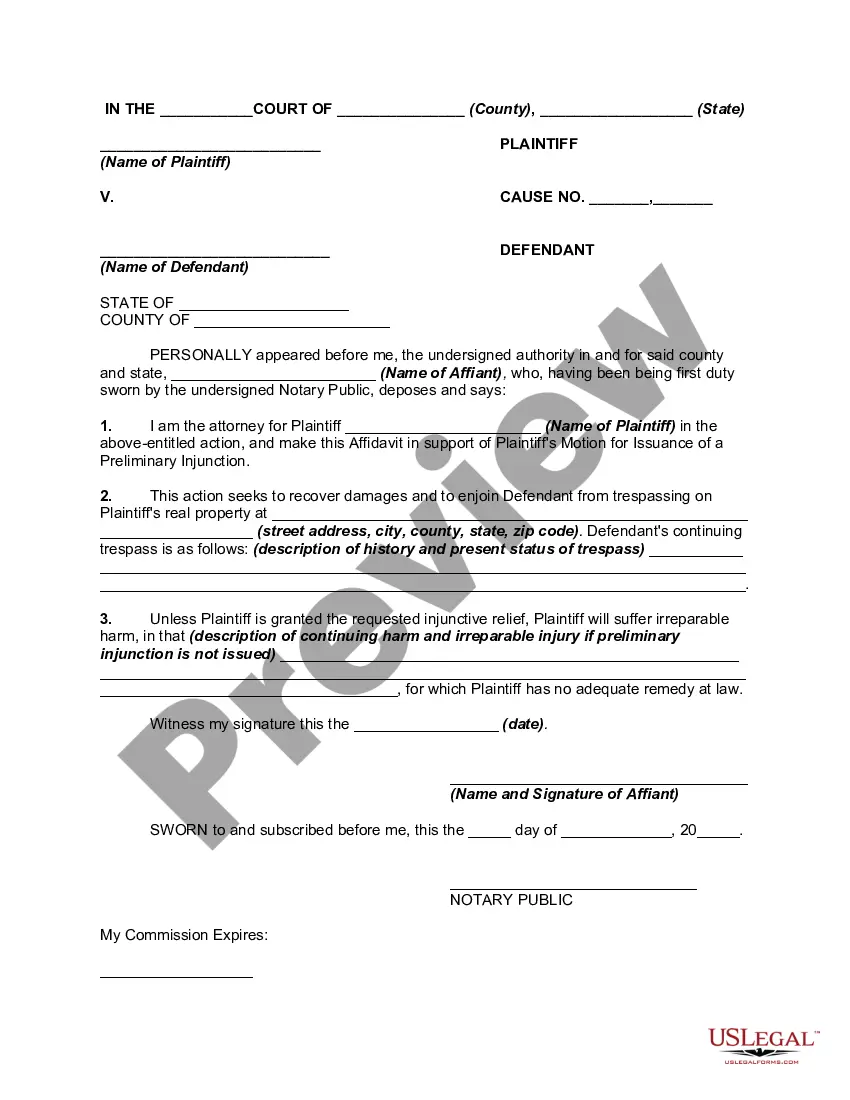
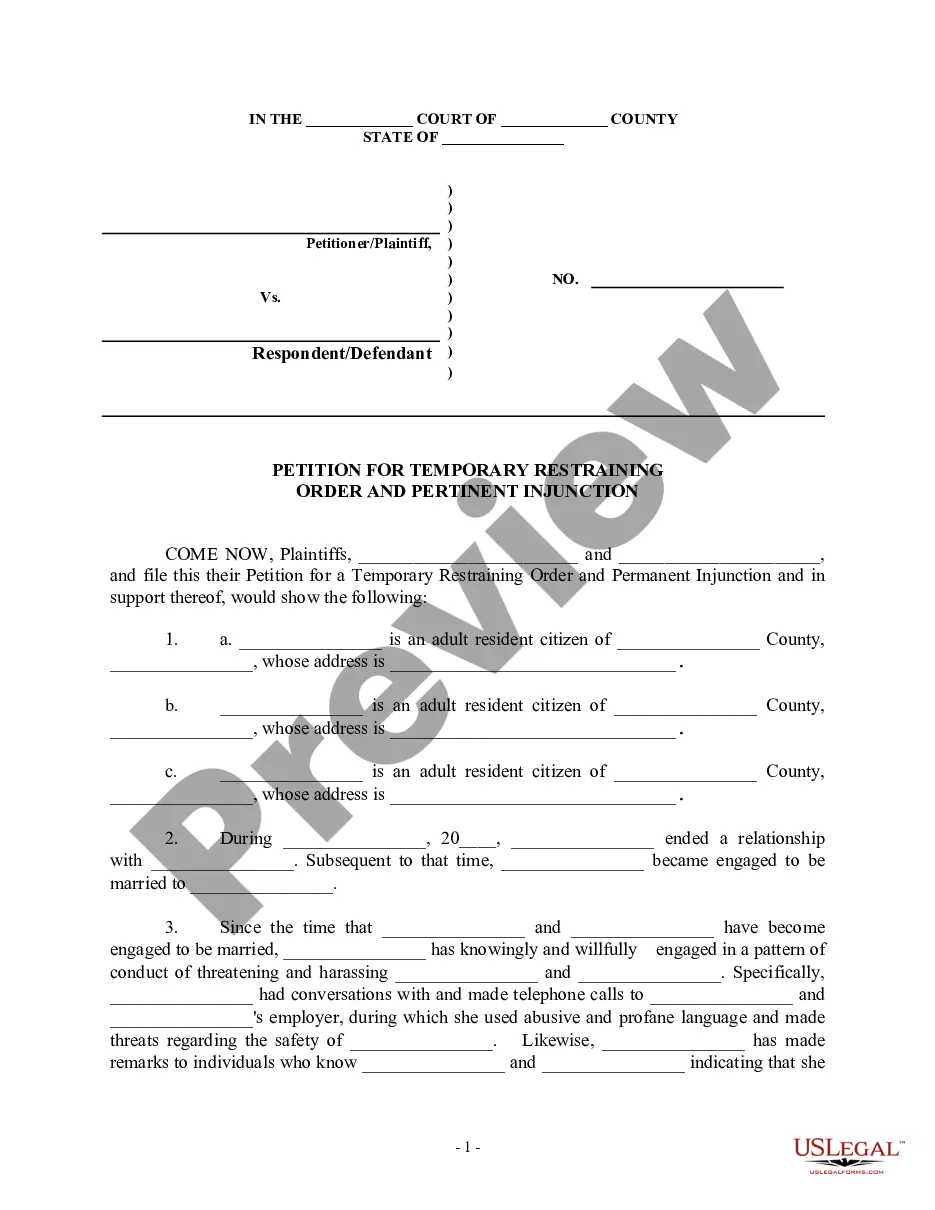
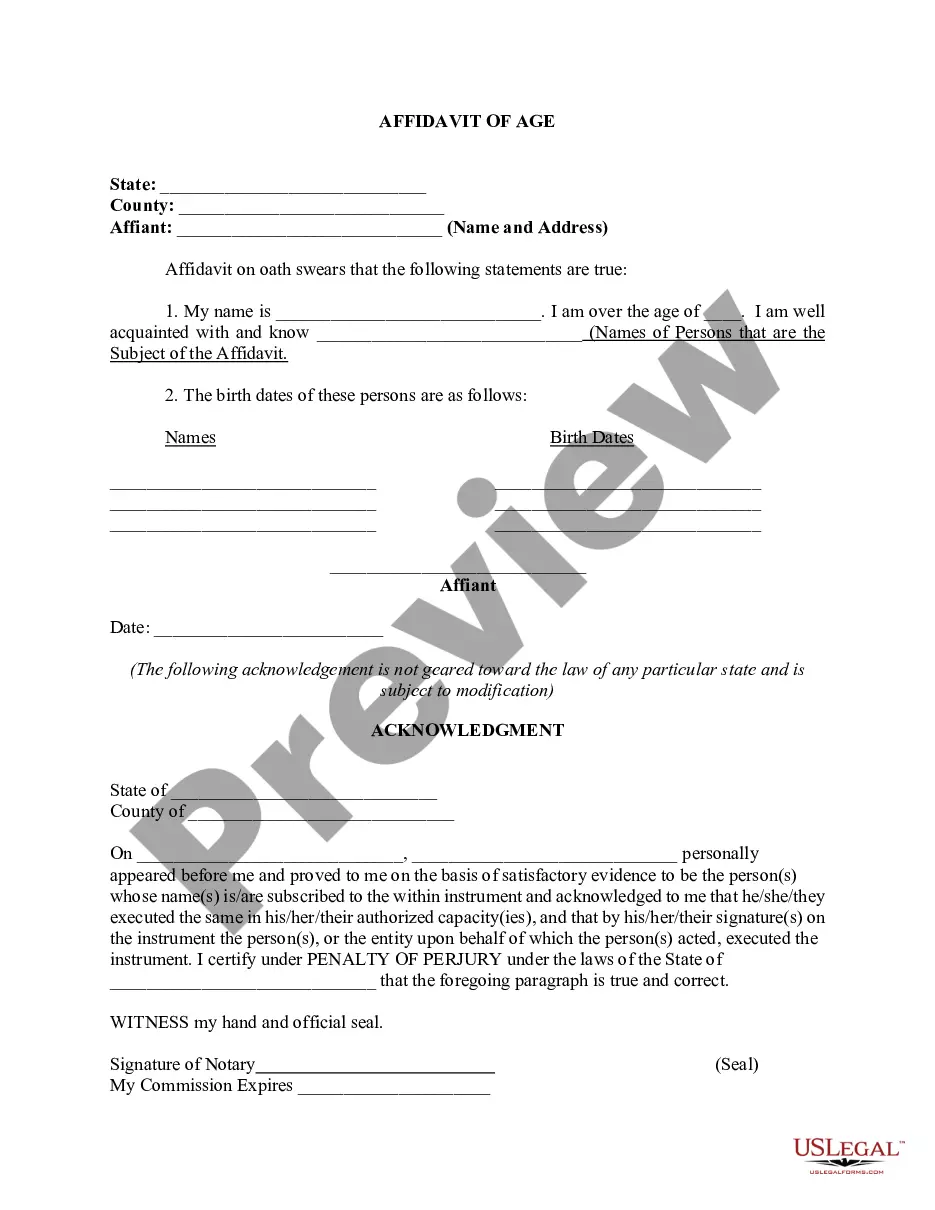
Get your form ready online
Our built-in tools help you complete, sign, share, and store your documents in one place.
Make edits, fill in missing information, and update formatting in US Legal Forms—just like you would in MS Word.
Download a copy, print it, send it by email, or mail it via USPS—whatever works best for your next step.
Sign and collect signatures with our SignNow integration. Send to multiple recipients, set reminders, and more. Go Premium to unlock E-Sign.
If this form requires notarization, complete it online through a secure video call—no need to meet a notary in person or wait for an appointment.
We protect your documents and personal data by following strict security and privacy standards.

Make edits, fill in missing information, and update formatting in US Legal Forms—just like you would in MS Word.

Download a copy, print it, send it by email, or mail it via USPS—whatever works best for your next step.

Sign and collect signatures with our SignNow integration. Send to multiple recipients, set reminders, and more. Go Premium to unlock E-Sign.

If this form requires notarization, complete it online through a secure video call—no need to meet a notary in person or wait for an appointment.

We protect your documents and personal data by following strict security and privacy standards.
Looking for another form?
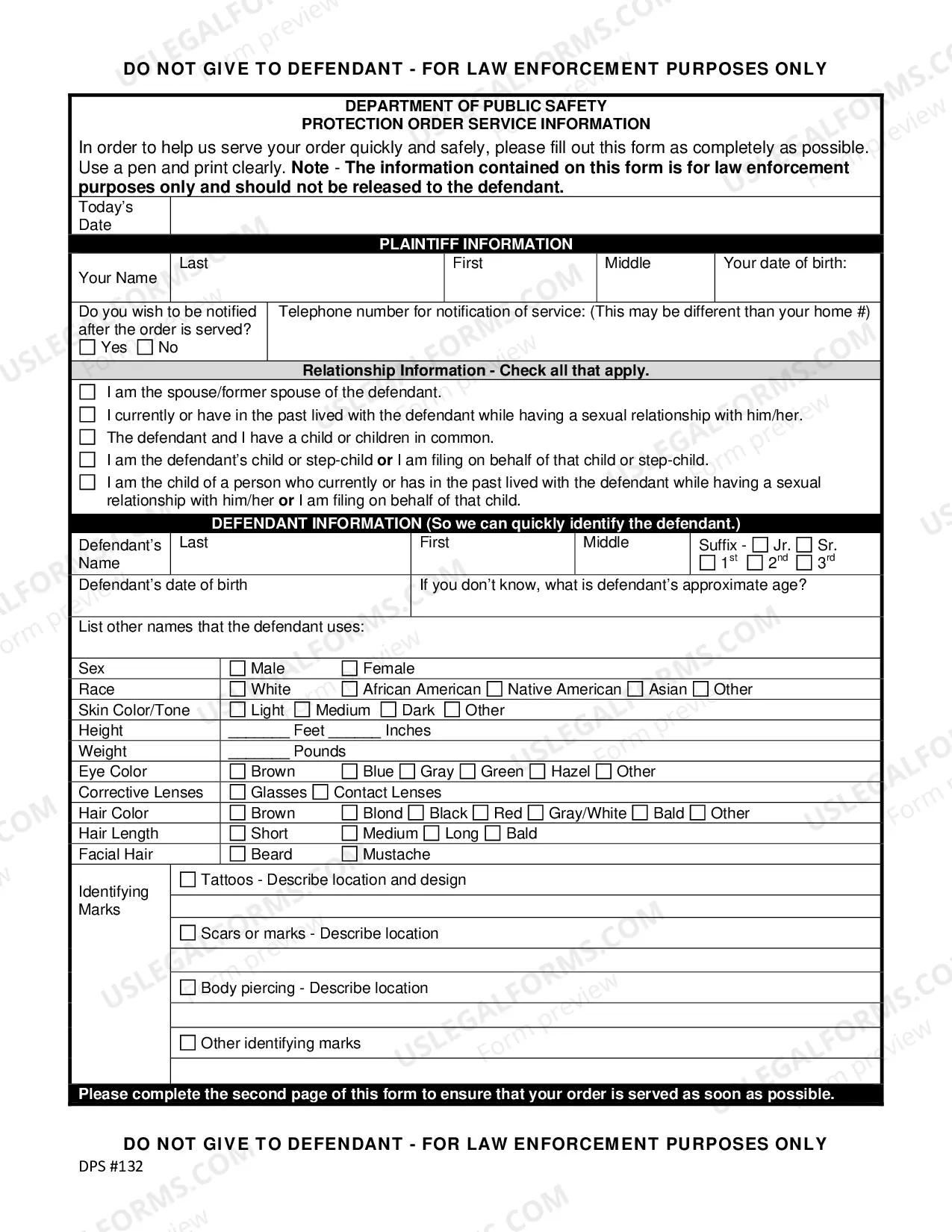





How to fill out Affidavit In Support Of Motion For Preliminary Injunction?
Regardless of whether it is for commercial reasons or personal issues, everyone must confront legal matters at some time in their lives. Filling out legal documents demands meticulous attention, starting with selecting the correct template. For example, if you choose an incorrect version of the File Injunction Against Landlord Without Cause, it will be rejected once you submit it. Thus, it is crucial to have a reliable source of legal documents like US Legal Forms.
If you need to acquire a File Injunction Against Landlord Without Cause template, adhere to these straightforward steps: Obtain the sample you require by using the search bar or catalog navigation. Review the form’s details to ensure it corresponds with your case, state, and locality. Click on the form’s preview to examine it. If it is the wrong document, return to the search feature to locate the File Injunction Against Landlord Without Cause sample you need. Download the file when it satisfies your requirements. If you have a US Legal Forms account, simply click Log in to access previously saved templates in My documents. If you do not have an account yet, you can download the form by clicking Buy now. Select the appropriate pricing option. Complete the account registration form. Choose your payment method: you can utilize a credit card or PayPal account. Choose the document format you prefer and download the File Injunction Against Landlord Without Cause. Once it is saved, you can fill out the form using editing software or print it and complete it manually.
With a vast US Legal Forms catalog available, you do not need to waste time searching for the suitable sample online. Utilize the library’s user-friendly navigation to find the correct form for any situation.
- Regardless of whether it is for commercial reasons or personal issues, everyone must confront legal matters at some time in their lives.
- Filling out legal documents demands meticulous attention, starting with selecting the correct template.
- For example, if you choose an incorrect version of the File Injunction Against Landlord Without Cause, it will be rejected once you submit it.
- Thus, it is crucial to have a reliable source of legal documents like US Legal Forms.
- If you need to acquire a File Injunction Against Landlord Without Cause template, adhere to these straightforward steps.
- Obtain the sample you require by using the search bar or catalog navigation.
- Review the form’s details to ensure it corresponds with your case, state, and locality.
- Click on the form’s preview to examine it.
- If it is the wrong document, return to the search feature to locate the File Injunction Against Landlord Without Cause sample you need.
- Download the file when it satisfies your requirements.
- If you have a US Legal Forms account, simply click Log in to access previously saved templates in My documents.
- If you do not have an account yet, you can download the form by clicking Buy now.
Form popularity
FAQ
In Maryland, there are no laws restricting a landlord's right to entry or requiring them to provide prior warning to their tenants. This means that, barring any local ordinances, your landlord can enter your home without notice to address an emergency or maintenance issue unless your lease agreement states otherwise.
An injunction is a court order requiring a person to do or cease doing a specific action. There are three types of injunctions: Permanent injunctions, Temporary restraining orders and preliminary injunctions.
Generally, lawsuits against landlords are allowed for premises liability issues. Common examples of landlord negligence may include slip and fall accidents, fires, issues with habitability, and mold that makes tenants sick.
In Maryland there is no statute for the notice period required by the landlord for non-emergency access to a unit. However, the majority of landlords use courtesy and common sense when providing notice to their tenants if they need to enter the unit to repair or maintain the unit.
Call 2-1-1 or go to .211ct.org to get the phone number for the code enforcement office in your town. It is also possible that the health department in your town enforces the housing or building code. Call and tell them you want to file a complaint, and ask to have someone inspect your apartment.