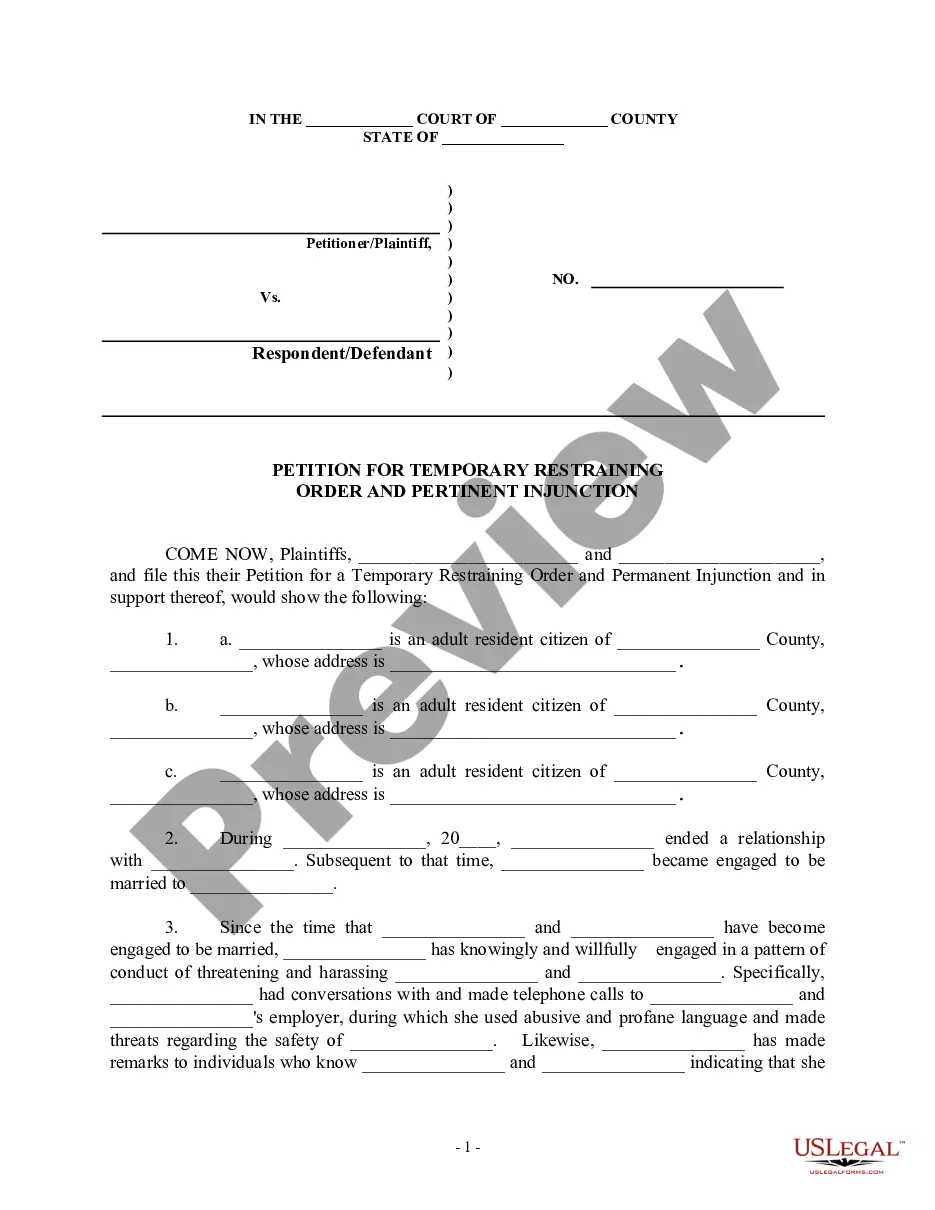
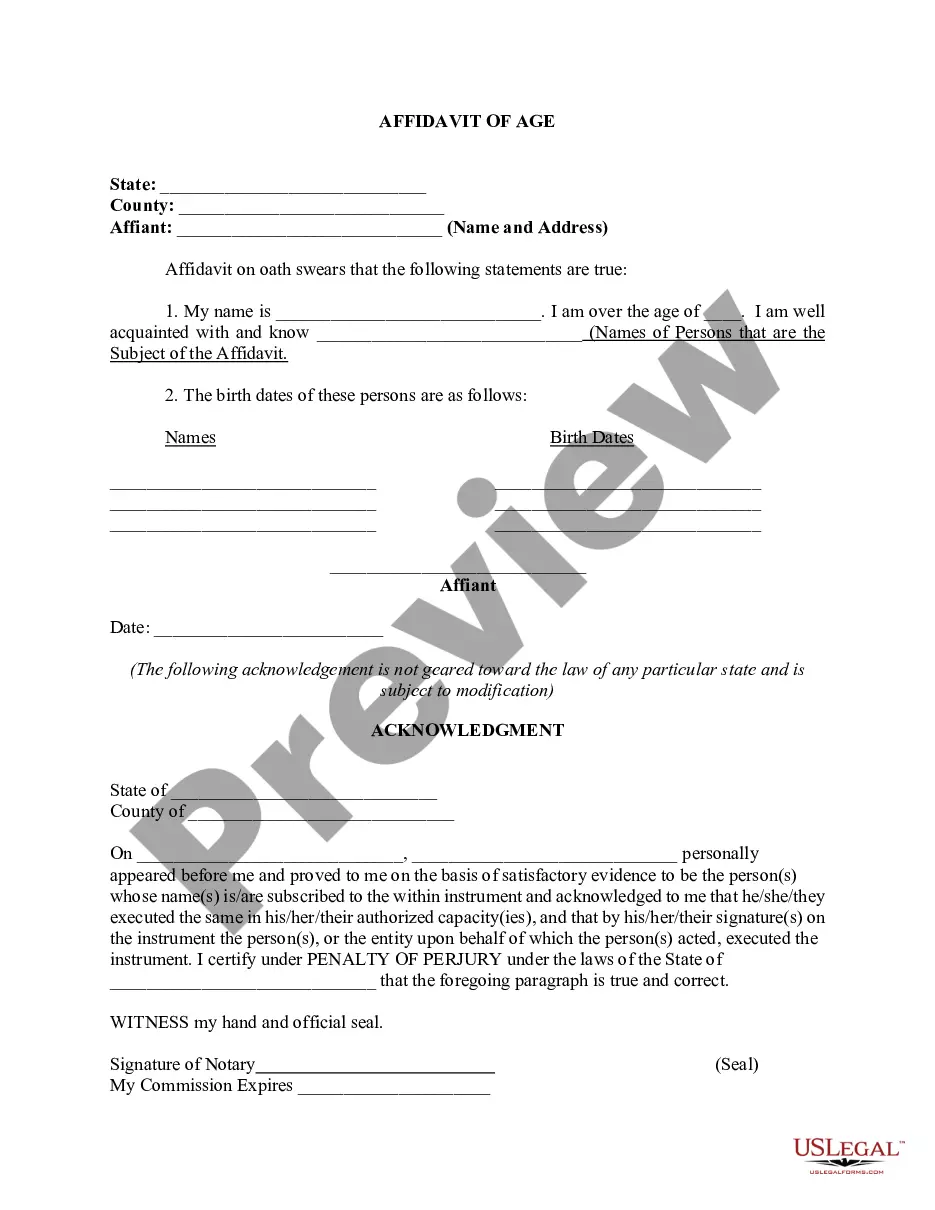
File Injunction Against Landlord For Permanent
Description
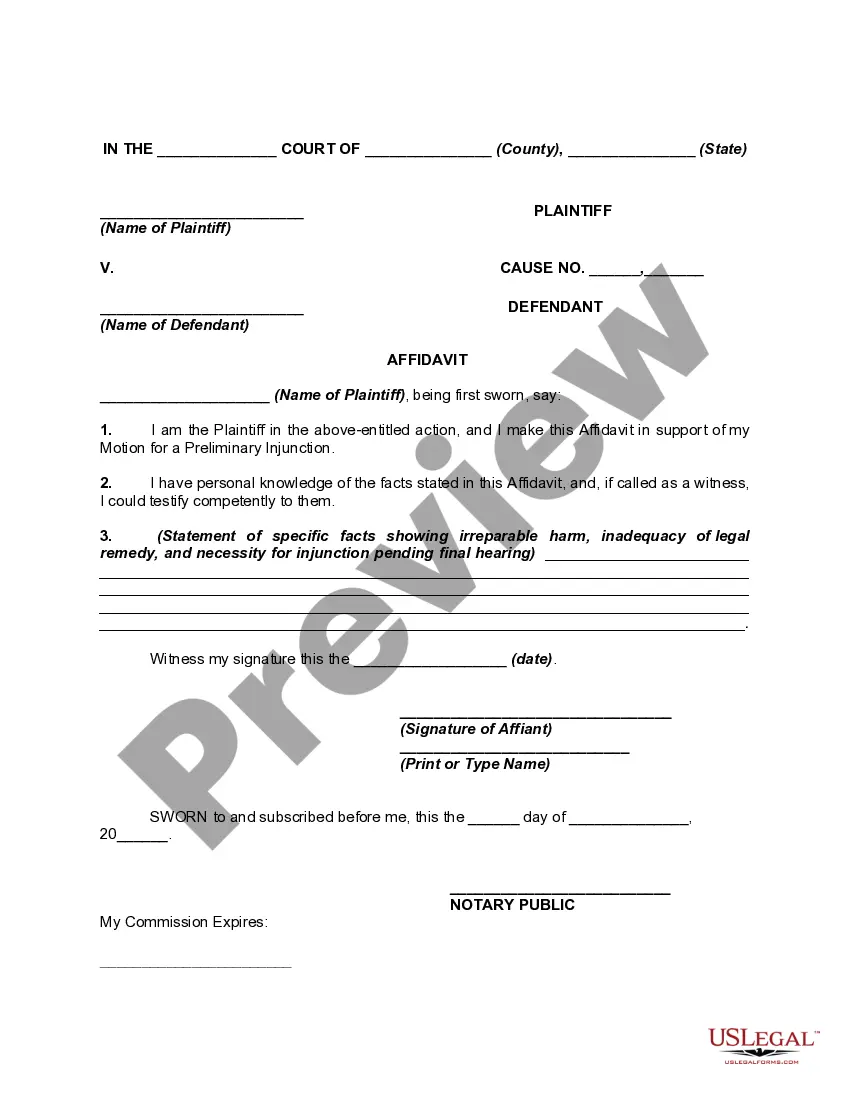

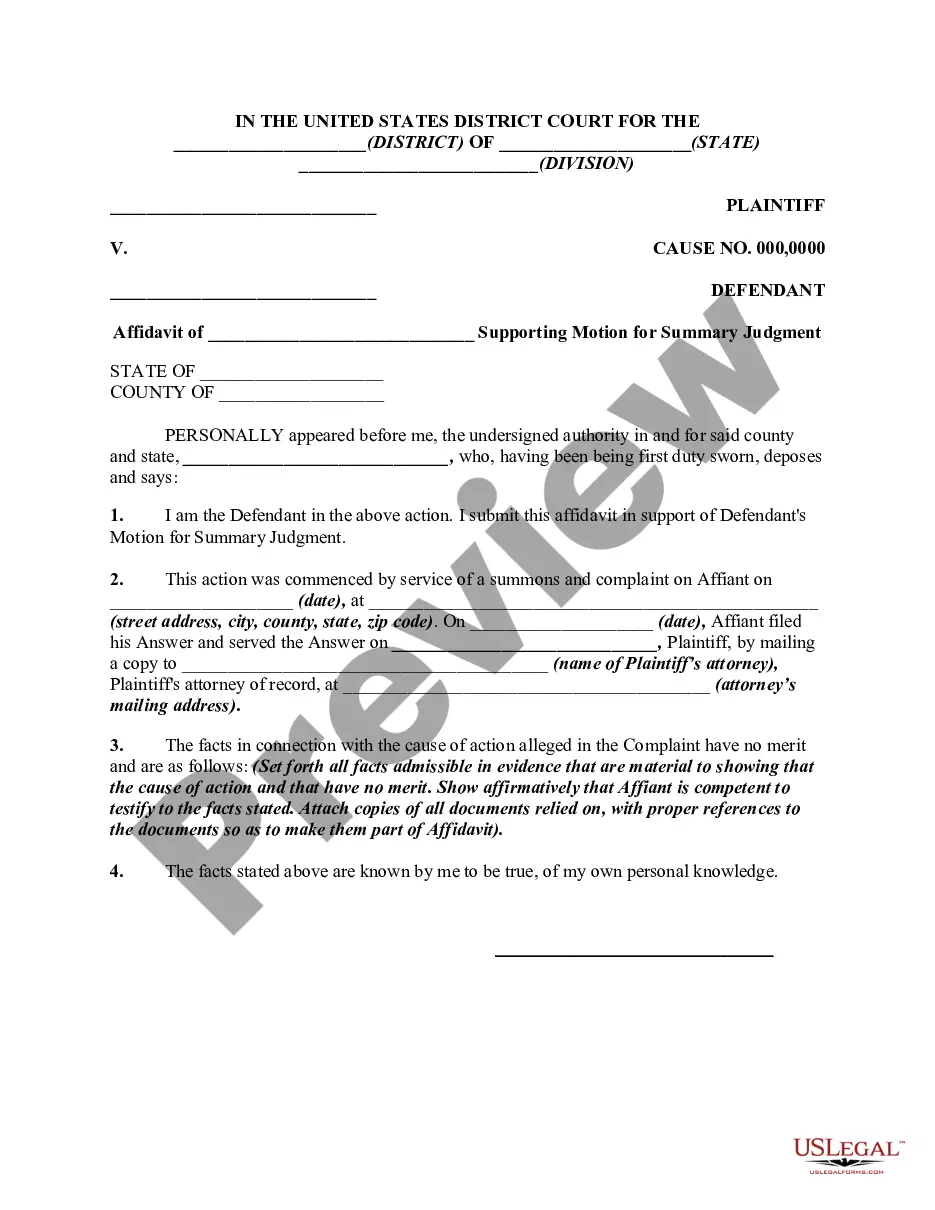
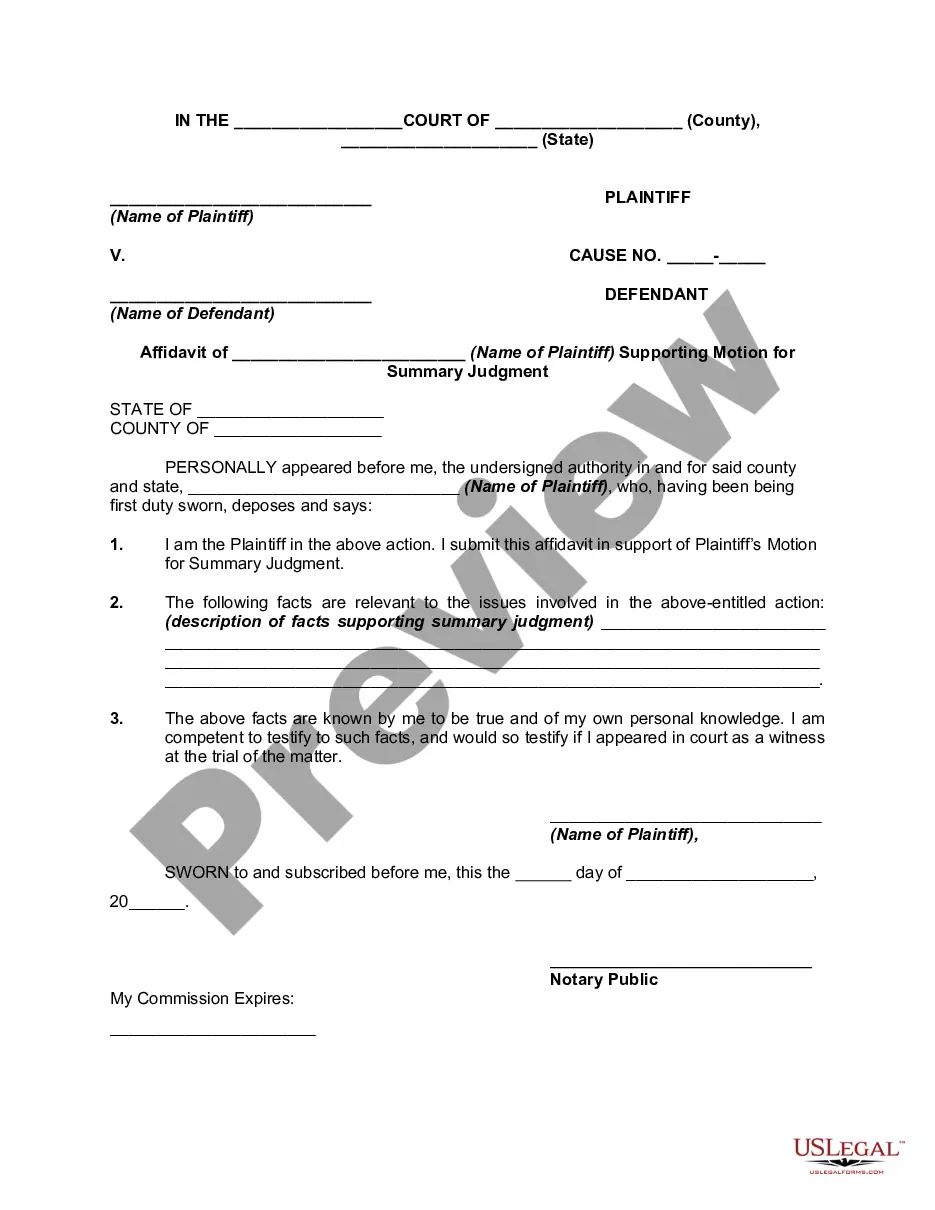
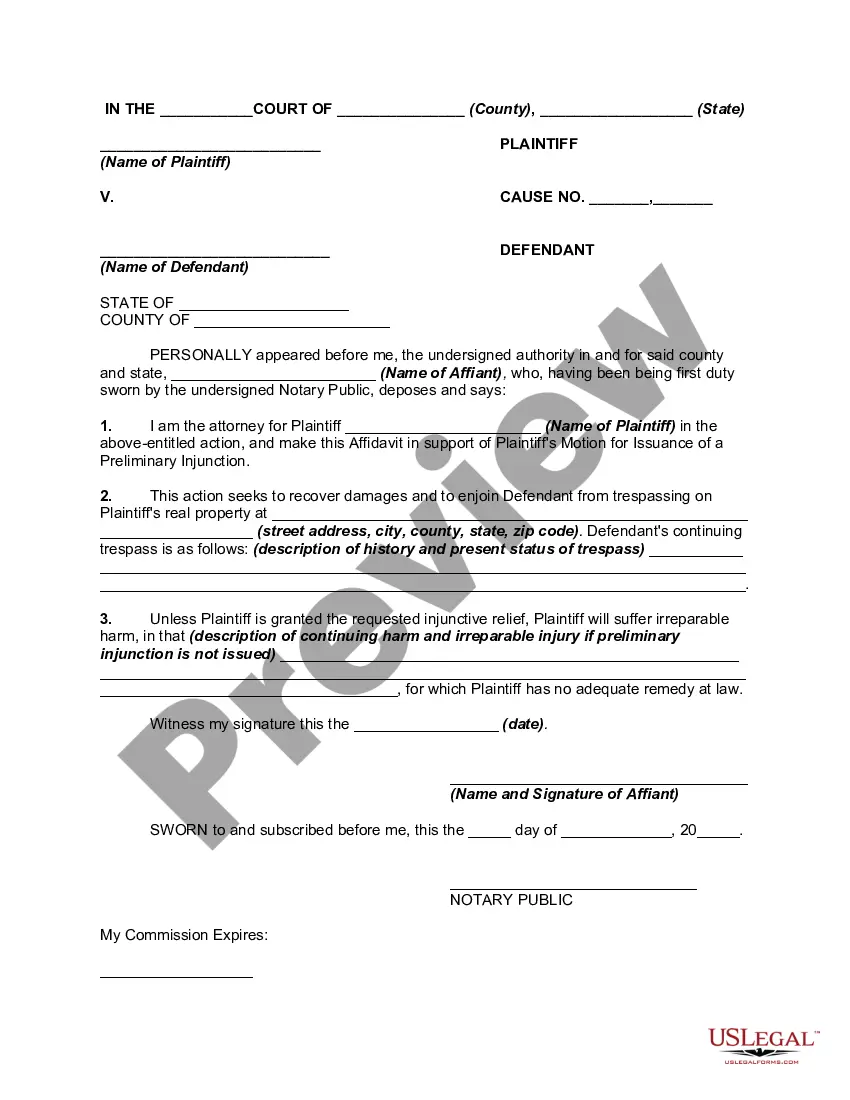
Get your form ready online
Our built-in tools help you complete, sign, share, and store your documents in one place.
Make edits, fill in missing information, and update formatting in US Legal Forms—just like you would in MS Word.
Download a copy, print it, send it by email, or mail it via USPS—whatever works best for your next step.
Sign and collect signatures with our SignNow integration. Send to multiple recipients, set reminders, and more. Go Premium to unlock E-Sign.
If this form requires notarization, complete it online through a secure video call—no need to meet a notary in person or wait for an appointment.
We protect your documents and personal data by following strict security and privacy standards.

Make edits, fill in missing information, and update formatting in US Legal Forms—just like you would in MS Word.

Download a copy, print it, send it by email, or mail it via USPS—whatever works best for your next step.

Sign and collect signatures with our SignNow integration. Send to multiple recipients, set reminders, and more. Go Premium to unlock E-Sign.

If this form requires notarization, complete it online through a secure video call—no need to meet a notary in person or wait for an appointment.

We protect your documents and personal data by following strict security and privacy standards.
Looking for another form?









How to fill out Affidavit In Support Of Motion For Preliminary Injunction?
Creating legal documents from the ground up can frequently be daunting.
Some situations may require extensive research and substantial financial investment.
If you are looking for a simpler and more cost-effective method of producing File Injunction Against Landlord For Permanent or any other documents without unnecessary obstacles, US Legal Forms is always available to assist you.
Our digital library of over 85,000 current legal forms encompasses nearly every facet of your financial, legal, and personal matters.
Examine the document preview and descriptions to verify that you have located the form you need. Ensure that the template you select complies with the regulations of your state and county. Choose the most suitable subscription plan to purchase the File Injunction Against Landlord For Permanent. Download the form, then fill it out, validate, and print it. US Legal Forms boasts an impeccable reputation and over 25 years of expertise. Join us today and make form execution a simple and efficient process!
- With just a few clicks, you can swiftly obtain state- and county-compliant forms carefully crafted for you by our legal experts.
- Utilize our platform whenever you require dependable and trustworthy services to easily find and download the File Injunction Against Landlord For Permanent.
- If you’re familiar with our site and have previously registered an account, simply Log In, locate the template, and download it or re-download it at any time from the My documents section.
- Don’t have an account? No worries. It takes minimal time to register and browse the library.
- Before directly downloading the File Injunction Against Landlord For Permanent, please consider the following suggestions.
Form popularity
FAQ
Permanent injunction is granted by the court in the form of decree after seeing the merit of the suit upon the hearing of the case. Whereas temporary injunction is granted for specified period of time at any point during the suit.
The remedy for the enforcement/disobedience of either perpetual or mandatory Injunction is to proceed in ance with Order 21 Rule 32 of Code of Civil Procedure, 1908 by levying execution.
The burden lies on the plaintiff to prove his settled possession. In general, tenants file suit seeking the relief of perpetual injunction against the land lord. It is settled law that an injunction cannot be granted against the true owner.
In a suit for permanent injunction to restrain the defendant from interfering with plaintiff's possession, the plaintiff will have to establish that as on the date of the suit he was in lawful possession of the suit property and defendant tried to interfere or disturb such lawful possession.
To seek a permanent injunction, the plaintiff must pass the four-step test: (1) that the plaintiff has suffered an irreparable injury; (2) that remedies available at law, such as monetary damages, are inadequate to compensate for the injury; (3) that the remedy in equity is warranted upon consideration of the balance ...