Agreement And Disagreement Conversation
Description
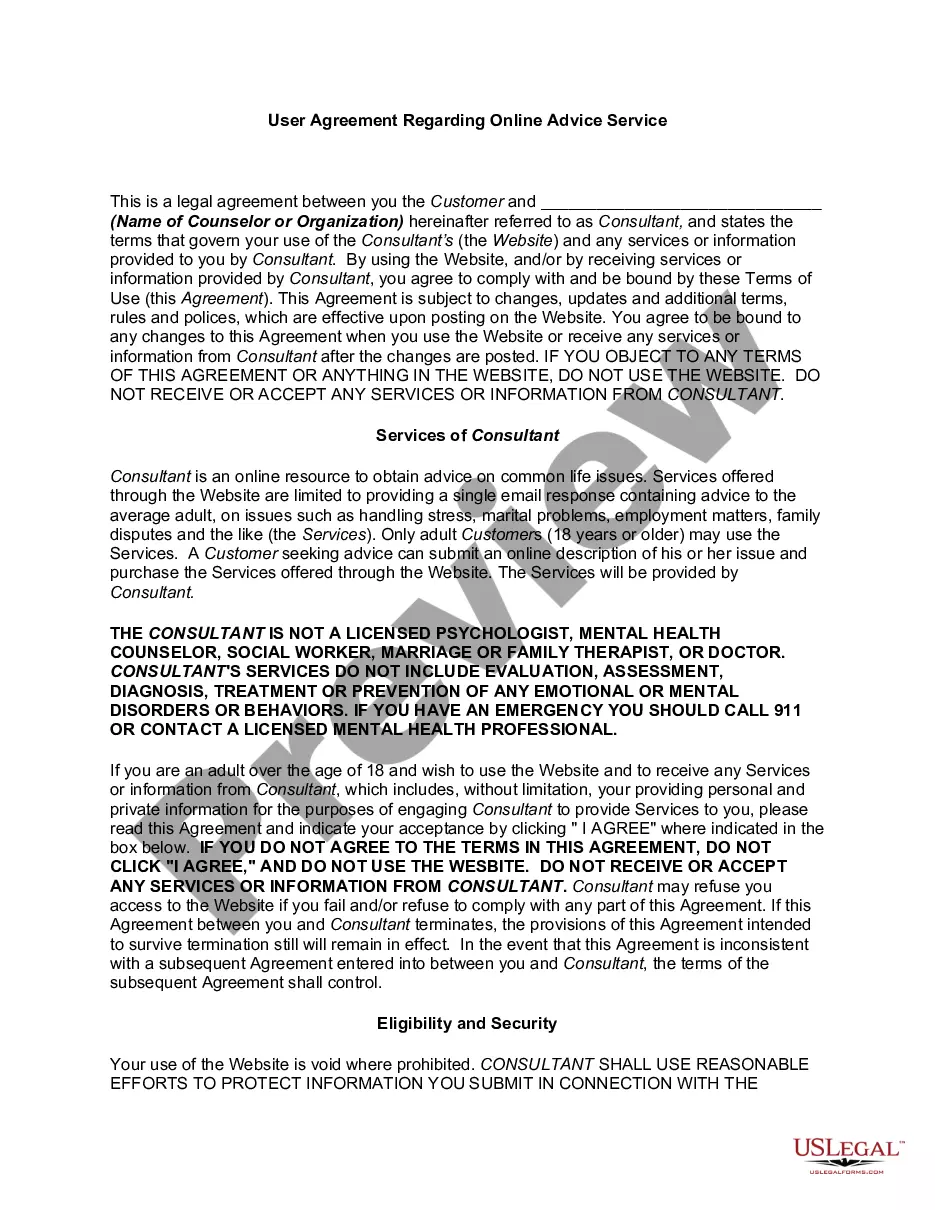
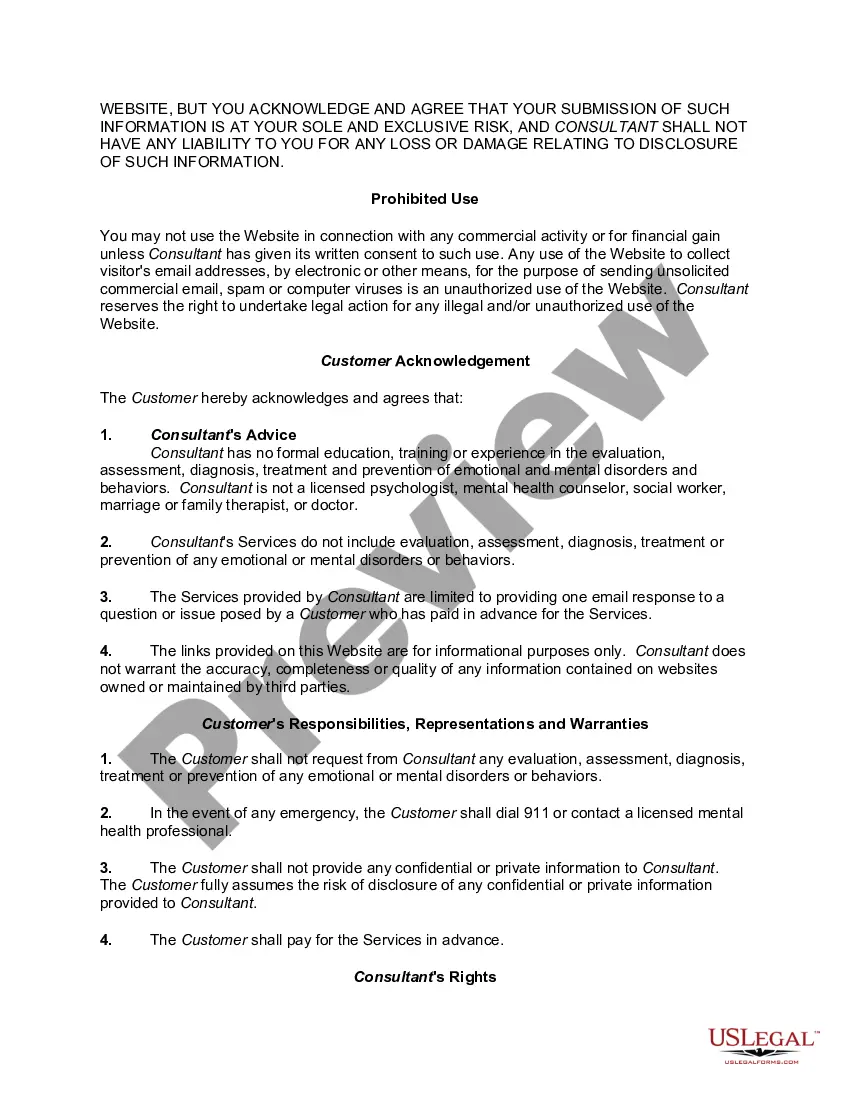
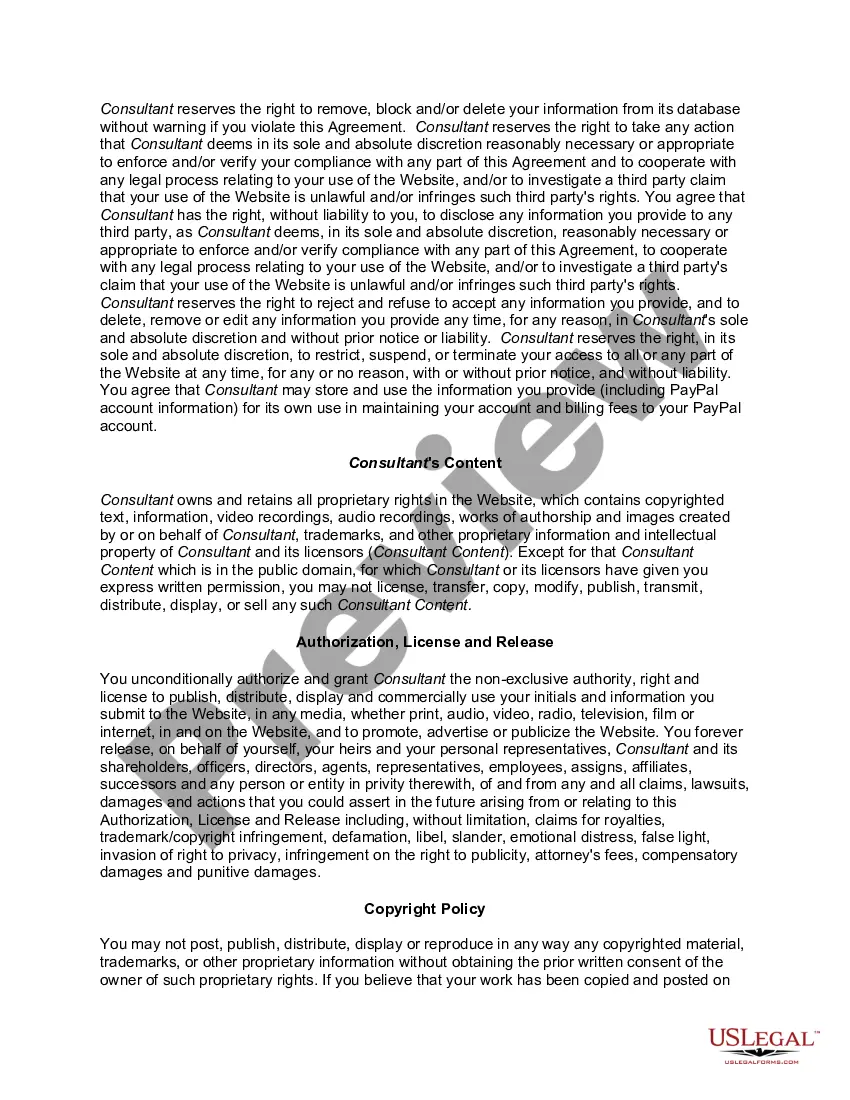
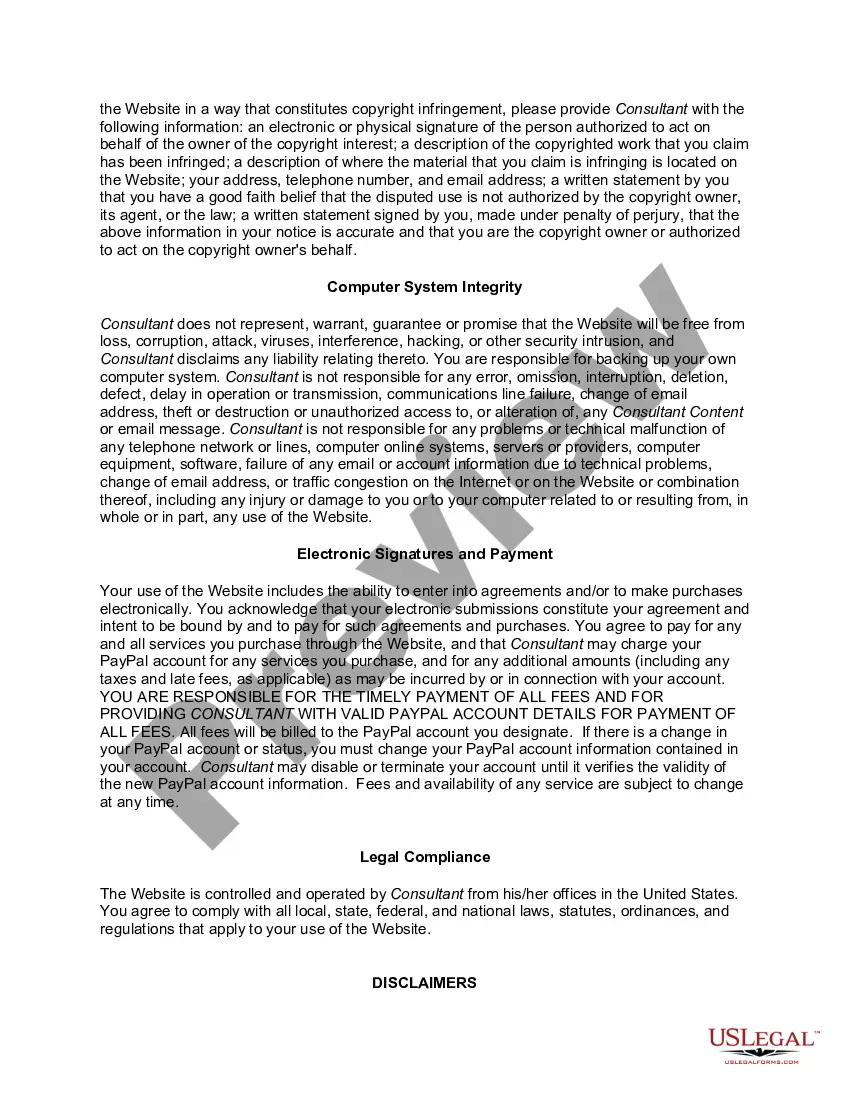
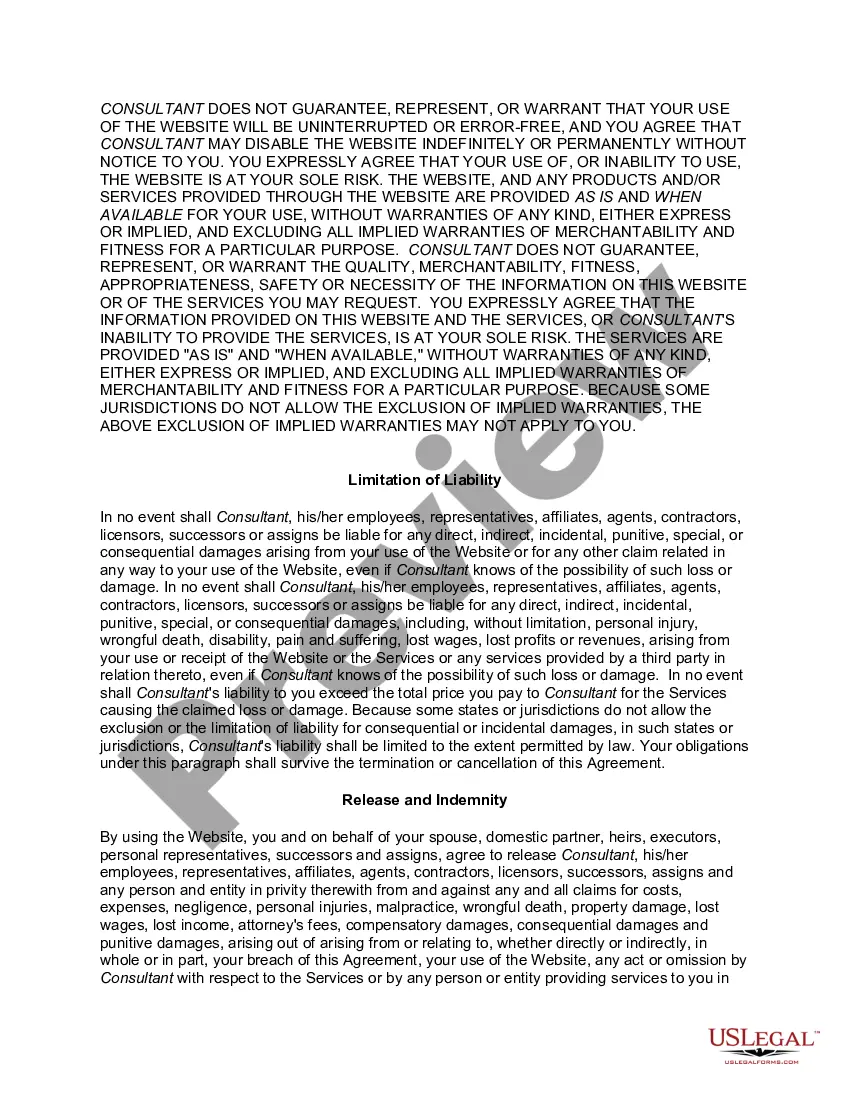
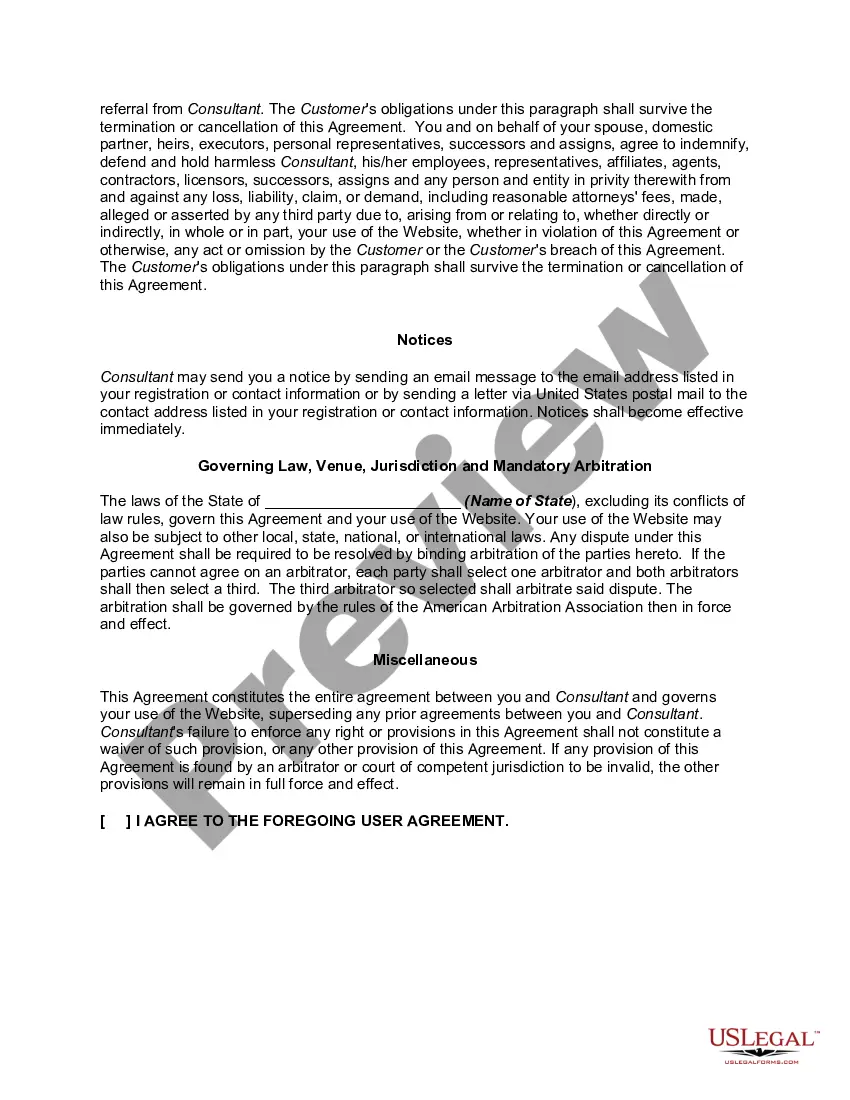
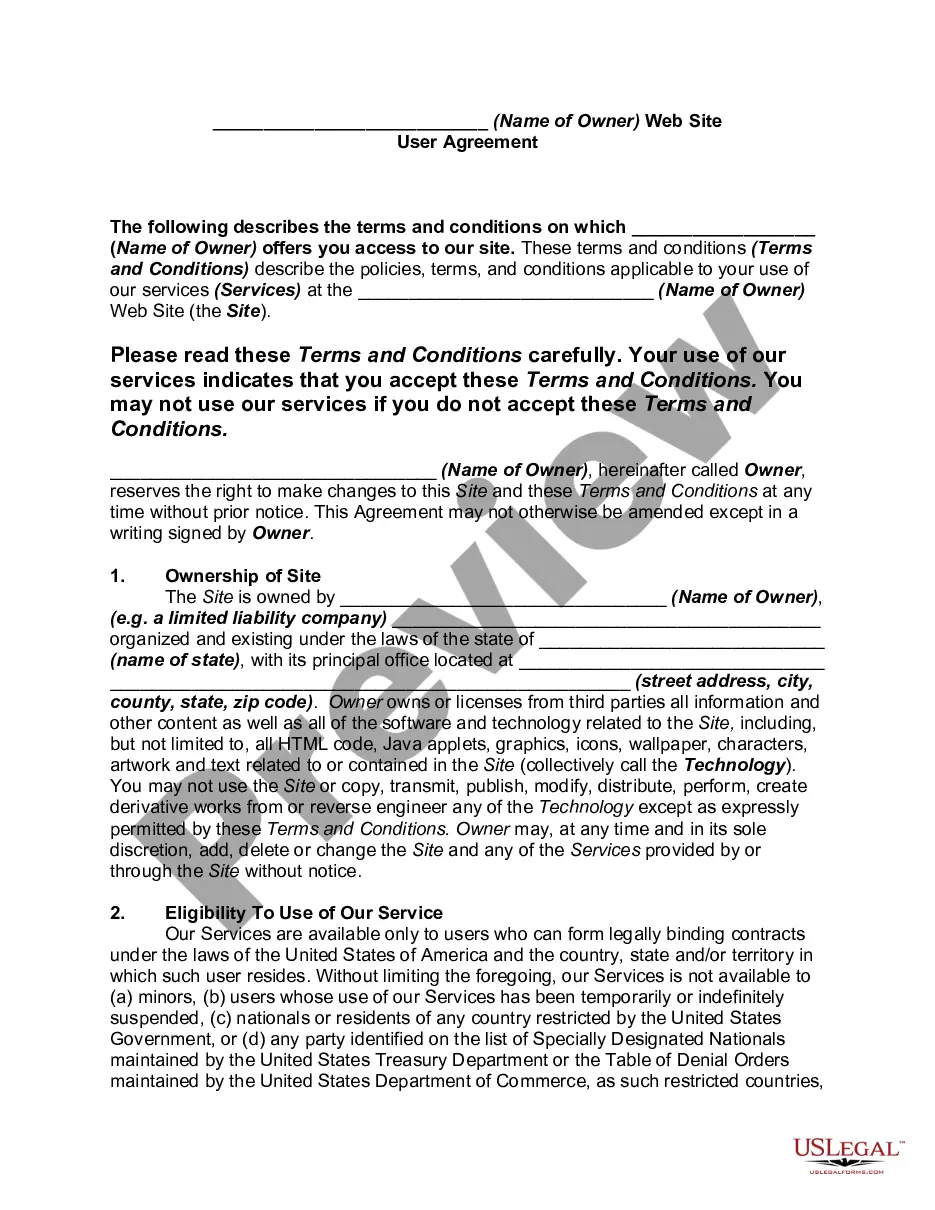
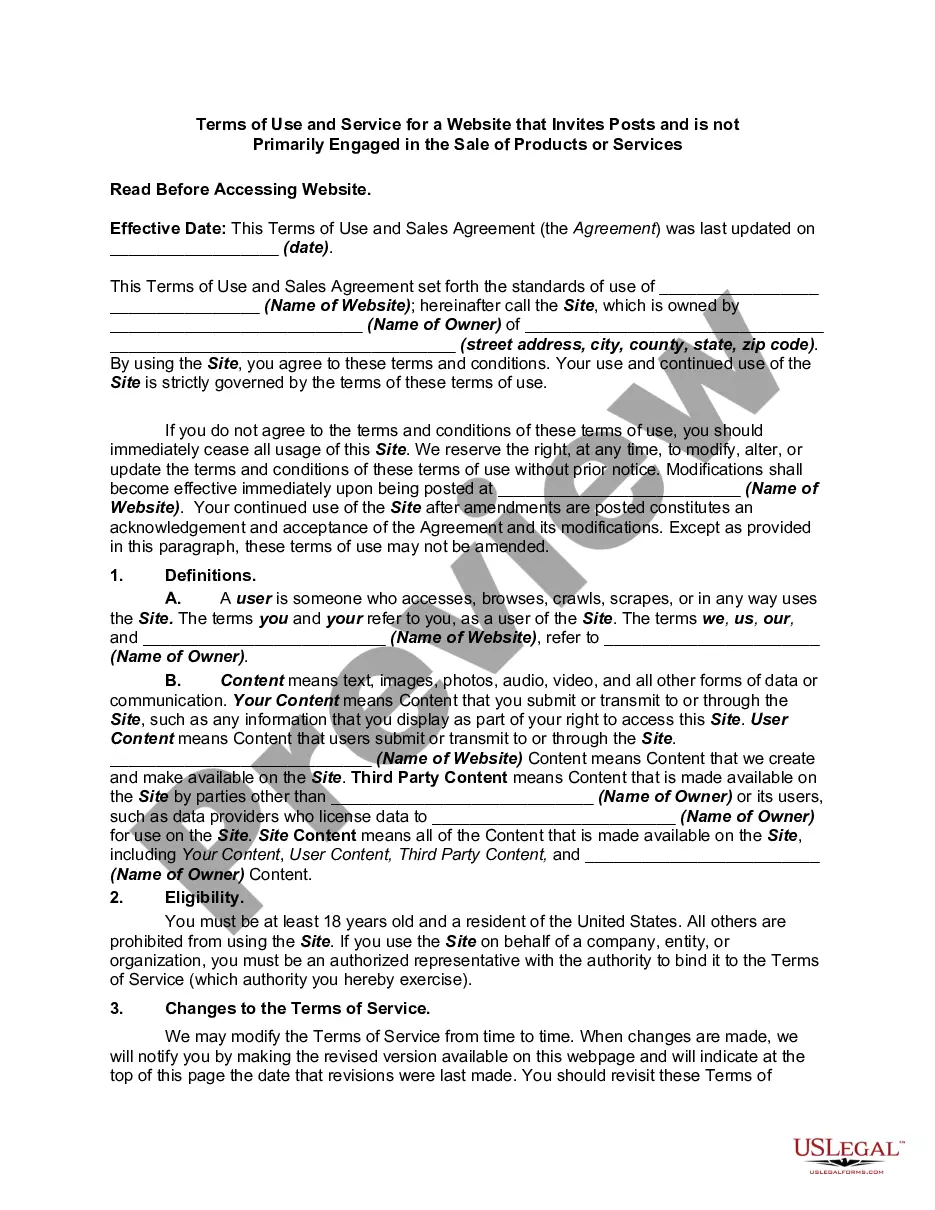
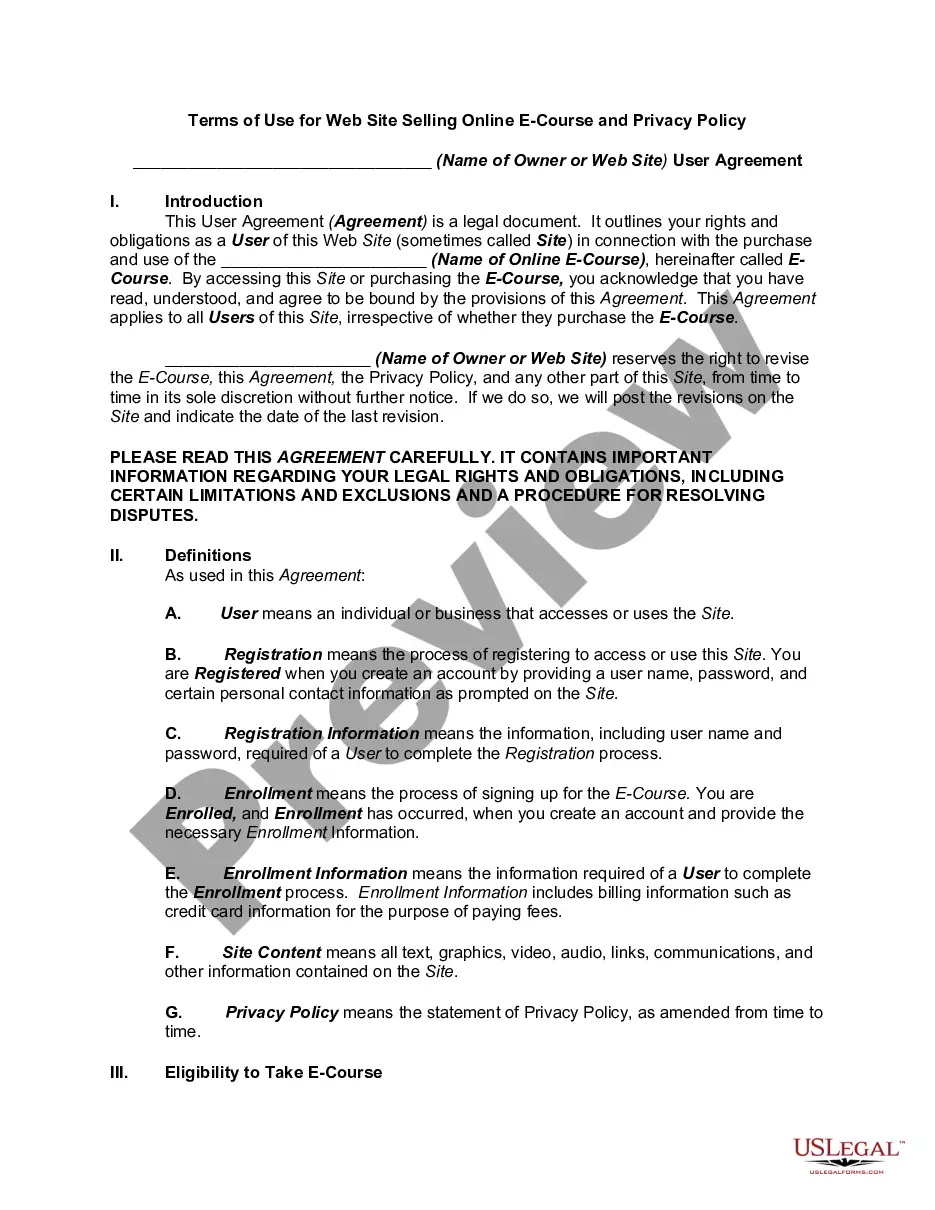
How to fill out Website Subscription User Agreement For Online Advice Service?
- If you are a returning user, log in to your account and download the required form template. Ensure that your subscription is active; renew if necessary.
- For first-time users, start by reviewing the Preview mode and description of potential forms. Choose the one that aligns with your requirements and local jurisdiction.
- If the initial form is incompatible, utilize the Search tab at the top of the page to find a suitable alternative.
- Once you select the correct document, click on the Buy Now button and select your preferred subscription plan. You will need to create an account for full access.
- Proceed with your purchase by entering your payment information, whether via credit card or PayPal.
- After completing the transaction, download the form to your device. Access it anytime through the My Forms section in your profile.
By following these steps, you can quickly access a wide range of legal forms tailored to your needs.
Start your journey to effective legal document management with US Legal Forms today!
Form popularity
FAQ
An agreement and disagreement conversation occurs when individuals express their differing viewpoints on a topic while still aiming for understanding. For instance, during a discussion about work policies, one person may support flexible hours while another prefers a fixed schedule. Each side presents valid arguments, illustrating how a respectful exchange can lead to a productive dialogue. Using platforms like US Legal Forms can provide templates and resources to help facilitate these conversations effectively.
To agree and disagree politely, start by validating the other person's opinion before sharing yours. You might say, 'I understand your perspective and see why you feel that way; however, I think we should consider another option.' This approach maintains respect and encourages a constructive agreement and disagreement conversation.
Expressing agreement typically involves affirming someone else's viewpoint in a positive way. For example, you might say, 'I completely agree with your suggestion to increase marketing efforts; it aligns well with our goals.' In an agreement and disagreement conversation, showing understanding helps to build a collaborative environment.
An example of agreement and disagreement might occur during a team discussion about a project. If one team member suggests a new strategy and another responds, 'I see the benefits of this approach, but I think we need to consider some alternatives,' this reflects both agreement on the benefits and disagreement on the approach. Engaging in an agreement and disagreement conversation like this can yield productive outcomes.
A disagreement statement clearly expresses a differing opinion on a topic. For instance, if someone says, 'I think we should postpone the meeting,' a disagreement statement could be, 'I believe we should proceed with the meeting as planned.' In the context of an agreement and disagreement conversation, it's important to articulate your views respectfully.
When talking with someone in an agreement and disagreement conversation, approach the dialogue with an open mind. Be clear about your thoughts while remaining receptive to the other person's ideas. Use 'I' statements to express your views without placing blame. This technique encourages productive exchanges and helps avoid misunderstandings.
Polite agreement and disagreement during conversations hinge on using respectful language. Frame your statements with phrases like 'I see your point, but' to express differing views without being confrontational. Then, share your perspective in a supportive way. Maintaining a polite demeanor strengthens relationships despite differing opinions.
Dealing with people during an agreement and disagreement conversation requires patience and understanding. Find ways to reframe the discussion by concentrating on shared values or goals. This method not only diffuses tension but also promotes a more cooperative atmosphere. Remember, you can focus on outcomes rather than differences.
Effective communication during an agreement and disagreement conversation involves active listening and empathy. Use phrases that validate the other person's feelings, even if you disagree. This practice facilitates a more respectful and less confrontational dialogue. By maintaining open communication, you can potentially turn disagreements into collaborative discussions.
To have a productive agreement and disagreement conversation, first, create a safe environment for expression. Ask open-ended questions that encourage sharing of thoughts and feelings. Make sure you respond calmly, and focus on the issue rather than personal attacks. This technique helps both parties feel heard and valued.