Non-inclusive Vs Non-exclusive
Description
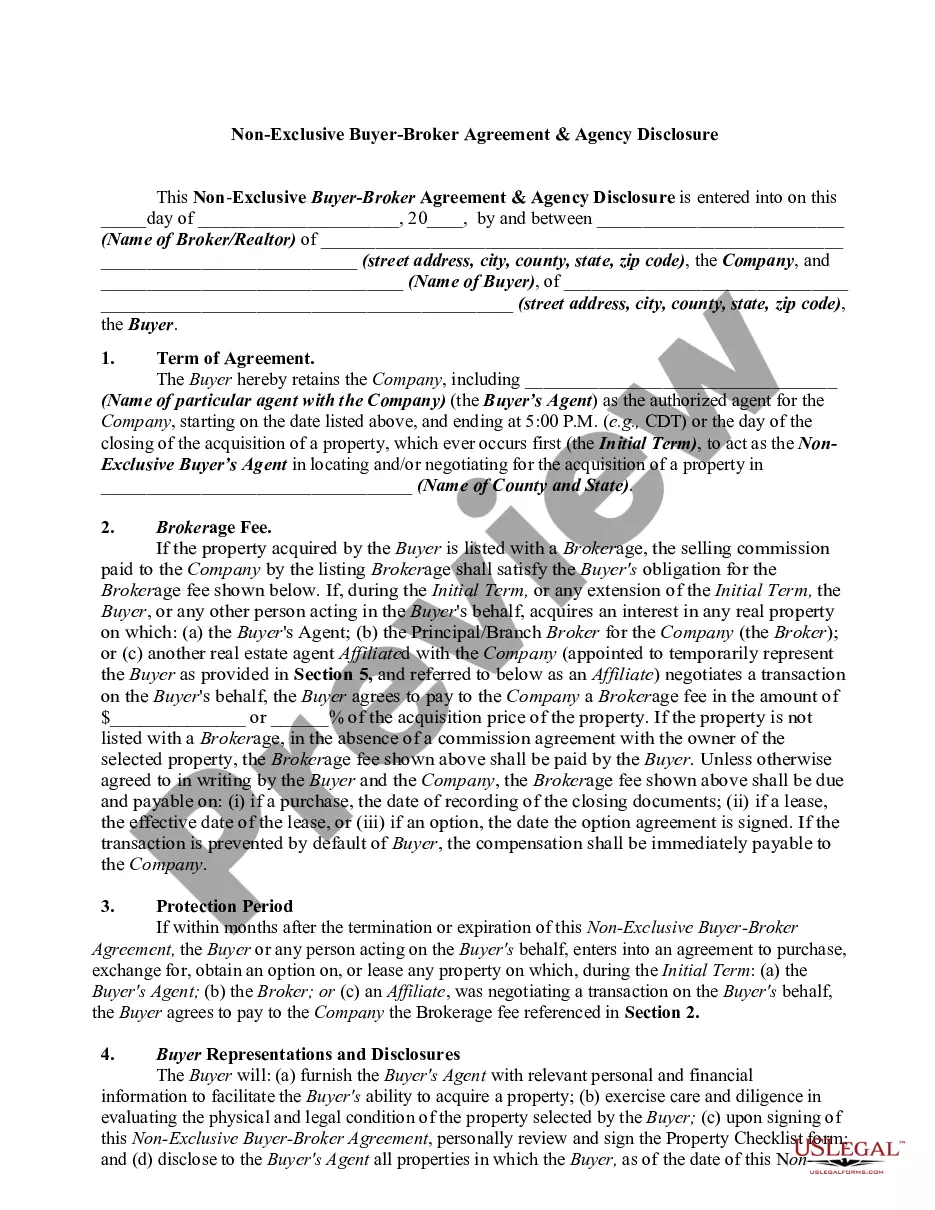
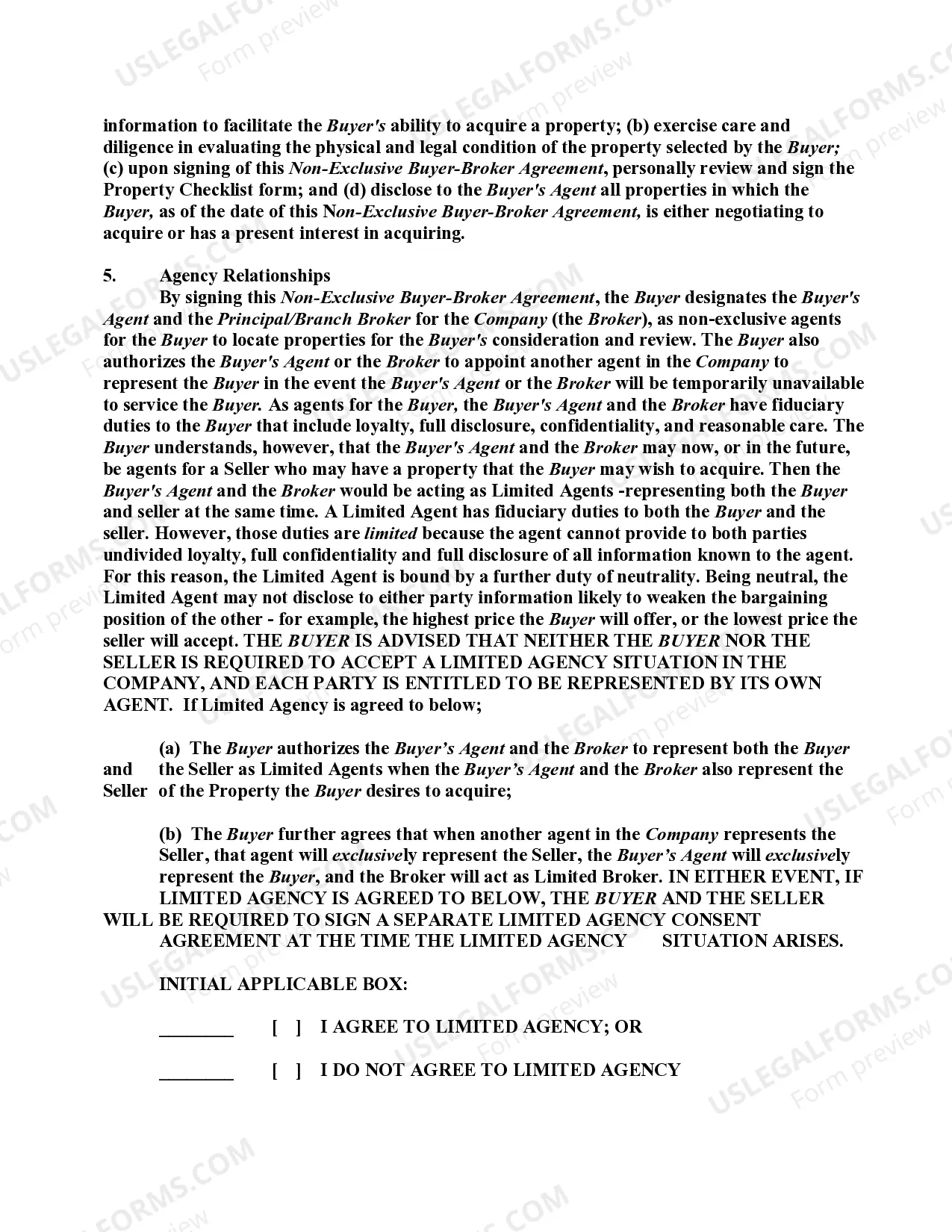
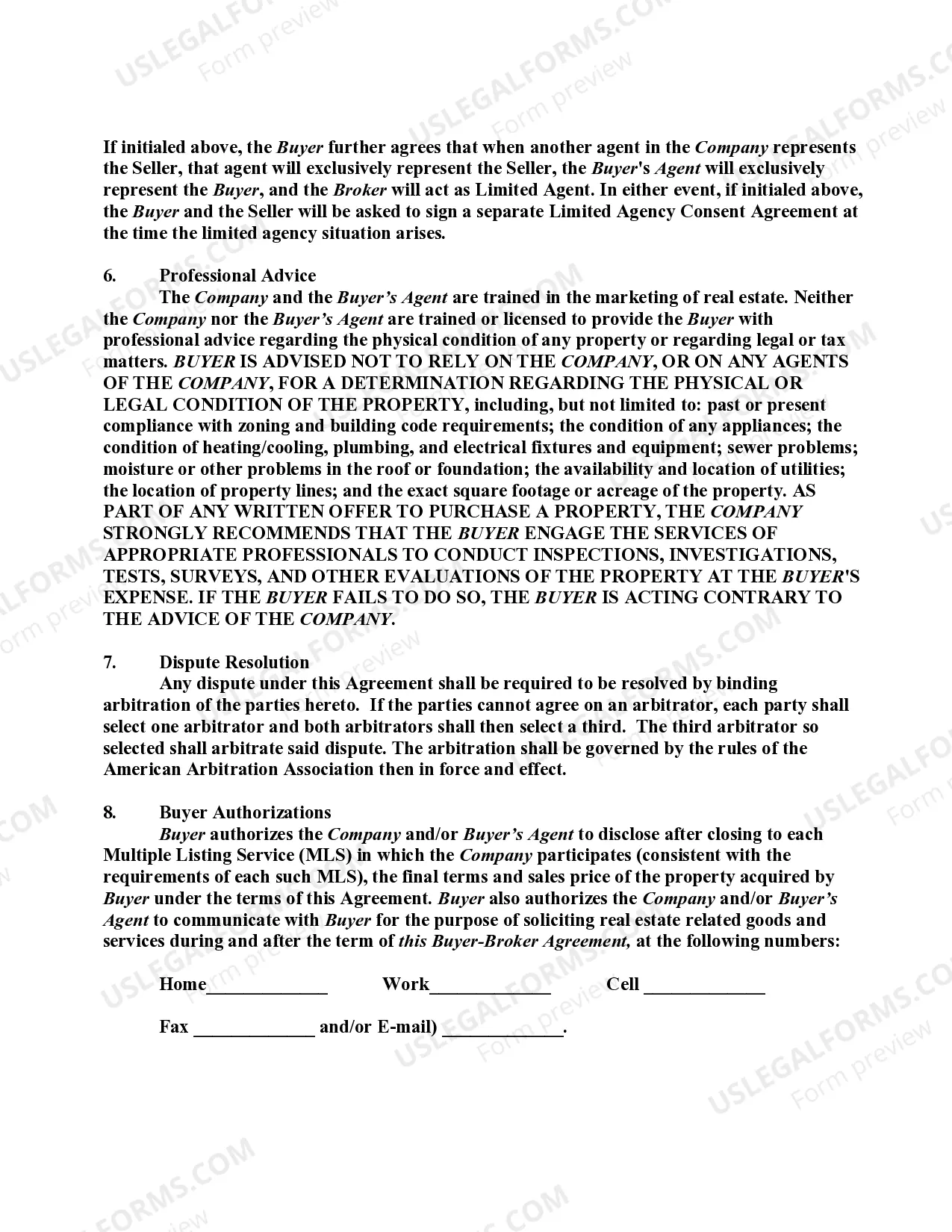
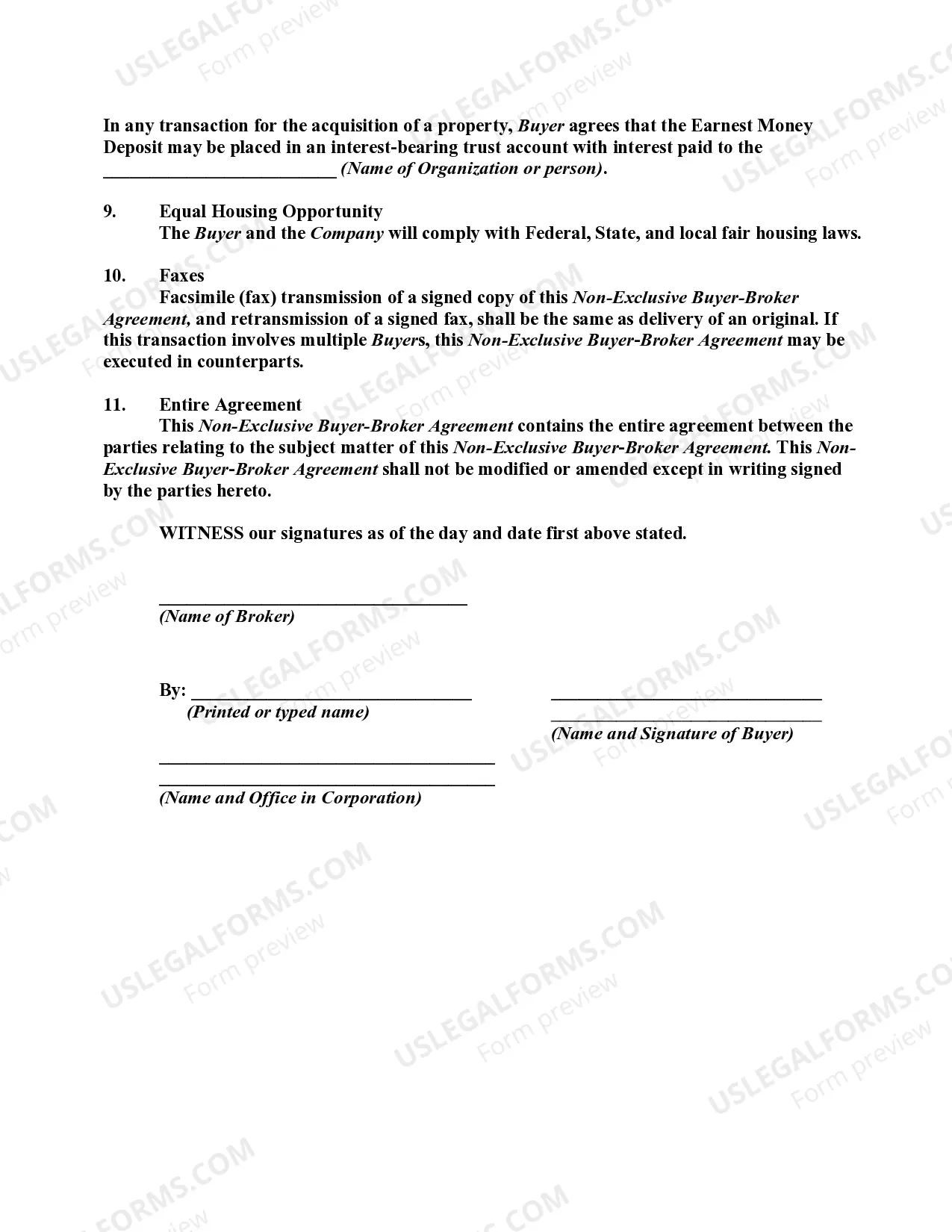
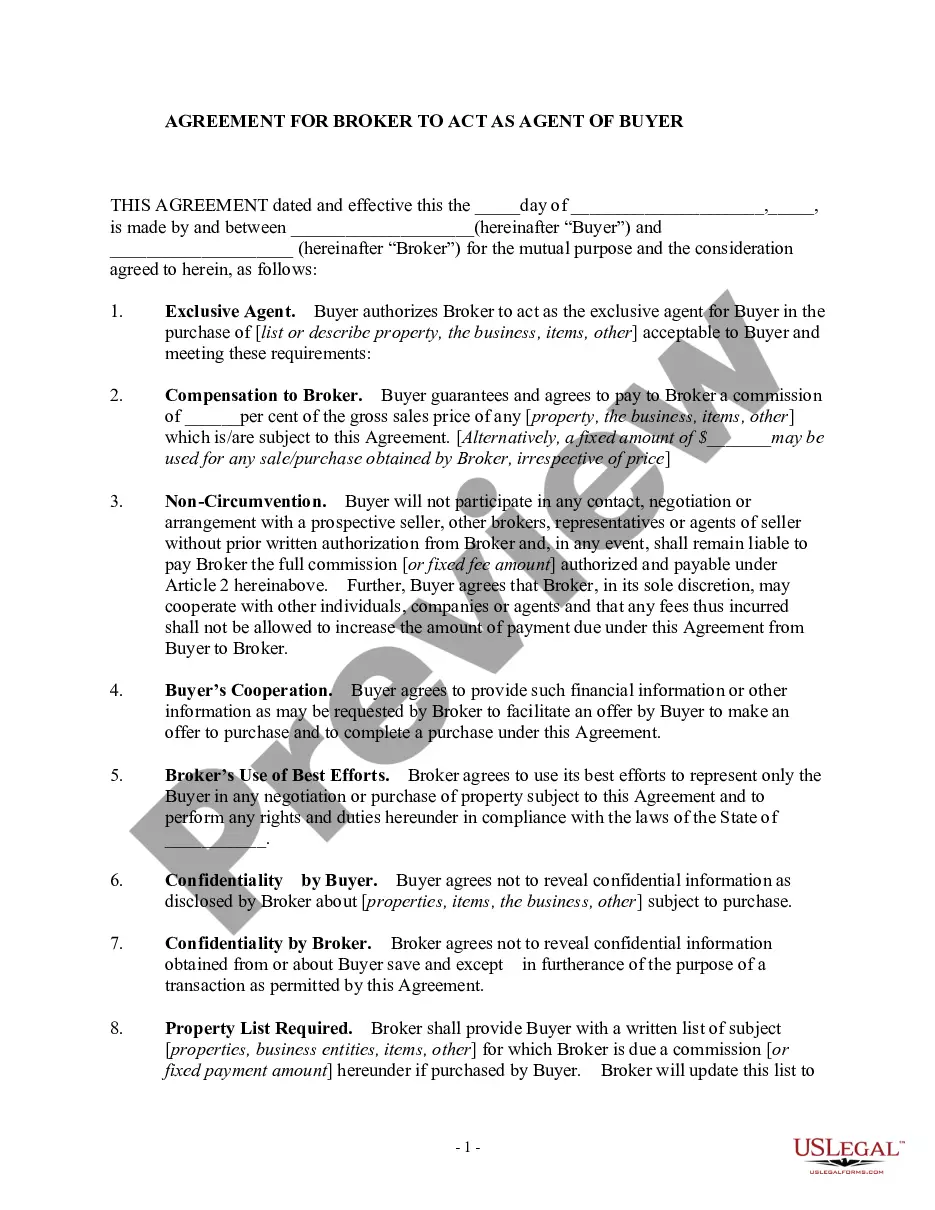
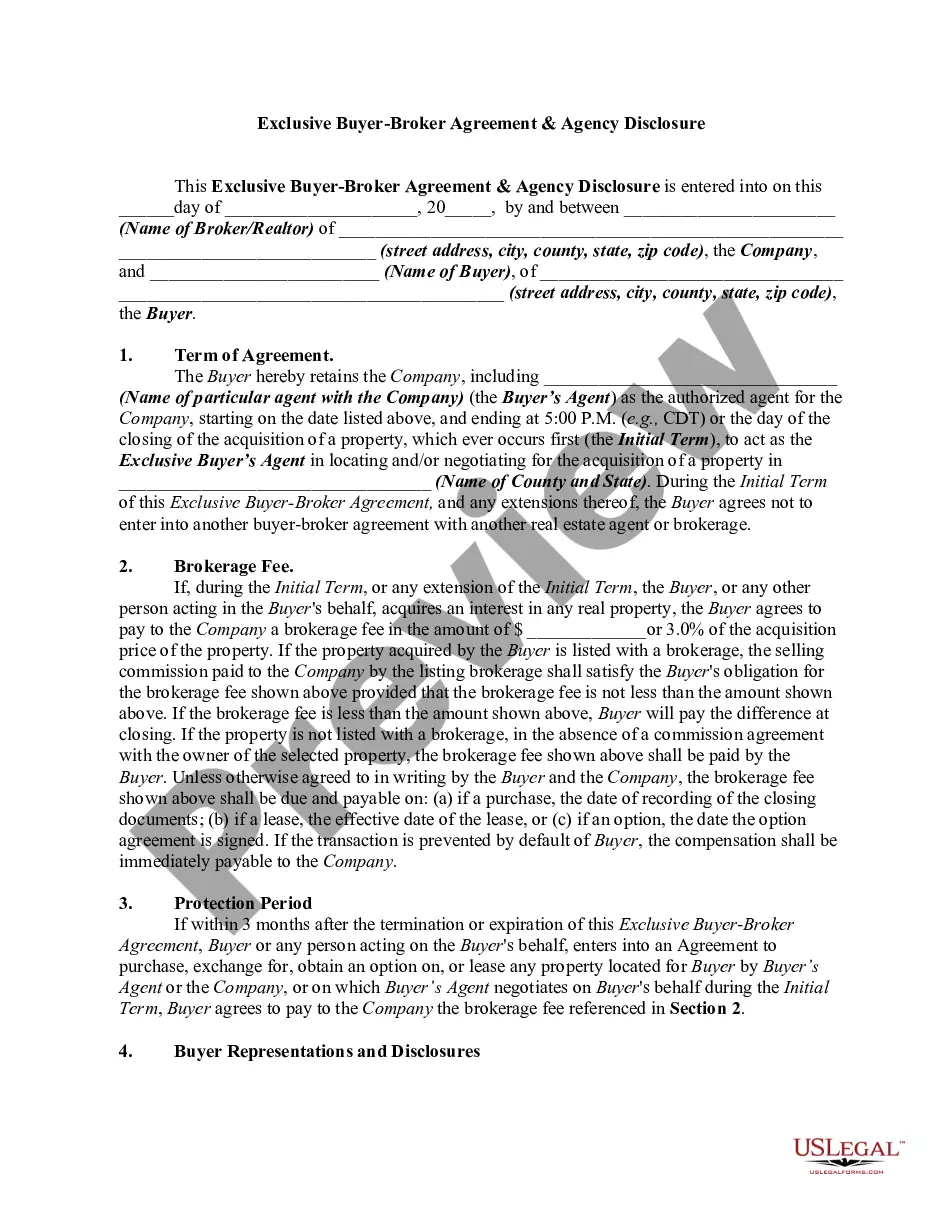
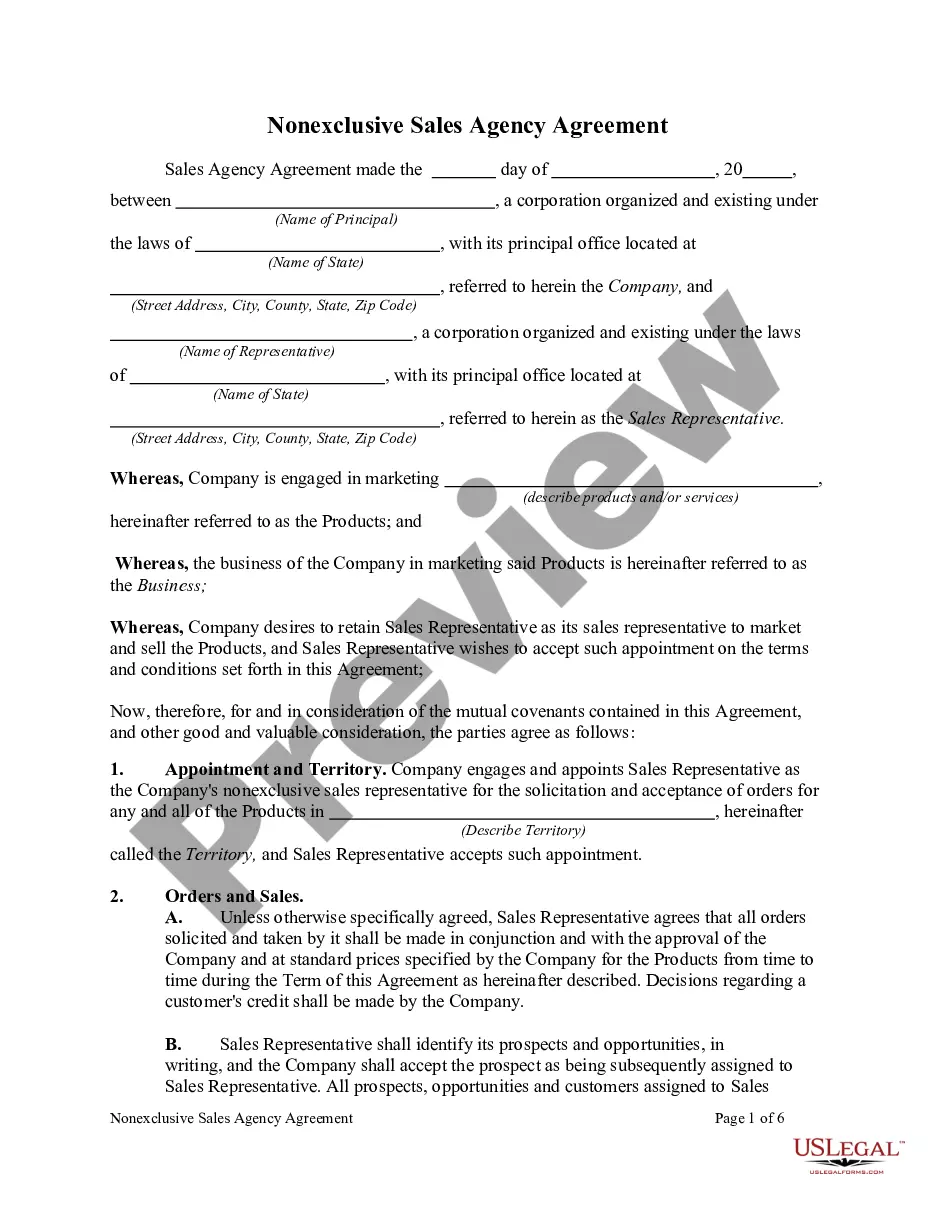
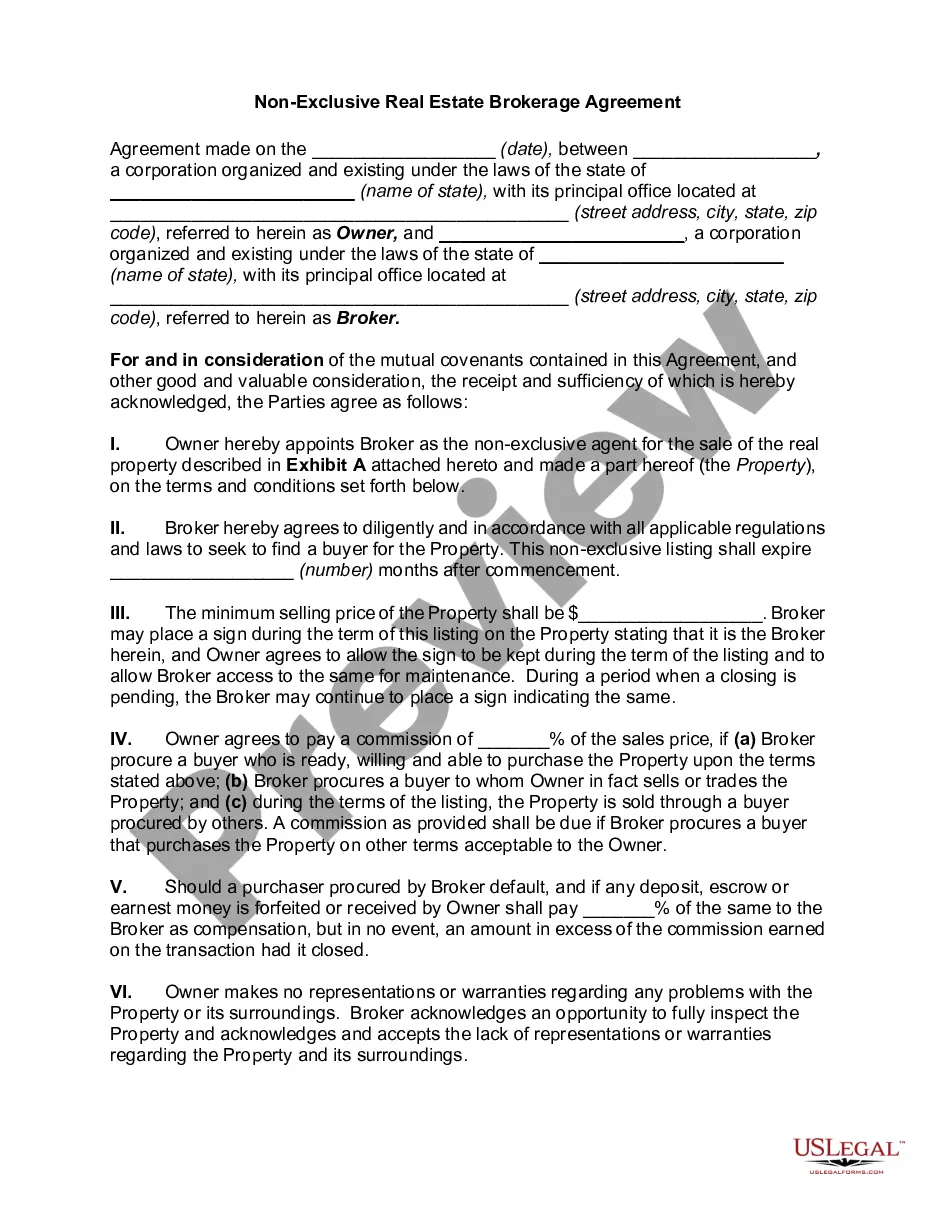
Get your form ready online
Our built-in tools help you complete, sign, share, and store your documents in one place.
Make edits, fill in missing information, and update formatting in US Legal Forms—just like you would in MS Word.
Download a copy, print it, send it by email, or mail it via USPS—whatever works best for your next step.
Sign and collect signatures with our SignNow integration. Send to multiple recipients, set reminders, and more. Go Premium to unlock E-Sign.
If this form requires notarization, complete it online through a secure video call—no need to meet a notary in person or wait for an appointment.
We protect your documents and personal data by following strict security and privacy standards.

Make edits, fill in missing information, and update formatting in US Legal Forms—just like you would in MS Word.

Download a copy, print it, send it by email, or mail it via USPS—whatever works best for your next step.

Sign and collect signatures with our SignNow integration. Send to multiple recipients, set reminders, and more. Go Premium to unlock E-Sign.

If this form requires notarization, complete it online through a secure video call—no need to meet a notary in person or wait for an appointment.

We protect your documents and personal data by following strict security and privacy standards.
Looking for another form?
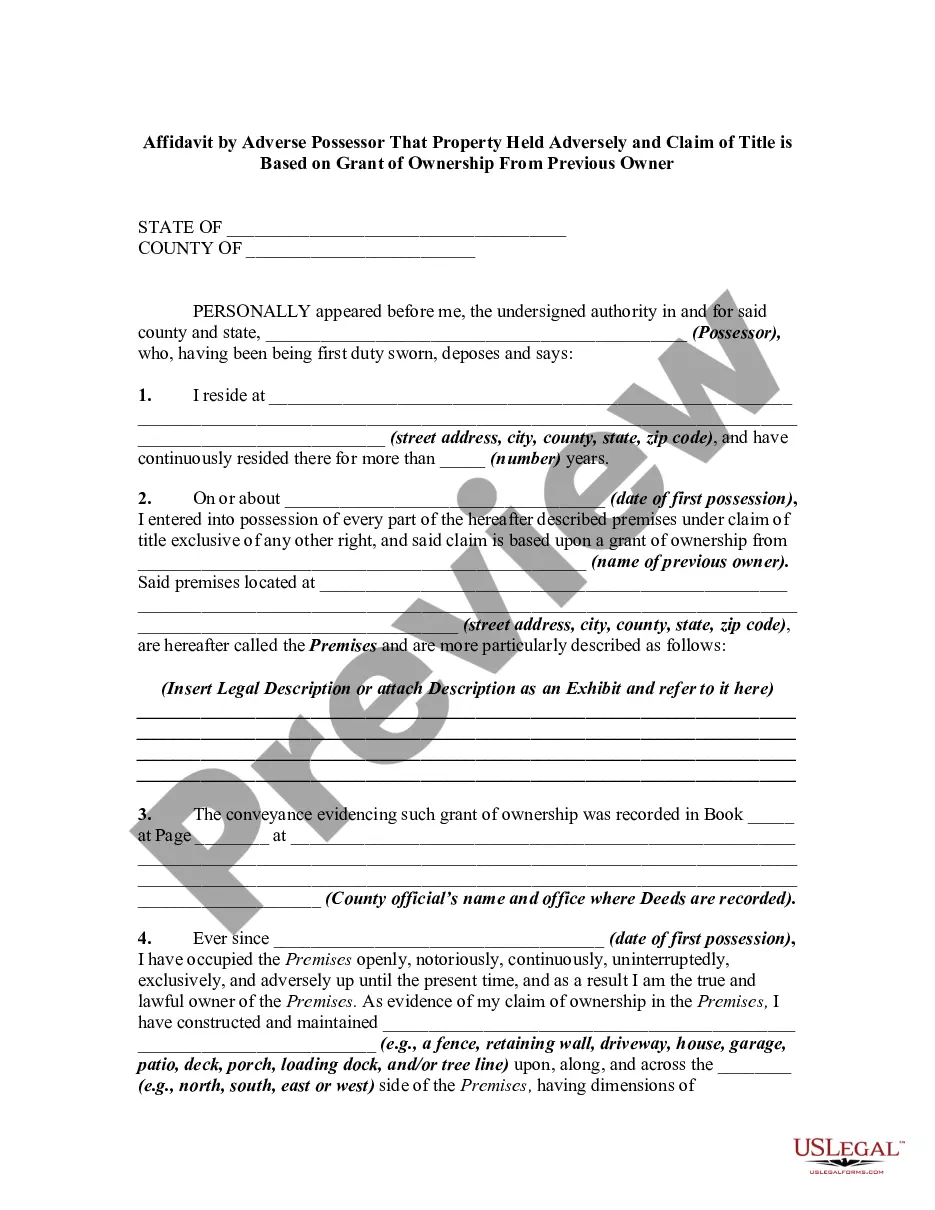

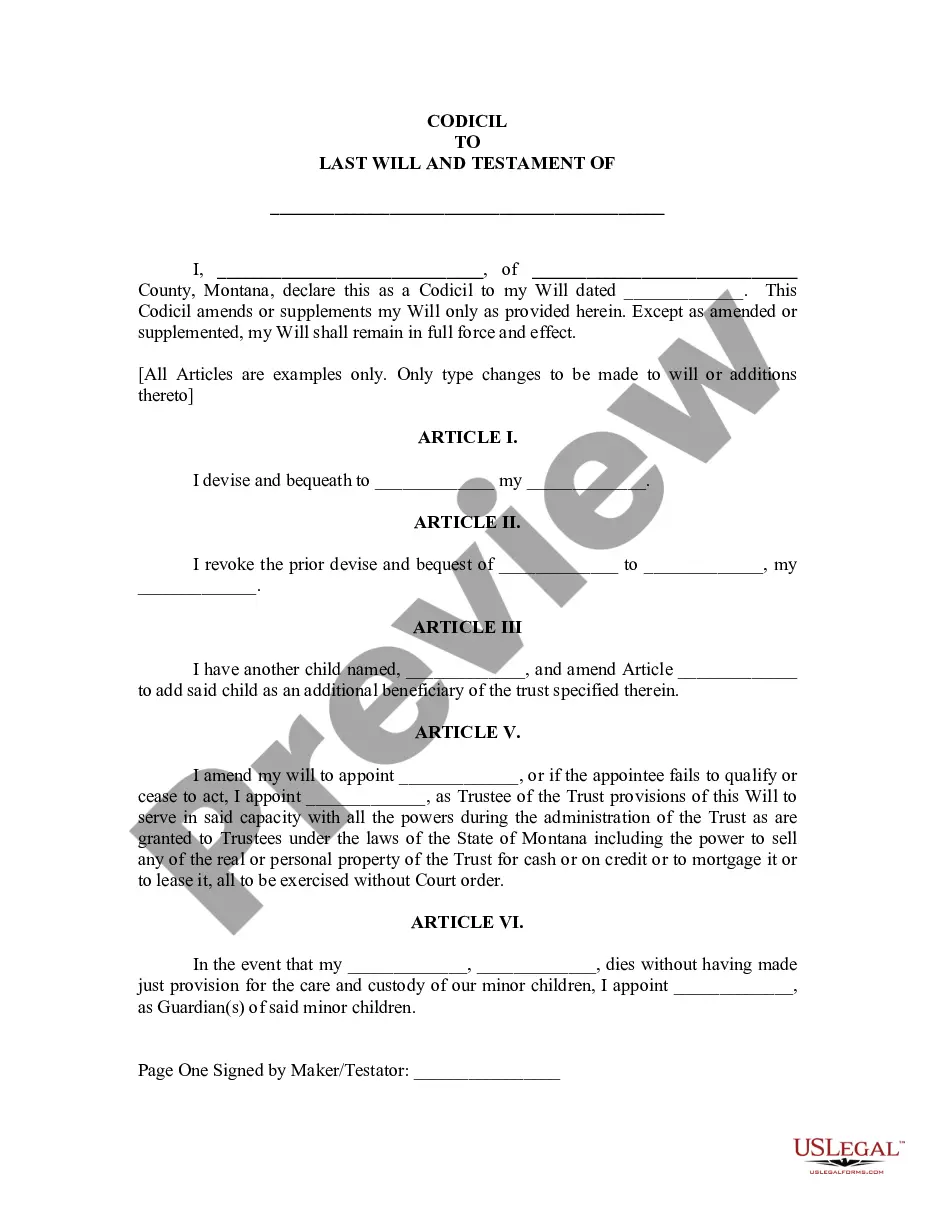
How to fill out Non-Exclusive Buyer-Broker Agreement And Agency Disclosure?
Handling legal documents and processes can be a lengthy addition to your day.
Non-inclusive versus non-exclusive and similar forms generally require you to locate them and comprehend how to finalize them accurately.
Thus, if you are managing financial, legal, or personal issues, possessing a comprehensive and useful online database of forms readily available will be beneficial.
US Legal Forms is the premier online source of legal templates, featuring over 85,000 state-specific documents and a range of tools to help you complete your paperwork effortlessly.
Is this your first time using US Legal Forms? Register and create your account in a few minutes, and you will gain access to the form library and Non-inclusive versus Non-exclusive. Then, follow the steps below to finalize your form.
- Explore the collection of relevant documents available to you with just a single click.
- US Legal Forms offers you state- and county-specific documents available for downloading at any time.
- Safeguard your document management tasks by utilizing a high-quality service that enables you to prepare any form within minutes without any extra or hidden fees.
- Simply Log In to your account, locate Non-inclusive versus Non-exclusive, and download it immediately from the My documents section.
- You can also retrieve forms that you have previously saved.
Form popularity
FAQ
You can identify whether something is inclusive or exclusive by examining its accessibility and participation criteria. If a group or activity welcomes everyone, it is inclusive; if it limits participation, it is exclusive. This understanding is crucial, especially in discussions about non-inclusive vs non-exclusive frameworks.
'Uninclusive' is not a standard term in English vocabulary. The correct term to use is 'non-inclusive.' When discussing non-inclusive vs non-exclusive scenarios, it's essential to use the proper terminology to convey your message clearly. Building your understanding of these terms can help in various contexts.
'Unincluded' refers to something that has not been included or counted in a particular situation or arrangement. This term often appears in legal language to clarify what is left out from agreements or categories. Being aware of such terms can enhance your understanding of legal documents, especially those discussing non-inclusive vs non-exclusive aspects.
An inclusive range includes the endpoints, while a non-inclusive range does not. For example, in a non-inclusive range, values at the boundaries are excluded. This difference is crucial when specified in legal contexts, particularly when making agreements or contracts, as it can affect the conditions of non-inclusive vs non-exclusive clauses.
When comparing non-inclusive and non-exclusive, it's important to understand their definitions. Non-inclusive terms imply a lack of coverage for certain elements, while non-exclusive allows for multiple options or overlaps. Understanding these distinctions can significantly impact your decision-making. Therefore, grasping the differences between non-inclusive vs non-exclusive can enhance your legal comprehension.
The inclusive 'we' is used if the addressee is included in the reference; it means something like 'you and I (and possibly others)'. In contrast, the exclusive 'we' is used if the addressee is not included in the reference. This form of 'we' means something like 'I and others (not you)'.
The reason this confuses students is that sometimes when we say ?or? in everyday conversation we mean p is true or q is true, but p and q are not both true. (For example, ?the door is open or the door is closed.?) This brings to mind the logical operation exclusive or, ?XOR? (the usual ?or? is inclusive or).
In inclusive OR, the condition is atleast one of the two must be true. Whereas, in exclusive OR, BOTH cannot be true,atleast one must be true.
For example, the interval [0, 10] includes both 0 and 10, so it is an inclusive interval. When an interval does not include one or both of its endpoints, it is called an "exclusive" interval. For example, the interval (0, 10) does not include 0 or 10, so it is an exclusive interval.
Exclusive? Inclusive often means to be taken in, to include. Exclusive is many times means pushing something out of some sort of group, thus creating an element of specialness because of restricted entrance. Being inclusive is typically the opposite of being exclusive.