What Is A Subpoena For Records
Description
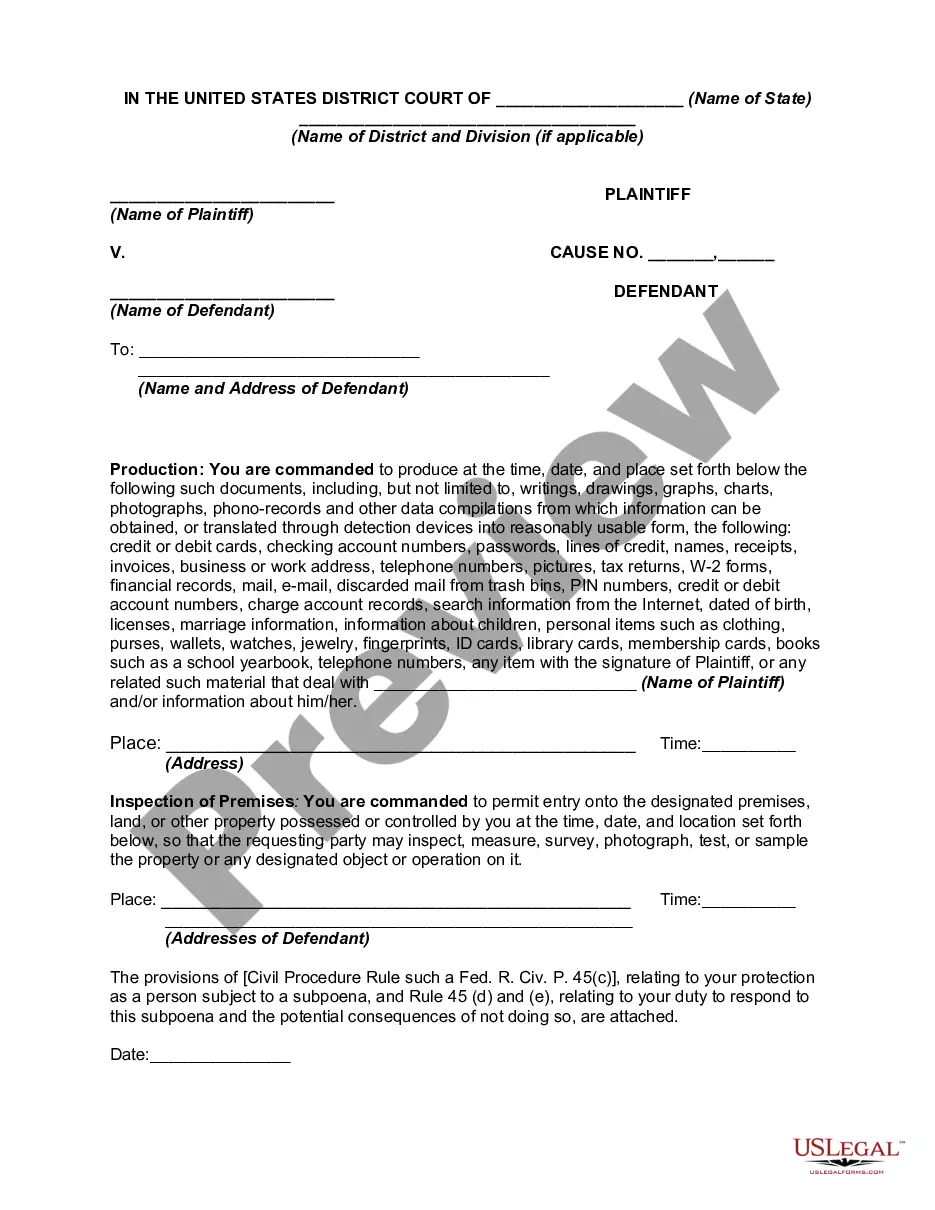
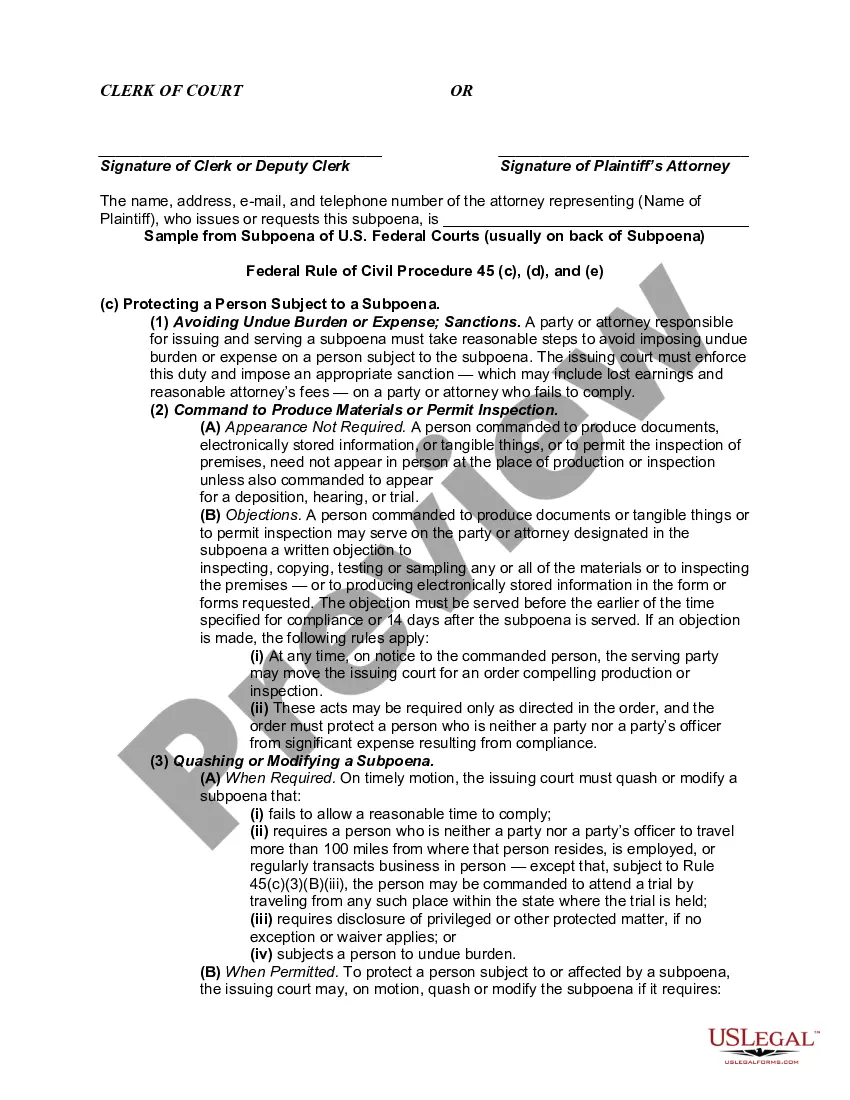
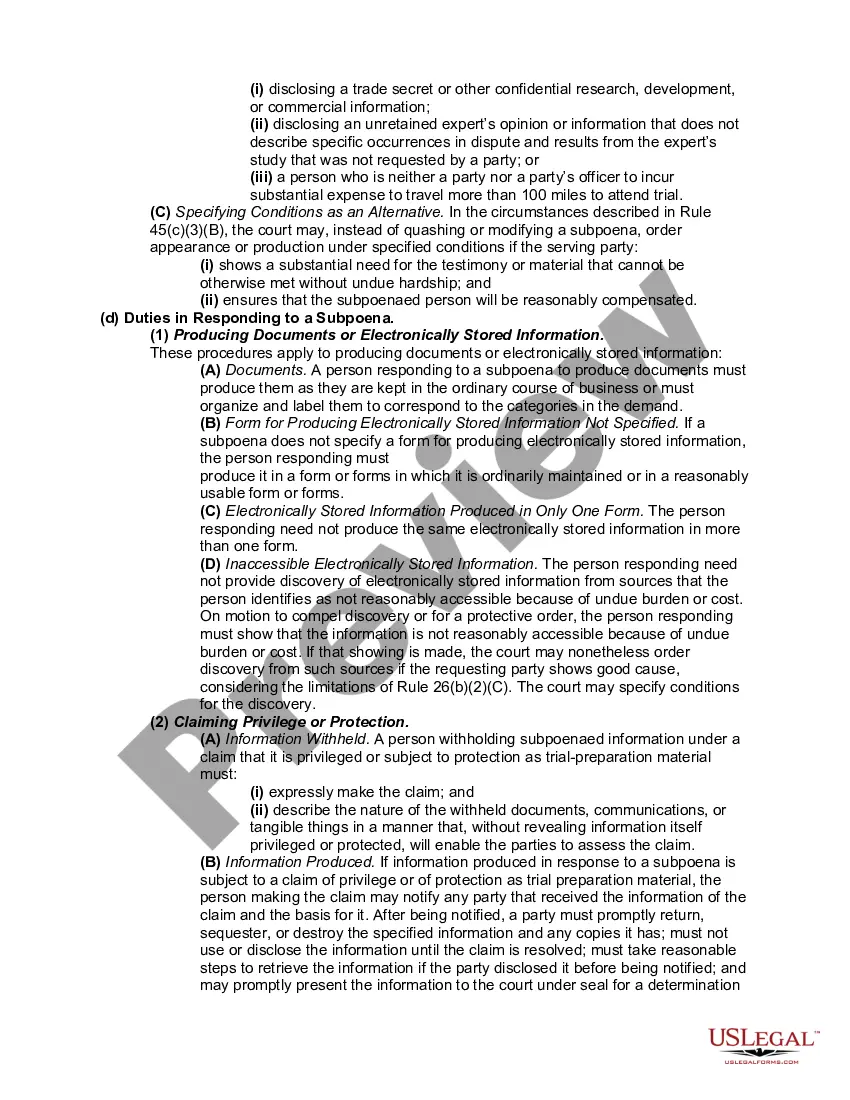

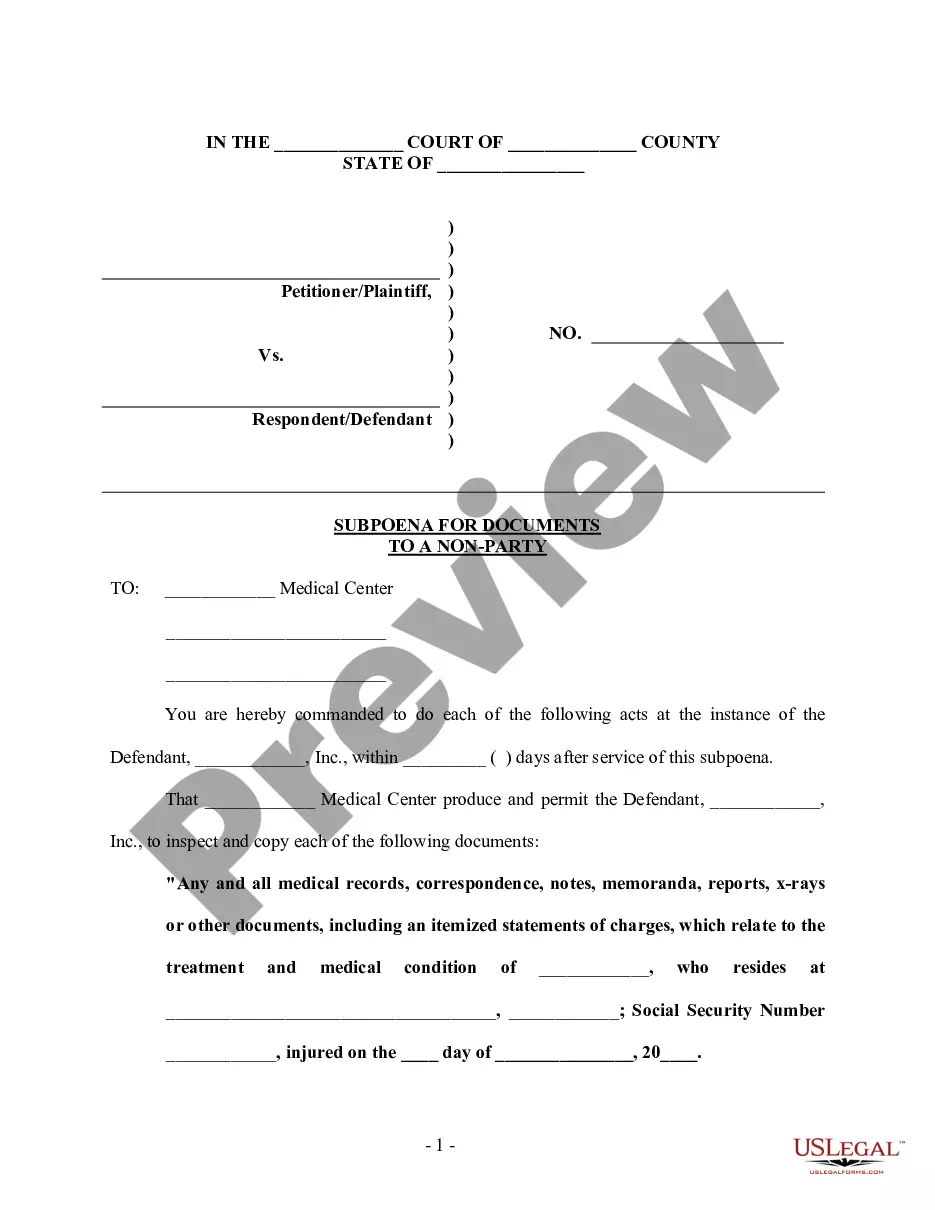
Get your form ready online
Our built-in tools help you complete, sign, share, and store your documents in one place.
Make edits, fill in missing information, and update formatting in US Legal Forms—just like you would in MS Word.
Download a copy, print it, send it by email, or mail it via USPS—whatever works best for your next step.
Sign and collect signatures with our SignNow integration. Send to multiple recipients, set reminders, and more. Go Premium to unlock E-Sign.
If this form requires notarization, complete it online through a secure video call—no need to meet a notary in person or wait for an appointment.
We protect your documents and personal data by following strict security and privacy standards.

Make edits, fill in missing information, and update formatting in US Legal Forms—just like you would in MS Word.

Download a copy, print it, send it by email, or mail it via USPS—whatever works best for your next step.

Sign and collect signatures with our SignNow integration. Send to multiple recipients, set reminders, and more. Go Premium to unlock E-Sign.

If this form requires notarization, complete it online through a secure video call—no need to meet a notary in person or wait for an appointment.

We protect your documents and personal data by following strict security and privacy standards.
Looking for another form?
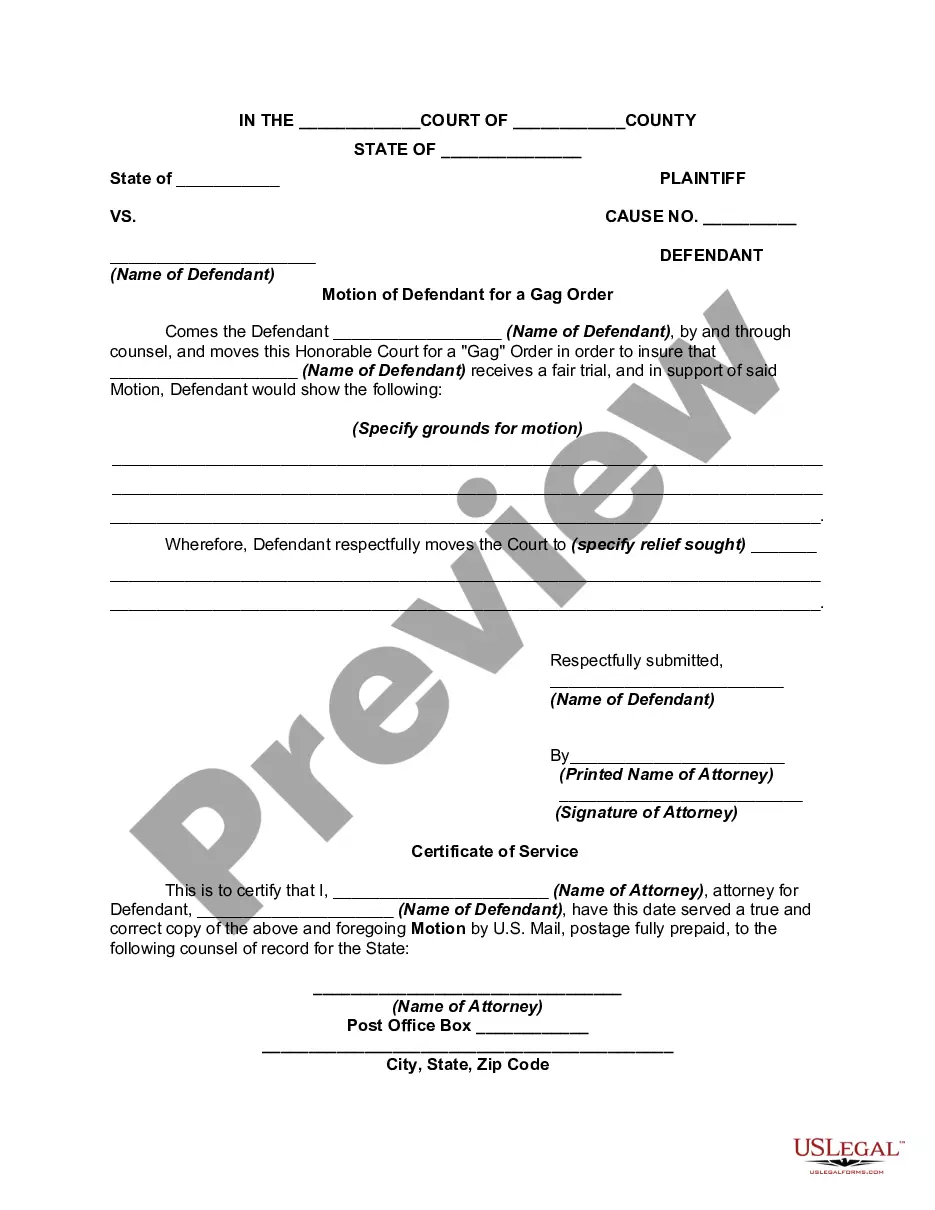
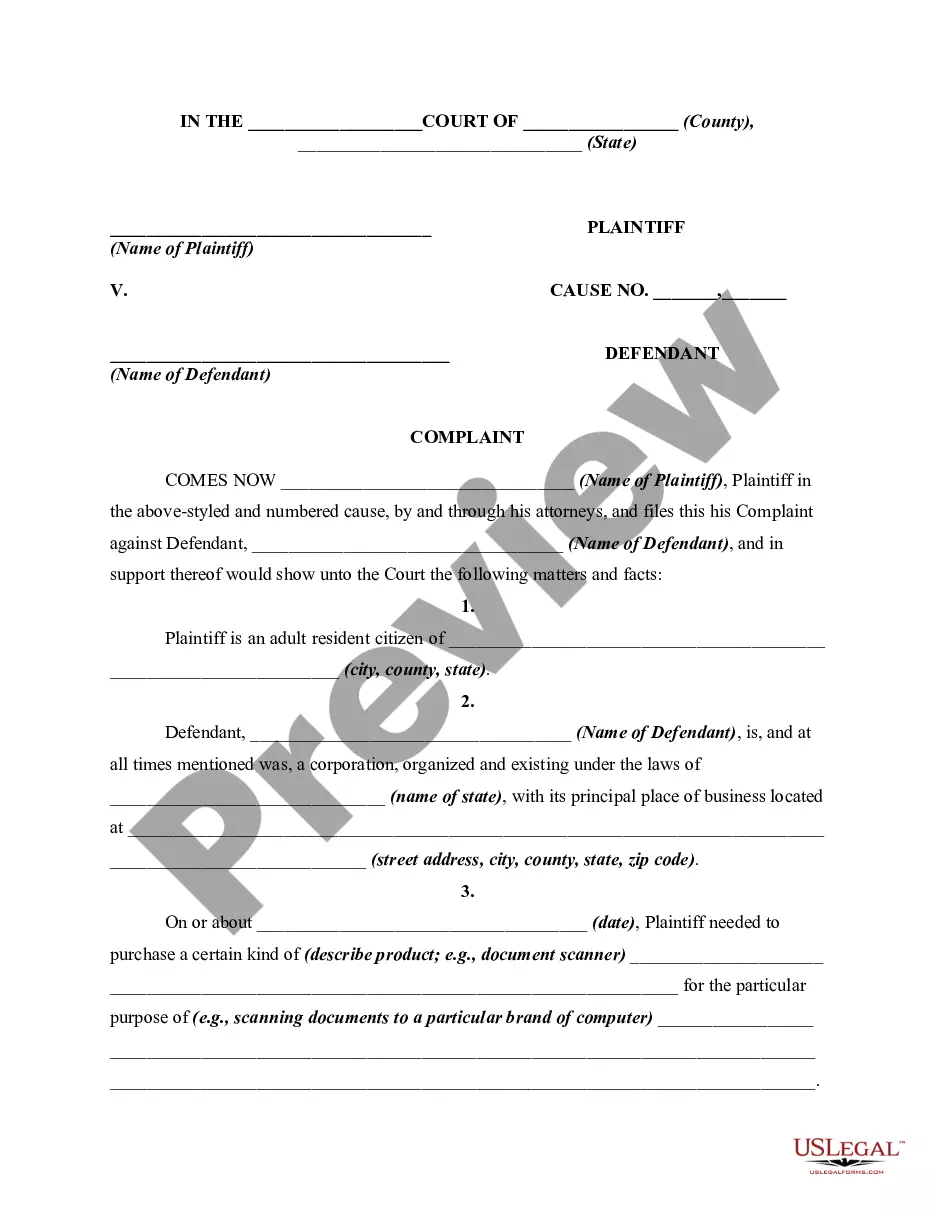


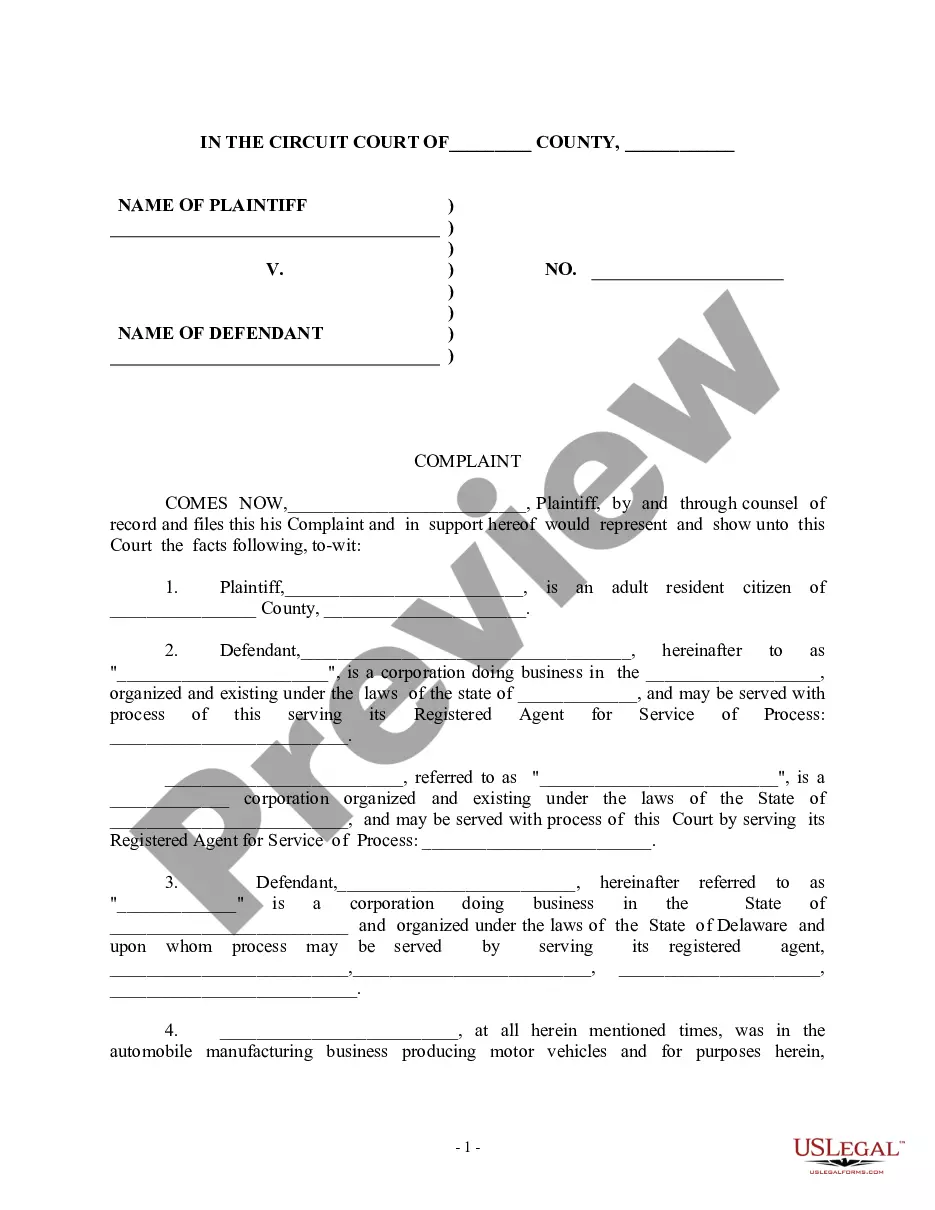



How to fill out Subpoena To Produce Documents, Information, Or Objects Or Permit Inspection Of Premises In A Civil Action Involving Identity Theft?
- Log in to your US Legal Forms account, if you're already a subscriber. Ensure that your subscription remains valid; renew if necessary.
- Preview the subpoena template and its description to confirm it matches your requirements and jurisdiction regulations.
- If there's a mismatch, use the Search function to explore alternative templates that suit your needs.
- Select the 'Buy Now' option for the chosen document and pick your preferred subscription plan. You will need to create an account to access additional resources.
- Complete your purchase by entering your payment details through credit card or PayPal to finalize your subscription.
- Download your subpoena template. Save it to your device for future reference, and access it anytime from the 'My Forms' section in your account.
US Legal Forms simplifies the process of obtaining legal documents, empowering both individuals and attorneys by providing access to a massive library of over 85,000 templates. With more forms available than competitors and support from legal experts, you can be confident in the quality of your documents.
In conclusion, whether you're a returning user or a first-time visitor, following these steps will help you effectively acquire a subpoena for records. Take the first step today and harness the power of US Legal Forms to fulfill your legal documentation needs!
Form popularity
FAQ
Yes, you can inform others about a subpoena for records, as it is generally public information. However, you should consider any potential legal ramifications and the sensitivity of the information involved. Sharing details may impact ongoing investigations or legal proceedings, so it's wise to proceed with caution. If you need guidance on this matter, US Legal Forms can provide valuable resources.
Yes, a subpoena for records is typically public information. This accessibility allows interested parties to review the terms set forth in the subpoena. Keep in mind that while the subpoena itself may be public, the records requested can vary in their accessibility. Utilizing US Legal Forms can simplify your search for information regarding subpoenas.
To find out if there is a subpoena for you, start by checking with the court that has jurisdiction over your area. You can also consult legal databases that track subpoenas. Engaging a legal professional may provide additional insights, especially if you need to respond to a subpoena for records. US Legal Forms offers tools to help you navigate such situations seamlessly.
Typically, a subpoena for records is not confidential. However, certain aspects of the case may be sealed, which can make some information unavailable to the public. It's important to verify this based on the specific circumstances surrounding the subpoena. By consulting resources like US Legal Forms, you can gain clarity on any confidentiality issues.
Yes, a subpoena for records is generally considered public information. This means that most individuals can seek access to the details of the subpoena, including who issued it and what records are requested. However, specifics can vary based on the jurisdiction and the nature of the case. Understanding these nuances helps you navigate the process more effectively.
Responding to a subpoena for a document requires careful attention to detail. First, you should assess the subpoena in relation to the documents requested and determine if you have the necessary records. You may want to consult legal professionals to ensure your compliance while protecting your interests. Platforms like USLegalForms can assist by providing templates and guidance for properly handling subpoenas, making your response clearer and more organized.
A subpoena for records is a legal document that orders an individual or organization to produce specific documents or records for a legal proceeding. This legal mechanism ensures that pertinent information is accessible to support cases in court. Understanding what a subpoena for records entails can help you navigate legal obligations effectively. If you receive one, it is crucial to take it seriously, as failure to comply can lead to legal consequences.
A subpoena for records is a legally binding order requesting specific documents or information related to a legal case. This type of subpoena demands compliance, often with a deadline for submission. It serves to gather evidence that can play a crucial role in trials or investigations. Understanding what is being requested can help you respond appropriately.
After a subpoena is issued, the recipient must respond according to the specified guidelines. This typically involves gathering the requested documents or preparing for testimony. Following the initial response, there may be further legal actions or negotiations. It’s essential to stay informed and compliant during this process.
While it’s not mandatory to have a lawyer if you receive a subpoena for records, having legal advice can be beneficial. An attorney can help you understand the implications, navigate complex legal language, and assist in gathering requested materials. Consider reaching out to legal professionals to protect your interests and ensure compliance.