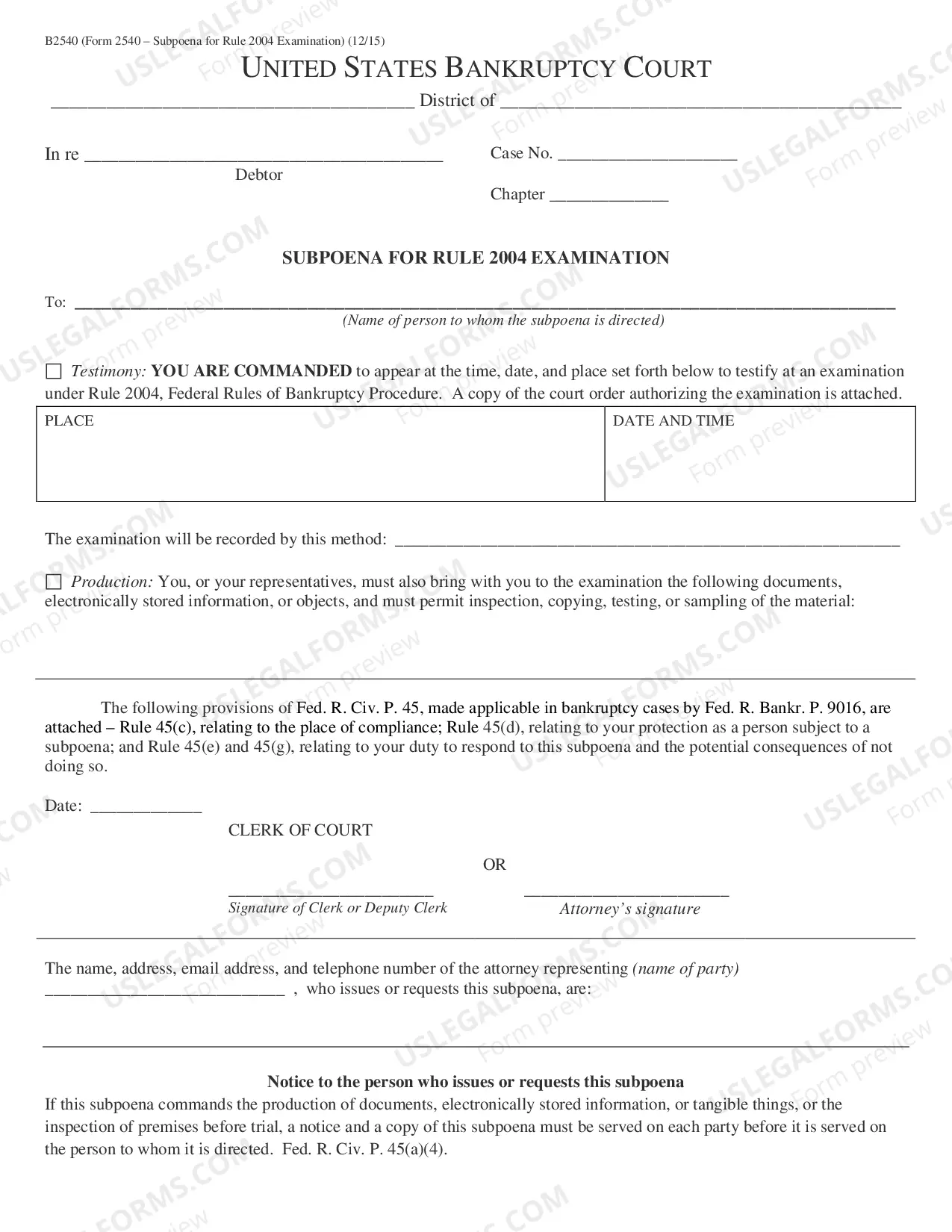
Subpoena Withdrawal Letter
Description
Get your form ready online
Our built-in tools help you complete, sign, share, and store your documents in one place.
Make edits, fill in missing information, and update formatting in US Legal Forms—just like you would in MS Word.
Download a copy, print it, send it by email, or mail it via USPS—whatever works best for your next step.
Sign and collect signatures with our SignNow integration. Send to multiple recipients, set reminders, and more. Go Premium to unlock E-Sign.
If this form requires notarization, complete it online through a secure video call—no need to meet a notary in person or wait for an appointment.
We protect your documents and personal data by following strict security and privacy standards.

Make edits, fill in missing information, and update formatting in US Legal Forms—just like you would in MS Word.

Download a copy, print it, send it by email, or mail it via USPS—whatever works best for your next step.

Sign and collect signatures with our SignNow integration. Send to multiple recipients, set reminders, and more. Go Premium to unlock E-Sign.

If this form requires notarization, complete it online through a secure video call—no need to meet a notary in person or wait for an appointment.

We protect your documents and personal data by following strict security and privacy standards.
Looking for another form?
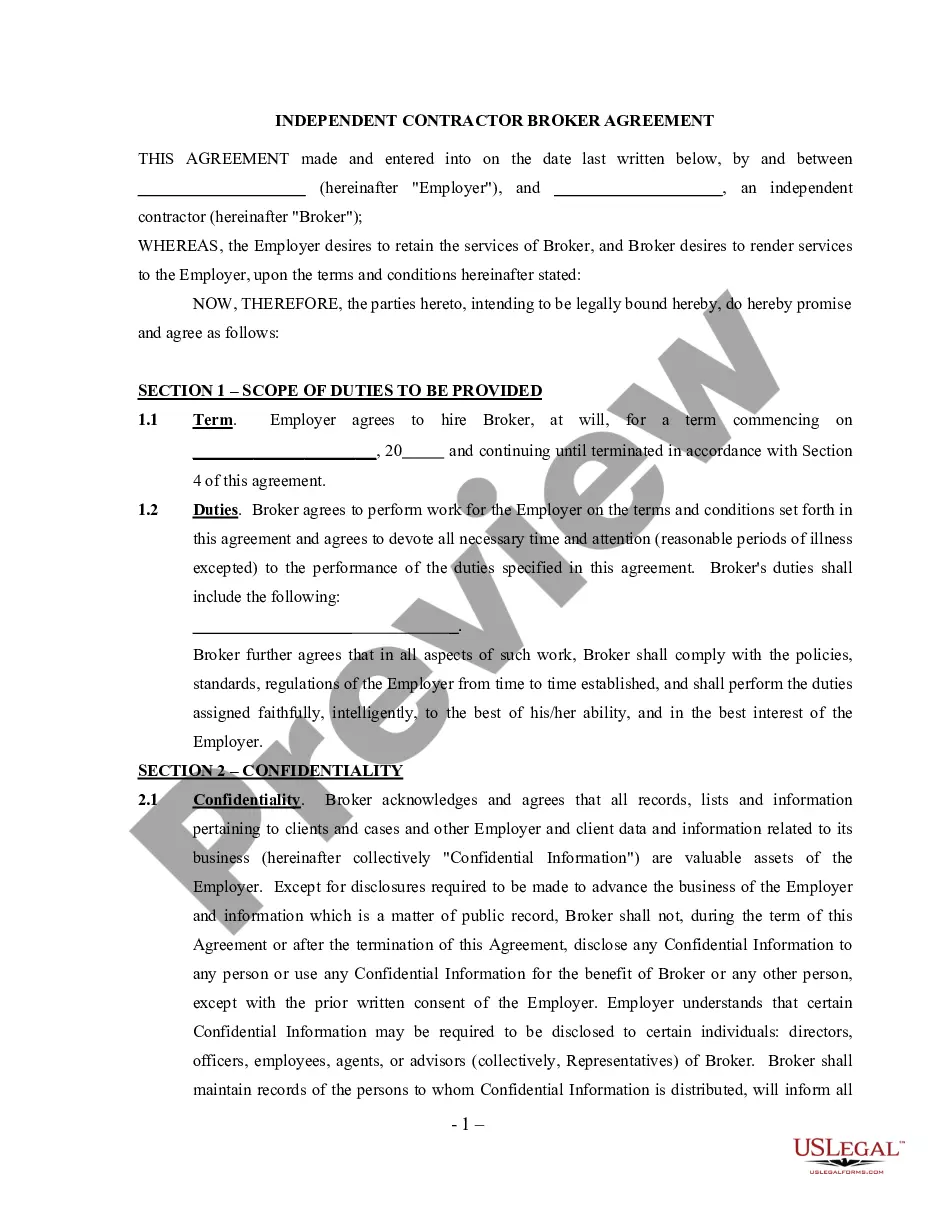


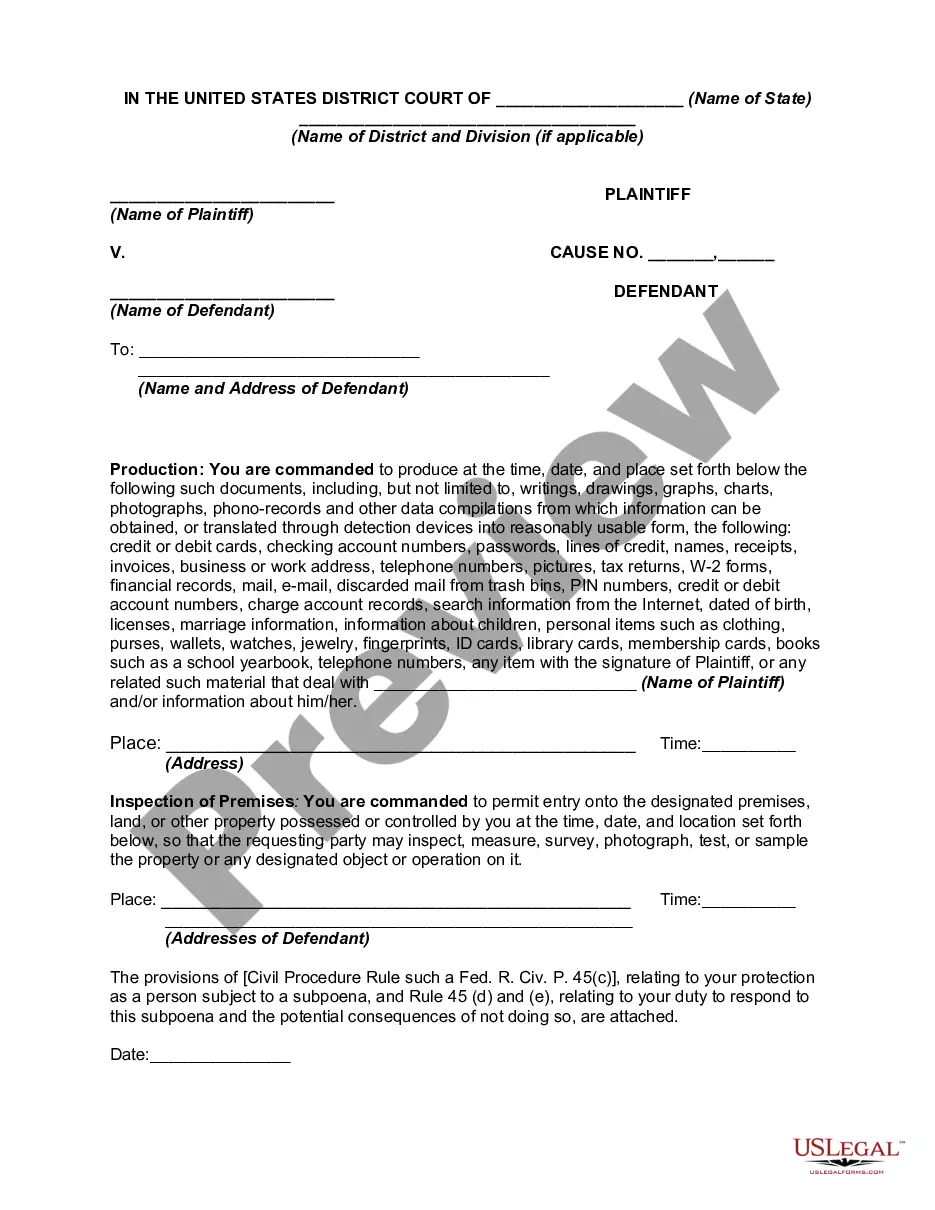
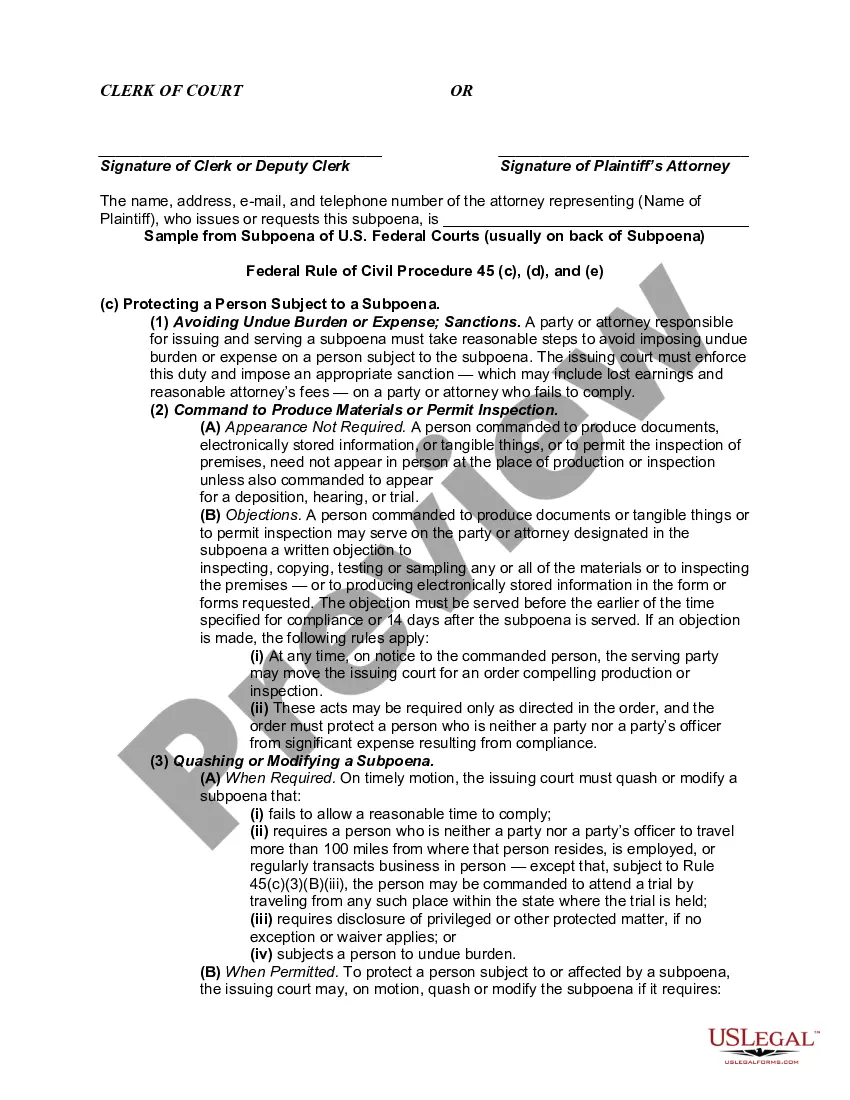
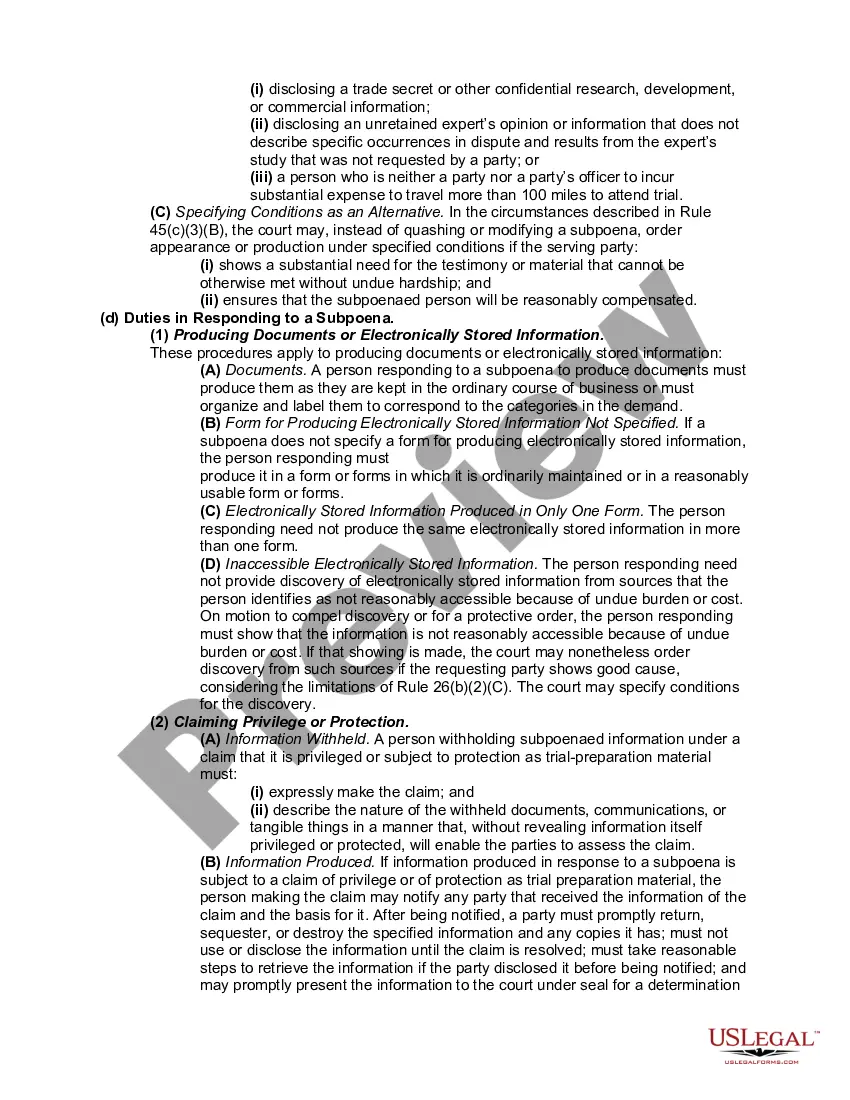
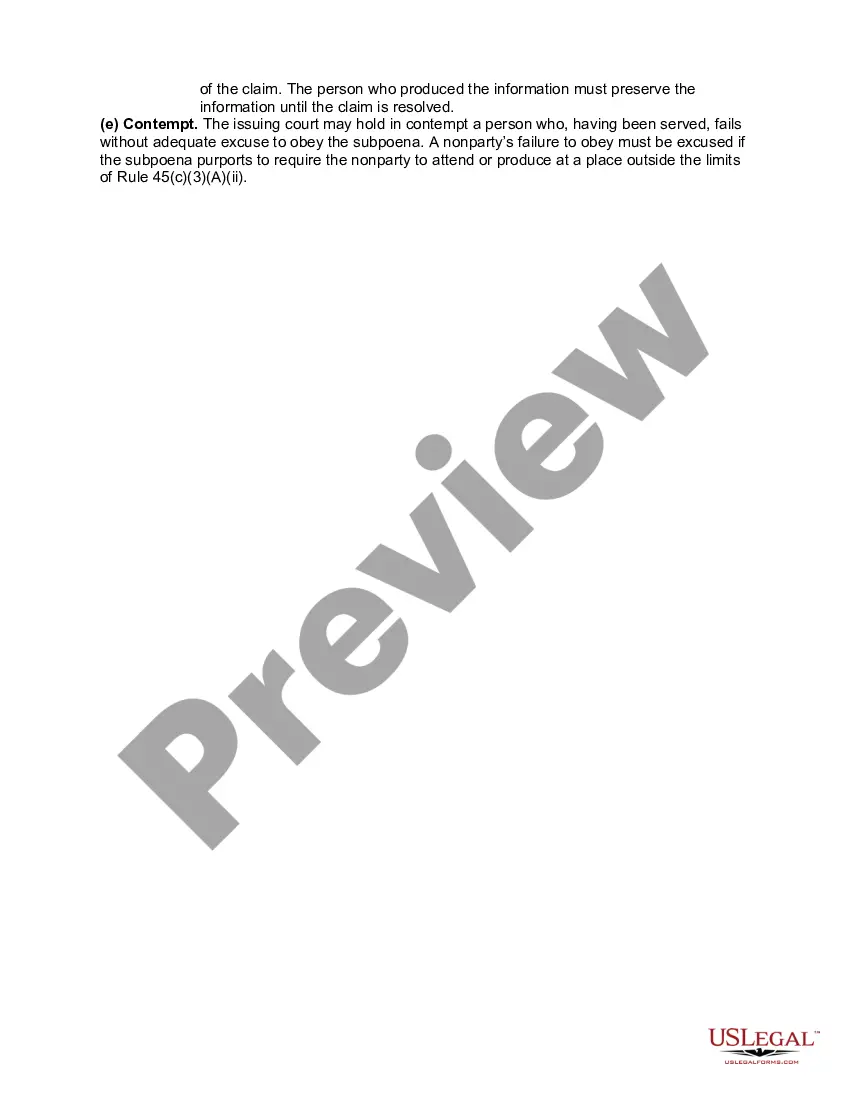
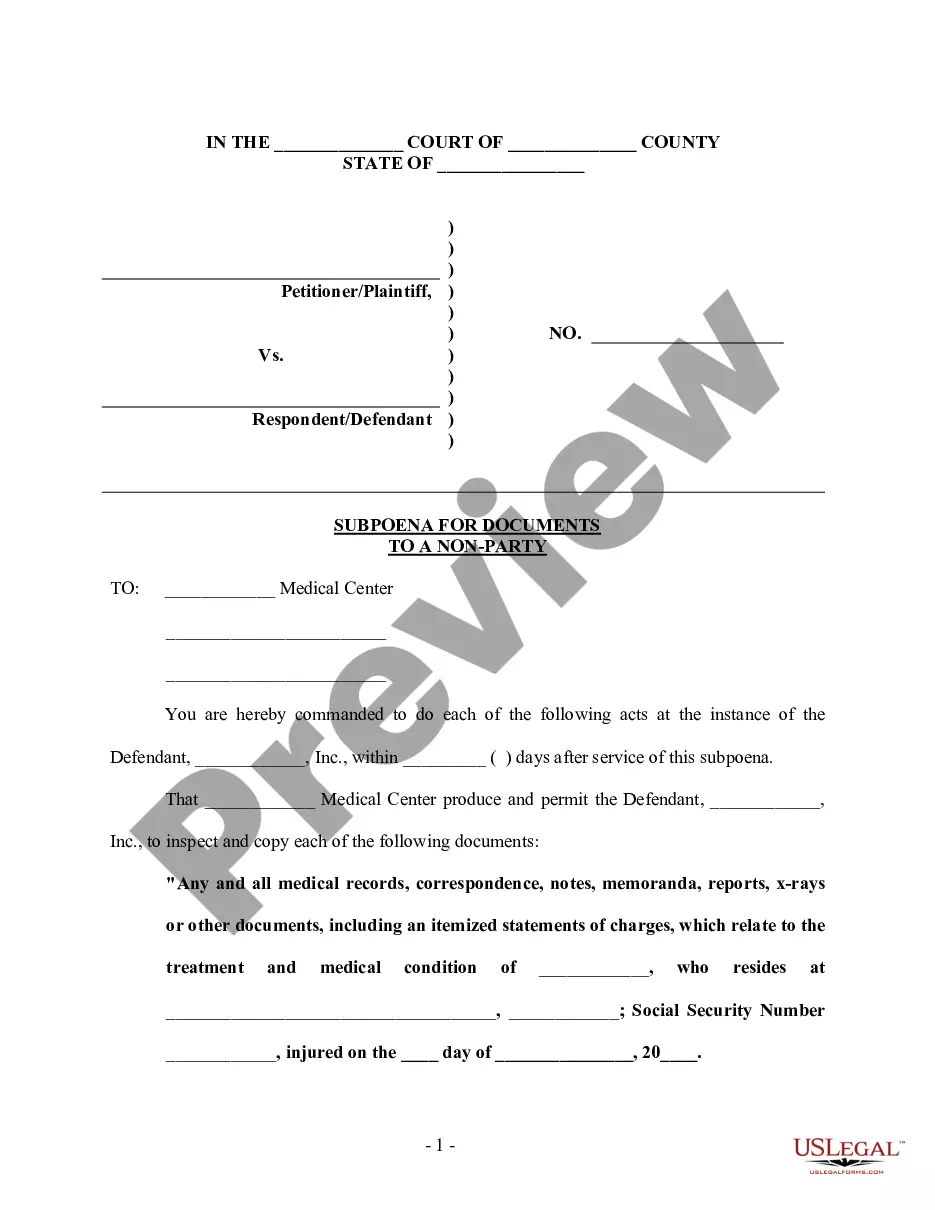
How to fill out Subpoena To Produce Documents, Information, Or Objects Or Permit Inspection Of Premises In A Civil Action Involving Identity Theft?
Whether for corporate needs or personal issues, everyone eventually encounters legal matters in their lifetime.
Filling out legal documents requires meticulous care, starting with selecting the correct form template.
Once it has been downloaded, you can fill out the form using editing software or print it out and complete it by hand. With an extensive US Legal Forms catalog available, you will never have to waste time looking for the right template online. Utilize the library’s straightforward navigation to find the perfect template for any circumstance.
- For example, if you choose an incorrect version of a Subpoena Withdrawal Letter, it will be rejected upon submission.
- Thus, obtaining a trusted source of legal documents like US Legal Forms is crucial.
- To acquire a Subpoena Withdrawal Letter template, follow these straightforward steps.
- Utilize the search box or browse the catalog to find the template you require.
- Review the details of the form to ensure it aligns with your case, jurisdiction, and locality.
- Click on the form’s preview to examine it.
- If it is the incorrect form, return to the search feature to find the Subpoena Withdrawal Letter template you are looking for.
- Obtain the template once it suits your requirements.
- If you possess a US Legal Forms account, simply click Log in to access previously saved documents in My documents.
- In case you don’t have an account yet, you can download the form by clicking Buy now.
- Choose the suitable pricing option.
- Fill out the profile registration form.
- Select your payment method: use a debit card or PayPal account.
- Choose the desired file format and download the Subpoena Withdrawal Letter.
Form popularity
FAQ
Valid reasons to quash a subpoena include claims of privilege, such as attorney-client confidentiality, or if it violates legal protections. You might also argue that the subpoena seeks information not relevant to the case. A well-drafted subpoena withdrawal letter highlighting these points can significantly bolster your argument.
Common grounds for quashing a subpoena include lack of jurisdiction, failure to provide adequate notice, or the relevance of requested information. If the subpoena poses an undue burden or invades personal privacy, these can also serve as valid grounds. Using a subpoena withdrawal letter can help articulate these concerns effectively.
Responding to a subpoena letter requires careful attention to detail and comprehension of your legal obligations. You have the option to comply, negotiate the terms, or contest the subpoena's validity. If you decide to challenge it, consider drafting a subpoena withdrawal letter to formally communicate your stance.
Strong reasons to seek relief from a subpoena include lack of relevance to your involvement in the case or potential invasion of privacy. In some instances, time constraints or financial burdens may also warrant action. Crafting a well-structured subpoena withdrawal letter is essential to present your case clearly.
A subpoena can be deemed invalid for several reasons, such as failure to comply with procedural rules or being overly broad in its demands. If it does not specify the documents or testimony required, it may not hold up in court. Understanding these nuances can empower you to create a strong subpoena withdrawal letter.
A motion to quash is often filed to challenge the validity of a subpoena. Reasons may include improper service, lack of relevance to the case, or undue burden placed on the recipient. If you feel that a subpoena is unjust, a subpoena withdrawal letter can help assert your position effectively.
Valid reasons to get out of a subpoena may include violation of attorney-client privilege, undue burden, or relevance challenges. You might also consider factors like illness or other significant personal emergencies. By explaining your situation in a well-prepared subpoena withdrawal letter, you can present these reasons clearly. Seeking legal assistance ensures that you frame your argument correctly.
A subpoena letter is an official document that commands a person to appear in court or produce documents relevant to a legal case. It serves to ensure that individuals fulfill their obligations in providing evidence or testimony. If you need to contest a subpoena or withdraw from it, a detailed subpoena withdrawal letter is essential. This type of letter communicates your position effectively to the court.
To invalidate a subpoena, you must usually file a motion to quash it in the court that issued the subpoena. In your motion, you’ll need to outline the specific reasons why compliance is inappropriate. Including a well-structured subpoena withdrawal letter can bolster your argument and demonstrate your position clearly. Legal representation can also help simplify this process.
To legally get out of a subpoena, you often need to show that complying would create undue hardship or violate legal rights. This typically involves filing an objection with the court and providing clear justification. Crafting an effective subpoena withdrawal letter can facilitate this process by documenting your position succinctly. Consulting with an attorney can also provide essential support.