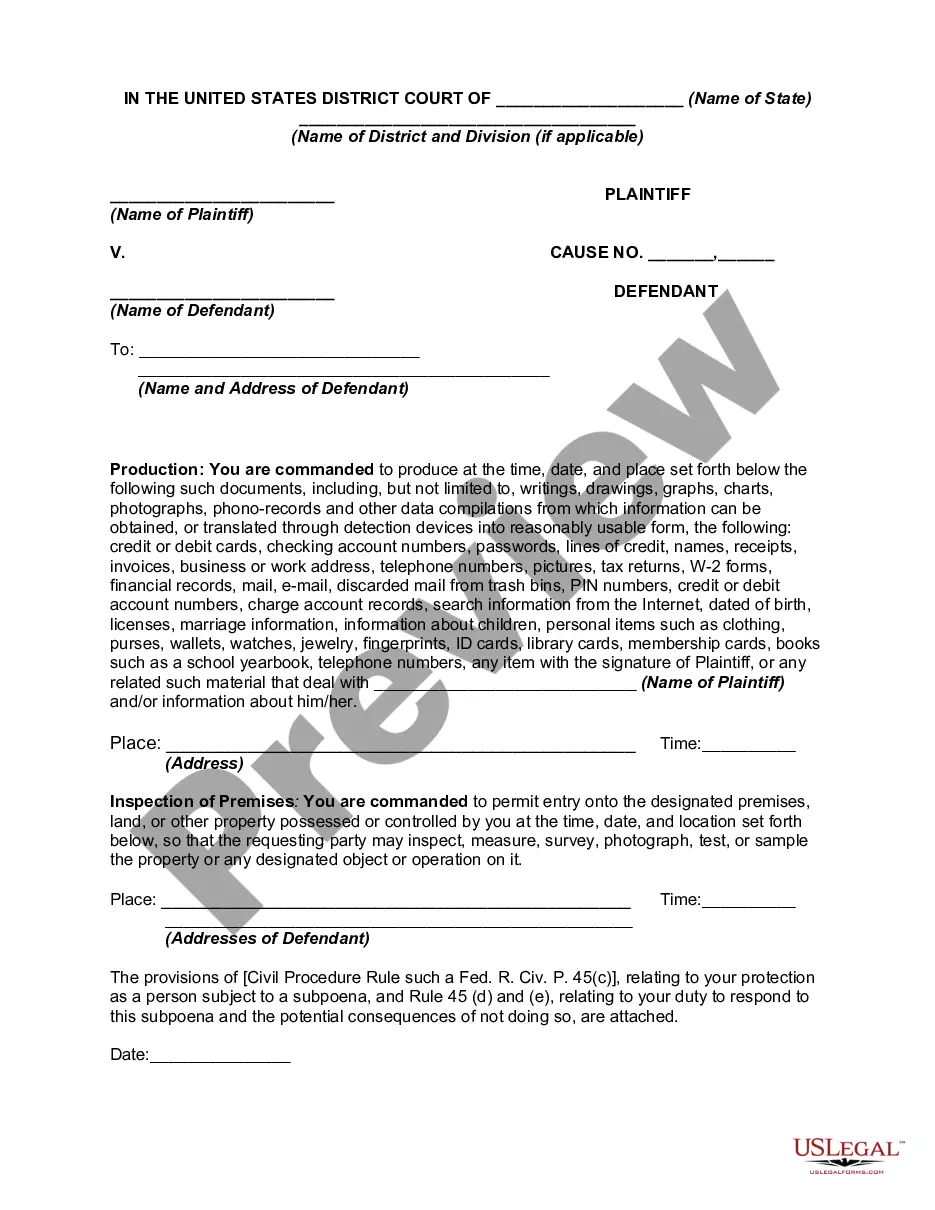
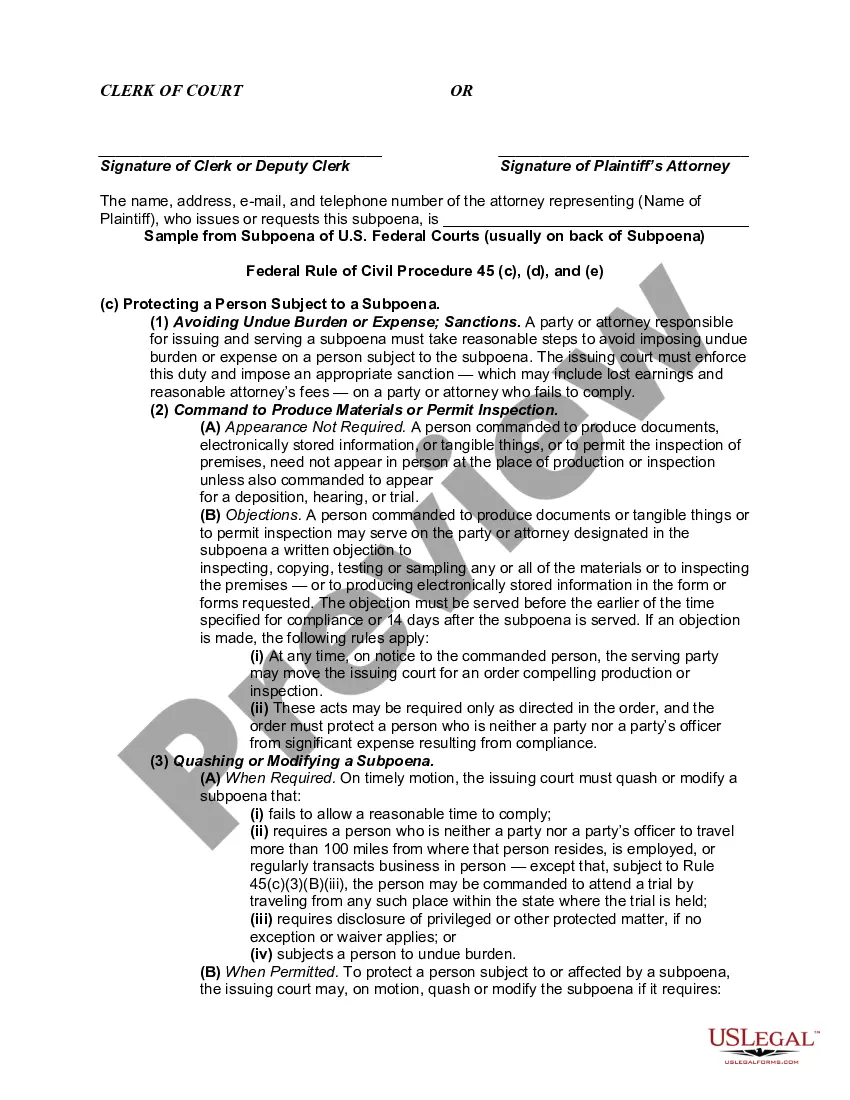
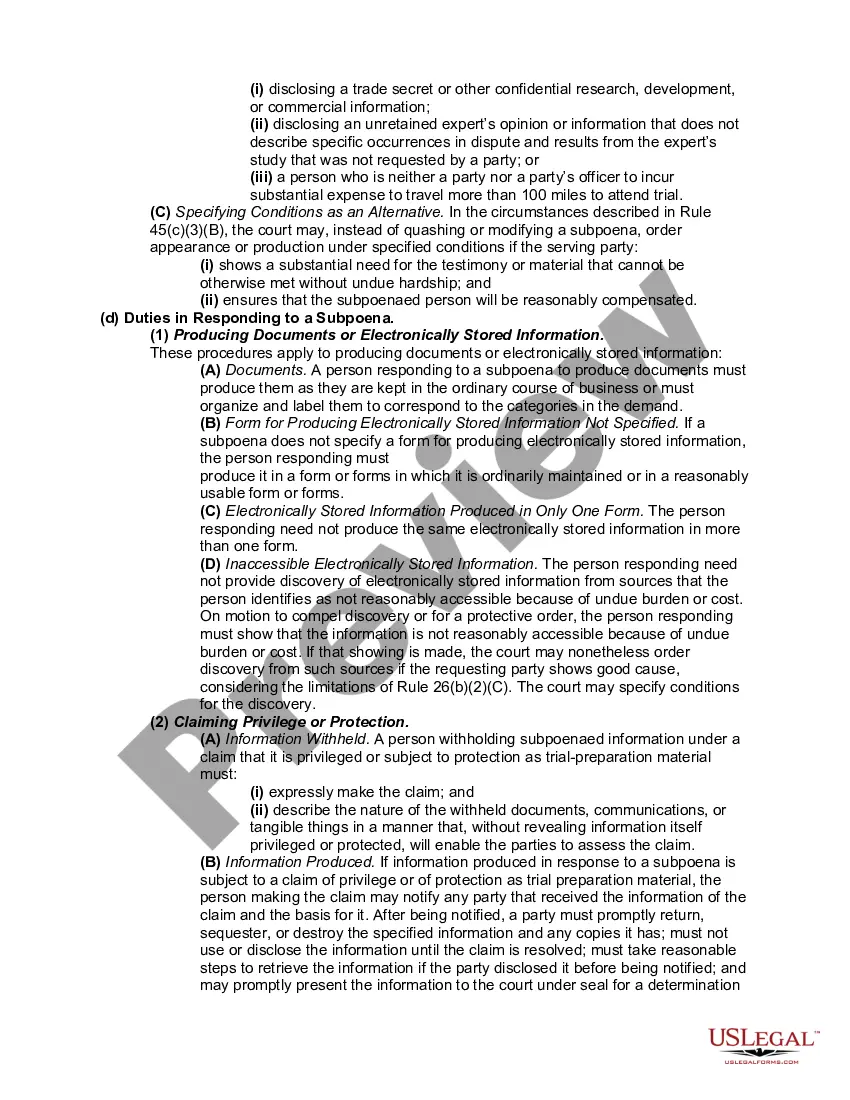
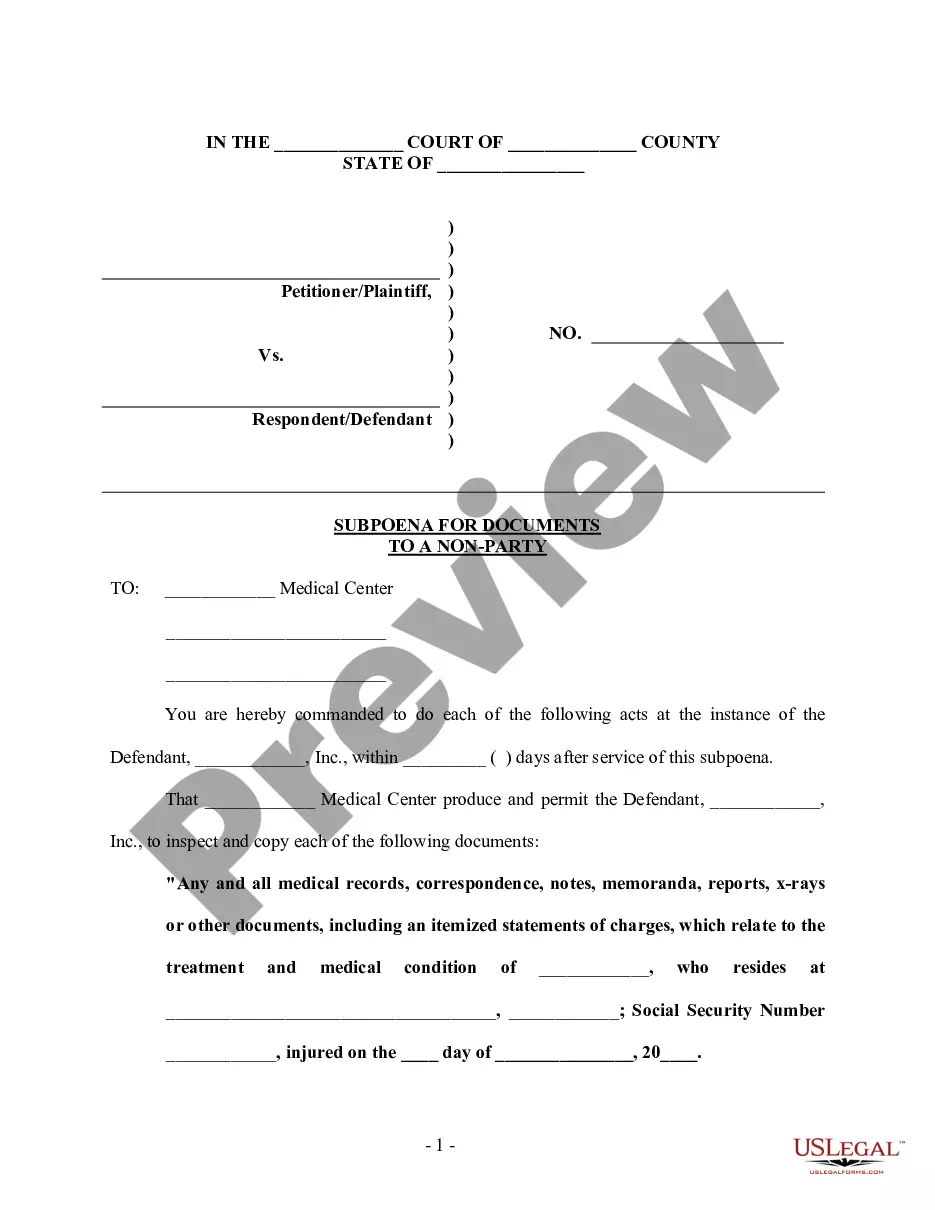
Subpoena Information Form With Court
Description

Get your form ready online
Our built-in tools help you complete, sign, share, and store your documents in one place.
Make edits, fill in missing information, and update formatting in US Legal Forms—just like you would in MS Word.
Download a copy, print it, send it by email, or mail it via USPS—whatever works best for your next step.
Sign and collect signatures with our SignNow integration. Send to multiple recipients, set reminders, and more. Go Premium to unlock E-Sign.
If this form requires notarization, complete it online through a secure video call—no need to meet a notary in person or wait for an appointment.
We protect your documents and personal data by following strict security and privacy standards.

Make edits, fill in missing information, and update formatting in US Legal Forms—just like you would in MS Word.

Download a copy, print it, send it by email, or mail it via USPS—whatever works best for your next step.

Sign and collect signatures with our SignNow integration. Send to multiple recipients, set reminders, and more. Go Premium to unlock E-Sign.

If this form requires notarization, complete it online through a secure video call—no need to meet a notary in person or wait for an appointment.

We protect your documents and personal data by following strict security and privacy standards.
Looking for another form?

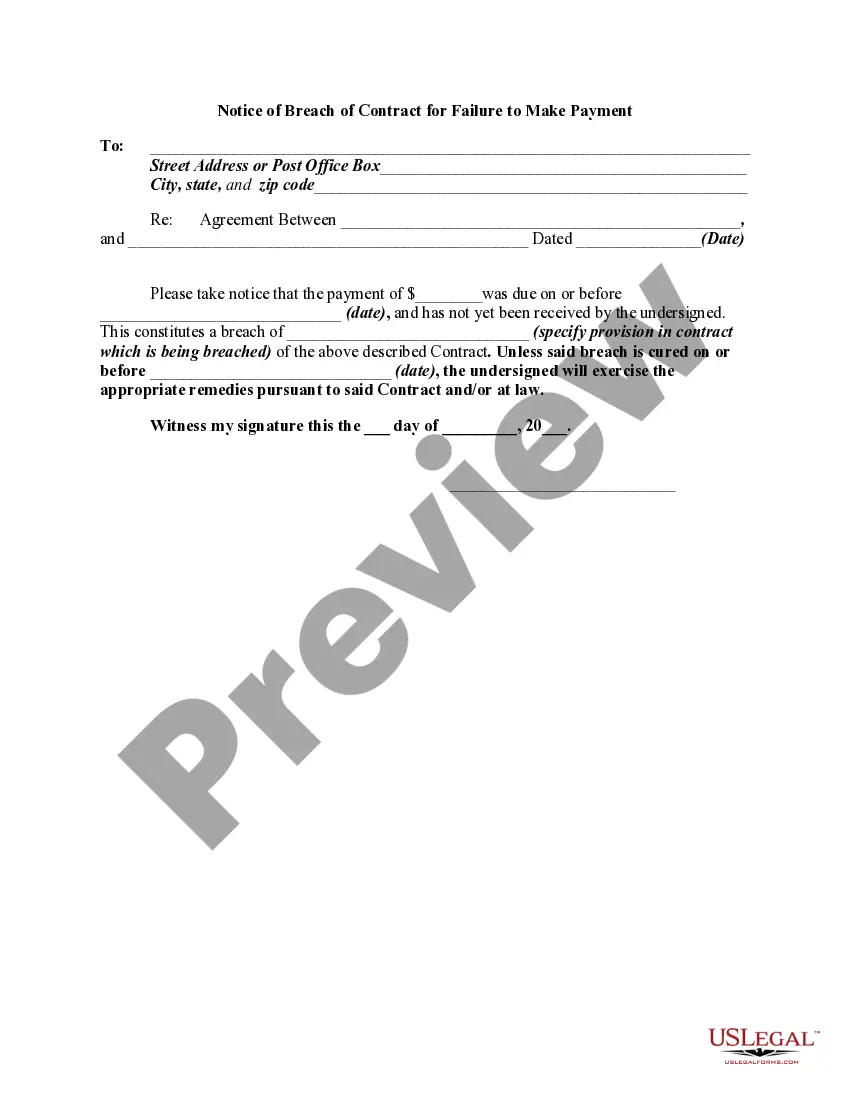
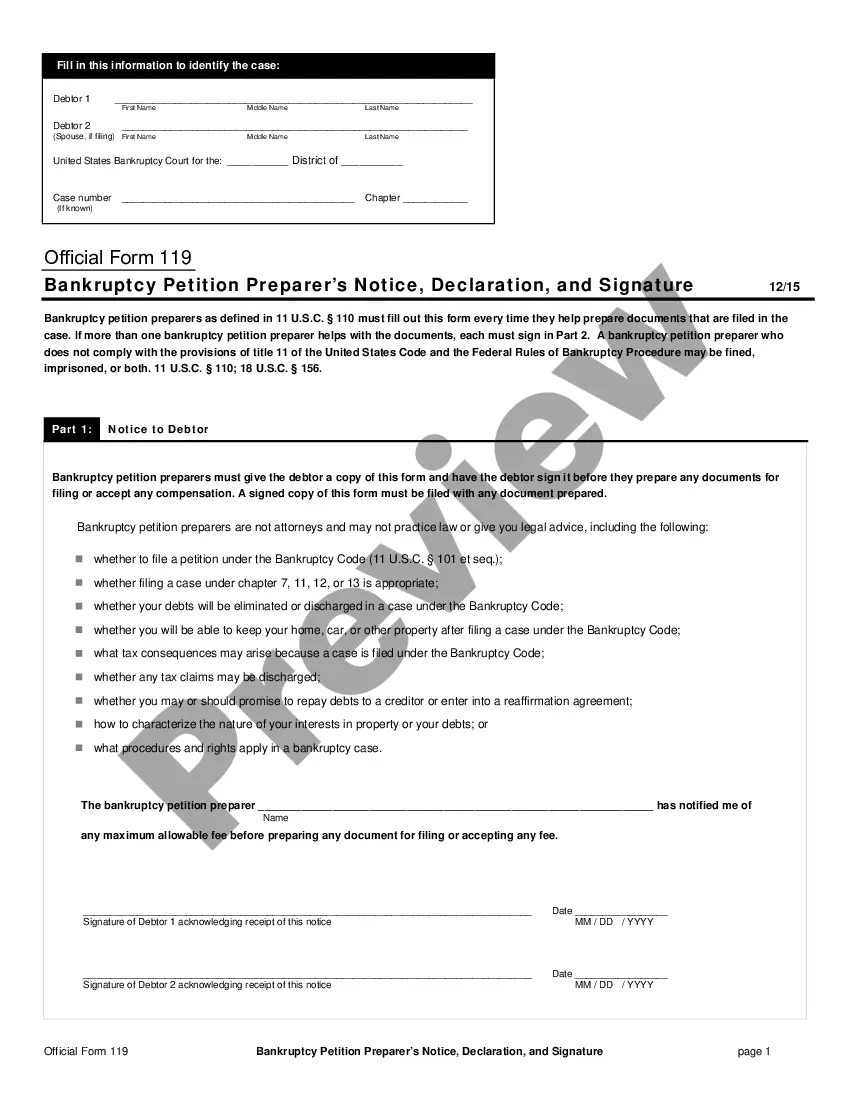
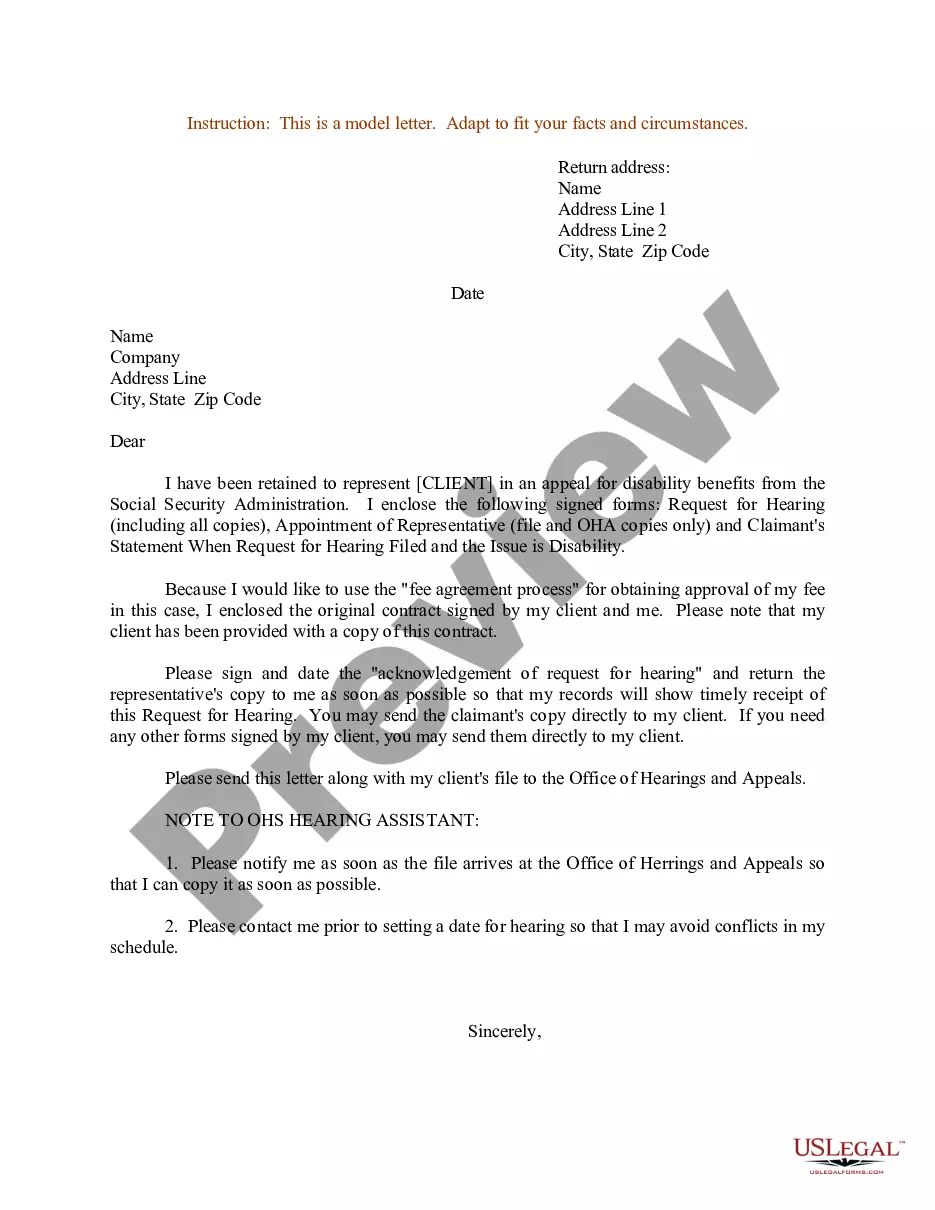
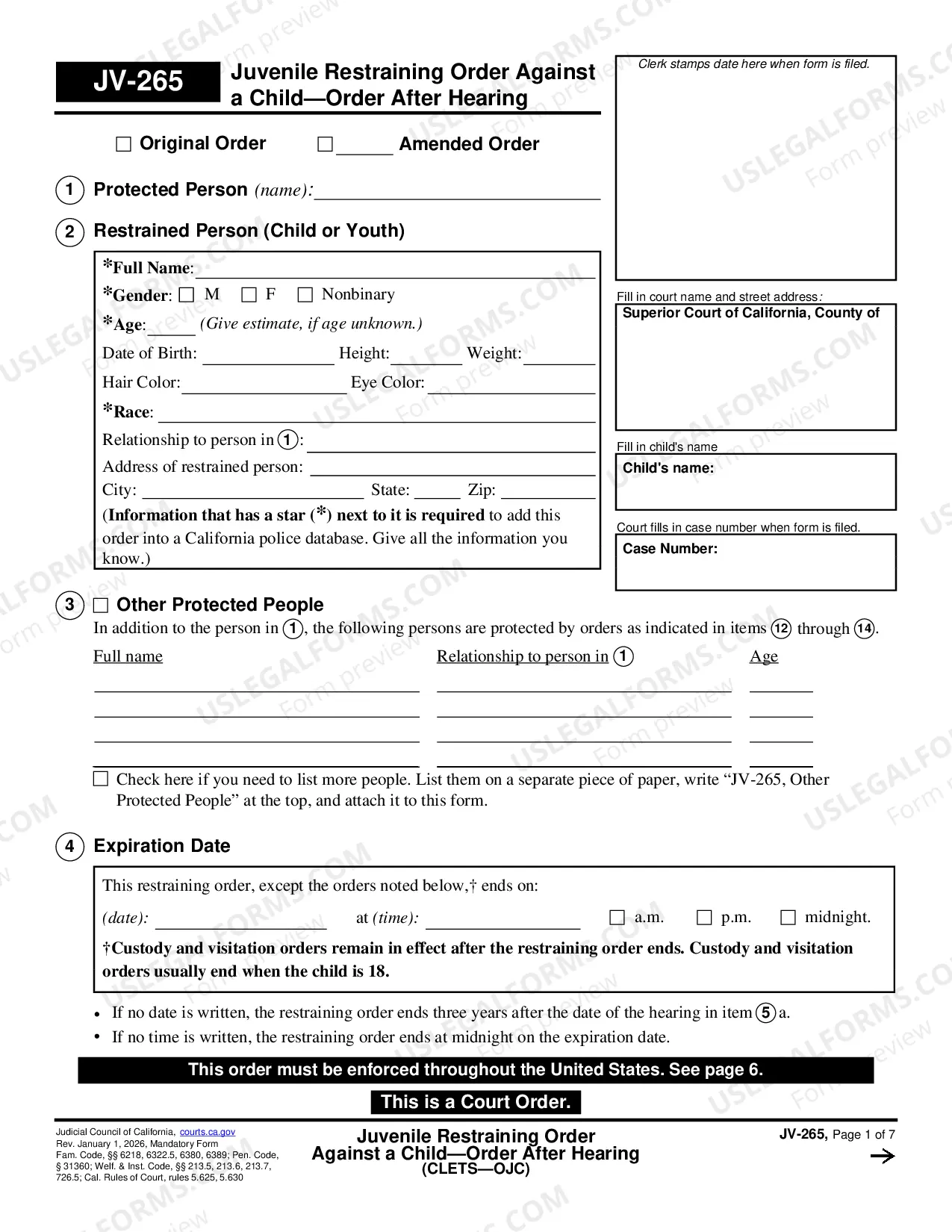

How to fill out Subpoena To Produce Documents, Information, Or Objects Or Permit Inspection Of Premises In A Civil Action Involving Identity Theft?
Legal paperwork management can be daunting, even for the most experienced professionals.
When you are seeking a Subpoena Information Form With Court and do not have the opportunity to invest time in finding the correct and updated version, the tasks can be stressful.
Tap into a resource library of articles, guides, and documents related to your circumstances and needs.
Save time and effort in searching for the documents you require, and use US Legal Forms’ advanced search and Review feature to locate Subpoena Information Form With Court and download it.
Benefit from the US Legal Forms online catalog, supported by 25 years of expertise and reliability. Transform your everyday document management into a seamless and user-friendly process today.
- If you have a membership, Log In to your US Legal Forms account, search for the form, and download it.
- Check the My documents section to view the documents you have previously downloaded and organize your folders as you prefer.
- If this is your first experience with US Legal Forms, create a free account and gain unlimited access to all platform benefits.
- Here are the steps to follow after downloading the required form.
- Ensure this is the correct form by previewing it and reviewing its details.
- Confirm that the sample is accepted in your state or county.
- Click on Buy Now when you are ready.
- Choose a subscription plan.
- Select the format you want, and Download, fill out, eSign, print and submit your document.
- Access state- or county-specific legal and business forms.
- US Legal Forms addresses any requirements you may have, from personal to business documentation, all in one location.
- Utilize cutting-edge tools to complete and manage your Subpoena Information Form With Court.
Form popularity
FAQ
In Maryland, subpoenas must comply with specific state rules, including proper service and clear instructions regarding compliance. The subpoena should indicate the court's name, case number, and details of the requested documents or testimony. It's essential to adhere to the deadlines for response and to understand your legal rights regarding objections. For clarity, you can refer to a Subpoena information form with court provided by US Legal Forms to ensure compliance with Maryland regulations.
To answer a subpoena, first read it carefully to understand what is being requested. Gather the necessary documents or information and prepare your response according to the instructions provided in the subpoena. Ensure that you respond within the timeframe specified. If you need help, consider utilizing a Subpoena information form with court from US Legal Forms to guide you through the answering process.
Filling out a subpoena involves entering the required court details, including the case title and number. Next, specify the information or documents you need from the recipient, along with instructions for how and when to provide this information. It's vital to ensure that all information is clear and concise. Using a Subpoena information form with court from US Legal Forms can simplify this task for you.
To properly fill out a subpoena, begin by providing accurate information about the court, case number, and parties involved. Clearly state what documents or testimony you are requesting, and include a deadline for compliance. Double-check all entries for accuracy and completeness. For guidance, consider using a Subpoena information form with court from US Legal Forms to streamline the process.
A subpoena should include essential details such as the name of the court, the case number, the names of the parties involved, and specific instructions for compliance. Additionally, it should clearly outline what documents or information are required. Always ensure that the subpoena adheres to the jurisdiction's legal standards. For assistance, you can use a Subpoena information form with court from US Legal Forms to ensure all necessary elements are covered.
To respond to an information subpoena, carefully read the subpoena and understand the requests it contains. You may need to gather relevant documents or information that the court has requested. It's crucial to comply with the deadlines stated in the subpoena. If you're unsure, consider using a Subpoena information form with court available on US Legal Forms to help streamline your response.
To get a subpoena, you typically go to the courthouse in the jurisdiction where your case is filed. The court clerk can provide you with the necessary forms and guidance on how to complete them. Additionally, using a Subpoena information form with court from resources like US Legal Forms can streamline the process. Make sure you follow the local rules for serving the subpoena properly.
You can obtain a subpoena form from various sources, including your local courthouse or online legal platforms. Websites like US Legal Forms offer customizable Subpoena information forms with court that comply with legal standards. This ensures that you have a valid and enforceable subpoena to use in your case. Always verify that the form suits your specific needs.
Yes, you can write your own subpoena, but it must meet specific legal requirements. It's crucial to include all necessary information, such as the court's name, case number, and the details of the information being requested. Using a Subpoena information form with court can simplify this process and ensure that you include all the required elements. If you need assistance, consider consulting a legal professional.
Accessing subpoena documents usually involves visiting the court where the subpoena was issued. You can request these documents from the court clerk's office, but keep in mind there may be specific procedures to follow. If you're unsure of the process, using a Subpoena information form with court can guide you through obtaining the necessary documents. Always check if the information is publicly accessible.