Subpoena For Business Records
Description

Get your form ready online
Our built-in tools help you complete, sign, share, and store your documents in one place.
Make edits, fill in missing information, and update formatting in US Legal Forms—just like you would in MS Word.
Download a copy, print it, send it by email, or mail it via USPS—whatever works best for your next step.
Sign and collect signatures with our SignNow integration. Send to multiple recipients, set reminders, and more. Go Premium to unlock E-Sign.
If this form requires notarization, complete it online through a secure video call—no need to meet a notary in person or wait for an appointment.
We protect your documents and personal data by following strict security and privacy standards.

Make edits, fill in missing information, and update formatting in US Legal Forms—just like you would in MS Word.

Download a copy, print it, send it by email, or mail it via USPS—whatever works best for your next step.

Sign and collect signatures with our SignNow integration. Send to multiple recipients, set reminders, and more. Go Premium to unlock E-Sign.

If this form requires notarization, complete it online through a secure video call—no need to meet a notary in person or wait for an appointment.

We protect your documents and personal data by following strict security and privacy standards.
Looking for another form?
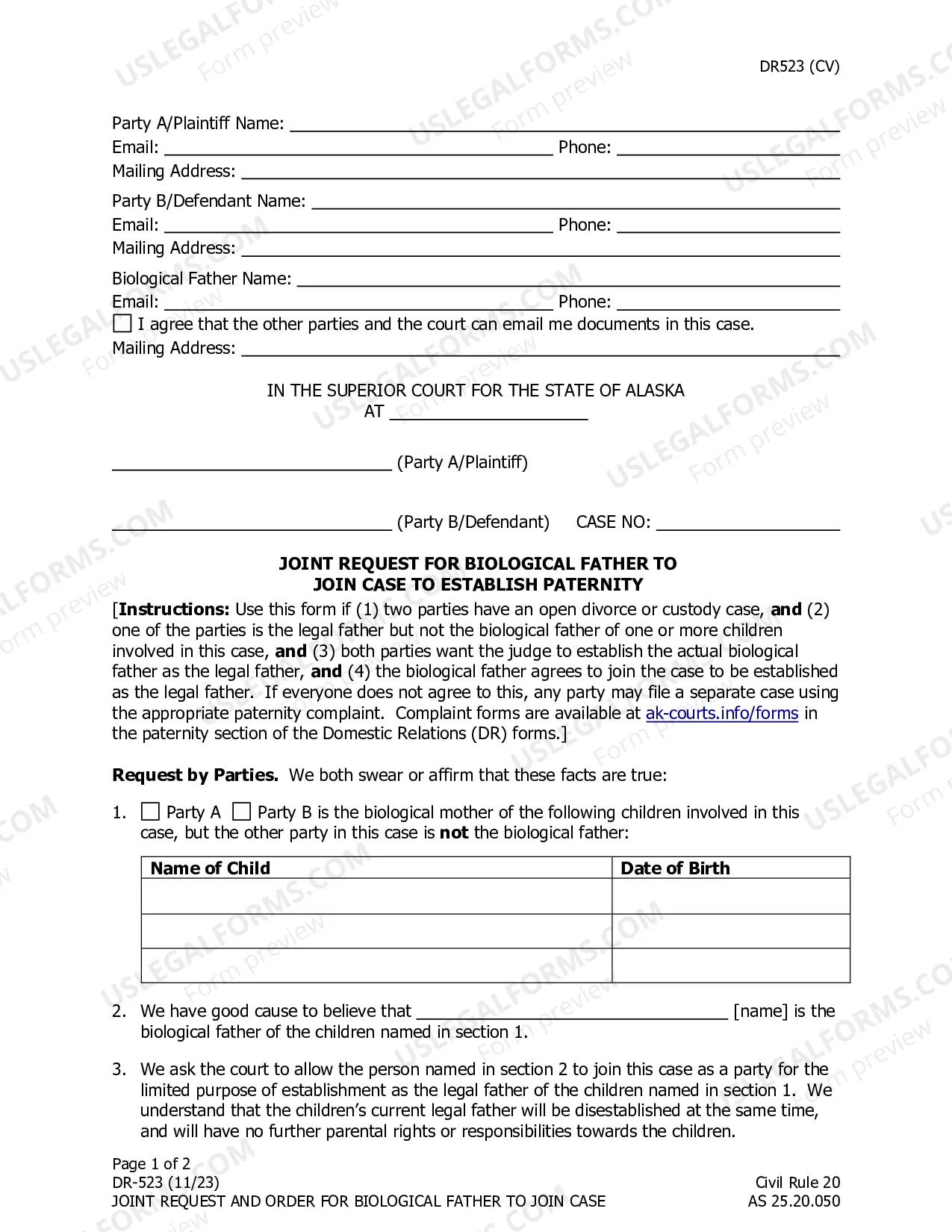


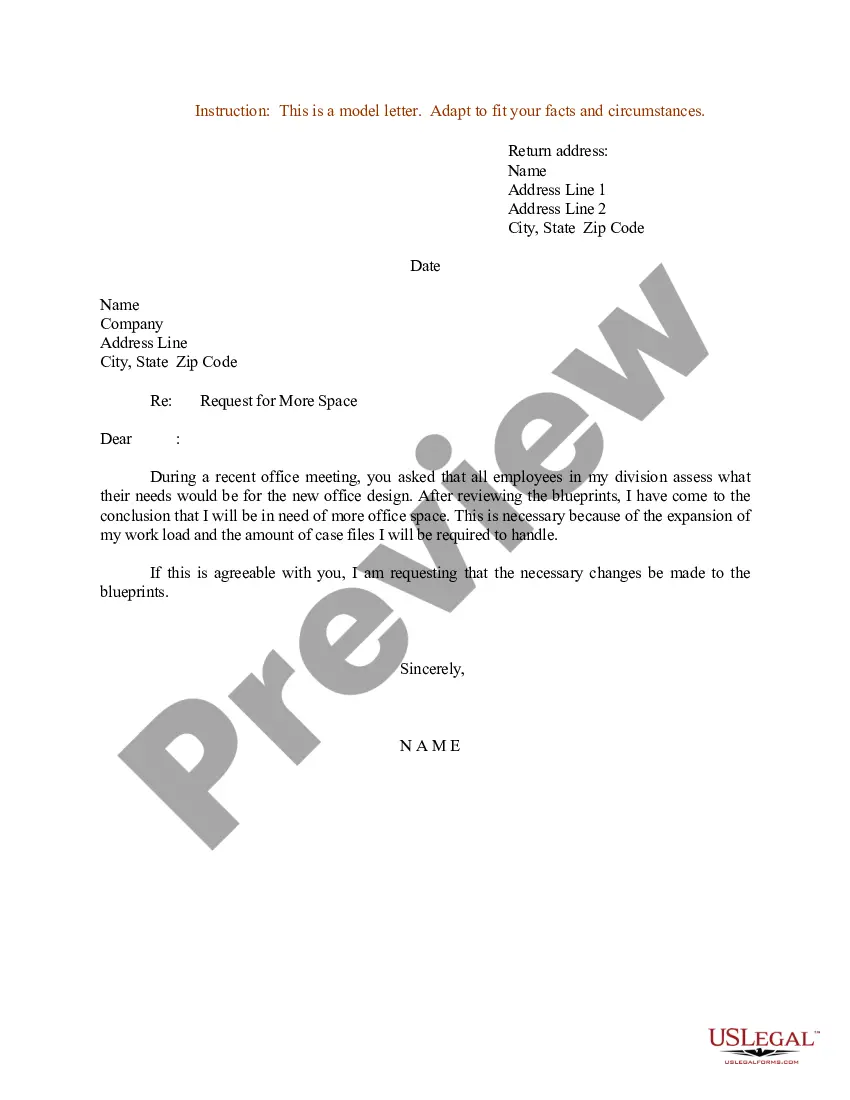
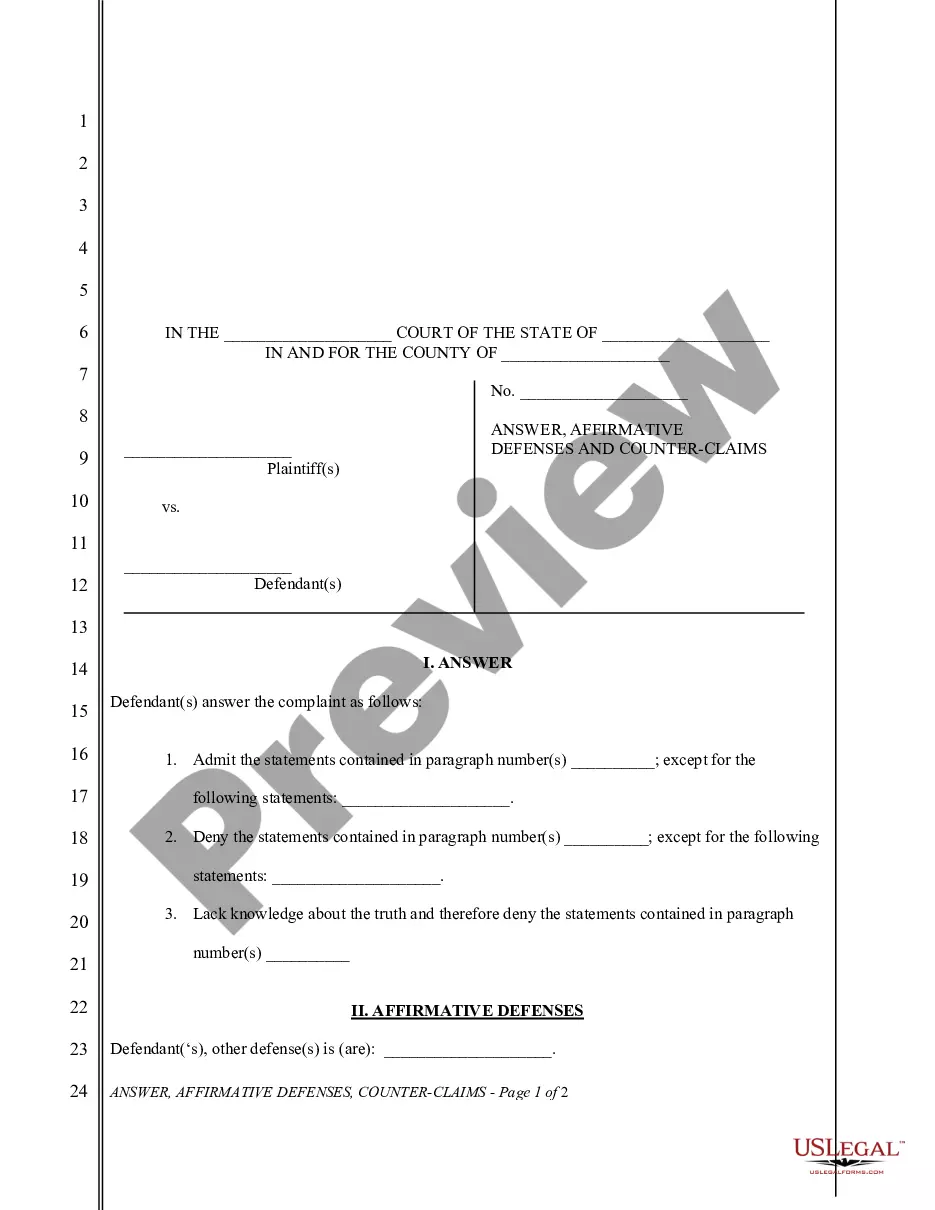


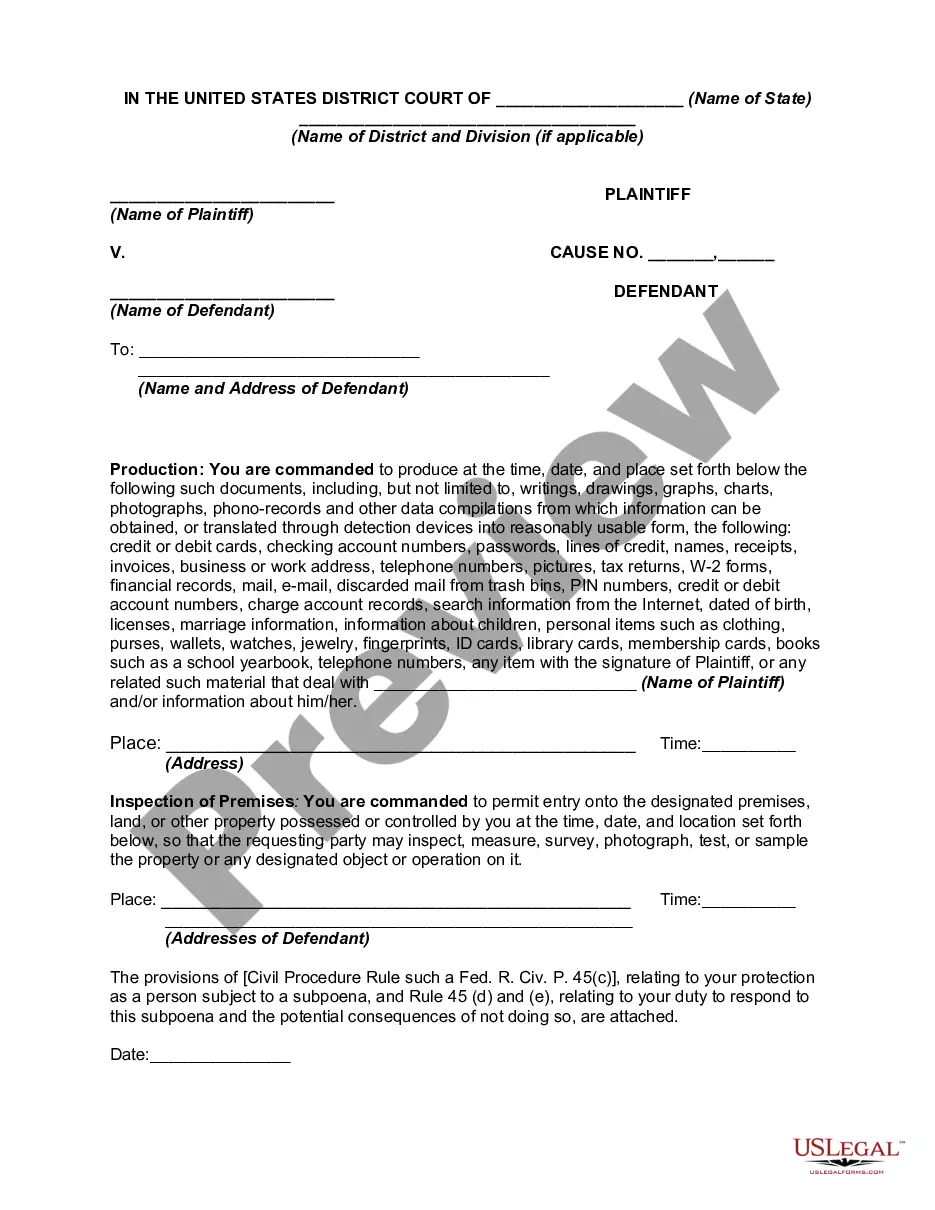
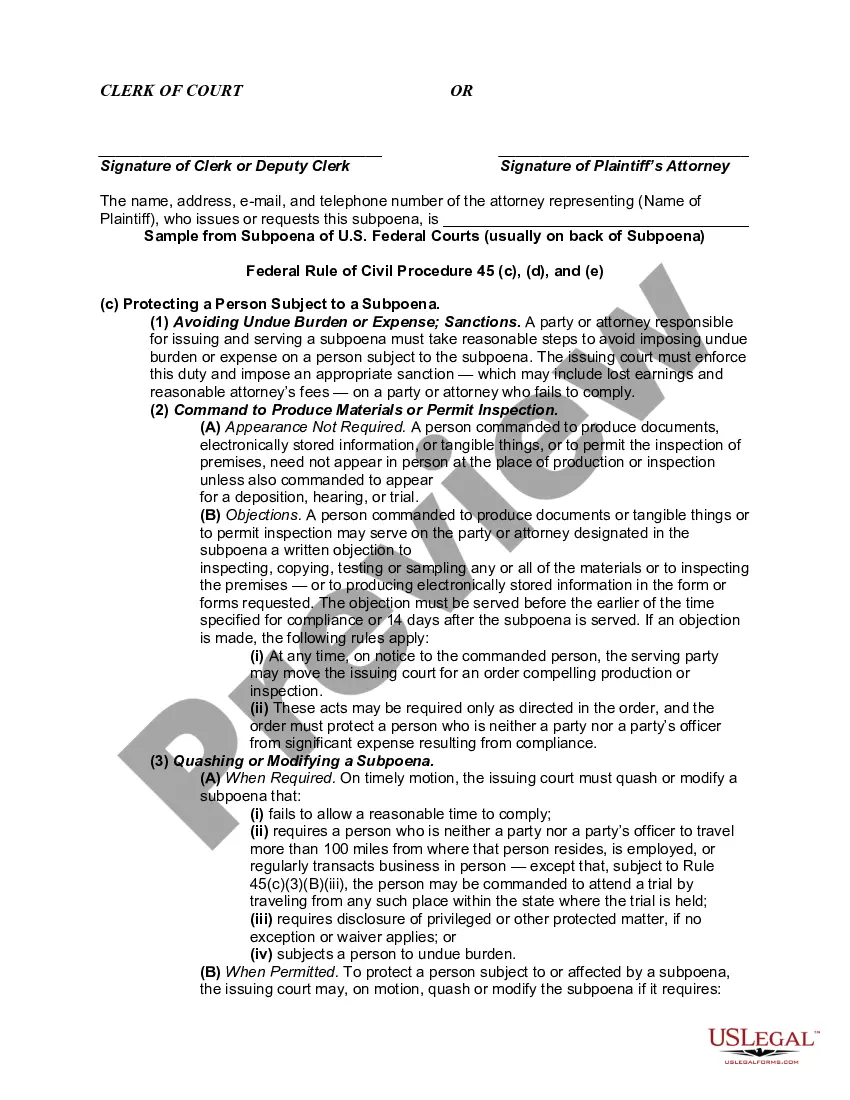
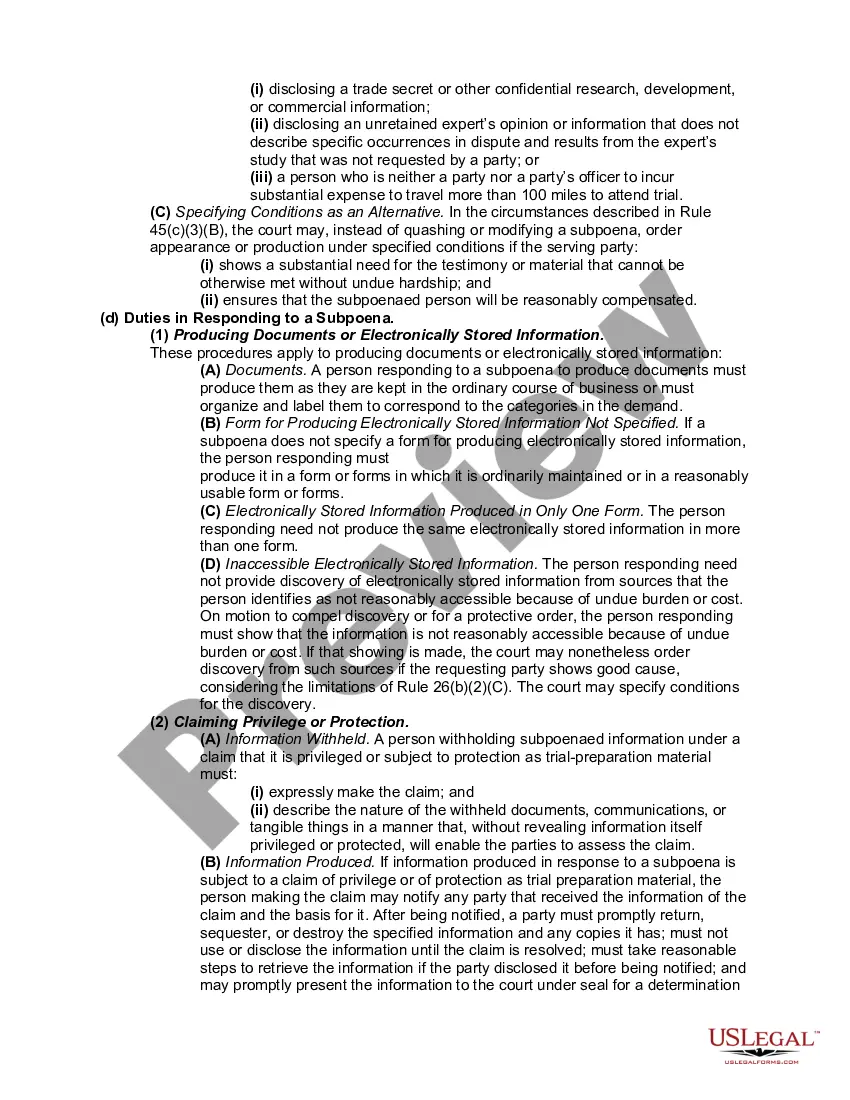
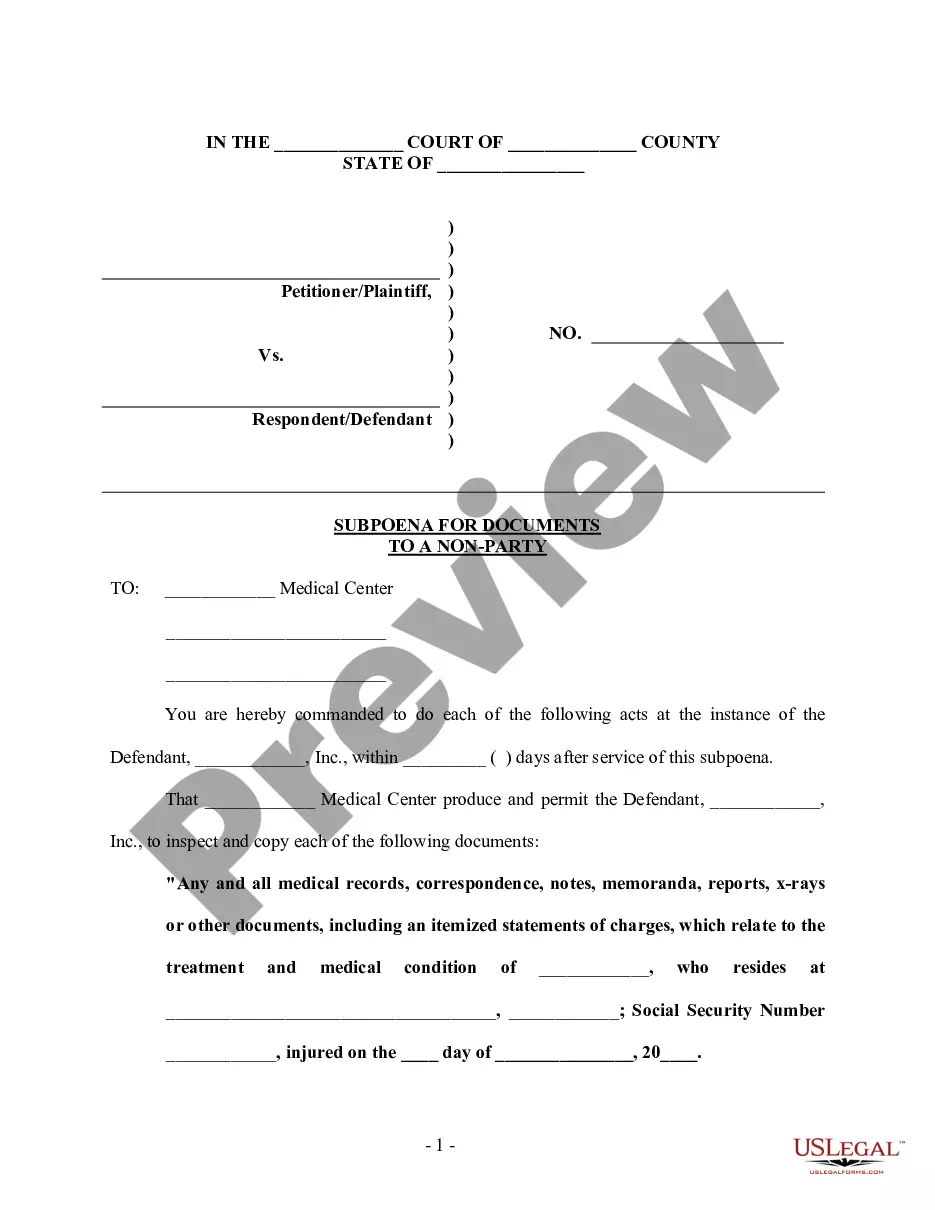
How to fill out Subpoena To Produce Documents, Information, Or Objects Or Permit Inspection Of Premises In A Civil Action Involving Identity Theft?
Identifying a reliable source to obtain the most up-to-date and applicable legal templates is a significant part of navigating bureaucracy.
Selecting the appropriate legal documents requires precision and meticulousness, which is why it is essential to source Subpoena For Business Records exclusively from trustworthy providers, such as US Legal Forms.
Once you have the form on your device, you can alter it using the editor or print it out and fill it in by hand. Eliminate the hassles associated with your legal documentation. Explore the extensive library of US Legal Forms, where you can locate legal templates, verify their suitability for your case, and download them instantly.
- Utilize the catalog navigation or search box to find your template.
- Review the form's details to determine if it meets the standards of your state and county.
- Access the form preview, if available, to confirm the template is what you need.
- Return to the search if the Subpoena For Business Records does not fulfill your needs.
- Once you are certain about the form's applicability, download it.
- If you are a registered user, click Log in to verify your identity and access your selected forms in My documents.
- If you don’t have an account, click Buy now to acquire the template.
- Choose the pricing option that suits your needs.
- Continue to the registration process to finalize your purchase.
- Complete your transaction by selecting a payment method (credit card or PayPal).
- Select the document format to download Subpoena For Business Records.
Form popularity
FAQ
Individuals who are familiar with the business records may testify about them, often including employees or officers of the business. Additionally, business records can sometimes be introduced in court through affidavits or other legal documents. Understanding the rules surrounding a subpoena for business records can help ensure that your evidence is admissible in court.
Writing a subpoena for business records involves several key components, including the case title, court information, and a clear description of the documents requested. Ensure that you include any applicable laws and cite the specific information needed. For precise templates and guidance, platforms like US Legal Forms can be very helpful.
While you can draft a subpoena for business records, you cannot serve it yourself. The law requires that subpoenas be served by a disinterested third party, such as a process server or law enforcement officer. It's vital to follow proper legal protocols to avoid any issues regarding the validity of the subpoena.
The power to issue a subpoena generally rests with courts and certain administrative bodies. Typically, attorneys representing a party in a legal case can also request a subpoena for business records as part of their case preparation. It's advisable to work with legal professionals or services like US Legal Forms to navigate this process safely.
The burden of proof for a subpoena typically lies with the party requesting the documents or testimony. They must show that the subpoenaed information is relevant and necessary for their legal case. When dealing with a subpoena for business records, demonstrating this relevance helps to ensure that the subpoena is upheld in court.
In general, anyone can be subpoenaed to provide testimony or produce documents. This includes individuals and businesses, as long as the subpoena is relevant to a legal proceeding. Understanding the requirements for a subpoena for business records is essential to ensure compliance with legal obligations.
Yes, a regular person can file a subpoena if they have a legal basis for doing so. It is important to understand the legal procedures involved, as filing a subpoena for business records may require knowledge of the relevant laws. You can typically get assistance through legal service platforms like US Legal Forms, which can guide you through the process of drafting and filing a subpoena.
A subpoena for records refers to a formal request for documents held by an individual or organization. This can include a wide range of documents, from emails to financial statements, depending on the context of the legal case. Complying with a subpoena for business records is a critical component of the legal process; therefore, understanding the implications of such a request can help businesses navigate challenges more effectively. Platforms like US Legal Forms can assist organizations in managing these legal documents efficiently.
A subpoena for business records is a legal document that requires an organization to produce certain documents or information. This request typically comes from a court or a legal authority as part of an ongoing investigation or litigation. Organizations must provide accurate and timely records to support the legal process. It's essential for businesses to understand this process to ensure compliance and avoid potential legal issues.
After a subpoena for business records is issued, the recipient must carefully review the request and prepare to respond. This may involve collecting the required documents and determining if any information should remain confidential. Generally, the recipient has a specific timeframe to comply, and failure to do so can result in legal repercussions. Engaging with a legal professional during this process can ensure the proper steps are taken.