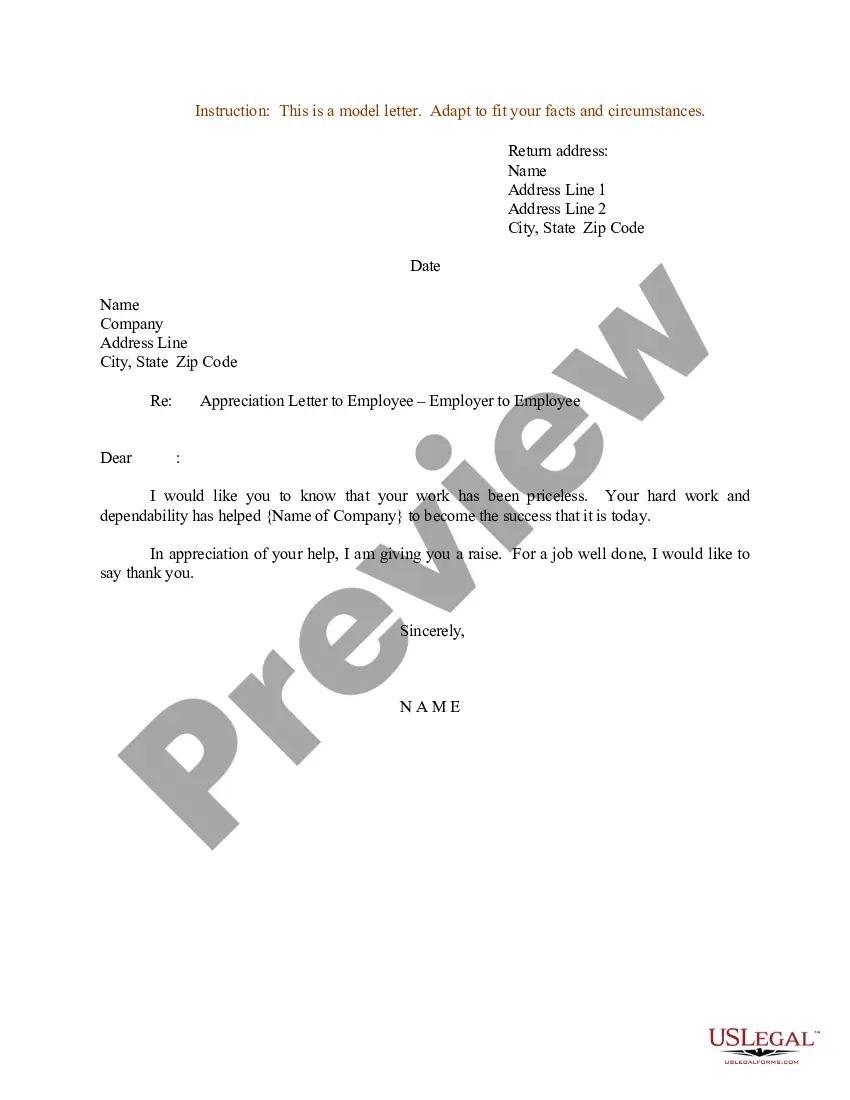
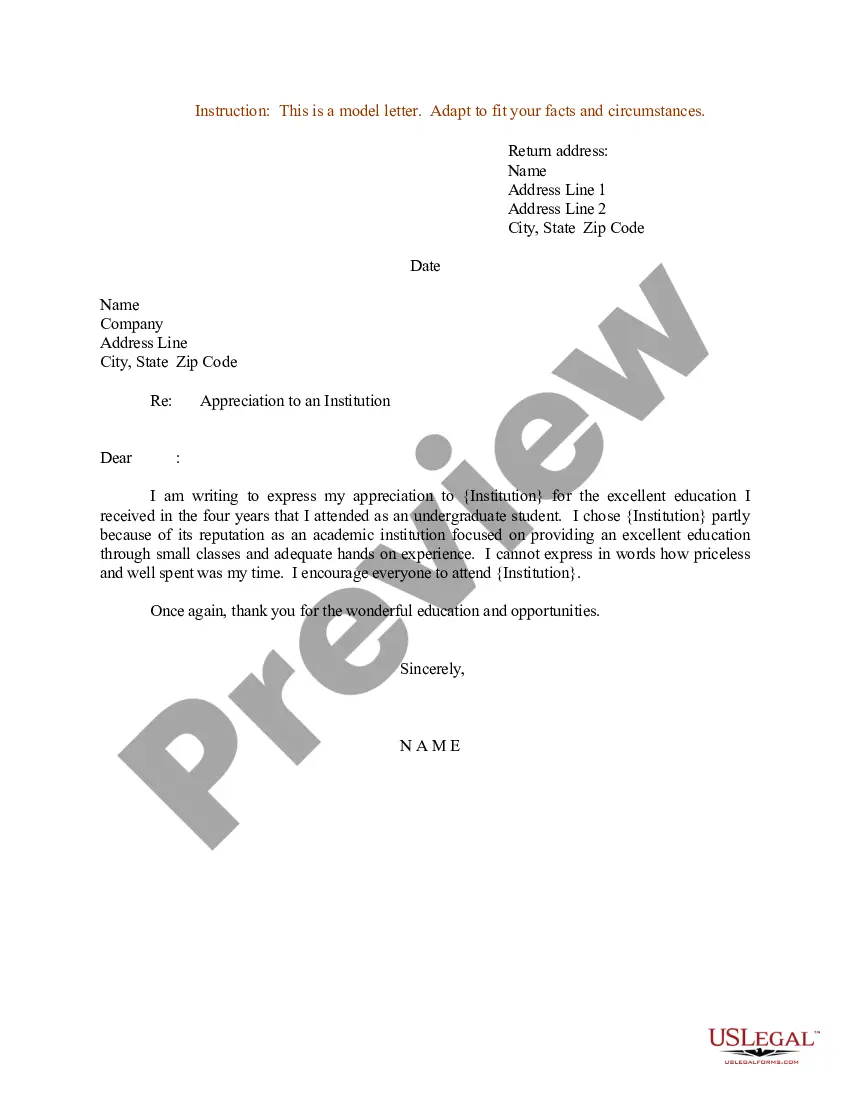
Appreciation Letter For Employee
Description

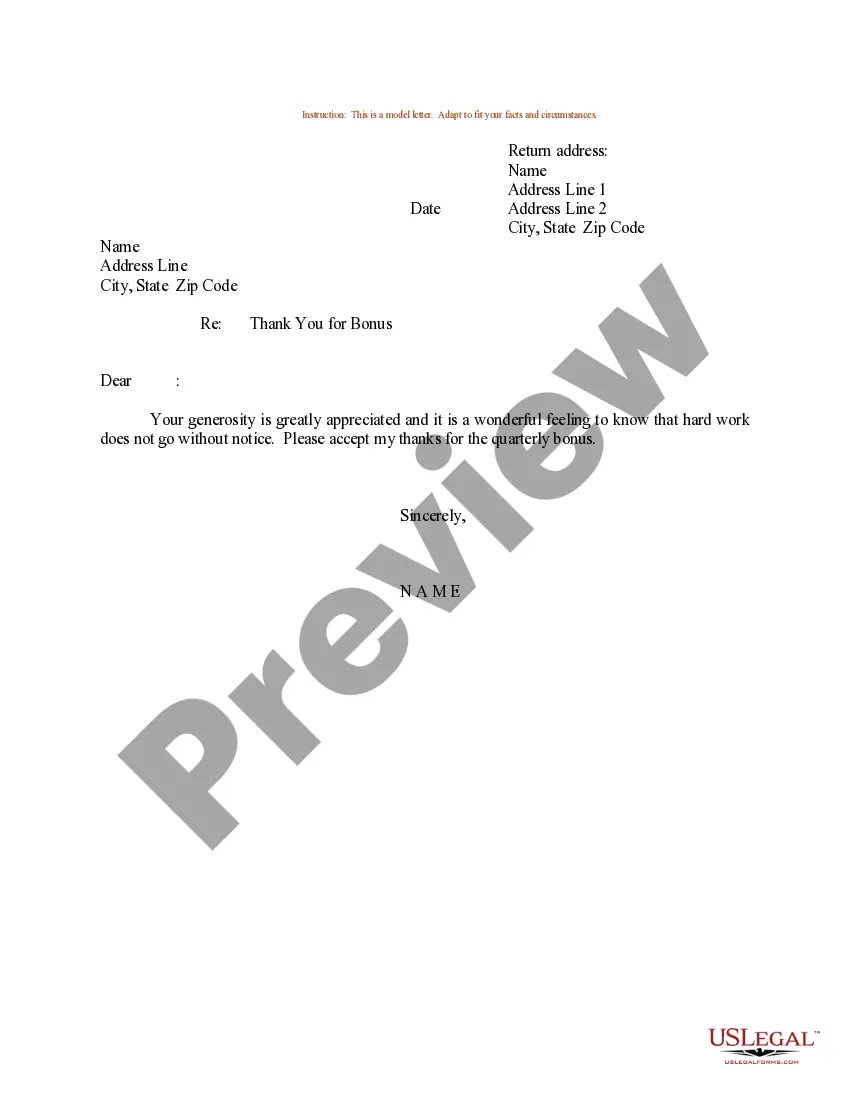
Get your form ready online
Our built-in tools help you complete, sign, share, and store your documents in one place.
Make edits, fill in missing information, and update formatting in US Legal Forms—just like you would in MS Word.
Download a copy, print it, send it by email, or mail it via USPS—whatever works best for your next step.
Sign and collect signatures with our SignNow integration. Send to multiple recipients, set reminders, and more. Go Premium to unlock E-Sign.
If this form requires notarization, complete it online through a secure video call—no need to meet a notary in person or wait for an appointment.
We protect your documents and personal data by following strict security and privacy standards.

Make edits, fill in missing information, and update formatting in US Legal Forms—just like you would in MS Word.

Download a copy, print it, send it by email, or mail it via USPS—whatever works best for your next step.

Sign and collect signatures with our SignNow integration. Send to multiple recipients, set reminders, and more. Go Premium to unlock E-Sign.

If this form requires notarization, complete it online through a secure video call—no need to meet a notary in person or wait for an appointment.

We protect your documents and personal data by following strict security and privacy standards.
Looking for another form?

How to fill out Sample Letter For Appreciation Letter To Employee - Employer To Employee?
Whether for professional objectives or for personal issues, everyone must manage legal matters sooner or later in their lives.
Filling out legal documents demands diligent focus, beginning with choosing the suitable form template.
Select the document format you prefer and download the Appreciation Letter For Employee. Once it is saved, you can fill out the form using editing software or print it and complete it by hand. With a vast US Legal Forms catalog available, you don’t need to waste time searching for the correct template on the internet. Utilize the library’s simple navigation to find the right template for any circumstance.
- For instance, if you select an incorrect version of an Appreciation Letter For Employee, it will be rejected when you submit it.
- Hence, it is vital to obtain a reliable source of legal documents such as US Legal Forms.
- If you need an Appreciation Letter For Employee template, follow these straightforward steps.
- Acquire the template you require by using the search bar or catalog browsing.
- Review the form’s description to confirm it suits your circumstances, state, and county.
- Click on the form’s preview to inspect it.
- If it turns out to be the wrong document, return to the search option to find the Appreciation Letter For Employee sample you need.
- Download the template if it aligns with your requirements.
- If you already possess a US Legal Forms account, simply click Log in to access previously saved templates in My documents.
- If you do not yet have an account, you can obtain the form by clicking Buy now.
- Select the suitable pricing option.
- Complete the profile registration form.
- Choose your payment method: you can use a credit card or PayPal account.
Form popularity
FAQ
Instead of using the phrase 'greatly appreciated,' you could express your gratitude by saying, 'Your support has been invaluable.' This alternative conveys the same sentiment while sounding more personal. A heartfelt expression of thanks reinforces the significance of relationships in your professional environment, aligning with the spirit of an appreciation letter for employee.
5 Steps to Organize Estate Documents for Your Executor 5 Steps to Organize. ... Step 1: Create a checklist of important documents (and their locations) ... Step 2: List the names and contact information of key associates. ... Step 3: Catalog your digital asset inventory. ... Step 4: Ensure all documents are organized and accessible.
A California Estate Plan generally includes a Living Trust, Powers of Attorney, a Living Will, and a Pour-Over Will?for starters. It requires a specialized California Estate Planning Attorney to do it right.
Can I Make My Own Will in Nevada? Yes. State law does not require that you use an attorney to create your will. You do not need an attorney to create the document if you know what property you own and who you want to give it to.
Handwritten (or ?holographic?) wills are valid in Nevada ? but that doesn't mean they're a good idea.
Signature: The will must be signed by the testator or by an attending person at the testator's direction. Witnesses: A Nevada will must be signed by at least two witnesses who are not beneficiaries in the presence of the testator. Writing: A Nevada will must be in writing to be valid.
Most of this process consists of creating and finalizing estate planning documents, such as wills, trusts, powers of attorney, and living wills. You can be as detailed as you want. Some people even include a letter of instruction with their estate to walk their family members through the documents.
No, in Nevada, you do not need to notarize your will to make it legal. However, Nevada allows you to make your will "self-proving," and you may need a notary for that. A self-proving will speeds up probate because the court can accept the will without contacting the witnesses who signed it.
N.R.S. 136.050(1) says that any person who has possession of a will shall, within 30 days after knowledge of the death of the person who executed the will, deliver it to the district court clerk or deliver it to the person named as the personal representative [executor] in the will who then has a duty to file it.