Trade Secrets Protection In India
Description

Get your form ready online
Our built-in tools help you complete, sign, share, and store your documents in one place.
Make edits, fill in missing information, and update formatting in US Legal Forms—just like you would in MS Word.
Download a copy, print it, send it by email, or mail it via USPS—whatever works best for your next step.
Sign and collect signatures with our SignNow integration. Send to multiple recipients, set reminders, and more. Go Premium to unlock E-Sign.
If this form requires notarization, complete it online through a secure video call—no need to meet a notary in person or wait for an appointment.
We protect your documents and personal data by following strict security and privacy standards.

Make edits, fill in missing information, and update formatting in US Legal Forms—just like you would in MS Word.

Download a copy, print it, send it by email, or mail it via USPS—whatever works best for your next step.

Sign and collect signatures with our SignNow integration. Send to multiple recipients, set reminders, and more. Go Premium to unlock E-Sign.

If this form requires notarization, complete it online through a secure video call—no need to meet a notary in person or wait for an appointment.

We protect your documents and personal data by following strict security and privacy standards.
Looking for another form?

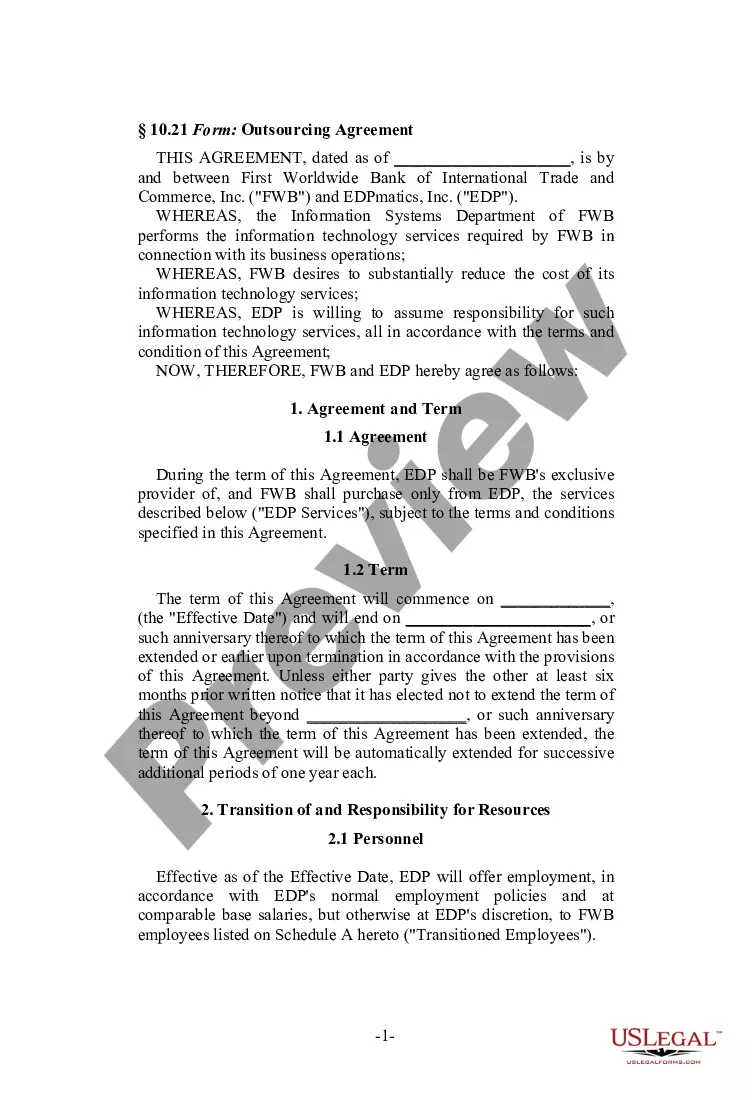



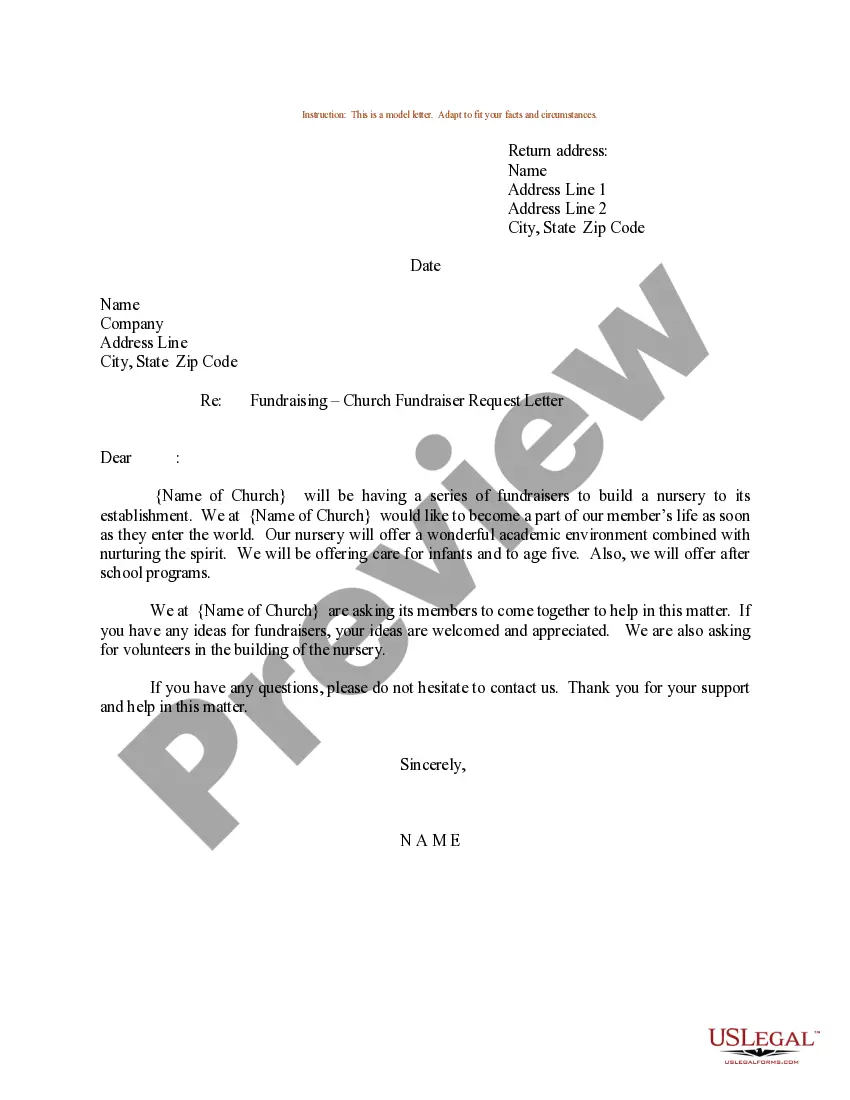


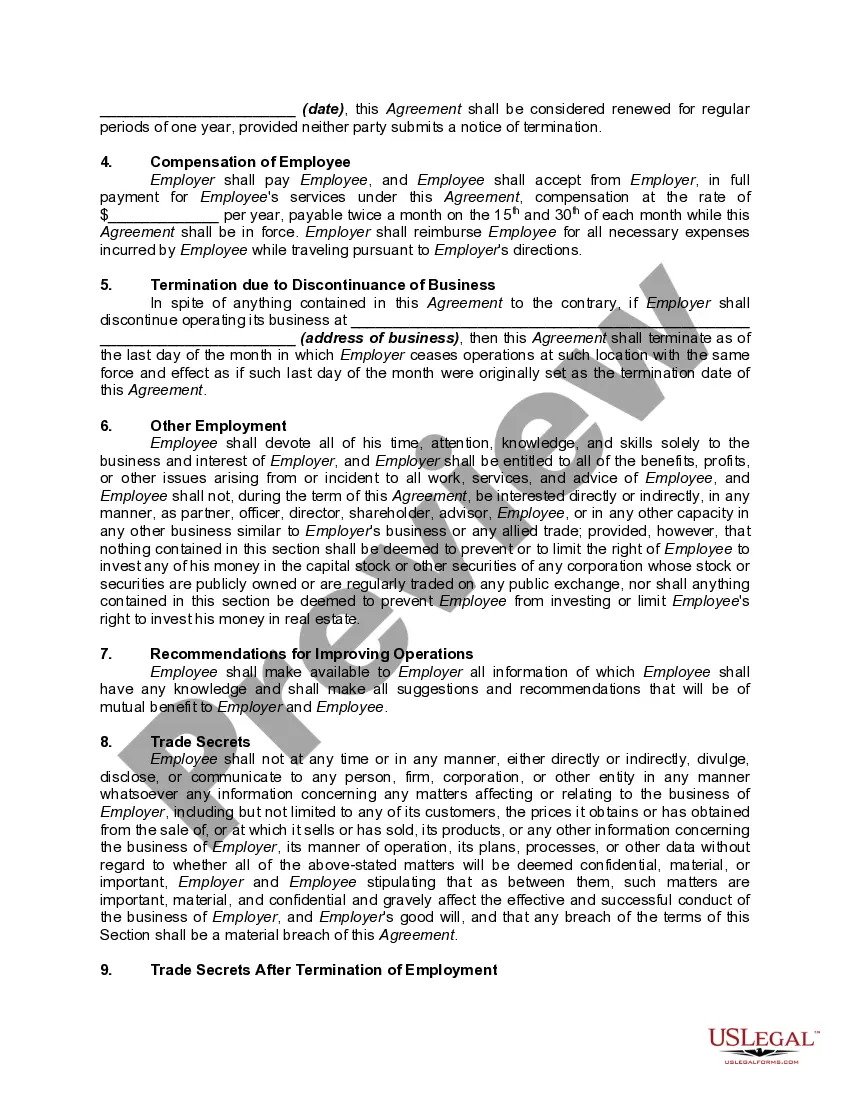
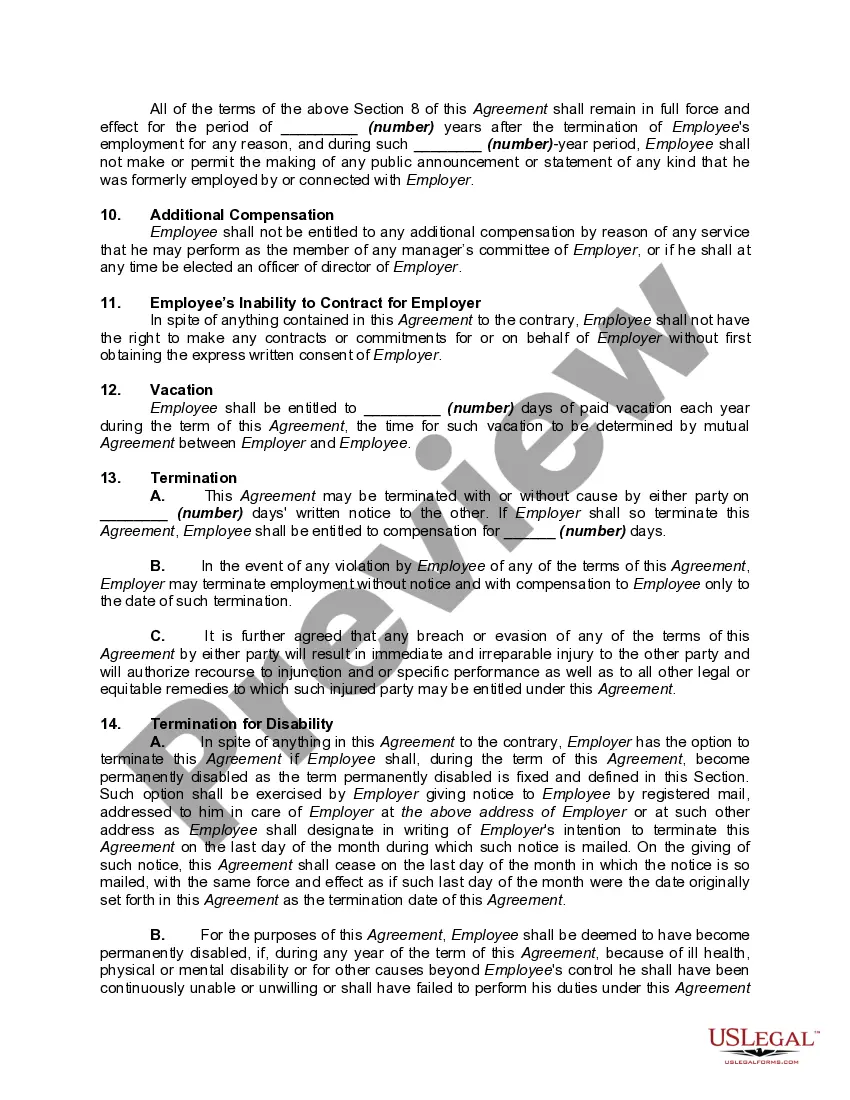
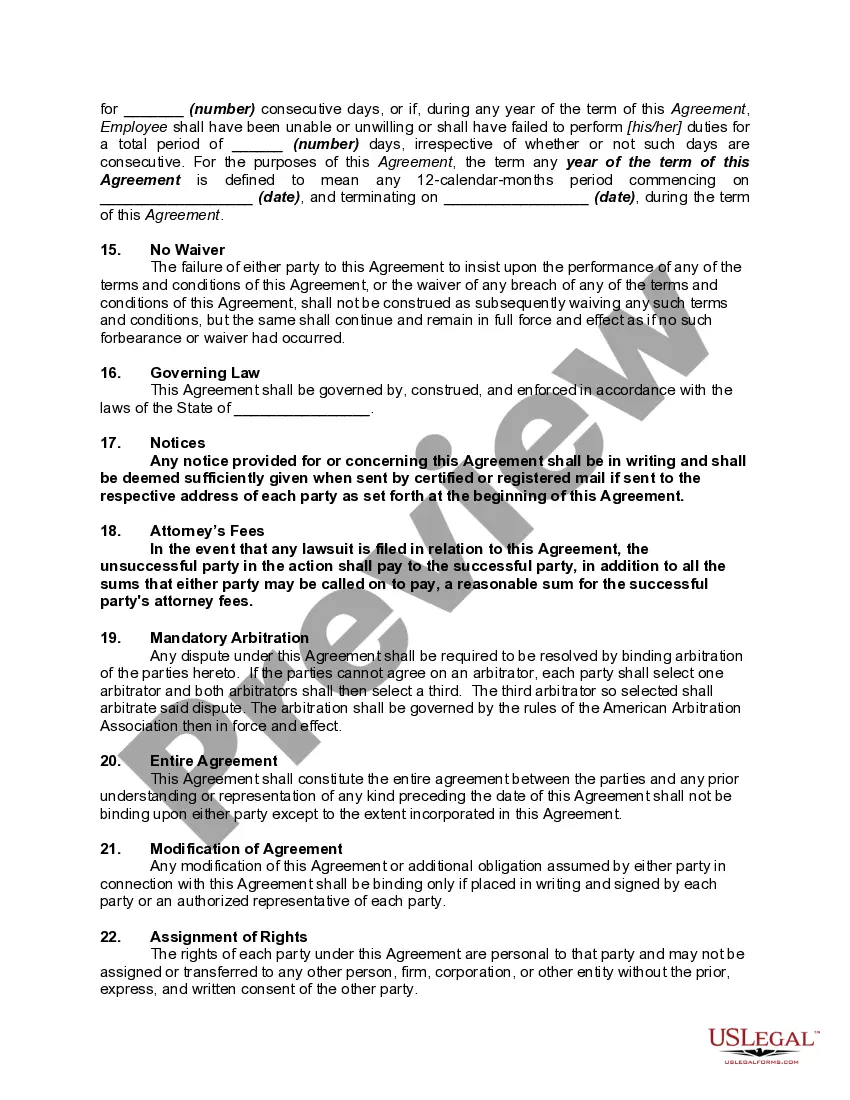
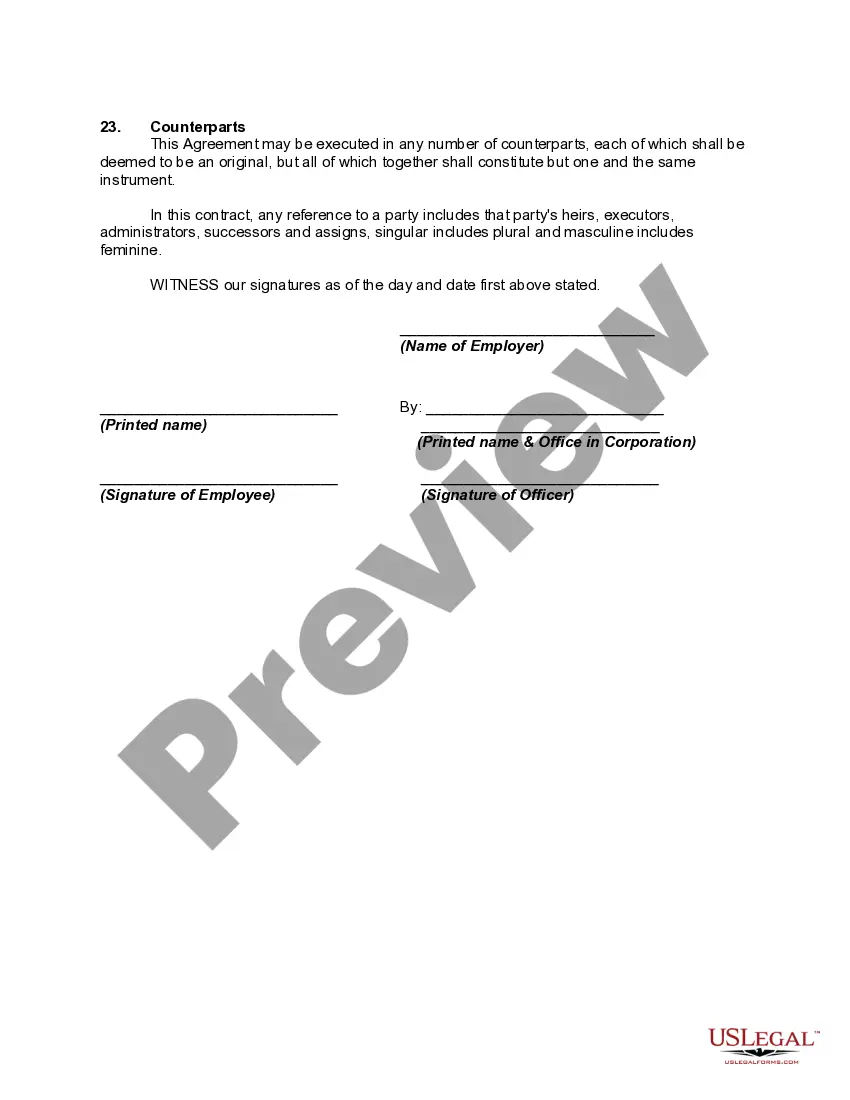
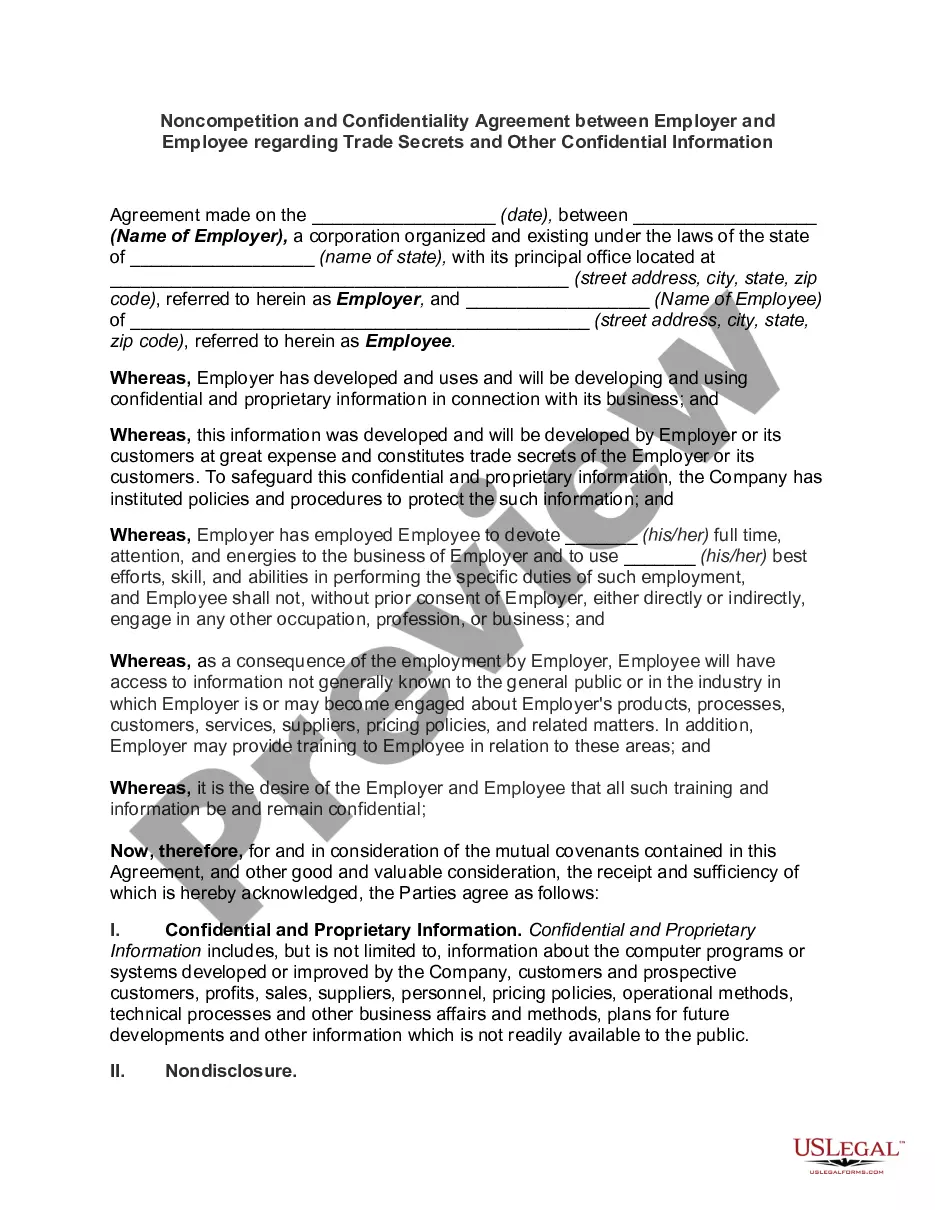
How to fill out General Form Of Employment Agreement With Trade Secrets Protection?
Managing legal documents and processes can be a lengthy addition to the day.
Trade Secrets Protection In India and similar forms usually require you to look for them and figure out how to fill them out effectively.
Thus, if you are handling financial, legal, or personal issues, having a comprehensive and accessible online directory of forms readily available will be very beneficial.
US Legal Forms is the premier online platform for legal templates, providing over 85,000 state-specific forms and a variety of resources to assist you in completing your documents swiftly.
Simply Log In to your account, find Trade Secrets Protection In India, and download it immediately from the My documents section. You can also access forms that you have previously downloaded.
- Explore the directory of suitable documents available to you with merely one click.
- US Legal Forms gives you state- and county-specific forms accessible for download at any moment.
- Protect your document management processes with superior support that enables you to prepare any form in minutes without additional or hidden charges.
Form popularity
FAQ
To qualify as a trade secret, information must be confidential, provide a competitive advantage, and be subject to reasonable efforts to maintain its secrecy. This can include formulas, practices, or processes that are not generally known. Understanding these criteria is crucial for ensuring trade secrets protection in India and leveraging your business's unique assets.
Protecting trade secrets in India involves a strategic approach that includes legal frameworks and practical safeguards. You should employ non-disclosure agreements, implement security measures, and establish clear policies regarding confidential information. Utilizing resources like US Legal Forms can streamline the creation of necessary legal documents for effective trade secrets protection in India.
To obtain intellectual property rights (IPR) in India, you need to apply for registration with the relevant government office. This process may vary based on the type of IPR, such as trademarks, patents, or copyrights. By following the legal framework, you not only secure your rights but also enhance trade secrets protection in India.
To protect intellectual property in India, you can register your trademarks, copyrights, and patents with the appropriate authorities. Additionally, implementing internal policies to secure confidential information is essential. Effective trade secrets protection in India involves combining these legal registrations with practical measures to safeguard your intellectual assets.
Yes, trade secrets are protected by non-disclosure agreements (NDAs). An NDA legally binds parties to confidentiality, ensuring that sensitive information remains undisclosed. This agreement plays a vital role in trade secrets protection in India, especially when sharing proprietary information with employees or business partners.
In India, trademarks are protected through registration under the Trade Marks Act, 1999. Once registered, the trademark owner gains exclusive rights to use the mark in connection with their goods or services. This legal protection helps in preventing unauthorized use and enhances trade secrets protection in India.
The most effective method for protecting trade secrets involves a combination of legal measures and practical steps. Implementing non-disclosure agreements (NDAs) with employees and partners is crucial. Additionally, maintaining confidentiality through internal policies and security measures can significantly enhance trade secrets protection in India.
Since trade secrets do not require formal application processes in India, the focus should be on implementing protective measures. Start by identifying valuable information and then establish confidentiality protocols. Regularly educate employees about the importance of protecting these secrets. If you need assistance in creating documents or policies related to trade secrets protection in India, USLegalForms offers tailored solutions to help you secure your intellectual assets.
Cyber law in India plays a crucial role in protecting trade secrets by addressing unauthorized access and data breaches. The Information Technology Act, along with various provisions under the Indian Penal Code, safeguards sensitive information from cybercrimes. By enforcing stringent penalties for violations, these laws help maintain the confidentiality of trade secrets. To navigate these legal frameworks efficiently, consider consulting resources like USLegalForms for guidance.
In India, trade secrets do not require formal registration, which distinguishes them from other forms of intellectual property. Instead, protection arises through reasonable measures to maintain secrecy, such as confidentiality agreements and internal policies. Therefore, you should ensure that your organization implements these practices effectively. Utilizing platforms like USLegalForms can help you draft the necessary documents for trade secrets protection in India.