Leasing Ofice
Description
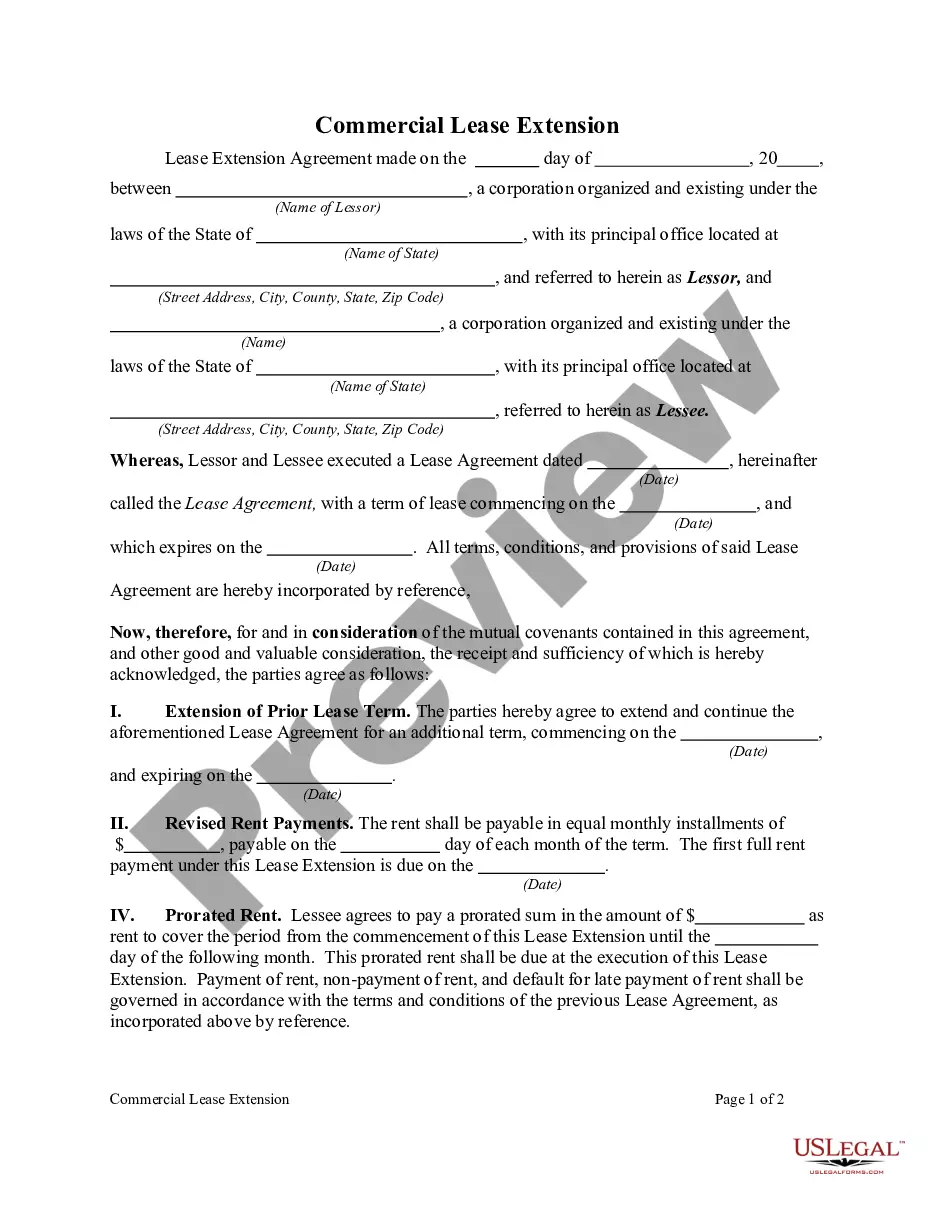
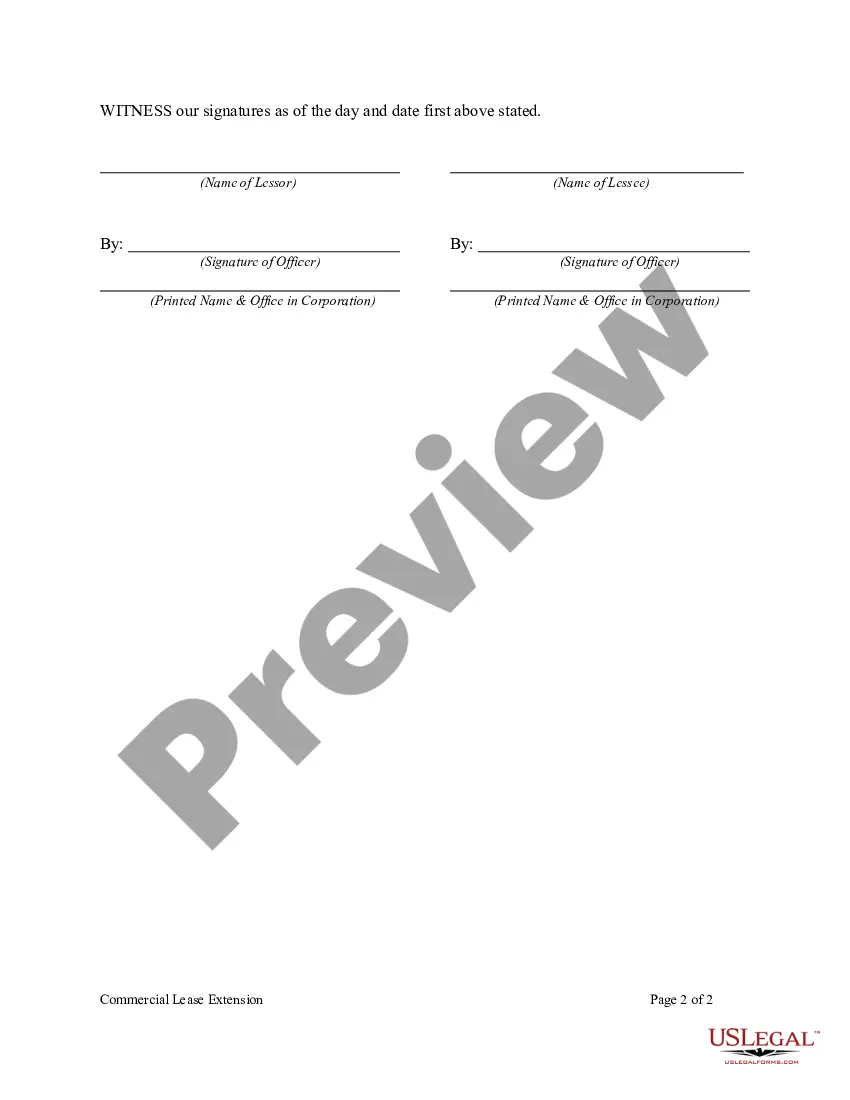
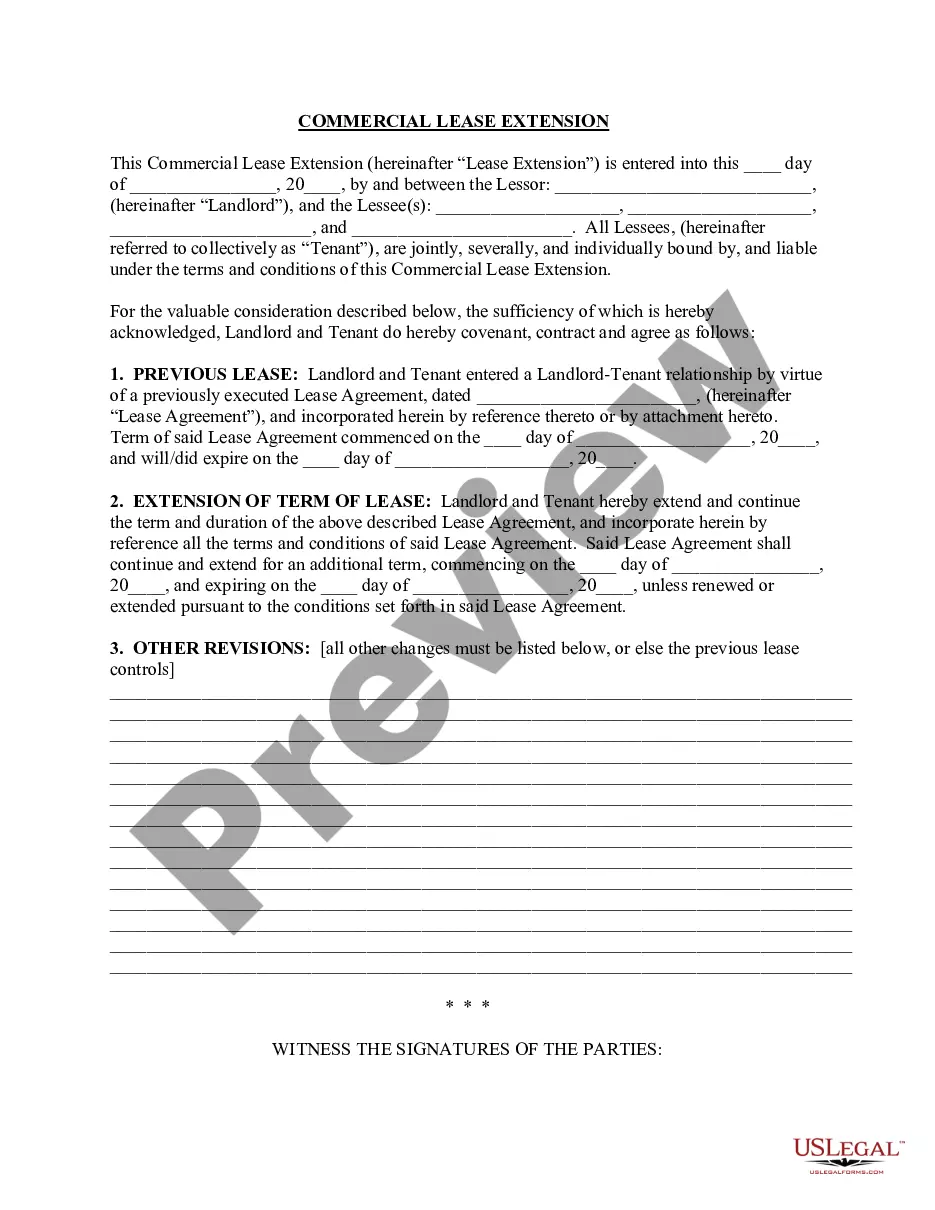
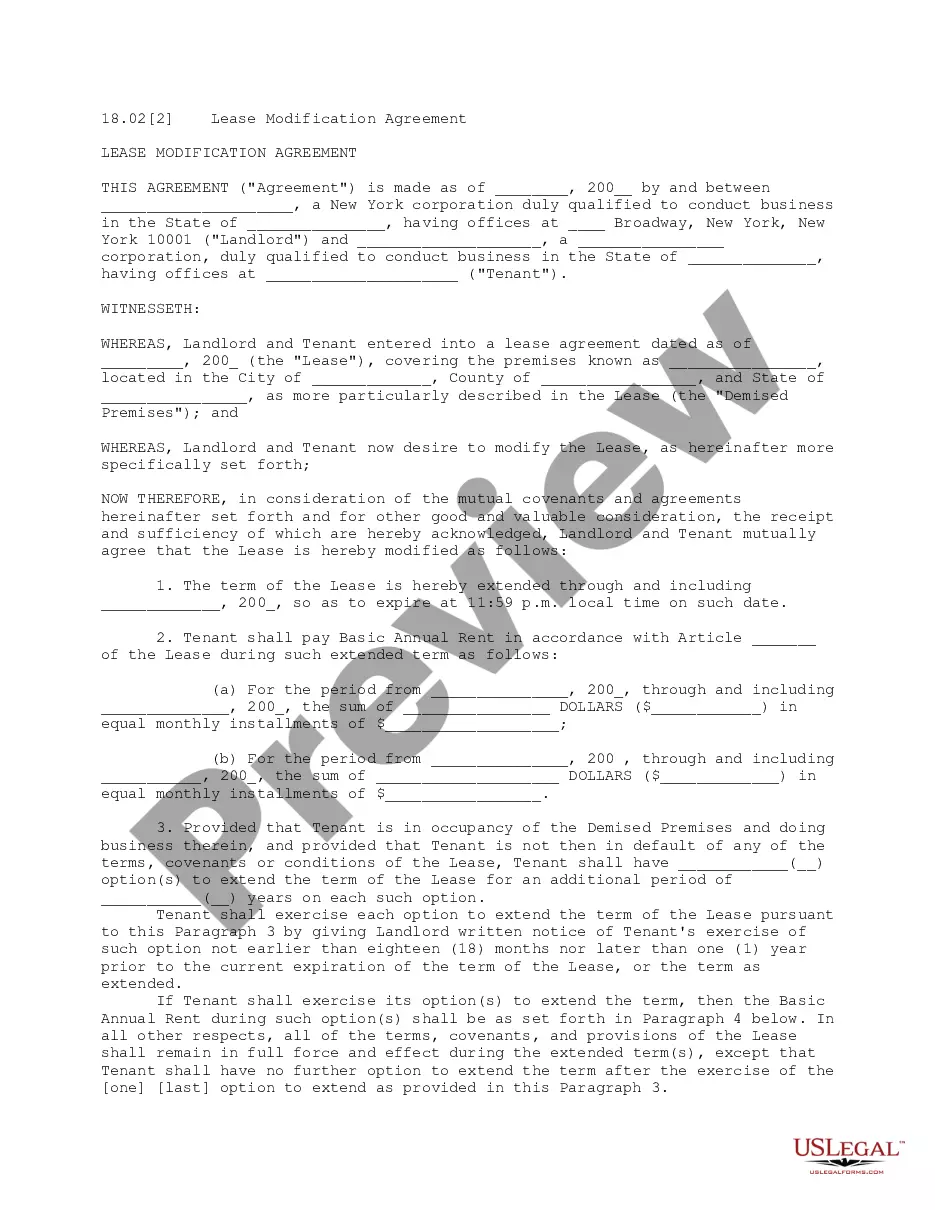
Get your form ready online
Our built-in tools help you complete, sign, share, and store your documents in one place.
Make edits, fill in missing information, and update formatting in US Legal Forms—just like you would in MS Word.
Download a copy, print it, send it by email, or mail it via USPS—whatever works best for your next step.
Sign and collect signatures with our SignNow integration. Send to multiple recipients, set reminders, and more. Go Premium to unlock E-Sign.
If this form requires notarization, complete it online through a secure video call—no need to meet a notary in person or wait for an appointment.
We protect your documents and personal data by following strict security and privacy standards.

Make edits, fill in missing information, and update formatting in US Legal Forms—just like you would in MS Word.

Download a copy, print it, send it by email, or mail it via USPS—whatever works best for your next step.

Sign and collect signatures with our SignNow integration. Send to multiple recipients, set reminders, and more. Go Premium to unlock E-Sign.

If this form requires notarization, complete it online through a secure video call—no need to meet a notary in person or wait for an appointment.

We protect your documents and personal data by following strict security and privacy standards.
Looking for another form?
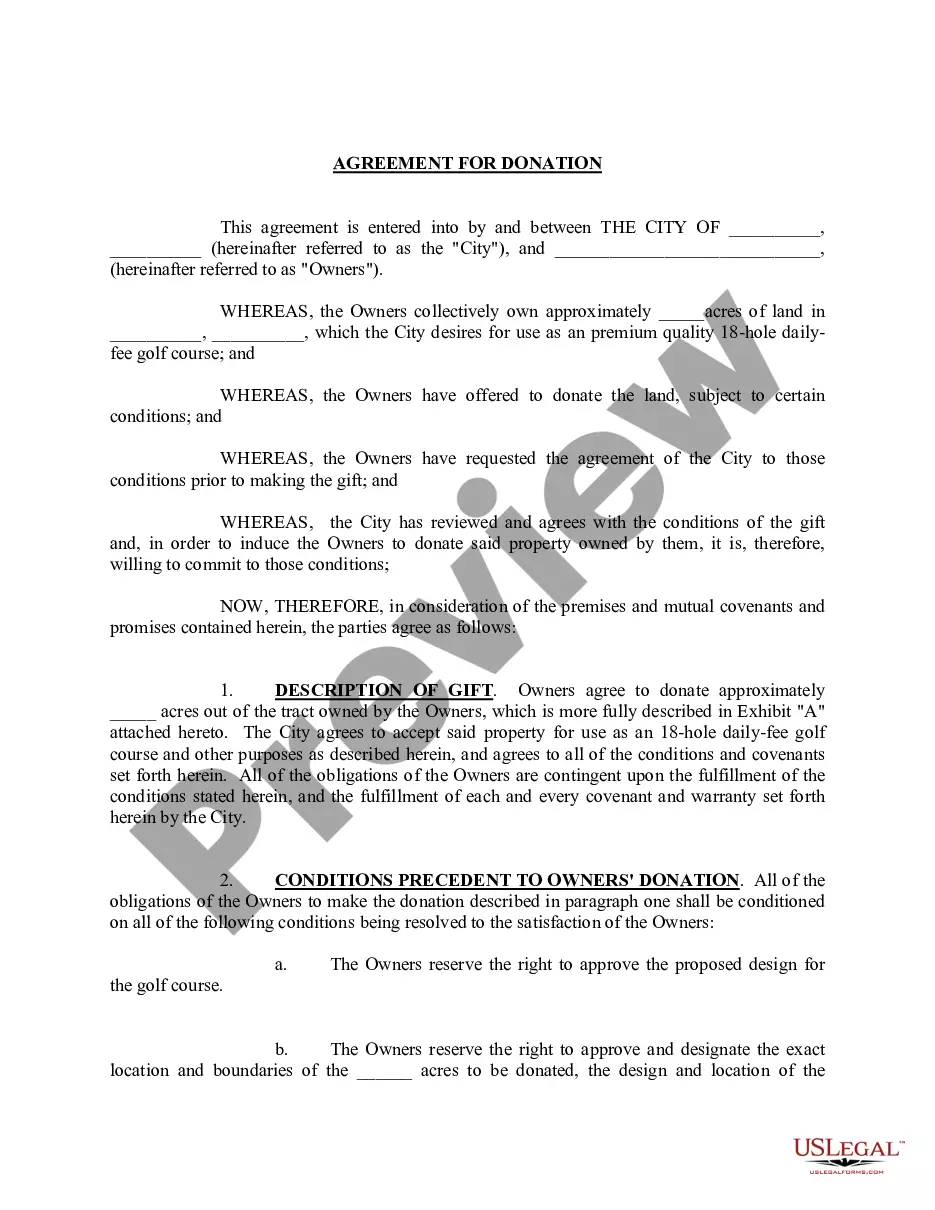


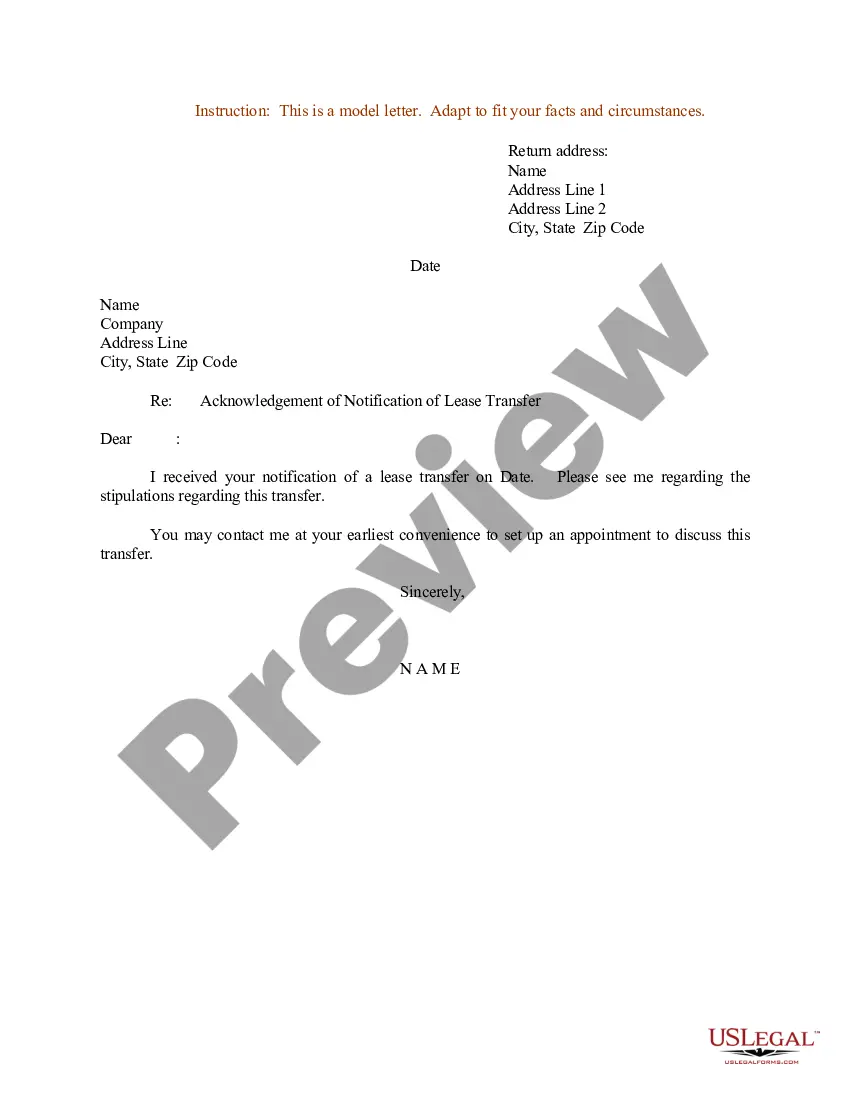




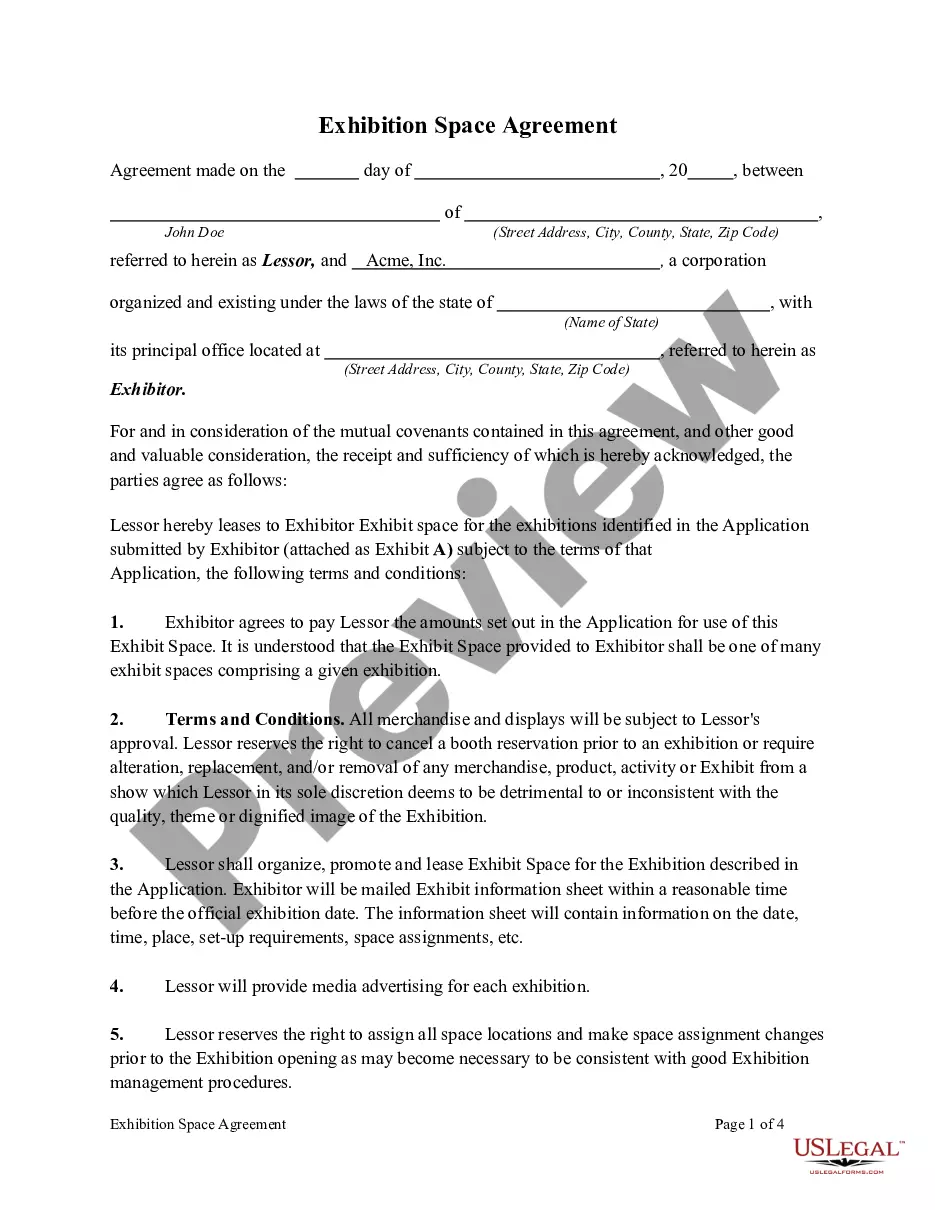

How to fill out Commercial Lease Extension?
- If you’re a returning user, log into your account and click the Download button for the template you need. Ensure your subscription is active, and renew it if necessary.
- For first-time users, begin by searching for the required form. Use the Preview mode and check the description to ensure it meets your state’s requirements.
- If the initial form isn’t suitable, utilize the Search tab to explore additional templates that align with your needs.
- Select your desired document by clicking the Buy Now button, and choose your preferred subscription plan. You’ll need to create an account to access the full library.
- Complete your purchase by entering your credit card details or using your PayPal account for secure transaction.
- Finally, download the form to your device. Access it anytime through the My Forms section of your profile.
In conclusion, US Legal Forms offers a comprehensive solution for all your leasing office documentation needs. With a vast array of forms and the option to consult premium experts, you can ensure your documents are complete and accurate.
Start your hassle-free legal journey today with US Legal Forms!
Form popularity
FAQ
To lease an office means entering a legally binding agreement that grants you the right to occupy and use the office space for a specified duration. Leasing provides operational stability for businesses, allowing you to focus on growth without the burden of property ownership. By leasing an office, you also typically benefit from defined terms related to costs and responsibilities.
Leasing office refers to the process of securing an office space through a contractual agreement where one party pays rent to another for use of the property. This commitment allows businesses to operate in a dedicated space without the need for purchasing property. Understanding the terms of your leasing office agreement is vital to ensure compliance and protect your interests.
A lease office refers to a space that a business rents for an extended period through a formal lease agreement. This arrangement provides stability and predictability for businesses looking to establish a permanent presence. When you opt for a lease office, you gain control over the space, allowing for tailored improvements that suit your operational requirements.
A serviced office offers furnished space with provided services like reception and administrative support, whereas a leased office gives you an empty space that you furnish and manage yourself. Serviced offices offer flexibility with shorter lease terms, making them suitable for temporary needs. Leasing an office requires more commitment but allows for greater customization based on your business needs.
A leasing office job description typically includes managing rental agreements, addressing tenant inquiries, and overseeing property maintenance. Employees work to ensure a smooth operation between landlords and tenants, often handling leasing procedures and promoting available office spaces. They play a crucial role in tenant retention by providing excellent customer service and support.
Renting office space usually involves shorter agreements and more flexibility, while leasing office space tends to be for a longer duration with more stable terms. When you lease an office, you agree to a contract that typically spans one year or more, establishing clear rights and responsibilities. Additionally, leasing often requires you to assume responsibilities for maintenance, whereas renting may not.
You typically cannot live in a leased office. Leasing offices are designed for business use, and most leases stipulate that the space is not to be used as a residence. However, some flexible office spaces may offer live-work options. It is essential to understand the terms of your lease before considering any alternative use.
Choosing to lease or buy an office depends on your business needs and financial circumstances. Leasing allows for flexibility and lower initial costs, making it ideal for startups or businesses looking to scale. In contrast, purchasing an office may represent a long-term investment but involves significant upfront costs and responsibilities. Carefully consider your options, and resources like US Legal Forms can provide insights to aid your decision.
Office leases outline the agreement between the landlord and the tenant regarding the rental of a commercial space. These documents specify the duration of the lease, rental payments, and any additional terms, such as maintenance responsibilities. Understanding these clauses is crucial for both parties to ensure compliance and a positive leasing experience. Tools like US Legal Forms can help demystify this documentation.
Filling out a landlord application can be straightforward with a clear focus on essential information. You will need to provide your personal contact details, property information, and any relevant financial data. It's important to answer all questions honestly and completely to avoid any issues later in the leasing process. Resources like US Legal Forms offer applications and tips to aid in this task.