Lease Rent
Description
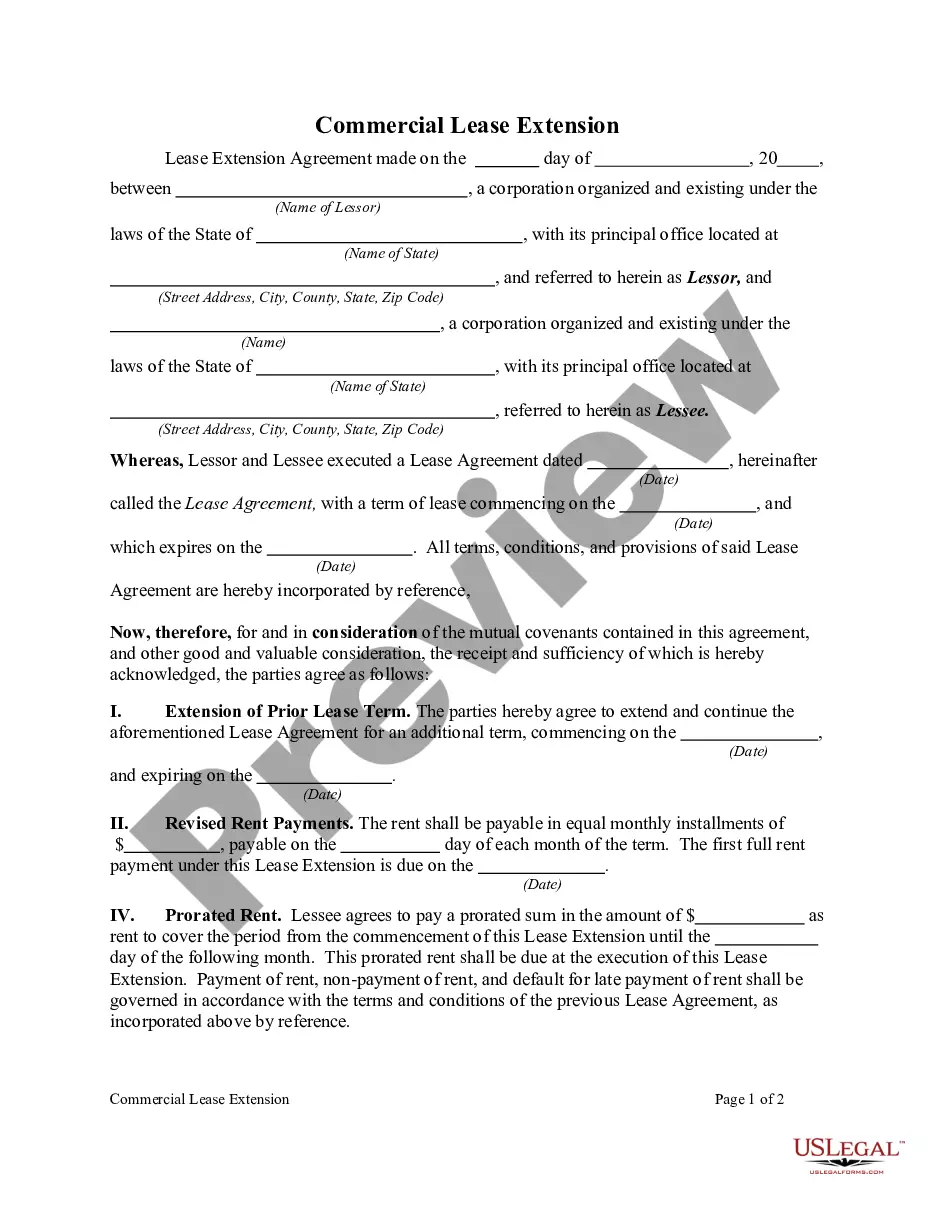
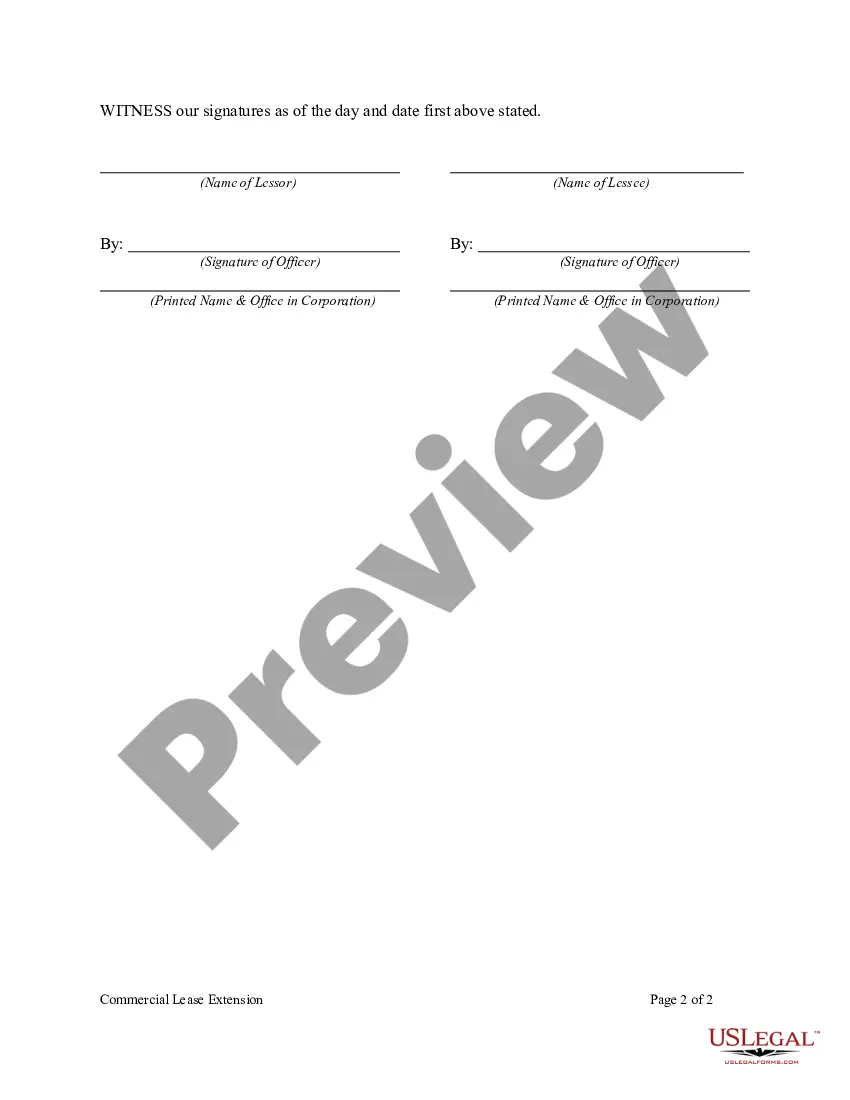
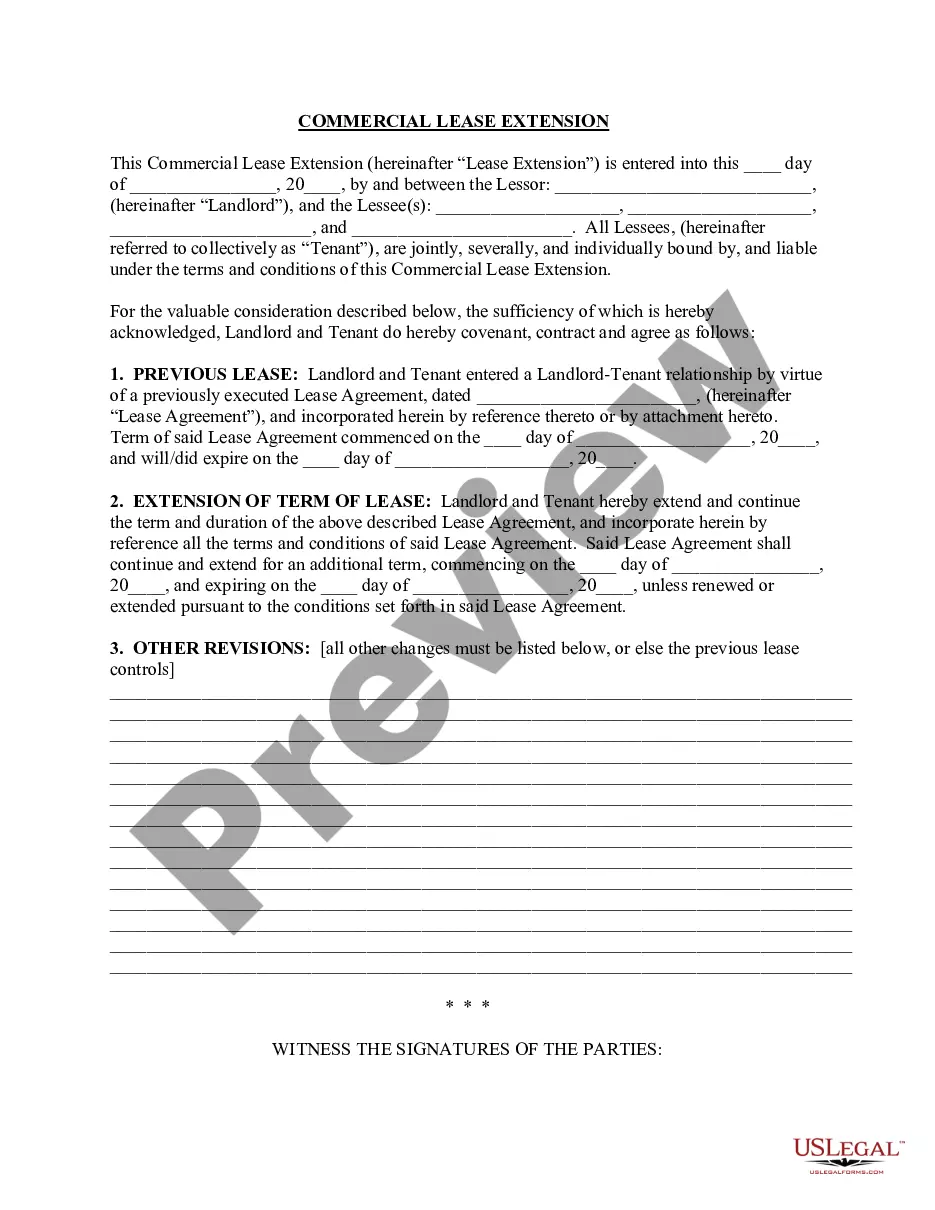
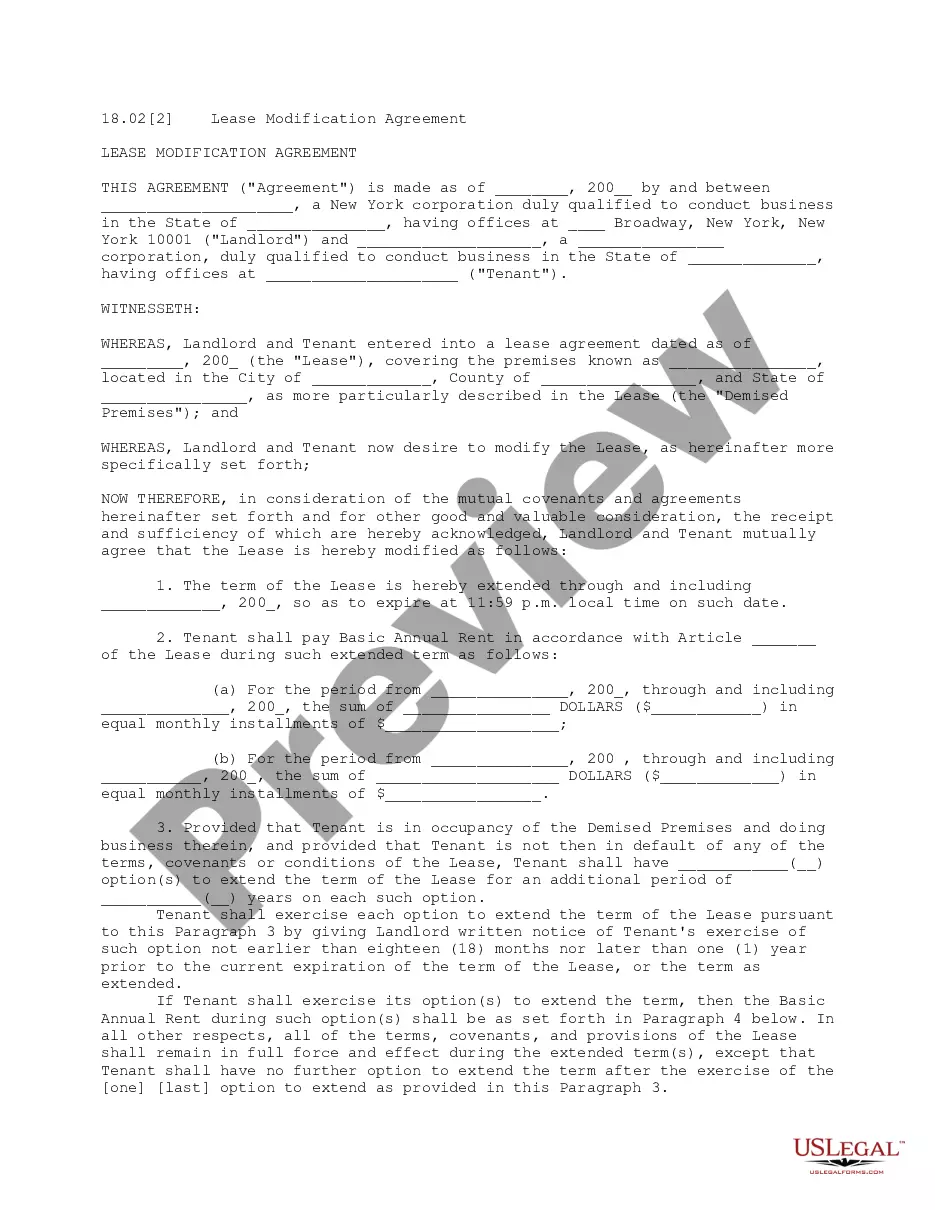
Get your form ready online
Our built-in tools help you complete, sign, share, and store your documents in one place.
Make edits, fill in missing information, and update formatting in US Legal Forms—just like you would in MS Word.
Download a copy, print it, send it by email, or mail it via USPS—whatever works best for your next step.
Sign and collect signatures with our SignNow integration. Send to multiple recipients, set reminders, and more. Go Premium to unlock E-Sign.
If this form requires notarization, complete it online through a secure video call—no need to meet a notary in person or wait for an appointment.
We protect your documents and personal data by following strict security and privacy standards.

Make edits, fill in missing information, and update formatting in US Legal Forms—just like you would in MS Word.

Download a copy, print it, send it by email, or mail it via USPS—whatever works best for your next step.

Sign and collect signatures with our SignNow integration. Send to multiple recipients, set reminders, and more. Go Premium to unlock E-Sign.

If this form requires notarization, complete it online through a secure video call—no need to meet a notary in person or wait for an appointment.

We protect your documents and personal data by following strict security and privacy standards.
Looking for another form?








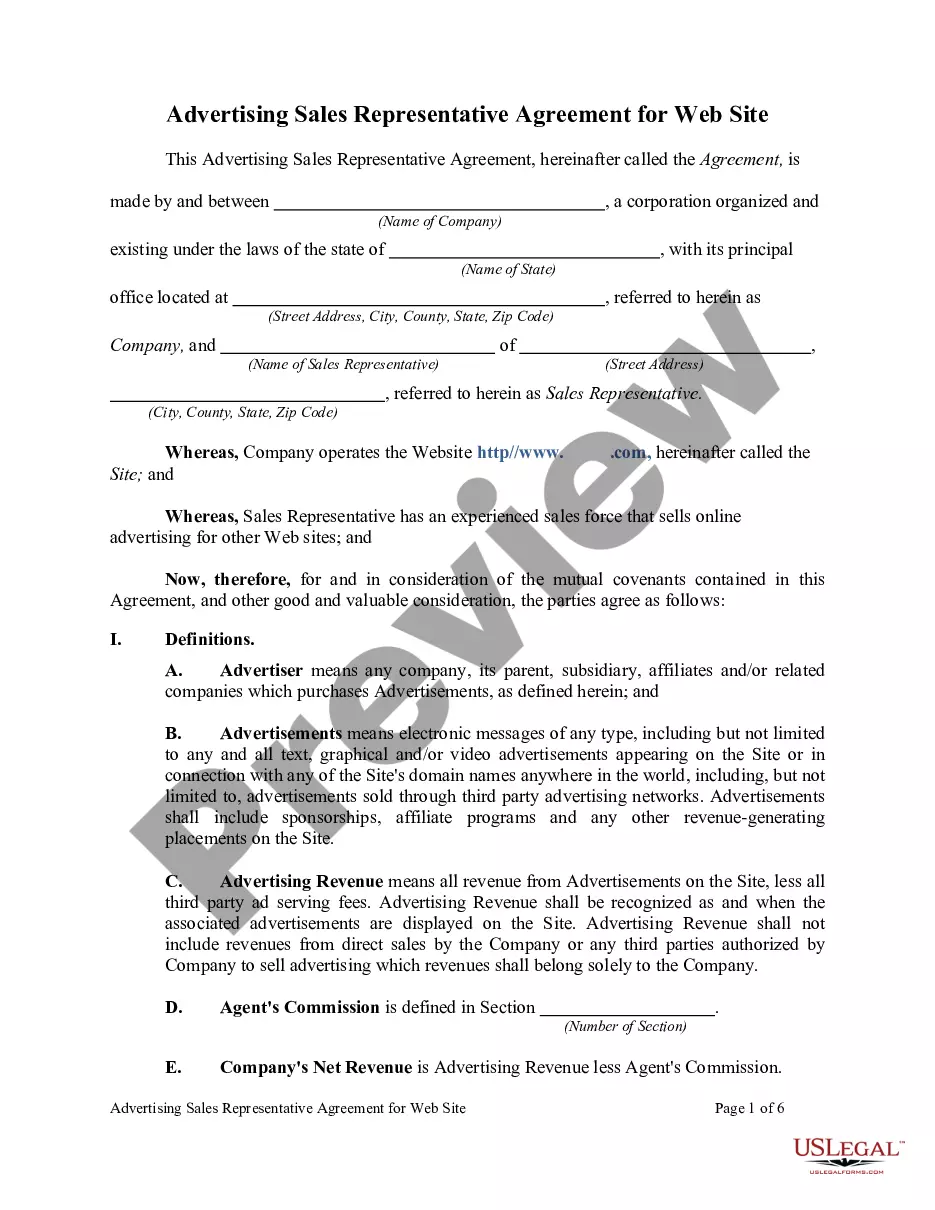

How to fill out Commercial Lease Extension?
- If you are a returning user, log in to your account. Ensure your subscription is current, or renew it if necessary.
- For first-time users, begin by exploring the Preview mode and reviewing form descriptions to select the appropriate document that meets your local jurisdiction requirements.
- In case you don't find the right template, use the Search tab above to locate another document that fits your needs.
- Once you've found the suitable form, click the 'Buy Now' button to select your preferred subscription plan and create an account for full library access.
- Upon choosing your plan, complete your purchase by entering your payment information via credit card or PayPal.
- Finally, download the form to your device and access it anytime from the My Forms section of your profile.
US Legal Forms offers a robust collection of over 85,000 editable legal forms, providing more options than competitors at similar costs. Additionally, users can access premium experts for assistance, ensuring documents are tailored correctly and legally sound.
Streamline your legal documentation process with US Legal Forms today. Start creating your lease rent agreements effortlessly!
Form popularity
FAQ
Signing a lease entails agreeing to the terms set forth in the document, including lease rent, duration, and maintenance responsibilities. It signifies your commitment to abide by these terms as a tenant. Additionally, both parties will list specific obligations, such as timely rent payments and property upkeep. Understanding what you agree to is vital in ensuring a harmonious landlord-tenant relationship.
When signing a lease, you will generally need identification and proof of income, along with the first month’s lease rent and a security deposit. Make sure to read the lease document carefully to understand all obligations. Some landlords may also request personal references or a credit check. Being prepared with the necessary documentation expedites the leasing process.
The process of signing a lease typically begins with reviewing the agreement carefully. After discussing and agreeing on the terms, such as lease rent and other responsibilities, both parties will sign the document. It is important to keep a copy of the signed lease for your records. This document serves as a legal contract, outlining the expectations for both you and the landlord.
Yes, performing a walk-through before signing a lease is a good practice. This allows you to inspect the property and document its condition. Be sure to note any existing damages or concerns, which can prevent disputes later regarding the security deposit. A thorough walk-through adds transparency and peace of mind before you commit to the lease rent.
To report rental income to the IRS, you will need to list it on Schedule E of your tax return. It is advisable to keep detailed records of all income and expenses related to your rental property. Consider consulting a tax professional if you are unsure, as they can provide guidance specific to your situation. Knowing how lease rent is taxed will help you prepare your finances throughout the year.
Yes, you can write your own lease agreement, but it must meet state and local legal requirements. Ensuring that your lease covers all essential elements, such as terms of lease rent, maintenance responsibilities, and eviction procedures, is crucial. Utilizing platforms like US Legal Forms can simplify this process, providing templates that comply with legal standards. This ensures both parties understand their rights and responsibilities.
Typically, you can move in as soon as the lease rent agreement is signed, provided that all conditions are met. It is essential to confirm the specific move-in date with your landlord or property manager. They may require payment of the first month’s rent or a security deposit prior to your move-in. Always communicate clearly to avoid any surprises.
In most cases, when you rent a property, you do indeed have a lease. This lease outlines your rights and responsibilities during your rental period. Understanding this lease rent documentation can help prevent disputes and ensure that both parties are protected.
Whether leasing is better than renting depends on your personal situation and plans. Leasing usually requires a longer commitment, which can lead to lower monthly payments, while renting often offers more flexibility if you need to move frequently. Consider your future plans and financial capabilities when evaluating lease rent options.
The phrase 'lease to rent' typically means a legal agreement where one party pays another for the temporary use of property. In this context, 'lease' refers to the formal contract, while 'rent' embodies the payment made. This arrangement provides security for both landlords and tenants, which is beneficial for those engaging in a lease rent agreement.