Residential Home Purchase With Parents
Description

Get your form ready online
Our built-in tools help you complete, sign, share, and store your documents in one place.
Make edits, fill in missing information, and update formatting in US Legal Forms—just like you would in MS Word.
Download a copy, print it, send it by email, or mail it via USPS—whatever works best for your next step.
Sign and collect signatures with our SignNow integration. Send to multiple recipients, set reminders, and more. Go Premium to unlock E-Sign.
If this form requires notarization, complete it online through a secure video call—no need to meet a notary in person or wait for an appointment.
We protect your documents and personal data by following strict security and privacy standards.
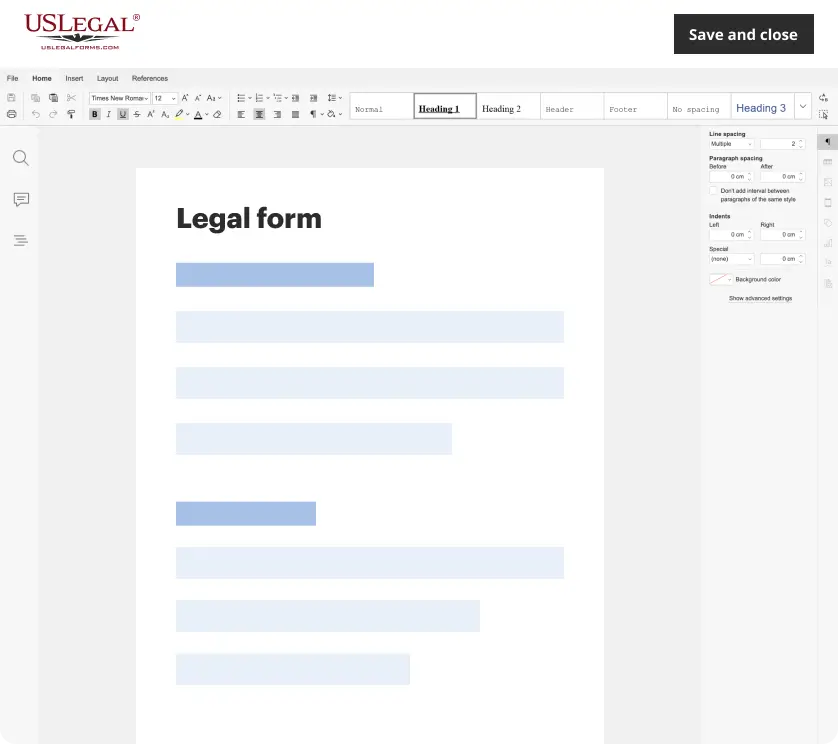
Make edits, fill in missing information, and update formatting in US Legal Forms—just like you would in MS Word.
Download a copy, print it, send it by email, or mail it via USPS—whatever works best for your next step.
Sign and collect signatures with our SignNow integration. Send to multiple recipients, set reminders, and more. Go Premium to unlock E-Sign.

If this form requires notarization, complete it online through a secure video call—no need to meet a notary in person or wait for an appointment.
We protect your documents and personal data by following strict security and privacy standards.
Looking for another form?
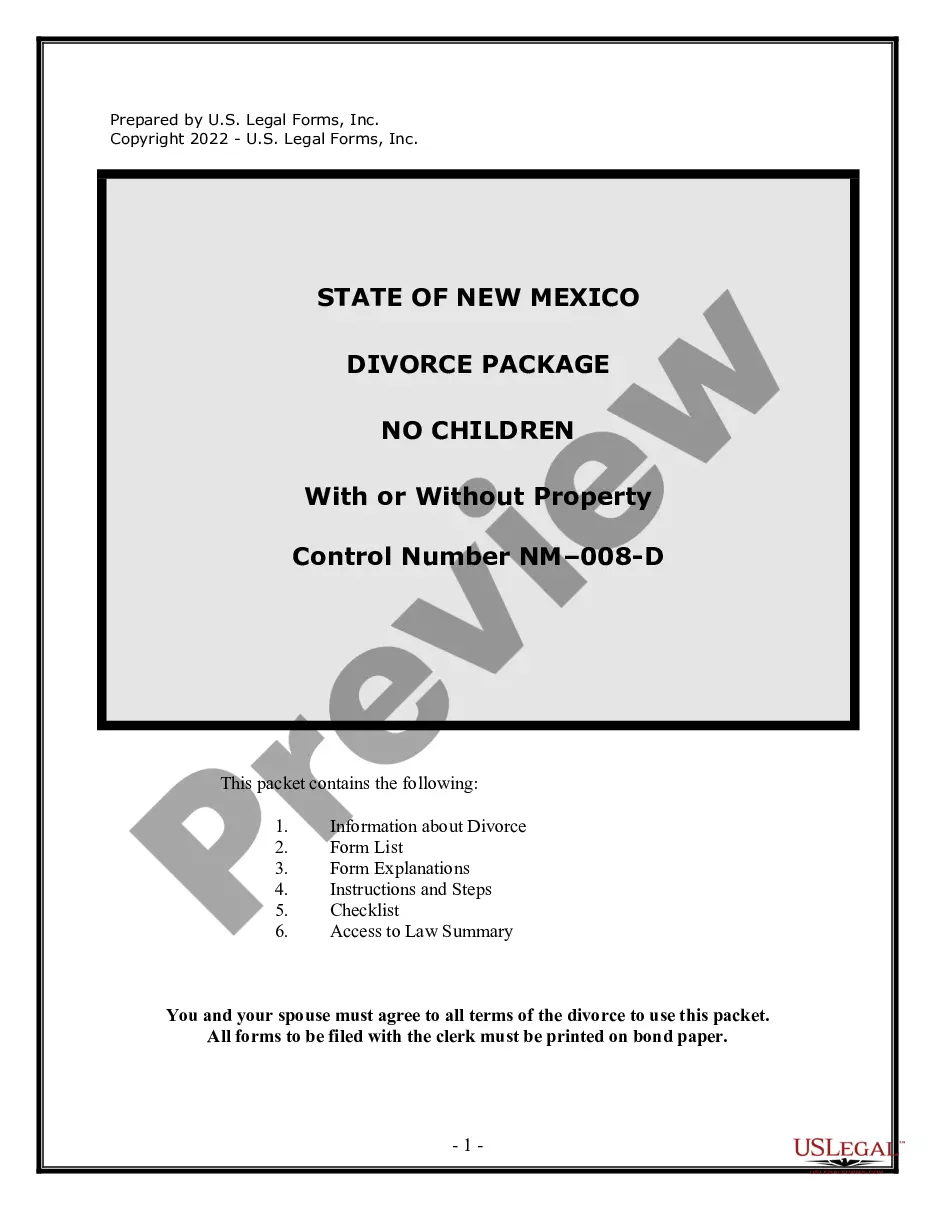

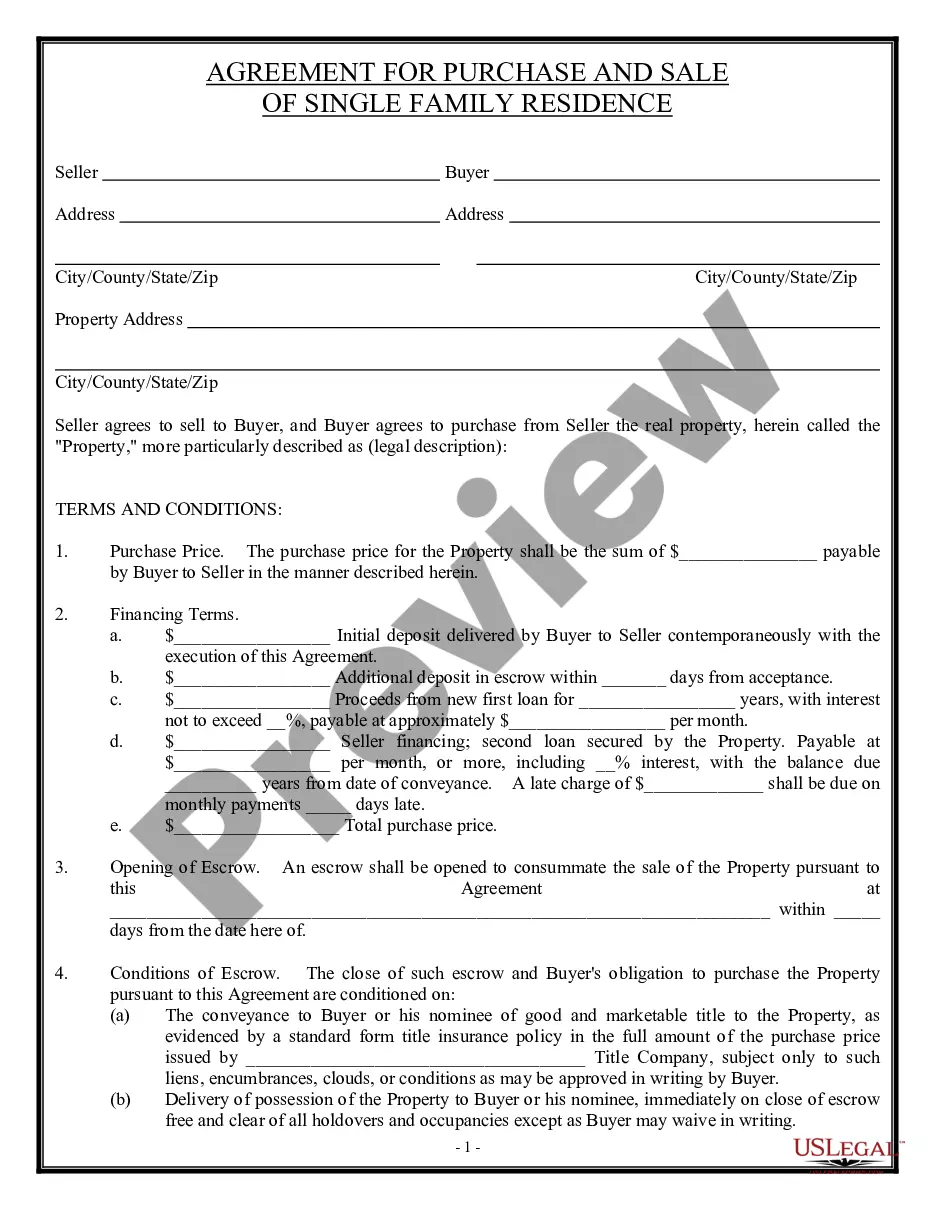
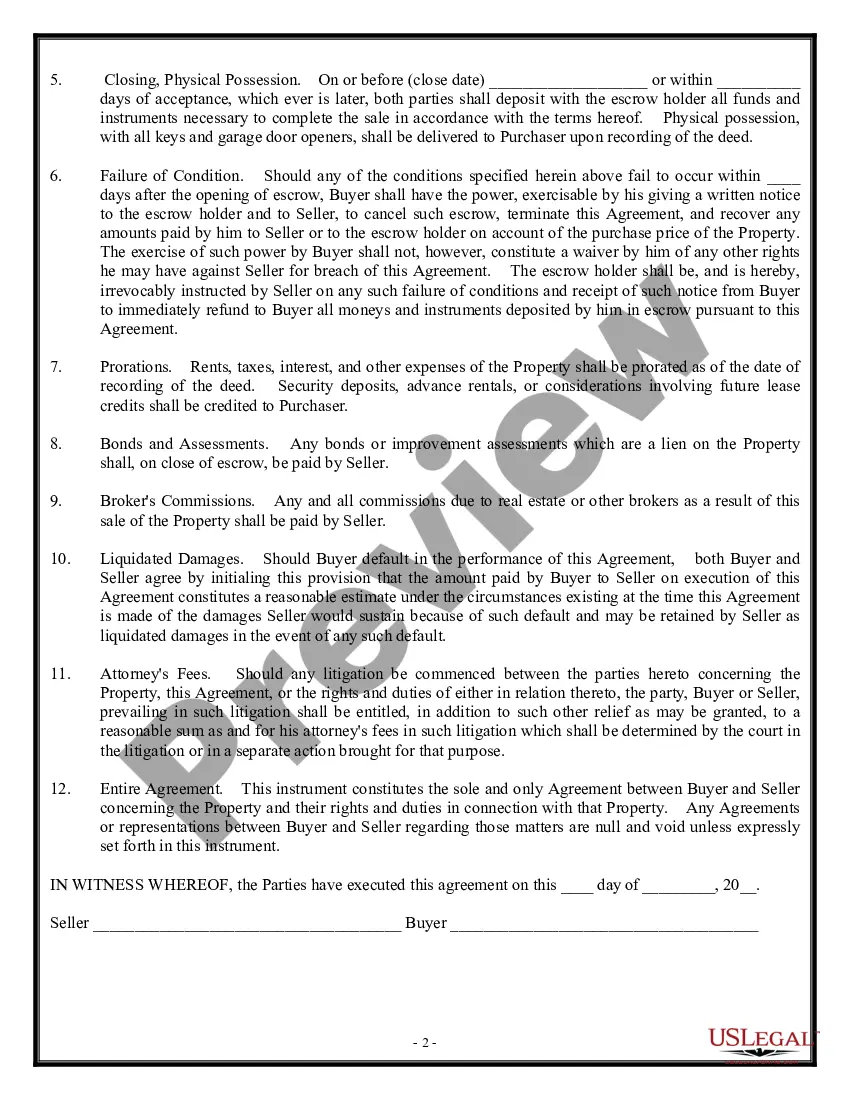
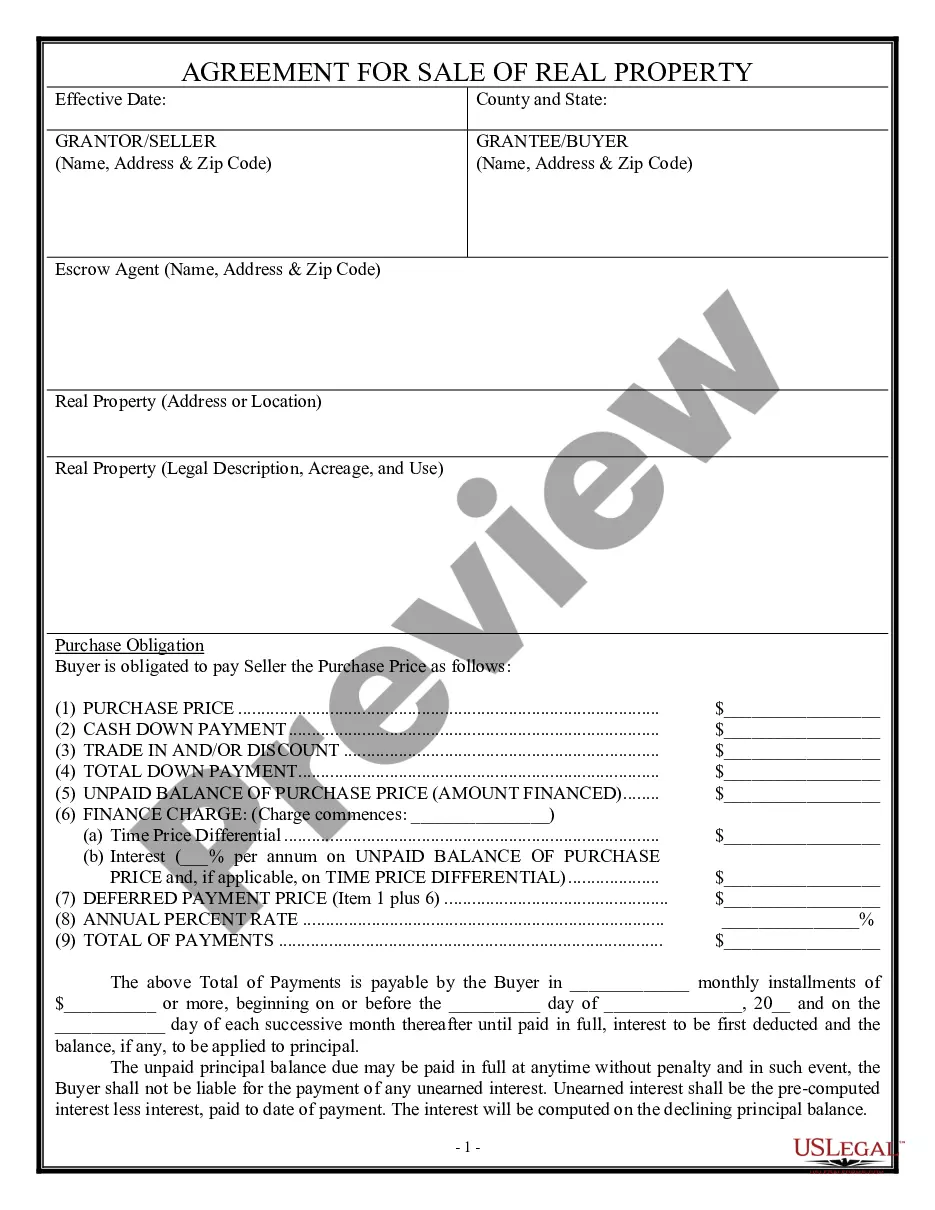
How to fill out Agreement For Sale, Short Form - Residential?
The Residential Home Acquisition With Parents presented on this page is a versatile legal document drafted by expert attorneys in accordance with federal and local statutes and regulations.
For over 25 years, US Legal Forms has been supplying individuals, businesses, and legal practitioners with more than 85,000 authenticated, state-specific documents for any commercial and personal circumstance. This is the fastest, simplest, and most trustworthy method to obtain the paperwork you need, as the service guarantees bank-level data protection and anti-malware safeguards.
Subscribe to US Legal Forms to have verified legal templates for every scenario of life at your fingertips.
- Search for the document you require and verify it. Browse the sample you searched for and view it or review the form description to ensure it meets your needs. If it does not, use the search bar to find the correct one. Click Buy Now once you've found the template you need.
- Create an account and Log In. Select the pricing option that works for you and set up an account. Use PayPal or a credit card to make a swift payment. If you already have an account, Log In and check your subscription to proceed.
- Obtain the editable document. Choose the format you desire for your Residential Home Acquisition With Parents (PDF, Word, RTF) and download the sample to your device.
- Complete and sign the documentation. Print the template to fill it out by hand. Alternatively, utilize an online multi-purpose PDF editor to quickly and accurately fill and sign your form with an eSignature.
- Redownload your documents. Use the same document again whenever necessary. Open the My documents section in your profile to redownload any previously downloaded forms.
Form popularity
FAQ
Your parents can buy you a house, but avoiding tax implications completely is complicated and requires careful planning. A residential home purchase with parents might incur gift tax considerations, especially if the transaction exceeds certain thresholds. To navigate these waters safely, consider seeking advice from a tax professional who can guide you through the options available to minimize tax exposure.
You can give your daughter $100,000 for a house, but be aware of the annual gift tax exclusions and regulations. This beneficial action can support your child's residential home purchase with parents and relieve financial burdens in reaching homeownership. It's wise to consult a tax advisor to understand any potential tax implications and ensure that the gift aligns with your family's financial planning.
If your parents own a home, it typically does not disqualify you from being considered a first-time home buyer, as this status primarily relates to your personal ownership. A residential home purchase with parents could open various opportunities for you, such as utilizing financial gifts for your own home purchase. However, always verify local guidelines and lender requirements to ensure you maximize your advantages.
Yes, your parents can transfer ownership of their house to you, but certain processes must be followed to ensure it's legal and beneficial for both parties. This residential home purchase with parents could trigger tax implications, so consulting with a tax professional is wise. It’s crucial to consider the long-term effects of this transfer on your parents' financial situation and your own ownership responsibilities.
When your parents buy you a house, they effectively help you secure a stable living situation, which can relieve financial stress. It's important to understand that this residential home purchase with parents can have implications on your financial future, including the potential for property ownership and responsibilities. Additionally, thoughtful planning is essential to ensure that both parties are clear on ownership rights and financial obligations related to the property.
The 30/30/3 rule is a guideline that suggests allocating 30% of your income to housing costs, having a minimum 30% down payment, and spending no more than 3 months on the home search. Applying the 30/30/3 rule can help you stay on track during a residential home purchase with parents. This approach fosters budget discipline and aids in selecting a home that aligns with your long-term financial goals. Remember to use this rule as a flexible guideline, adjusting as necessary to fit your unique circumstances.
Yes, you can buy a house together with your parents, which can provide financial advantages. A joint residential home purchase with parents can enable you to combine resources, making it easier to secure financing. However, it is crucial to communicate effectively about shared responsibilities and financial commitments. Consider consulting with a legal expert to formalize your ownership structure.
To buy a house with parents' help, begin by discussing financial contributions and responsibilities clearly with them. This collaborative approach can ease the process of the residential home purchase with parents. Ensure you have a written agreement detailing each party's obligations to maintain transparency and avoid misunderstandings. Additionally, consider using legal services to draft documents and protect everyone’s interests.
Yes, you can obtain a mortgage to buy a house from your parents. When pursuing a residential home purchase with parents, lenders may examine the relationship, the property value, and your financial situation. It is essential to ensure that the transaction meets all legal and financial requirements. You might find it beneficial to consult a mortgage broker or a financial advisor for personalized guidance.
Adding your name to your parents' house can be a strategic move if you plan for a residential home purchase with parents in the future. This action may simplify the transfer of ownership and financial responsibilities later on. However, it's important to consider the potential tax implications and legal aspects involved. Consulting a real estate expert can provide clarity and ensure you make an informed decision.