Writ Mandamus In Tagalog
Description
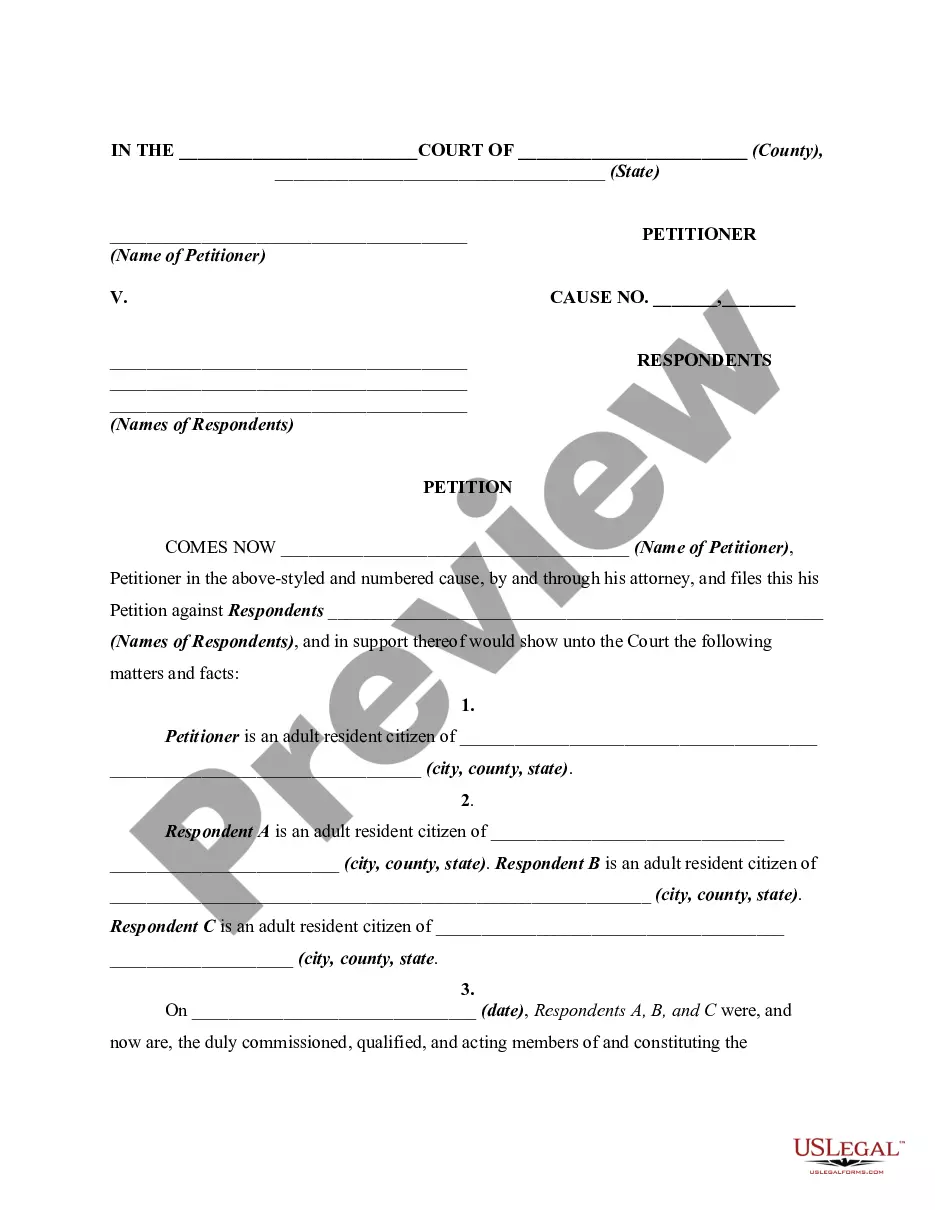
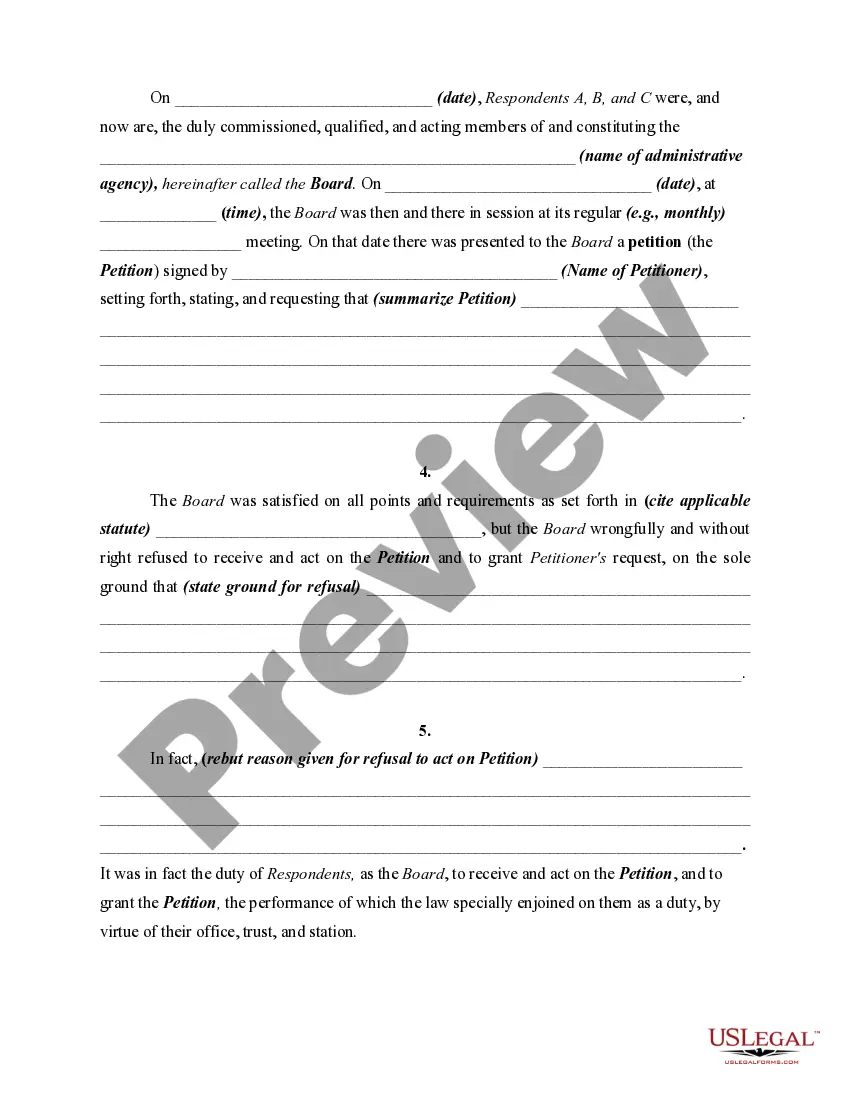
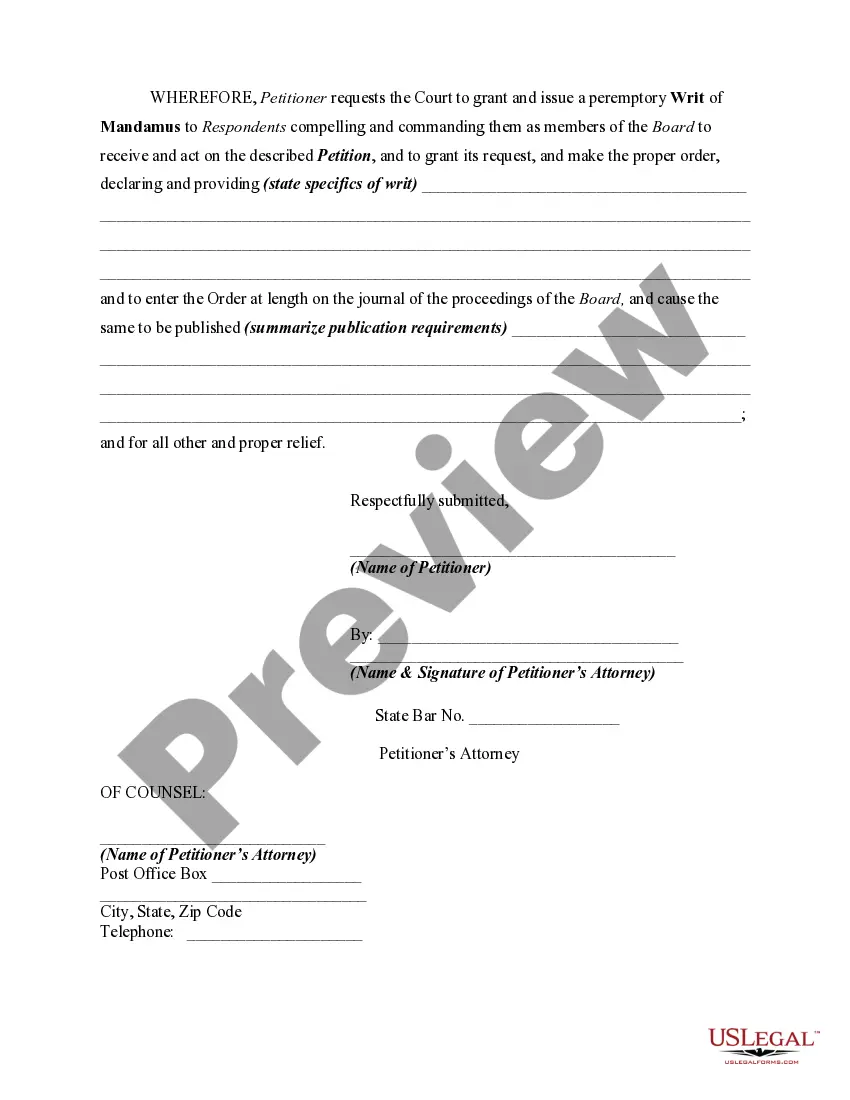
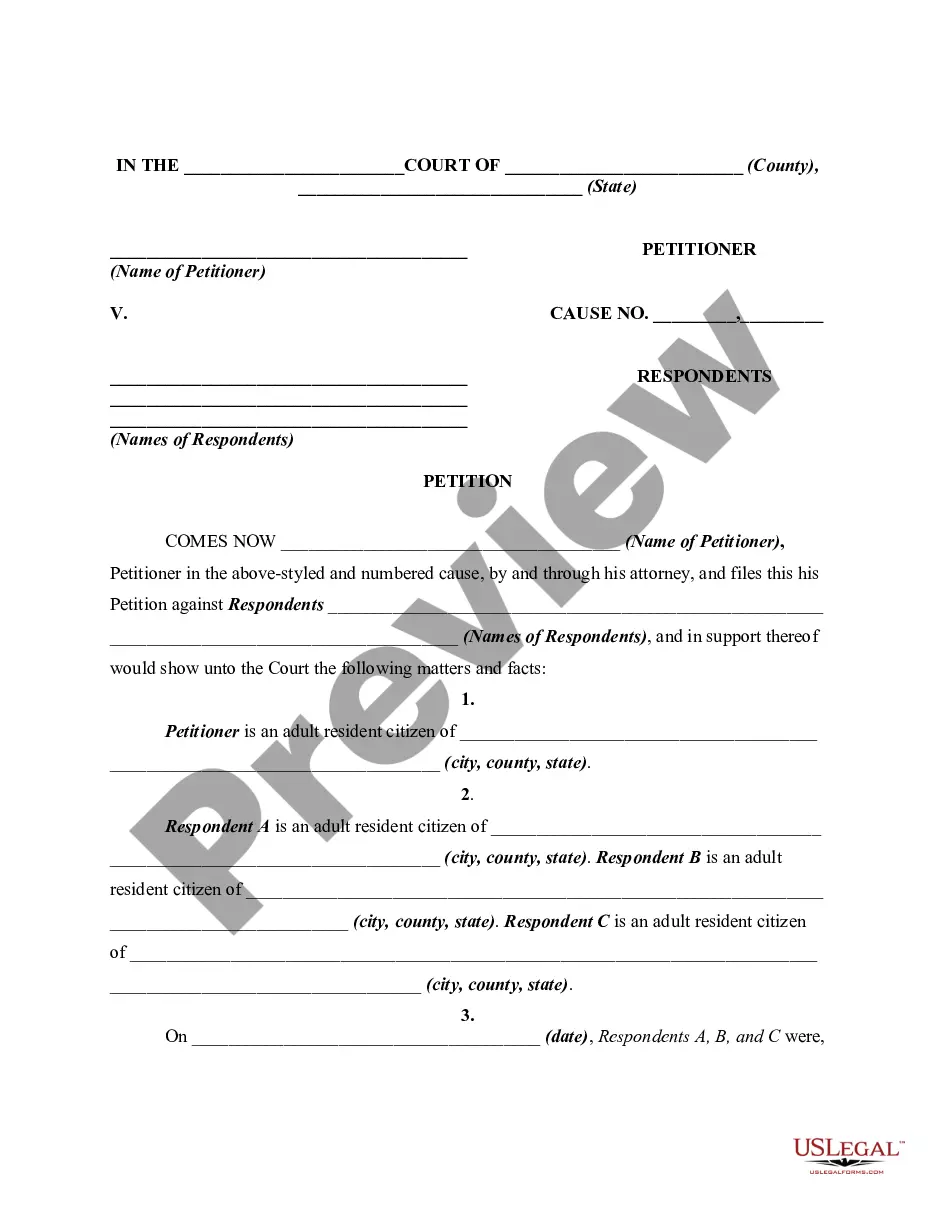
Get your form ready online
Our built-in tools help you complete, sign, share, and store your documents in one place.
Make edits, fill in missing information, and update formatting in US Legal Forms—just like you would in MS Word.
Download a copy, print it, send it by email, or mail it via USPS—whatever works best for your next step.
Sign and collect signatures with our SignNow integration. Send to multiple recipients, set reminders, and more. Go Premium to unlock E-Sign.
If this form requires notarization, complete it online through a secure video call—no need to meet a notary in person or wait for an appointment.
We protect your documents and personal data by following strict security and privacy standards.

Make edits, fill in missing information, and update formatting in US Legal Forms—just like you would in MS Word.

Download a copy, print it, send it by email, or mail it via USPS—whatever works best for your next step.

Sign and collect signatures with our SignNow integration. Send to multiple recipients, set reminders, and more. Go Premium to unlock E-Sign.

If this form requires notarization, complete it online through a secure video call—no need to meet a notary in person or wait for an appointment.

We protect your documents and personal data by following strict security and privacy standards.
Looking for another form?

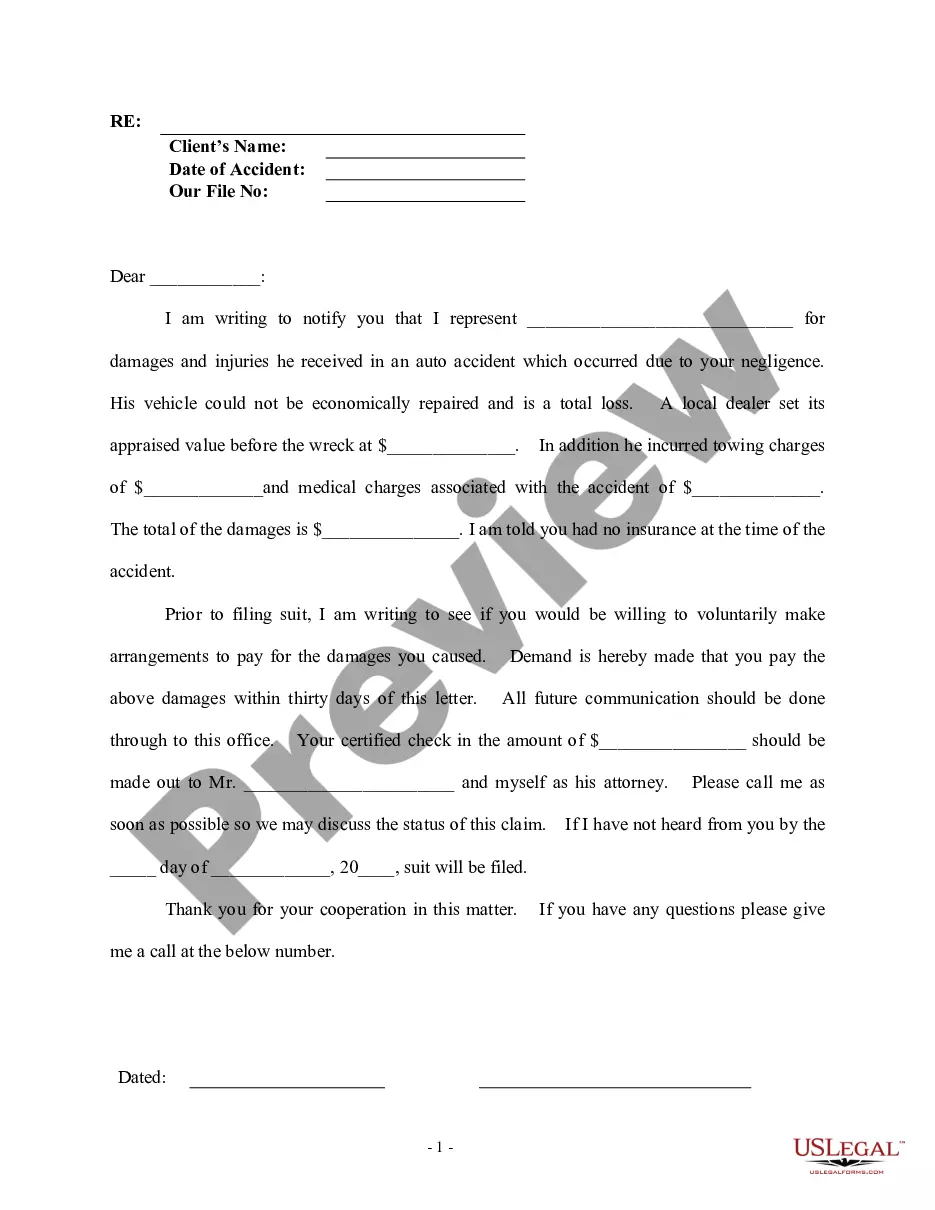

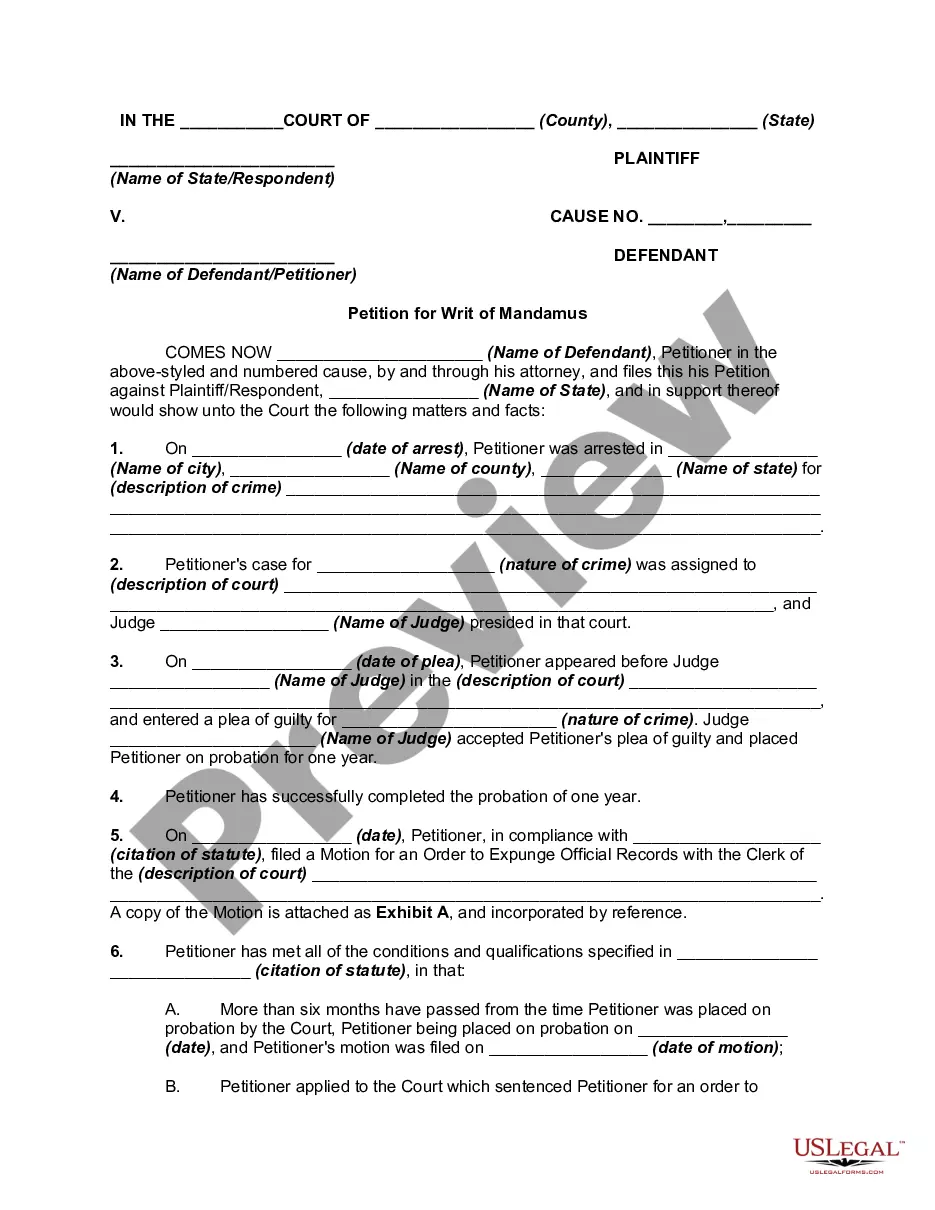
How to fill out Petition Or Application For Writ Of Mandamus Or Mandate For Refusal Of Administrative Agency To Act On Petition?
Securing a reliable source for accessing the latest and most pertinent legal templates is a significant part of managing bureaucratic processes.
Obtaining the appropriate legal paperwork requires precision and careful consideration, making it essential to obtain samples of Writ Mandamus in Tagalog solely from credible providers, such as US Legal Forms. An incorrect template can squander your time and prolong the issue at hand.
Eliminate the hassle associated with your legal paperwork. Discover the extensive US Legal Forms archive where you can find legal samples, verify their relevance to your circumstances, and download them instantly.
- Utilize the library navigation or search box to find your template.
- Examine the form’s details to ensure it aligns with your state and regional requirements.
- Check the form preview, if it exists, to confirm it is the form you seek.
- Return to the search to find an alternative template if the Writ Mandamus in Tagalog does not meet your requirements.
- When you are confident about the form’s applicability, proceed to download it.
- If you are a registered user, click Log in to verify and access your chosen forms in My documents.
- If you do not have an account yet, click Buy now to acquire the form.
- Select the pricing option that suits your needs.
- Continue to the registration to finalize your purchase.
- Complete your transaction by selecting a payment method (credit card or PayPal).
- Choose the file format for downloading Writ Mandamus in Tagalog.
- Once the form is on your device, you can modify it using the editor or print it to complete it manually.
Form popularity
FAQ
To file a writ of mandamus, start by drafting the petition detailing your request and the reasons for it. You will need to file this document with the appropriate court, along with any required supporting materials. US Legal Forms offers valuable resources and templates in Tagalog, making it easier for you to understand the procedure and meet the court's expectations. Following these steps can help streamline the filing process.
Yes, you can file a writ of mandamus by yourself, but it is advisable to seek assistance. The process can be complex, and having guidance ensures that you meet all necessary legal requirements. Utilizing resources like US Legal Forms can help simplify this process by providing templates and instructions in Tagalog. This increases your chances of a successful filing.
Another word for mandamus is 'order' or 'command.' While these terms convey the essence of mandamus, it is essential to recognize that in legal contexts, the specificity of a writ mandamus carries significant weight. If you need assistance with related legal forms, consider using USLegalForms, which can provide essential documents and guidance regarding such matters.
A writ of mandamus is a specific legal tool used to compel action from government entities. It assures that individuals receive the services or actions they are entitled to. This legal concept can be quite valuable, particularly if you seek to understand instances where mandates are necessary, such as in dealing with bureaucratic processes related to a writ mandamus in Tagalog.
In simple terms, mandamus refers to an order from a court that tells someone to do their job. If a person or organization does not fulfill their legal obligations, the court can issue a writ mandamus to enforce compliance. This concept, understood in Tagalog as 'utos ng hukuman,' serves to support the rule of law and accountability.
The term mandamus comes from Latin, meaning 'we command.' It indicates a legal command issued by a court. When you encounter a writ mandamus in Tagalog, it reflects the court's authority to ensure that public officials take necessary actions as required by law.
A writ of mandamus is a court order that requires a government official or agency to perform a specific duty. It is used when someone believes a public authority has failed to act according to the law. In Tagalog, a writ mandamus is often perceived as a means to compel action, emphasizing the responsibility of officials to fulfill their obligations.
Filing a writ of mandamus carries certain risks, including potential legal costs, and the chance of an unfavorable ruling from the court. If your case lacks sufficient legal basis, the court may dismiss it, leading to wasted resources. Moreover, the opposing party may seek to counteract your claims. Seeking expertise on 'writ mandamus in tagalog' through platforms like USLegalForms can help you assess and mitigate these risks effectively.
To file a writ of mandamus, you need to prepare a petition and submit it to the appropriate court. This petition should clearly state your legal claims and include relevant documents like affidavits or evidence supporting your case. Following the filing, remember that you may need to serve notice to the involved parties. Platforms offering guidance on 'writ mandamus in tagalog' can simplify this process.
The time it takes to file a mandamus can vary but generally involves gathering necessary documents and preparing the petition, which may take several days to weeks. Once filed, the court will set a schedule for responding parties, which may extend the timeline. Being thorough in your preparation can help prevent delays. For efficient filing assistance, consider tools focused on 'writ mandamus in tagalog.'