Home Equity Reverse Withdrawal Definition
Description
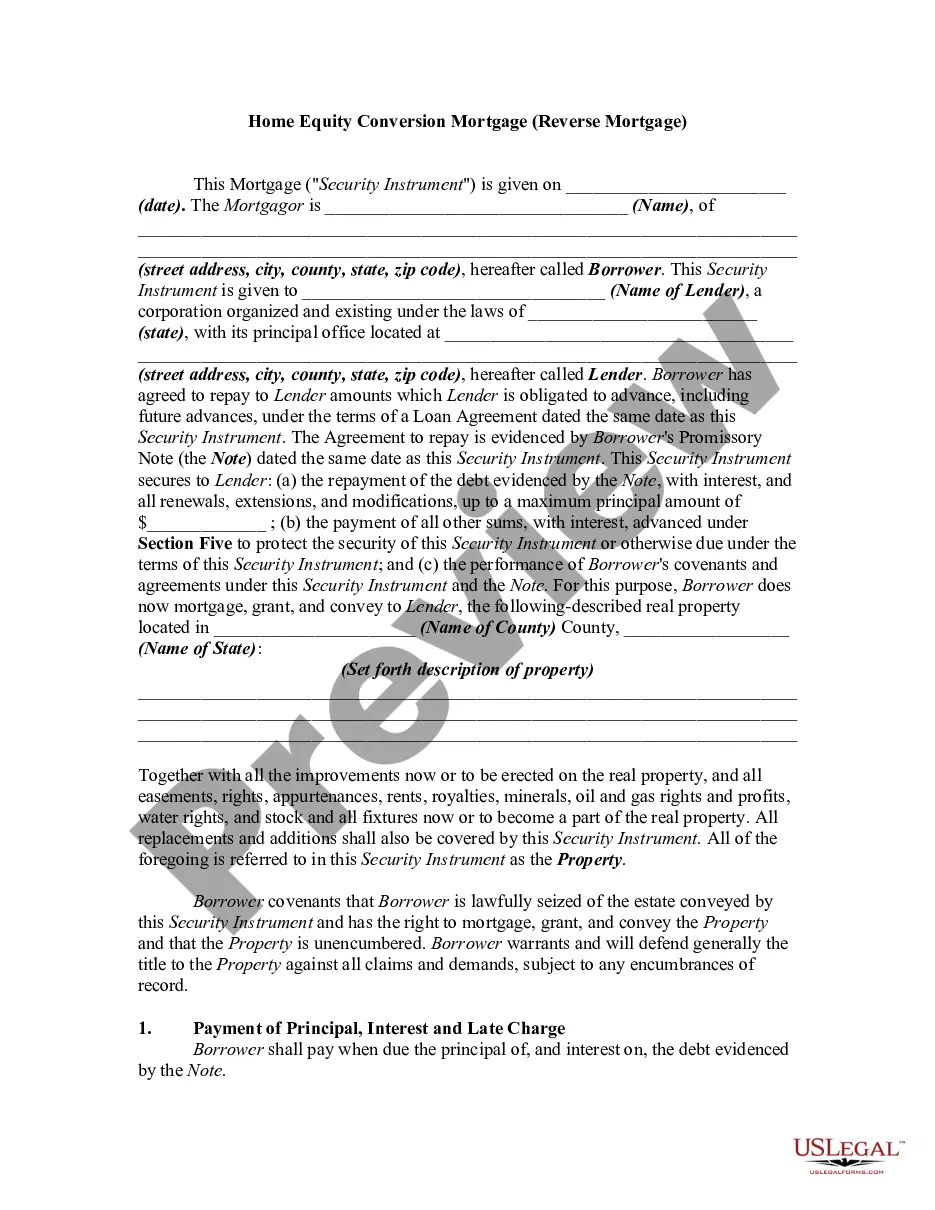
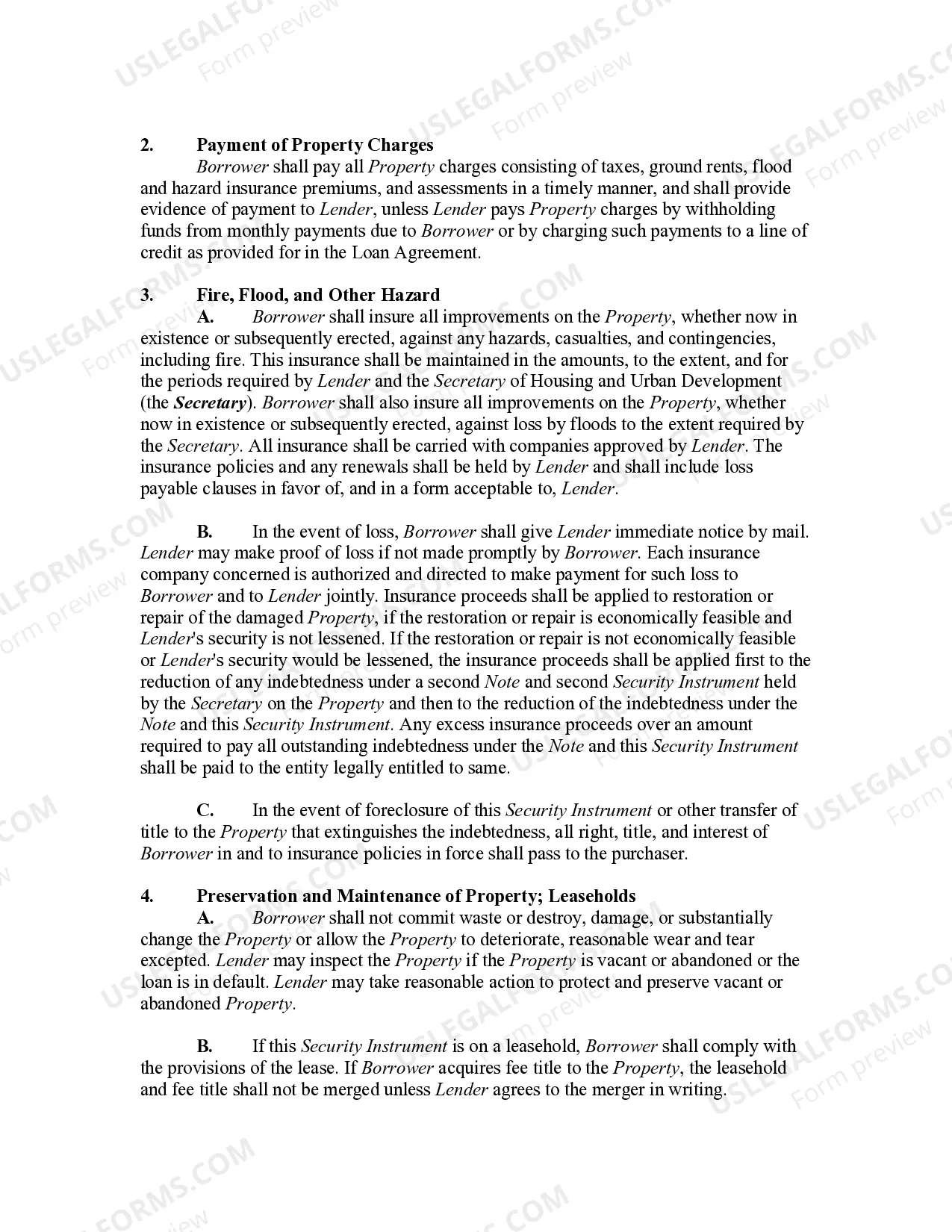
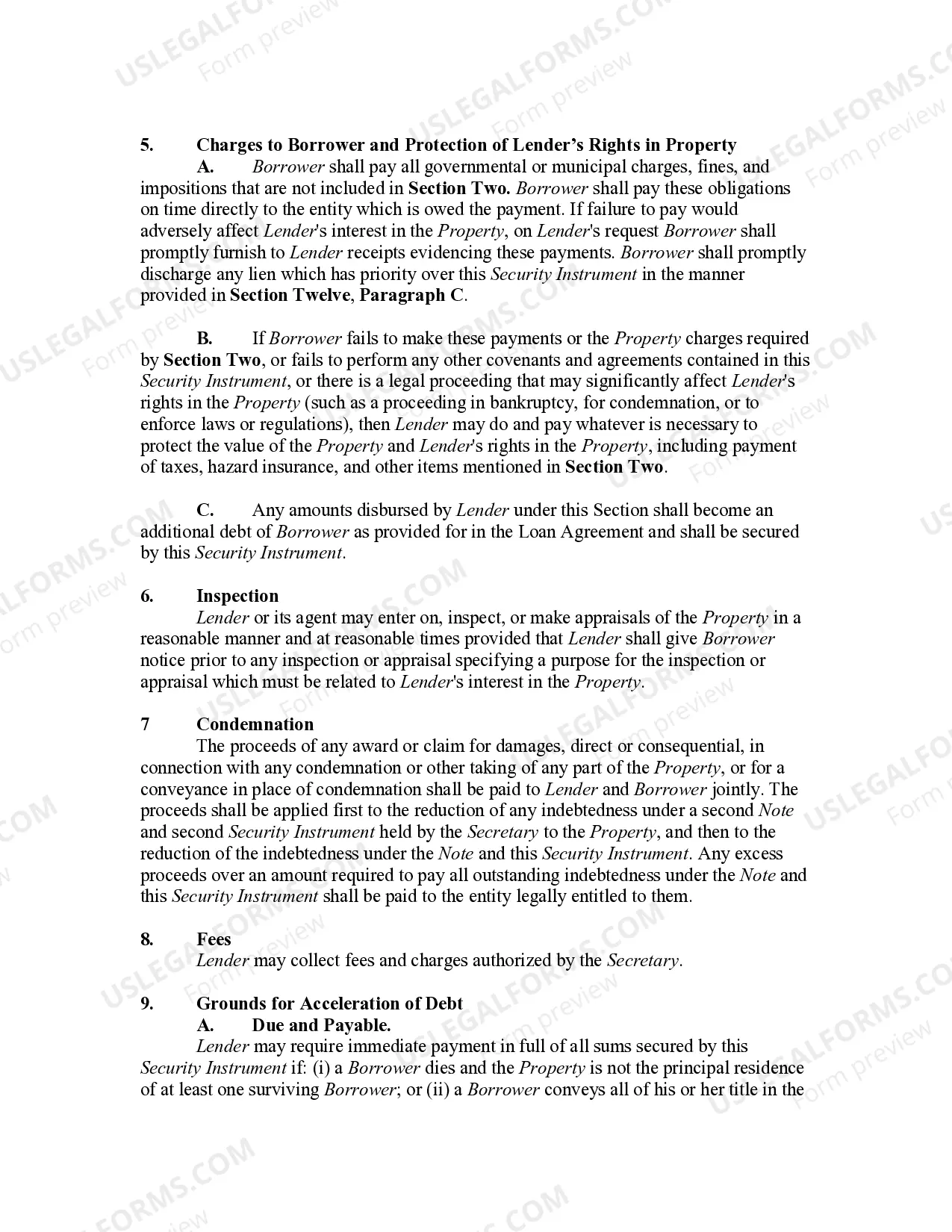
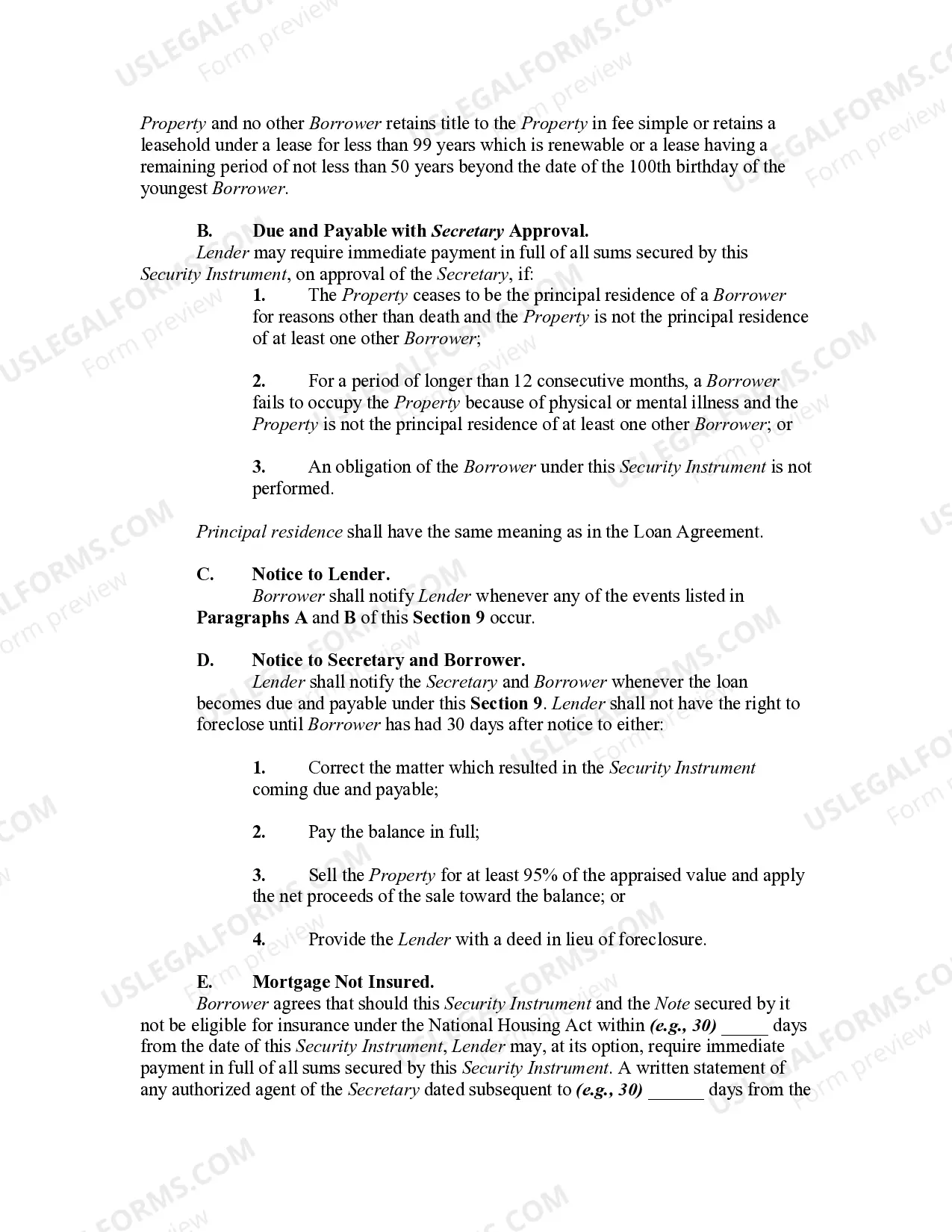
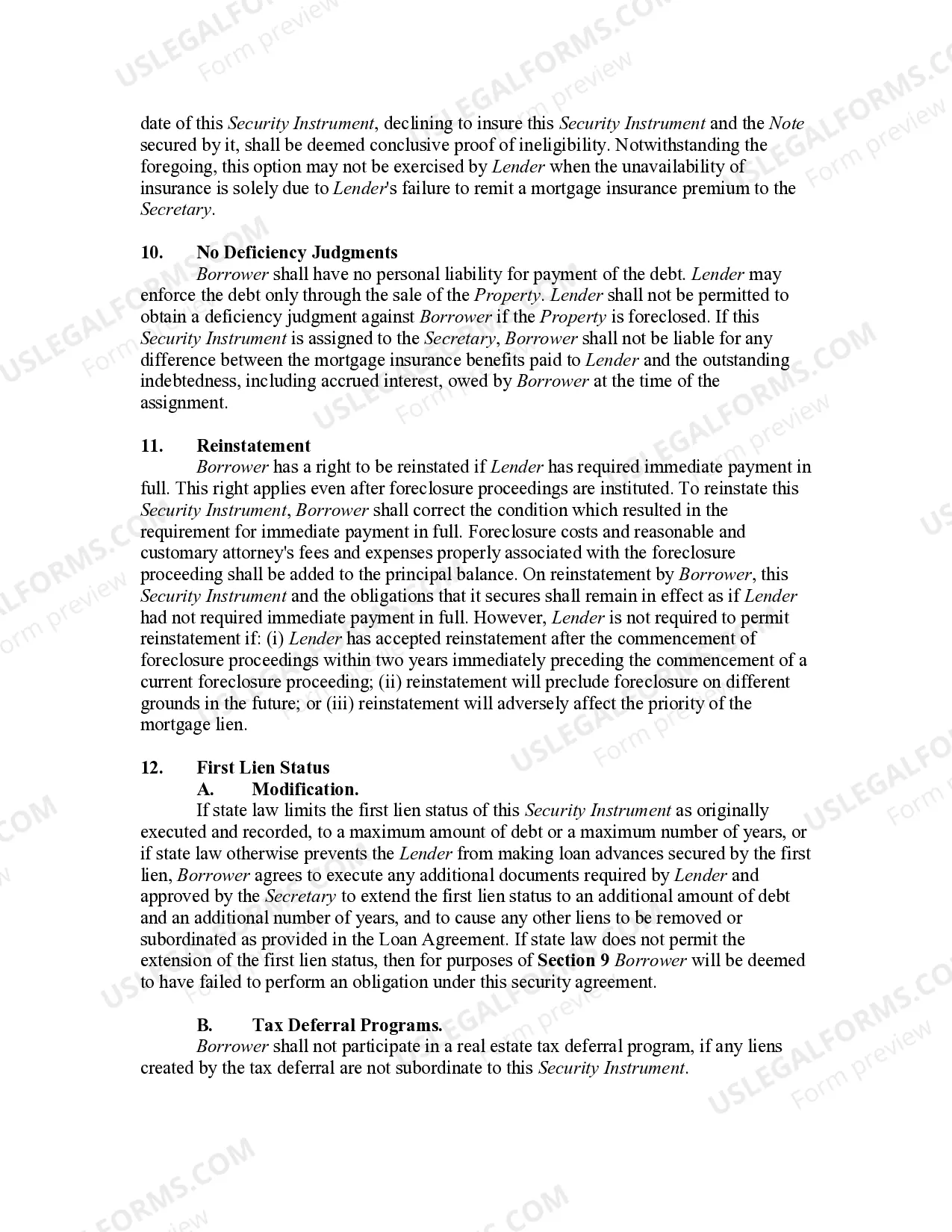
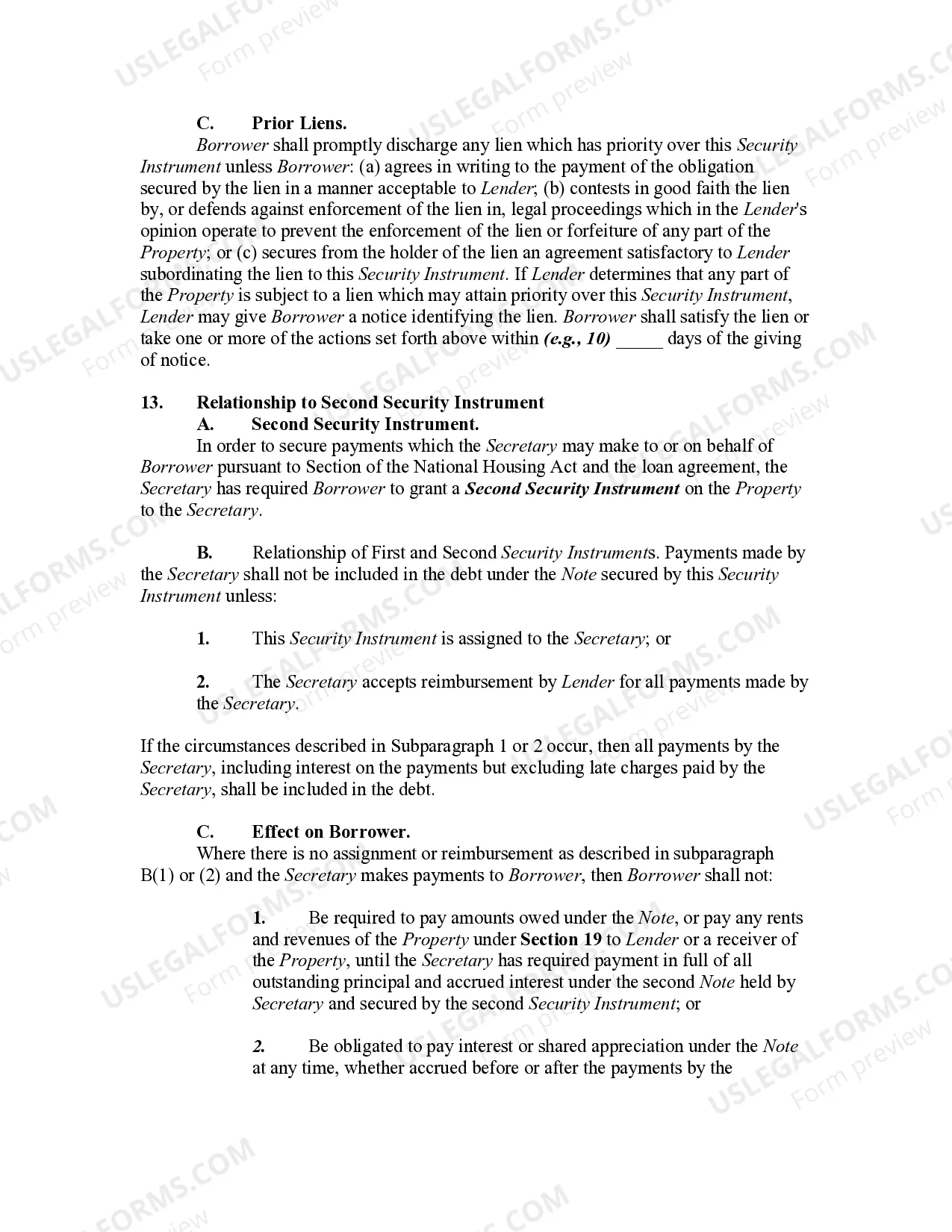
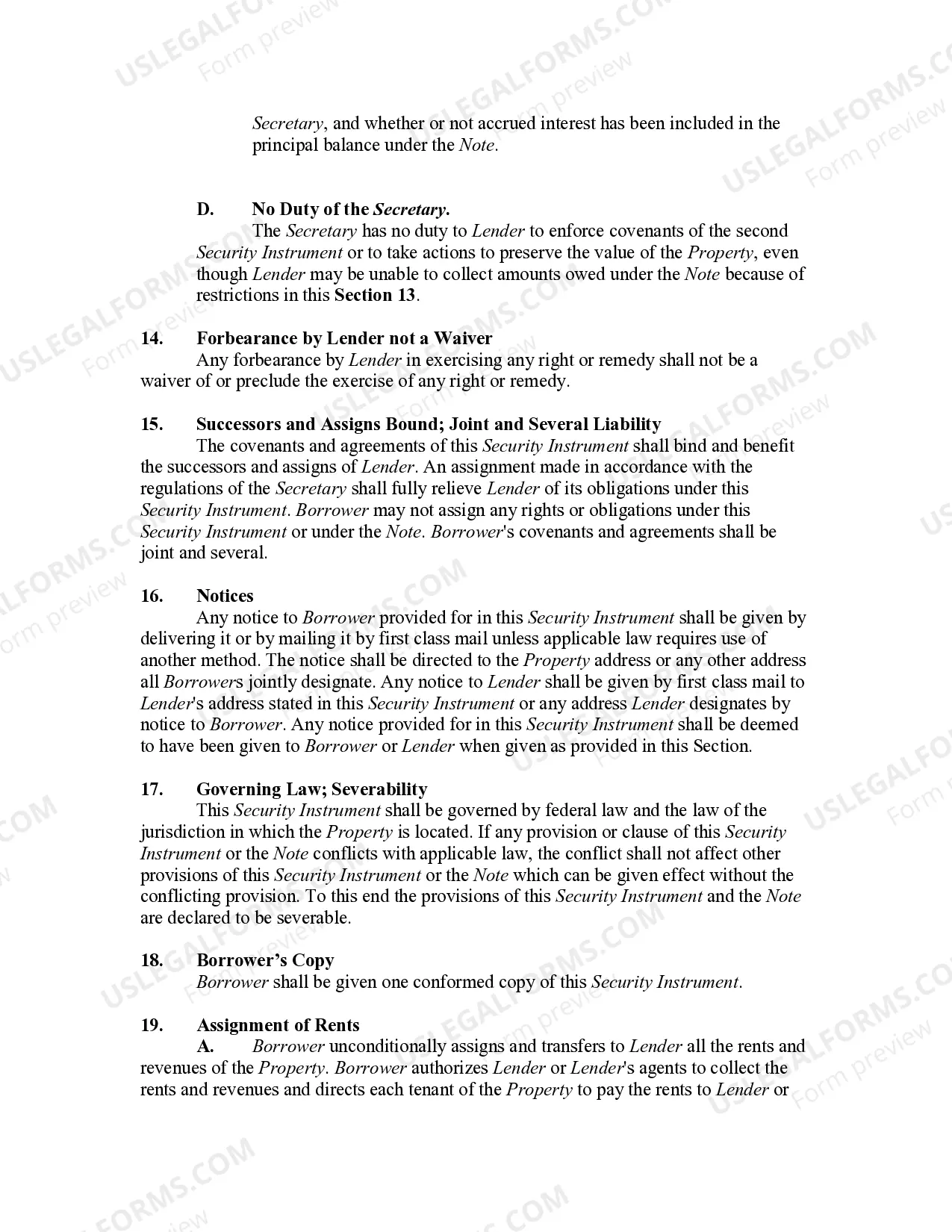
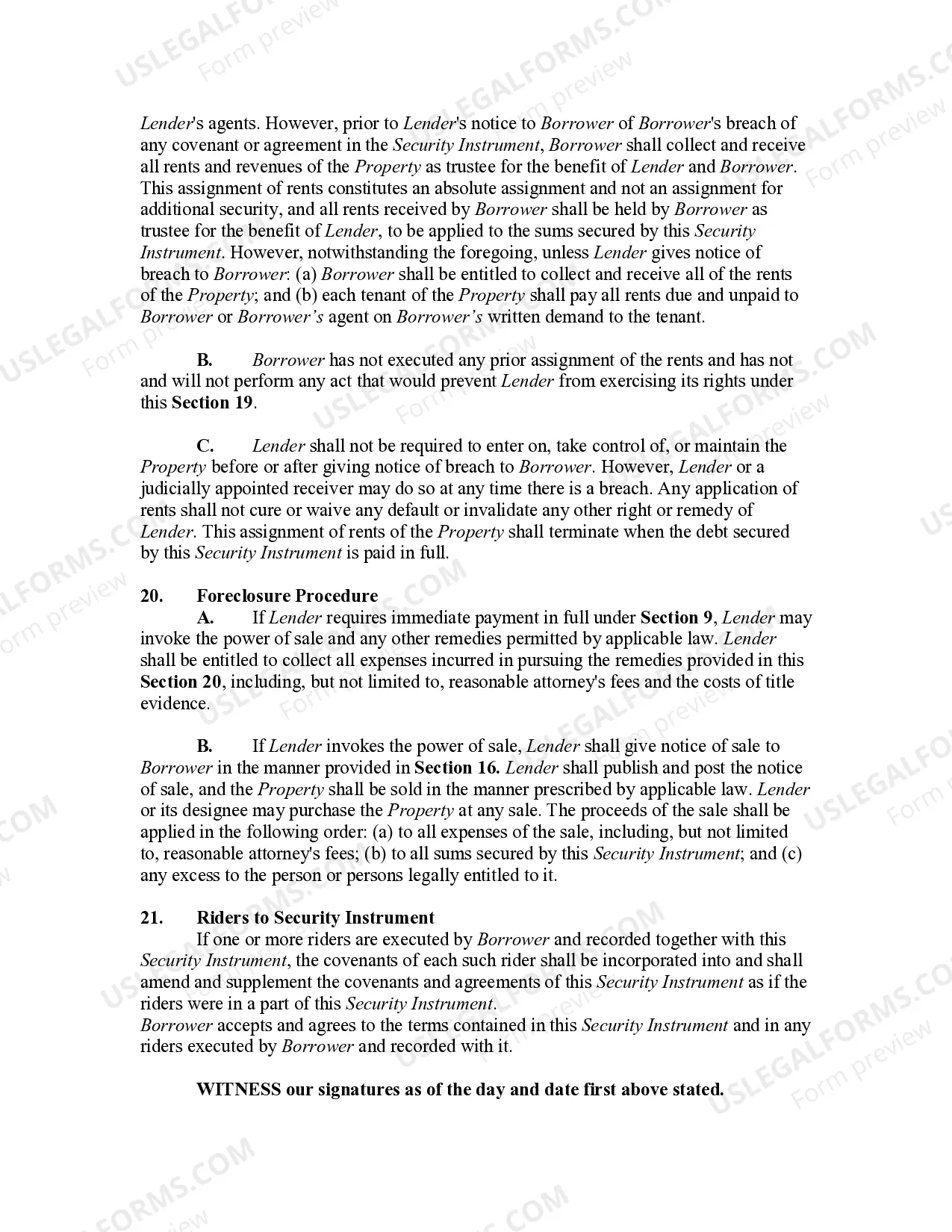



How to fill out Home Equity Conversion Mortgage - Reverse Mortgage?
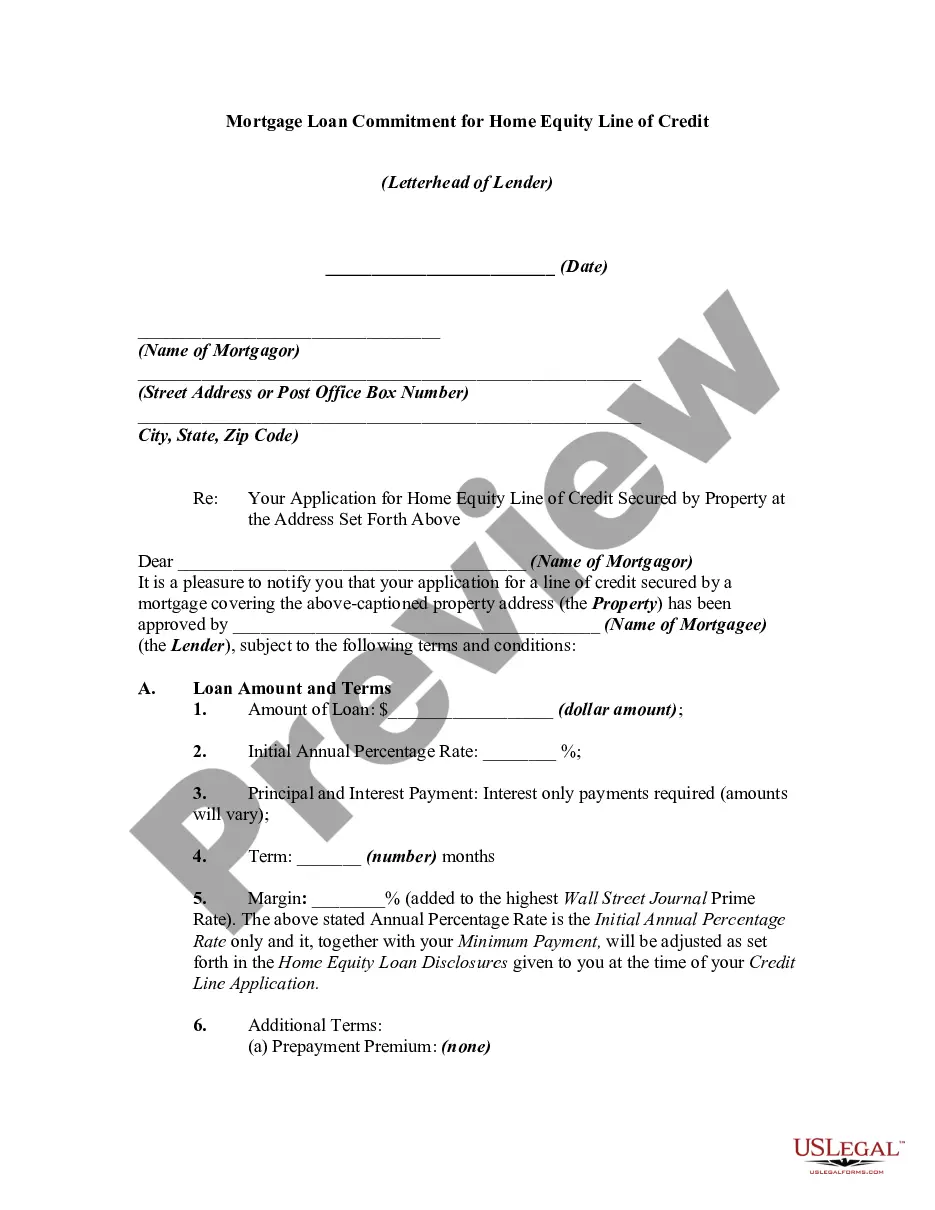
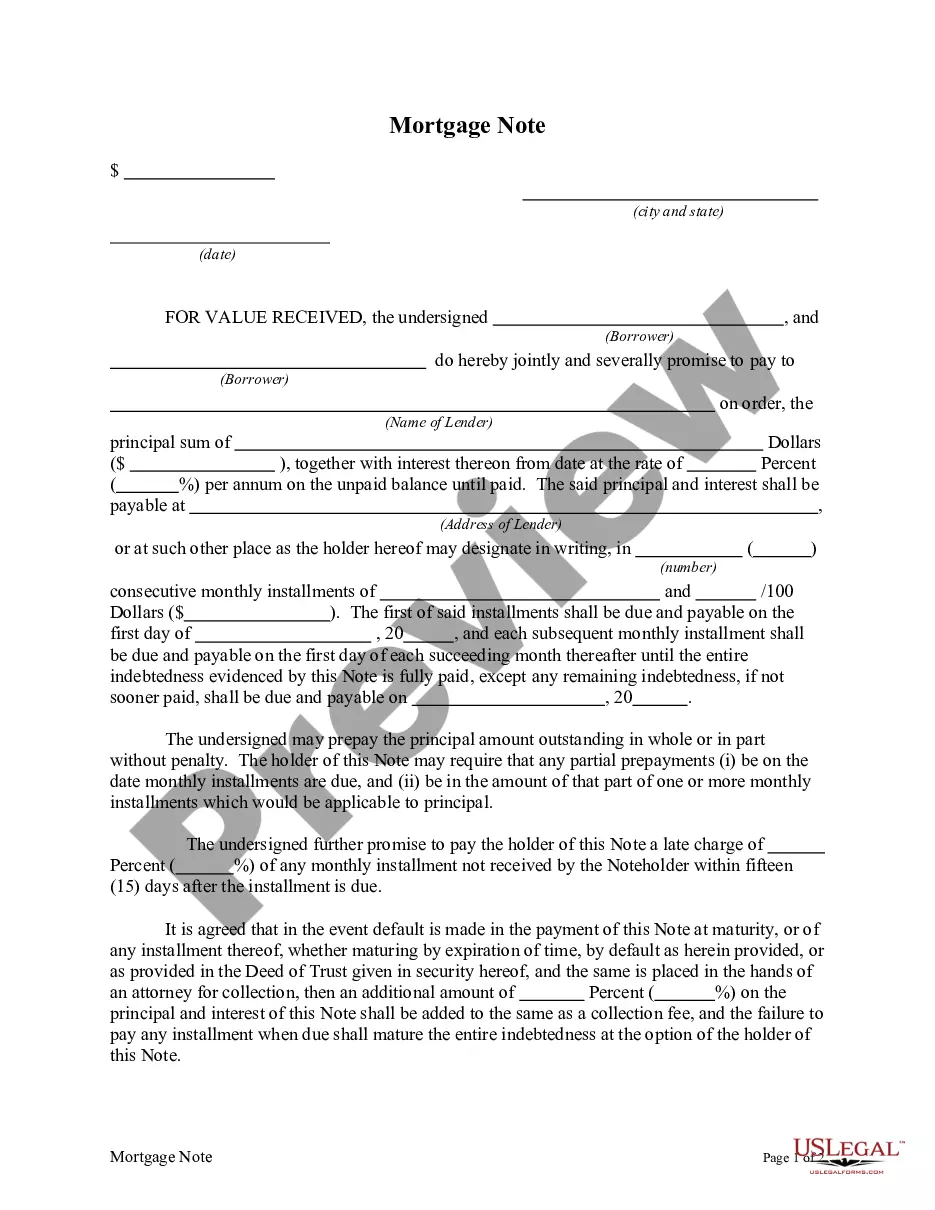
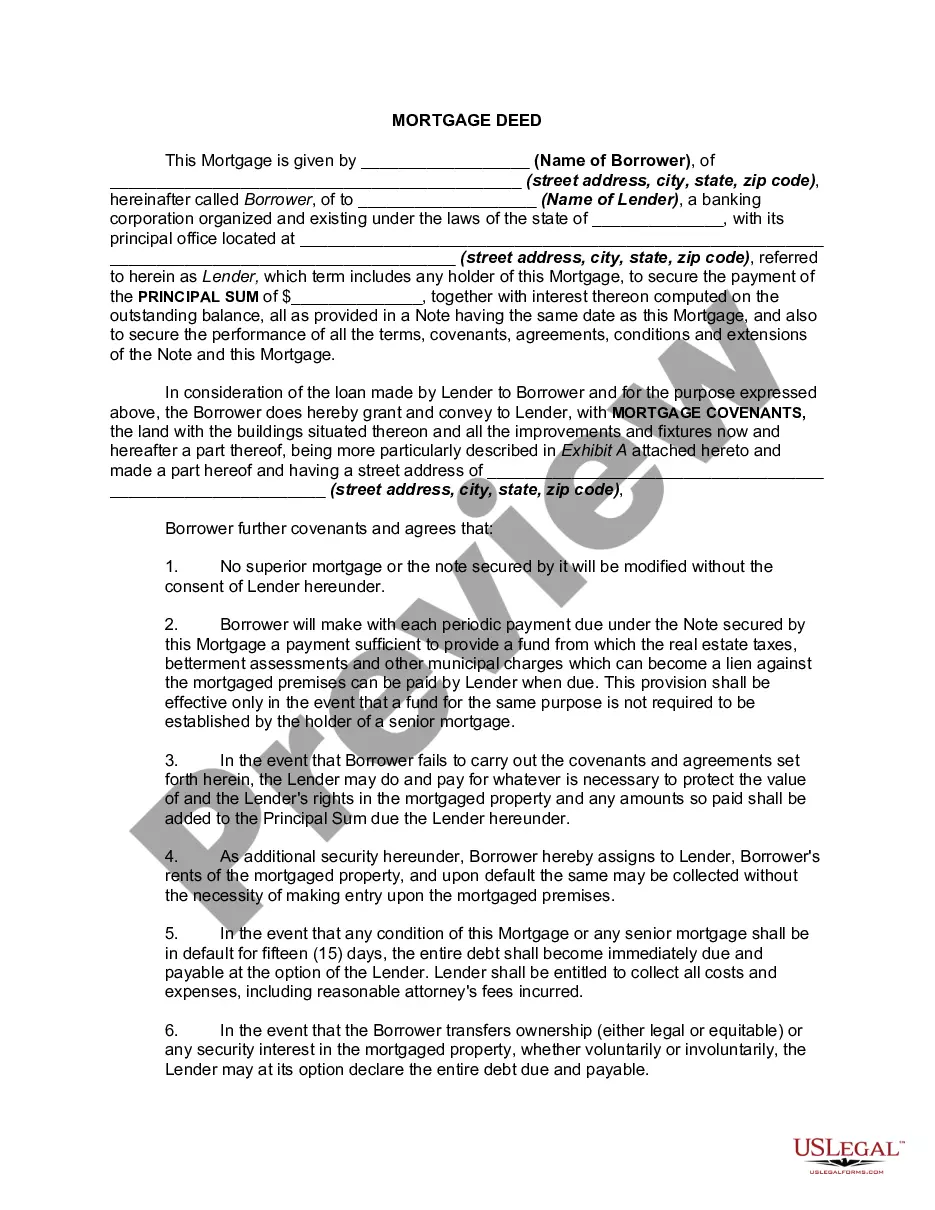
The Home Equity Reverse Withdrawal Definition presented on this page is a reusable legal framework crafted by expert attorneys in accordance with national and local laws and regulations.
For over 25 years, US Legal Forms has supplied individuals, businesses, and lawyers with more than 85,000 verified, state-specific documents for various professional and personal needs. It’s the fastest, simplest, and most reliable method to acquire the necessary papers since the service ensures the utmost level of data security and malware prevention.
Use the same document again whenever required. Access the My documents tab in your profile to redownload any previously saved forms. Subscribe to US Legal Forms to have verified legal templates available for all of life's situations.
- Search for the document you need and review it.
- Browse through the file you searched and preview it or inspect the form description to confirm it meets your criteria. If it doesn’t, utilize the search bar to find the right one. Click on Buy Now when you have found the template you need.
- Choose a pricing plan that fits your needs and create an account. Use PayPal or a credit card for a swift payment. If you already have an account, Log In and check your subscription to proceed.
- Select the format you desire for your Home Equity Reverse Withdrawal Definition (PDF, DOCX, RTF) and download the sample to your device.
- Print the template to fill it out manually. Alternatively, employ an online multifunctional PDF editor to quickly and accurately complete and sign your form digitally.
Form popularity
FAQ
The downside of a reverse mortgage often includes the potential for increased debt over time. As interest accumulates, the amount owed can grow, reducing the equity in your home. Understanding the home equity reverse withdrawal definition is crucial, as this can impact your financial future. Additionally, homeowners must continue paying property taxes and insurance, which can be a burden for some.
The main difference between HECM and a reverse mortgage is that HECM is a government-insured option, while reverse mortgages can be privately offered. HECMs follow stricter guidelines and provide more protections for homeowners. By opting for a HECM, you get access to standardized terms and safeguards that many private options do not offer.
When considering HECM versus a reverse mortgage, it helps to know that HECM stands for Home Equity Conversion Mortgage, which is a specific type of reverse mortgage. HECMs are federally insured and provide more flexible payout options for homeowners. For many, the government backing and terms of HECMs offer a safer choice compared to other reverse mortgage products.
Many banks hesitate to recommend reverse mortgages due to inherent risks and costs associated with them. Banks are concerned about the potential impact on borrowers' heirs, as loans must be repaid upon the homeowner's passing. Additionally, the fees and interest rates can be higher compared to traditional mortgages, which may not align with the best financial interests of their clients.
A reverse mortgage allows homeowners, typically those aged 62 and older, to access the equity in their home without selling it. Essentially, the lender provides funds based on your home’s equity, which you do not have to repay until you move out, sell, or pass away. This aligns closely with the home equity reverse withdrawal definition, enabling you to enhance your financial flexibility. If you need guidance, US Legal Forms offers valuable resources to help understand your options.
The monthly payment for a $50,000 home equity line of credit depends on various factors, including the interest rate and the repayment terms. Typically, this could involve interest-only payments during the draw period, transitioning to principal plus interest afterward. Understanding the home equity reverse withdrawal definition will help you budget effectively. You can use an online calculator for more precise estimates tailored to your situation.
10 Tough Questions to Ask your Aging Parents What is your health insurance coverage? ... What health issues are you most concerned about for the future? ... Where would you prefer to live if you were no longer able to stay in your home? ... What level of care would you want if you became seriously ill?
Some points to consider when caring for your parents: Clarify caregiving with your family. Put in writing family members' caregiving roles, and stick to it. Don't forget about pets. Decide what to do with their pets if your parents need to move. Explore various care options. ... Meet with your parents' doctors regularly.
Elderly family means a family whose head or spouse or sole member is a person who is at least 62 years of age. It may include two or more persons who are at least 62 years of age living together, or one or more persons who are at least 62 years of age living with one or more live-in aides.
The Michigan Medicare/Medicaid Assistance Program (MMAP) is a statewide health insurance education counseling and assistance program which responds to the concerns of seniors regarding Medicare, Medicare Advantage, Medicaid, supplemental insurance, long-term care insurance, Medicare and Medicaid funds for long-term ...