Ejectio
Description
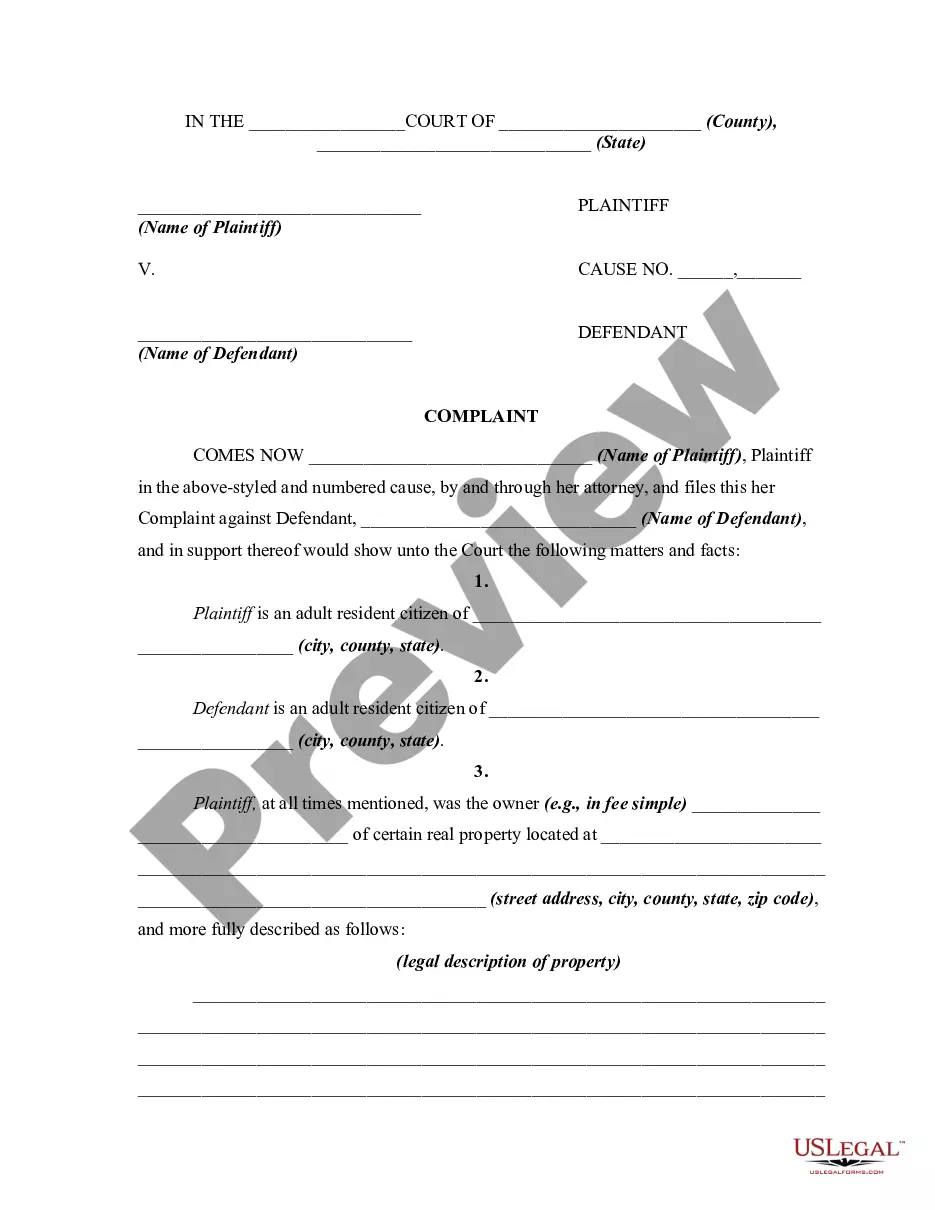
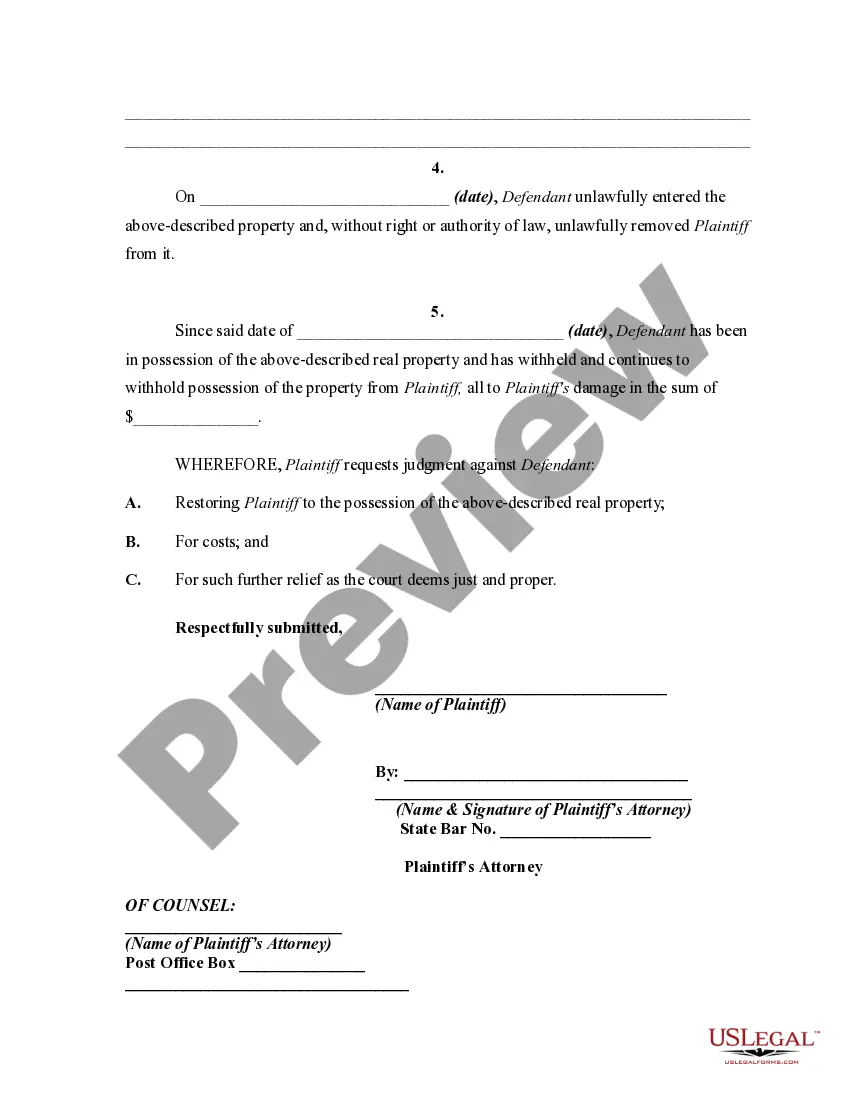
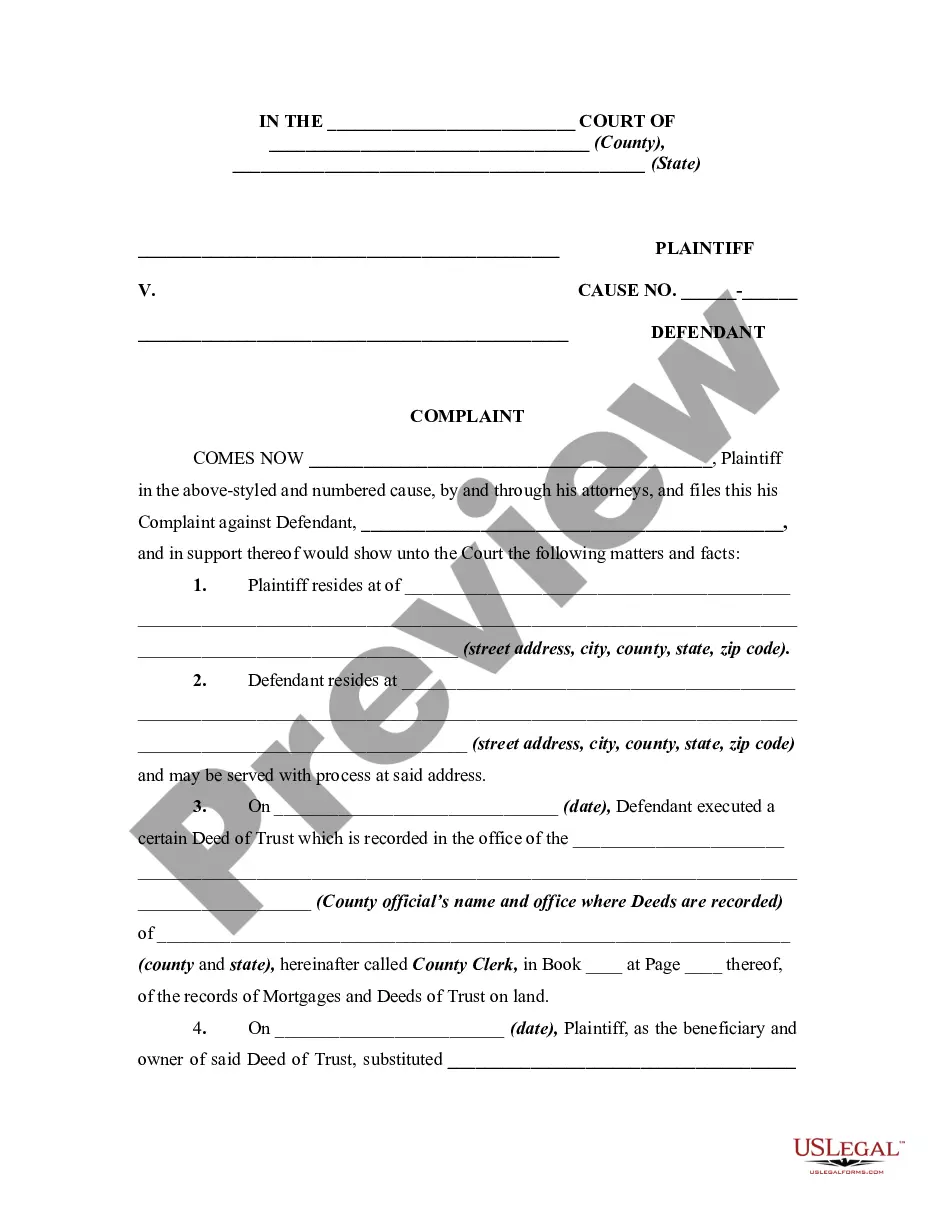
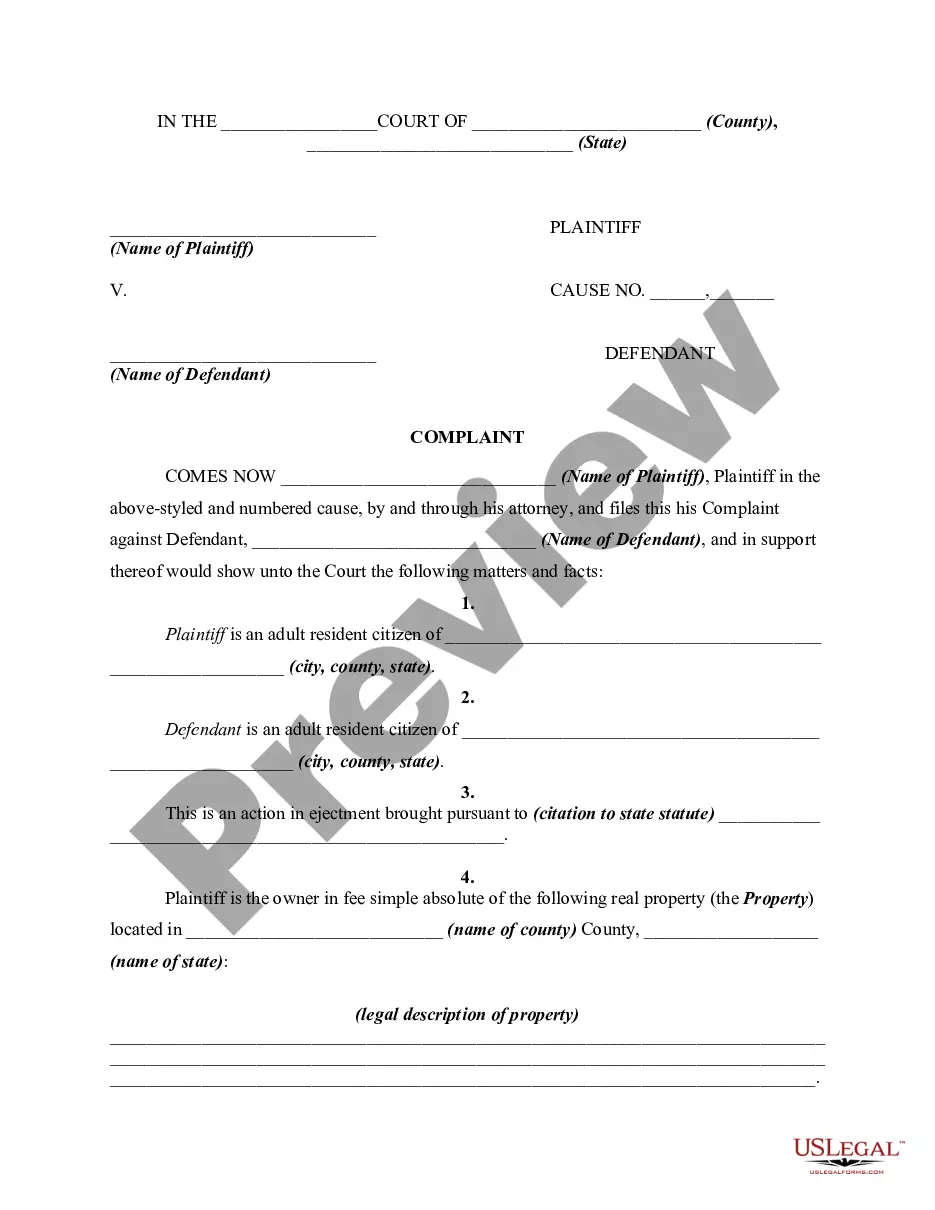
Get your form ready online
Our built-in tools help you complete, sign, share, and store your documents in one place.
Make edits, fill in missing information, and update formatting in US Legal Forms—just like you would in MS Word.
Download a copy, print it, send it by email, or mail it via USPS—whatever works best for your next step.
Sign and collect signatures with our SignNow integration. Send to multiple recipients, set reminders, and more. Go Premium to unlock E-Sign.
If this form requires notarization, complete it online through a secure video call—no need to meet a notary in person or wait for an appointment.
We protect your documents and personal data by following strict security and privacy standards.

Make edits, fill in missing information, and update formatting in US Legal Forms—just like you would in MS Word.

Download a copy, print it, send it by email, or mail it via USPS—whatever works best for your next step.

Sign and collect signatures with our SignNow integration. Send to multiple recipients, set reminders, and more. Go Premium to unlock E-Sign.

If this form requires notarization, complete it online through a secure video call—no need to meet a notary in person or wait for an appointment.

We protect your documents and personal data by following strict security and privacy standards.
Looking for another form?


How to fill out General Form Of Complaint, Petition, Or Declaration For Ejectment?
- If you're a returning user, log in to your account and find your required Ejectio form template. Ensure your subscription remains active; consider renewing it if necessary.
- Review the form description and Preview mode to ensure it aligns with your specific needs and local jurisdiction requirements.
- If the current template isn’t suitable, utilize the Search bar at the top to locate the correct Ejectio document.
- Select your chosen form and click the Buy Now button. Choose a subscription plan that works best for you and create an account for library access.
- Complete your purchase by entering your payment details, either through a credit card or your PayPal account.
- Once your payment is confirmed, download the Ejectio form to your device for completion. You can also revisit it anytime in the My Forms section of your profile.
US Legal Forms stands out with its extensive library of over 85,000 fillable legal documents, ensuring you find exactly what you need without hassle.
Don't let legal processes overwhelm you. Start using US Legal Forms today to access all the resources you need for your Ejectio documents!
Form popularity
FAQ
Ejected means being removed, often forcibly, from a particular environment or situation. This can refer to an action taken in sports, law, or personal interactions. Being informed about the meaning and implications of ejection helps you navigate situations where this might arise.
If someone is ejected, it typically indicates that they have been removed due to a violation of rules or regulations. This action can happen in sports, social events, or even legal instances. Understanding the significance of being ejected is vital to recognizing the potential repercussions involved.
An example of being ejected can occur when a referee removes a player from a game due to unsportsmanlike conduct. In legal terms, ejection can also refer to a tenant being expelled from a property. These scenarios illustrate how ejection can happen in various contexts.
If a player is ejected from a game, they must leave the playing area and cannot return for the remainder of that game. The team may face consequences, such as playing with fewer members. This action emphasizes the importance of understanding the rules and regulations governing the sport.
When someone is ejected, it means that they have been forcibly removed from a location or situation. This could occur in various settings, such as sports, events, or even legal environments. Being aware of the implications of being ejected helps you navigate your rights and obligations effectively.
In the human body, ejection typically refers to the process of expelling substances, such as air from the lungs or blood from the heart. This process is essential for functions like breathing and circulation. Proper understanding of bodily ejection is key to recognizing how our systems work together.
Ejection refers to the act of being removed or expelled from a place or situation. In various contexts, it can signify a physical removal, such as being ejected from an event or a game. Understanding ejection is crucial, especially in legal situations where rights and responsibilities may be affected.
Ejecting someone involves following the proper protocols set by your governing body, typically involving a clear verbal warning first. After assessing the situation and determining that ejection is necessary, communicate your decision firmly and calmly to the individual. Document the incident in an ejection report to ensure proper follow-up. For further guidance on the correct procedure, you may want to consult resources from USLegalForms.
To write an effective ejection report, start by recording the date and time of the incident. Provide a detailed account of the events leading to the ejection, referencing specific infractions or behaviors observed. Including testimonies or statements from witnesses can also strengthen your report. USLegalForms offers sample templates that can guide you in writing a comprehensive ejection report.
The compensation for OHSAA basketball officials varies based on experience, level of play, and assignment. On average, officials earn between $50 and $100 per game, depending on factors such as the game’s importance and the school’s budget. This earning potential can increase significantly for post-season and championship games. If you're considering becoming an official, familiarizing yourself with local compensation structures can help you plan accordingly.