Personal Account For Business
Description
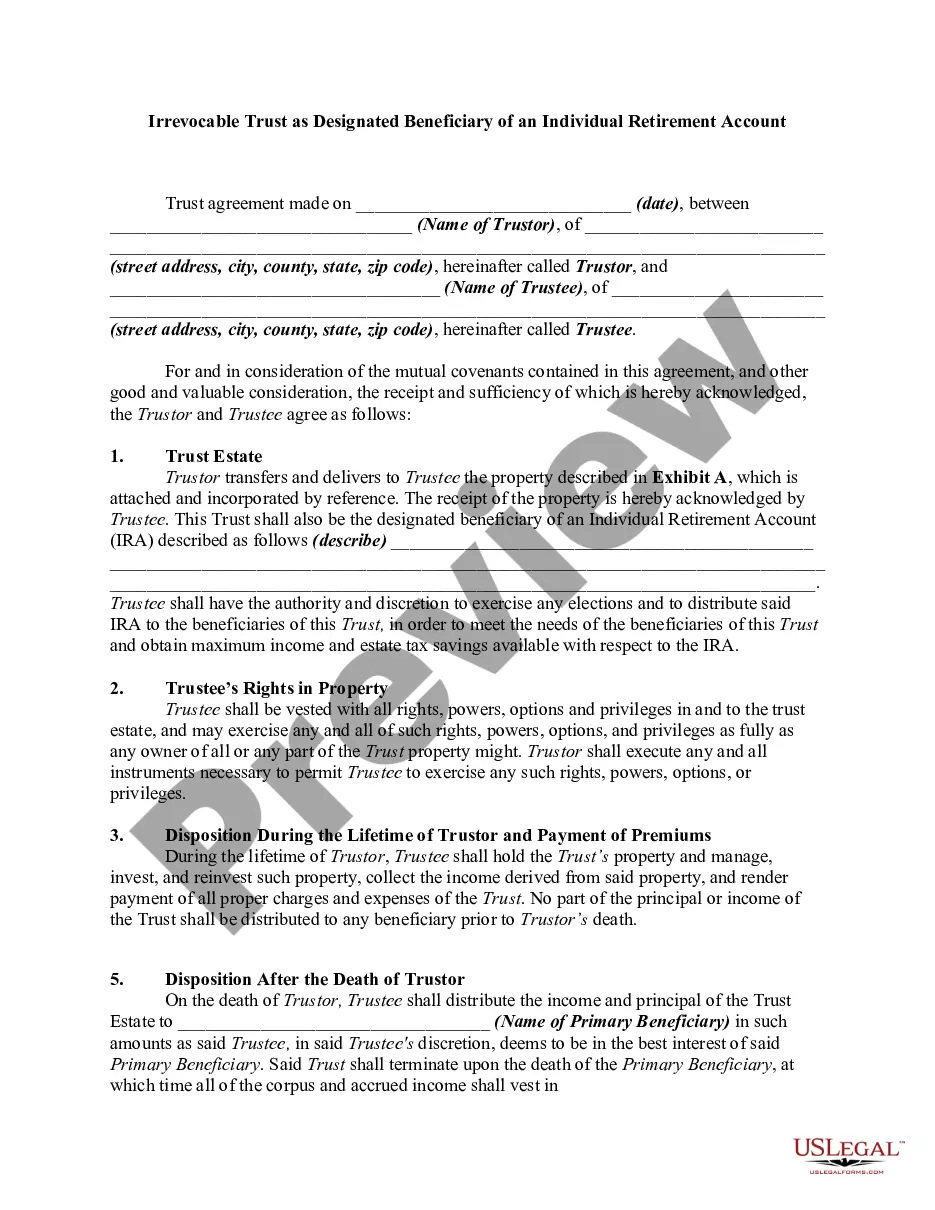
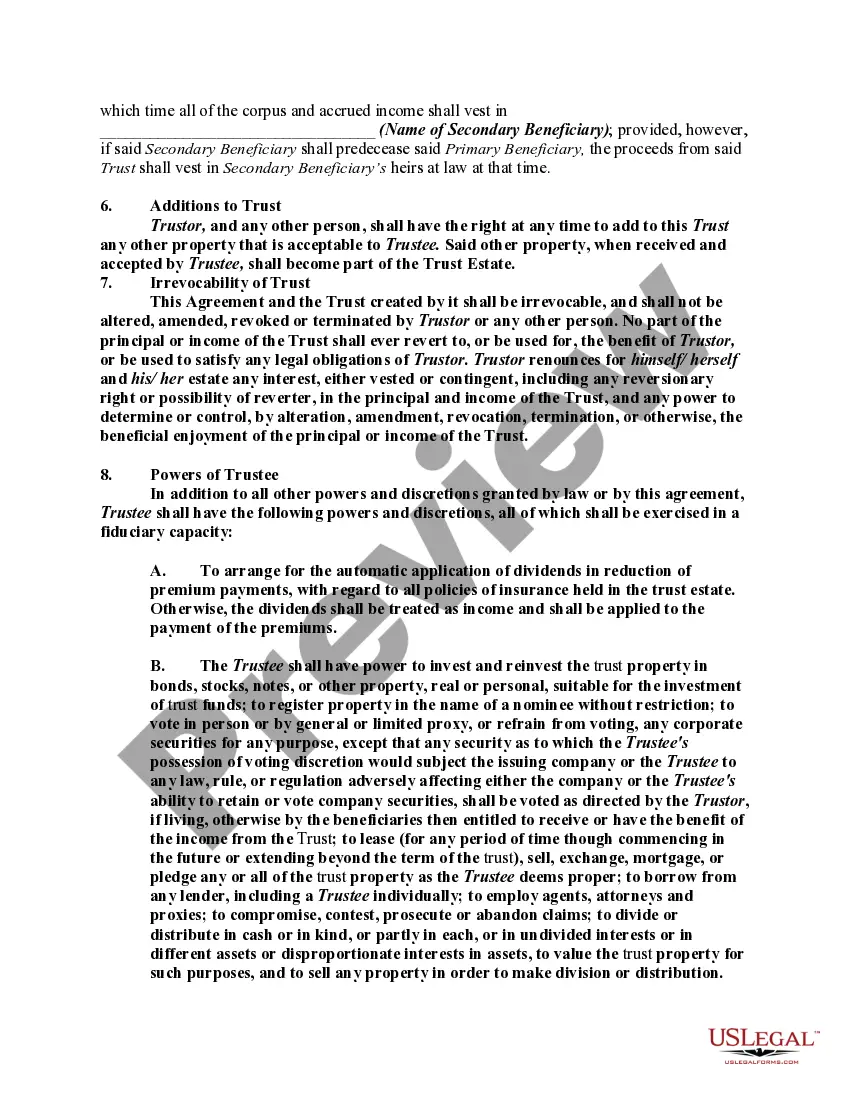
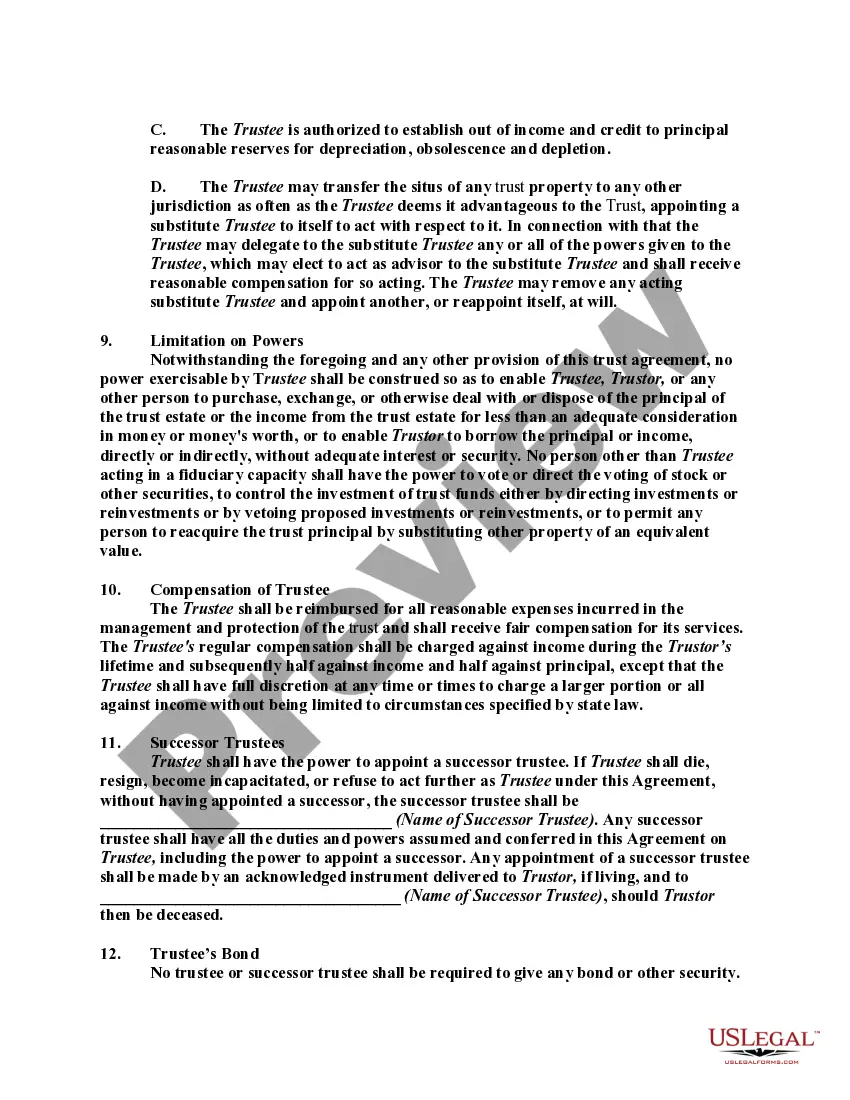
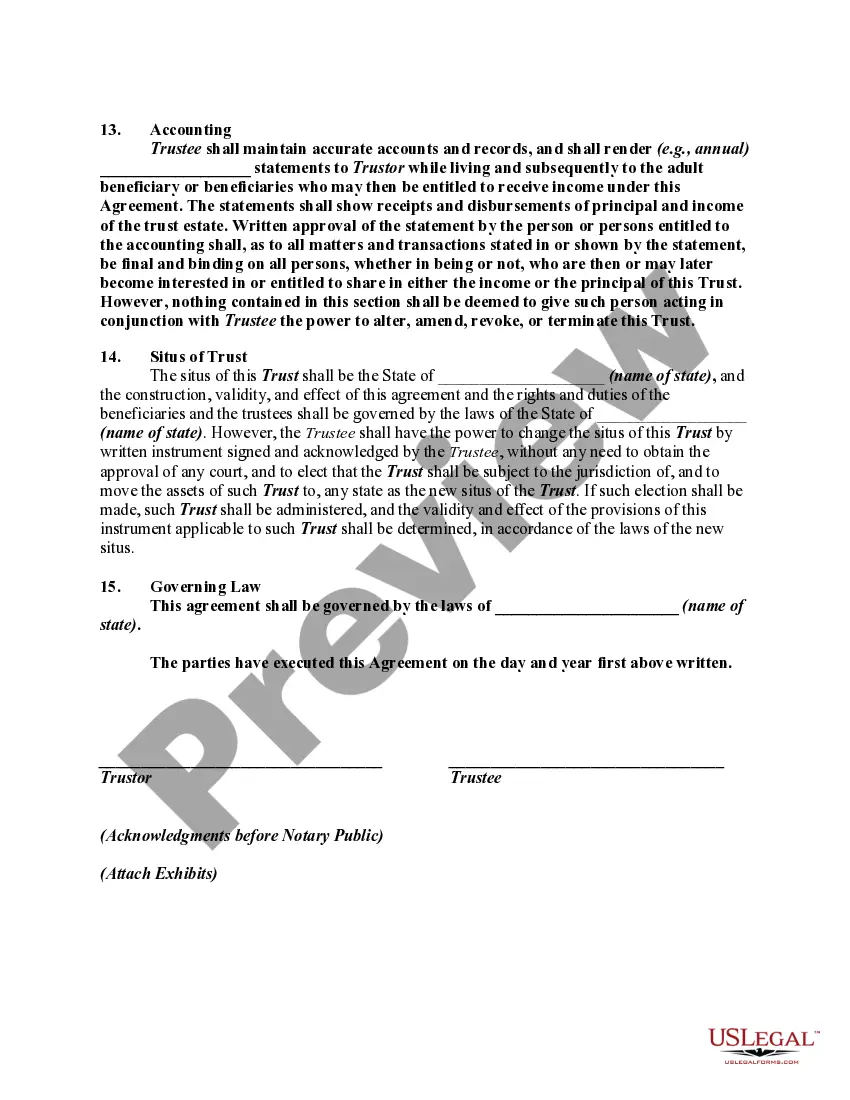

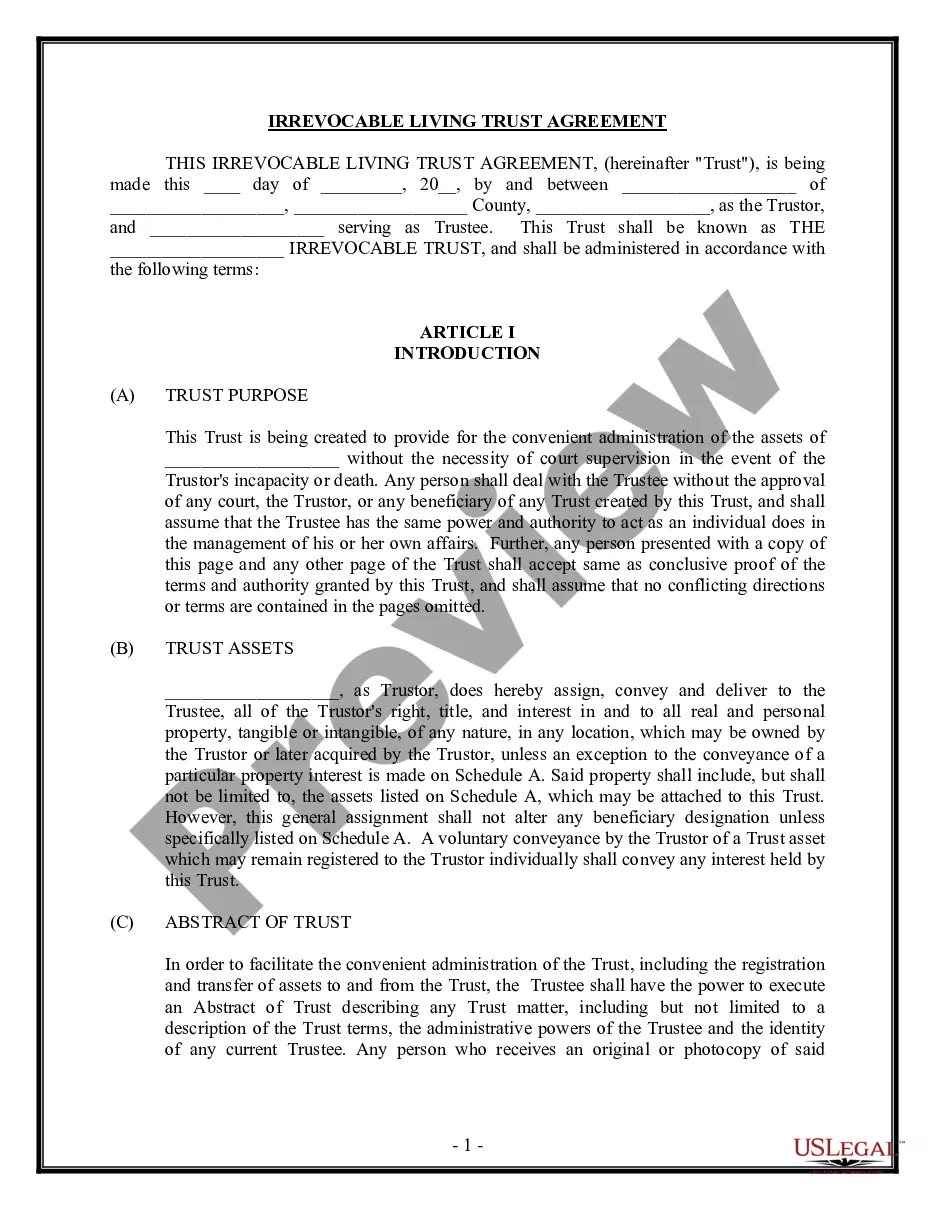
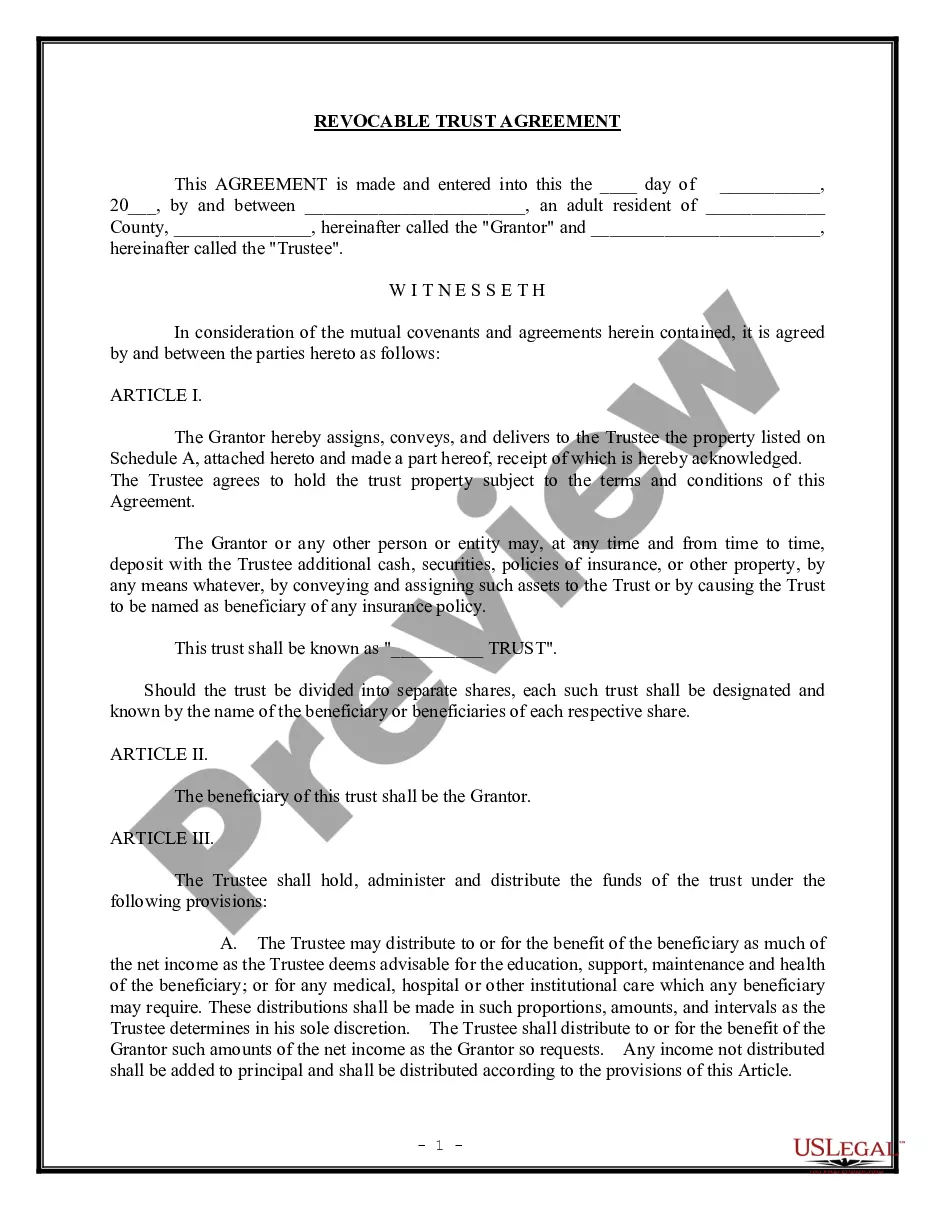
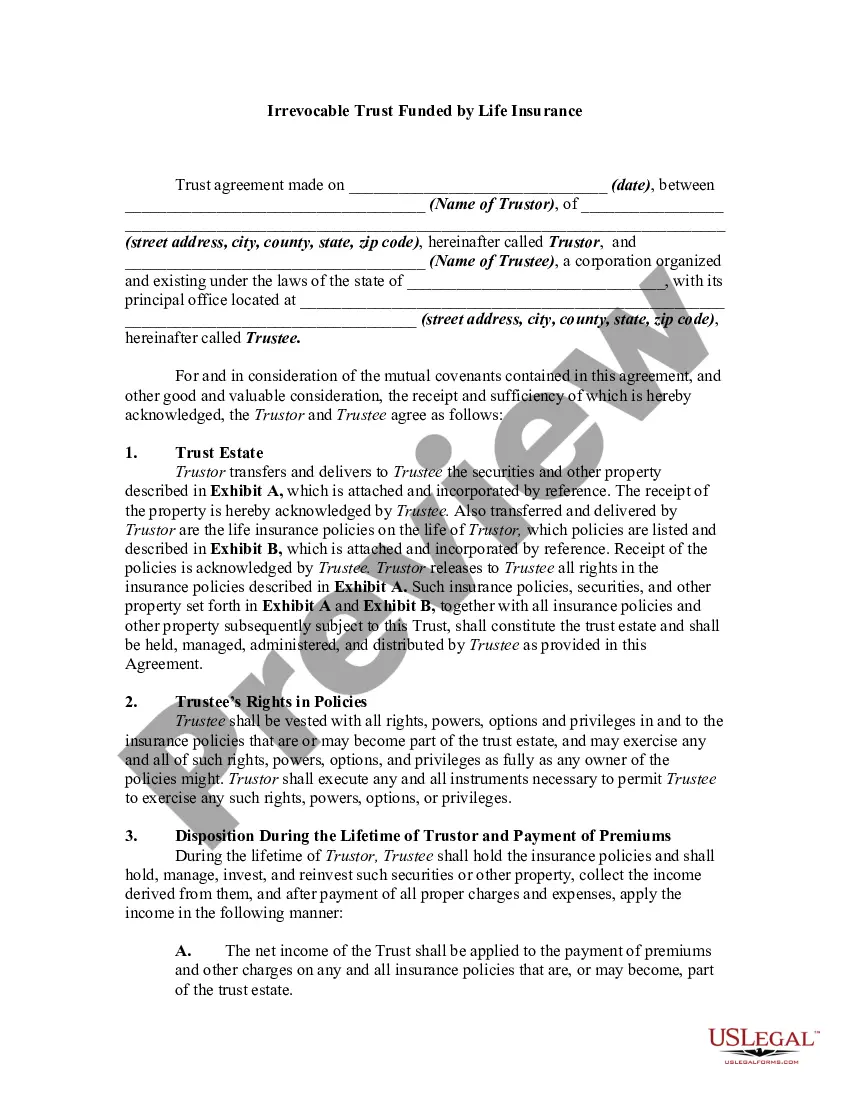
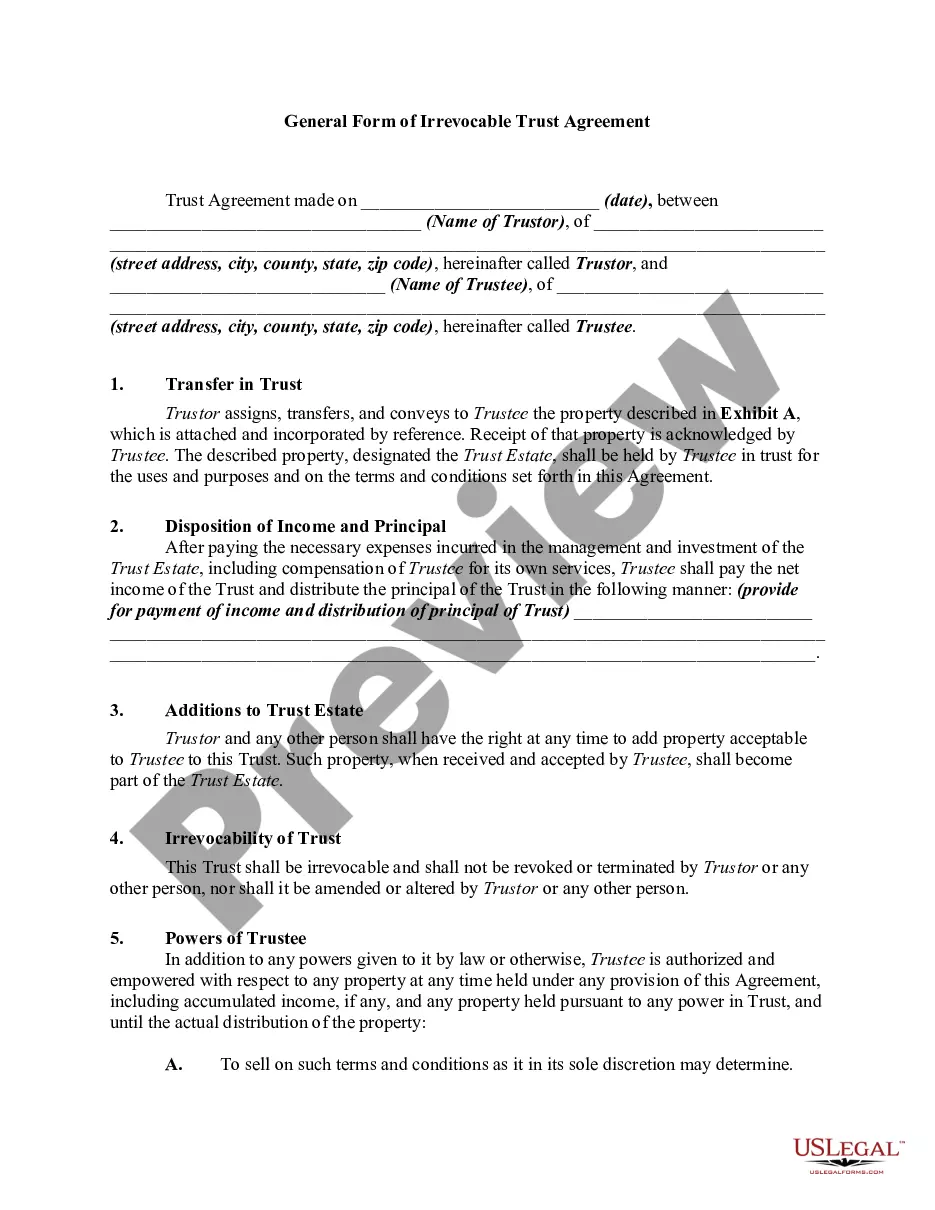
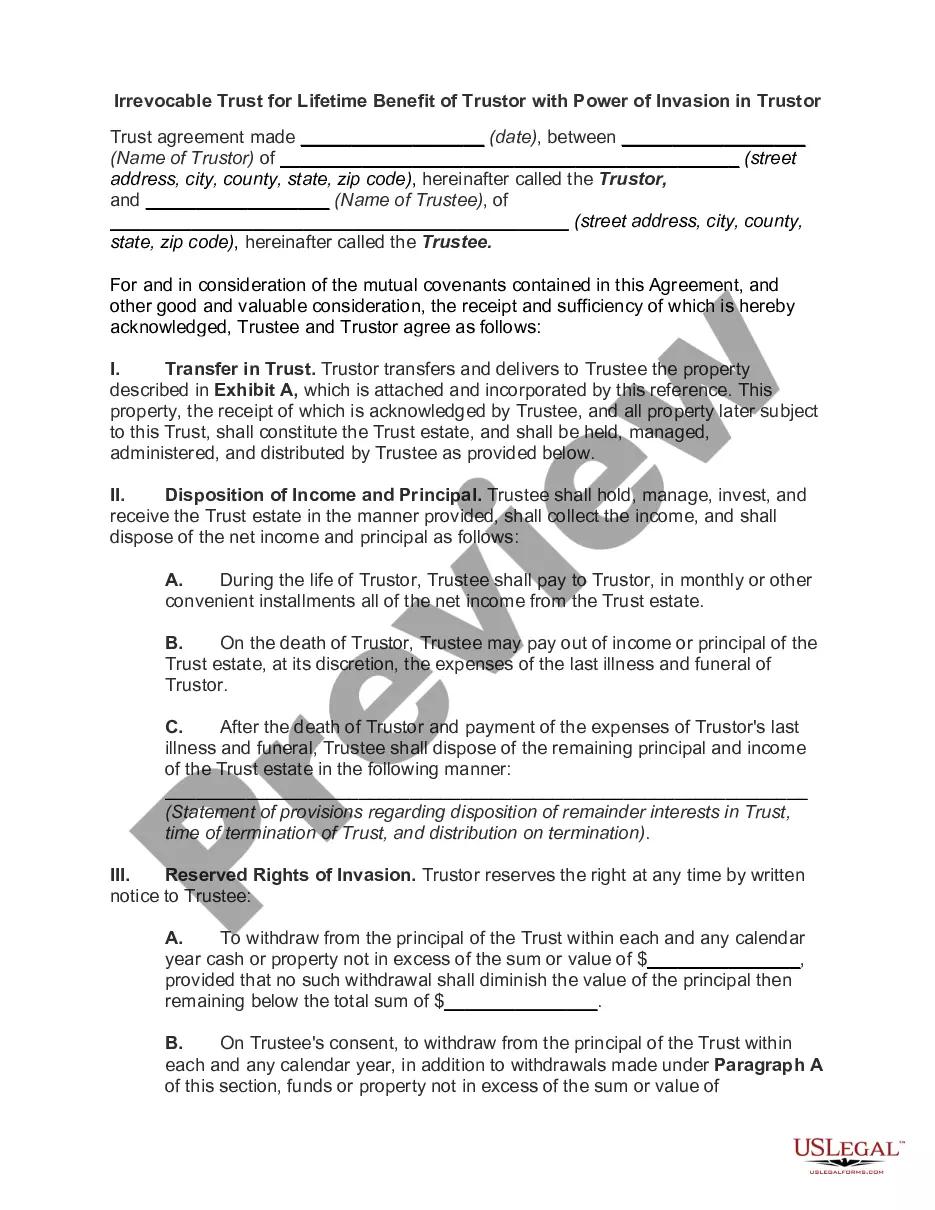
Get your form ready online
Our built-in tools help you complete, sign, share, and store your documents in one place.
Make edits, fill in missing information, and update formatting in US Legal Forms—just like you would in MS Word.
Download a copy, print it, send it by email, or mail it via USPS—whatever works best for your next step.
Sign and collect signatures with our SignNow integration. Send to multiple recipients, set reminders, and more. Go Premium to unlock E-Sign.
If this form requires notarization, complete it online through a secure video call—no need to meet a notary in person or wait for an appointment.
We protect your documents and personal data by following strict security and privacy standards.

Make edits, fill in missing information, and update formatting in US Legal Forms—just like you would in MS Word.

Download a copy, print it, send it by email, or mail it via USPS—whatever works best for your next step.

Sign and collect signatures with our SignNow integration. Send to multiple recipients, set reminders, and more. Go Premium to unlock E-Sign.

If this form requires notarization, complete it online through a secure video call—no need to meet a notary in person or wait for an appointment.

We protect your documents and personal data by following strict security and privacy standards.
Looking for another form?
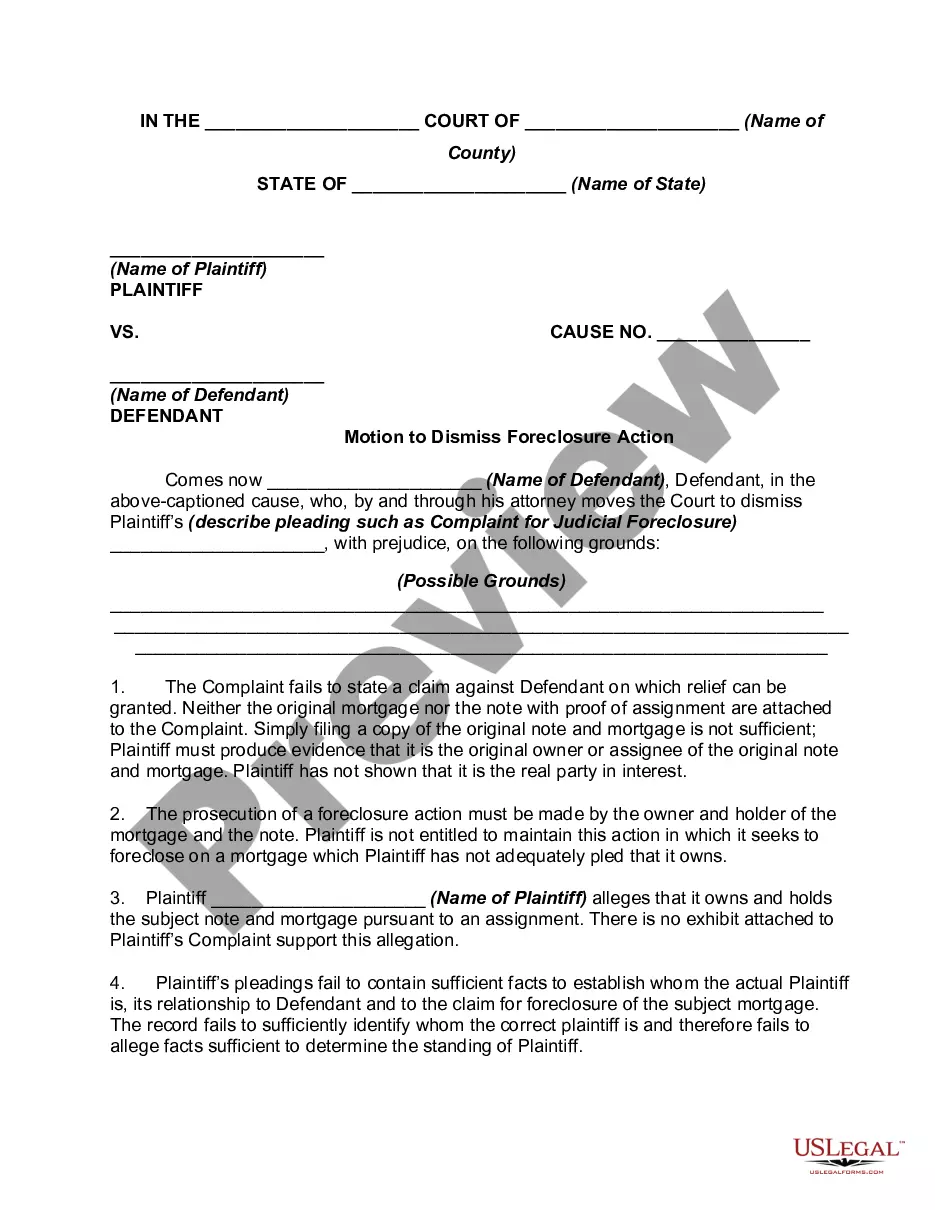



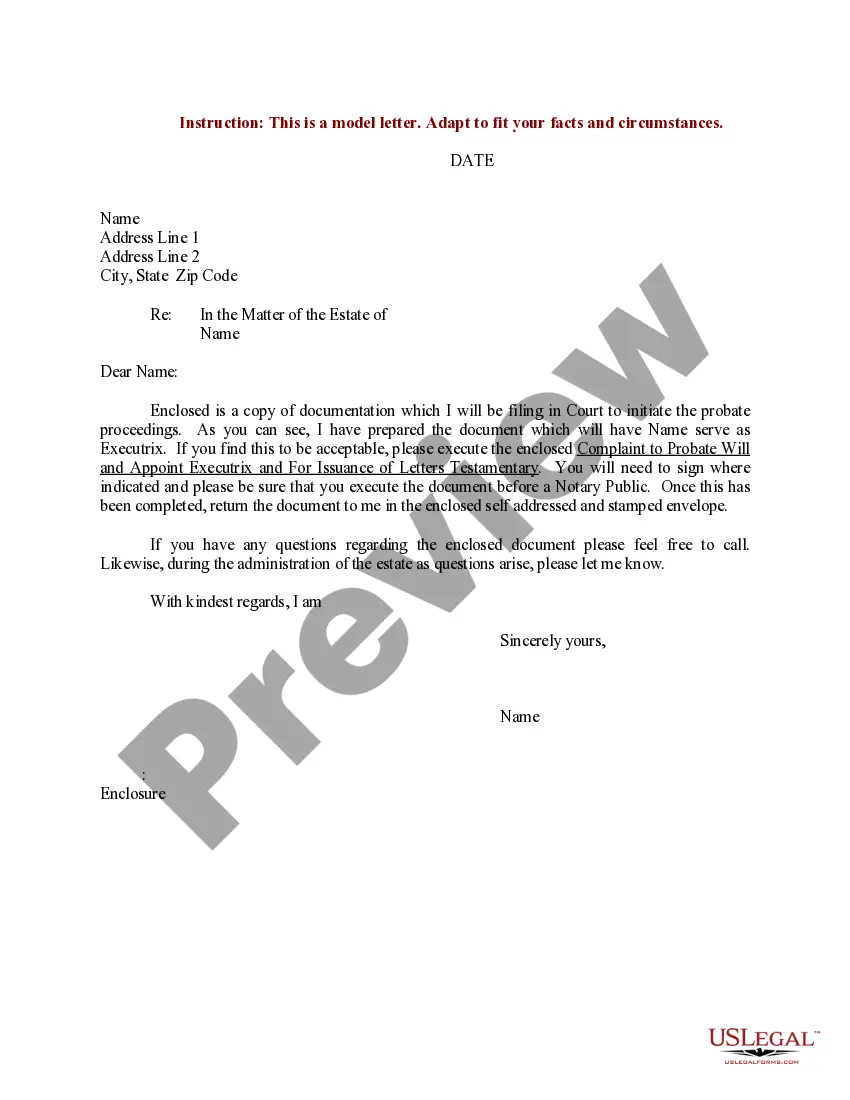
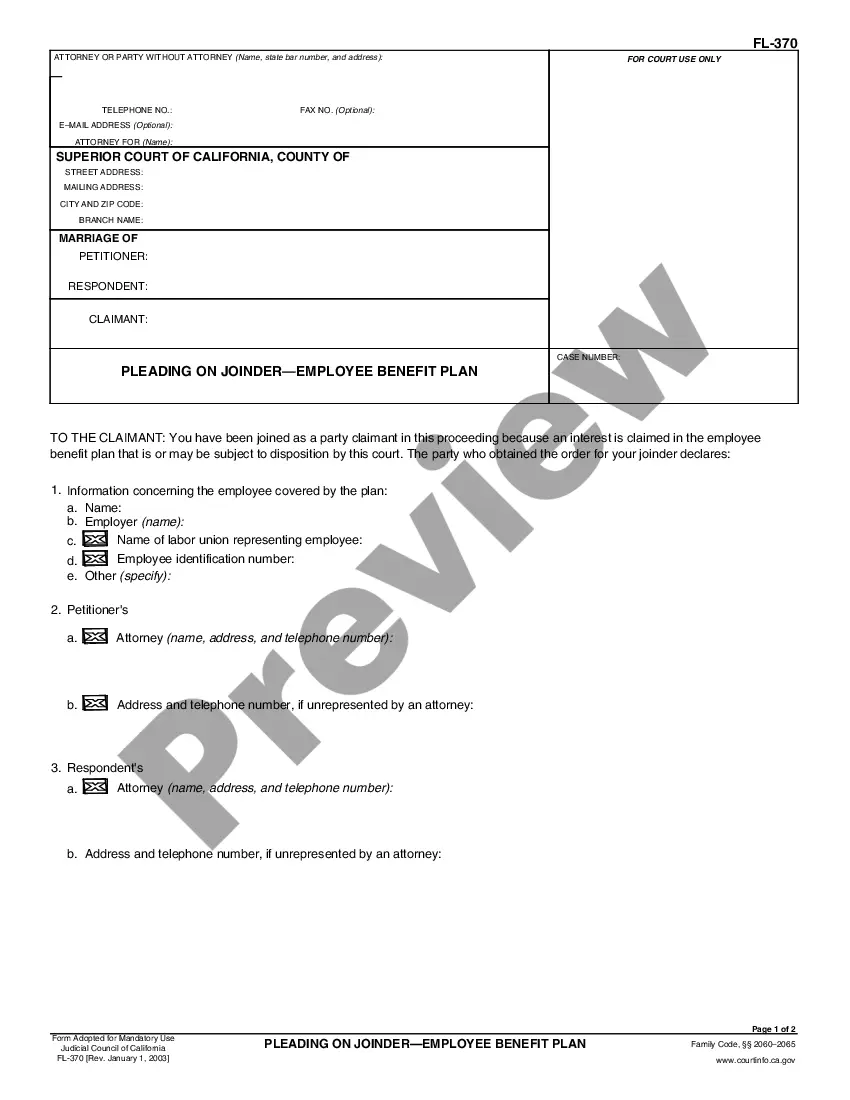

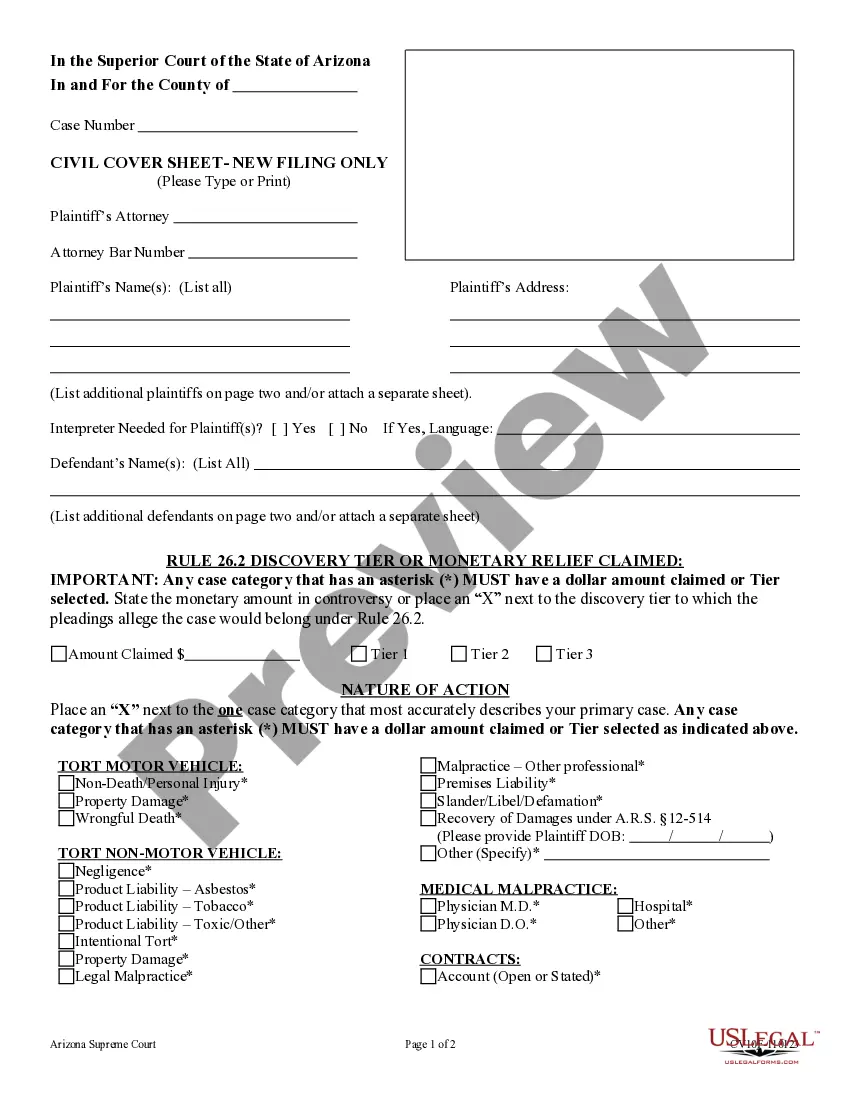
How to fill out Irrevocable Trust As Designated Beneficiary Of An Individual Retirement Account?
Regardless of whether it’s for commercial reasons or personal issues, every individual will eventually encounter legal matters at some point in their life.
Filling out legal documents requires meticulous care, starting with selecting the appropriate form template.
With an extensive catalog from US Legal Forms available, you won’t have to waste time searching for the correct template online. Utilize the library’s user-friendly navigation to locate the appropriate form for any situation.
- Obtain the sample you require by utilizing the search bar or browsing the catalog.
- Review the description of the form to confirm it meets your needs, state, and locality.
- Click on the preview of the form to view it.
- If it’s not the correct form, return to the search functionality to locate the Personal Account For Business template you need.
- Download the template once it aligns with your requirements.
- If you have an existing US Legal Forms account, click Log in to access previously stored documents in My documents.
- If you don’t possess an account yet, you can acquire the form by clicking Buy now.
- Choose the appropriate pricing option.
- Complete the account registration form.
- Select your payment method: either a credit card or a PayPal account.
- Choose the file format you prefer and download the Personal Account For Business.
- After saving it, you can fill in the form using editing software or print it out and complete it by hand.
Form popularity
FAQ
You can use your personal bank account for all business transactions. However, many sole traders and small businesses that are not incorporated find it easier to track their business finances by opening dedicated sole trader bank accounts.
Ledger accounts that contain transactions related to individuals or other organizations with whom your business has direct transactions are known as personal accounts. Some examples of personal accounts are customers, vendors, salary accounts of employees, drawings and capital accounts of owners, etc.
Running your own business means dealing with day-to-day tasks, managing your finances, paperwork and so on. The last thing you want to deal with is a separate account in addition to operating your personal one. As a self-employed person, you can use your personal account for business expenses.
Can I Operate my Business with my Personal Bank Account? Yes, you can operate a sole proprietorship or an LLC using your personal bank account, but it isn't advisable. Sole proprietorships aren't required to have a separate business bank account unless they trade using a fictitious DBA name (doing business as).
While it's technically possible to use a personal bank account for business transactions as a sole trader, it's advisable to open a separate business bank account. This separation ensures compliance with tax regulations, facilitates financial clarity, helps build your business credit and simplifies auditing processes.