Settlement Agreement Breach With Discovery
Description
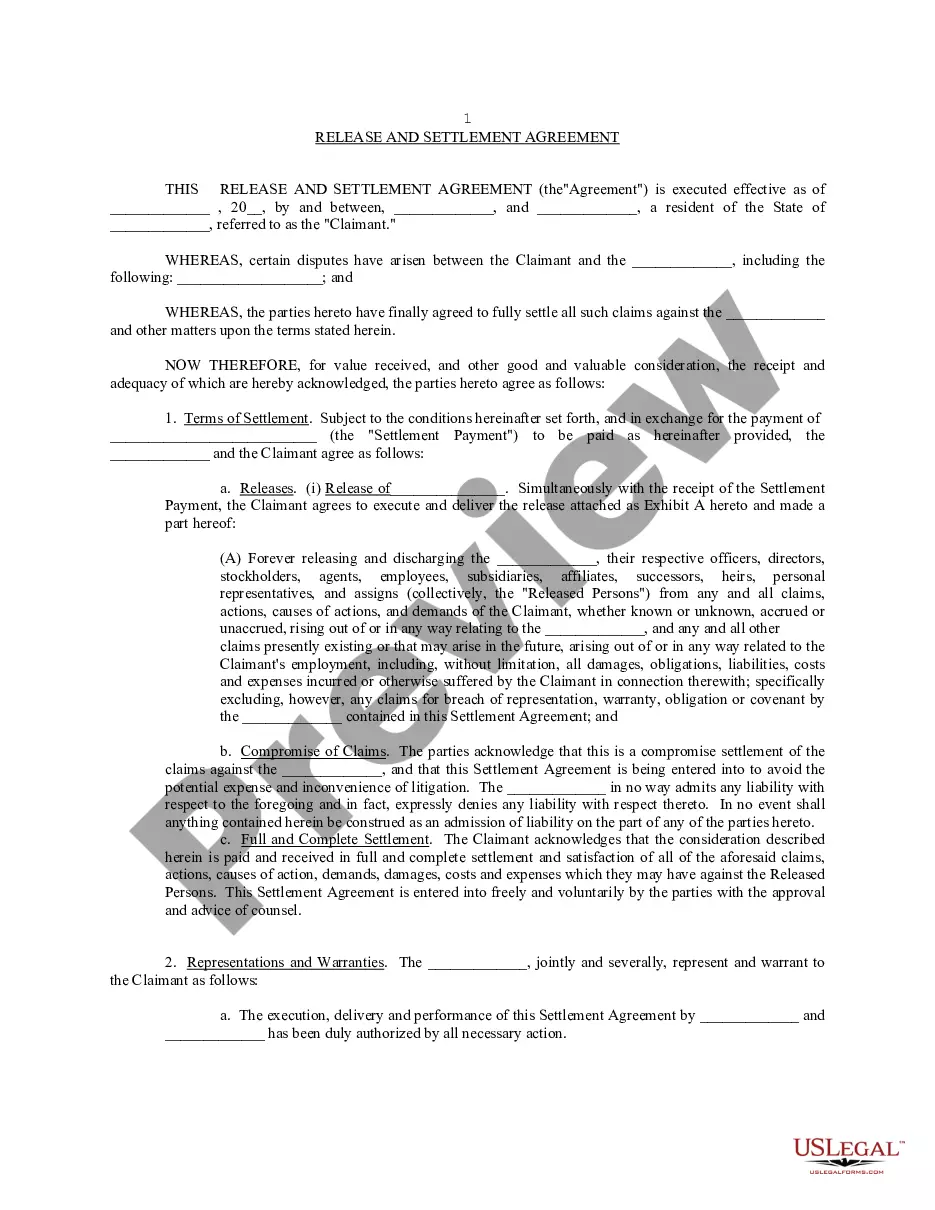
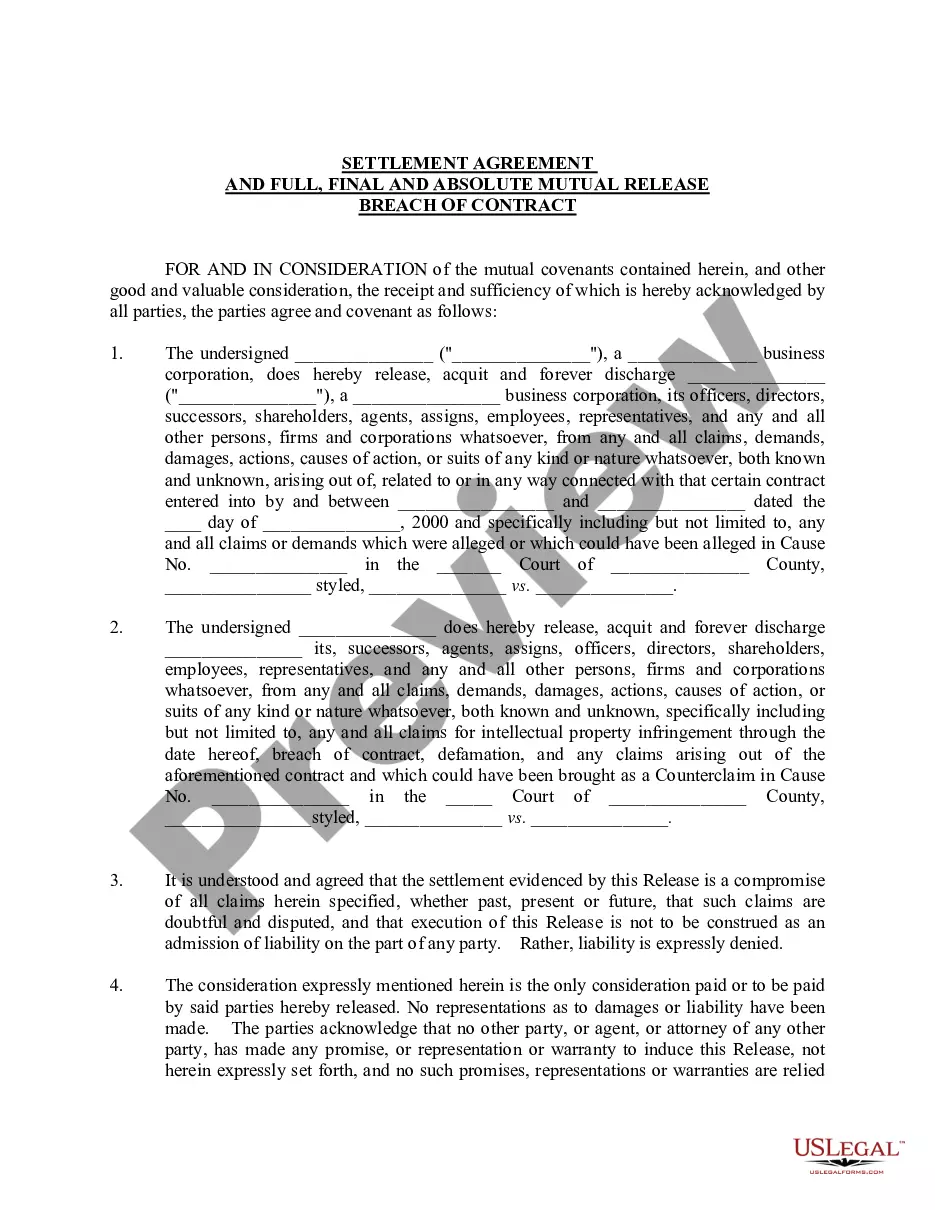
Get your form ready online
Our built-in tools help you complete, sign, share, and store your documents in one place.
Make edits, fill in missing information, and update formatting in US Legal Forms—just like you would in MS Word.
Download a copy, print it, send it by email, or mail it via USPS—whatever works best for your next step.
Sign and collect signatures with our SignNow integration. Send to multiple recipients, set reminders, and more. Go Premium to unlock E-Sign.
If this form requires notarization, complete it online through a secure video call—no need to meet a notary in person or wait for an appointment.
We protect your documents and personal data by following strict security and privacy standards.

Make edits, fill in missing information, and update formatting in US Legal Forms—just like you would in MS Word.

Download a copy, print it, send it by email, or mail it via USPS—whatever works best for your next step.

Sign and collect signatures with our SignNow integration. Send to multiple recipients, set reminders, and more. Go Premium to unlock E-Sign.

If this form requires notarization, complete it online through a secure video call—no need to meet a notary in person or wait for an appointment.

We protect your documents and personal data by following strict security and privacy standards.
Looking for another form?
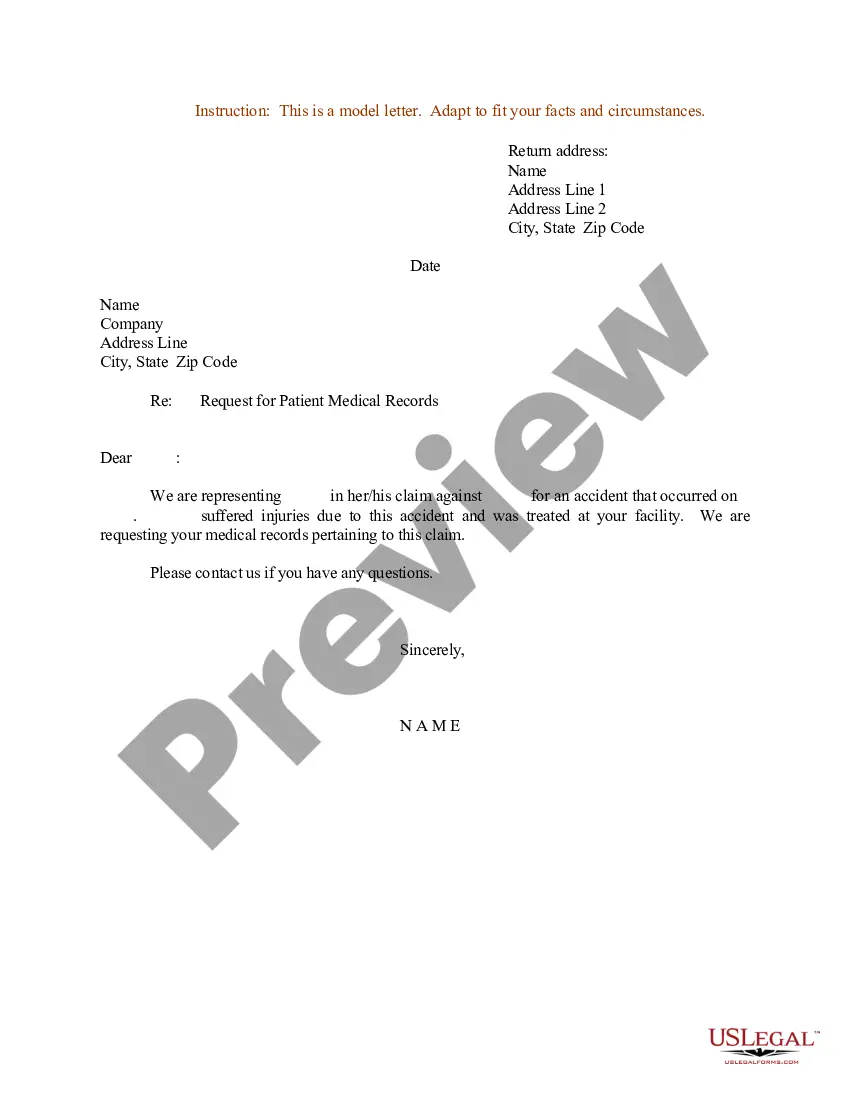
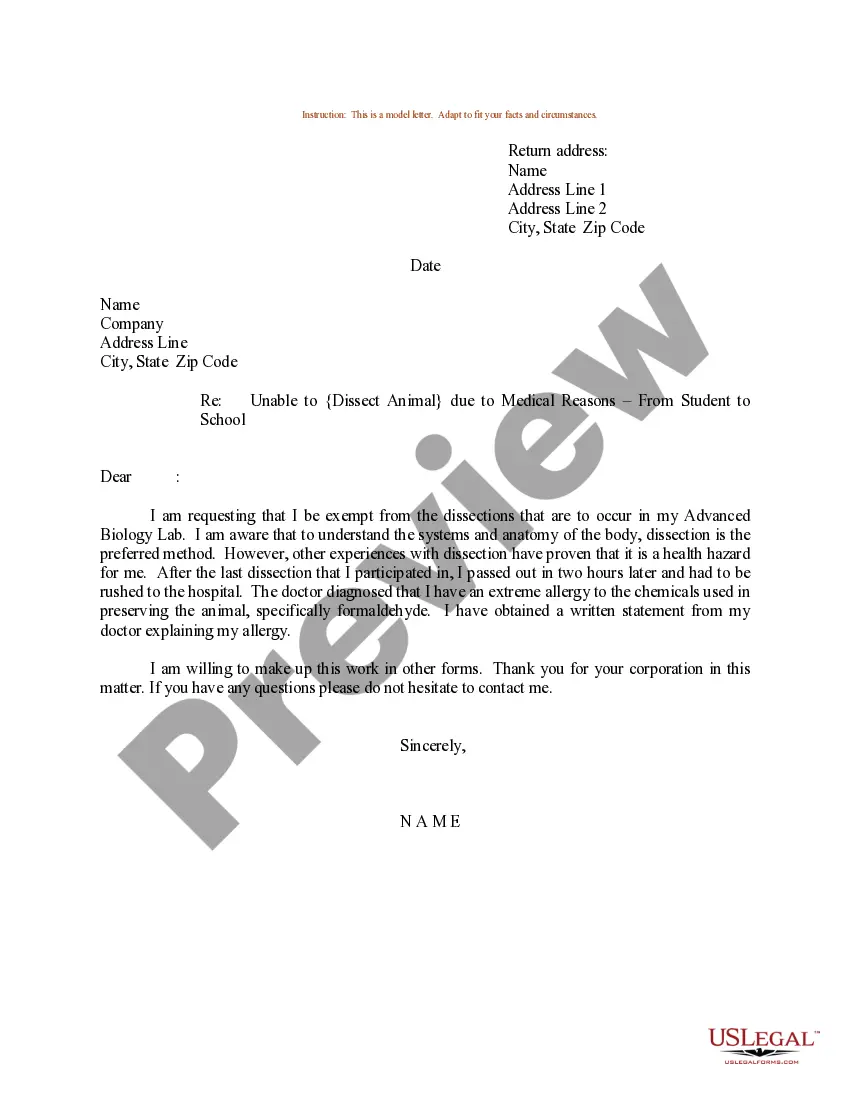

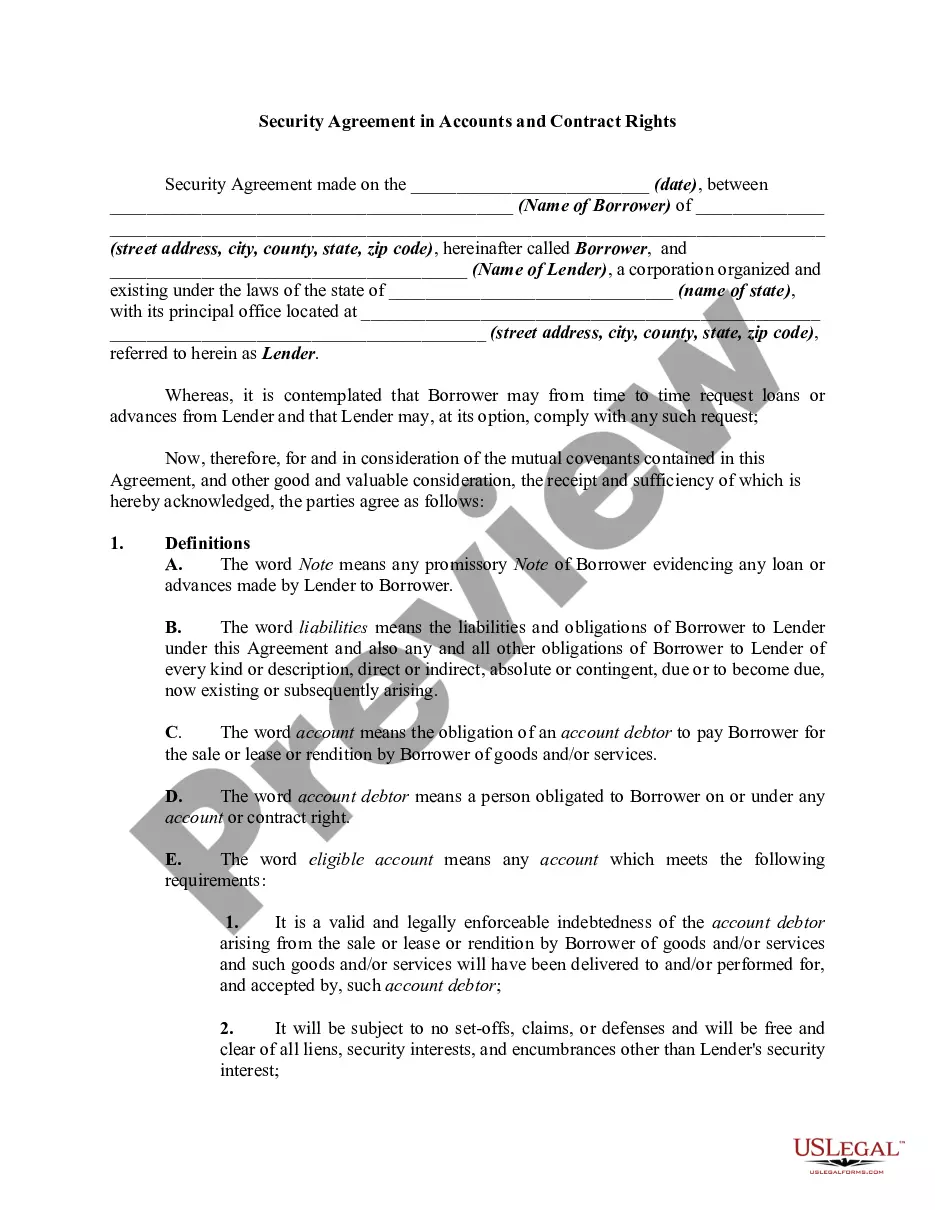

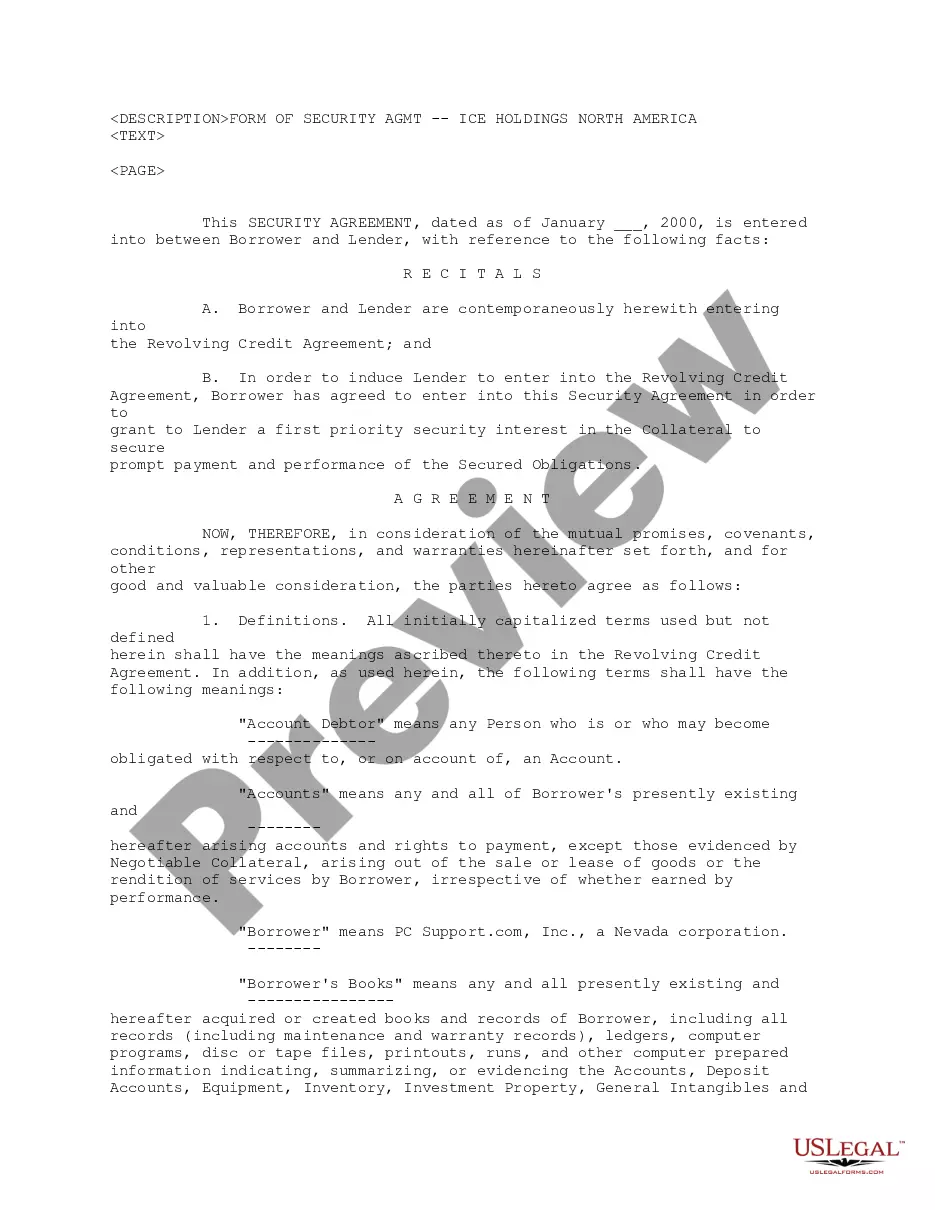
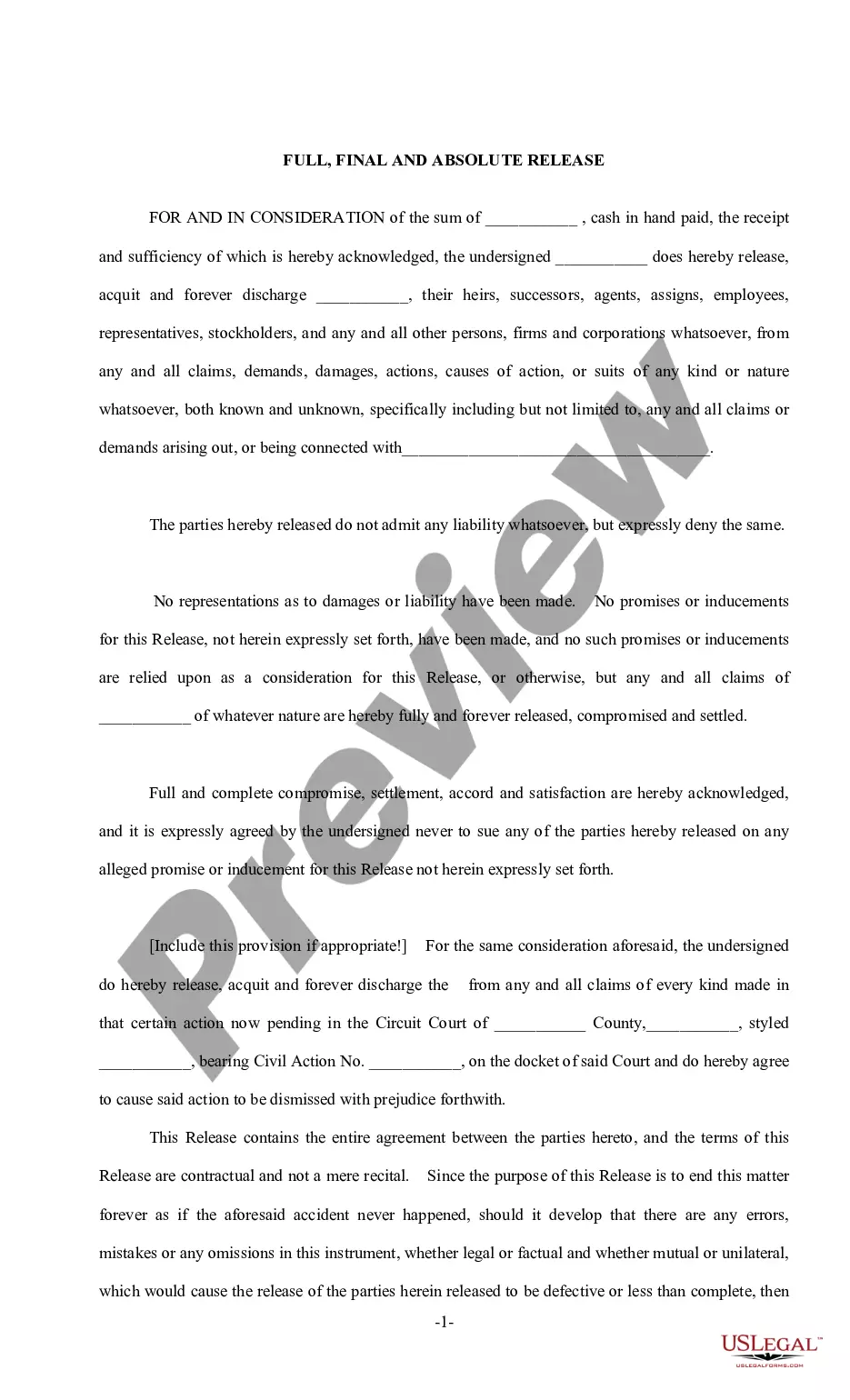
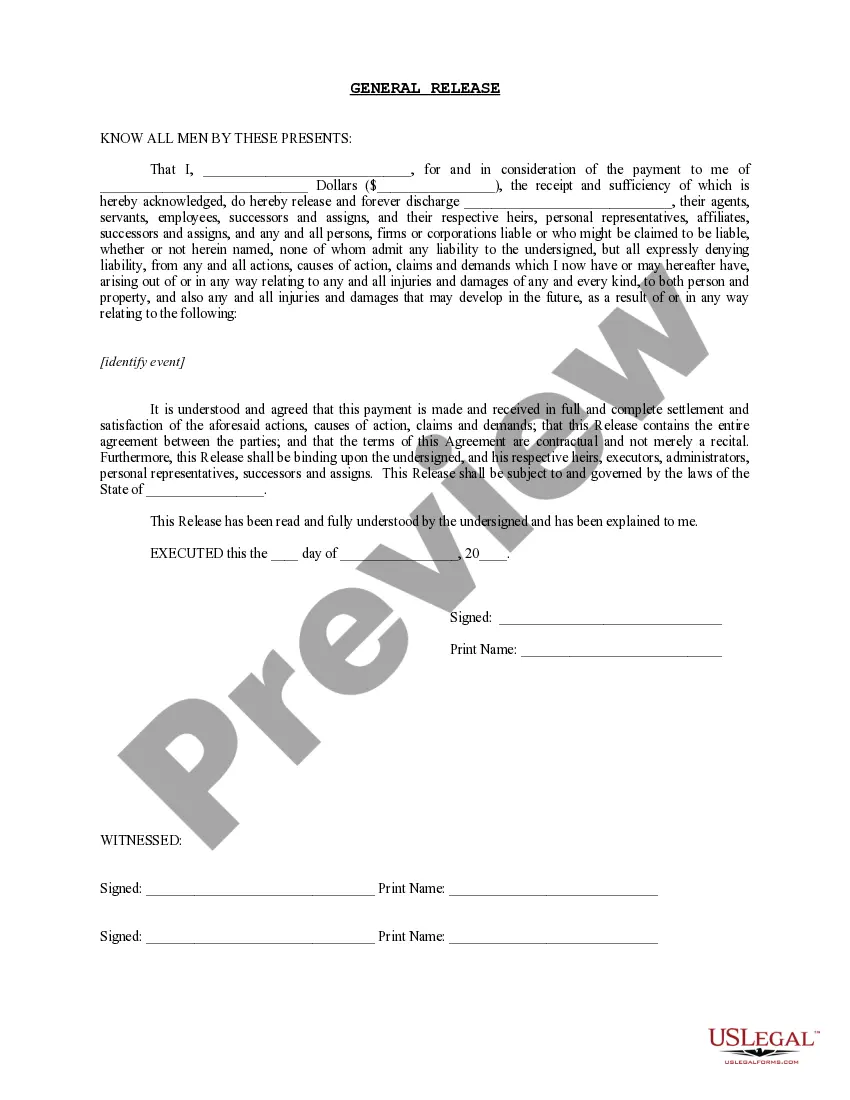
How to fill out Settlement Agreement And Release Of Claims - Breach Of Contract - General Form?
Whether for commercial reasons or personal matters, everyone must manage legal issues at some point in their life.
Completing legal documents demands meticulous care, beginning with selecting the suitable form template.
With a vast US Legal Forms catalog available, you never have to waste time searching for the right template online. Utilize the library’s easy navigation to discover the perfect template for any situation.
- Obtain the template you require by utilizing the search bar or catalog browsing.
- Examine the form’s description to confirm it aligns with your situation, state, and county.
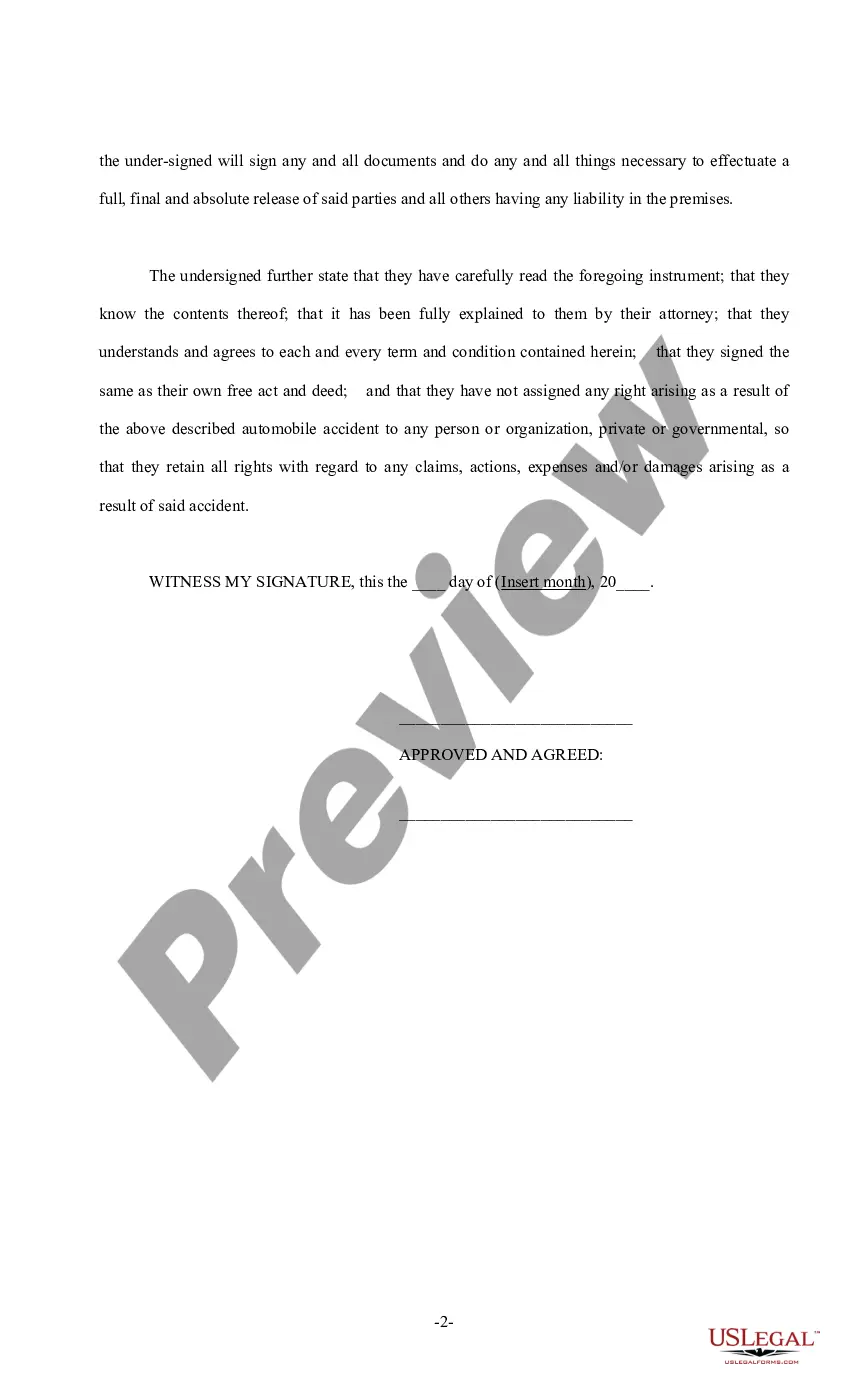
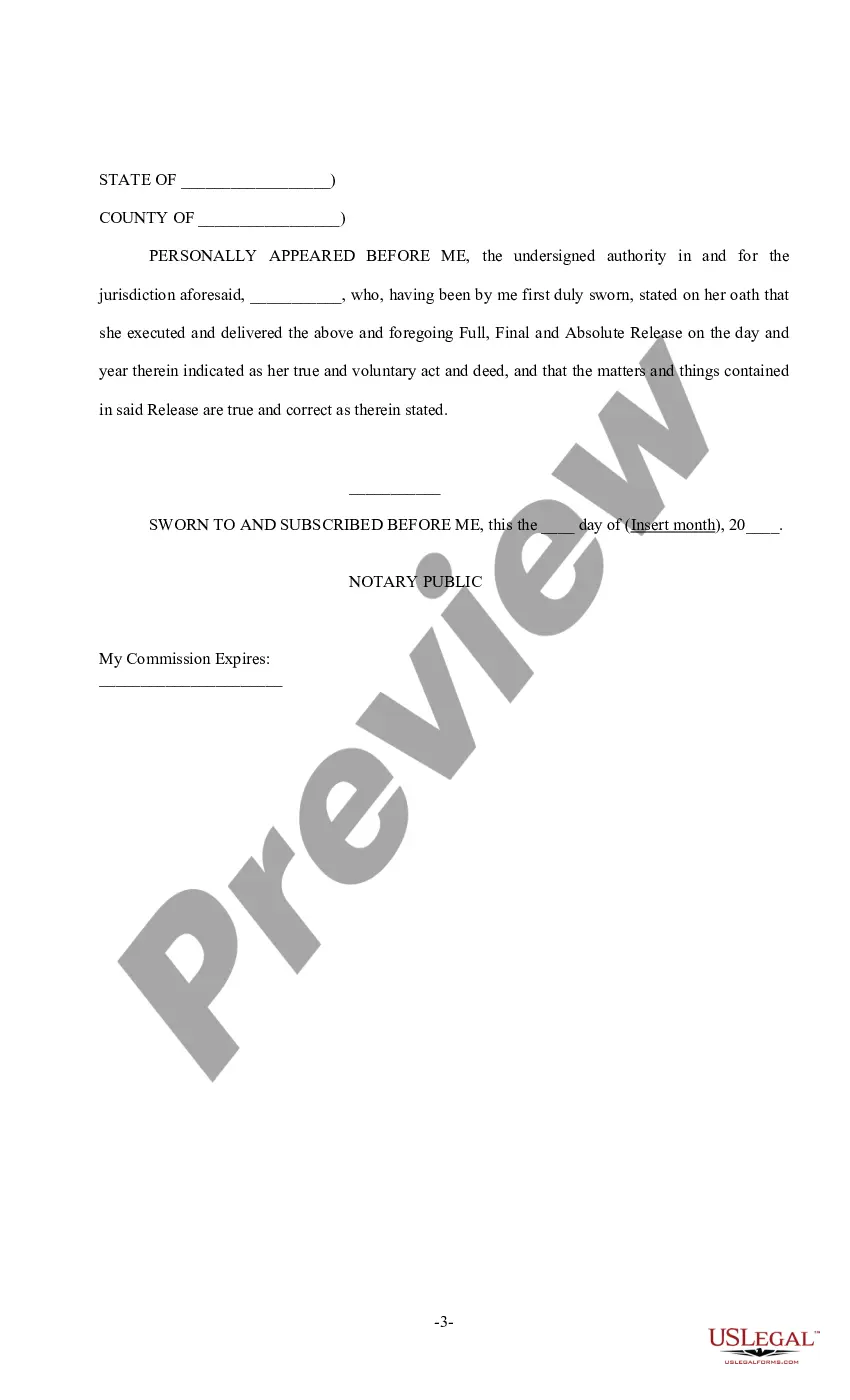
- Click on the form’s preview to review it.
- If it is the wrong document, return to the search function to find the Settlement Agreement Breach With Discovery example you need.
- Download the file if it meets your specifications.
- If you already possess a US Legal Forms account, simply click Log in to access previously saved documents in My documents.
- In case you don’t have an account yet, you can acquire the form by clicking Buy now.
- Choose the suitable pricing option.
- Complete the profile registration form.
- Select your payment method: either use a credit card or PayPal account.
- Pick the document format you desire and download the Settlement Agreement Breach With Discovery.
- Once it is saved, you can fill out the form using editing software or print it and complete it manually.
Form popularity
FAQ
While courts give an expansive reading to Rule 408, they generally find settlement agreements discoverable and admit them and certain settlement communications into evidence in a variety of unexpected situations.
One of the most common practices to enforce a settlement agreement is to file a motion to enforce settlement agreement in court. This motion calls on the court to enforce the agreed upon terms, and the judge has the final say. His or her role is to analyze evidence presented and listen to oral testimony by both sides.
Although the law presumes that settlement agreements are valid, they generally are subject to contract defenses, including mistake, unconscionability, duress, undue influence, and fraud.
However, the most suitable relief for a breach of a settlement agreement would be specific performance as well as damages where a patrimonial loss has been suffered. Additionally, where a settlement agreement has been made an order of court, the breaching party can be held in contempt of court.
If a party breaches the terms of the agreement, the other can bring a motion to enforce the consent to judgment. A consent to judgment can be an invaluable part of a mediated or negotiated settlement agreement since it disincentives a potential breach. It also makes enforcement more expeditious and less expensive.