Housing Inventory For Sale
Description
Get your form ready online
Our built-in tools help you complete, sign, share, and store your documents in one place.
Make edits, fill in missing information, and update formatting in US Legal Forms—just like you would in MS Word.
Download a copy, print it, send it by email, or mail it via USPS—whatever works best for your next step.
Sign and collect signatures with our SignNow integration. Send to multiple recipients, set reminders, and more. Go Premium to unlock E-Sign.
If this form requires notarization, complete it online through a secure video call—no need to meet a notary in person or wait for an appointment.
We protect your documents and personal data by following strict security and privacy standards.

Make edits, fill in missing information, and update formatting in US Legal Forms—just like you would in MS Word.

Download a copy, print it, send it by email, or mail it via USPS—whatever works best for your next step.

Sign and collect signatures with our SignNow integration. Send to multiple recipients, set reminders, and more. Go Premium to unlock E-Sign.

If this form requires notarization, complete it online through a secure video call—no need to meet a notary in person or wait for an appointment.

We protect your documents and personal data by following strict security and privacy standards.
Looking for another form?

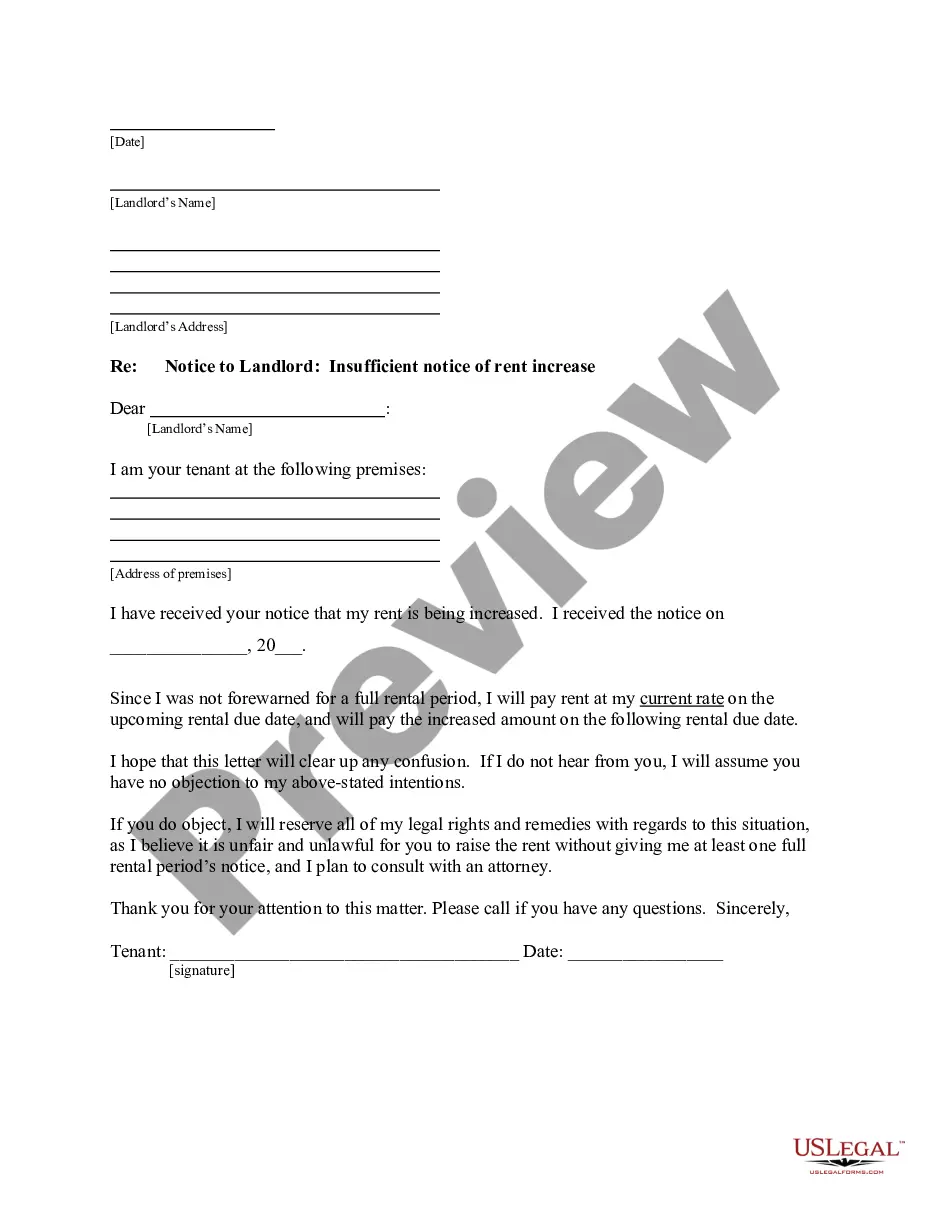
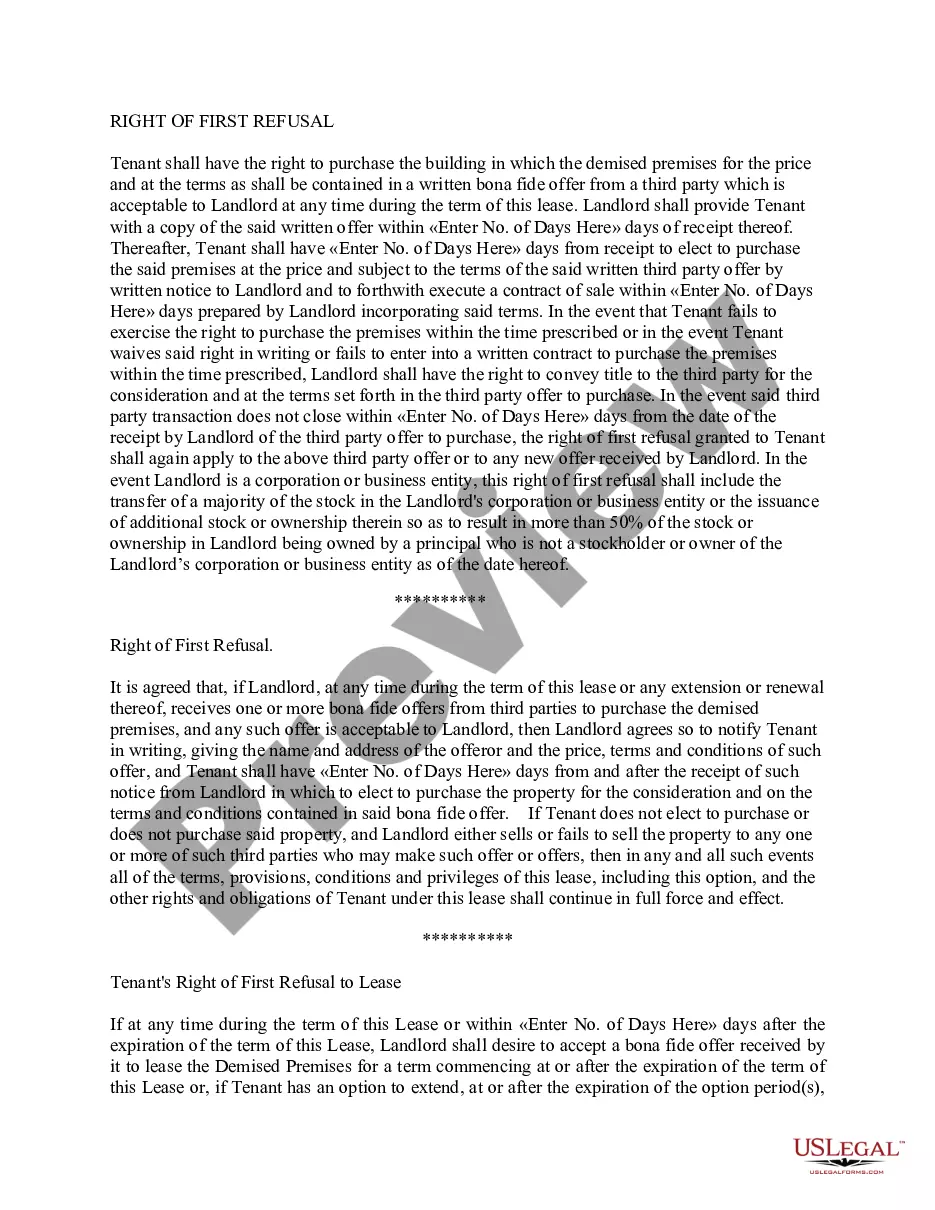



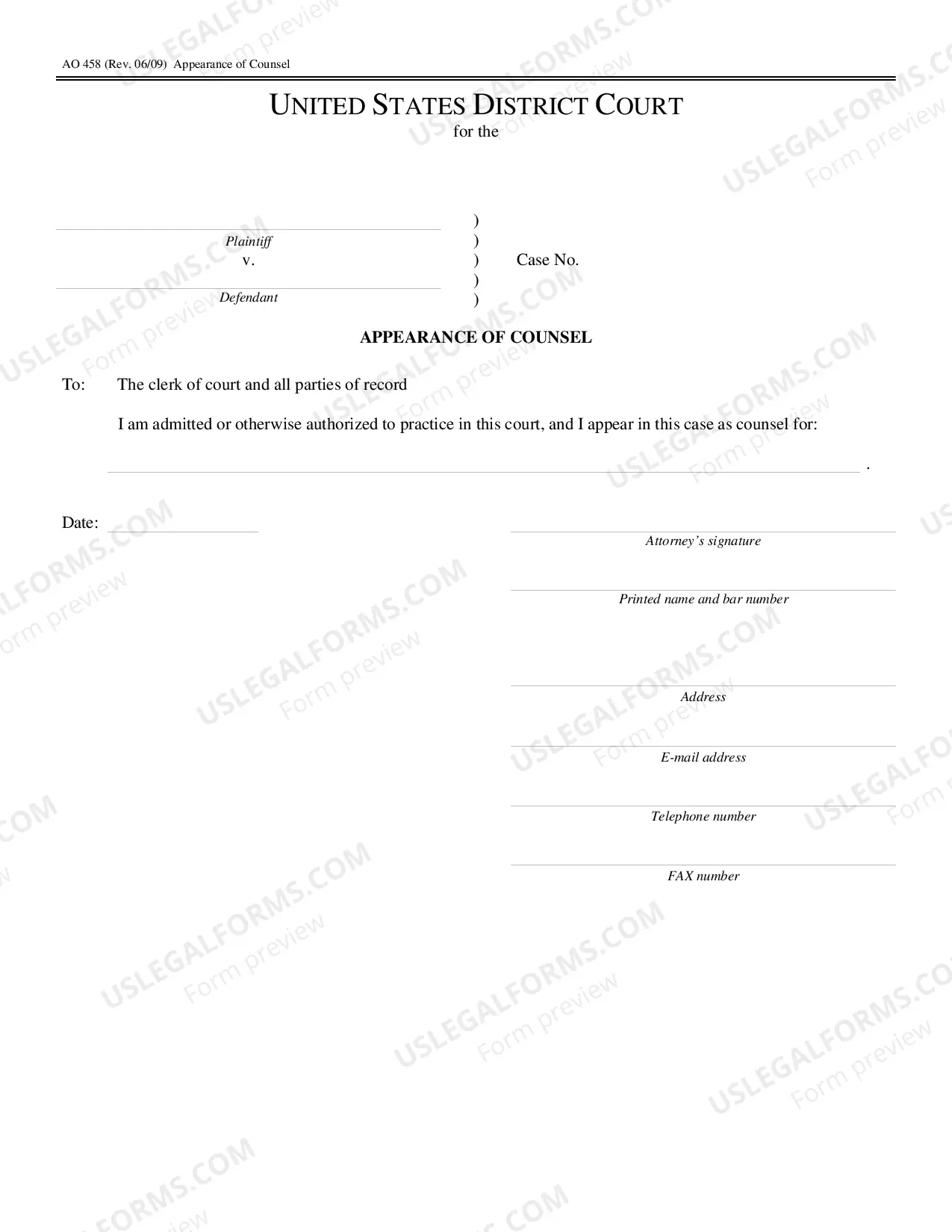

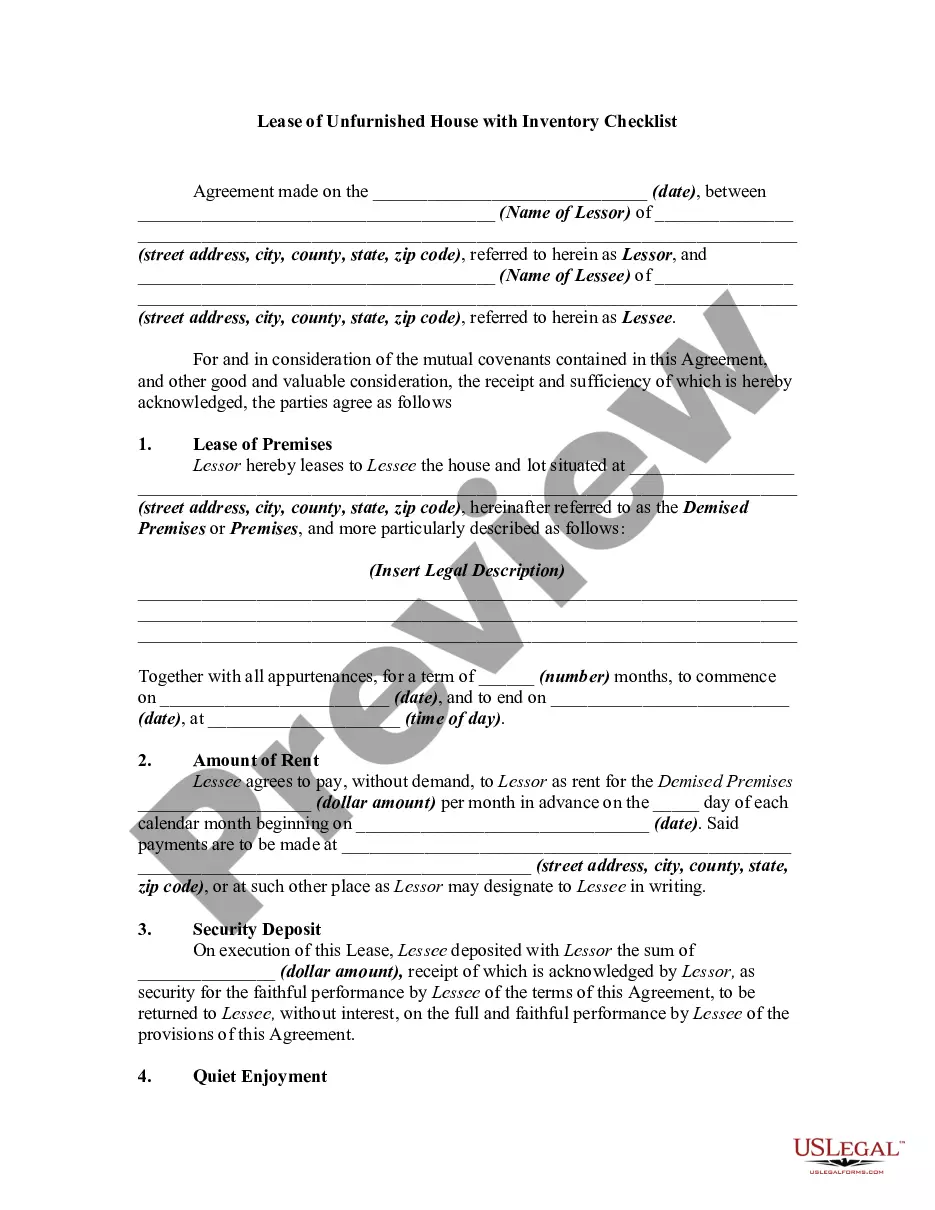
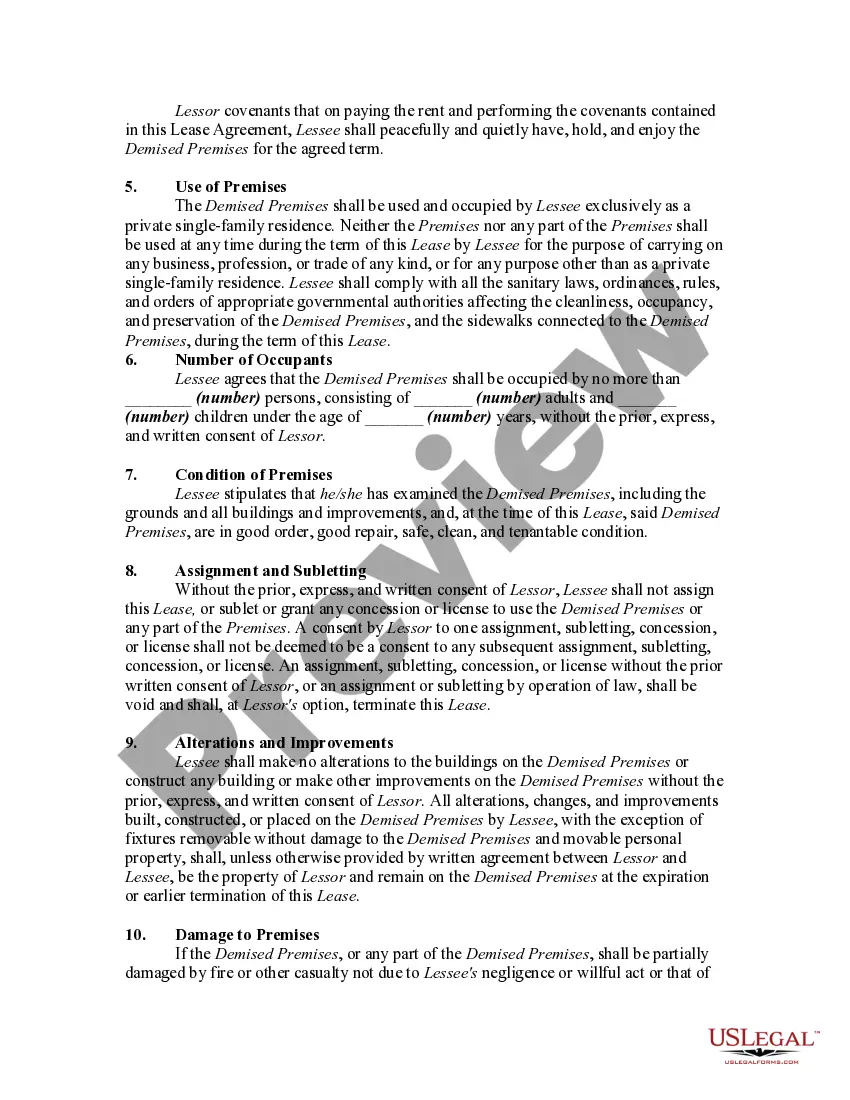
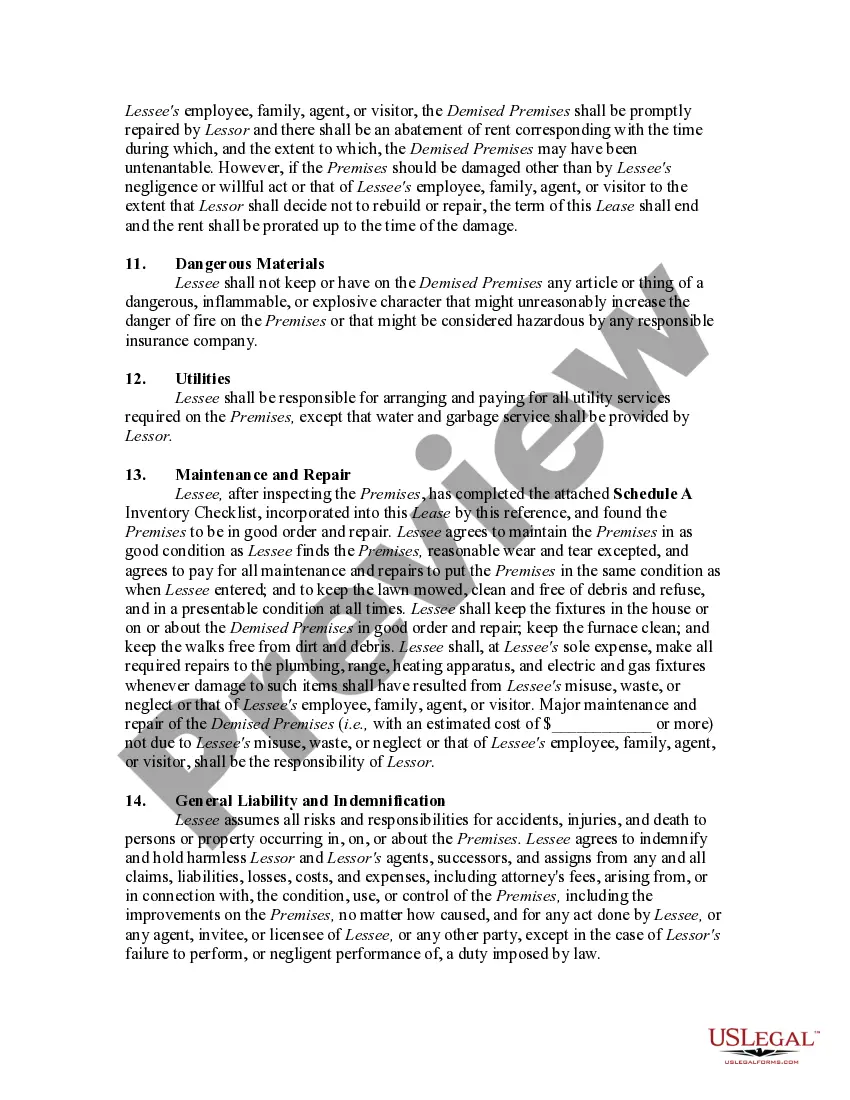
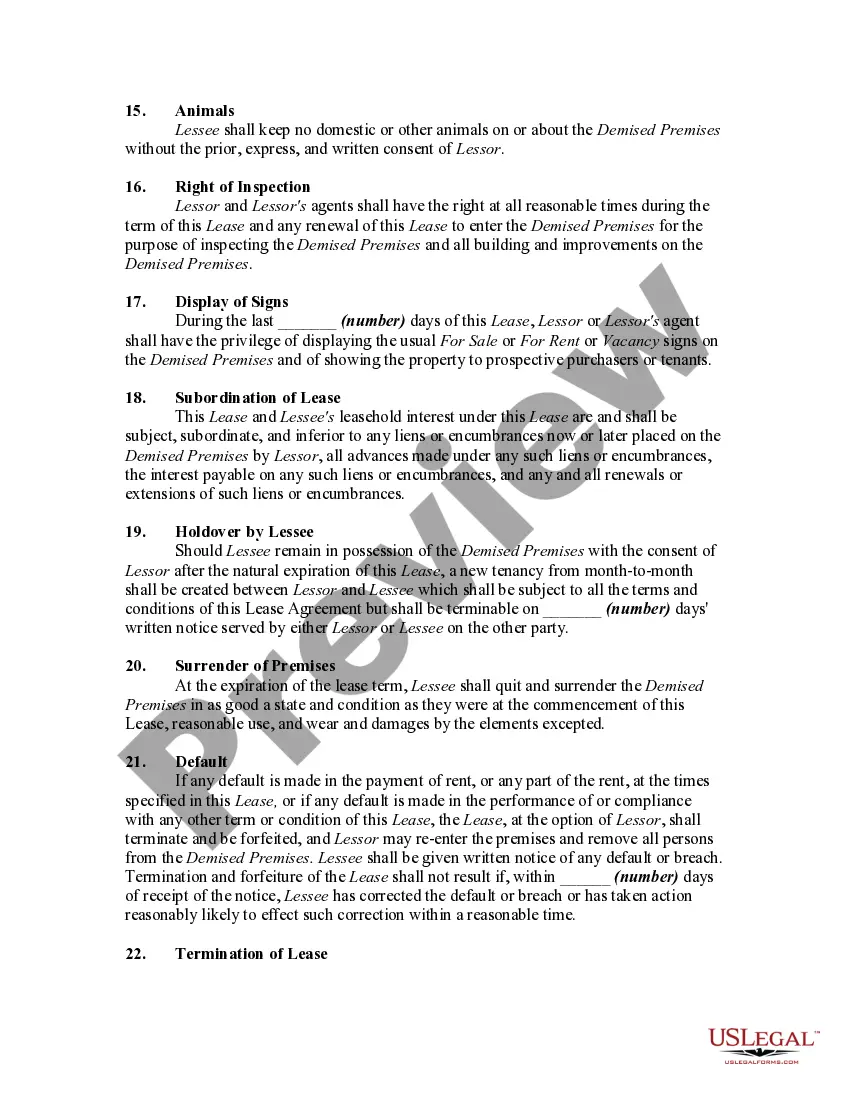
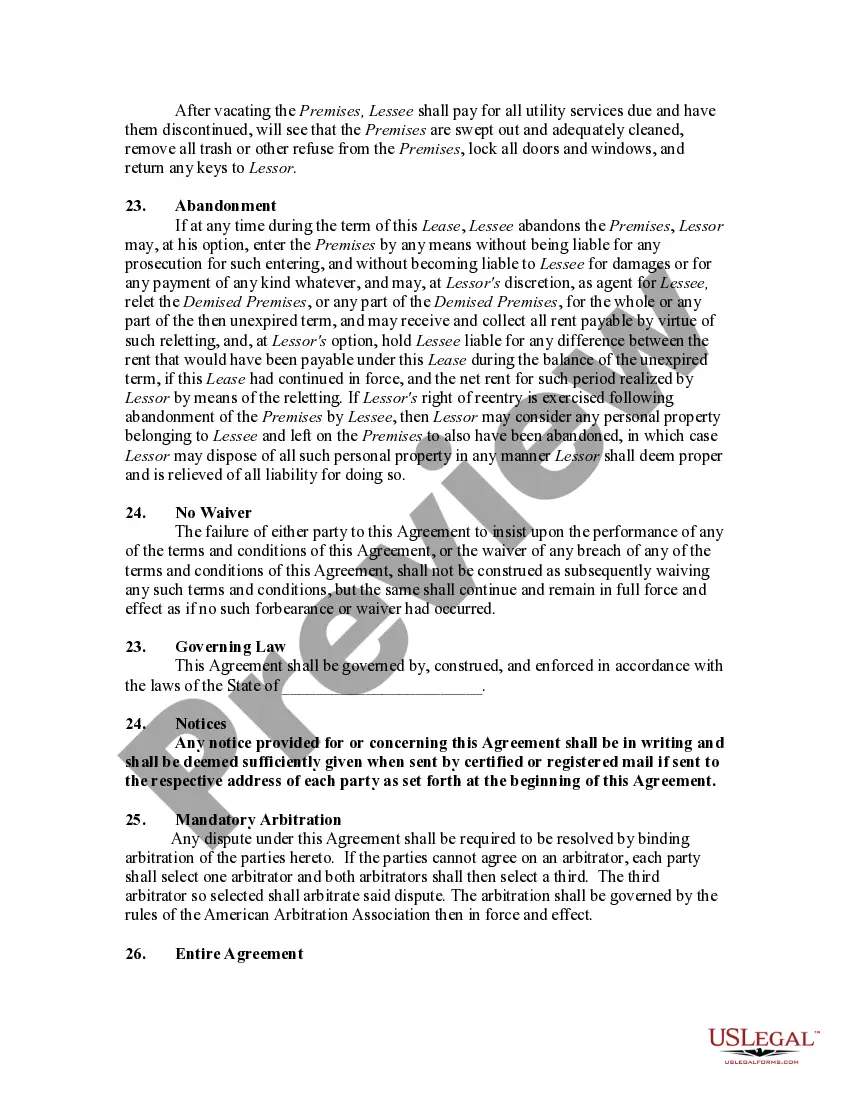
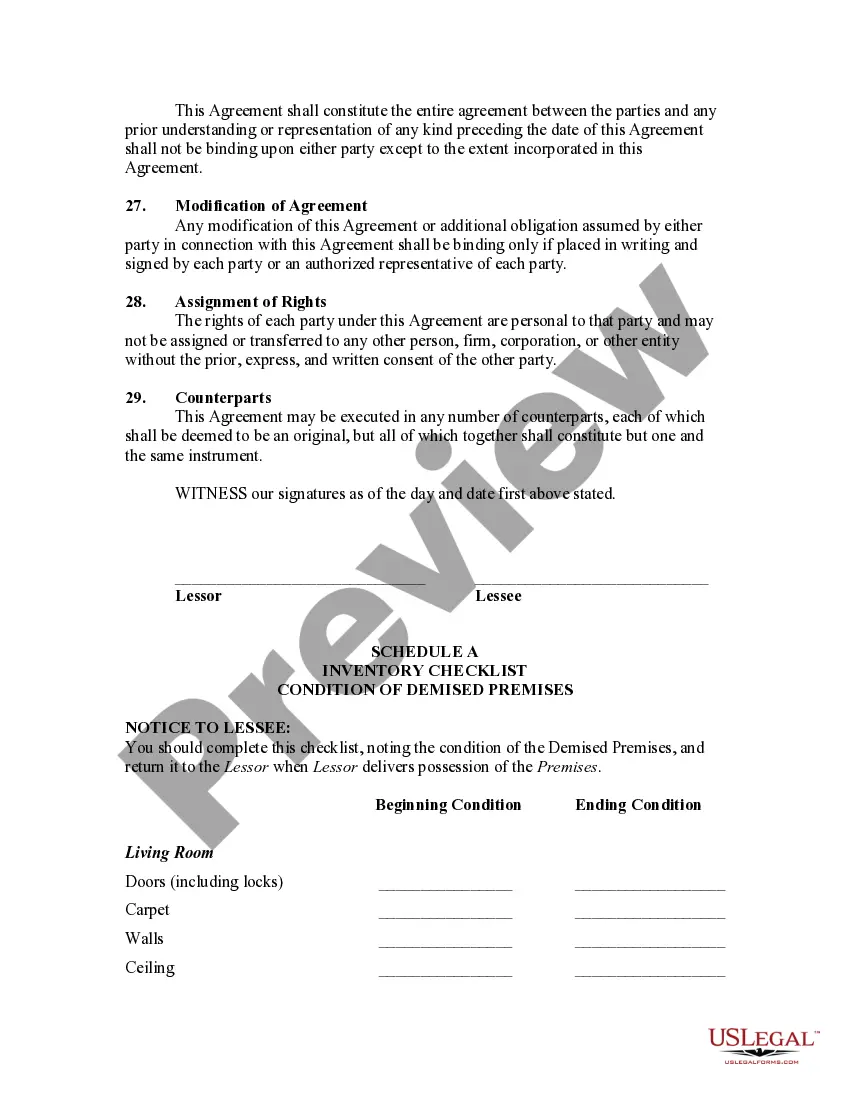
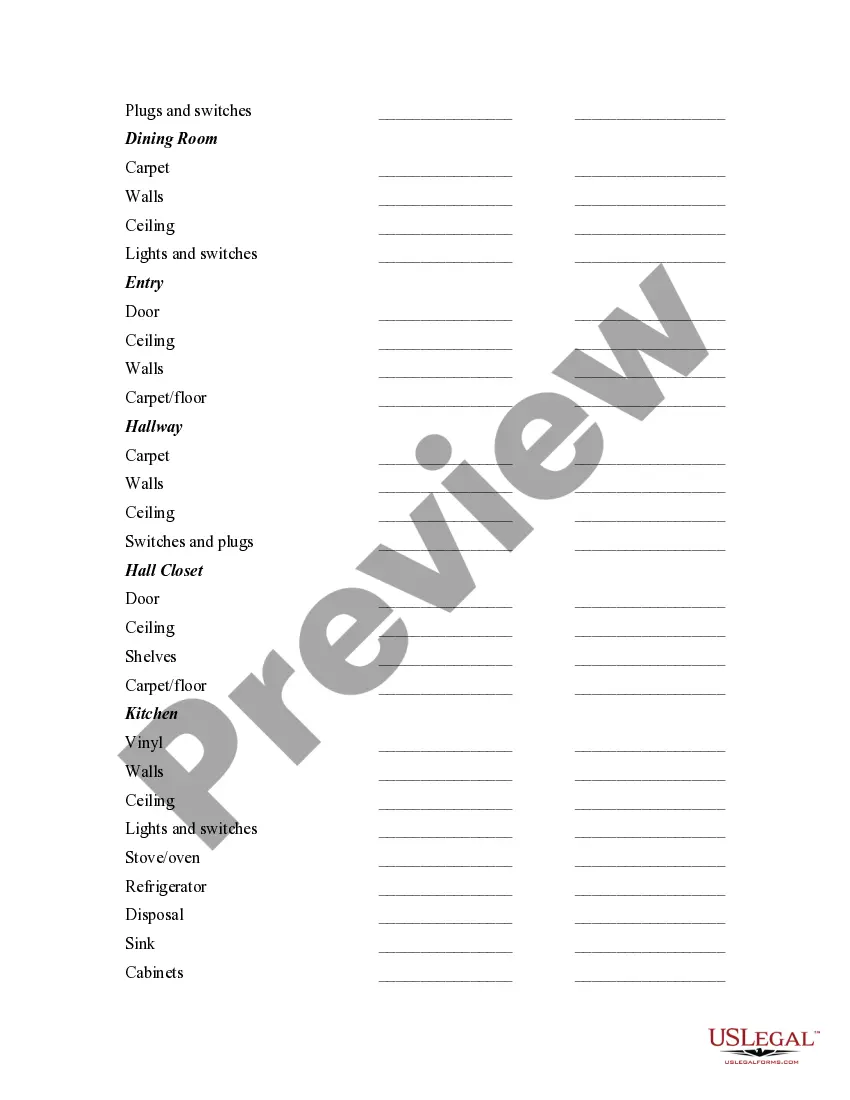
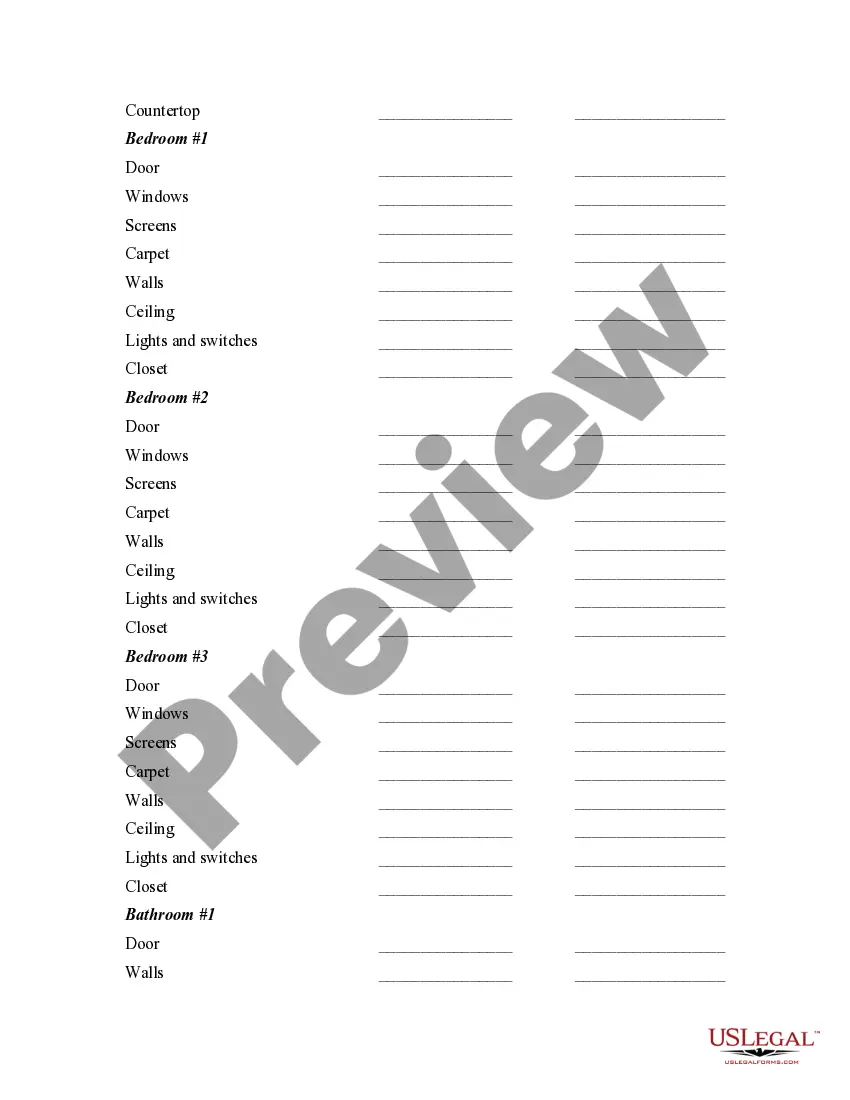
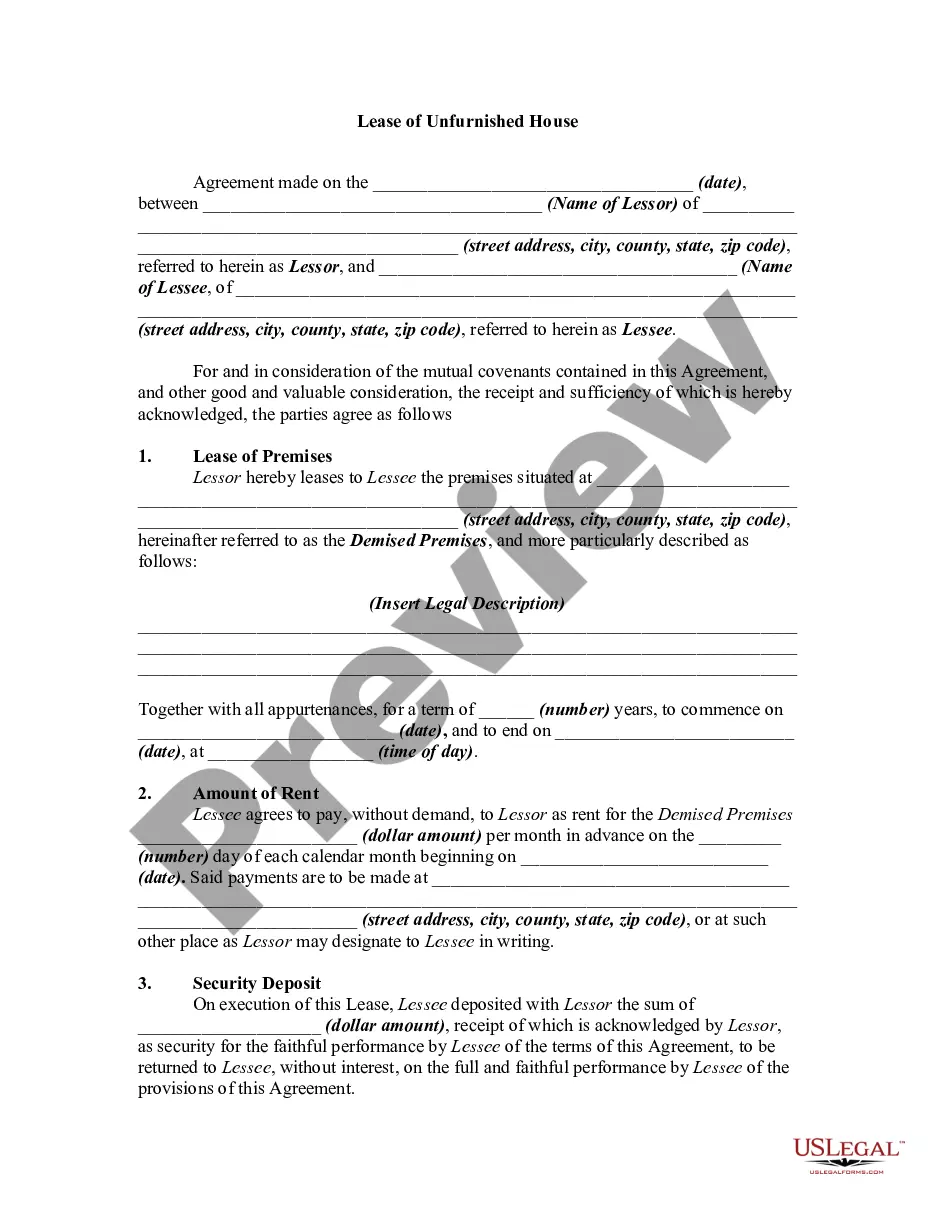
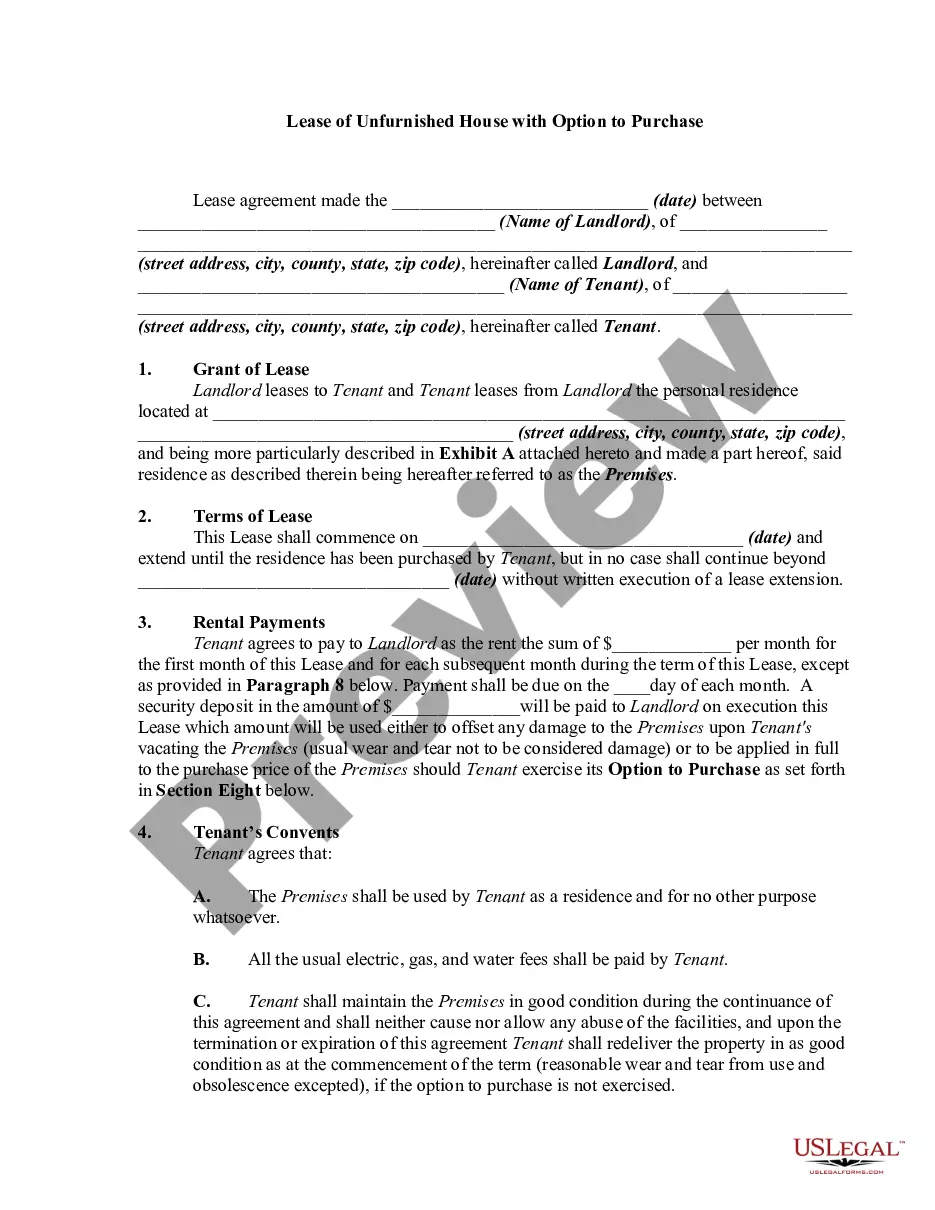
How to fill out Lease Of Unfurnished House With Inventory Checklist?
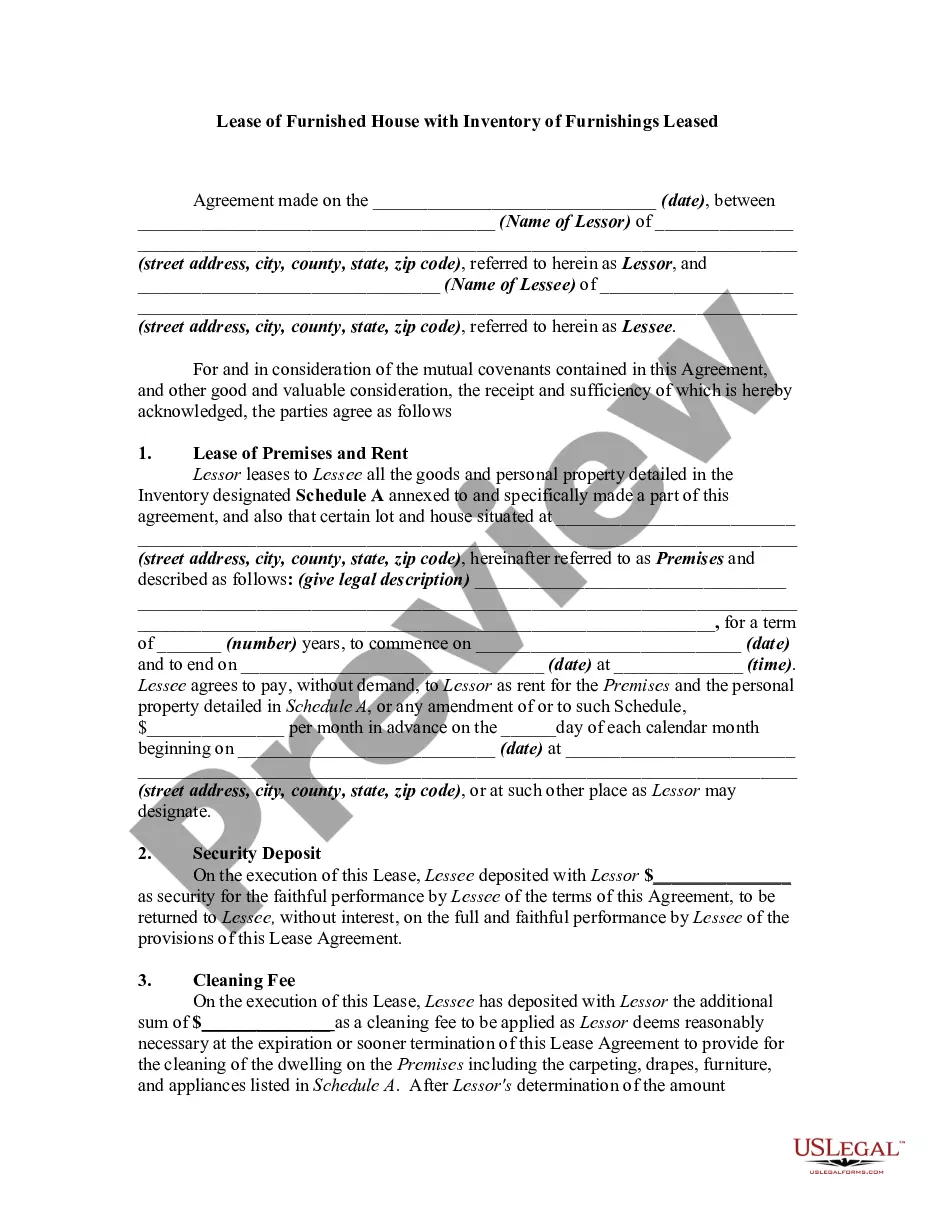
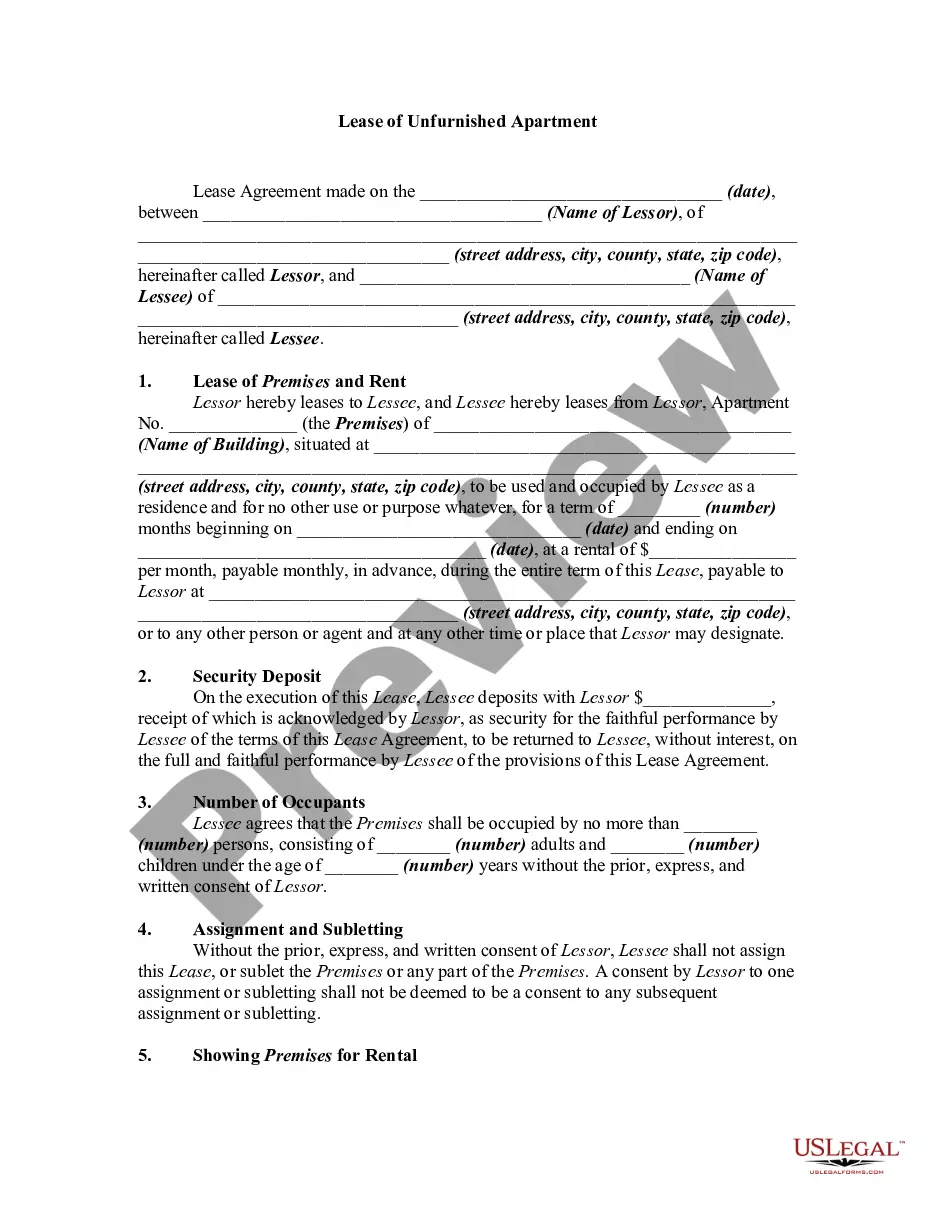
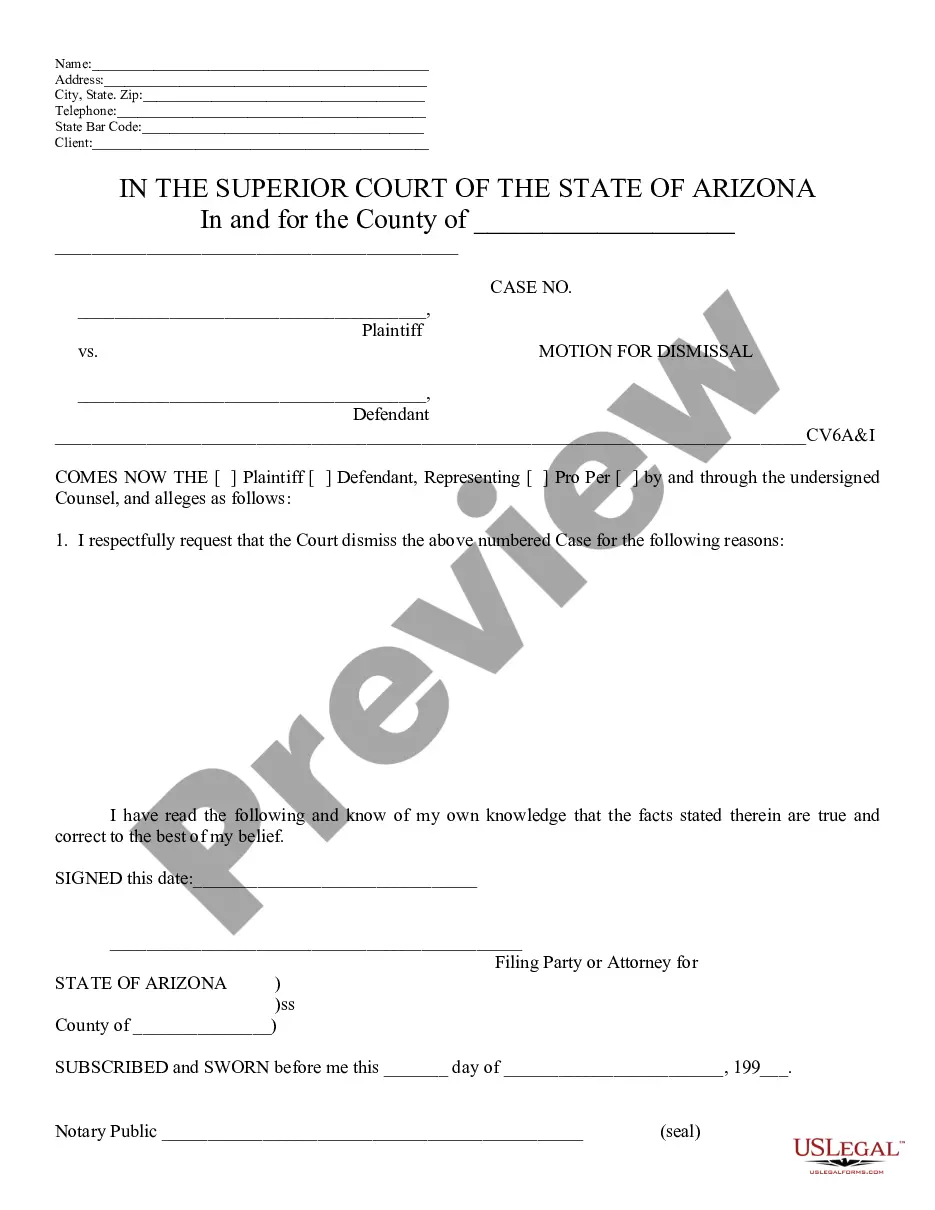
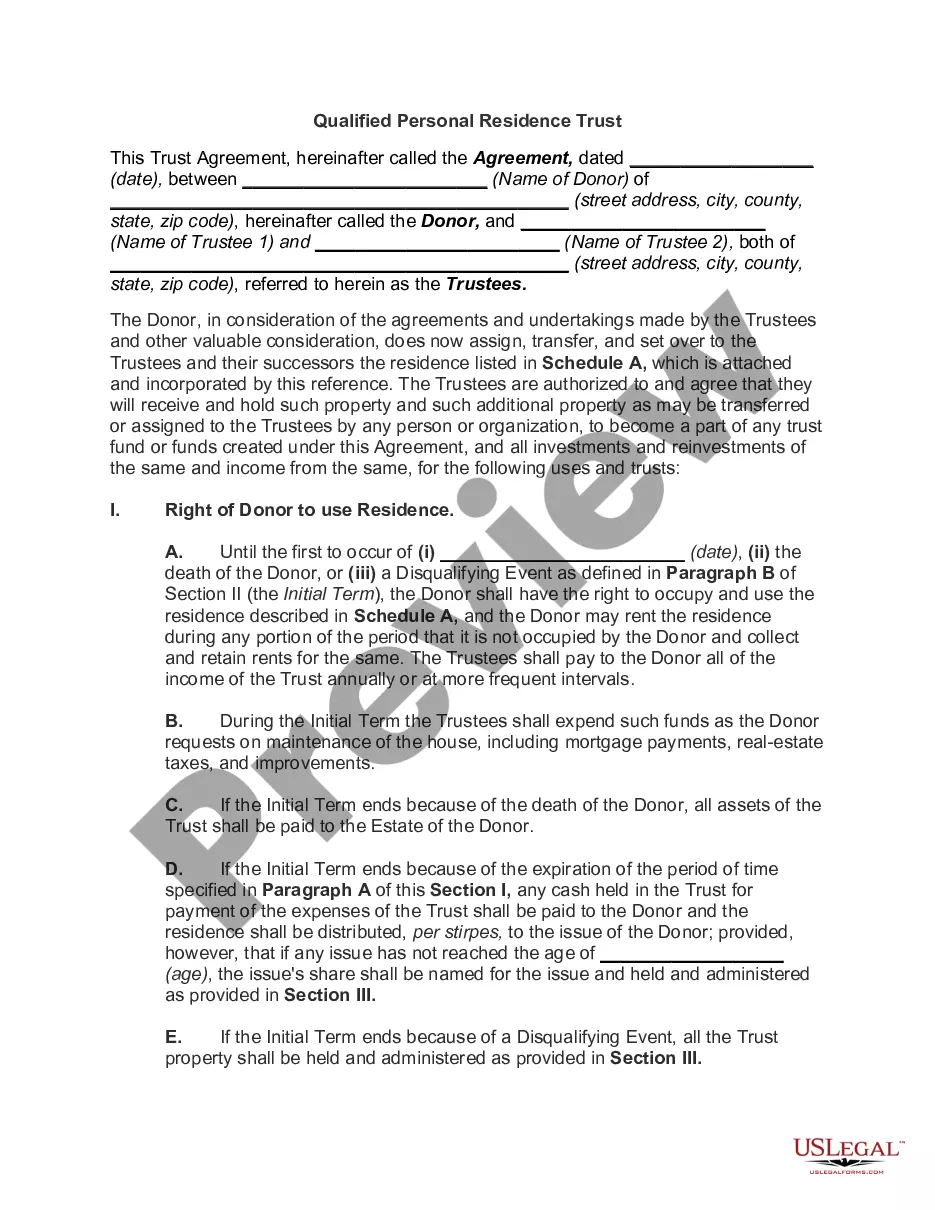
Whether for business purposes or for personal matters, everybody has to manage legal situations sooner or later in their life. Filling out legal paperwork needs careful attention, starting with choosing the appropriate form sample. For instance, if you select a wrong version of the Housing Inventory For Sale, it will be declined once you send it. It is therefore important to get a reliable source of legal documents like US Legal Forms.
If you have to get a Housing Inventory For Sale sample, follow these easy steps:
- Get the sample you need by utilizing the search field or catalog navigation.
- Check out the form’s information to ensure it matches your situation, state, and county.
- Click on the form’s preview to examine it.
- If it is the wrong document, get back to the search function to find the Housing Inventory For Sale sample you require.
- Get the template when it meets your requirements.
- If you already have a US Legal Forms account, just click Log in to access previously saved documents in My Forms.
- In the event you do not have an account yet, you may download the form by clicking Buy now.
- Pick the proper pricing option.
- Complete the account registration form.
- Pick your payment method: use a credit card or PayPal account.
- Pick the document format you want and download the Housing Inventory For Sale.
- After it is saved, you are able to fill out the form with the help of editing software or print it and complete it manually.
With a vast US Legal Forms catalog at hand, you never have to spend time looking for the appropriate sample across the internet. Use the library’s easy navigation to find the correct form for any situation.
Form popularity
FAQ
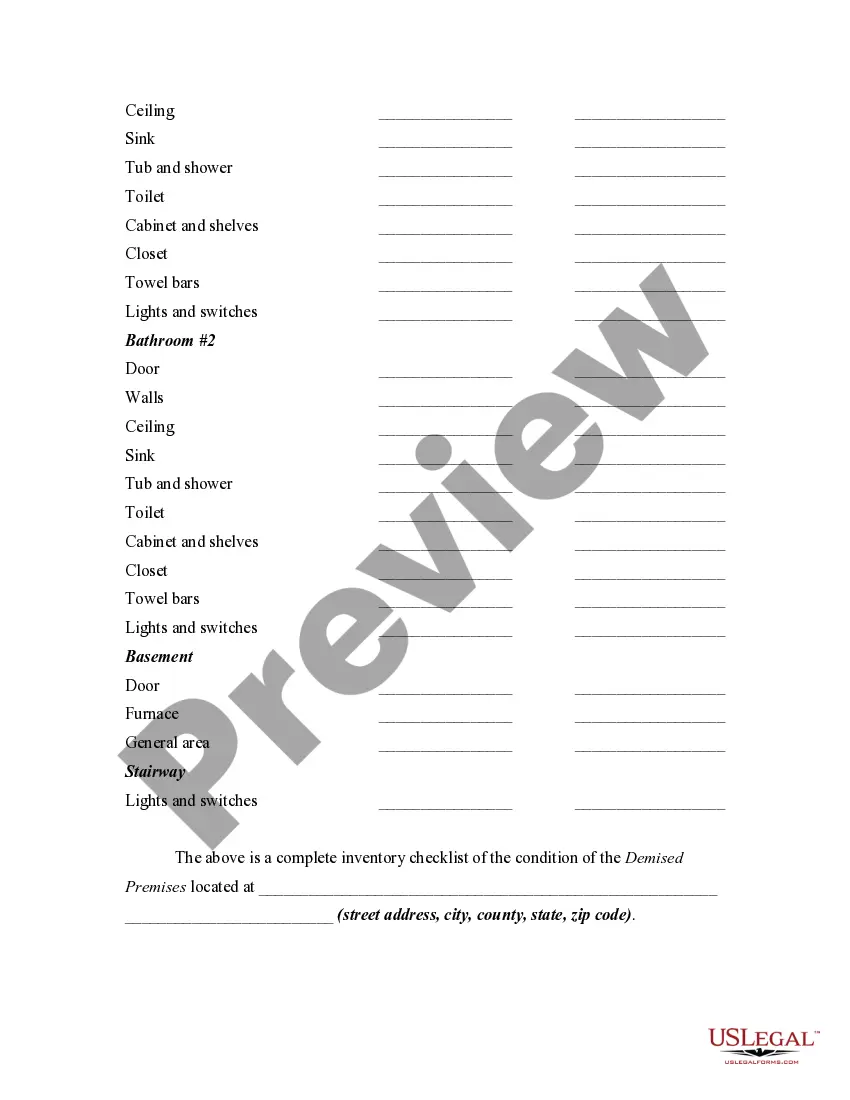
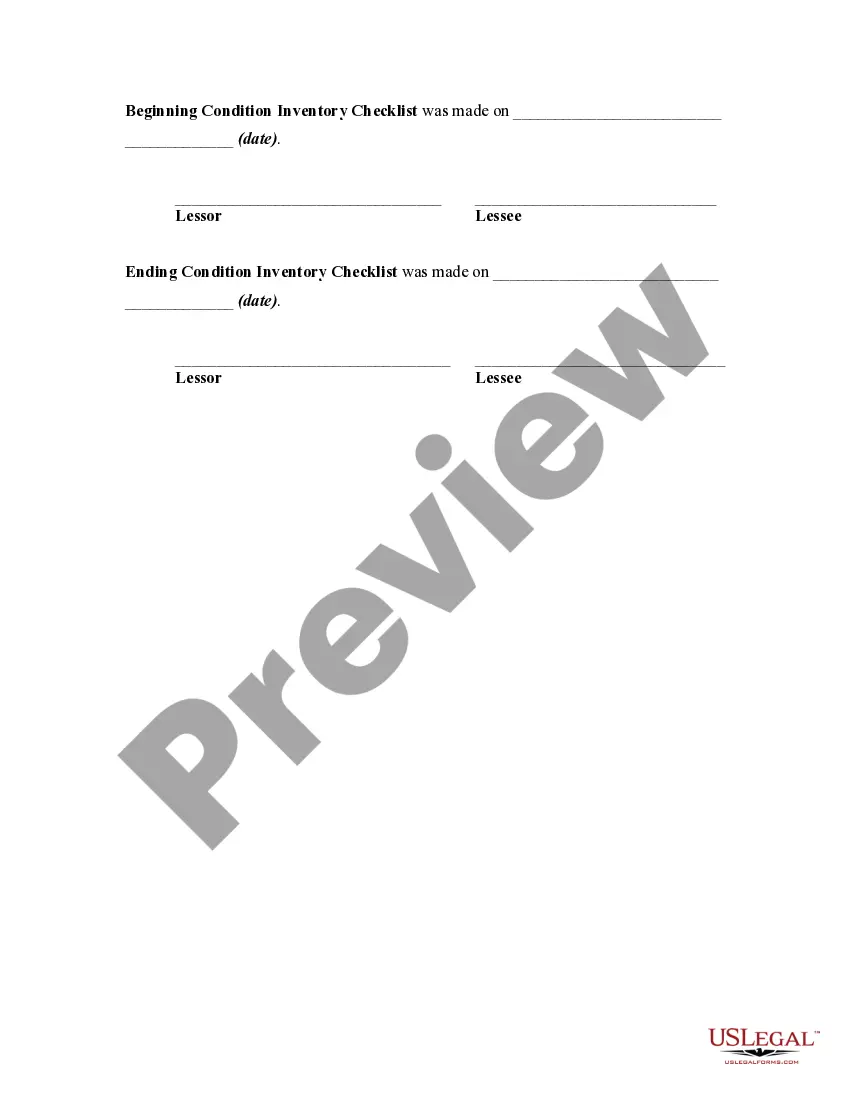
What is a property inventory? A property inventory is a comprehensive report which details the state of your property at the beginning of a tenancy. It provides information on the furniture, fixtures, fittings and general wear and tear. Anything that is damaged or missing can be recorded in front of a new tenant.
Example of Property Inventory Property that is part of a property inventory or RPI could include land and anything that is permanently affixed to that land, such as buildings, installed systems within those building, any systems within the land itself?such as irrigation or canals?and building equipment.
The 5 step inventory management process Receive and inspect products. The first step in the inventory management process includes receiving your order from the supplier. ... Sort and stock products. ... Accept customer order. ... Fulfil package and ship order. ... Reorder new stock.
Doing it yourself can be very straightforward ? you just need to make sure you're completing the inventory on or just before your new tenant's move-in date (when the property is completely ready), with your tenant present. This will need to be before they move in their own belongings, or use anything in your property.
Make a detailed list of all the belongings and furniture provided when a tenant moves in. Record the condition of these items, as well as things such as walls, doors, windows and carpets. The more detailed the inventory, the better.