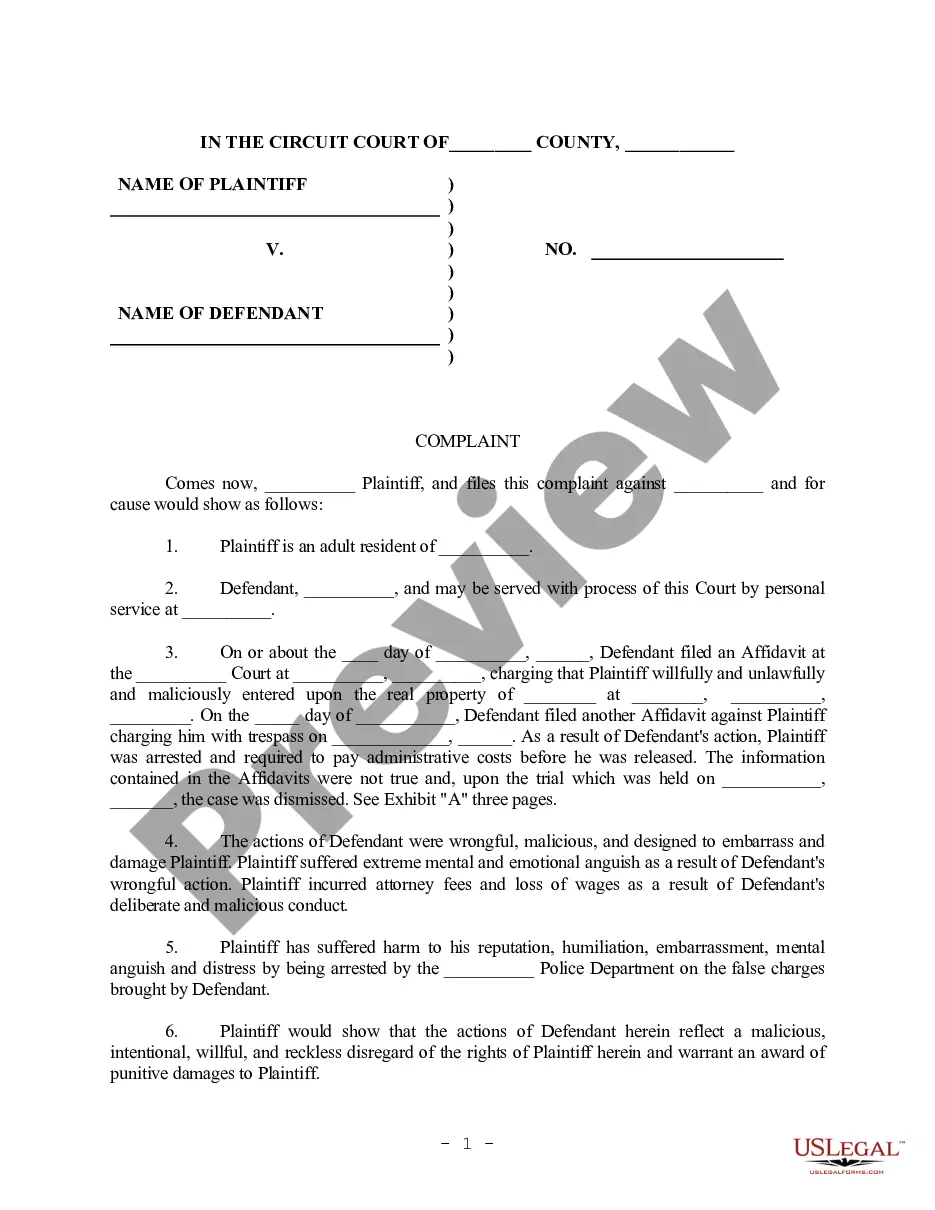
1983 Civil Rights Complaint Form Florida
Description

Get your form ready online
Our built-in tools help you complete, sign, share, and store your documents in one place.
Make edits, fill in missing information, and update formatting in US Legal Forms—just like you would in MS Word.
Download a copy, print it, send it by email, or mail it via USPS—whatever works best for your next step.
Sign and collect signatures with our SignNow integration. Send to multiple recipients, set reminders, and more. Go Premium to unlock E-Sign.
If this form requires notarization, complete it online through a secure video call—no need to meet a notary in person or wait for an appointment.
We protect your documents and personal data by following strict security and privacy standards.

Make edits, fill in missing information, and update formatting in US Legal Forms—just like you would in MS Word.

Download a copy, print it, send it by email, or mail it via USPS—whatever works best for your next step.

Sign and collect signatures with our SignNow integration. Send to multiple recipients, set reminders, and more. Go Premium to unlock E-Sign.

If this form requires notarization, complete it online through a secure video call—no need to meet a notary in person or wait for an appointment.

We protect your documents and personal data by following strict security and privacy standards.
Looking for another form?
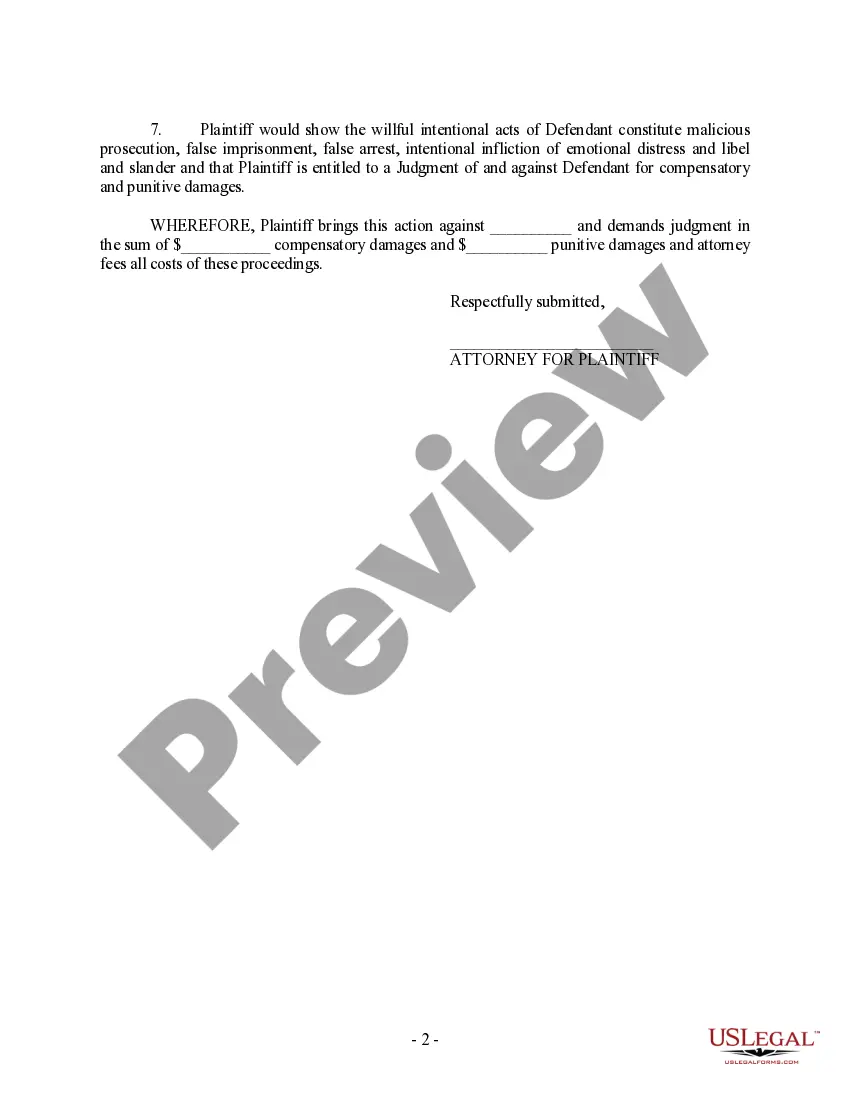
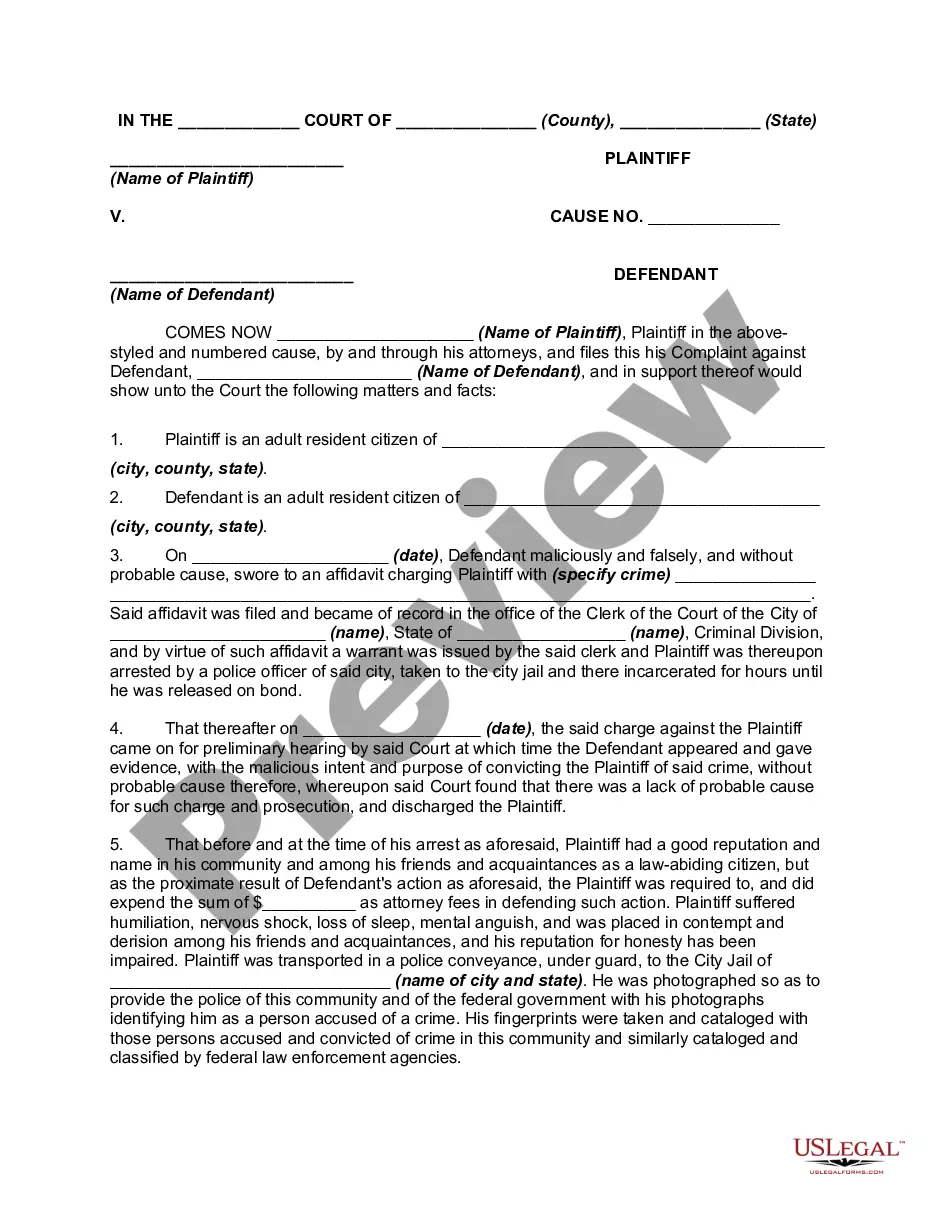
How to fill out Complaint For Malicious Prosecution?
It’s an acknowledged fact that you cannot instantly turn into a legal expert, nor can you easily discover how to swiftly prepare the 1983 Civil Rights Complaint Form Florida without possessing a specialized skill set.
Assembling legal documents is a lengthy undertaking that demands a particular level of education and expertise. So why not entrust the drafting of the 1983 Civil Rights Complaint Form Florida to professionals.
With US Legal Forms, which boasts one of the most comprehensive libraries of legal documents, you can find anything from court papers to office communication templates. We recognize how vital it is to comply with federal and state laws and regulations. That’s why all forms on our website are specific to your location and kept current.
- Locate the form you require using the search feature at the top of the page.
- Preview it (if this option is available) and review the accompanying description to ascertain if the 1983 Civil Rights Complaint Form Florida is what you need.
- If you're looking for a different form, restart your search.
- Create a free account and choose a subscription plan to purchase the template.
- Click Buy now. Once the transaction is completed, you can acquire the 1983 Civil Rights Complaint Form Florida, fill it in, print it, and send it to the appropriate parties or organizations.
Form popularity
FAQ
Yes. Under a fixed-term tenancy, if the tenant violated the lease three times during the past 12 months, the landlord can refuse to renew the lease if the tenant has lived there longer than a year and if the landlord gave the tenant a written warning following each of the three violations.
The ?qualifying landlord reasons? for termination are: 1. The landlord intends to demolish the dwelling unit within a reasonable time; 2. The landlord intends to convert the unit to a use other than residential use within a reasonable time; 3.
A fixed term tenancy less than one year will automatically convert to a month-to-month tenancy after the expiration of the fixed term unless the landlord has given a notice of termination at least 30 days prior to the end date stated in the rental agreement.
Non-Renewal of the Lease after the Rental Period Ends ing to Oregon law, the landlord must not evict a tenant or force them to vacate the property without probable cause. As long as the tenant does not commit a violation, they can stay until their lease period ends.
144 Hours' Notice to Pay Rent: On the fifth day after rent is due and owing, the landlord can instead give the tenant 144 hours' written notice to pay rent. This notice must inform the tenant that the landlord will terminate the tenancy unless the tenant pays rent within 144 hours of receiving the notice. (Ore. Rev.
Yes. Under a fixed-term tenancy, if the tenant violated the lease three times during the past 12 months, the landlord can refuse to renew the lease if the tenant has lived there longer than a year and if the landlord gave the tenant a written warning following each of the three violations.
Month-to-Month Evictions ? Oregon renters must be given 30 days to move out when a month-to-month lease is ended or 90 days in the city of Portland.
This law gives you the right to live in a rental property peacefully and without disturbance. Your right to quiet enjoyment may be violated if, for example, your landlord frequently makes unnecessary and unannounced visits to the property, or your landlord harasses you on the phone or in person.