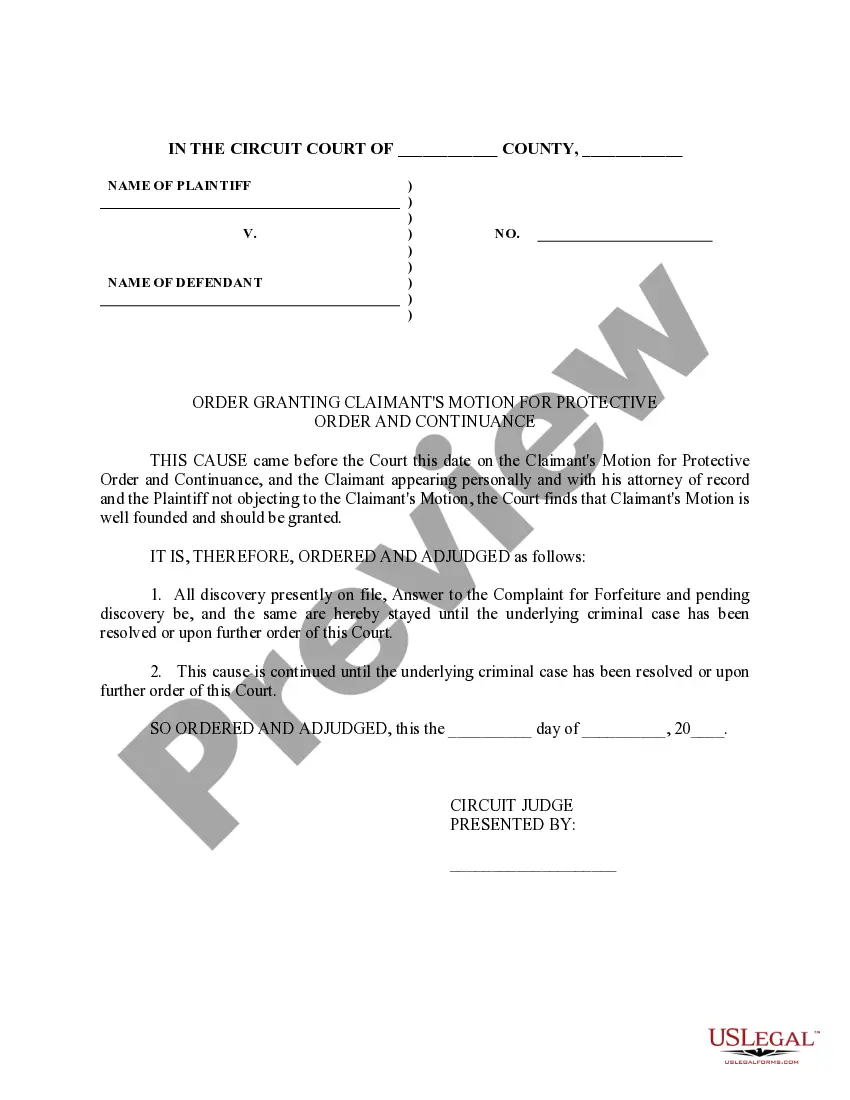
Restraining Order For Harassment
Description
Get your form ready online
Our built-in tools help you complete, sign, share, and store your documents in one place.
Make edits, fill in missing information, and update formatting in US Legal Forms—just like you would in MS Word.
Download a copy, print it, send it by email, or mail it via USPS—whatever works best for your next step.
Sign and collect signatures with our SignNow integration. Send to multiple recipients, set reminders, and more. Go Premium to unlock E-Sign.
If this form requires notarization, complete it online through a secure video call—no need to meet a notary in person or wait for an appointment.
We protect your documents and personal data by following strict security and privacy standards.

Make edits, fill in missing information, and update formatting in US Legal Forms—just like you would in MS Word.

Download a copy, print it, send it by email, or mail it via USPS—whatever works best for your next step.

Sign and collect signatures with our SignNow integration. Send to multiple recipients, set reminders, and more. Go Premium to unlock E-Sign.

If this form requires notarization, complete it online through a secure video call—no need to meet a notary in person or wait for an appointment.

We protect your documents and personal data by following strict security and privacy standards.
Looking for another form?





How to fill out Order Granting Protective Order?
It’s widely recognized that you cannot become a legal authority instantly, nor can you swiftly master the creation of a Restraining Order For Harassment without possessing a specialized background.
Assembling legal documents is a lengthy endeavor that necessitates a particular education and expertise. So why not entrust the drafting of the Restraining Order For Harassment to the professionals.
With US Legal Forms, one of the most comprehensive legal template collections, you can find everything from court documents to templates for internal communication.
You can regain access to your documents from the My documents section at any moment. If you’re a current client, you can simply Log In, and find and download the template from the same section.
Regardless of the intent behind your forms—whether it concerns financial and legal matters or personal use—our website has everything you need. Give US Legal Forms a try today!
- Locate the form you require using the search feature at the top of the webpage.
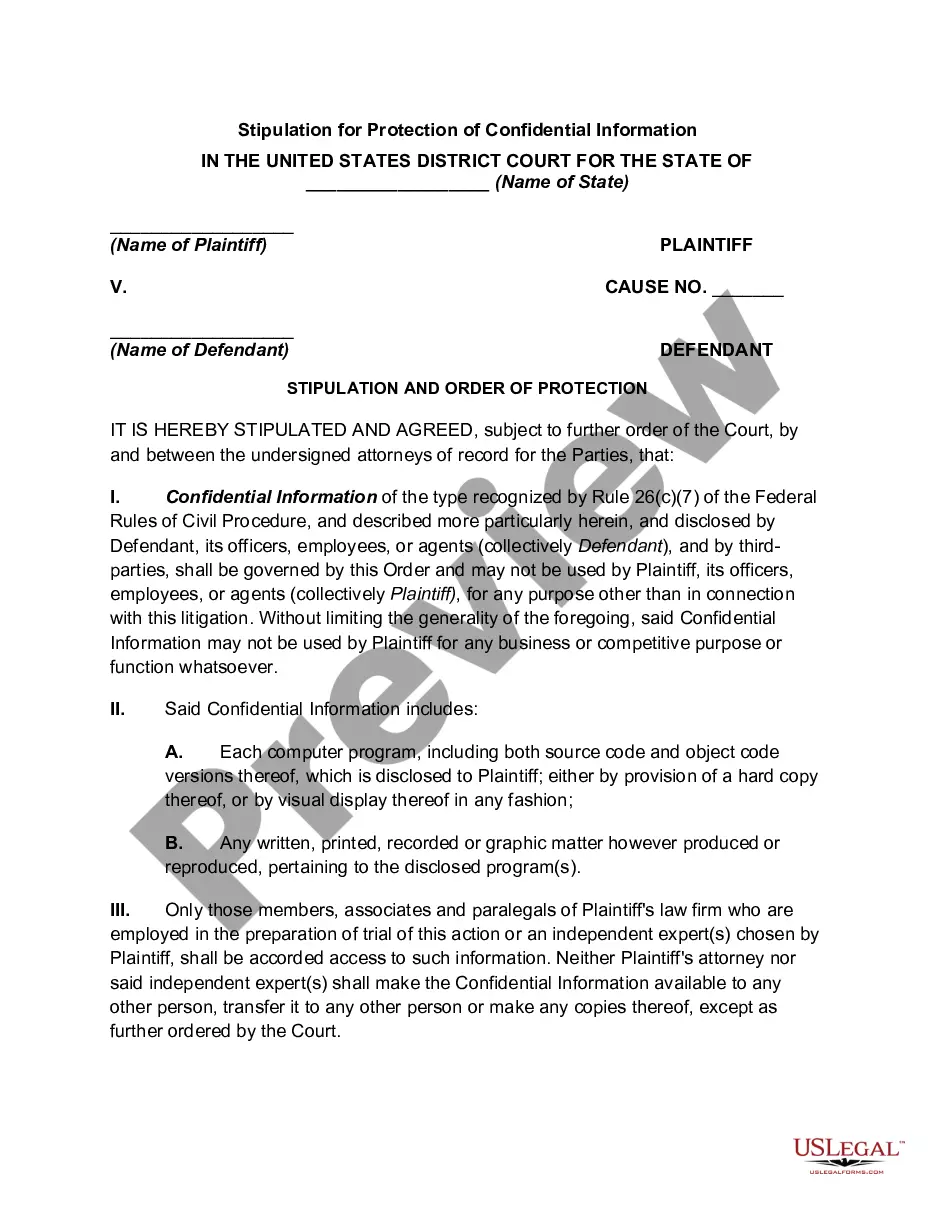
- View it (if this option is available) and review the accompanying description to ascertain if Restraining Order For Harassment is what you need.
- Restart your search if you require a different template.
- Create a complimentary account and select a subscription plan to acquire the template.
- Select Buy now. Once the payment is finalized, you can download the Restraining Order For Harassment, complete it, print it, and deliver it by mail to the relevant individuals or entities.
Form popularity
FAQ
A harassment order specifically addresses behaviors that cause emotional distress, while a restraining order is a broader legal tool that can protect against various threats, including physical harm. Both types of orders aim to provide safety and peace of mind, but they may differ in their legal implications and the circumstances under which they are granted. Understanding these distinctions can help you choose the right course of action, and US Legal Forms can assist you in navigating the legal process effectively.
To prove someone is harassing you, gather evidence of their behavior. This can include keeping a record of incidents, saving messages, and documenting any witnesses to the harassment. When you have sufficient documentation, you can file for a restraining order for harassment, which can help you obtain legal protection. Using platforms like US Legal Forms can simplify the process of filing and understanding your rights.
No, harassment and a restraining order are not the same thing. Harassment refers to specific behaviors that intimidate or distress you, while a restraining order for harassment is a legal action you can take to protect yourself. The restraining order legally prohibits the harasser from contacting or approaching you, creating a barrier against further harassment. Understanding this difference can help you take the appropriate steps to ensure your safety.
Harassment includes a range of unwanted behaviors that create a hostile environment. This may involve threats, stalking, repeated unwanted contact, or any actions that cause you emotional distress. If you feel unsafe or uncomfortable because of someone's behavior, it may be grounds for seeking a restraining order for harassment. Documenting these behaviors is crucial for building your case.
A restraining order (also called a ?protective order?) is a court order that can protect someone from being physically or sexually abused, threatened, stalked, or harassed.
A: Generally, there is no difference between a restraining order and a protective order. California law uses them to refer to the same action. These words are used interchangeably for the same court order, which protects a person from abuse, stalking, violence, or threats of violence from another person.
Clear and convincing evidence goes far beyond simple declarations. Anyone seeking such an order must be prepared to present some physical evidence in addition to their own written statements and testimony in court. Evidence such as photographs, text messages, police reports or medical records.
In general, civil harassment is abuse, threats of abuse, stalking, sexual assault, or serious harassment by someone you have not dated and do NOT have a close family relationship with, like a neighbor, a roommate, or a friend (that you have never dated).
A Restraining Order can be filed and requested by an individual; No Contact Orders are issued in criminal court by a judge. A judge will issue a No Contact Order to protect the alleged abuser from continued violence, threats, and/or harassment. The order will specify what is and isn't allowed in terms of contact.