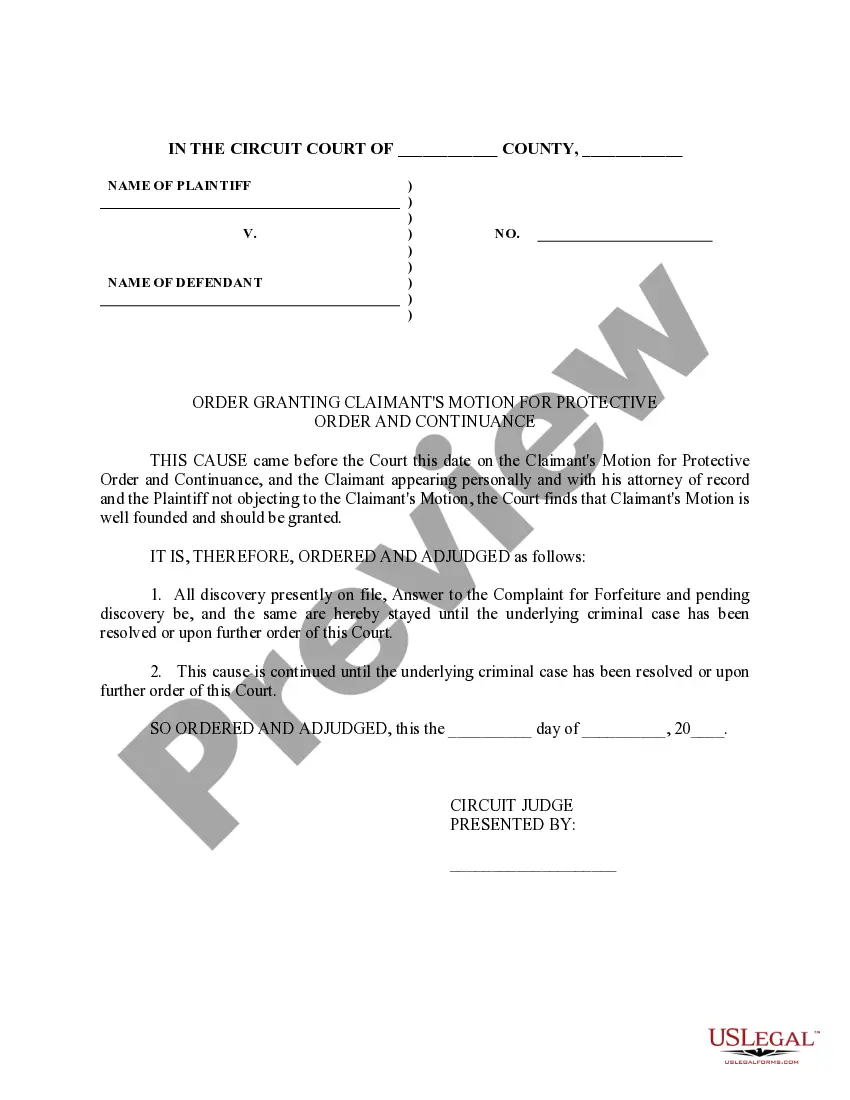
Protection Order For Harassment
Description
Get your form ready online
Our built-in tools help you complete, sign, share, and store your documents in one place.
Make edits, fill in missing information, and update formatting in US Legal Forms—just like you would in MS Word.
Download a copy, print it, send it by email, or mail it via USPS—whatever works best for your next step.
Sign and collect signatures with our SignNow integration. Send to multiple recipients, set reminders, and more. Go Premium to unlock E-Sign.
If this form requires notarization, complete it online through a secure video call—no need to meet a notary in person or wait for an appointment.
We protect your documents and personal data by following strict security and privacy standards.

Make edits, fill in missing information, and update formatting in US Legal Forms—just like you would in MS Word.

Download a copy, print it, send it by email, or mail it via USPS—whatever works best for your next step.

Sign and collect signatures with our SignNow integration. Send to multiple recipients, set reminders, and more. Go Premium to unlock E-Sign.

If this form requires notarization, complete it online through a secure video call—no need to meet a notary in person or wait for an appointment.

We protect your documents and personal data by following strict security and privacy standards.
Looking for another form?
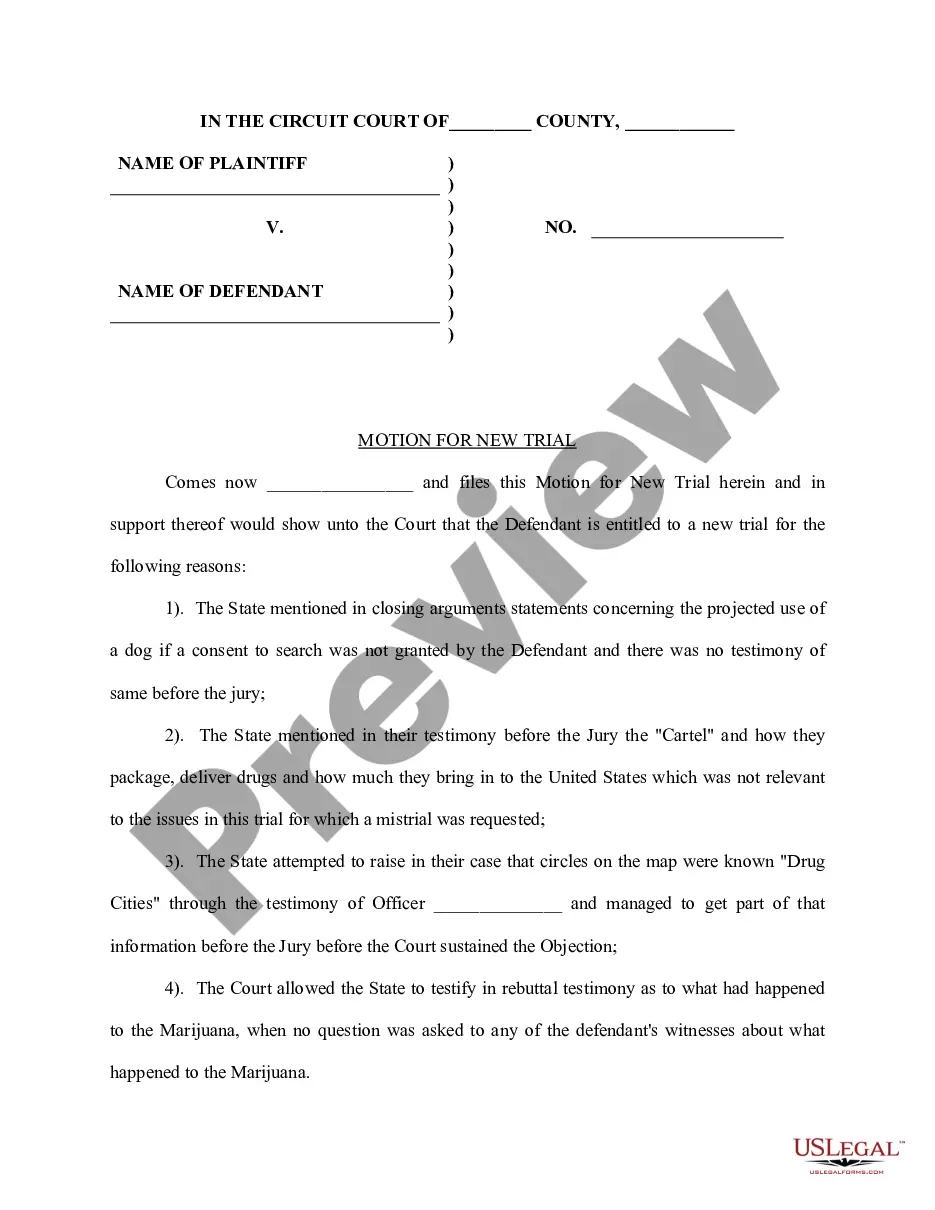





How to fill out Order Granting Protective Order?
Managing legal documents can be daunting, even for experienced experts.
If you are looking for a Protection Order For Harassment and lack the time to search for the appropriate and current version, the process can be stressful. A robust online form repository can be a significant advantage for anyone wishing to navigate these matters effectively.
Explore a valuable resource pool of articles, guides, and materials pertinent to your situation and needs.
Save time and energy searching for the documents you require, and use US Legal Forms’ sophisticated search and Review feature to find Protection Order For Harassment and obtain it.
Click Buy Now when you are prepared, choose a subscription plan, select the file format you prefer, and Download, fill out, sign, print, and submit your document. Leverage the US Legal Forms online repository, supported by 25 years of expertise and reliability. Streamline your routine document management into a seamless and user-friendly experience today.
- If you have a subscription, Log In to your US Legal Forms account, search for the form, and download it.
- Check your My documents tab to see the documents you have previously downloaded and manage your folders as you wish.
- If this is your first time using US Legal Forms, create an account and gain unlimited access to all the platform's benefits.
- After downloading the desired form, make sure it is the right one by previewing it and reviewing its description.
- Ensure that the template is valid in your state or county.
- Access state- or county-specific legal and business documents.
- US Legal Forms meets any needs you may have, ranging from personal to corporate paperwork, all in one place.
- Utilize innovative tools to complete and manage your Protection Order For Harassment.
Form popularity
FAQ
No, a harassment order and a restraining order are not the same. A harassment order focuses on preventing harassment, whereas a restraining order can address various types of threats, including physical violence. It's important to identify which order fits your situation best. With a protection order for harassment, you can take clear steps to safeguard yourself from unwanted behaviors.
A harassment order specifically addresses unwanted and harmful behavior, while a restraining order may cover a broader range of situations, including domestic violence. Both orders aim to protect individuals, but their scopes can differ. Understanding your needs is essential, and a protection order for harassment can provide targeted relief. Consulting platforms like US Legal Forms can guide you in obtaining the right order.
Behaviors that may be classified as harassment include persistent phone calls, unwanted messages, following someone, or making threats. These actions can disrupt your daily life and well-being. If you experience such harassment, a protection order for harassment can serve as a vital tool to protect yourself. It legally restricts the harasser and helps restore your sense of security.
Harassment includes behaviors that cause distress or alarm to another person. This can involve repeated unwanted contact, threats, stalking, or any actions that create a hostile environment. If you find yourself facing such behavior, a protection order for harassment can help. It provides legal recourse to ensure your safety and peace of mind.
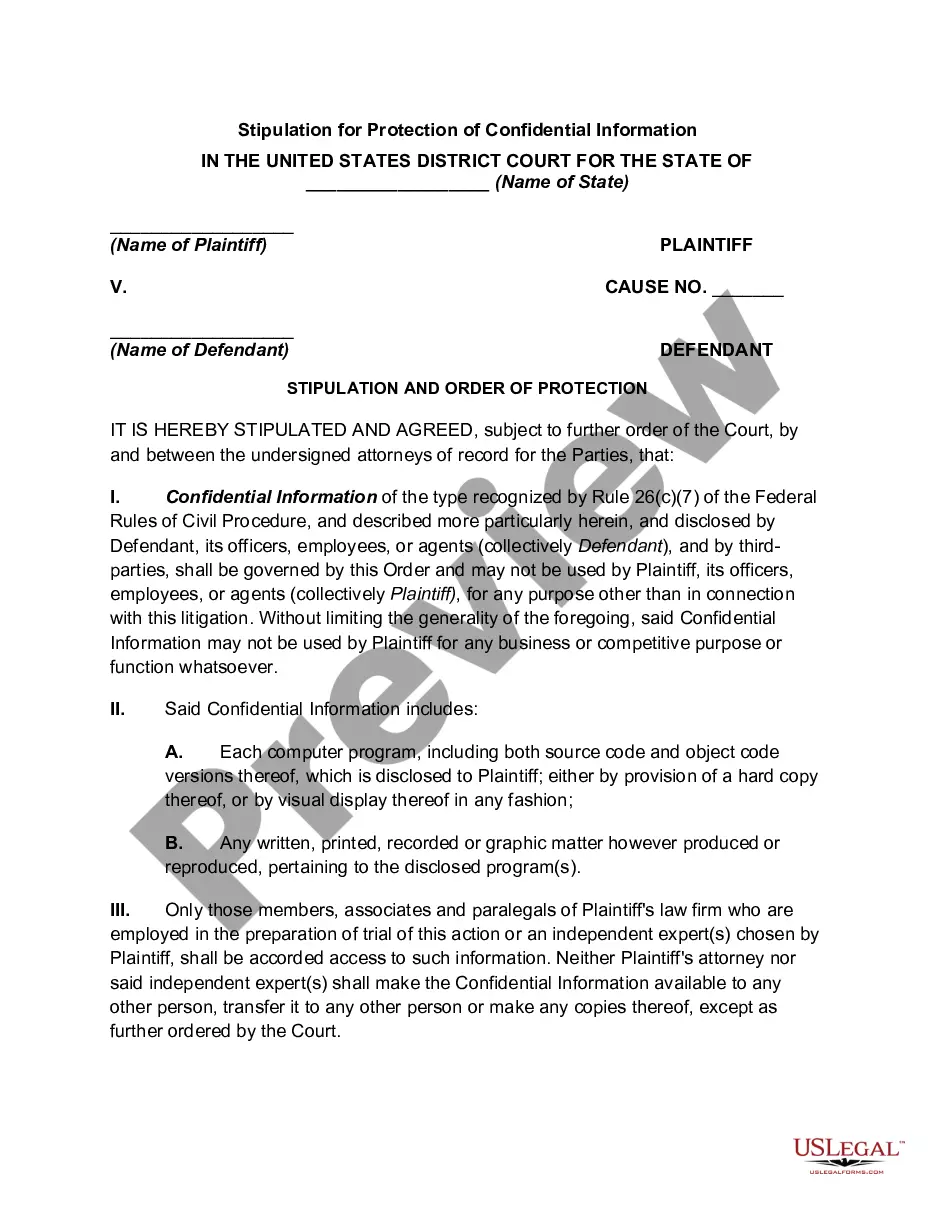
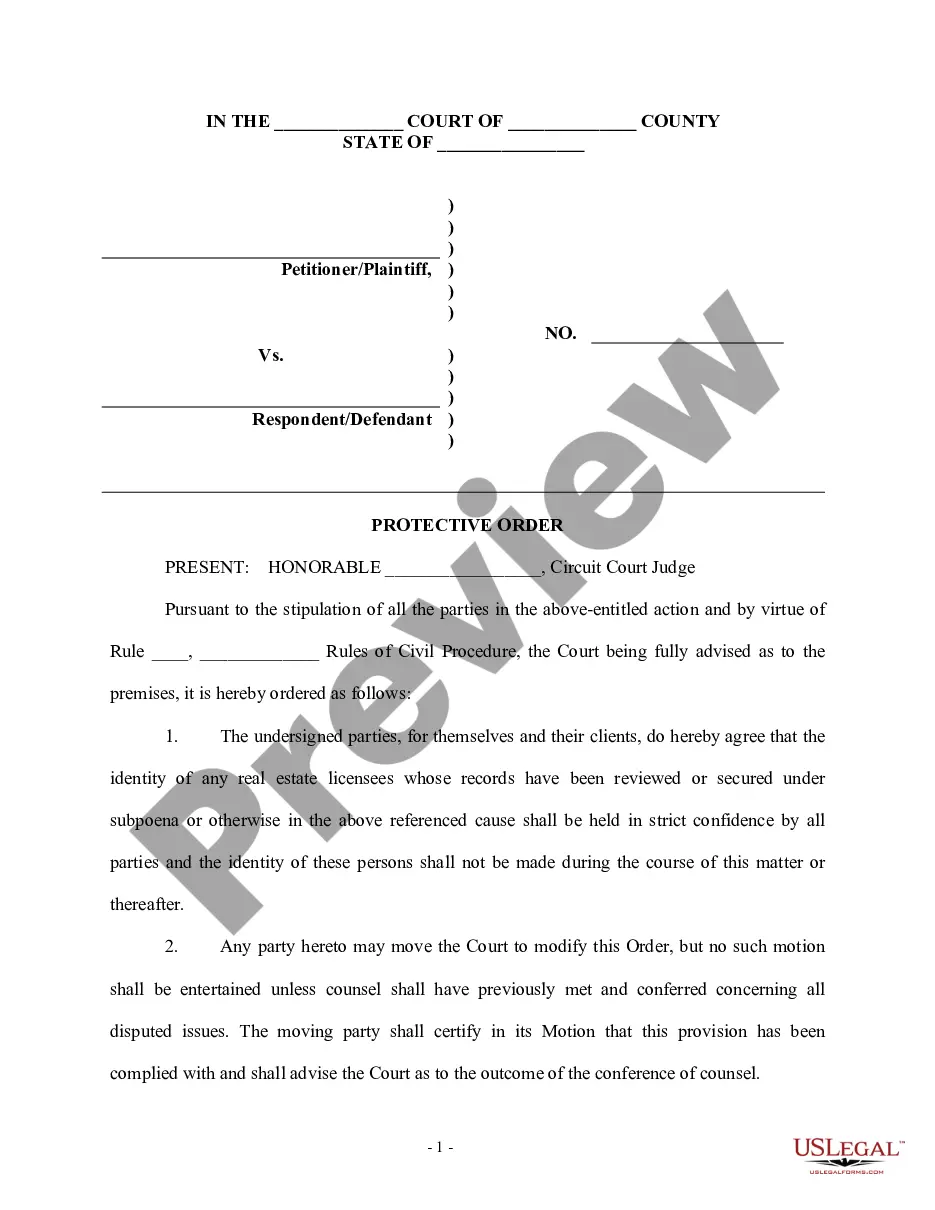
Filling out a protection order for harassment involves several steps. First, gather all necessary information about the harasser, including their name and address. Then, complete the required forms, clearly describing the harassment incidents you have experienced. If you need guidance, the US Legal Forms platform offers easy-to-follow templates and instructions to help you navigate the process with confidence.
To prove someone is harassing you, begin by documenting every incident. Keep a detailed record of dates, times, and descriptions of the behavior, as well as any witnesses who may have observed it. Collect any relevant messages, emails, or social media interactions that demonstrate the harassment. This evidence will be crucial when seeking a protection order for harassment.
The restraining order process for civil harassment cases Ask for a restraining order. You will complete and turn in court papers. ... Serve the other side. The other side (person you want protection from) must be served with (given) the court papers filed with the court. Go to court. ... Finish the case.
Fill out all required forms Request for Civil Harassment Restraining Orders (form CH-100) Confidential CLETS Information (form CLETS-001) Notice of Court Hearing (form CH-109) Temporary Restraining Order (form CH-110) Civil Case Cover Sheet (form CM-010)
The 7 forms that you will need to complete in the Civil Harassment Restraining Order Form Packet are: Civil Case Cover Sheet (CM-010); Declaration Re: Notice Temporary Restraining Order (L-0889); Notice of Court Hearing (CH-109); Temporary Restraining Order (CH-110);
Orders of protection are issued by a judge to protect you from another person who is abusing, harassing, threatening, and/or intimidating you, or has committed a crime against you. Orders of protection are commonly issued in cases involving domestic violence, but may also be issued under other circumstances.