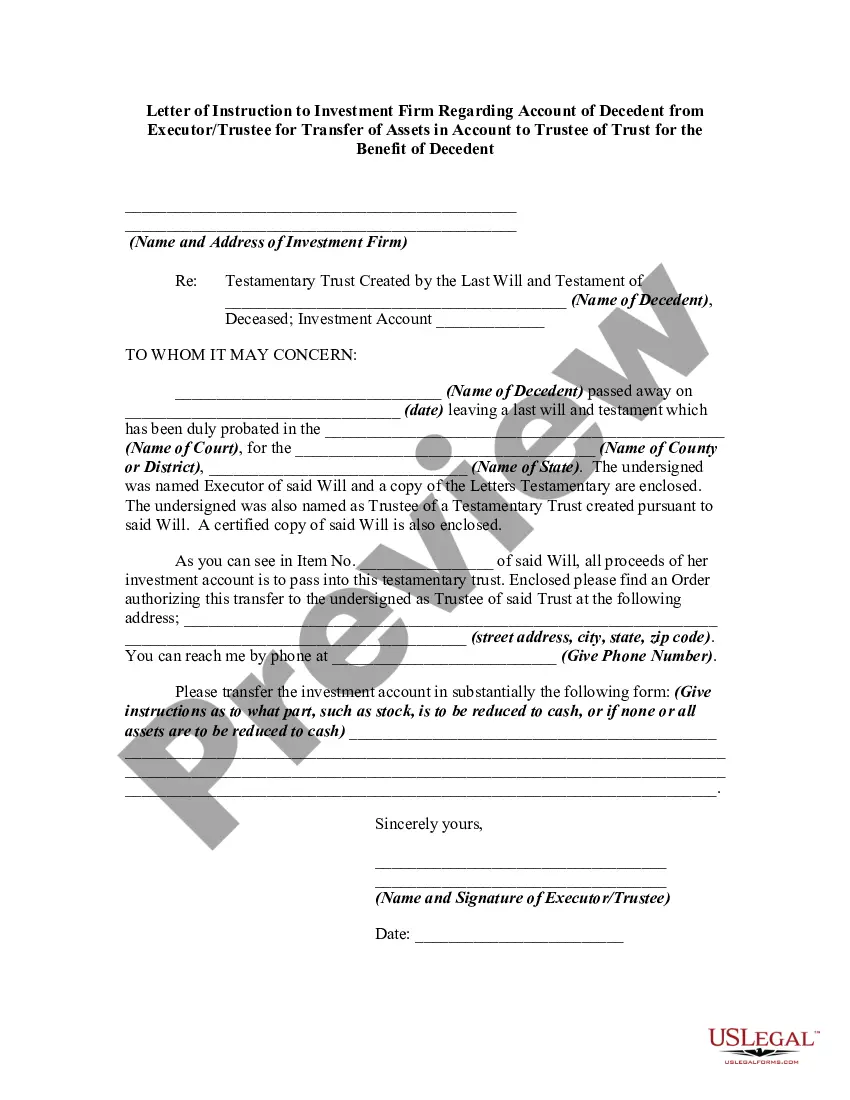
Asset Transfer Form Template Excel
Description
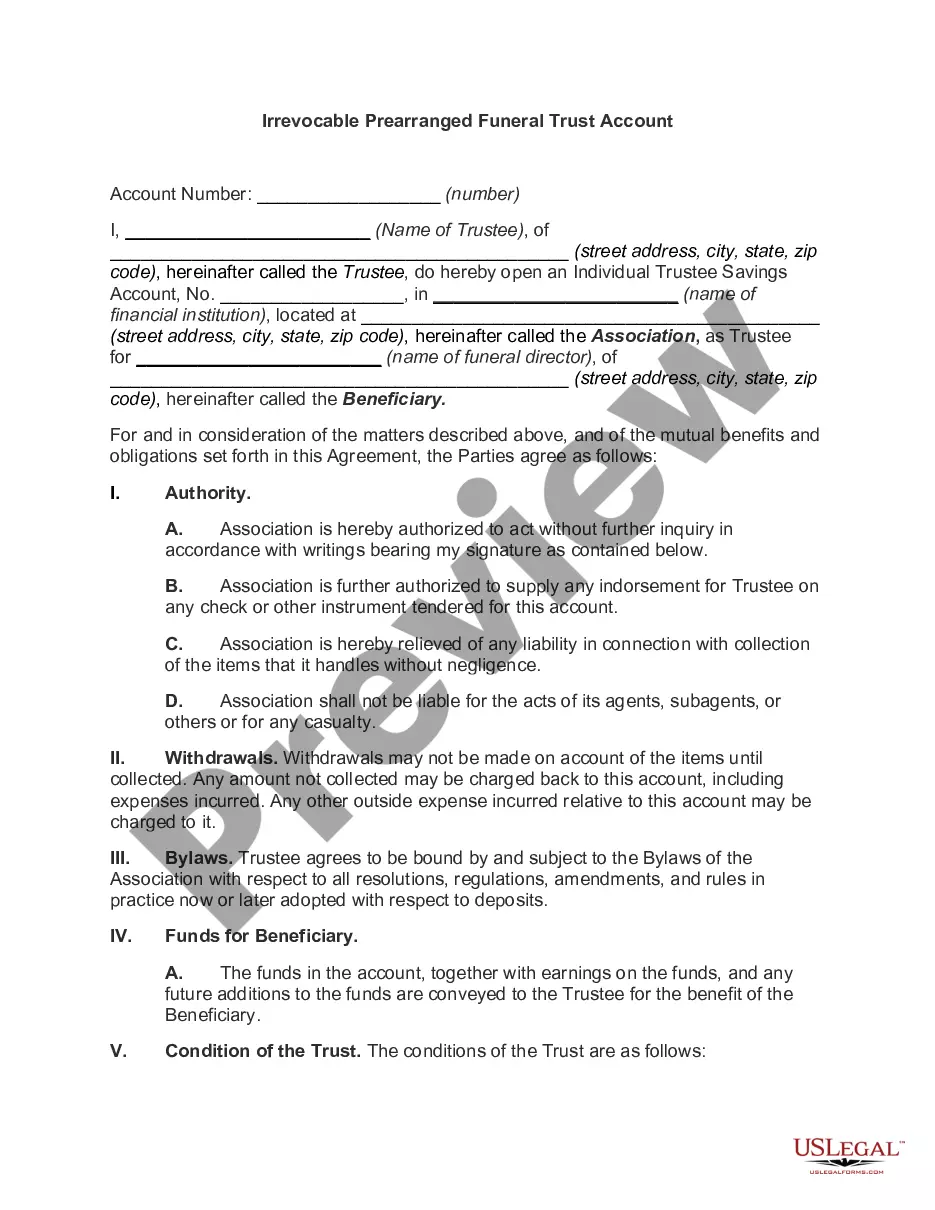
Get your form ready online
Our built-in tools help you complete, sign, share, and store your documents in one place.
Make edits, fill in missing information, and update formatting in US Legal Forms—just like you would in MS Word.
Download a copy, print it, send it by email, or mail it via USPS—whatever works best for your next step.
Sign and collect signatures with our SignNow integration. Send to multiple recipients, set reminders, and more. Go Premium to unlock E-Sign.
If this form requires notarization, complete it online through a secure video call—no need to meet a notary in person or wait for an appointment.
We protect your documents and personal data by following strict security and privacy standards.

Make edits, fill in missing information, and update formatting in US Legal Forms—just like you would in MS Word.

Download a copy, print it, send it by email, or mail it via USPS—whatever works best for your next step.

Sign and collect signatures with our SignNow integration. Send to multiple recipients, set reminders, and more. Go Premium to unlock E-Sign.

If this form requires notarization, complete it online through a secure video call—no need to meet a notary in person or wait for an appointment.

We protect your documents and personal data by following strict security and privacy standards.
Looking for another form?



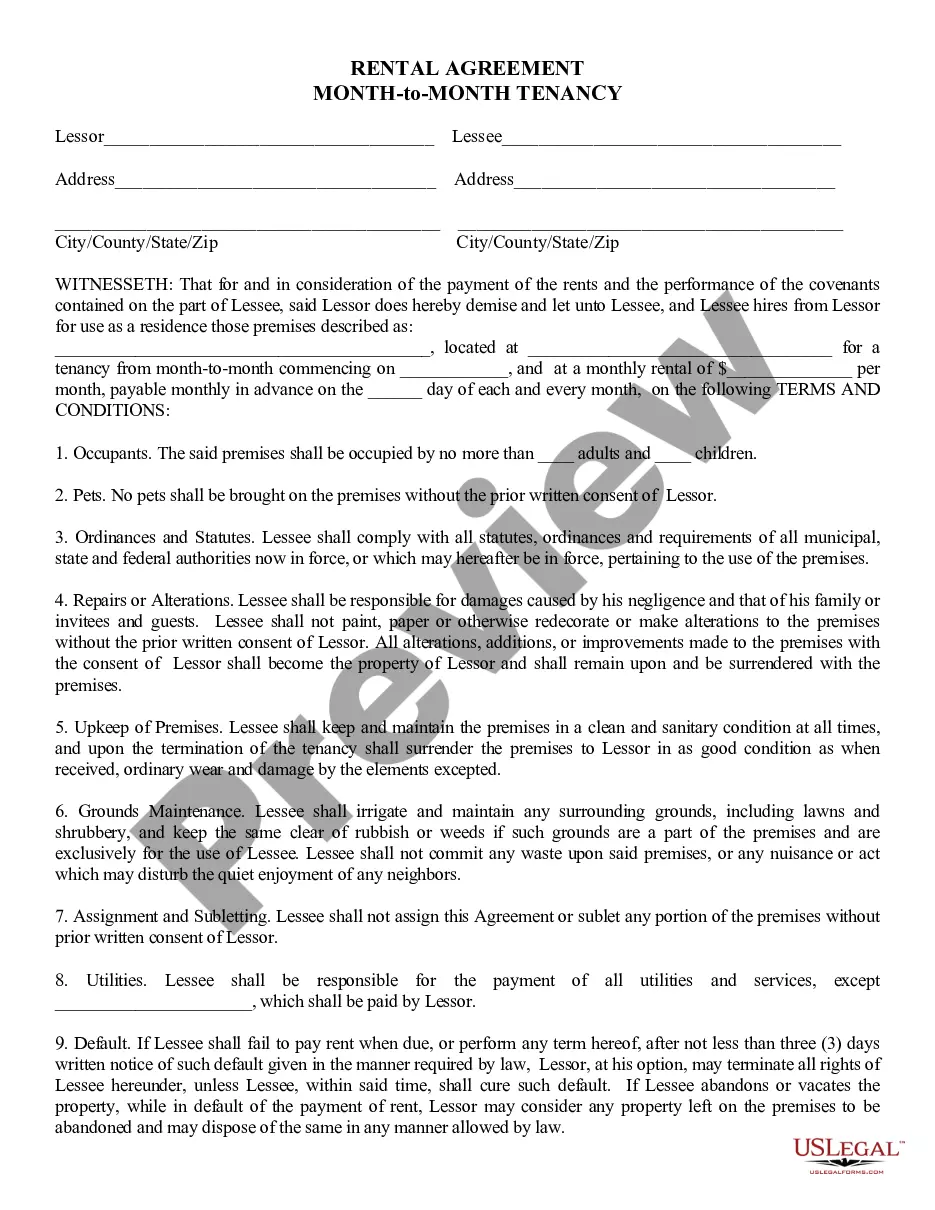


How to fill out Letter Of Instruction To Investment Firm Regarding Account Of Decedent From Executor / Trustee For Transfer Of Assets In Account To Trustee Of Trust For The Benefit Of Decedent?
Whether for corporate objectives or personal matters, everyone must confront legal circumstances at some point in their lives.
Completing legal documentation requires meticulous focus, beginning with selecting the appropriate form template.
Once it is saved, you can fill out the form with the assistance of editing software or print it and complete it by hand. With a comprehensive US Legal Forms catalog available, you do not need to waste time searching for the right template online. Utilize the library’s intuitive navigation to discover the appropriate form for any scenario.
- For instance, if you select an incorrect version of an Asset Transfer Form Template Excel, it will be rejected upon submission.
- Thus, it is crucial to acquire a reliable source of legal documents like US Legal Forms.
- If you wish to obtain an Asset Transfer Form Template Excel template, follow these straightforward instructions.
- Locate the template you require by using the search bar or browsing the catalog.
- Review the form’s description to ensure it aligns with your circumstance, state, and county.
- Click on the form's preview to assess it.
- If it is not the correct document, return to the search function to find the Asset Transfer Form Template Excel example you need.
- Download the template when it satisfies your criteria.
- If you already possess a US Legal Forms account, simply click Log in to access previously saved documents in My documents.
- If you do not yet have an account, you may download the form by clicking Buy now.
- Choose the suitable pricing option.
- Complete the profile registration form.
- Select your payment method: use a credit card or PayPal account.
- Choose the document format you prefer and download the Asset Transfer Form Template Excel.
Form popularity
FAQ
The asset transfer form is used to transfer assets from one responsible ORG to another or to correct a department's ORG code, should it change. Asset transfers between departments require signatures from both the requesting and the receiving parties (approval via email can also be accepted as signature).
An asset transfer is a movement of an item of plant and equipment from one fund/department to another using the Asset Cost Adjust/Transfers function of the ESP Assets Management System (ESP). The business unit that is receiving the asset is responsible for processing the transfer in ESP.
The process of asset transfer involves a series of steps, which typically include an assessment of the asset's value, negotiation of the terms of the transfer, and the execution of a legal agreement to document the transfer.
Often just referred to as ?the paperwork?, the Asset Transfer Form (ATF) is the exact, verified count of assets (any kind) that are going to be packed, picked up and transported to another location. This is the first step in the chain of custody process and critical for secure transport.
Types of Transferring Assets A transfer happens when an account holder moves money from one account to another, such as from a checking account to a higher-interest savings account or from savings to an individual retirement account (IRA) account. The transfer doesn't need to occur within the same bank.