Irs Tax Form 1041 K-1
Description



Get your form ready online
Our built-in tools help you complete, sign, share, and store your documents in one place.
Make edits, fill in missing information, and update formatting in US Legal Forms—just like you would in MS Word.
Download a copy, print it, send it by email, or mail it via USPS—whatever works best for your next step.
Sign and collect signatures with our SignNow integration. Send to multiple recipients, set reminders, and more. Go Premium to unlock E-Sign.
If this form requires notarization, complete it online through a secure video call—no need to meet a notary in person or wait for an appointment.
We protect your documents and personal data by following strict security and privacy standards.

Make edits, fill in missing information, and update formatting in US Legal Forms—just like you would in MS Word.

Download a copy, print it, send it by email, or mail it via USPS—whatever works best for your next step.

Sign and collect signatures with our SignNow integration. Send to multiple recipients, set reminders, and more. Go Premium to unlock E-Sign.

If this form requires notarization, complete it online through a secure video call—no need to meet a notary in person or wait for an appointment.

We protect your documents and personal data by following strict security and privacy standards.
Looking for another form?








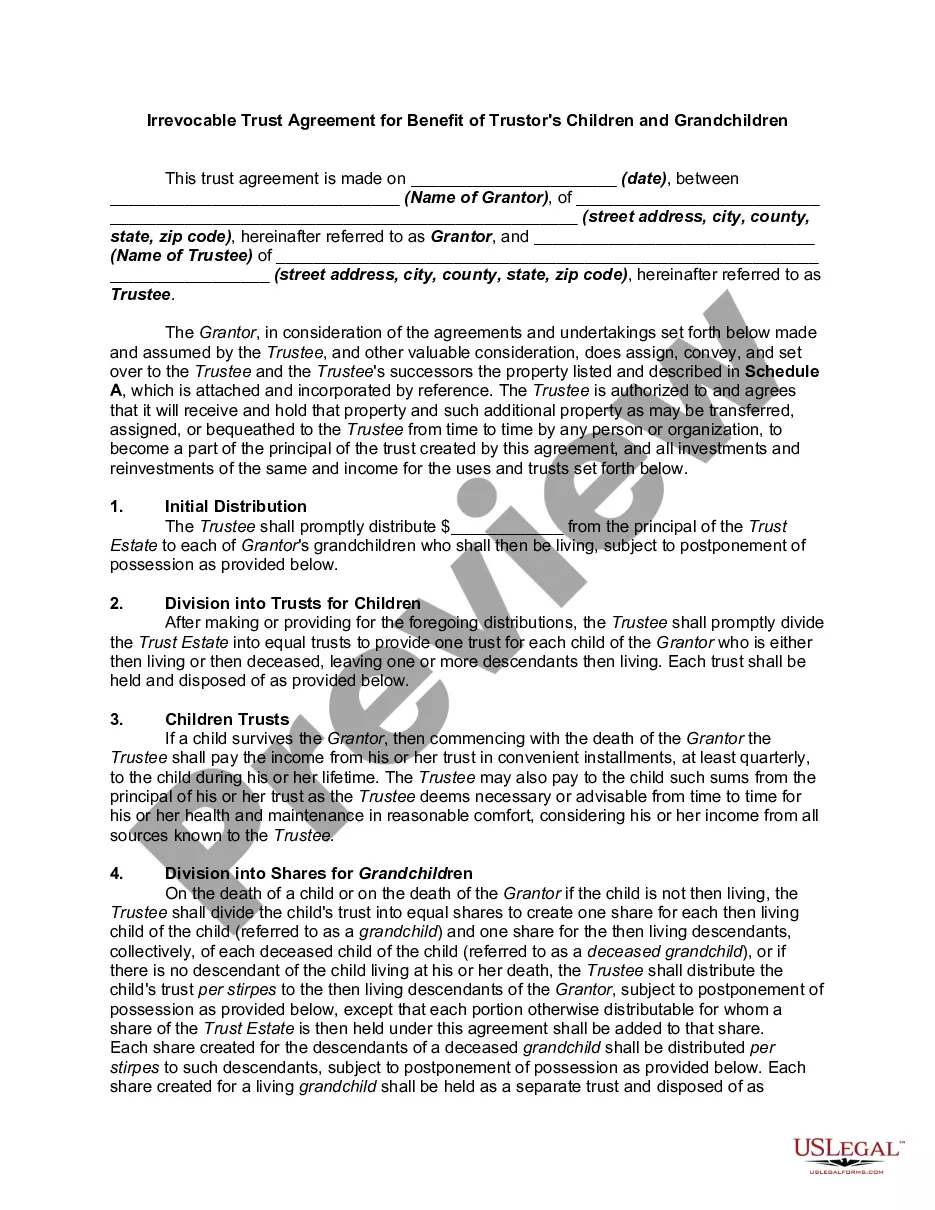
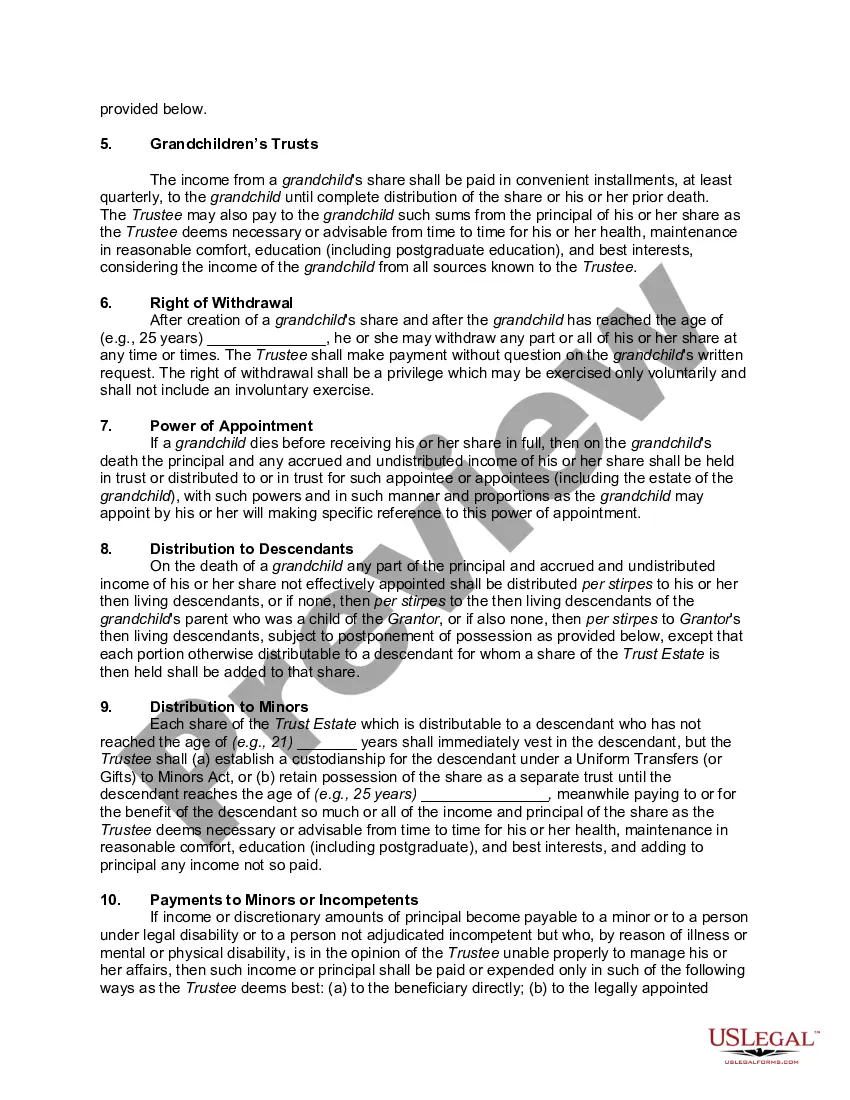
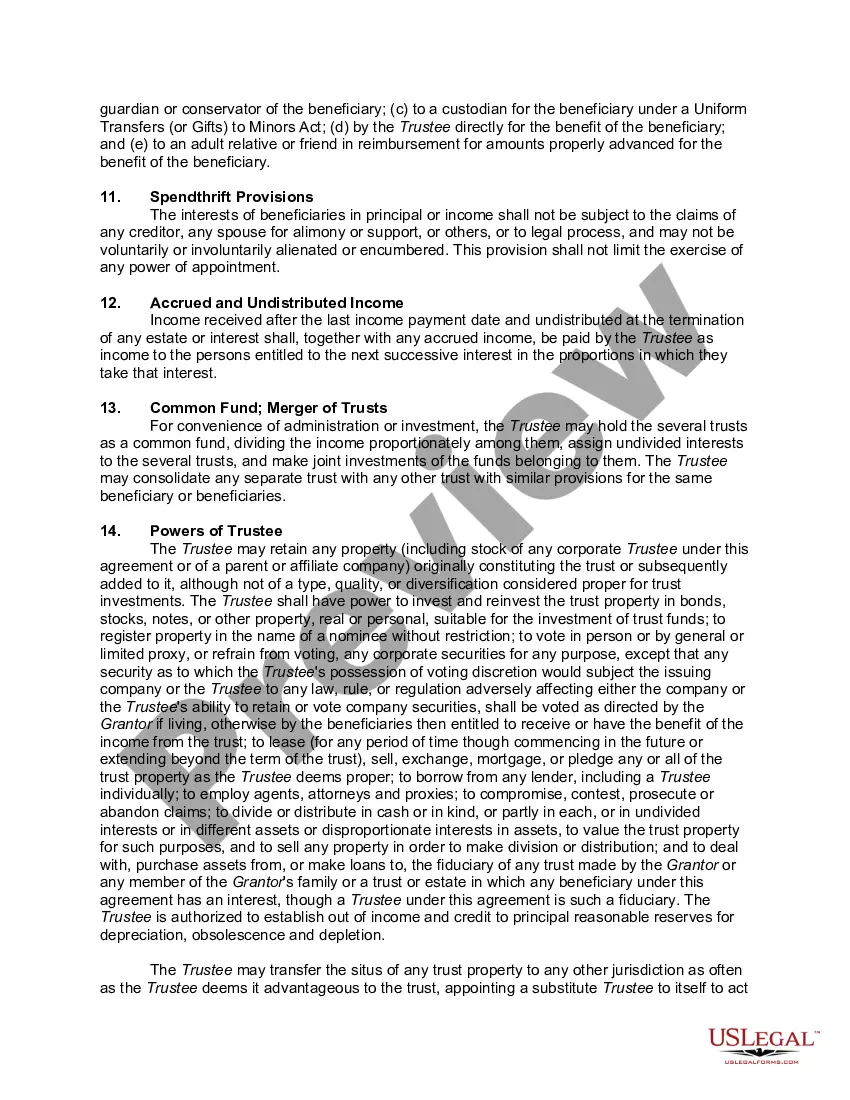
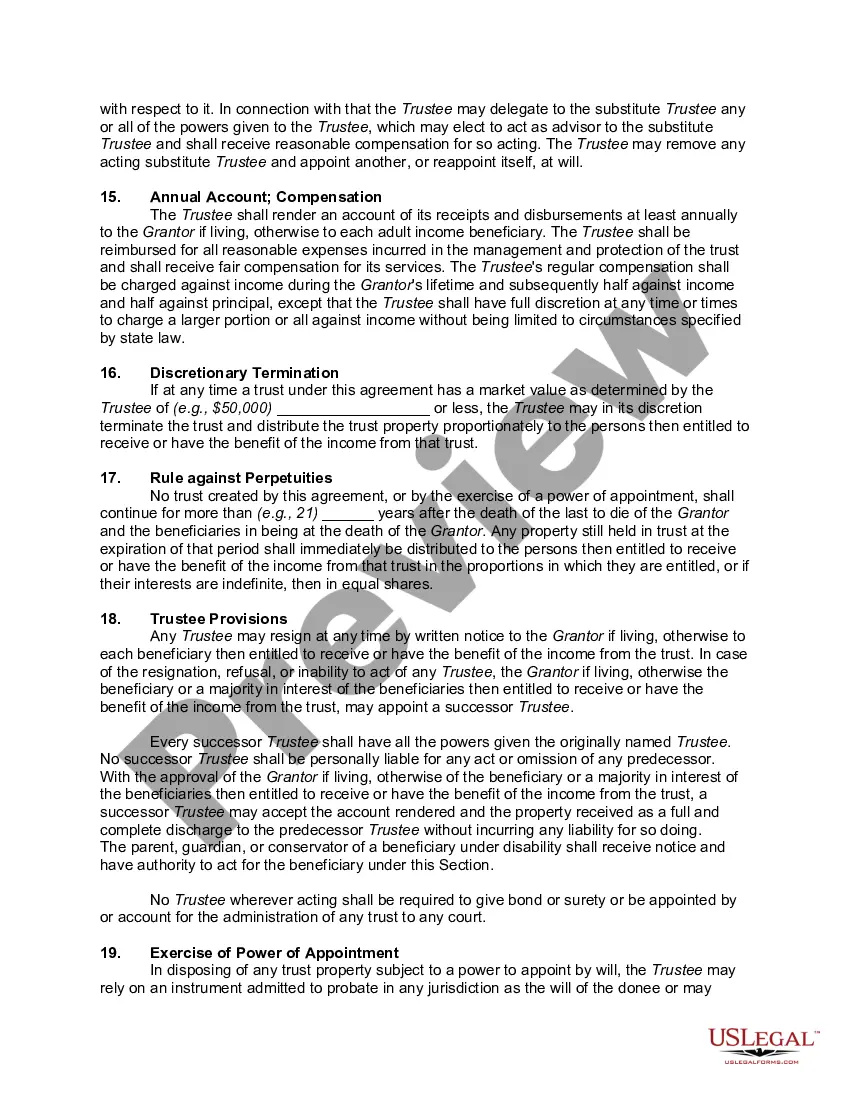
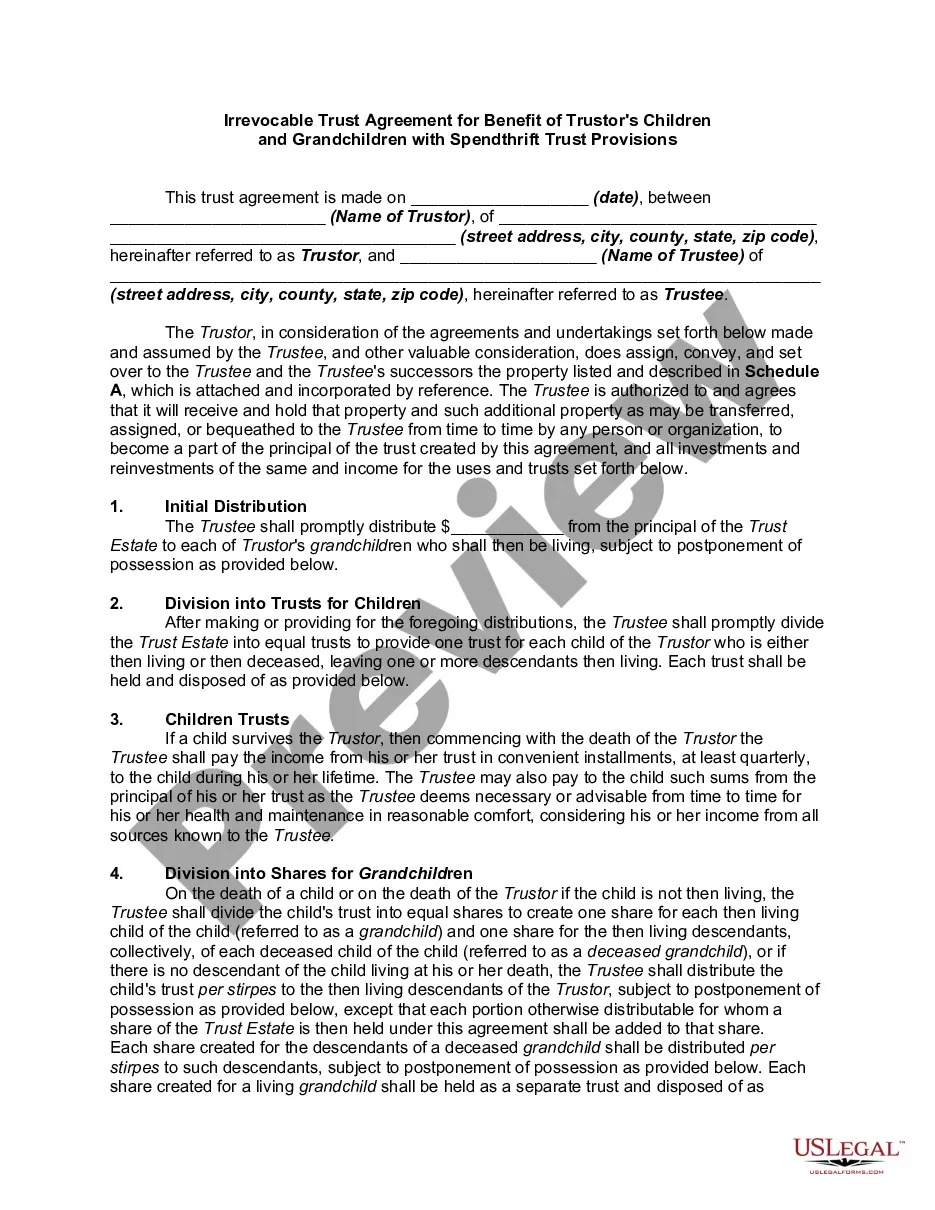
How to fill out Irrevocable Trust Agreement For Benefit Of Trustor's Children And Grandchildren?
- If you're a returning user, log in to your account and download the IRS tax form 1041 K-1 directly by clicking the Download button. Ensure your subscription is active; renew it if necessary.
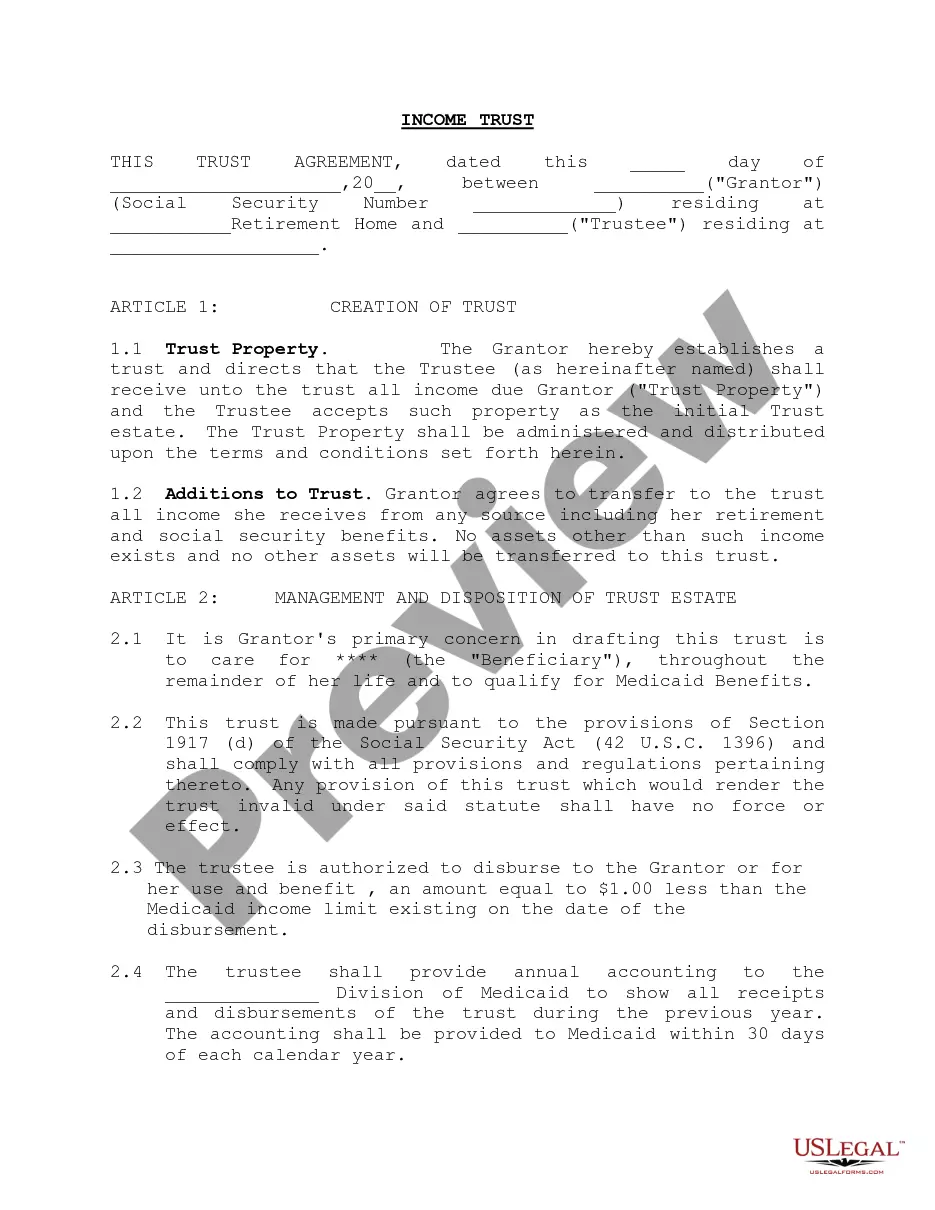
- For first-time users, review the Preview mode and form description to confirm you've selected the right IRS tax form 1041 K-1 that aligns with your local jurisdiction.
- If the form does not meet your needs, utilize the Search tab to find an alternative that fits your requirements.
- To purchase the document, click the Buy Now button and select your preferred subscription plan. You'll need to create an account to access their comprehensive library.
- Complete your purchase by entering your credit card information or using your PayPal account to secure your subscription.
- Finally, download the IRS tax form 1041 K-1 to your device and access it anytime from the My Forms section of your profile.
In conclusion, US Legal Forms simplifies the process of obtaining legal documents like the IRS Tax Form 1041 K-1. Their comprehensive database and user-friendly navigation make it easy to find and fill out taxing forms correctly.
Start your hassle-free experience with US Legal Forms today and ensure your tax documents are handled efficiently!
Form popularity
FAQ
The K-1 form and the 1041 serve distinct purposes. The Irs tax form 1041 is used by estates and trusts to report income, whereas the K-1 form details each beneficiary’s share of that income. Therefore, the K-1 acts as a supplement to the 1041, informing beneficiaries of their share. It's essential to understand both forms when managing estate-related taxes.
Yes, you can complete your own K-1 tax form, but it requires understanding the information required for the Irs tax form 1041 k-1. If you have a straightforward situation, DIY tax software may help streamline the process. However, complicated partnerships or incomes might benefit from professional assistance. Always ensure that the details you report are correct to maintain compliance.
1 form reports income, deductions, and credits from partnerships or estates to you. When you receive the Irs tax form 1041 k1, it can significantly impact your tax return since the income is taxable. This means you need to report this income on your personal tax return. Additionally, handling the K1 accurately can avoid potential penalties.
Filling out a K-1 tax form requires you to gather all necessary financial data related to the trust or partnership. Record each beneficiary's share of income, deductions, and credits per the corresponding guidelines. Being thorough in this process will ensure that the K-1 accurately reflects the financial information needed for IRS tax form 1041 compliance. As you tackle this, uslegalforms can offer templates and guidance to simplify your task.
To report income from Schedule K-1 form 1041, incorporate the relevant income amounts into your IRS tax form 1040. Each type of income listed on the K-1 has specific reporting requirements, so read the instructions carefully. In addition to federal tax obligations, you may also need to consider state taxes, which could further complicate matters. Leverage uslegalforms to guide you through each step of this reporting process.
Report K-1 form 1041 income on the appropriate lines of your IRS tax form 1040, depending on the type of income received, such as ordinary income, dividends, or capital gains. Each income type has specific sections, so check the K-1 for guidance on how to categorize your earnings correctly. This ensures that you're following IRS regulations while maximizing accuracy. You can find more helpful tips on uslegalforms.
You do not file the K-1 form itself with your IRS tax form 1041. Instead, you use the K-1 to report your share of income from the estate or trust on your personal tax return, which is IRS tax form 1040. However, the entity must issue the K-1 to all beneficiaries, which is an important part of the reporting process. For more details and templates, visit uslegalforms to assist you.
Yes, distributions reported on a K-1 from a trust are generally considered taxable income. This means that you must include these distributions when calculating your overall taxable income on your IRS tax form 1040. It's essential to understand how these distributions operate to ensure tax compliance. If you need assistance, uslegalforms can provide clarity and tools to help you navigate this.
Income reported on Schedule K-1 should typically be entered on your individual IRS tax form 1040. You will need to reference the K-1 to ensure accurate reporting of the income, deductions, and credits that flow through from the entity. It is crucial to review the detailed instructions associated with the IRS tax form 1041 K-1 for correct handling of this income. Our resources can also help clarify this process for you.
Filling out the IRS tax form 1041 can seem daunting, but it is manageable. Begin by gathering all necessary documentation such as trust or estate income details and expenses. Follow the form's instructions carefully, ensuring that you report all income, deductions, and credits accurately. Utilizing a platform like uslegalforms can simplify the process with helpful templates and guidance.