Grantorname Alienated Situs With Beneficiary
Description

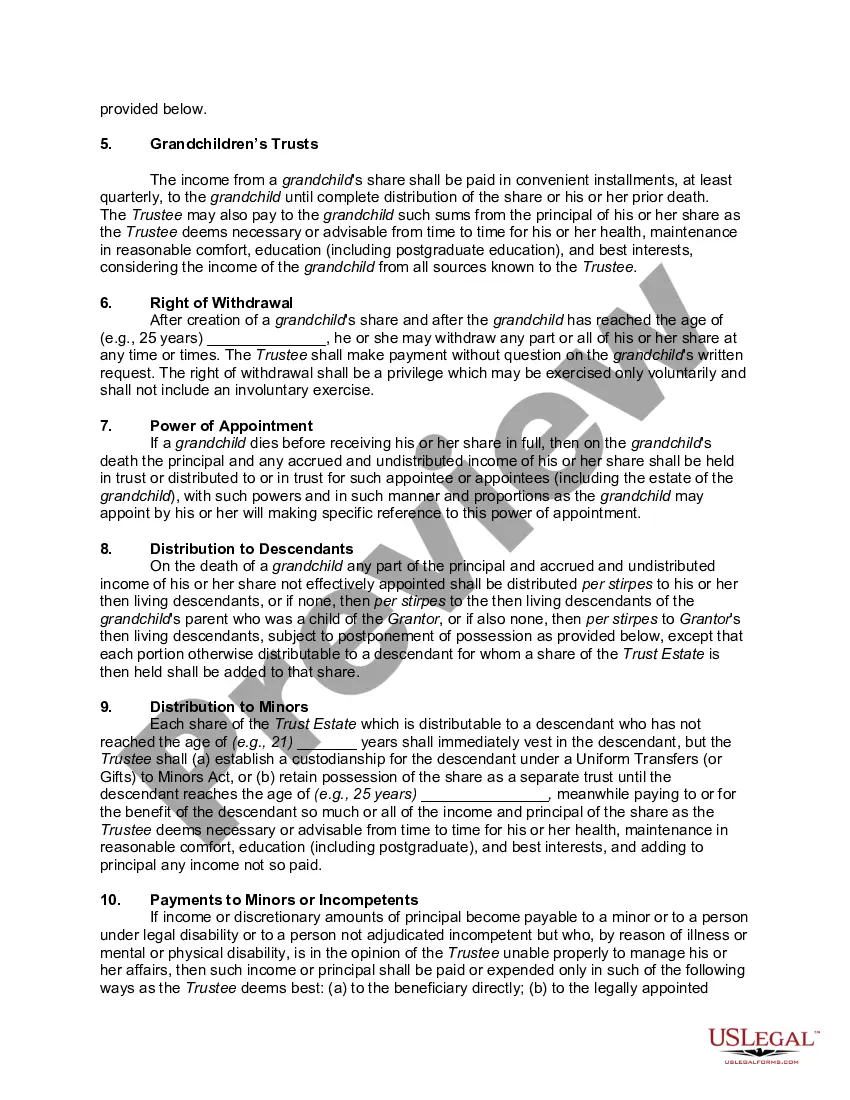
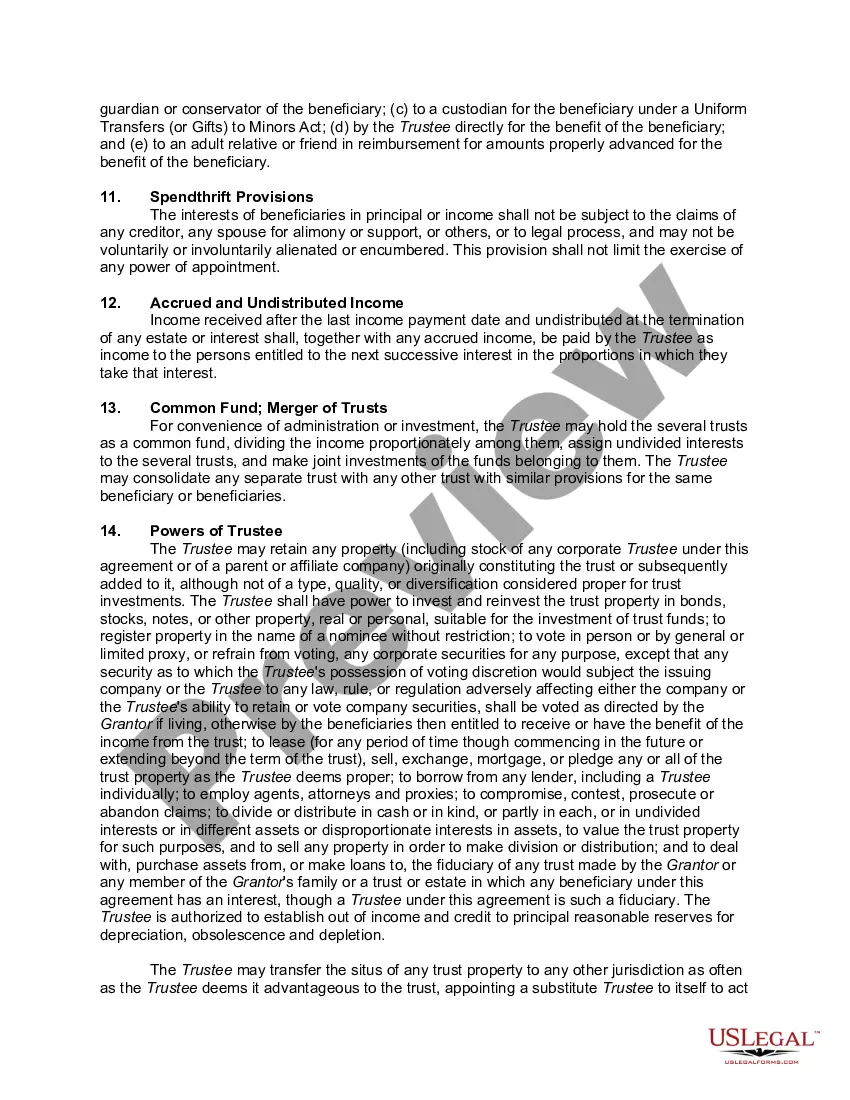
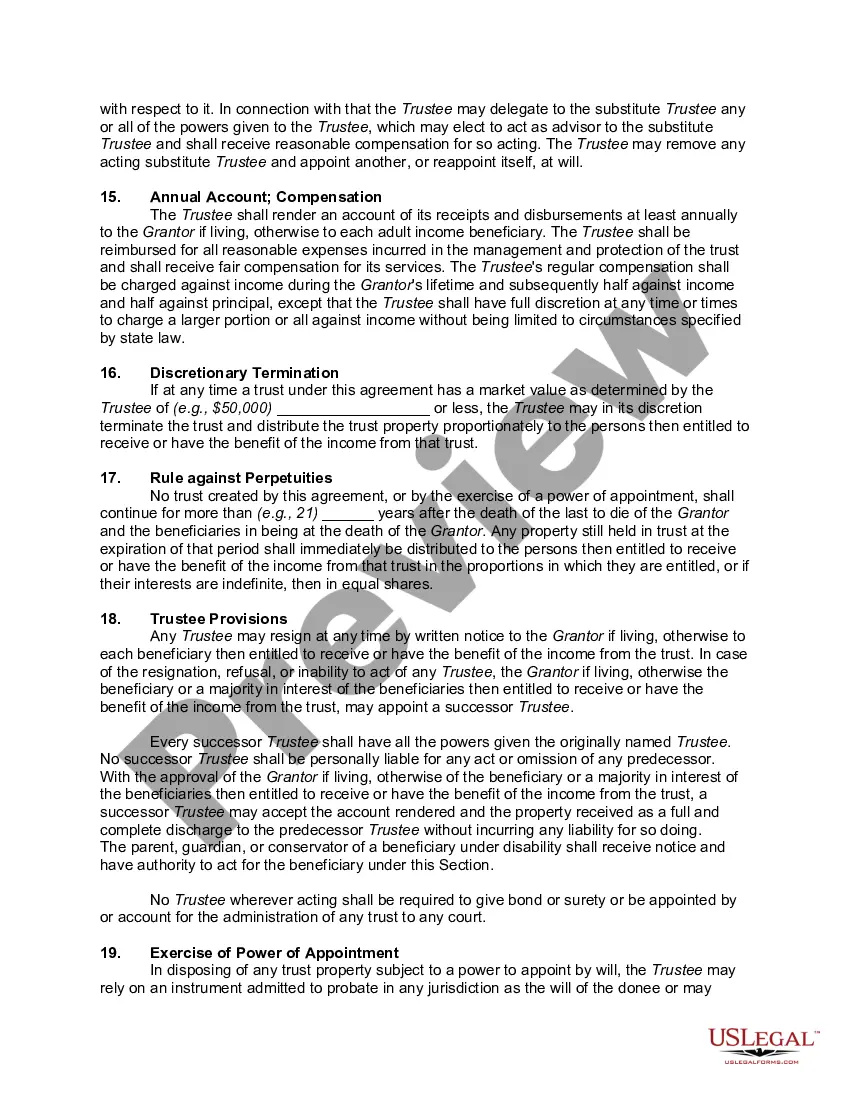
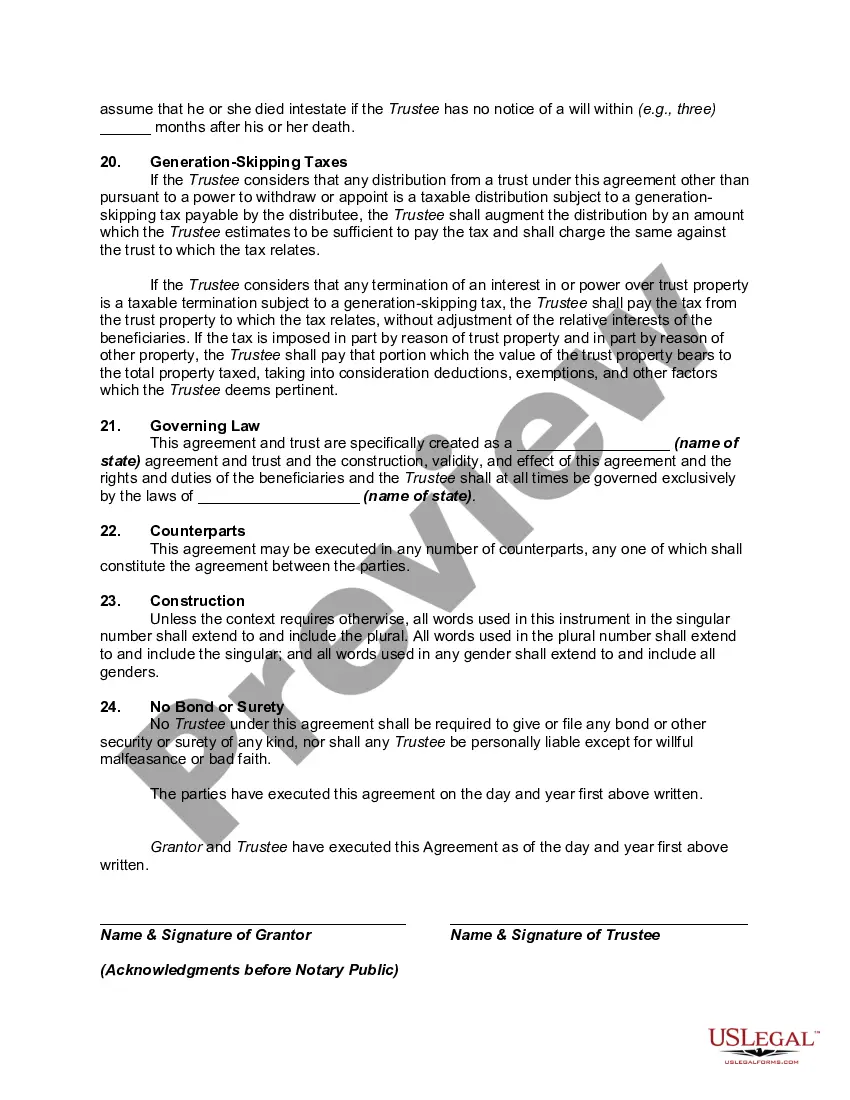

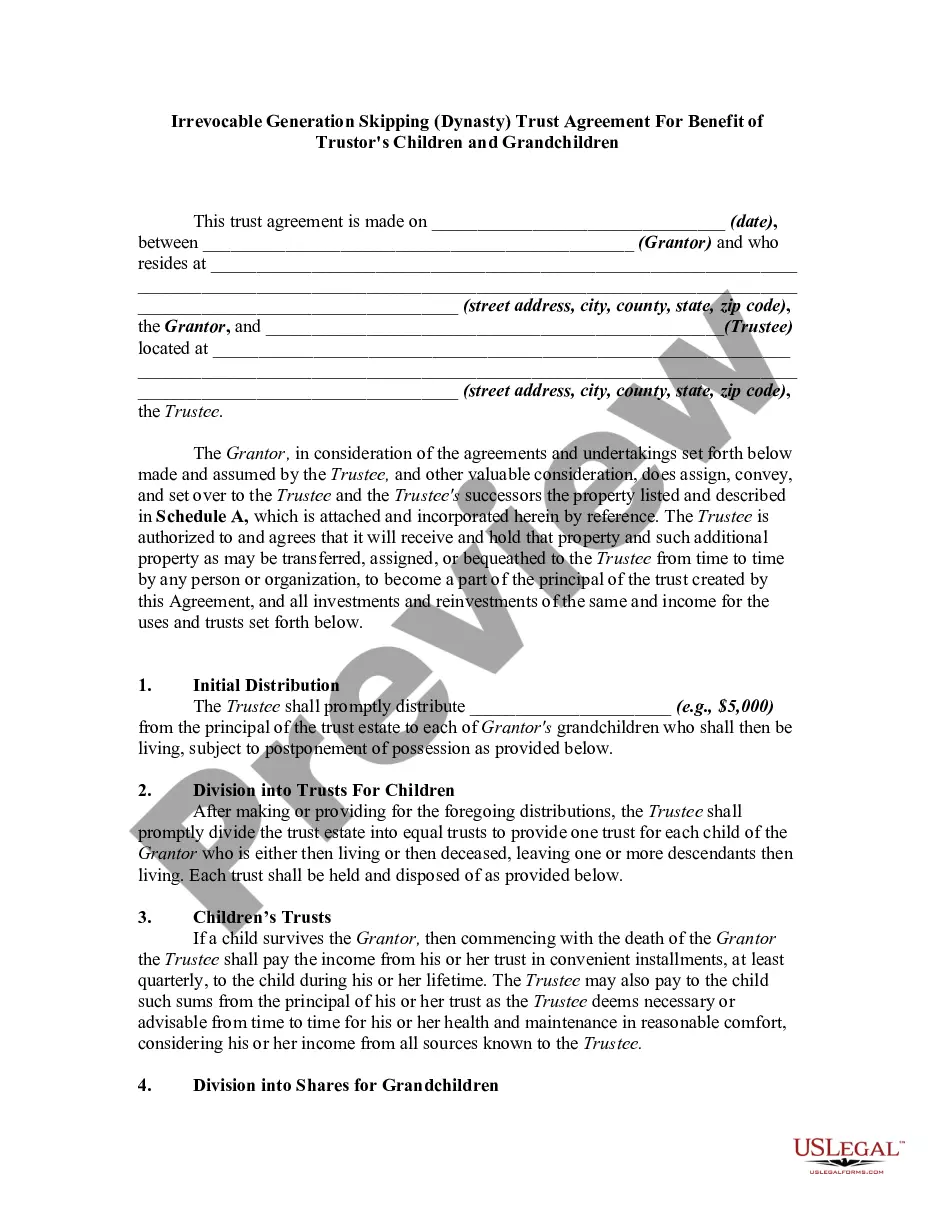
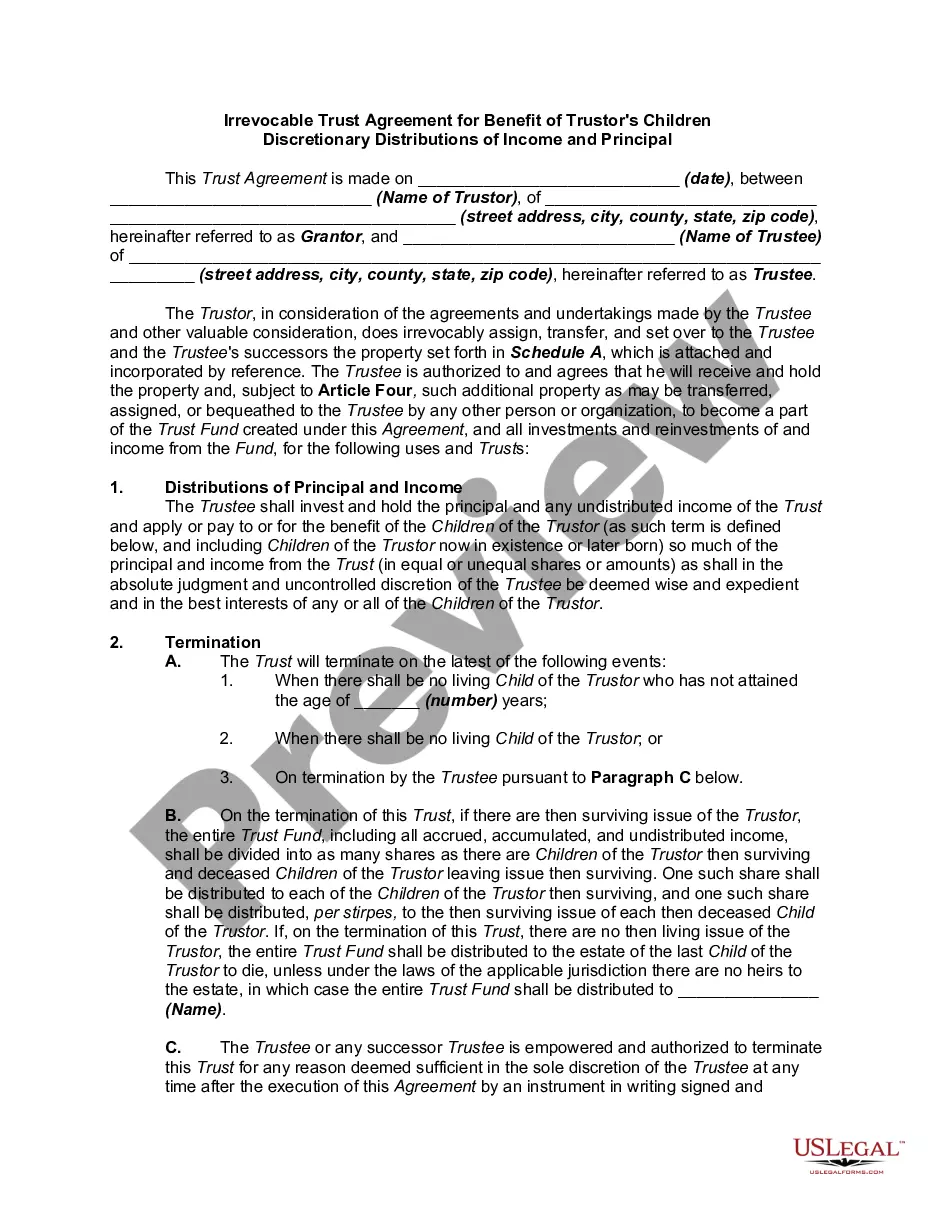


Get your form ready online
Our built-in tools help you complete, sign, share, and store your documents in one place.
Make edits, fill in missing information, and update formatting in US Legal Forms—just like you would in MS Word.
Download a copy, print it, send it by email, or mail it via USPS—whatever works best for your next step.
Sign and collect signatures with our SignNow integration. Send to multiple recipients, set reminders, and more. Go Premium to unlock E-Sign.
If this form requires notarization, complete it online through a secure video call—no need to meet a notary in person or wait for an appointment.
We protect your documents and personal data by following strict security and privacy standards.

Make edits, fill in missing information, and update formatting in US Legal Forms—just like you would in MS Word.

Download a copy, print it, send it by email, or mail it via USPS—whatever works best for your next step.

Sign and collect signatures with our SignNow integration. Send to multiple recipients, set reminders, and more. Go Premium to unlock E-Sign.

If this form requires notarization, complete it online through a secure video call—no need to meet a notary in person or wait for an appointment.

We protect your documents and personal data by following strict security and privacy standards.
Looking for another form?

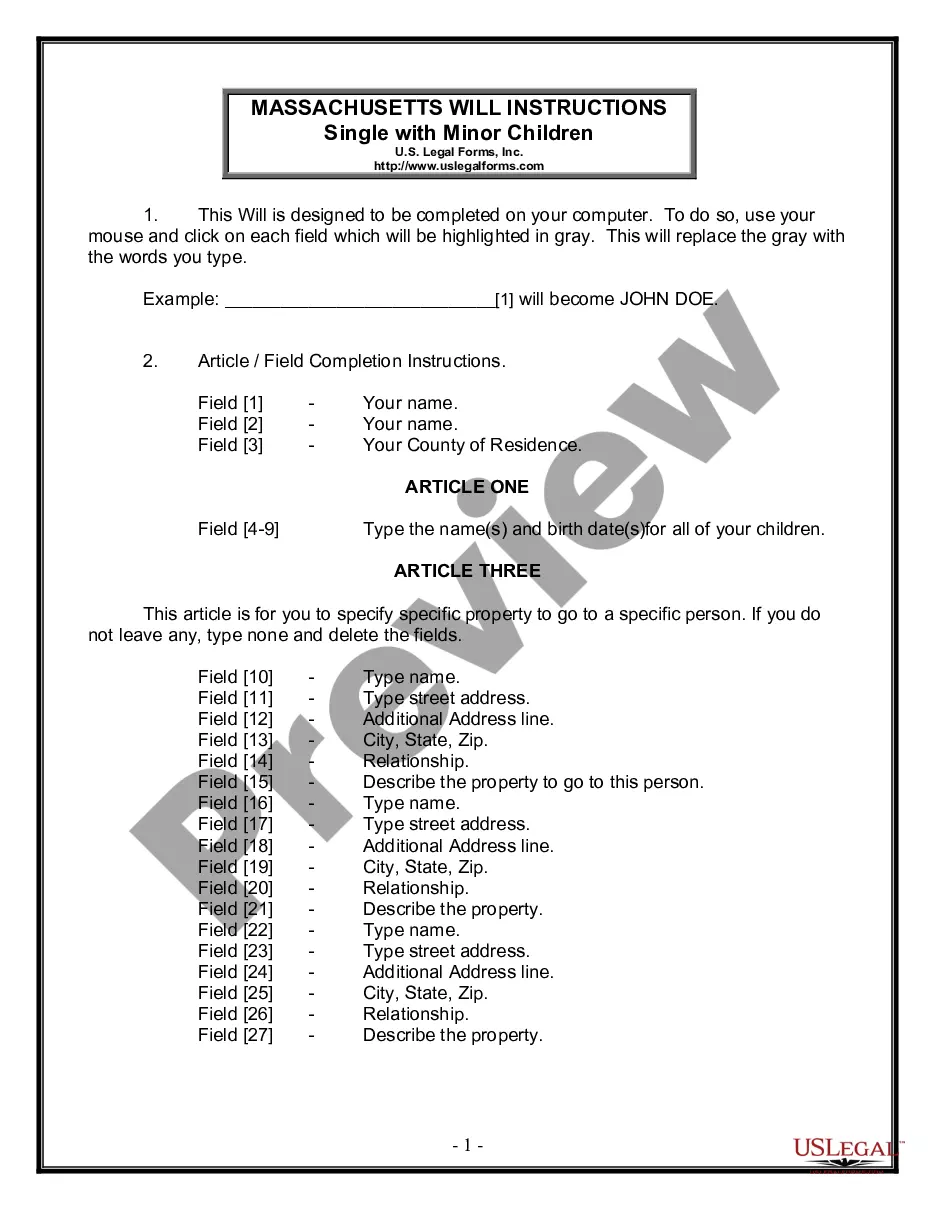
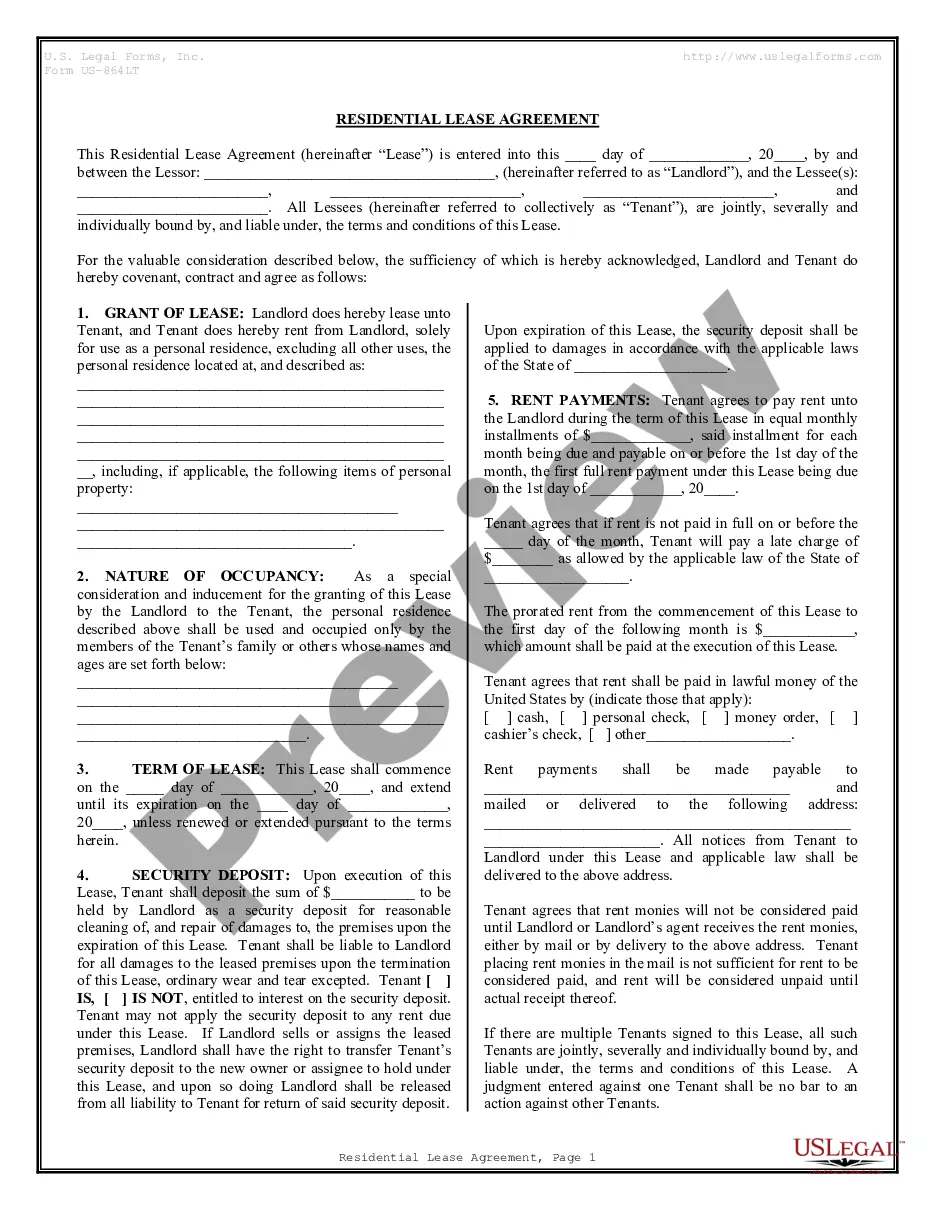
How to fill out Irrevocable Trust Agreement For Benefit Of Trustor's Children And Grandchildren?
- Begin by logging into your US Legal Forms account. If you’re new, create an account to access our comprehensive library.
- Review the form description and utilize the Preview mode to ensure the chosen document aligns with your legal requirements and local jurisdiction.
- If you need a different form, use the Search function to locate the correct template that suits your needs.
- Select the document and click on the Buy Now button, then pick your preferred subscription plan.
- Complete your payment using credit card details or PayPal, securing your subscription.
- Download the form to your device. You can access your documents anytime via the My Forms section of your profile.
With US Legal Forms, you benefit from an extensive collection of over 85,000 fillable and editable legal forms. Our robust library is designed to empower not just individuals but also attorneys, making legal documentation straightforward and efficient.
Don't hesitate—experience the convenience of US Legal Forms today and streamline your document needs!
Form popularity
FAQ
Changing the situs of a trust involves moving the trust to a different legal jurisdiction. This can offer new benefits, such as better tax treatment or more favorable laws regarding trusts. If your situation involves Grantorname alienated situs with beneficiary, understanding this change can help in optimizing your estate planning efforts for greater efficacy.
To determine the situs of a trust, review the trust documents and verify the location of assets, the grantor's primary residence, and where the trustee functions. Consulting a legal professional can also yield clarity on establishing situs. This understanding is critical for properly managing how Grantorname alienated situs with beneficiary affects your trust.
Situs is generally determined by the location of the trust's assets and where the grantor resides during the trust's creation. Additional factors may include the legal jurisdiction under which the trust is established. Notably, how Grantorname alienated situs with beneficiary is set up heavily influences any tax implications and legal considerations.
Yes, you can remove someone from your beneficiary list, but this process may require proper documentation and compliance with state laws. Depending on your trust setup, consulting with a legal expert can facilitate the removal and safeguard your wishes. This ties into how Grantorname alienated situs with beneficiary delineates the rights of beneficiaries.
To find the situs of a trust, you should examine where the trust's creator, or grantor, primarily resided during its creation, along with where the trust administration occurs. Additionally, you can consult legal documents or the trustee for clarity. Understanding the situs can help clarify how Grantorname alienated situs with beneficiary functions in your scenario.
If a beneficiary is not listed in a trust, the trustee may have to distribute assets according to state law, often resulting in unintended consequences. This can complicate your estate plan and establish potential conflicts among heirs. Thus, it’s crucial to clearly define who receives what, particularly when considering the ramifications of Grantorname alienated situs with beneficiary.
When selecting a trust situs, many people consider states like Nevada, South Dakota, and Delaware due to their favorable tax laws and strong privacy protections. These states offer benefits that can align with your goals for asset protection and estate planning. If you're exploring how Grantorname alienated situs with beneficiary impacts your trust, these areas may provide better advantages.
Naming a trust as a beneficiary of a life insurance policy can create challenges. For example, the grantorname alienated situs with beneficiary may complicate the distribution process, leading to delays in accessing funds. It is essential to evaluate how this decision fits within your overall estate plan to ensure it aligns with your wishes and minimizes complications for your loved ones.
Reporting foreign trust and estate distributions to US beneficiaries can be complex. It is vital to understand the requirements outlined by the IRS and ensure compliance with tax obligations. Utilizing the services of platforms like uslegalforms can help you navigate these complexities, ensuring accurate and timely reporting of grantorname alienated situs with beneficiary funds.
While a beneficiary deed offers benefits, it also carries disadvantages. For instance, if the estate includes debts, creditors may challenge a beneficiary deed during probate. Additionally, grantorname alienated situs with beneficiary provisions may not provide the necessary protections, necessitating consultation with an estate planning professional to ensure your interests are safeguarded.