Difference Between Assignor And Assignee
Description
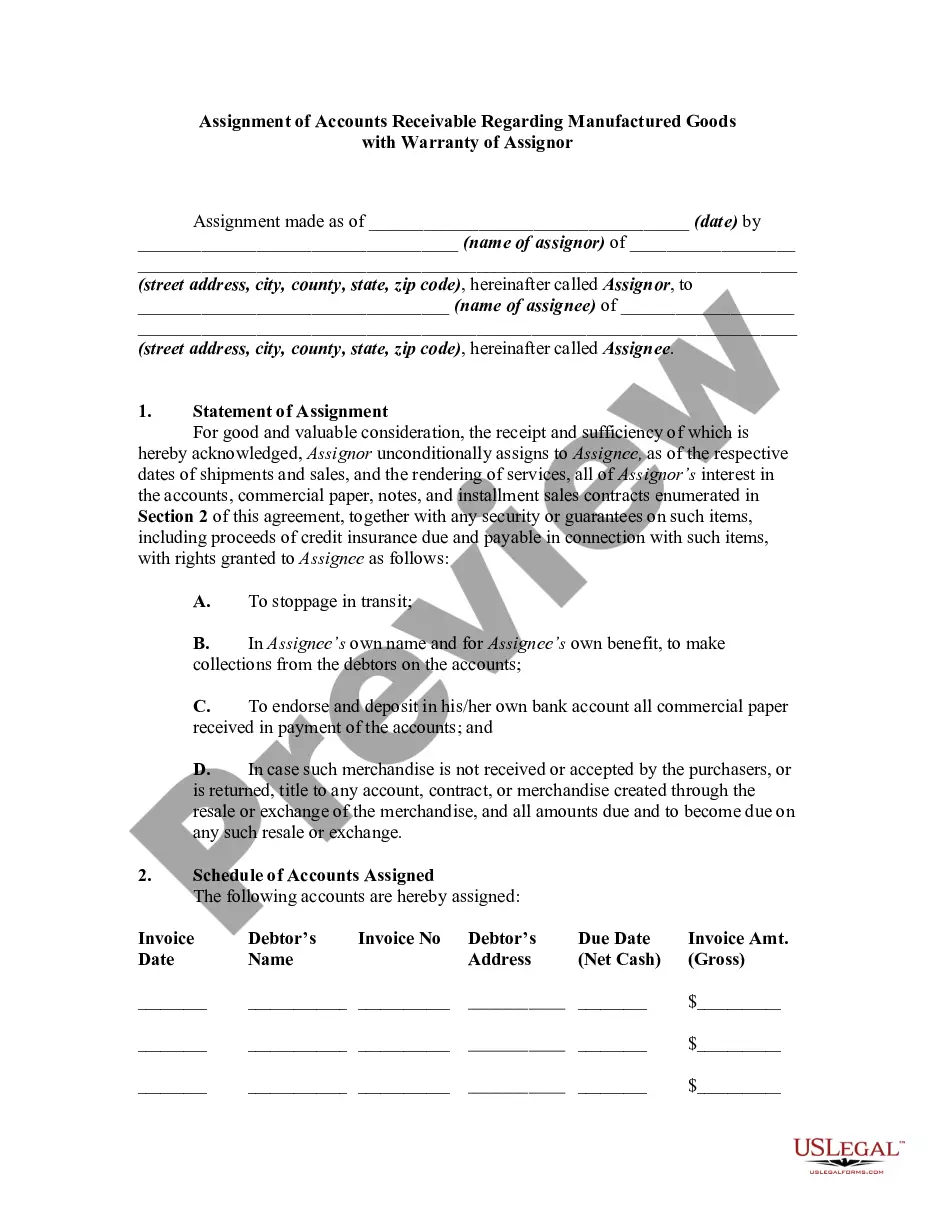
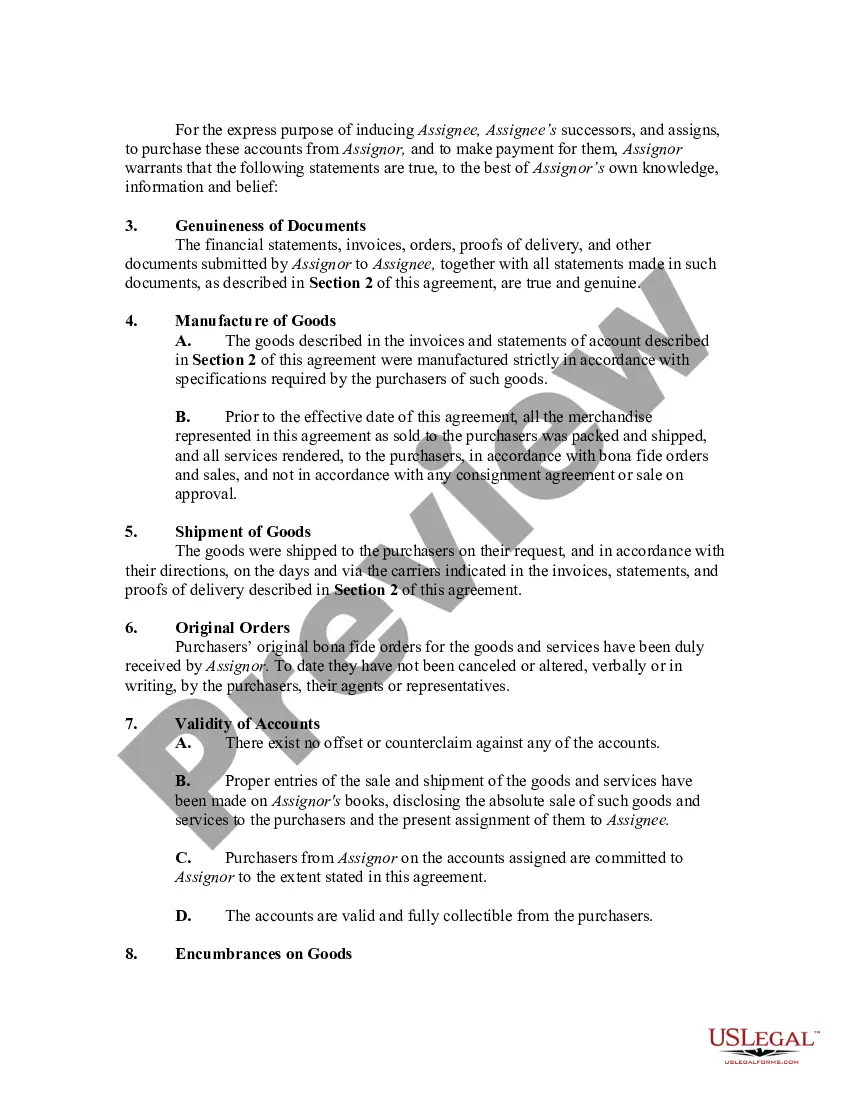
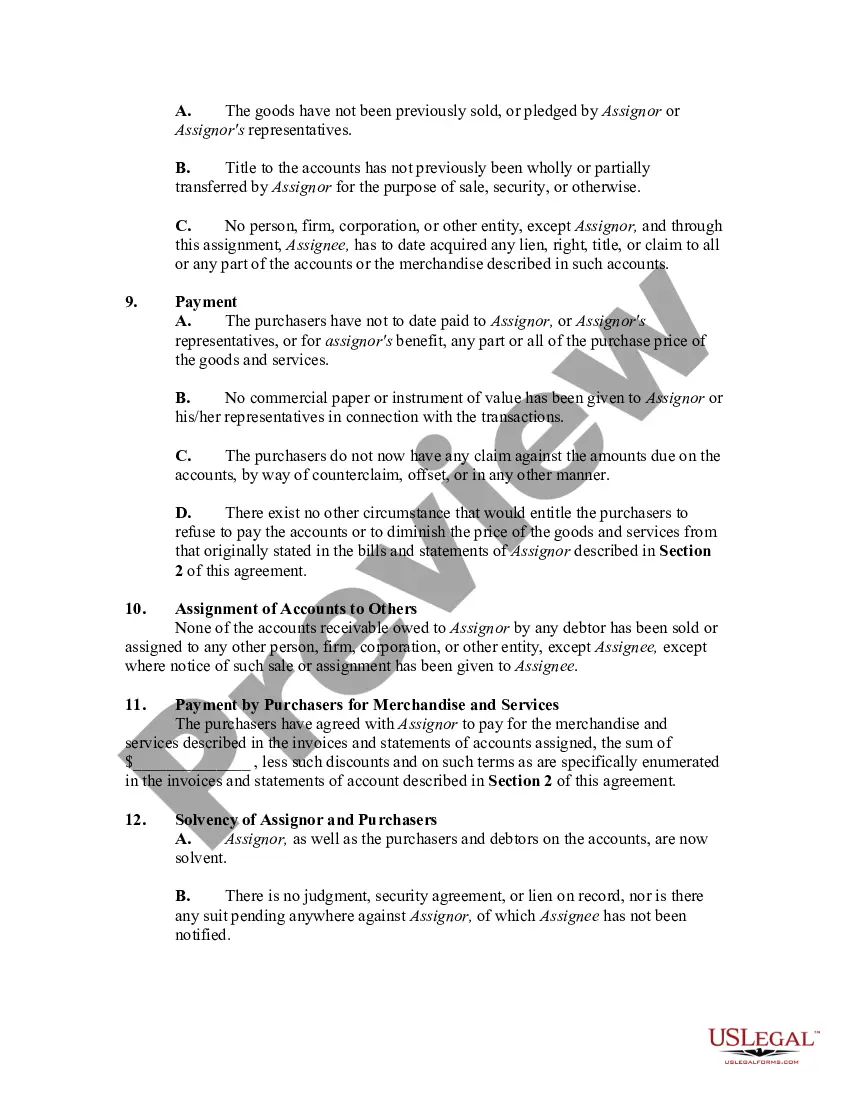


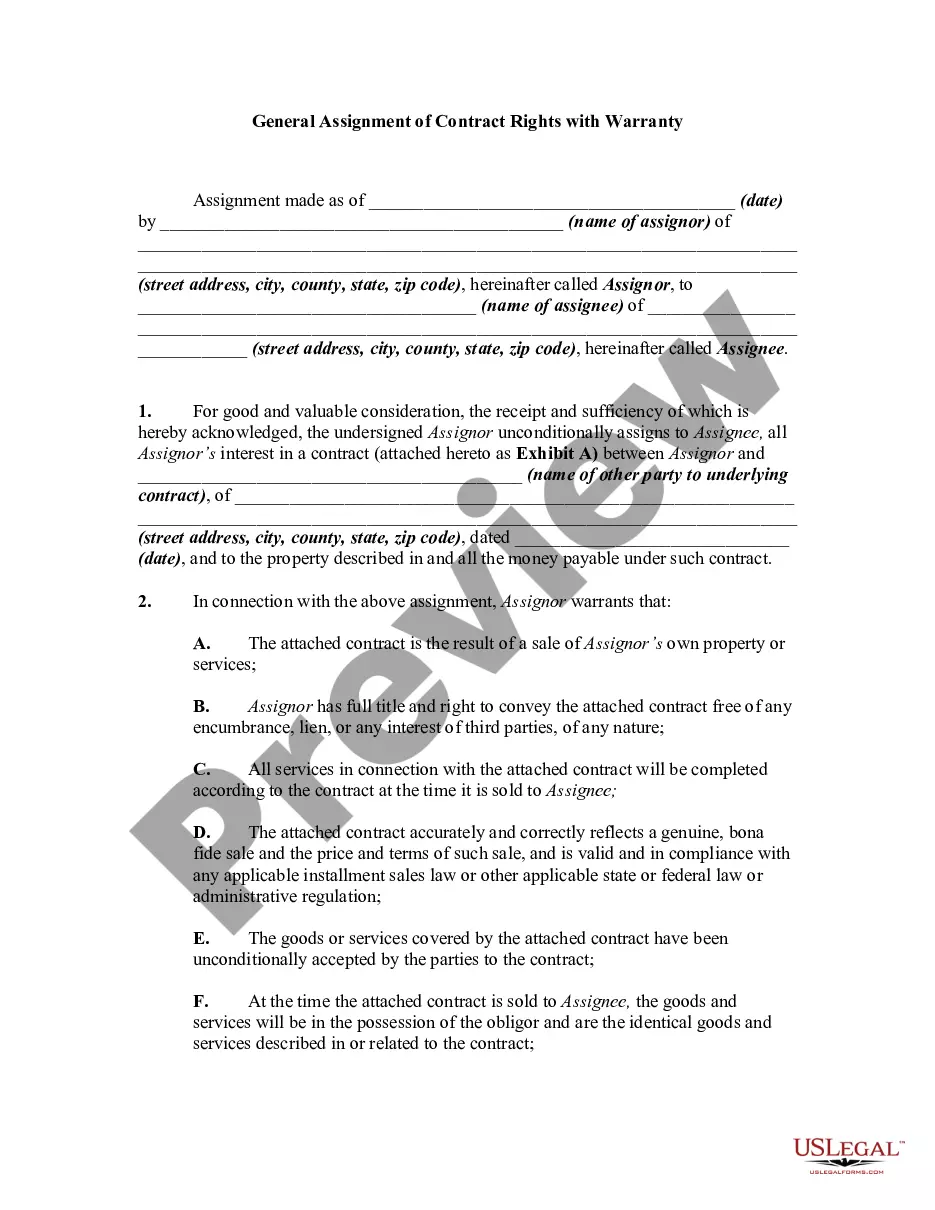
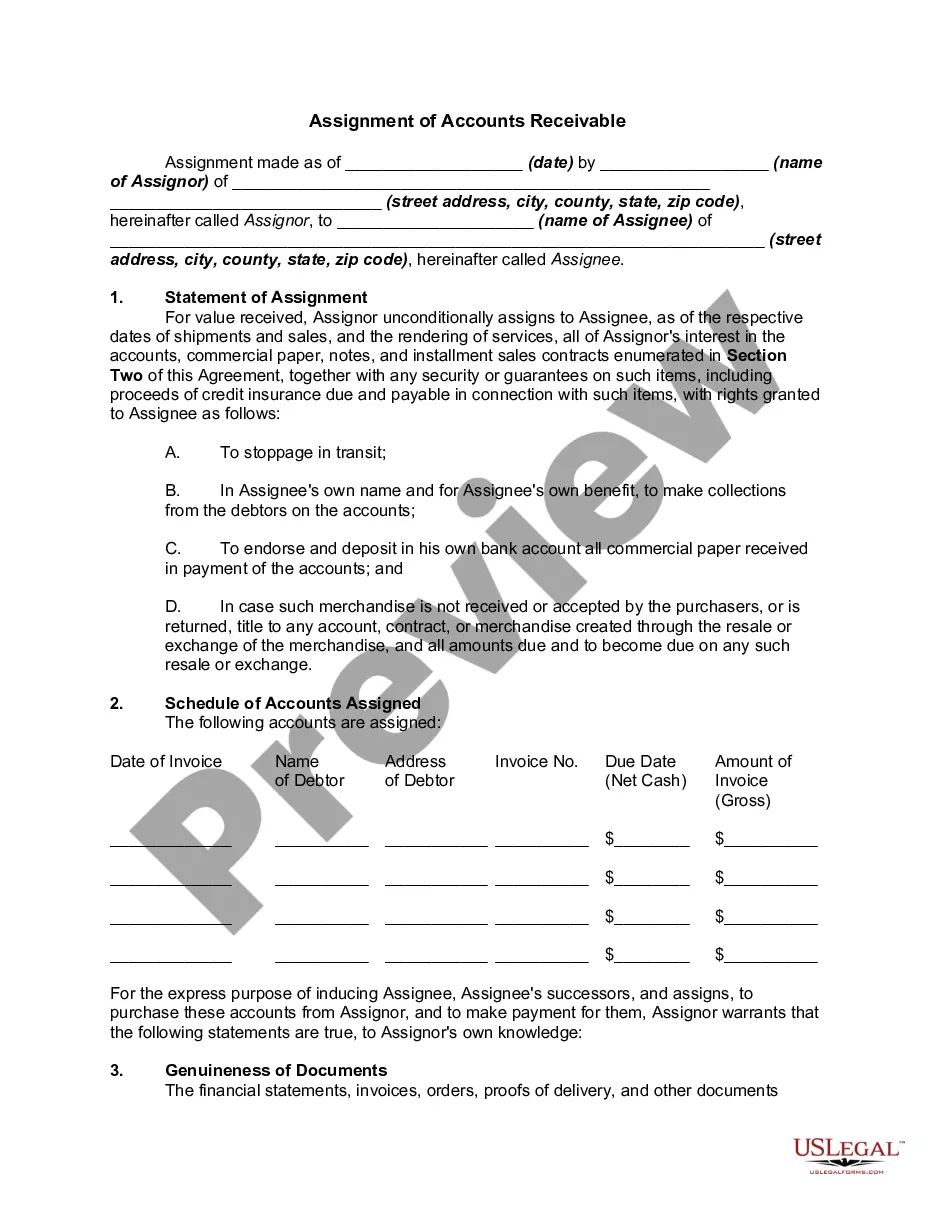

How to fill out Assignment Of Accounts Receivable Regarding Manufactured Goods With Warranty Of Assignor?
Creating legal documents from the ground up can frequently be somewhat daunting.
Certain situations may require numerous hours of investigation and significant financial expenditure.
If you’re in search of a simpler and more economical method for preparing Difference Between Assignor And Assignee or any other paperwork without unnecessary complications, US Legal Forms is always available to you.
Our online collection of more than 85,000 current legal documents covers nearly every facet of your financial, legal, and personal affairs. With just a few clicks, you can swiftly access state- and county-compliant forms meticulously crafted for you by our legal professionals.
Ensure the form you select aligns with the laws and regulations of your state and county. Choose the most appropriate subscription plan to obtain the Difference Between Assignor And Assignee. Download the document, then fill it out, sign it, and print it. US Legal Forms has an impeccable reputation and over 25 years of expertise. Join us today and make document completion a simple and efficient process!
- Utilize our website whenever you require a dependable and trustworthy service through which you can quickly find and download the Difference Between Assignor And Assignee.
- If you’re a returning user and have previously registered with us, simply Log In to your account, select the form, and download it immediately or re-download it at any later time in the My documents section.
- Not signed up yet? No worries. It takes just a few minutes to create an account and browse the catalog.
- Before jumping straight into downloading Difference Between Assignor And Assignee, adhere to these guidelines.
- Examine the document preview and descriptions to confirm that you are looking at the document you need.
Form popularity
FAQ
An assignor and an assignee are two parties who engage in an assignment to transfer rights from one entity to another. The assignor is the person who gives the rights away, while the assignee is the person who receives those rights.
Assignee is a person to whom a right is transferred by the person holding such rights under the transferred contract (the ?assignor?). The act of transferring is referred to as ?assigning? or ?assignment? and is a concept found in both contract and property law.
An assignee is a person or a company that buys your loan. For example, an auto dealer that extends credit to individuals may sell their loans to a bank. In this case, the bank is the assignee and the auto dealer is the assignor.
The assignor transfers to the assignee. For example, a party (the assignor) that enters into a contract to sell a piece of property can assign the proceeds or benefits of the contract to a third party (the assignee) such as a charity or a trust.
Assignee is a person to whom a right is transferred by the person holding such rights under the transferred contract (the ?assignor?). The act of transferring is referred to as ?assigning? or ?assignment? and is a concept found in both contract and property law.