Self Employed Proof Of Income
Description
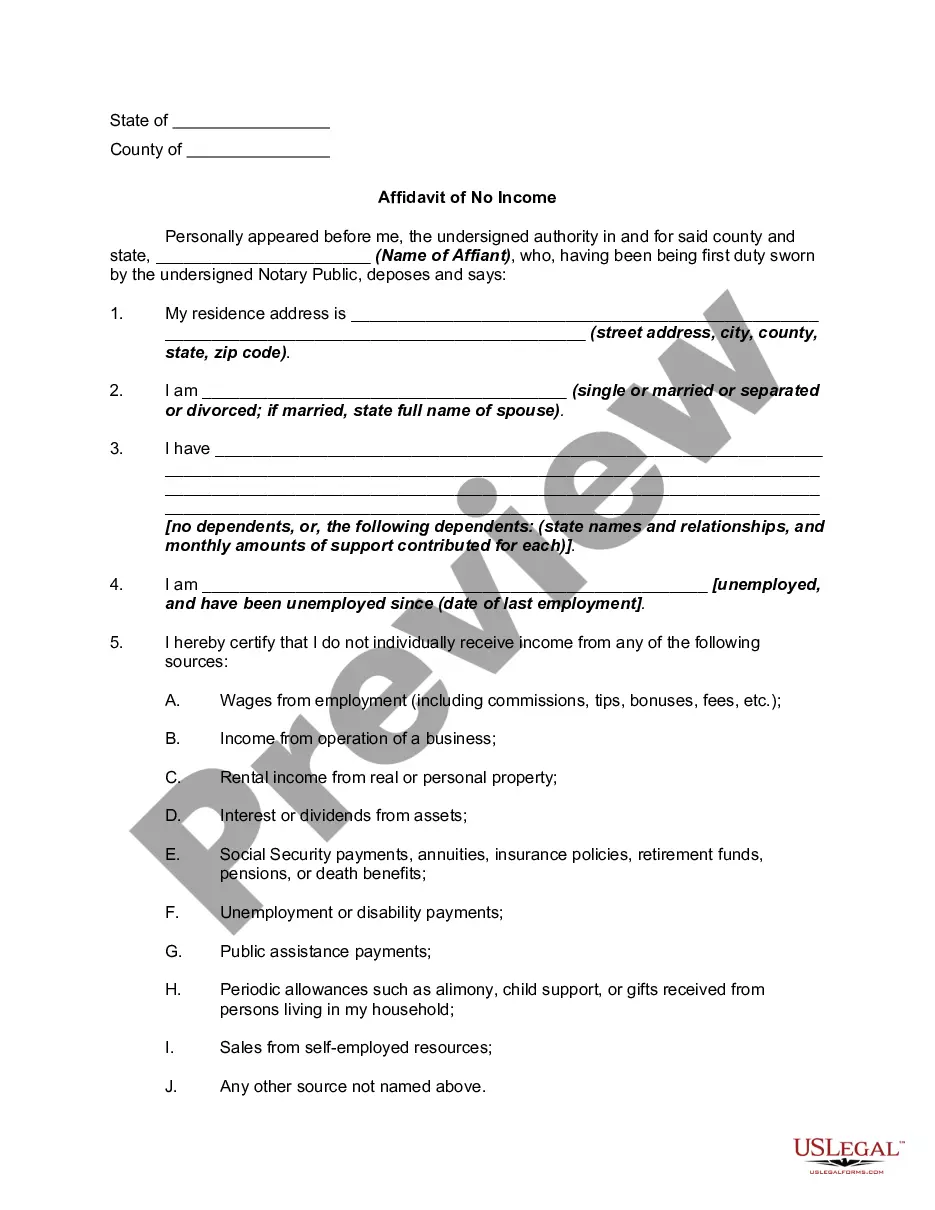
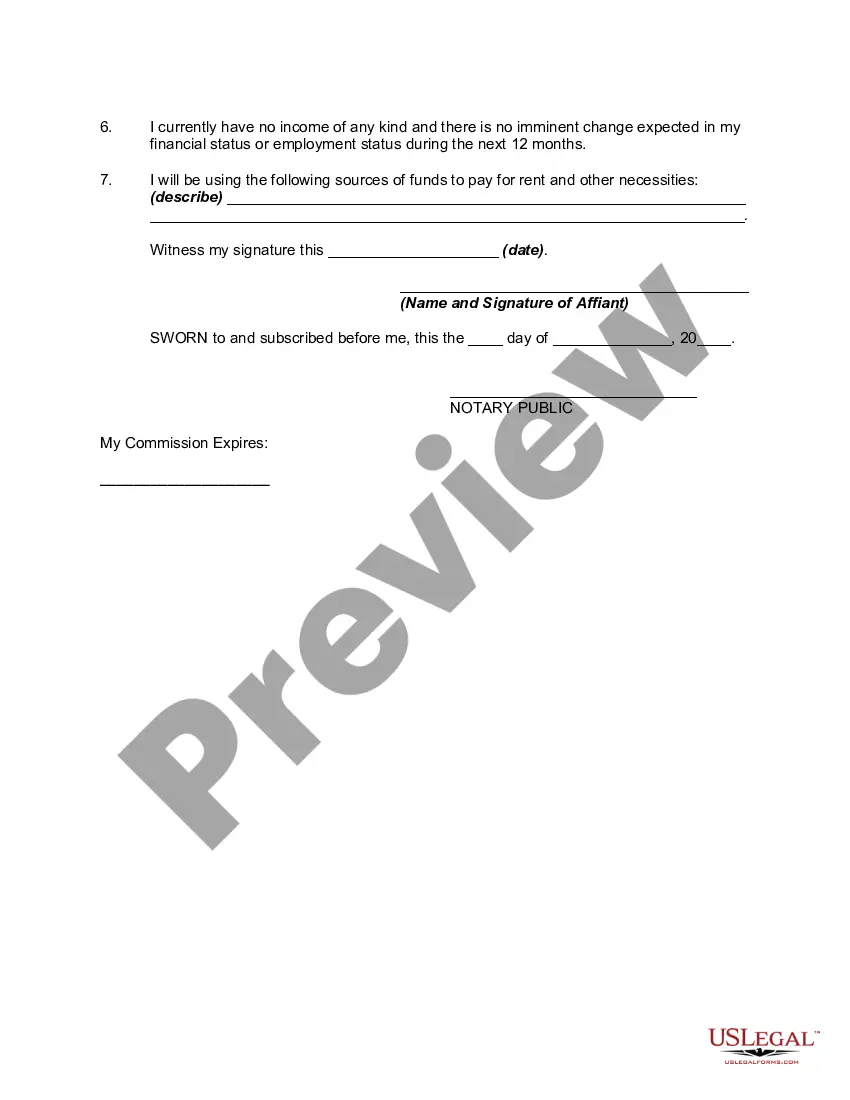
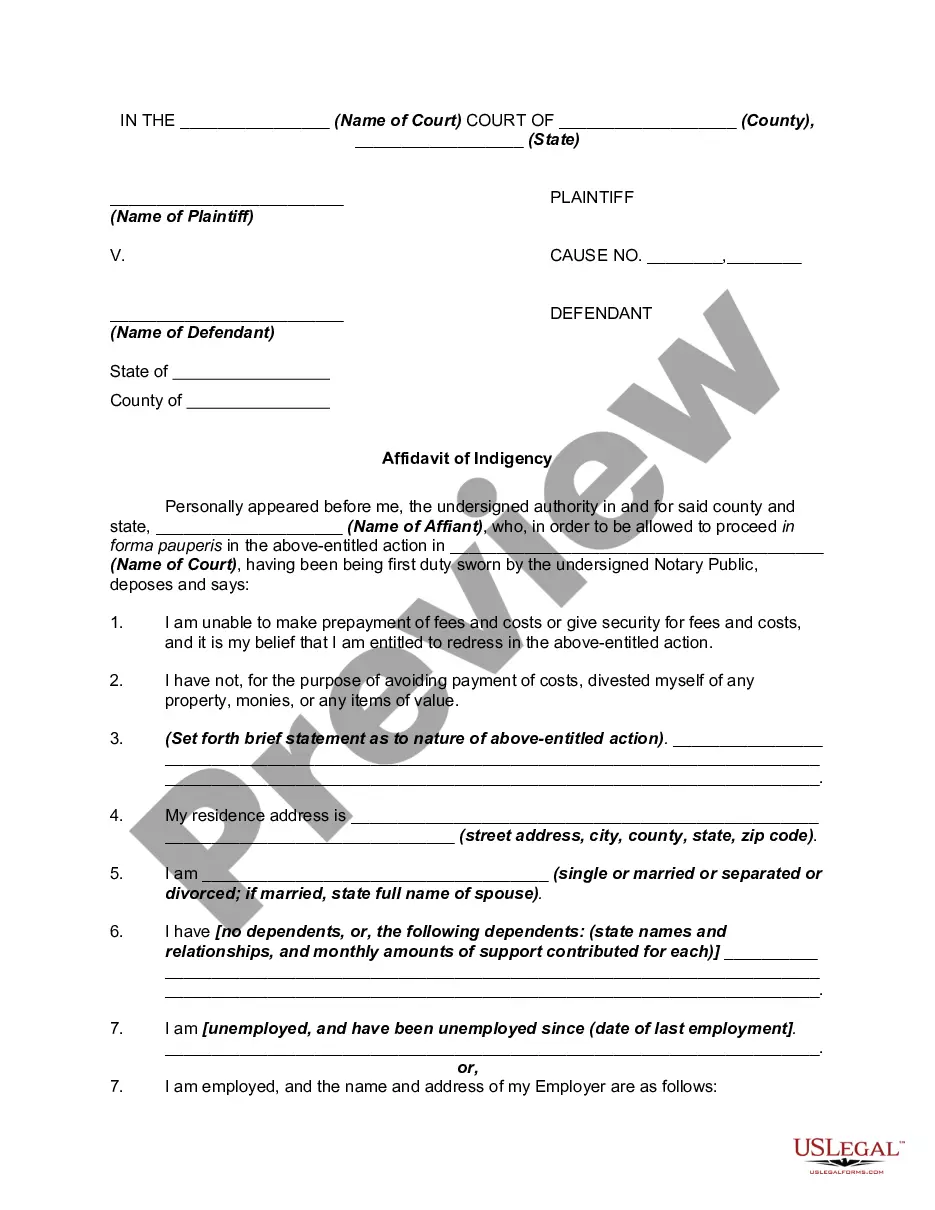
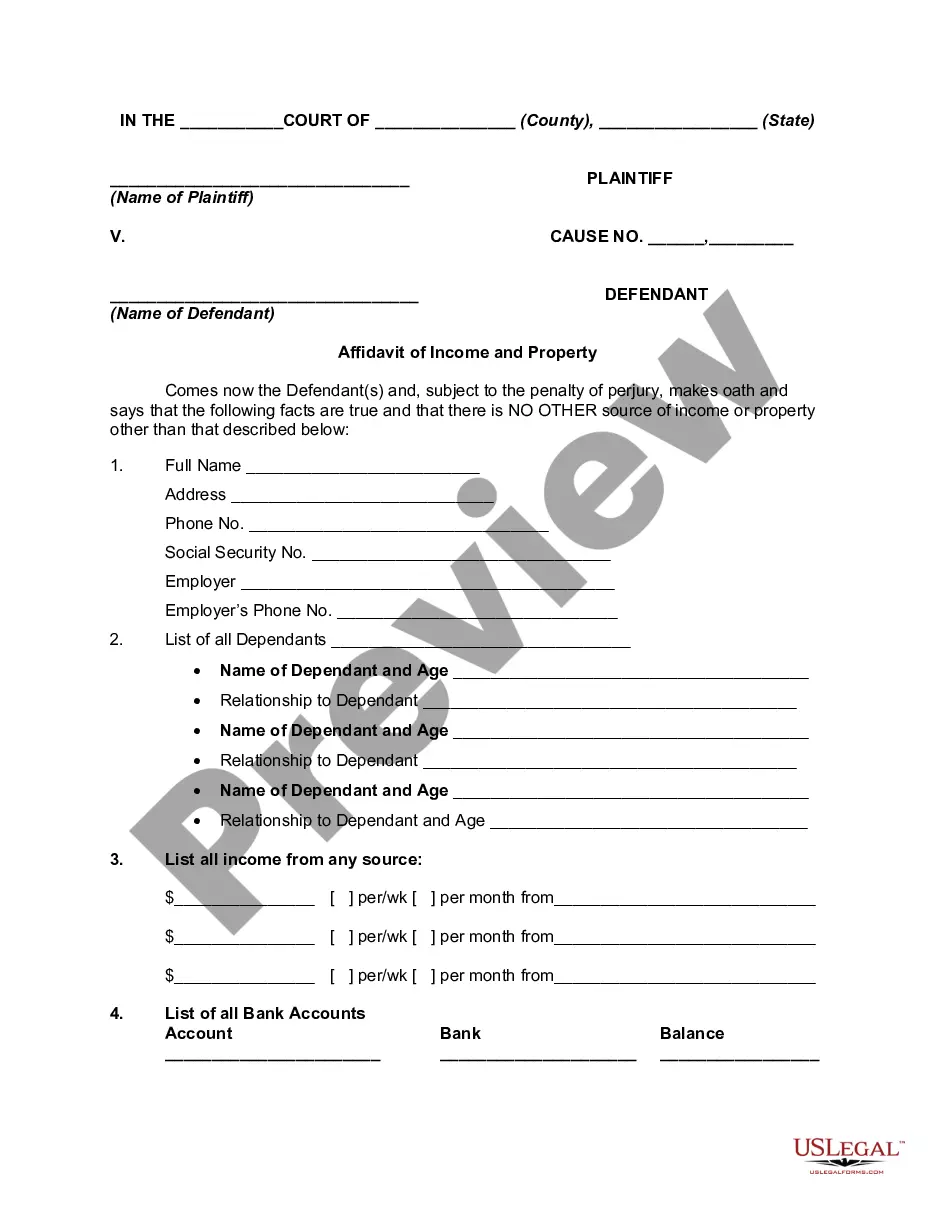
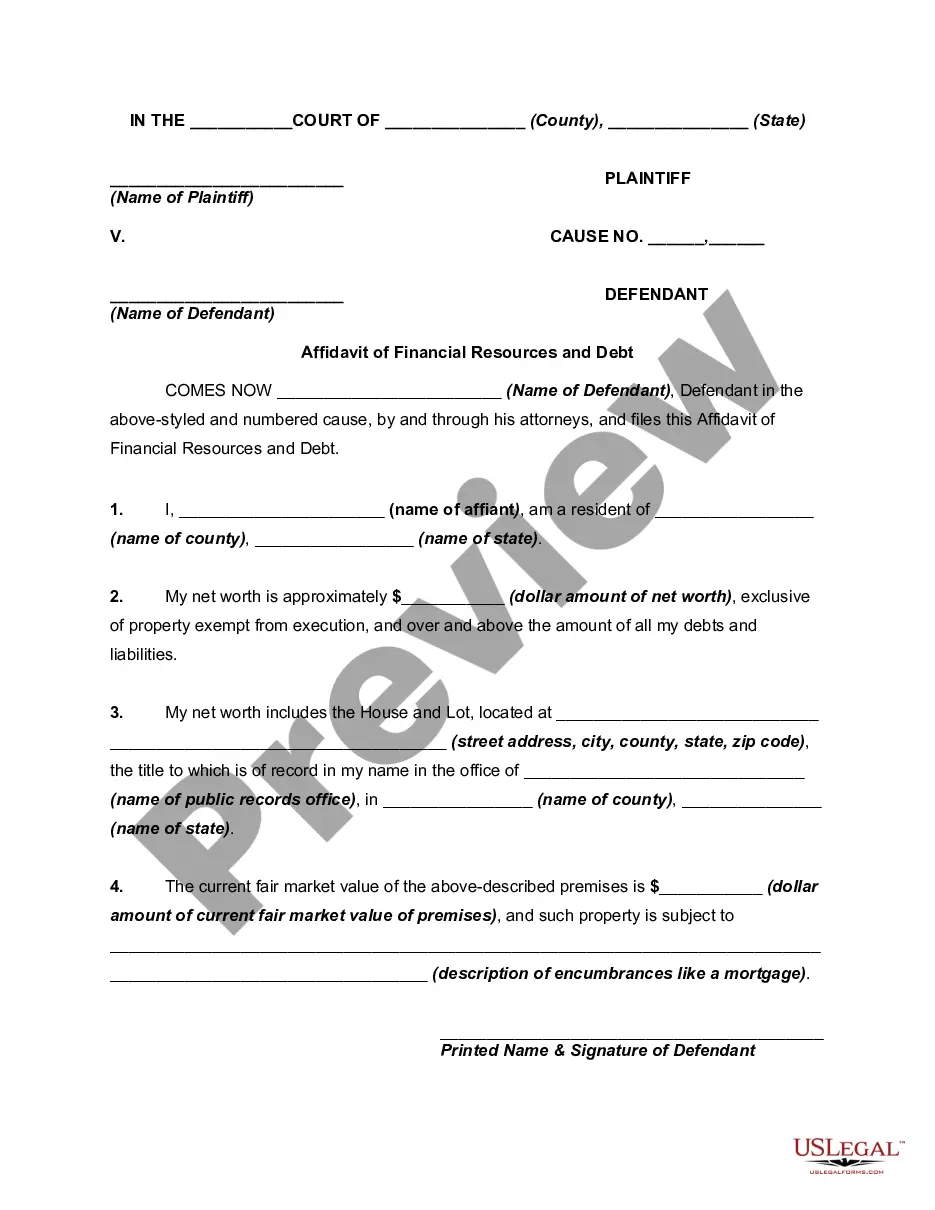
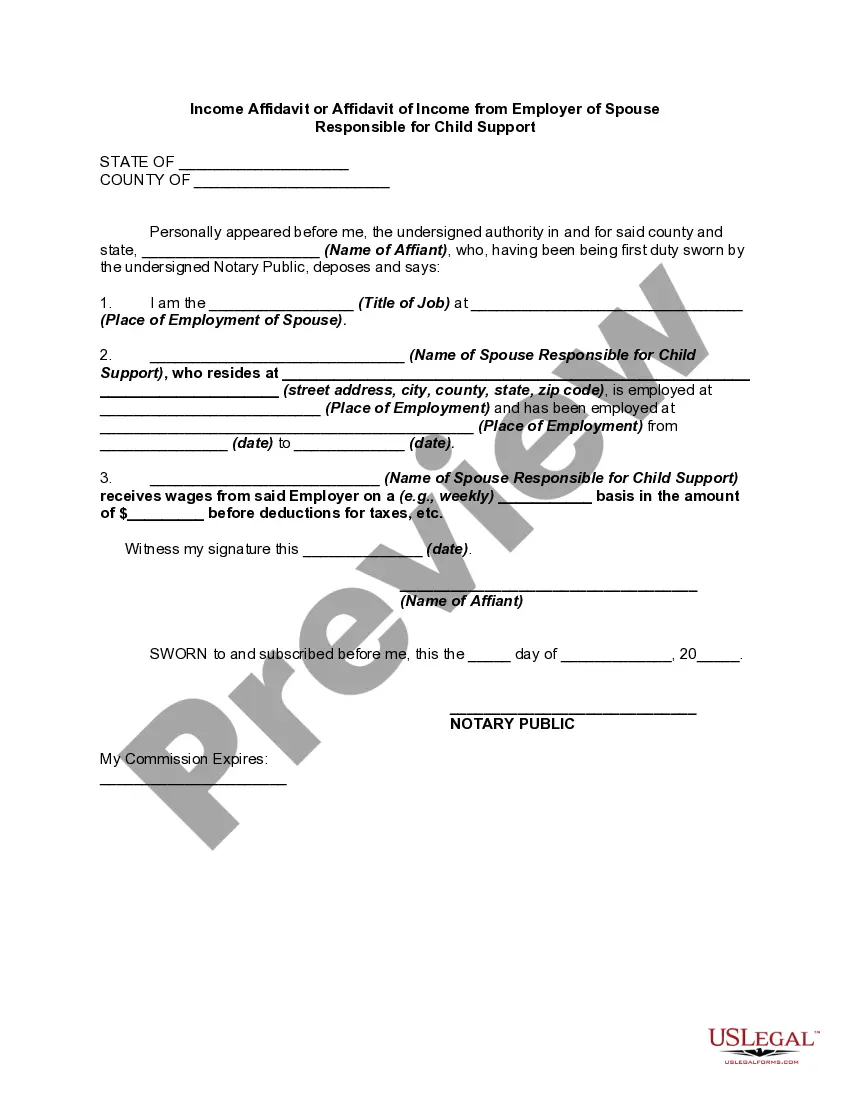
Get your form ready online
Our built-in tools help you complete, sign, share, and store your documents in one place.
Make edits, fill in missing information, and update formatting in US Legal Forms—just like you would in MS Word.
Download a copy, print it, send it by email, or mail it via USPS—whatever works best for your next step.
Sign and collect signatures with our SignNow integration. Send to multiple recipients, set reminders, and more. Go Premium to unlock E-Sign.
If this form requires notarization, complete it online through a secure video call—no need to meet a notary in person or wait for an appointment.
We protect your documents and personal data by following strict security and privacy standards.

Make edits, fill in missing information, and update formatting in US Legal Forms—just like you would in MS Word.

Download a copy, print it, send it by email, or mail it via USPS—whatever works best for your next step.

Sign and collect signatures with our SignNow integration. Send to multiple recipients, set reminders, and more. Go Premium to unlock E-Sign.

If this form requires notarization, complete it online through a secure video call—no need to meet a notary in person or wait for an appointment.

We protect your documents and personal data by following strict security and privacy standards.
Looking for another form?
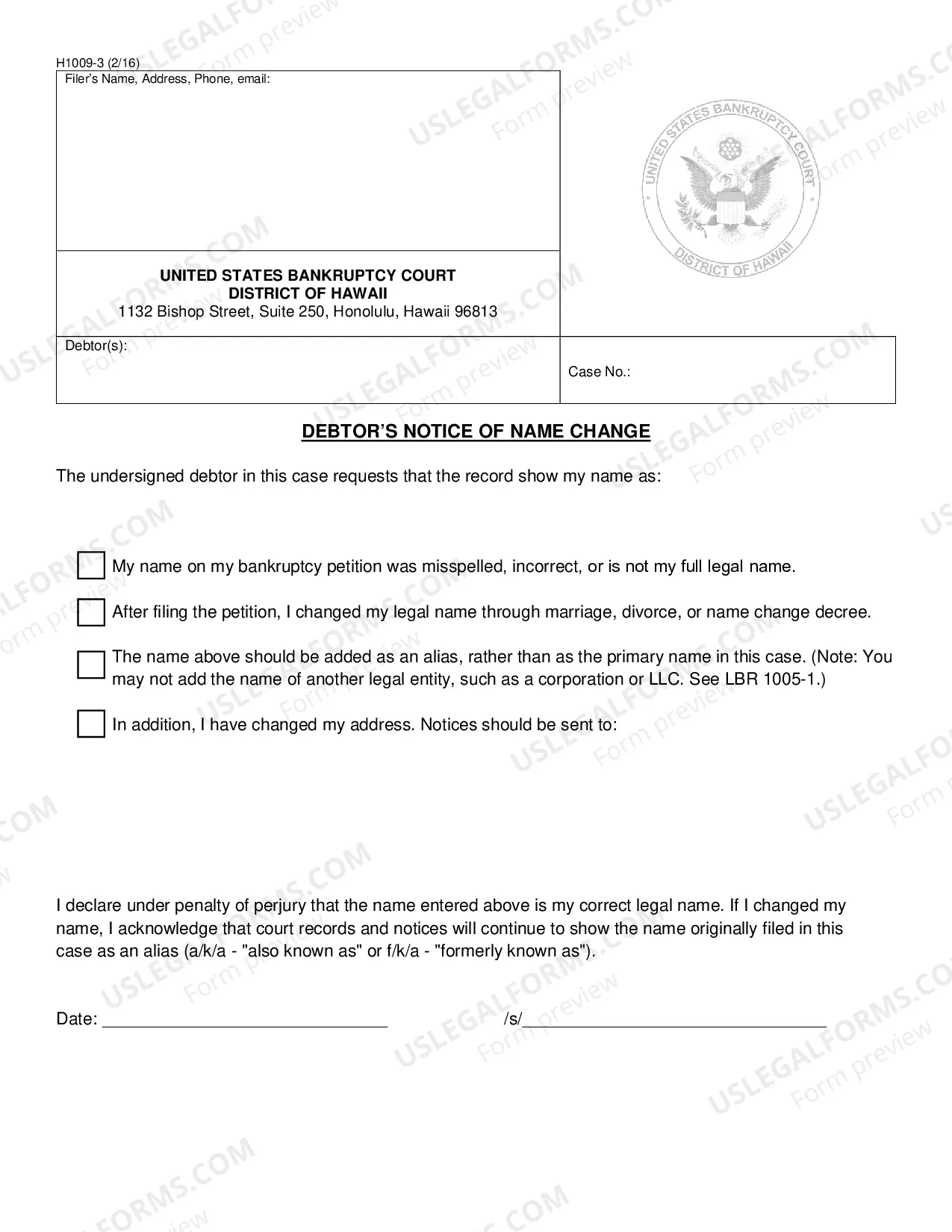



How to fill out Affidavit Or Proof Of No Income - Unemployed - Assets And Liabilities?
The Self Employed Income Verification document displayed on this page is a versatile official template crafted by expert attorneys in accordance with national and local statutes and regulations.
For over 25 years, US Legal Forms has delivered to individuals, businesses, and legal entities more than 85,000 validated, region-specific documents for any commercial and personal situations.
Subscribe to US Legal Forms to have authentic legal templates available for all of life’s situations.
- Explore the document you require and review it.
- Search within the file you found and preview it or examine the form description to verify it meets your expectations. If it doesn’t, use the search function to find the appropriate one. Click Buy Now once you have identified the template you need.
- Register and Log In.
- Select the payment plan that fits you and create an account. Use PayPal or a credit card for a swift transaction. If you already possess an account, Log In and verify your subscription to proceed.
- Obtain the editable template.
- Choose the format you prefer for your Self Employed Income Verification (PDF, DOCX, RTF) and download the document onto your device.
- Complete and sign the document.
- Print the template to fill it out by hand. Alternatively, use an online versatile PDF editor to promptly and accurately complete and sign your document with a valid signature.
- Re-download your documents as needed.
- Access the same document again whenever necessary. Go to the My documents tab in your profile to re-download any previously acquired documents.
Form popularity
FAQ
Proving your income as a self-employed individual requires a collection of important documents that demonstrate your earnings. You can provide tax returns, profit and loss statements, and detailed bank statements to verify your income effectively. Additionally, contracts or client invoices can further enhance your portfolio of financial evidence. This comprehensive approach ensures that you have robust self employed proof of income for any potential lenders or employers.
To file an annual report Click the link for File Annual Report. Enter the charter number or search by name of the entity for which you are filing a registration report. Click File online. Make sure the entity details match your entity, the report type is your chosen type and the click File REG. Report.
Missouri LLCs and LPs have no annual report filing requirements. This page provides easy-to-follow instructions for how to file your Missouri Annual Report yourself. Our guide includes due dates, filing fees, required information, and answers to any questions you may have along the way. Need to file in another state?
Missouri does not require LLCs to file an annual report. Taxes. For complete details on state taxes for Missouri LLCs, visit Business Owner's Toolkit or the State of Missouri .
Background Districts do not have to physically provide Form 11 to parents but should direct those seeking it to contact DSS either by phone or mail to obtain an original form. Districts should not accept anything less than a properly completed and signed Form 11.
All corporations doing business in this state must file an annual registration report.
Form 126 - Registration or Exemption Change Request. Page 1. This form can be used to make changes to your sales and use, employer withholding, corporate income or franchise tax, or exemption registration records. Only complete the section(s) that apply to the changes you wish to make.
Starting an LLC in Missouri will include the following steps: #1: Draft a Business Plan. #2: Research Your Business Structure Options. #3: Register a Business Name. #4: Appoint a Registered Agent. #5: File Articles of Organization. #6: Obtain an Employer Identification Number (EIN) #7: Draft an Operating Agreement.
Missouri Annual Report Due Dates and Fees All Missouri annual reports are due within 3 months of the anniversary month when the business first incorporated. Corporations and nonprofits can elect to submit their reports annually OR biennially.