Writ With Case Law
Description

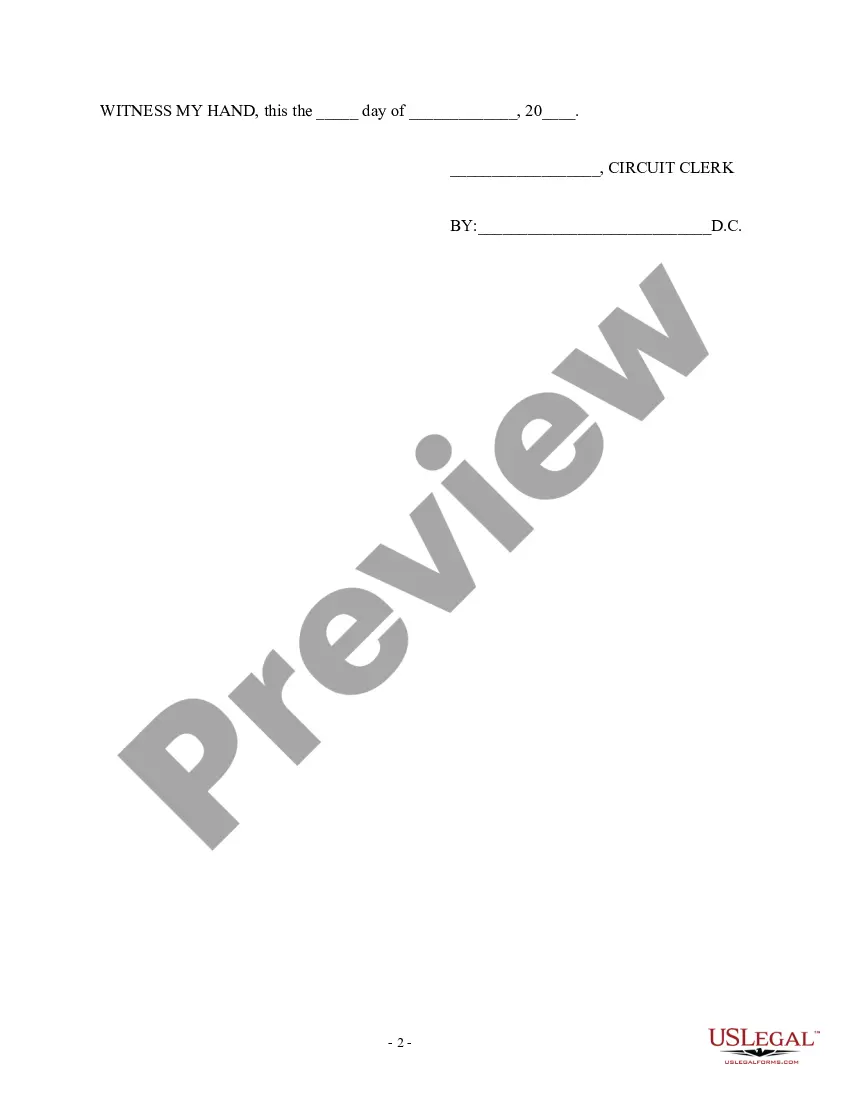


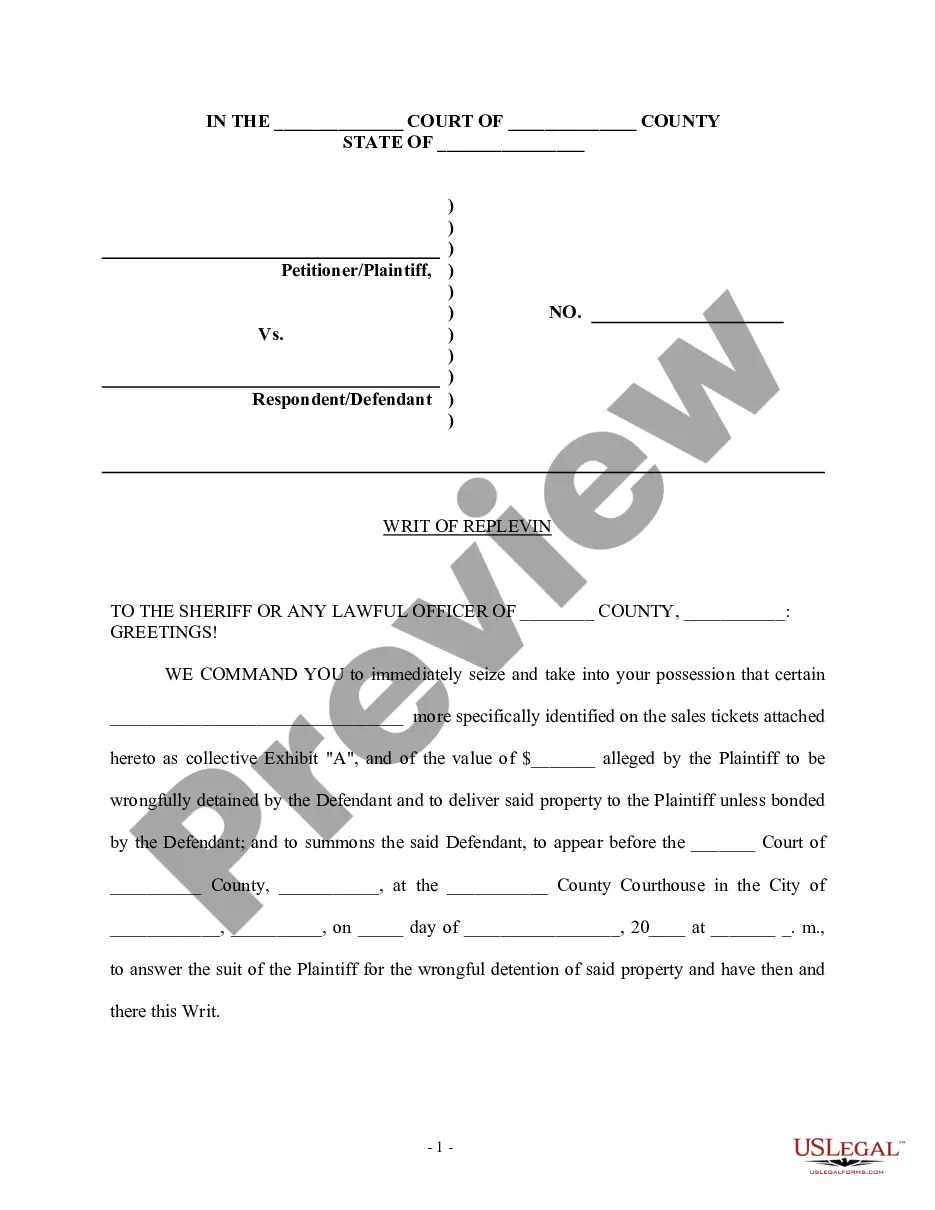
Get your form ready online
Our built-in tools help you complete, sign, share, and store your documents in one place.
Make edits, fill in missing information, and update formatting in US Legal Forms—just like you would in MS Word.
Download a copy, print it, send it by email, or mail it via USPS—whatever works best for your next step.
Sign and collect signatures with our SignNow integration. Send to multiple recipients, set reminders, and more. Go Premium to unlock E-Sign.
If this form requires notarization, complete it online through a secure video call—no need to meet a notary in person or wait for an appointment.
We protect your documents and personal data by following strict security and privacy standards.

Make edits, fill in missing information, and update formatting in US Legal Forms—just like you would in MS Word.

Download a copy, print it, send it by email, or mail it via USPS—whatever works best for your next step.

Sign and collect signatures with our SignNow integration. Send to multiple recipients, set reminders, and more. Go Premium to unlock E-Sign.

If this form requires notarization, complete it online through a secure video call—no need to meet a notary in person or wait for an appointment.

We protect your documents and personal data by following strict security and privacy standards.
Looking for another form?

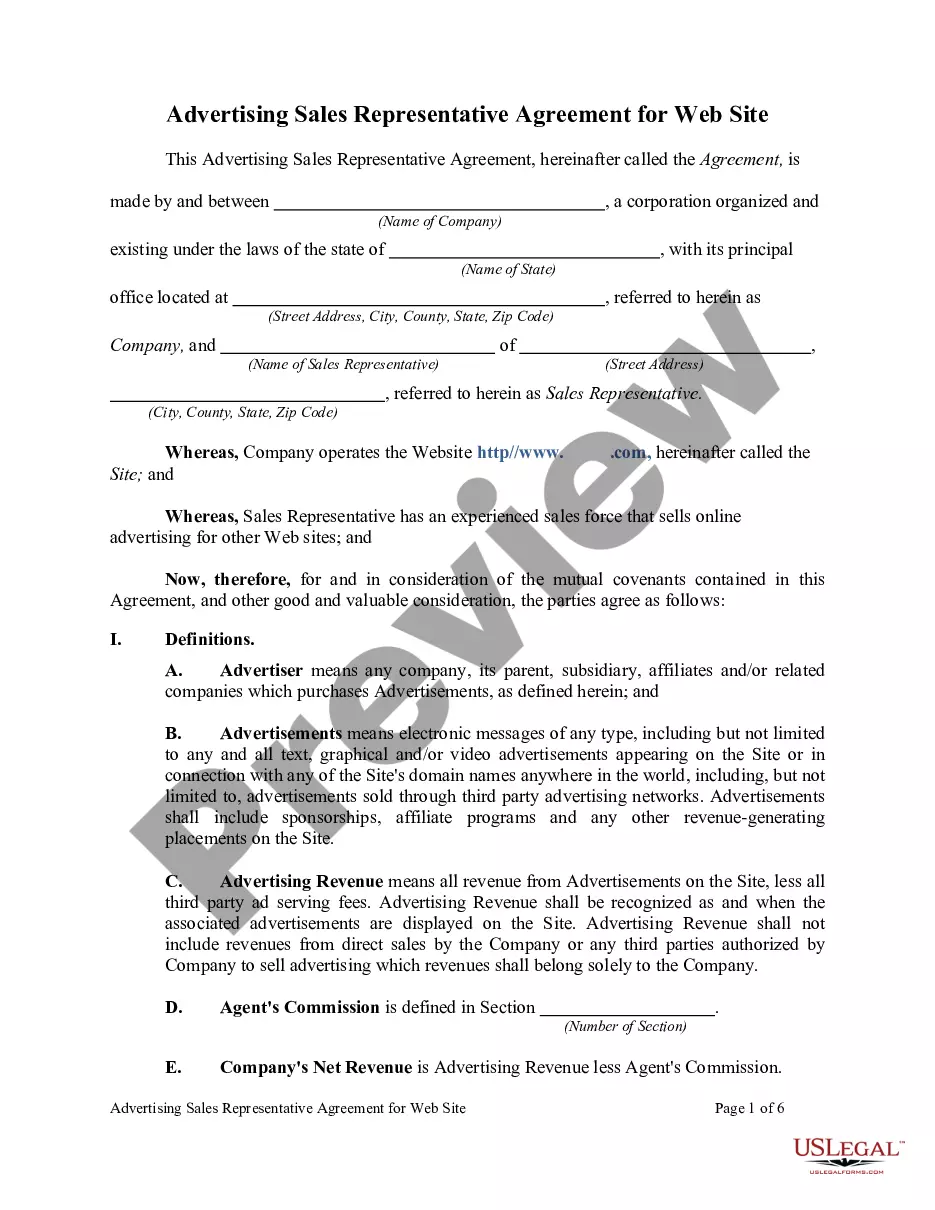
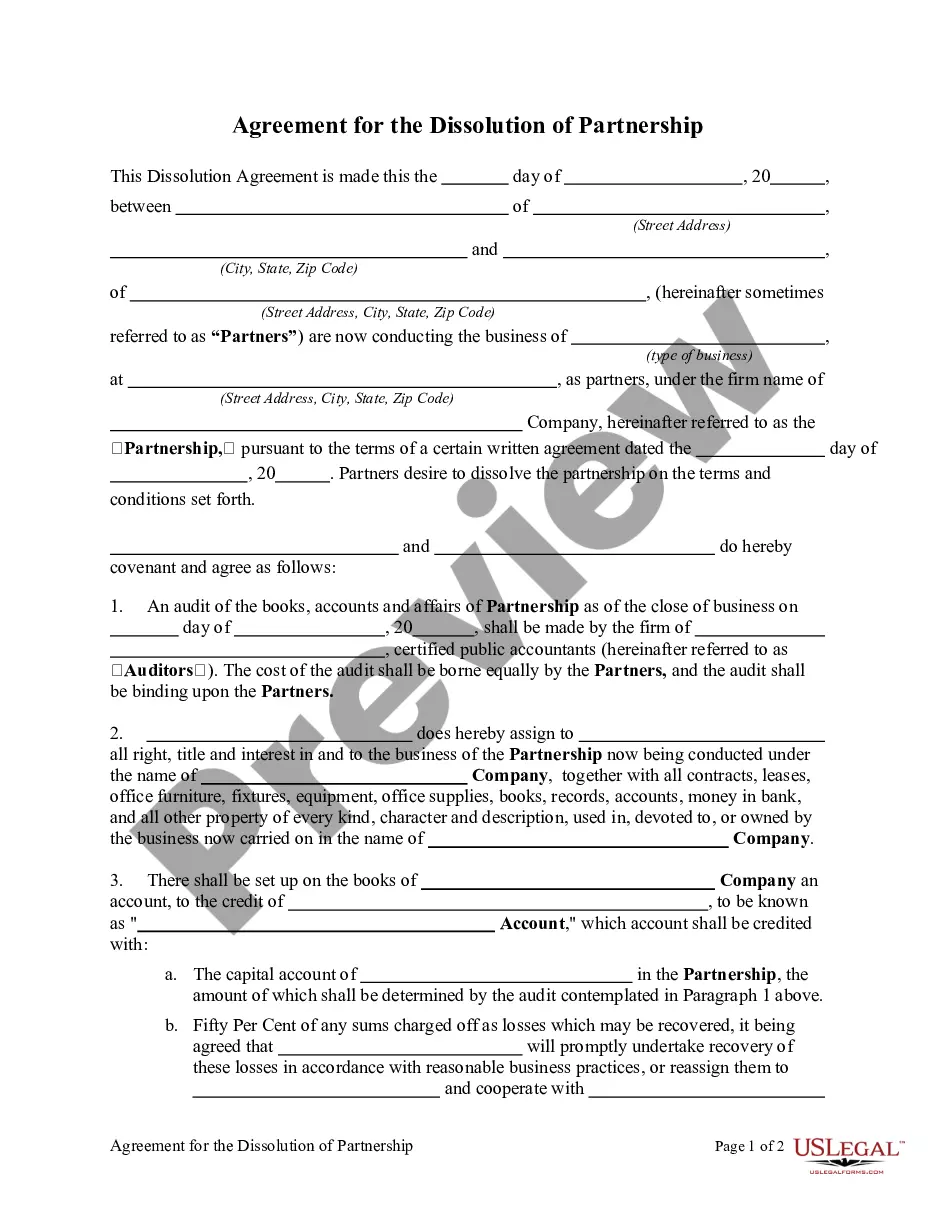

How to fill out Writ Of Replevin Or Repossession?
- Log in to your existing US Legal Forms account if you've used the service before; ensure your subscription remains valid.
- If you’re using the service for the first time, browse through the preview mode and form descriptions to select the appropriate legal document that aligns with your jurisdiction.
- Utilize the search feature if you need a different form; once found, confirm its suitability before proceeding.
- Purchase the document by clicking the Buy Now button and selecting a subscription plan that fits your needs, which requires account registration.
- Complete your transaction by entering your payment details through a credit card or PayPal for the subscription.
- Download the form directly to your device and access it anytime through the My Forms section of your account.
Utilizing US Legal Forms streamlines the legal documentation process, empowering users with comprehensive resources and expert assistance. From a robust collection of forms to support for form completion, it’s an invaluable tool for anyone needing legal documents.
Start taking control of your legal needs today by visiting US Legal Forms and experience the benefits of quick, reliable document access.
Form popularity
FAQ
Anyone can draft a writ, but it is essential to ensure that it meets legal standards and requirements. Typically, legal professionals such as attorneys create writs to ensure accuracy and compliance with laws. If you need assistance, USLegalForms offers resources to help you write a writ with case law that addresses your situation clearly and effectively.
A writ is generally issued by a judge or a court when addressing legal matters. The issuing authority depends on the type of writ and the jurisdiction involved. Understanding the specifics of your case will help clarify who can issue the writ, especially as it pertains to a writ with case law which can guide your legal proceedings.
To obtain a writ of assistance, you typically need to file a request with the appropriate court. This request must include detailed information about the case and the necessity for the writ. Utilizing a platform like USLegalForms can simplify the process, providing templates and guidance to help you effectively create a writ with case law tailored to your needs.
A writ serves as a formal order issued by a court to enforce a legal right. It is often used to compel a party to take specific action or abstain from doing something. In many cases, a writ with case law provides a legal basis for resolving disputes and ensures compliance with judicial decisions.
No, a writ and a warrant serve different purposes in the legal system. A writ issues orders related to legal processes, while a warrant specifically authorizes law enforcement to take action, usually to arrest or search. Understanding the distinctions between these legal tools is vital. For more clarity on legal terms, uslegalforms can provide useful resources.
The primary reason for a writ is to rectify a situation where lower courts or officials fail to fulfill their duties. A writ can ensure that justice is served by providing a legal pathway to escalate matters that require urgent attention. Additionally, writs reinforce the rule of law and can lead to essential changes in case law, impacting future litigation.
To ask for a writ, you must file a formal petition in the appropriate court. This petition should clearly articulate your legal arguments and provide supporting evidence for your request. It’s crucial to follow specific court procedures and deadlines. Using services like uslegalforms can simplify this process, ensuring you submit a well-organized and compliant petition.
For a case to qualify for a writ of certiorari, it generally must involve significant legal questions or be a matter of public importance. Additionally, the case should present conflicting decisions from different lower courts, highlighting the need for clarification. These conditions ensure that only the most pressing cases are heard, contributing to a more consistent application of case law.
The process of obtaining a writ begins with filing a petition with the relevant court, outlining the reasons for the request. After submission, the court reviews the petition to determine if it meets necessary legal standards. If granted, the writ compels action or mandates review of a lower court’s decision. This process is essential in upholding rights and ensuring justice.
A writ serves as a legal command issued by a court, requiring the performance of a specific act. It allows individuals to seek a remedy when lower courts or officials fail to act. In terms of case law, a writ can establish legal precedents that guide future cases. Understanding its purpose can help you navigate complex legal situations.