Writ Sample With Ghana
Description

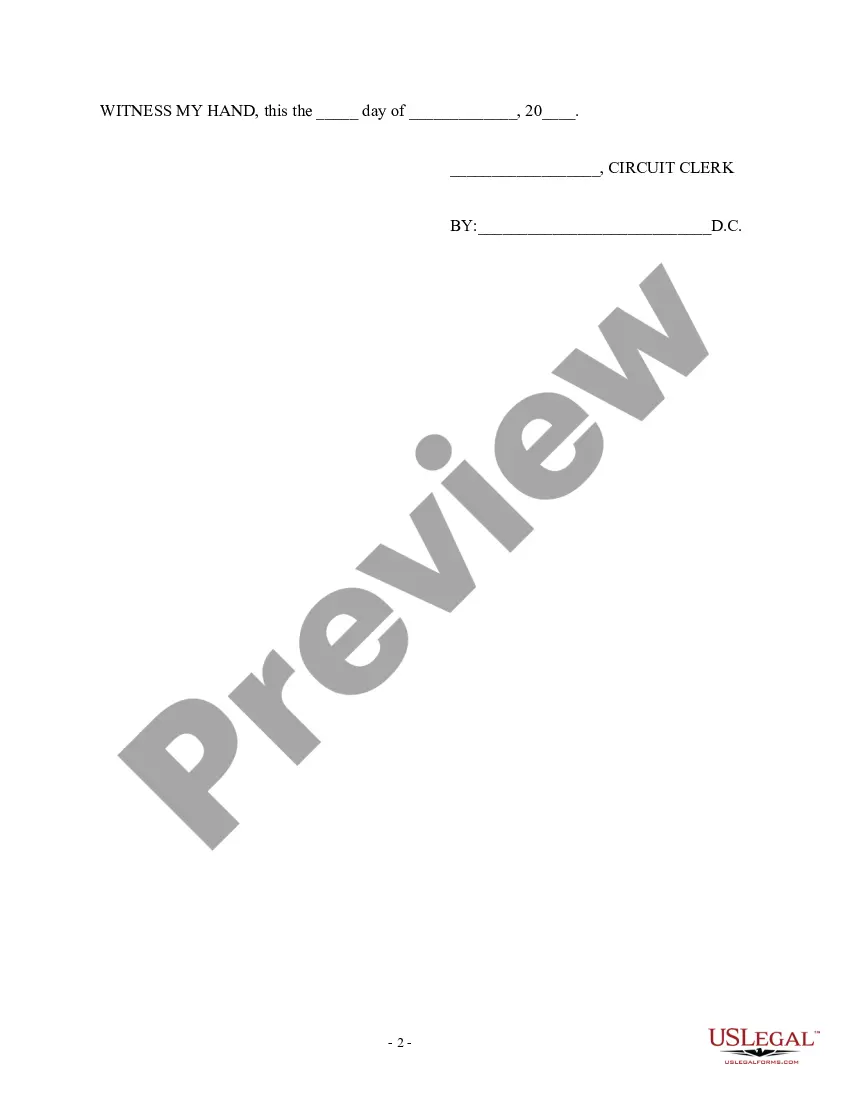


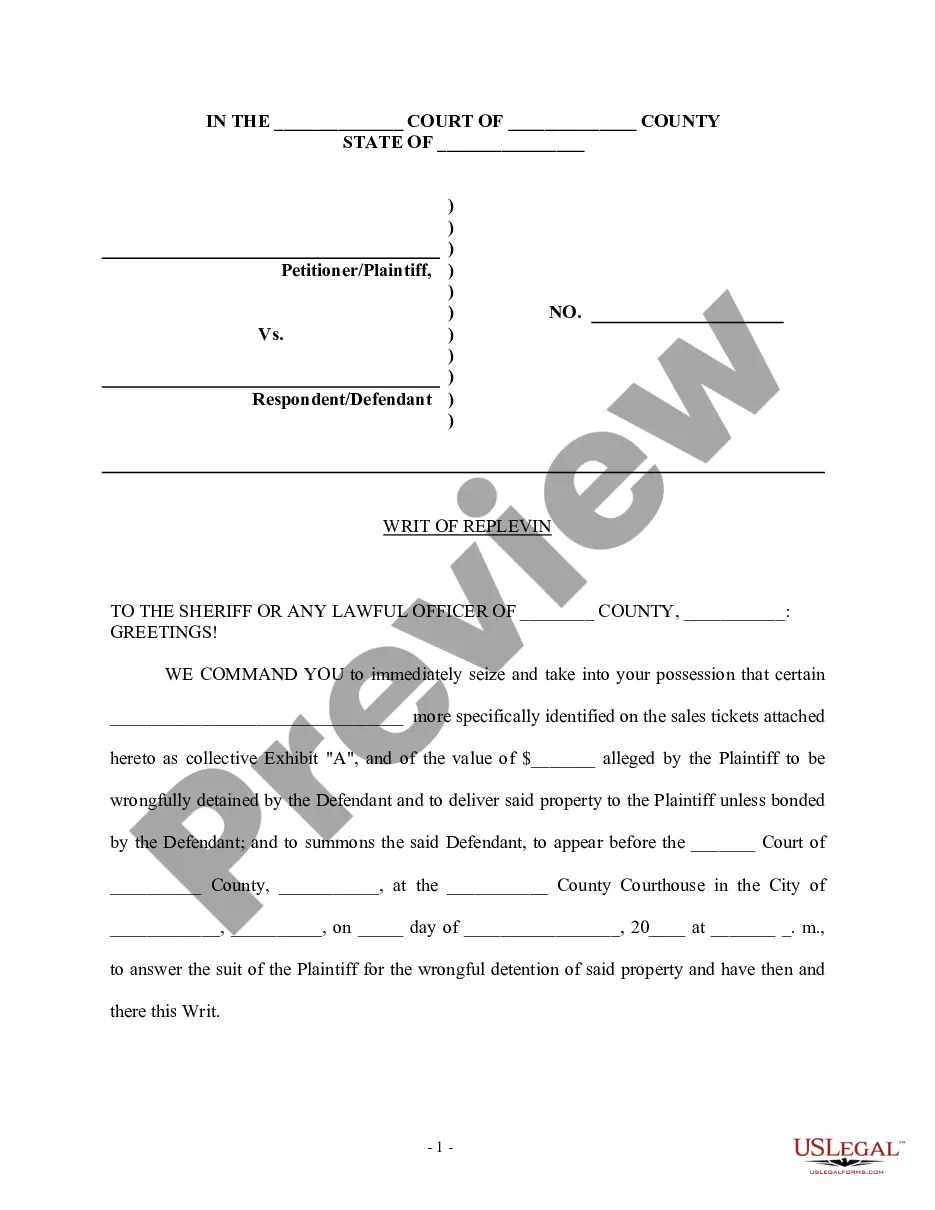
Get your form ready online
Our built-in tools help you complete, sign, share, and store your documents in one place.
Make edits, fill in missing information, and update formatting in US Legal Forms—just like you would in MS Word.
Download a copy, print it, send it by email, or mail it via USPS—whatever works best for your next step.
Sign and collect signatures with our SignNow integration. Send to multiple recipients, set reminders, and more. Go Premium to unlock E-Sign.
If this form requires notarization, complete it online through a secure video call—no need to meet a notary in person or wait for an appointment.
We protect your documents and personal data by following strict security and privacy standards.

Make edits, fill in missing information, and update formatting in US Legal Forms—just like you would in MS Word.

Download a copy, print it, send it by email, or mail it via USPS—whatever works best for your next step.

Sign and collect signatures with our SignNow integration. Send to multiple recipients, set reminders, and more. Go Premium to unlock E-Sign.

If this form requires notarization, complete it online through a secure video call—no need to meet a notary in person or wait for an appointment.

We protect your documents and personal data by following strict security and privacy standards.
Looking for another form?
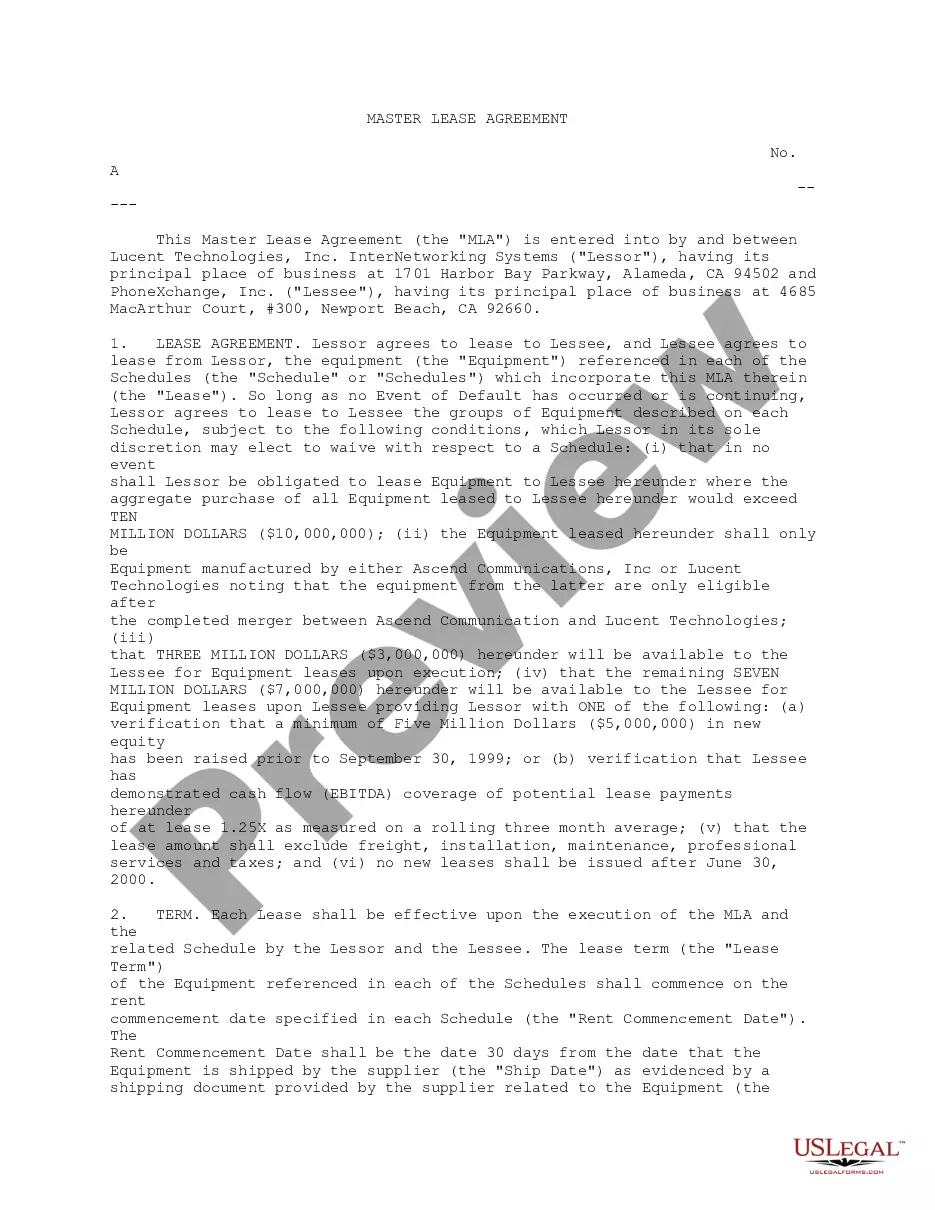
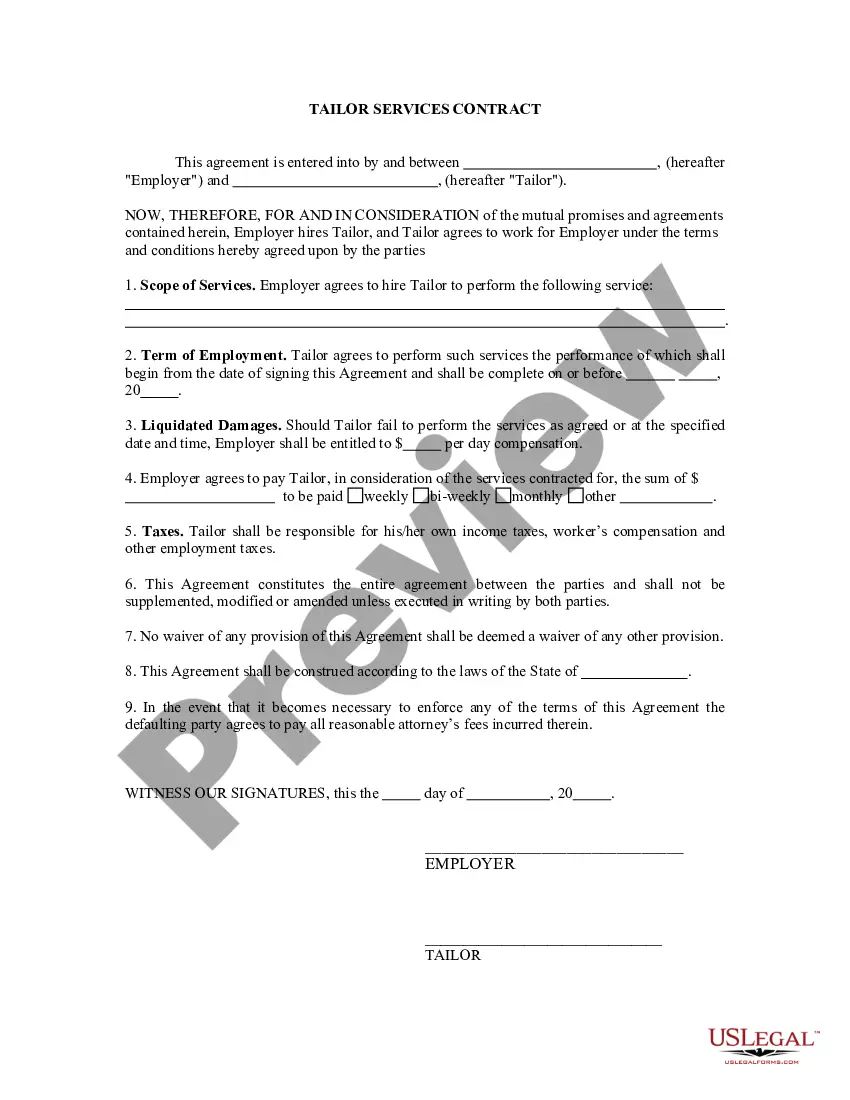



How to fill out Writ Of Replevin Or Repossession?
Regardless of whether it's for professional reasons or private issues, every individual must confront legal circumstances at some point in their life.
Completing legal documents requires meticulous care, beginning with selecting the appropriate form template.
With an extensive catalog at US Legal Forms, you do not need to waste your time searching the internet for the appropriate template. Leverage the library’s straightforward navigation to find the right template for any situation.
- Locate the template you require using the search option or catalog browsing.
- Review the form’s details to ensure it aligns with your situation, state, and county.
- Click on the form’s preview to view it.
- If it is not the correct document, return to the search feature to find the Writ Sample With Ghana template you need.
- Download the template if it suits your requirements.
- If you already own a US Legal Forms account, click Log in to access previously stored documents in My documents.
- If you have yet to create an account, you can download the form by selecting Buy now.
- Choose the appropriate pricing option.
- Complete the account registration form.
- Pick your payment method: utilize a credit card or PayPal account.
- Select the file format you prefer and download the Writ Sample With Ghana.
- After saving, you can fill out the form using editing software or print it out and complete it manually.
Form popularity
FAQ
Court filing fees are charges imposed by the court for processing legal documents and initiating a case. Fees can differ based on the type of case and the court’s jurisdiction. Typically, these fees help cover administrative costs and can range from minimal amounts to higher figures for complex cases. Understanding the fees associated with your specific situation, especially when using a writ sample with Ghana, can help you prepare accordingly.
Court filing fees in Ghana can vary depending on the type of case you are pursuing. Generally, these fees range from a nominal amount to several hundred Ghanaian Cedis. For precise costs related to your case, it is best to check directly with the court or refer to the official judiciary website. Having a writ sample with Ghana can also help you estimate potential fees.
To file a writ of mandamus in Ghana, first prepare your writ sample with Ghana's specific legal requirements in mind. Next, gather any necessary documents that support your case, including affidavits or certificates. You will then submit these documents at the relevant court. It’s wise to consult a legal expert to ensure that you follow the correct procedures.
Drafting a writ involves several steps, starting with identifying the appropriate court and jurisdiction. After gathering all necessary information, you must clearly state the purpose of the writ and provide any supporting details. For those looking for guidance, a writ sample with Ghana can serve as an excellent reference. US Legal Forms offers detailed resources that streamline the drafting process, ensuring your document meets legal requirements.
A writ of fieri facias, commonly referred to as a fi fa, is a court order directing the seizure of a debtor's property to satisfy a judgment. This writ is a powerful tool for creditors to recover owed debts. To gain a better understanding of this process, reviewing a writ sample with Ghana can be very helpful.
Drafting a writ petition involves outlining the grounds for the writ, identifying the parties, and detailing the specific relief sought. It is essential to be clear and concise, ensuring that the legal basis for the request is well-articulated. For assistance, consider exploring a writ sample with Ghana through US Legal Forms, which provides templates and guidance for effective drafting.
The most powerful writ is often considered to be the writ of habeas corpus because it addresses unlawful detention and protects personal liberty. This writ empowers individuals to challenge their imprisonment or detention before a court. For those looking for practical applications in a writ sample with Ghana, it serves as a crucial reference point.
The five types of writs include habeas corpus, mandamus, prohibition, quo warranto, and certiorari. Each writ serves a unique purpose, helping individuals seek redress or compel action within the legal framework. Understanding these types can greatly benefit those in need of a writ sample with Ghana, as they provide clarity on the options available.
An example of a writ is the writ of mandamus, which directs a lower court or government official to perform their duties according to the law. This type of writ is crucial in enforcing legal rights and ensuring proper conduct in public office. If you're searching for a writ sample with Ghana, many resources illustrate this type effectively.
The most common writ is the writ of habeas corpus, which is used to bring a person who is held in custody before the court. This writ safeguards individual freedom by ensuring that no one is unlawfully detained. Legal professionals frequently cite a writ sample with Ghana to showcase how this application is structured.