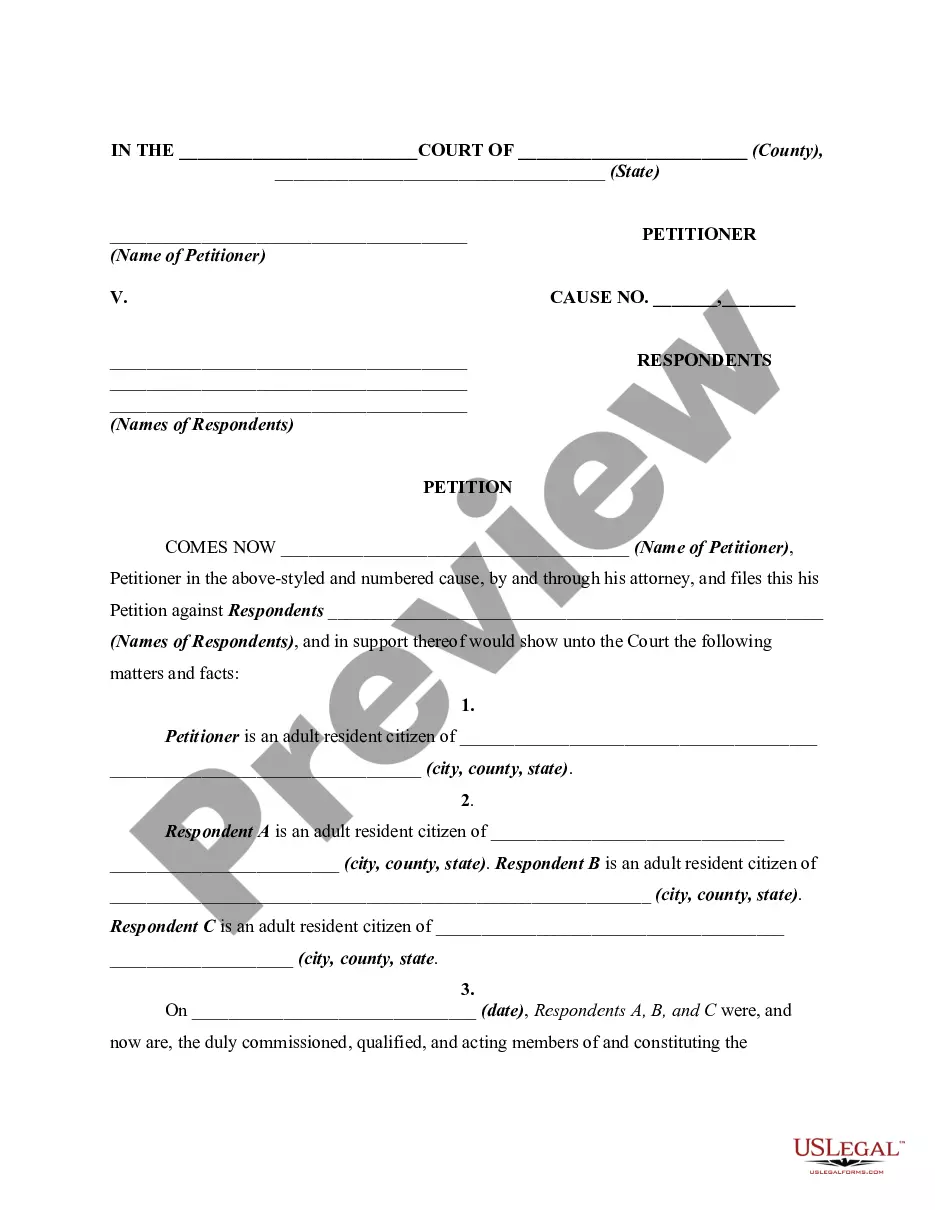
Writ Of Replevin Definition
Description




Get your form ready online
Our built-in tools help you complete, sign, share, and store your documents in one place.
Make edits, fill in missing information, and update formatting in US Legal Forms—just like you would in MS Word.
Download a copy, print it, send it by email, or mail it via USPS—whatever works best for your next step.
Sign and collect signatures with our SignNow integration. Send to multiple recipients, set reminders, and more. Go Premium to unlock E-Sign.
If this form requires notarization, complete it online through a secure video call—no need to meet a notary in person or wait for an appointment.
We protect your documents and personal data by following strict security and privacy standards.

Make edits, fill in missing information, and update formatting in US Legal Forms—just like you would in MS Word.

Download a copy, print it, send it by email, or mail it via USPS—whatever works best for your next step.

Sign and collect signatures with our SignNow integration. Send to multiple recipients, set reminders, and more. Go Premium to unlock E-Sign.

If this form requires notarization, complete it online through a secure video call—no need to meet a notary in person or wait for an appointment.

We protect your documents and personal data by following strict security and privacy standards.
Looking for another form?





How to fill out Writ Of Replevin Or Repossession?
The Writ Of Replevin Explanation you observe on this webpage is a versatile legal template crafted by skilled attorneys in accordance with federal and local statutes.
For over 25 years, US Legal Forms has offered individuals, companies, and legal professionals with more than 85,000 authenticated, state-specific documents for various business and personal circumstances. It is the quickest, simplest, and most reliable method to acquire the documentation you need, as the service ensures the utmost level of data protection and anti-malware safeguards.
Access your documents again. Utilize the same file again whenever necessary. Open the My documents section in your profile to redownload any previously acquired forms. Subscribe to US Legal Forms to have verified legal templates for all of life’s situations readily available.
- Explore the document you require and assess it.
- Look through the sample you searched and preview it or review the form details to confirm it meets your requirements. If it does not, utilize the search feature to locate the suitable one. Click Buy Now when you have found the template you need.
- Register and Log In.
- Choose the pricing option that best fits you and create an account. Use PayPal or a credit card to complete a swift transaction. If you already possess an account, Log In and verify your subscription to continue.
- Acquire the editable template.
- Choose the format you desire for your Writ Of Replevin Explanation (PDF, DOCX, RTF) and save the document on your device.
- Fill out and sign the document.
- Print the template to fill it out manually. Alternatively, use an online multifunctional PDF editor to quickly and accurately complete and sign your form digitally.
Form popularity
FAQ
Either the homeowner or the contractor may apply for the necessary building permit. The permit must be in hand before the work begins. Having the correct building permit in place is ultimately the homeowner's responsibility.
Connecticut building contractors and out-of-state contractors performing services in Connecticut are generally required to collect sales tax on their sales. Moreover, such contractors are required to pay sales or use tax on their purchases.
If you're performing more than $1,000 worth of contracting work annually (or doing a single job worth more than $200), you will have to carry a license or register your business with the State of Connecticut.
While home improvement and new home construction contractors must be registered to do business in Connecticut, certain types of skilled work requires the additional training, experience and education that professional licensing helps to ensure.
You can build a house yourself or hire a general contractor if you own land in a location you want to live in. You can budget 9 to 12 months to plan and construct your new home in Connecticut. However, if you don't own land, we recommend you house-hunt for turnkey homes in Connecticut and move in quickly.
New home construction contractor. Major contractors in Connecticut must have a license from the state's Department of Consumer Protection (DCP). If your work is limited to the types of projects described for home improvement contractors or new home construction contractors, you do not need a license from the state.
Property is taxable, this exempts the service charge for new construction (since such property is not existing). NOTE: On new construction, materials are still subject to sales tax on purchase by the contractor. ? The construction of an entirely new building is exempt.
Who can do the work? A homeowner can do his own work, if he occupies the home and does not rent out any part of it. The homeowner is still required to get a permit. With this exception, any individual doing permitted work must be licensed and registered with the State of Connecticut.