Writ Of Habeas Corpus With Example
Description



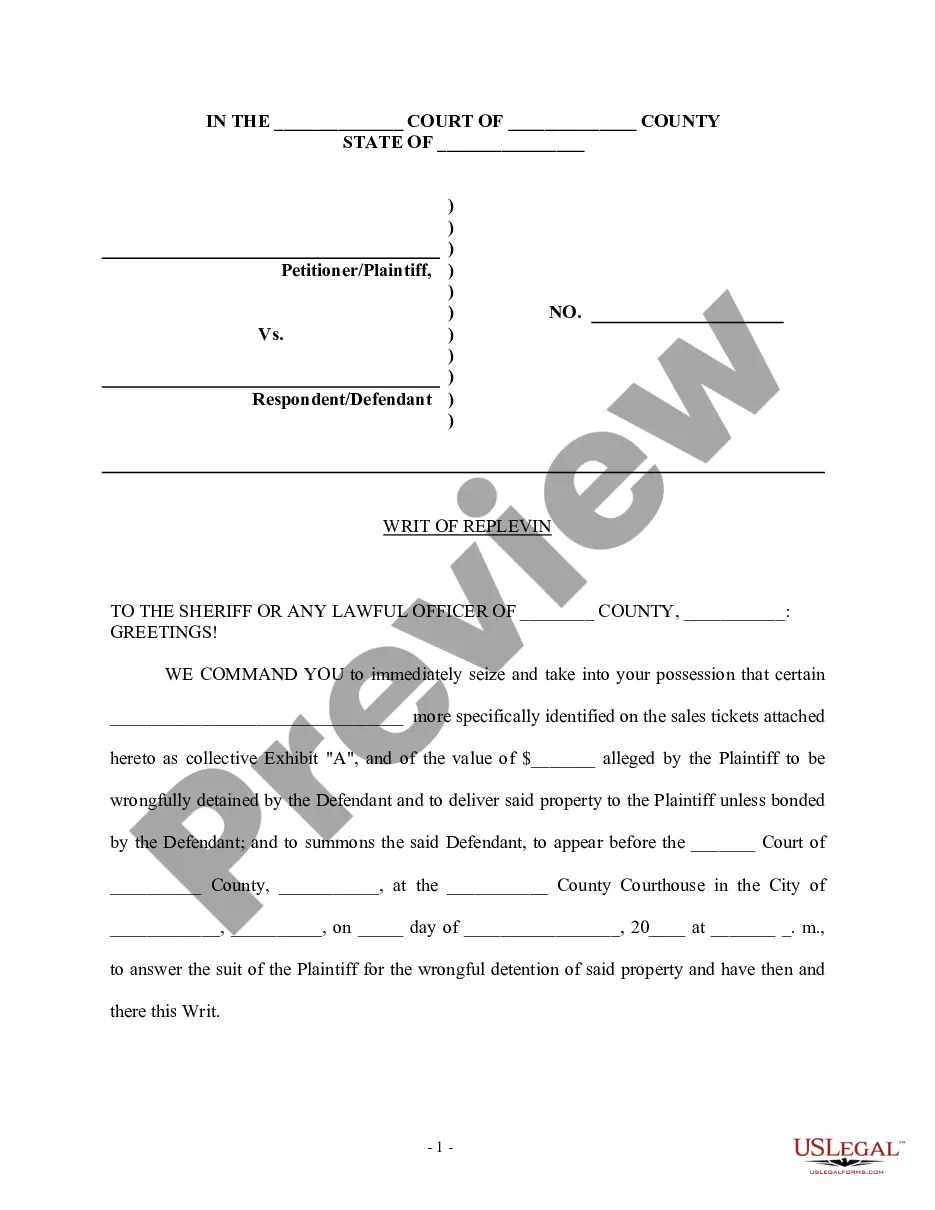
Get your form ready online
Our built-in tools help you complete, sign, share, and store your documents in one place.
Make edits, fill in missing information, and update formatting in US Legal Forms—just like you would in MS Word.
Download a copy, print it, send it by email, or mail it via USPS—whatever works best for your next step.
Sign and collect signatures with our SignNow integration. Send to multiple recipients, set reminders, and more. Go Premium to unlock E-Sign.
If this form requires notarization, complete it online through a secure video call—no need to meet a notary in person or wait for an appointment.
We protect your documents and personal data by following strict security and privacy standards.

Make edits, fill in missing information, and update formatting in US Legal Forms—just like you would in MS Word.

Download a copy, print it, send it by email, or mail it via USPS—whatever works best for your next step.

Sign and collect signatures with our SignNow integration. Send to multiple recipients, set reminders, and more. Go Premium to unlock E-Sign.

If this form requires notarization, complete it online through a secure video call—no need to meet a notary in person or wait for an appointment.

We protect your documents and personal data by following strict security and privacy standards.
Looking for another form?
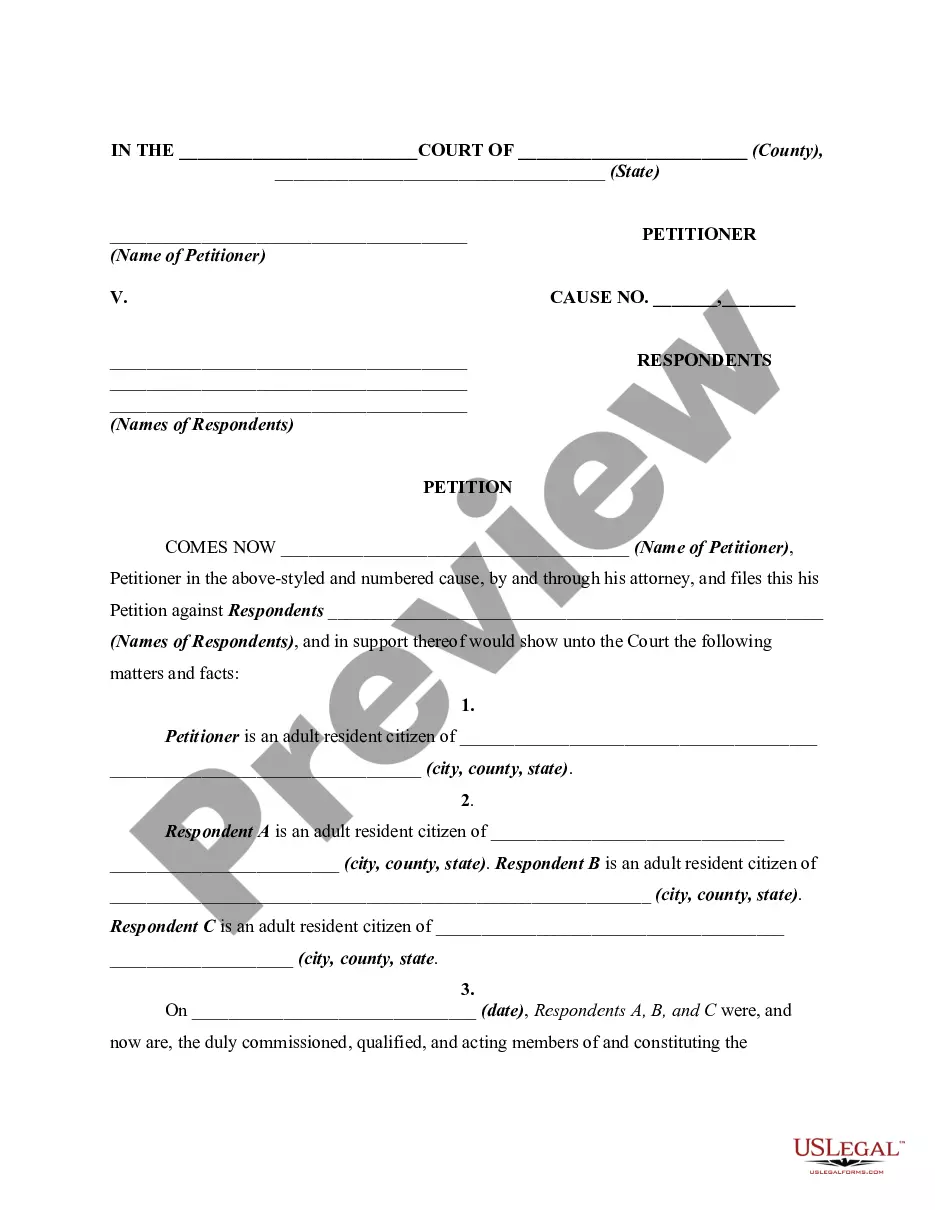

How to fill out Writ Of Replevin Or Repossession?
Utilizing legal documents that comply with both federal and local regulations is essential, and the web presents countless choices to select from.
However, what is the benefit of spending time searching for the suitable Writ Of Habeas Corpus With Example template online if the US Legal Forms internet library has already compiled such documents in one location.
US Legal Forms is the leading online legal repository with more than 85,000 fillable documents created by attorneys for various professional and personal situations.
Review the template using the Preview feature or through the text description to verify it meets your requirements.
- They are easy to navigate with all forms categorized by state and intended use.
- Our experts stay informed about legal changes, ensuring your document is current and compliant when obtaining a Writ Of Habeas Corpus With Example from our portal.
- Acquiring a Writ Of Habeas Corpus With Example is straightforward and fast for both existing and new customers.
- If you already possess an account with an active subscription, Log In and store the document template you require in the preferred format.
- If you are new to our site, follow the steps below.
Form popularity
FAQ
The grounds for a habeas corpus motion typically center around unlawful detention or violation of constitutional rights. Common reasons include lack of due process, false imprisonment, or insufficient evidence to justify continued detention. To understand specific cases and grounds, exploring available examples can provide clarity. Utilizing US Legal Forms can help you identify valid grounds and formulate your own writ of habeas corpus effectively.
Writing a writ of habeas corpus involves several steps. First, you need to clearly state the facts of your case, including the reasons why your detention is unlawful. Next, use the appropriate legal format to draft the petition, specifying the relief you seek. For a detailed guide, consider using our platform, US Legal Forms, which provides templates and examples to assist you in creating a comprehensive writ of habeas corpus.
The success rate for habeas corpus petitions can vary, but generally, about 1-5% of cases lead to favorable outcomes. Factors influencing success include the quality of the legal argument and the specifics of each case. Individuals seeking assistance may benefit from resources like uslegalforms, which provide tools to enhance their chances of success.
An effective example of a writ of habeas corpus can be seen in historical cases where defendants sought release from wrongful imprisonment. For instance, a convicted person might argue that new evidence proves their innocence, prompting the filing of a writ of habeas corpus to overturn their sentence. This example underscores the writ's role in correcting judicial errors and enhancing legal accountability.
A habeas corpus example illustrates its utility in legal matters. For instance, a person wrongfully imprisoned for a crime they did not commit may file for a writ of habeas corpus to contest their detention. In this case, they seek judicial review to verify the legality of their imprisonment, showcasing how this writ upholds justice and individual rights.
Several situations may lead an individual to file a writ of habeas corpus. Common reasons include unlawful detention, inadequate legal representation, or wrongful imprisonment. It serves as a vital legal tool for people seeking to challenge their detention conditions or assert their rights. Understanding these specifics can empower individuals to take the necessary steps toward justice.
Writing your own writ of habeas corpus can be a straightforward process. Start by identifying the correct court, then draft a petition that outlines your reason for the application clearly and concisely. Make sure to include specific details, such as legal grounds and any relevant supporting documents. Many users find uslegalforms a helpful resource for templates and guidance to facilitate this process.
A good sentence for habeas corpus demonstrates its purpose clearly. For example, one might say, 'The court granted a writ of habeas corpus, allowing the prisoner to challenge the legality of their detention.' This sentence highlights the essence of a writ of habeas corpus, with example usage focused on its legal importance in protecting individual freedoms.
Filling out a writ of habeas corpus requires careful attention to detail. Start by providing your personal information, the details of your detention, and the reasons for your claim. It’s essential to include relevant facts and legal arguments, as well as any supporting documents. Many people find that using online platforms like US Legal Forms simplifies the process, offering templates and guidance for completing a writ of habeas corpus with example. This can help ensure your submission is clear and complete.
There are several common grounds for seeking habeas corpus relief, including violation of constitutional rights, lack of due process, or new evidence that could exonerate an individual. For example, if someone is imprisoned based on faulty evidence, they may file a writ of habeas corpus with example to contest their detention. Individuals often use this process to address serious legal errors made during their trial. Understanding these grounds is essential for anyone considering this legal remedy.