Writ Of Garnishment Form With 2 Points
Description




Get your form ready online
Our built-in tools help you complete, sign, share, and store your documents in one place.
Make edits, fill in missing information, and update formatting in US Legal Forms—just like you would in MS Word.
Download a copy, print it, send it by email, or mail it via USPS—whatever works best for your next step.
Sign and collect signatures with our SignNow integration. Send to multiple recipients, set reminders, and more. Go Premium to unlock E-Sign.
If this form requires notarization, complete it online through a secure video call—no need to meet a notary in person or wait for an appointment.
We protect your documents and personal data by following strict security and privacy standards.

Make edits, fill in missing information, and update formatting in US Legal Forms—just like you would in MS Word.

Download a copy, print it, send it by email, or mail it via USPS—whatever works best for your next step.

Sign and collect signatures with our SignNow integration. Send to multiple recipients, set reminders, and more. Go Premium to unlock E-Sign.

If this form requires notarization, complete it online through a secure video call—no need to meet a notary in person or wait for an appointment.

We protect your documents and personal data by following strict security and privacy standards.
Looking for another form?









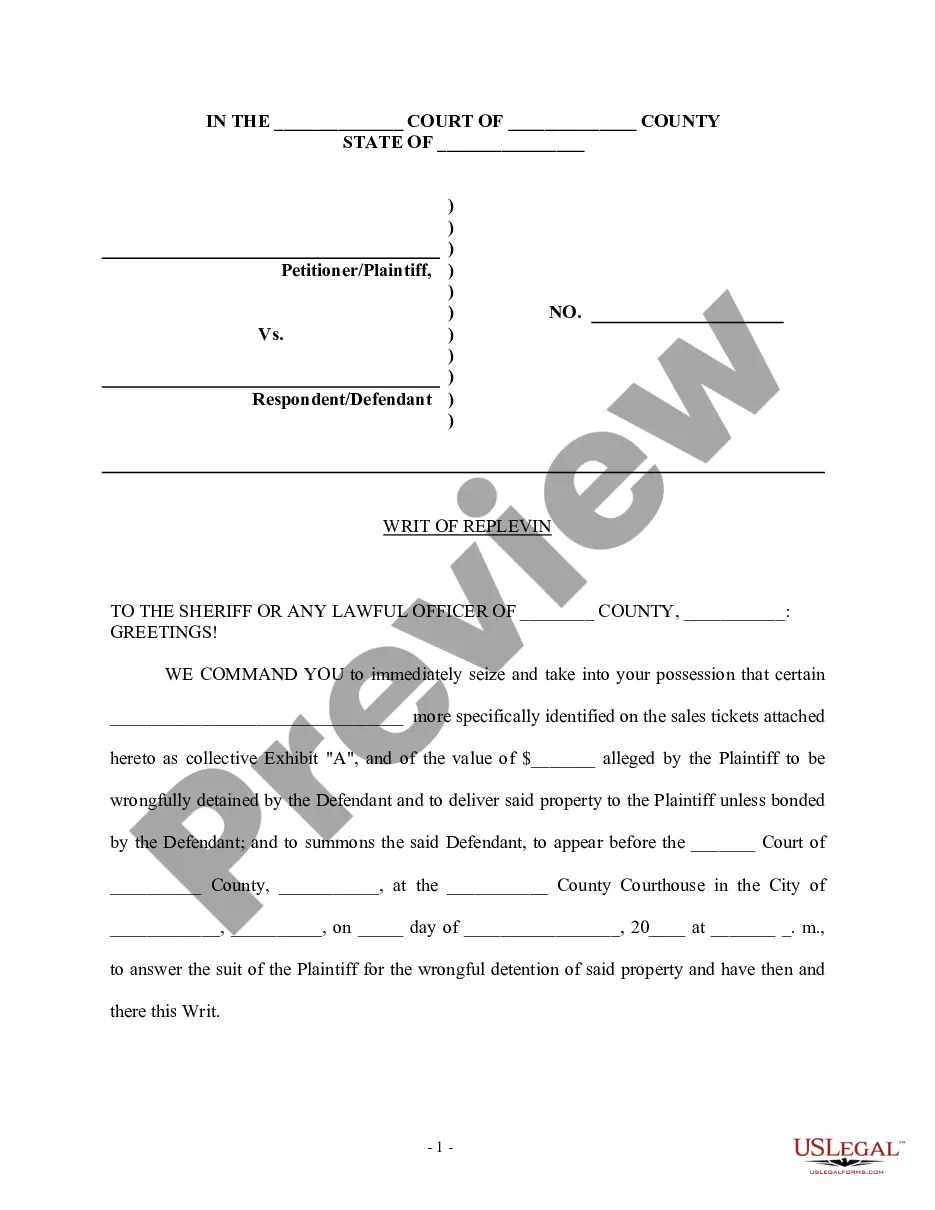
How to fill out Writ Of Replevin Or Repossession?
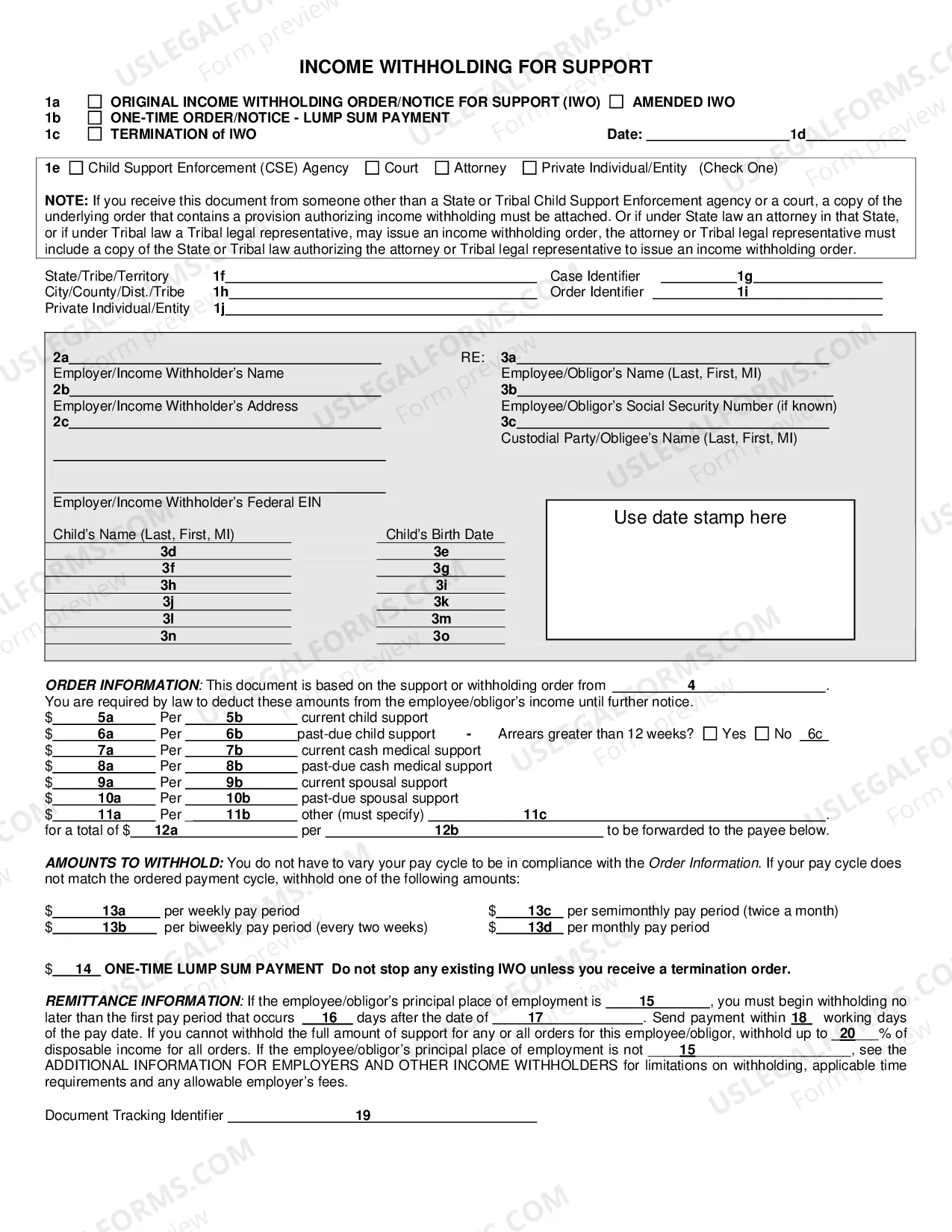
The Writ Of Garnishment Document With 2 Points you observe on this webpage is a versatile official template crafted by experienced attorneys in accordance with federal and state statutes and regulations.
For over 25 years, US Legal Forms has supplied individuals, entities, and legal professionals with over 85,000 authenticated, state-specific documents for any commercial and personal circumstance.
Subscribe to US Legal Forms to have validated legal templates for all of life's scenarios readily available.
- Search for the document you require and review it.
- Browse the sample you found and preview it or read the form description to confirm it meets your needs. If it does not, utilize the search bar to find the appropriate one. Click Buy Now when you have found the form you need.
- Register and Log In.
- Choose the pricing option that works for you and create an account. Use PayPal or a credit card for quick payment. If you already possess an account, Log In and verify your subscription to move forward.
- Obtain the editable document.
- Select the format you desire for your Writ Of Garnishment Document With 2 Points (PDF, DOCX, RTF) and download the sample to your device.
- Fill out and sign the documents.
- Print out the template to complete it by hand. Alternatively, use an online versatile PDF editor to swiftly and accurately fill out and sign your form with an electronic signature.
- Download your documents once more.
- Reuse the same document again whenever needed. Access the My documents tab in your profile to redownload any forms you have previously downloaded.
Form popularity
FAQ
Before Proposition 209, creditors could garnish up to 25% of a debtor's non-exempt disposable earnings. Now, the law has reduced this maximum limit to 10% of an individual's disposable income or 60 times the highest applicable minimum wage (whichever is less).
Limits on Wage Garnishment in Washington. In Washington, most creditors can garnish the lesser of (subject to some exceptions?more below): 25% of your weekly disposable earnings, or. your weekly disposable earnings less 35 times the federal minimum hourly wage.
After 60 days, the judgment creditor's attorney will serve a ?Second Answer.? In response to the Second Answer, the employer must tell the judgment creditor how much was actually withheld during the 60-day period during which the garnishment was effective.
Any money that is garnished is then taken out of your take-home pay. Under Washington law, creditors can garnish as much as 25% of your weekly disposable earnings, or your weekly disposable earnings minus 35 times the federal minimum wage.
In order to garnish your property, the creditor must first file a lawsuit and obtain a judgment against you. Before the lawsuit can proceed, you must be served or provided a copy of the creditor's complaint against you (also known as a ?petition?). This is called ?service of process.?