Writ Impetrado
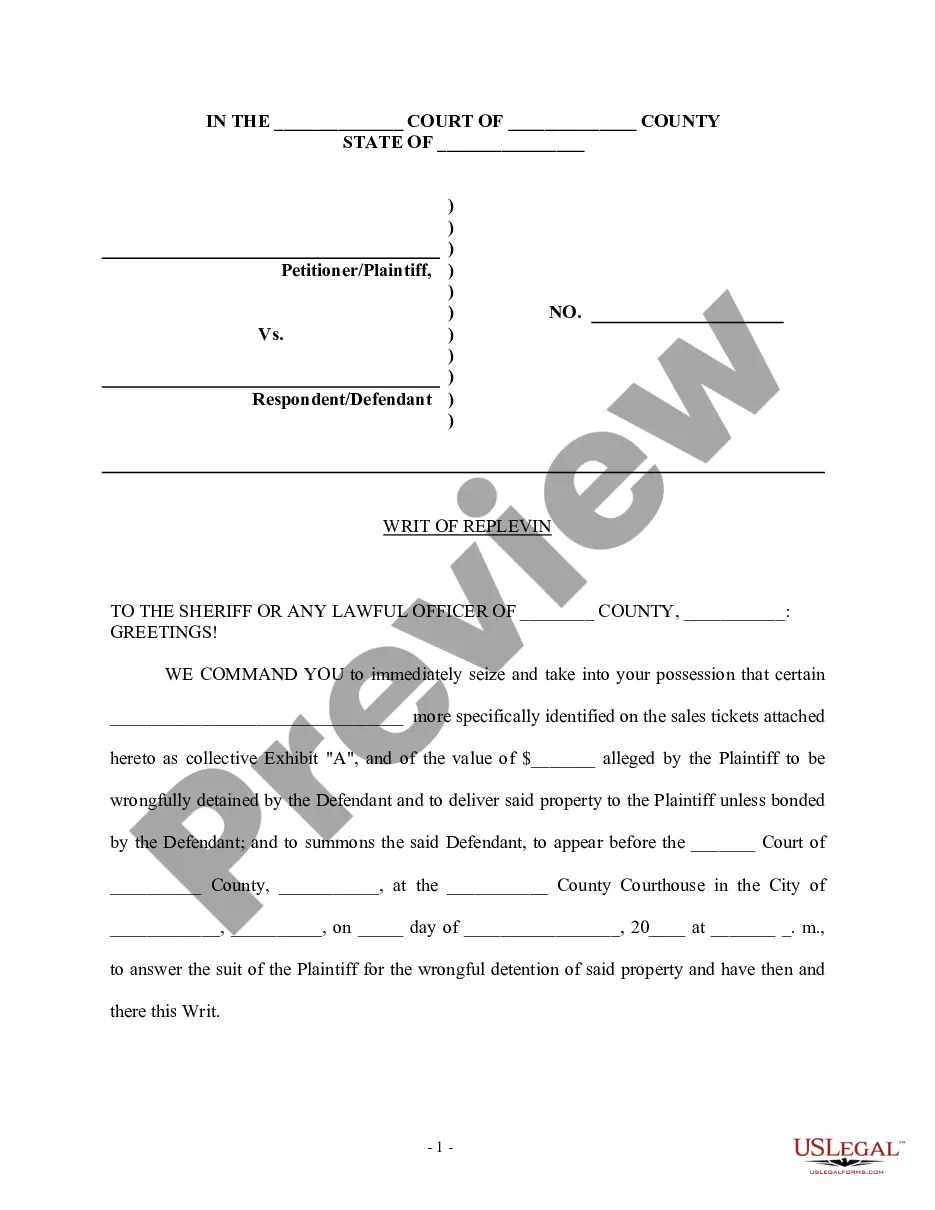
Description




Get your form ready online
Our built-in tools help you complete, sign, share, and store your documents in one place.
Make edits, fill in missing information, and update formatting in US Legal Forms—just like you would in MS Word.
Download a copy, print it, send it by email, or mail it via USPS—whatever works best for your next step.
Sign and collect signatures with our SignNow integration. Send to multiple recipients, set reminders, and more. Go Premium to unlock E-Sign.
If this form requires notarization, complete it online through a secure video call—no need to meet a notary in person or wait for an appointment.
We protect your documents and personal data by following strict security and privacy standards.

Make edits, fill in missing information, and update formatting in US Legal Forms—just like you would in MS Word.

Download a copy, print it, send it by email, or mail it via USPS—whatever works best for your next step.

Sign and collect signatures with our SignNow integration. Send to multiple recipients, set reminders, and more. Go Premium to unlock E-Sign.

If this form requires notarization, complete it online through a secure video call—no need to meet a notary in person or wait for an appointment.

We protect your documents and personal data by following strict security and privacy standards.
Looking for another form?
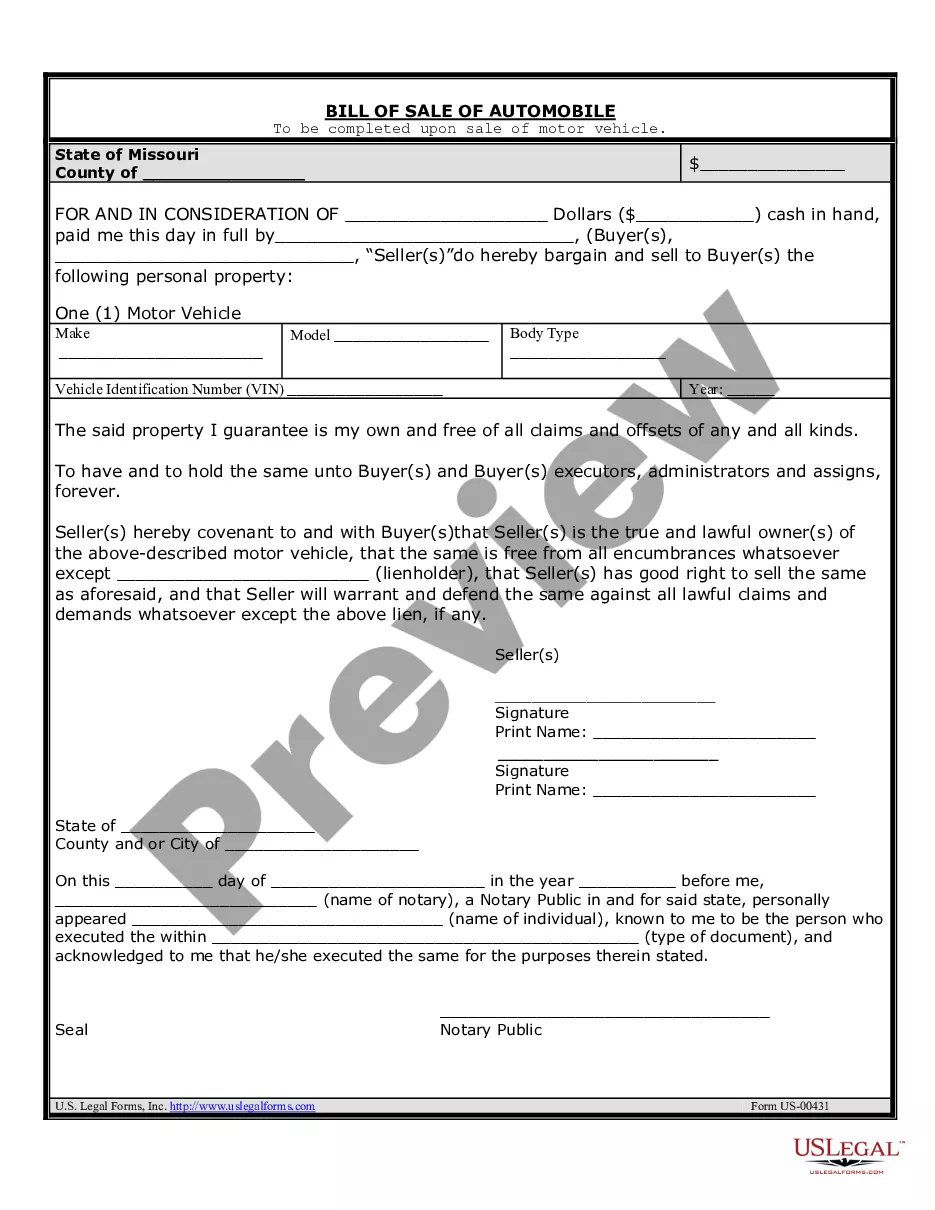

How to fill out Writ Of Replevin Or Repossession?
- Log in to your US Legal Forms account and ensure your subscription is valid. If necessary, renew your plan before proceeding.
- Preview the form description and specifications to confirm it meets your jurisdiction requirements. If it doesn’t, utilize the Search feature to find the correct template.
- Select the appropriate document and click 'Buy Now.' Choose a subscription plan that best fits your needs and create an account if you haven't already done so.
- Complete the purchase by entering your payment details, either through a credit card or PayPal.
- Download your form to your device. You can also access it from the 'My Forms' section in your profile for future use.
By following these steps, you’ll be able to access the precise legal documents you need to ensure your matters are handled correctly.
Start your journey with US Legal Forms today and empower yourself with high-quality legal solutions!
Form popularity
FAQ
The most common writ is often considered to be the writ of habeas corpus. This writ is significant because it protects individual rights against unlawful imprisonment. The writ impetrado has historical roots in safeguarding liberty and is frequently invoked in various legal situations. Understanding its importance can empower you as you navigate your legal journey.
Three common types of writs are habeas corpus, mandamus, and prohibition. Each serves a distinct legal purpose, affecting different aspects of the legal process. For instance, the writ impetrado of mandamus can compel a government official to perform a duty. Knowing these types can help you choose the appropriate one for your specific legal needs.
An example of a writ is a writ of habeas corpus, which orders a person holding another in custody to bring the detainee before the court. This writ serves to protect individual freedom from arbitrary detention. The writ impetrado serves a critical role in upholding justice and legal rights. Understanding these examples guides you in recognizing the relevance of different writs in various legal contexts.
Filing a writ of prohibition involves drafting a legal document that requests a higher court to prevent a lower court from acting outside its jurisdiction. You must clearly articulate the reasons for your request. Using services like uslegalforms can provide templates and guidance that streamline this process. It's an excellent way to navigate the complexities associated with the writ impetrado.
A writ in federal court is a formal order from a judge, compelling a party to take or refrain from specific actions. The writ impetrado may refer to various types of writs applicable based on the case, such as habeas corpus or mandamus. It's vital to understand the specific context of your case to utilize this effectively. Consulting legal resources can clarify these nuances.
Writing a writ of mandamus requires outlining the legal duty that the state or official is obligated to perform. Begin by stating your relationship to the case and why you are entitled to the writ. Remember, a well-structured argument can make a significant difference. We recommend consulting uslegalforms for templates that simplify this process significantly, particularly for the writ impetrado.
To fill out a writ of habeas corpus, start by clearly stating the grounds for your request. Include specific information about the individual being detained and the circumstances surrounding their detention. You can use the resources provided by uslegalforms to guide you through the process and ensure the necessary details are included. This detail is essential in processes involving the writ impetrado.
The five extraordinary writs include habeas corpus, mandamus, prohibition, certiorari, and quo warranto. Each writ serves a unique purpose in the legal system. For instance, the writ impetrado of habeas corpus challenges unlawful detention. Understanding these writs is crucial for effectively navigating legal disputes.
Having a writ means that a court has issued a formal command to take specific legal action. This status provides powerful legal leverage for individuals or entities involved in a dispute. In particular, a writ impetrado can initiate crucial legal processes, ensuring that rights are upheld and legal remedies are pursued.
The three main types of subpoenas include a subpoena ad testificandum, which requires a person to testify, a subpoena duces tecum, which mandates the production of documents, and a subpoena for deposition, requiring a witness to provide sworn testimony outside of court. Each type serves specific legal needs, often used alongside various writs, including the writ impetrado, to gather necessary information for a case.