Real Estate Broker Florida
Description
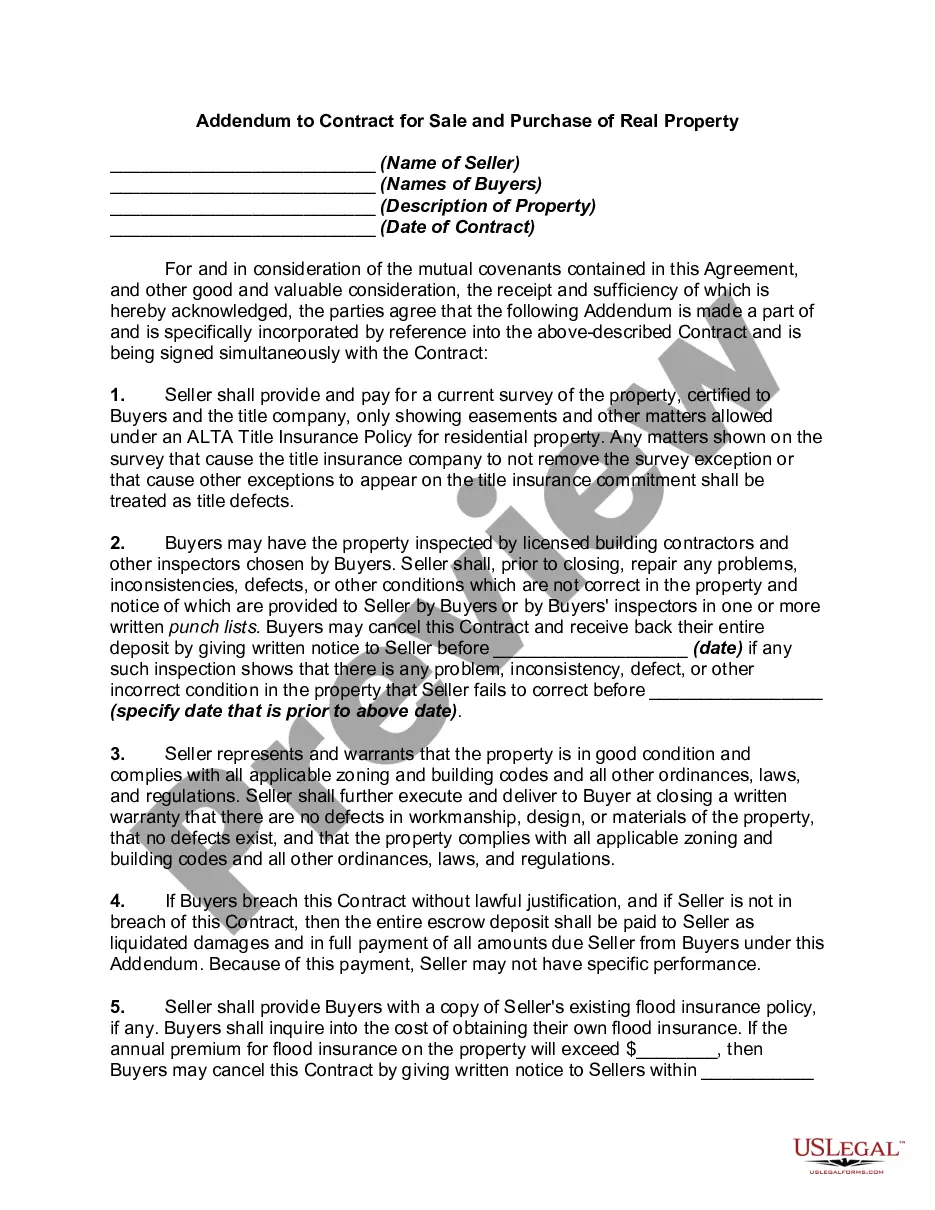
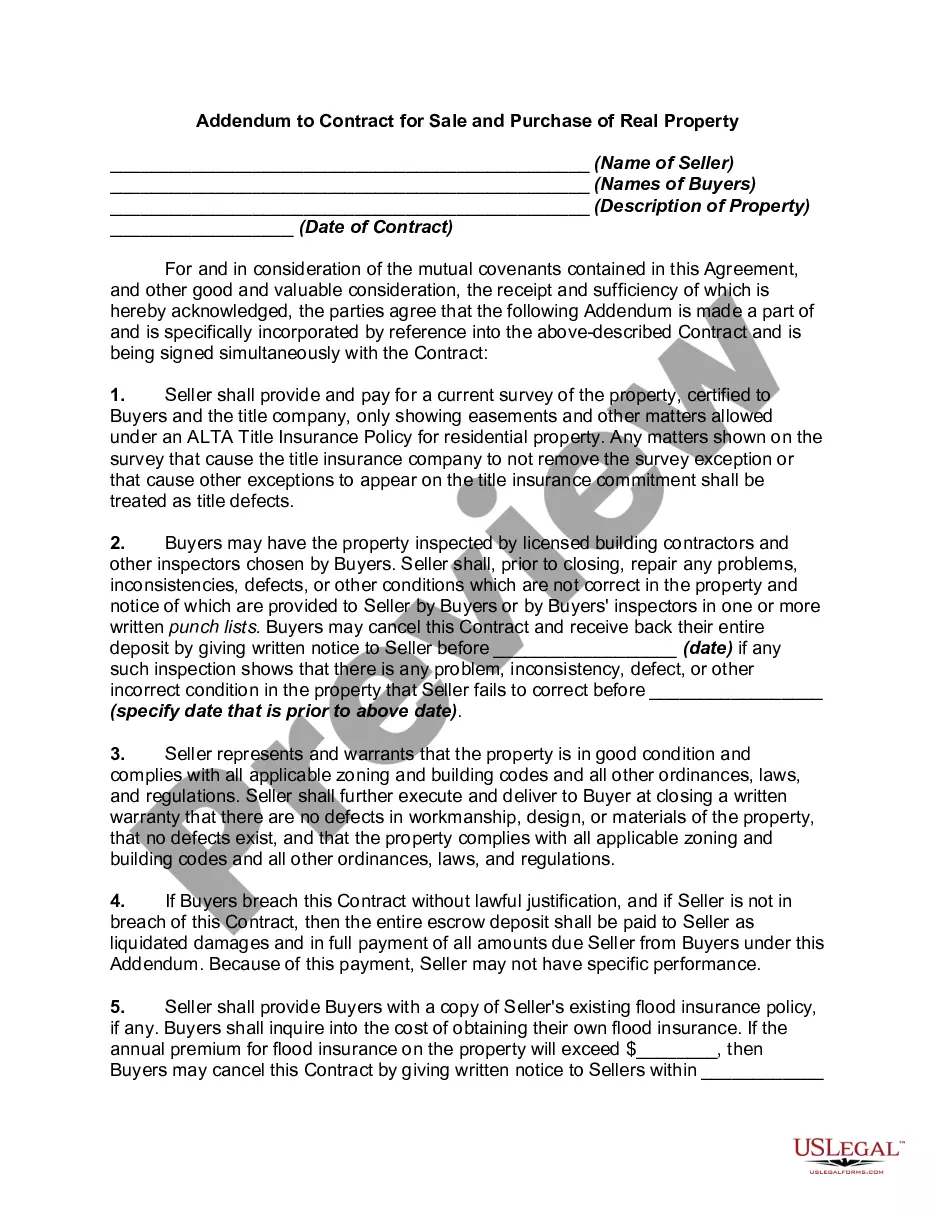
Get your form ready online
Our built-in tools help you complete, sign, share, and store your documents in one place.
Make edits, fill in missing information, and update formatting in US Legal Forms—just like you would in MS Word.
Download a copy, print it, send it by email, or mail it via USPS—whatever works best for your next step.
Sign and collect signatures with our SignNow integration. Send to multiple recipients, set reminders, and more. Go Premium to unlock E-Sign.
If this form requires notarization, complete it online through a secure video call—no need to meet a notary in person or wait for an appointment.
We protect your documents and personal data by following strict security and privacy standards.

Make edits, fill in missing information, and update formatting in US Legal Forms—just like you would in MS Word.

Download a copy, print it, send it by email, or mail it via USPS—whatever works best for your next step.

Sign and collect signatures with our SignNow integration. Send to multiple recipients, set reminders, and more. Go Premium to unlock E-Sign.

If this form requires notarization, complete it online through a secure video call—no need to meet a notary in person or wait for an appointment.

We protect your documents and personal data by following strict security and privacy standards.
Looking for another form?
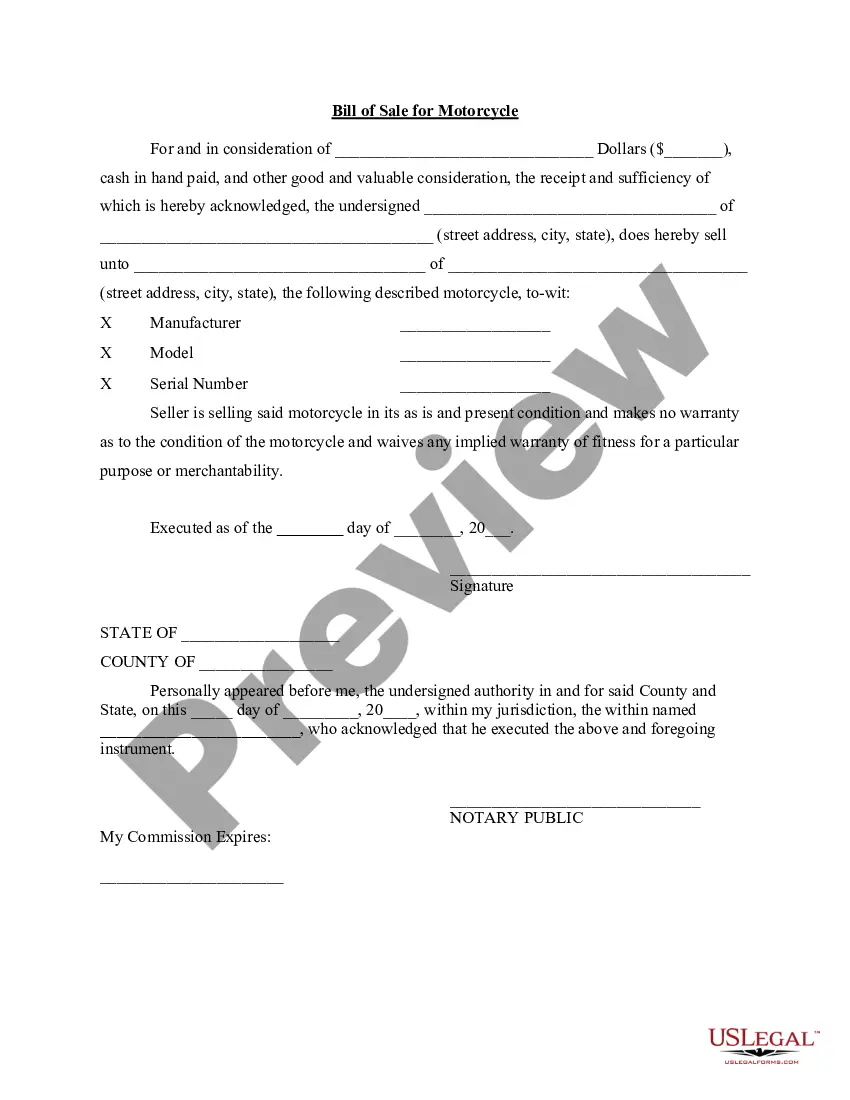



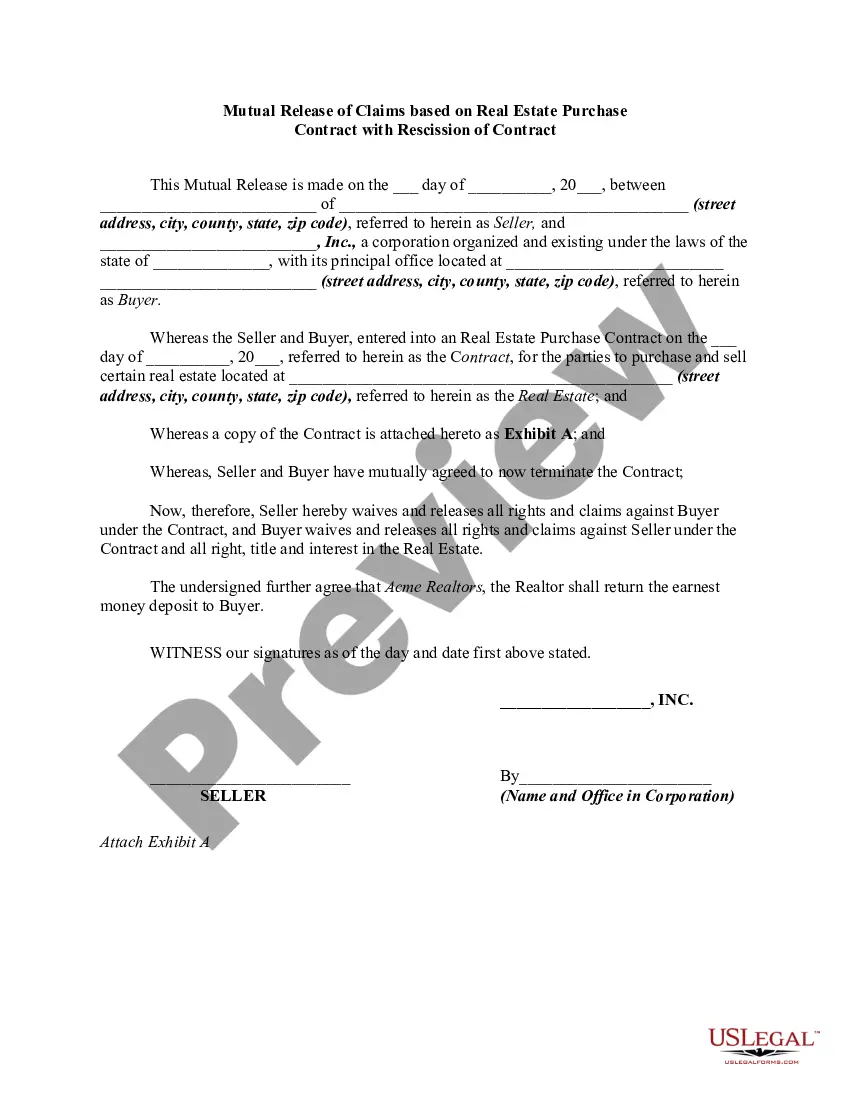


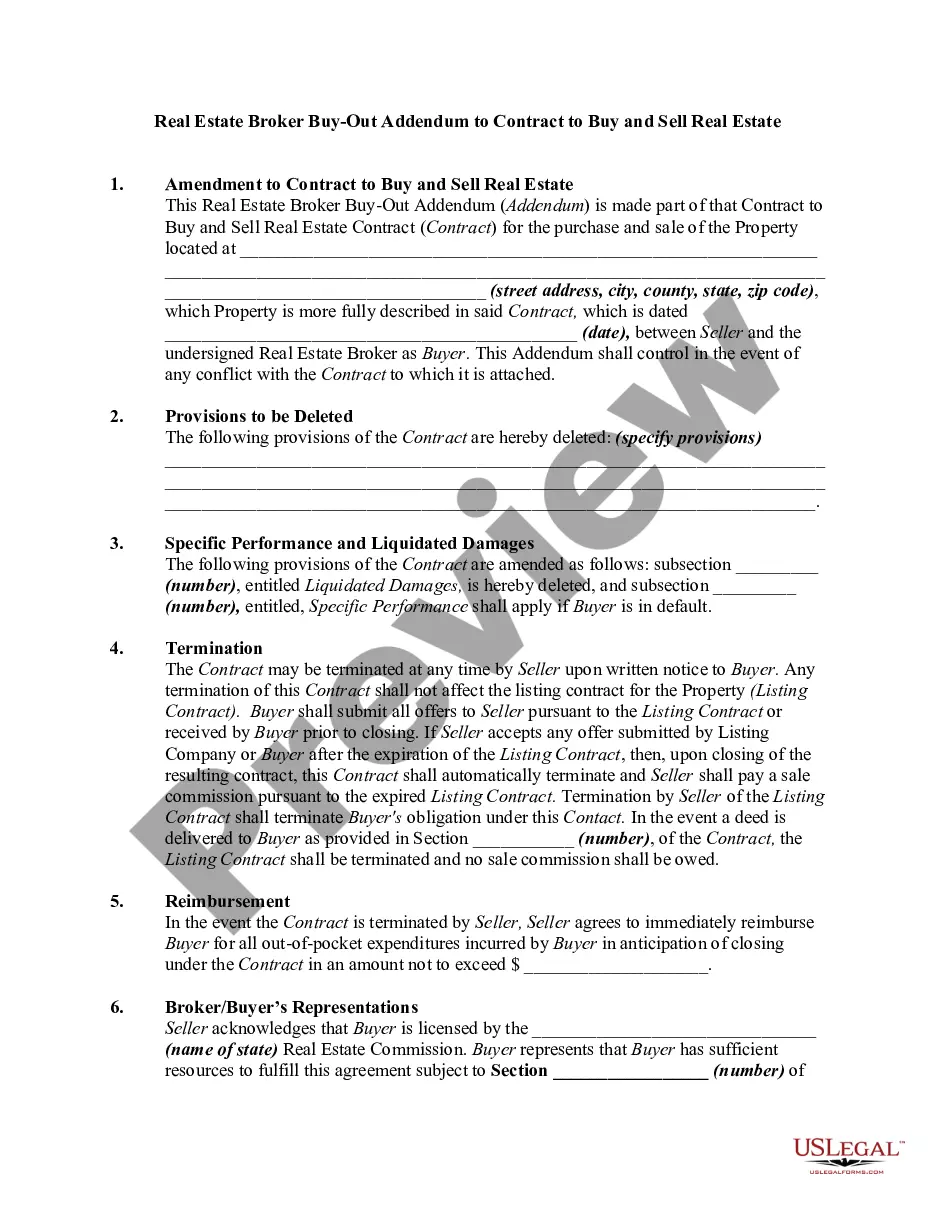
How to fill out Real Estate Broker BuyOut And Price Addendum To Contract To Buy And Sell Real Estate?
- If you're an existing user, first log in to your account and verify your subscription status to ensure it's active. Download the necessitated templates directly to your device by clicking the Download button.
- For first-time users, start by browsing the Preview mode and reading the form descriptions carefully to find the most suitable template that corresponds with local jurisdiction requirements.
- In case you need a different template, utilize the Search tab to explore other options that may better meet your needs before proceeding.
- Once you've selected the right form, click the Buy Now button to choose your desired subscription plan, which also requires account registration to unlock the full library.
- Complete your purchase by entering your credit card information or using your PayPal account for payment.
- Finally, download the completed form. You can access it anytime in the My Forms section of your profile.
Using US Legal Forms not only provides you with an extensive array of over 85,000 legal templates but also enables seamless access to premium experts for assistance. This ensures your documents are not just filled out, but are also accurate and legally sound.
Start leveraging US Legal Forms today to simplify your paperwork process as a real estate broker in Florida and ensure your documents are always up to date.
Form popularity
FAQ
Getting your broker's license in Florida requires you to take a few essential steps. Start by gaining the necessary experience, completing the pre-licensing education, and passing the state exam. Once achieved, submit your application and applicable fees to the Florida Real Estate Commission. This process ensures that you are well-prepared to serve as a real estate broker in Florida, helping clients find their perfect homes.
Activating your broker license in Florida involves several steps. Firstly, you need to complete the required licensing fees and submit an application to the Florida Real Estate Commission. Additionally, make sure to fulfill any continuing education requirements. After completing these actions, your license will become active, and you will be ready to operate as a real estate broker in Florida.
To obtain a real estate broker's license in Florida, you first need to meet specific eligibility requirements. You must have at least 24 months of experience as a licensed real estate sales associate within the past five years. Afterward, you must complete a broker pre-licensing course and pass the Florida broker exam. Following these steps will put you on the right path to become a successful real estate broker in Florida.
If you wish to report a real estate broker in Florida, you can file a complaint with the Florida Real Estate Commission (FREC). This process can be completed online, ensuring that your concerns are addressed efficiently. Providing clear and accurate information about your experience will help the commission take appropriate action. Remember, using the right channels strengthens the integrity of the real estate broker profession in Florida.
The process of becoming a real estate broker in Florida typically takes around 6 to 12 months. This duration includes completing the required education and gaining necessary experience as a real estate agent. You must complete 72 hours of broker pre-licensing education and pass the state exam. Therefore, planning your timeline carefully can set you up for success as a real estate broker in Florida.
The choice between a real estate agent and a broker depends on your specific needs and the complexity of your real estate transactions. A broker often offers more experience and resources, which can be beneficial in intricate situations. Ultimately, partnering with a skilled real estate broker in Florida may lead to a smoother and more efficient process.
Yes, in the real estate hierarchy, a broker is considered higher than an agent. Brokers have obtained additional education and licensing, enabling them to operate independently. If you seek top-tier service and deep knowledge, selecting a real estate broker in Florida may be a wise choice for your property needs.
The primary difference between a real estate agent and a broker in Florida lies in their licensing and responsibilities. While agents work for brokers and assist clients with transactions, brokers can manage their own businesses and supervise agents. This distinction can impact your experience, making it beneficial to consider hiring a licensed real estate broker in Florida for more complex dealings.
In Florida, a real estate agent must work under a licensed broker to represent clients in property transactions. Brokers have more extensive training, allowing them to operate independently and take on larger responsibilities. If you want guidance throughout the buying or selling process, choosing a real estate broker in Florida might provide the expertise you need.
The terms 'broker' and 'realtor' are not directly comparable, as they refer to different aspects of real estate. A real estate broker in Florida might also be a realtor, which signifies membership in the National Association of Realtors. While brokers typically have a broader scope of responsibility, choosing between them depends on your specific needs and preferences.