Appointer
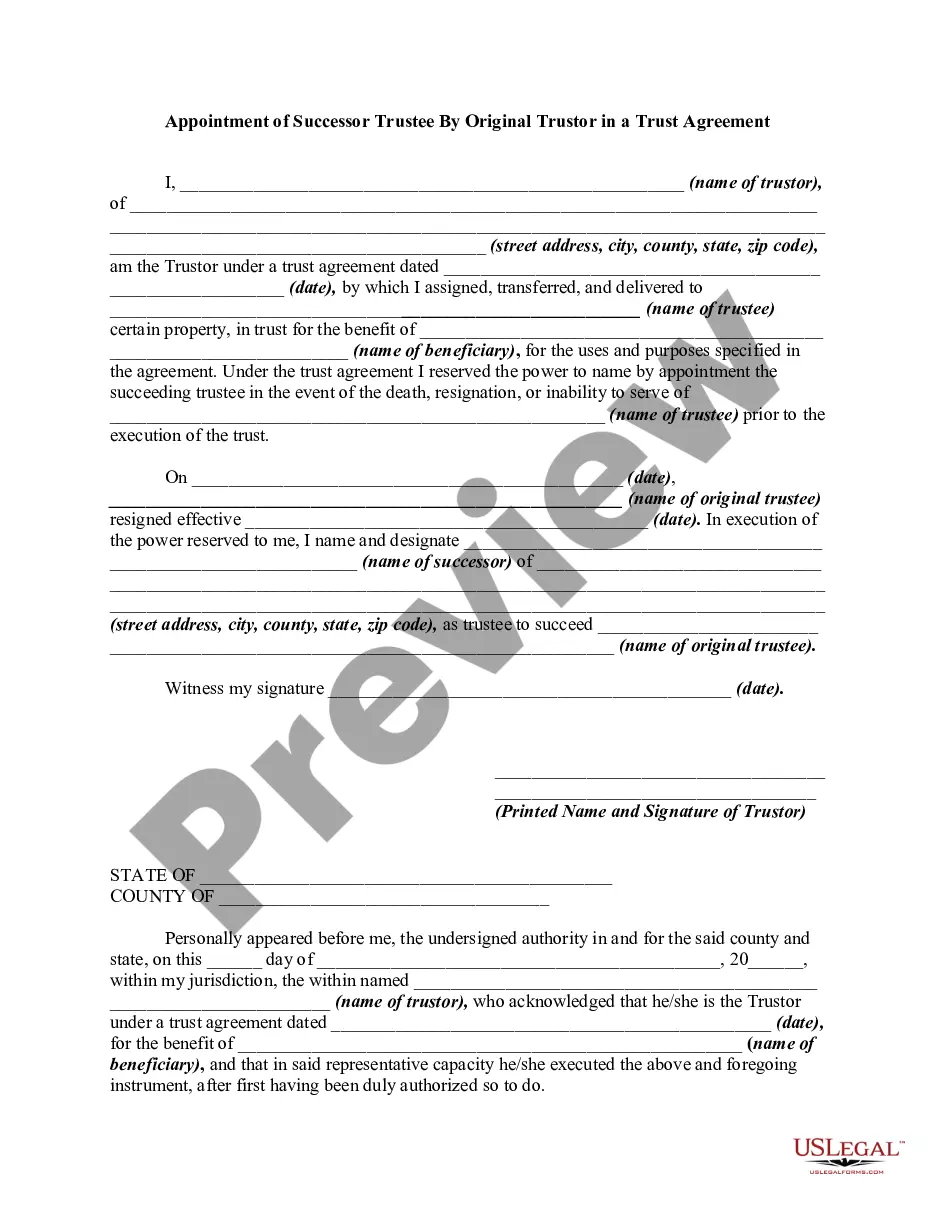
Description
Get your form ready online
Our built-in tools help you complete, sign, share, and store your documents in one place.
Make edits, fill in missing information, and update formatting in US Legal Forms—just like you would in MS Word.
Download a copy, print it, send it by email, or mail it via USPS—whatever works best for your next step.
Sign and collect signatures with our SignNow integration. Send to multiple recipients, set reminders, and more. Go Premium to unlock E-Sign.
If this form requires notarization, complete it online through a secure video call—no need to meet a notary in person or wait for an appointment.
We protect your documents and personal data by following strict security and privacy standards.

Make edits, fill in missing information, and update formatting in US Legal Forms—just like you would in MS Word.

Download a copy, print it, send it by email, or mail it via USPS—whatever works best for your next step.

Sign and collect signatures with our SignNow integration. Send to multiple recipients, set reminders, and more. Go Premium to unlock E-Sign.

If this form requires notarization, complete it online through a secure video call—no need to meet a notary in person or wait for an appointment.

We protect your documents and personal data by following strict security and privacy standards.
Looking for another form?
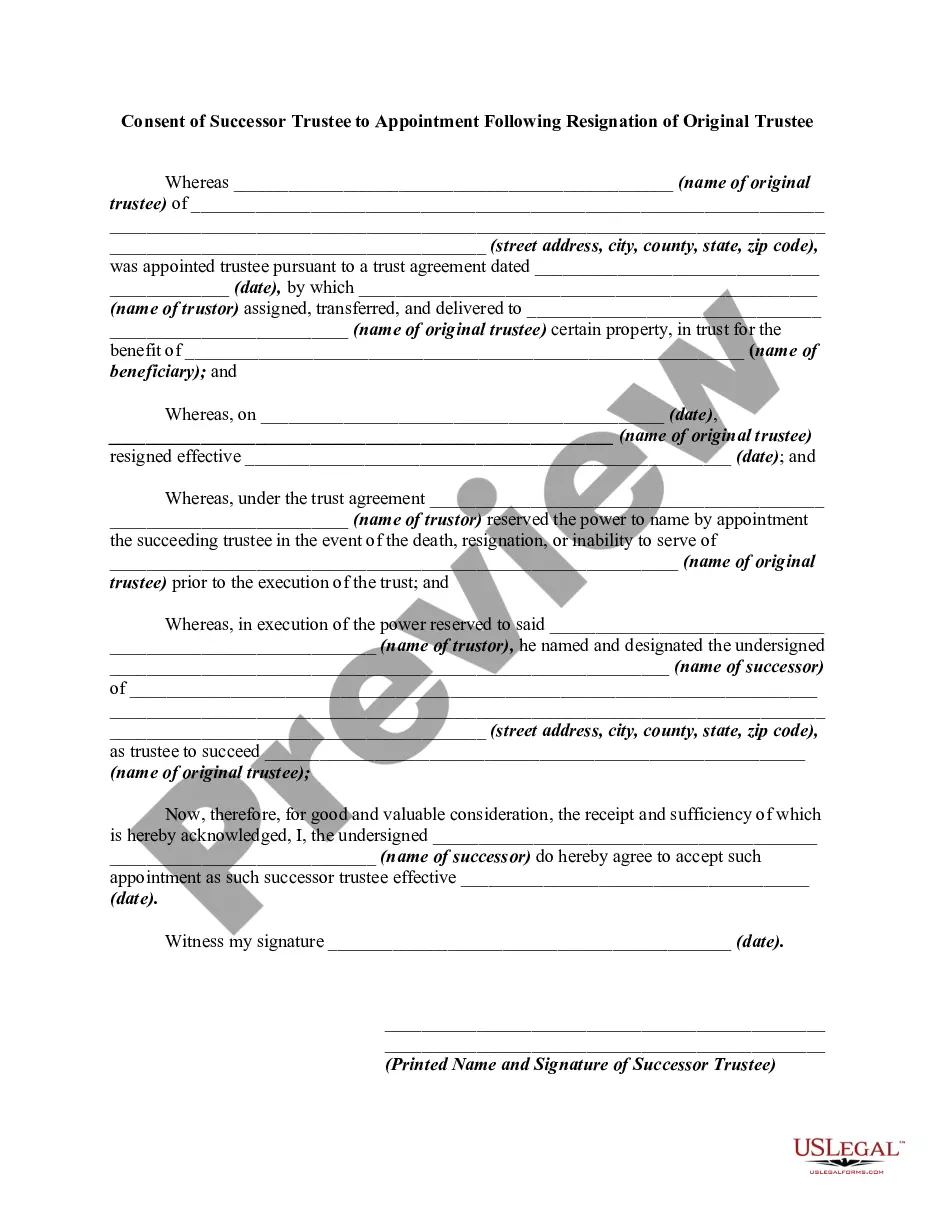
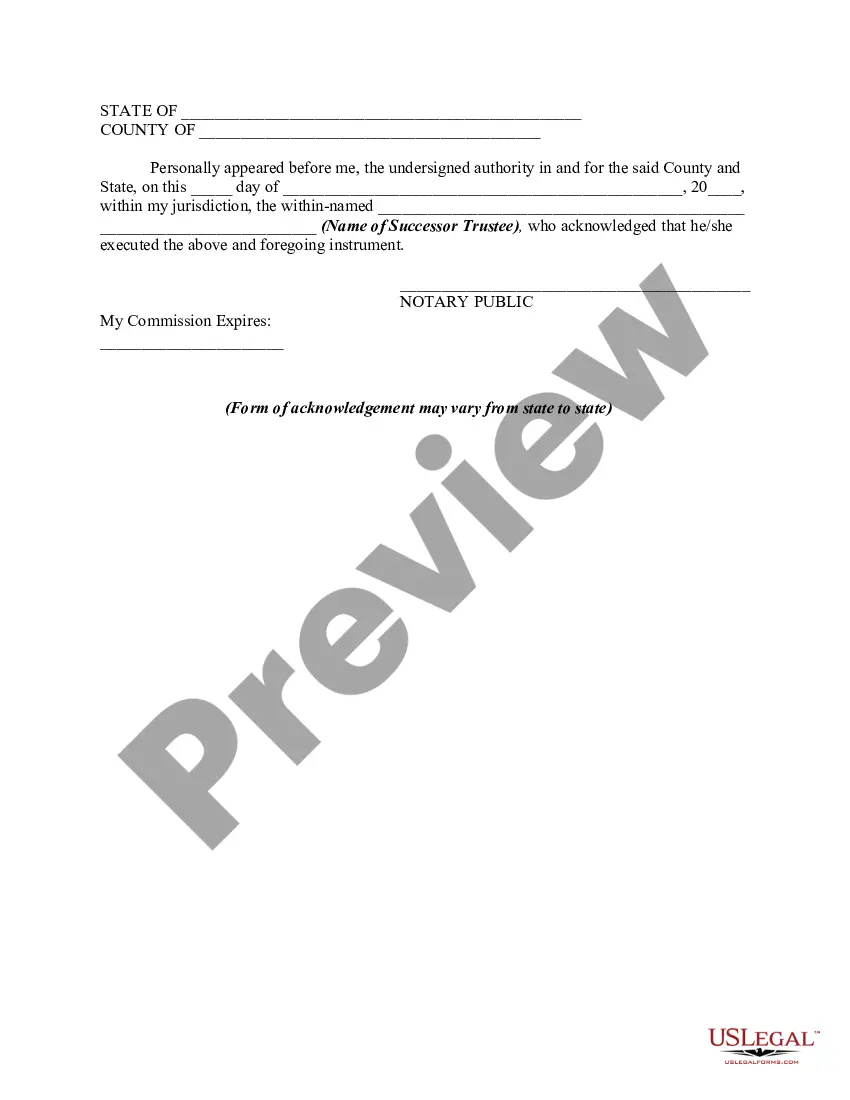
How to fill out Consent Of Successor Trustee To Appointment Following Resignation Of Original Trustee?
- Log in to your Appointer account if you have previously used US Legal Forms. Ensure your subscription is active; renew if necessary.
- Preview the legal forms available. Confirm that the selected form meets both your requirements and those of your locality.
- If you need a different template, use the Search option to find the right document that aligns with your needs.
- Make your purchase by clicking the 'Buy Now' button and selecting your preferred subscription plan. Remember, registration is required to access the library.
- Complete the payment process using credit card details or your PayPal account.
- Download the form to your device. You can also find it later in the 'My Forms' section of your profile for easy access.
Utilizing Appointer with US Legal Forms provides individuals and attorneys with a powerful tool to generate precise legal documents quickly. With an incredible variety of forms and expert assistance available, you can ensure that your documents are not only complete but also compliant with legal standards.
Explore the vast library of legal forms today and experience the efficiency of Appointer.
Form popularity
FAQ
The appointer in a trust deed is the individual or entity given authority to make key decisions regarding the trust. This role can encompass appointing or removing trustees, and even changing beneficiaries. Understanding who the appointer is helps clarify control and decision-making processes within the trust. To learn more about structuring your trust deed, USLegalForms can offer valuable resources.
Yes, the appointor can remove a beneficiary from a trust, depending on the terms outlined in the trust document. This power allows the appointor to adapt the trust to changing circumstances or intentions. However, this action should be taken with caution and legal oversight. If you want to ensure proper execution of these powers, USLegalForms provides templates to guide you.
Understanding the difference between an appointor and a protector is essential for trust management. The appointor makes critical decisions affecting the trust, while the protector has a role in overseeing the actions of the trustee and ensuring adherence to the trust’s terms. Both serve important functions but with distinct responsibilities. For a better grasp of these concepts, explore what USLegalForms has to offer.
The role of the appointor is significant in the context of trusts and legal arrangements. The appointor has the authority to make critical decisions regarding the trust, such as appointing or removing trustees, and can also make changes to the beneficiaries. This role ensures the trust operates smoothly and meets the needs of the appointor’s intentions. USLegalForms can provide templates to define this role clearly.
The appointor and principal are not the same, as they designate different positions in legal documents. The principal typically refers to the party granting authority in power of attorney situations, whereas the appointor has specific rights related to trust management. Clarity on these roles is crucial for any legal agreement. You can find helpful insights at USLegalForms to navigate these terms.
A guardian and an appointor fulfill distinct duties in legal contexts. The guardian is responsible for the care of an individual, often a minor, ensuring their welfare and decision-making. On the other hand, the appointor holds the power to make important decisions about a trust or other legal arrangements. If you're considering these roles, USLegalForms can guide you through the process.
The appointor and trustee serve different roles within a trust arrangement. The appointor has the authority to select or remove the trustee, while the trustee manages the trust assets according to the trust’s terms. Understanding this distinction helps in grasping the dynamics of trust management. If you need assistance with defining these roles in your own trust, USLegalForms offers useful resources.
The primary difference lies in their roles; the appointer has the power to assign duties, while the appointee is the one who accepts and performs those duties. Knowing this distinction helps avoid confusion in legal matters. For effective management of these roles, consider using resources from uslegalforms that provide clear guidance on creating these important documents.
The role of an appointer involves selecting and empowering an appointee to carry out specific duties or make decisions on their behalf. An appointer is responsible for defining the scope of authority granted to the appointee and ensuring that they adhere to any legal obligations. Utilizing a platform like uslegalforms can simplify the process of creating and managing these important designations.
An appointer is a person or organization that designates another individual to act on their behalf in various matters, such as legal, financial, or personal affairs. The appointer has the responsibility to ensure that the appointee is fit for the role and understands the expectations involved. This role is significant in the context of power of attorney or similar arrangements.