Unjust Enrichment In Contract Law Section
Description
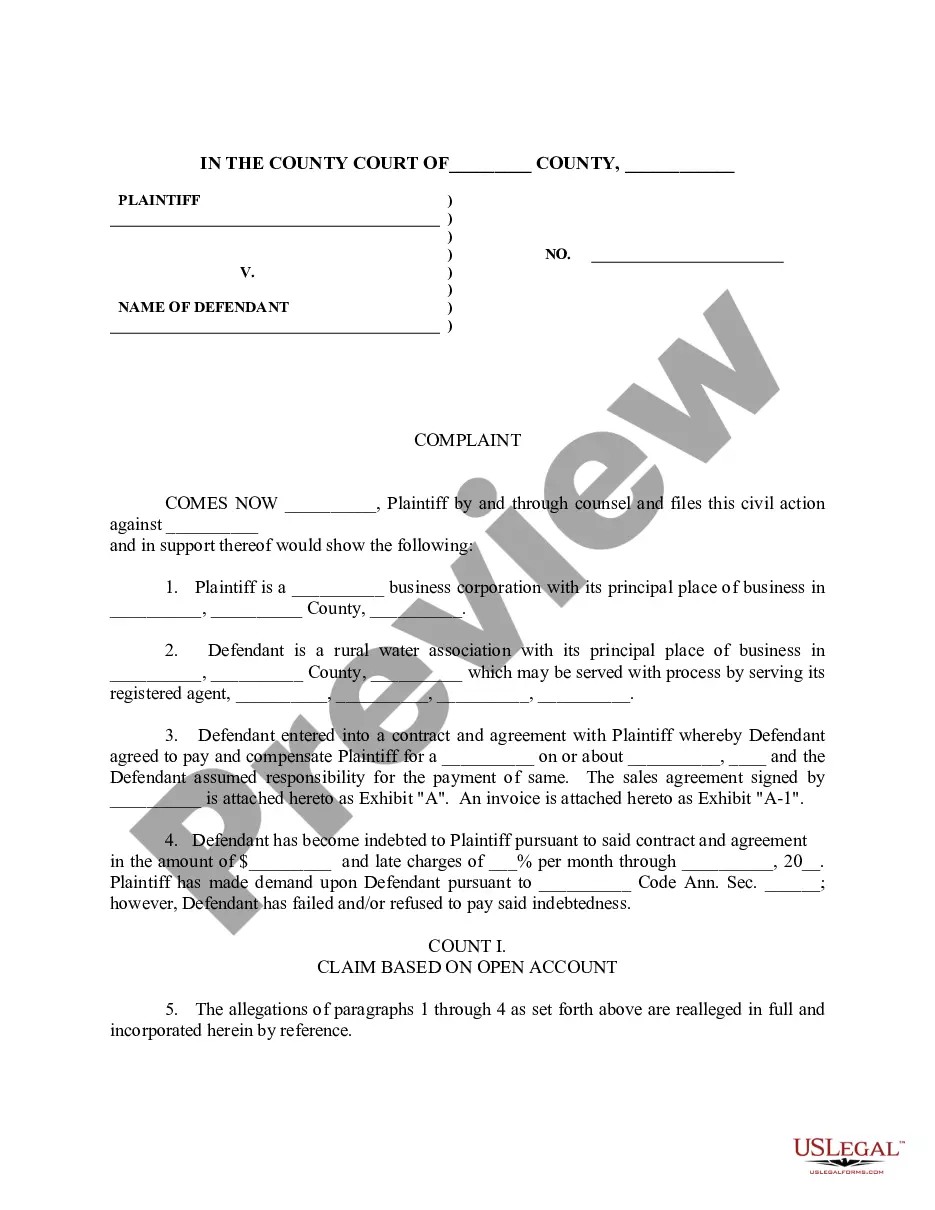
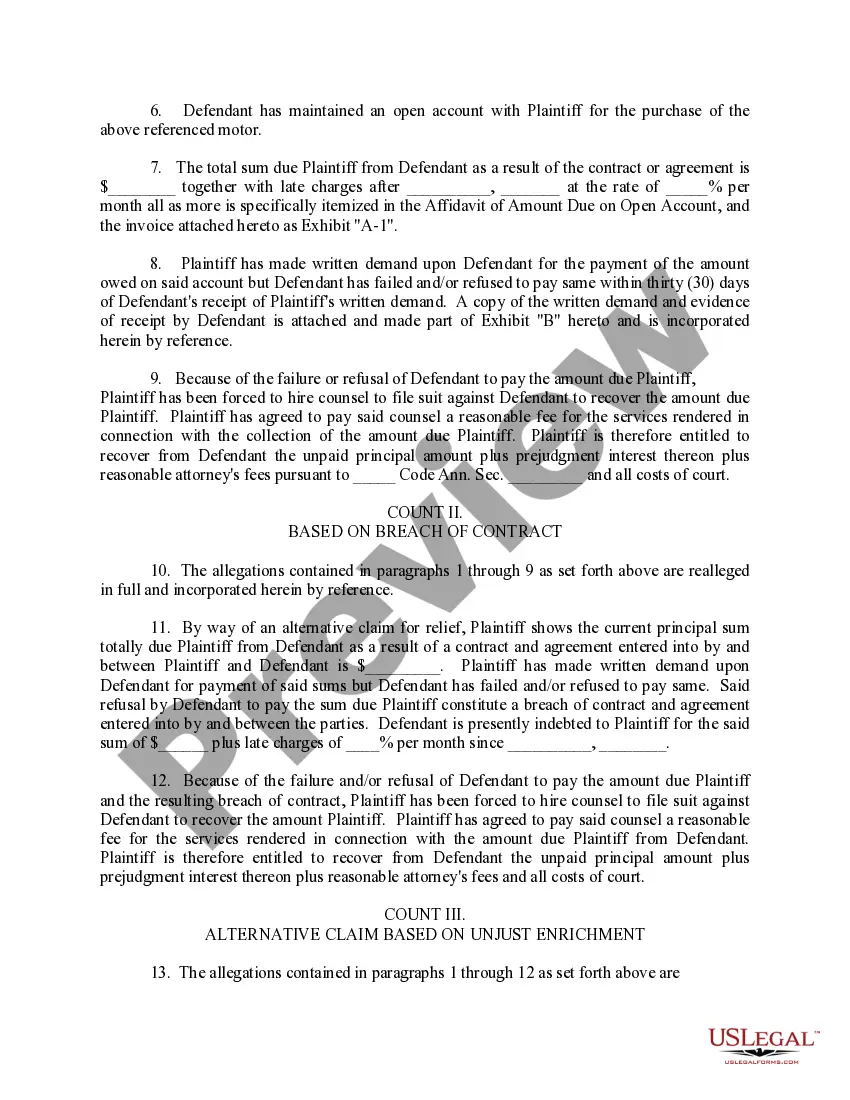
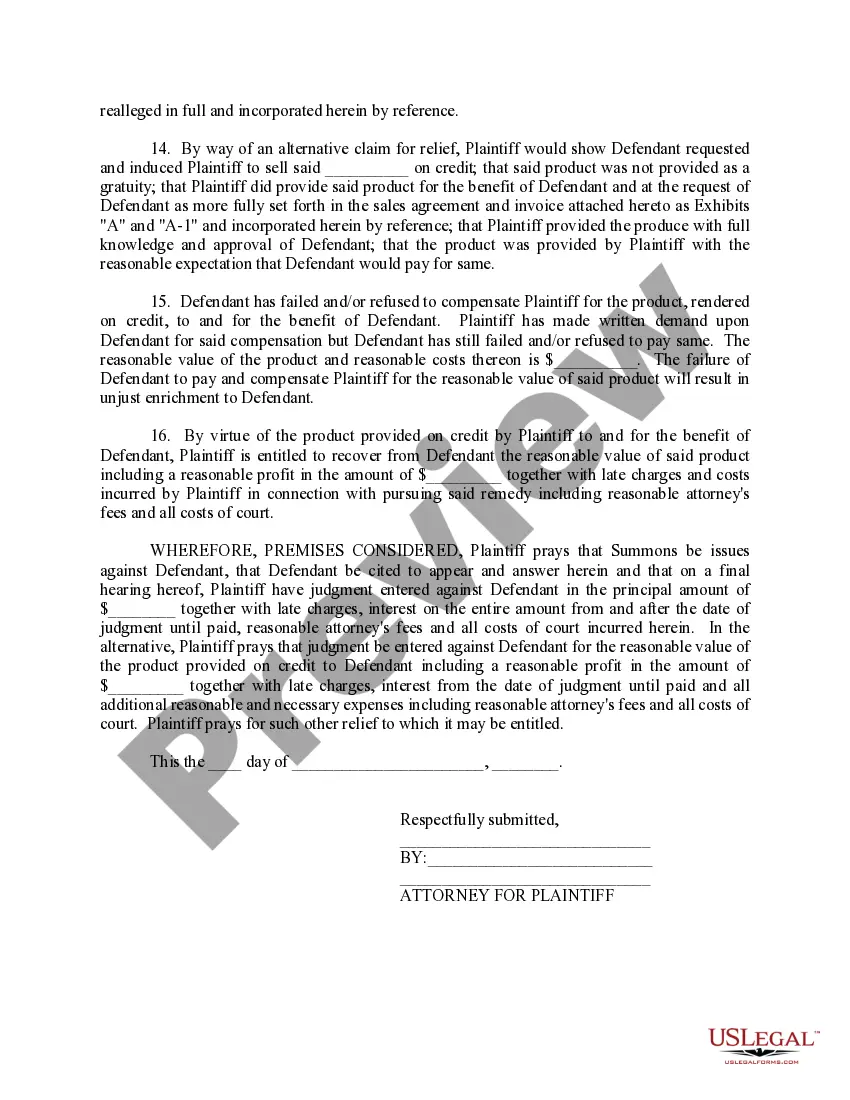
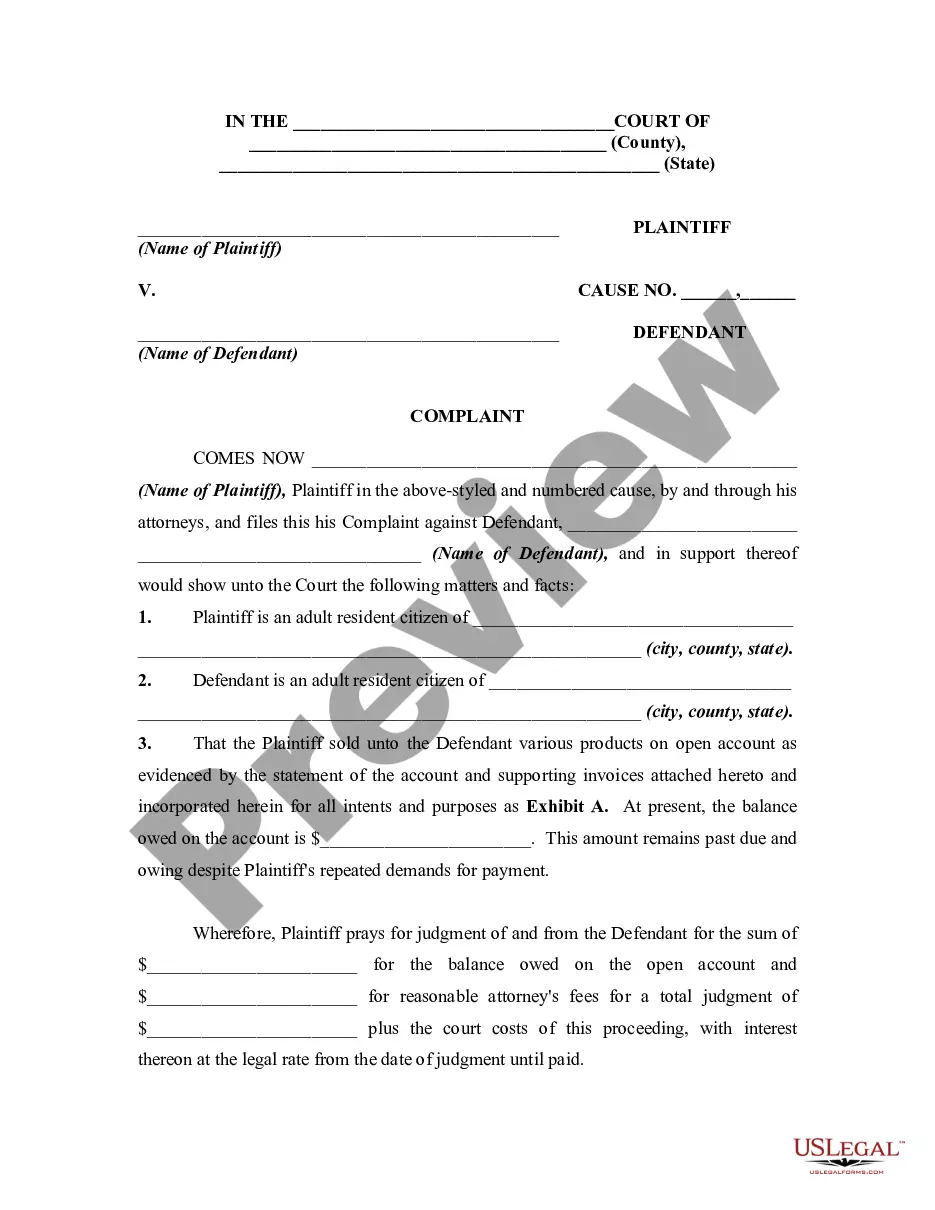
Get your form ready online
Our built-in tools help you complete, sign, share, and store your documents in one place.
Make edits, fill in missing information, and update formatting in US Legal Forms—just like you would in MS Word.
Download a copy, print it, send it by email, or mail it via USPS—whatever works best for your next step.
Sign and collect signatures with our SignNow integration. Send to multiple recipients, set reminders, and more. Go Premium to unlock E-Sign.
If this form requires notarization, complete it online through a secure video call—no need to meet a notary in person or wait for an appointment.
We protect your documents and personal data by following strict security and privacy standards.

Make edits, fill in missing information, and update formatting in US Legal Forms—just like you would in MS Word.

Download a copy, print it, send it by email, or mail it via USPS—whatever works best for your next step.

Sign and collect signatures with our SignNow integration. Send to multiple recipients, set reminders, and more. Go Premium to unlock E-Sign.

If this form requires notarization, complete it online through a secure video call—no need to meet a notary in person or wait for an appointment.

We protect your documents and personal data by following strict security and privacy standards.
Looking for another form?

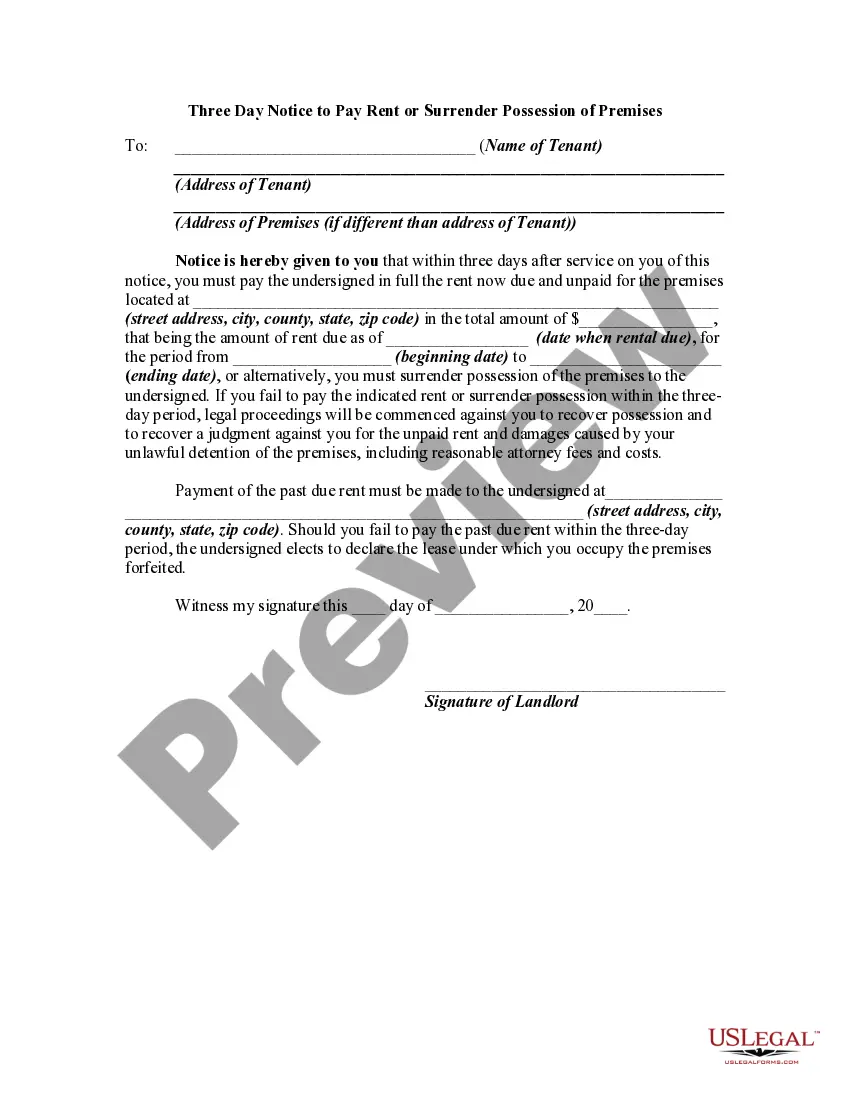






How to fill out Complaint Based On Open Account, Breach Of Contract, Unjust Enrichment?
Handling legal documents can be exasperating, even for experienced practitioners.
When you are seeking an Unjust Enrichment In Contract Law Section and cannot find the time to search for the appropriate and current version, the procedures can be daunting.
Utilize advanced tools to complete and manage your Unjust Enrichment In Contract Law Section.
Tap into a collection of articles, guides, and resources pertinent to your circumstances and requirements.
Here are the instructions to follow after acquiring the desired form: Verify that it is the correct form by previewing it and reviewing its description. Confirm that the template is recognized in your state or county. Select Buy Now when you are prepared. Choose a subscription package. Select your desired format and Download, fill out, sign, print, and submit your documents. Enjoy the US Legal Forms online library, backed by 25 years of expertise and dependability. Simplify your document management today with a seamless and user-friendly experience.
- Save time and effort in sourcing the documents you require.
- Utilize US Legal Forms’ sophisticated search and Preview feature to retrieve Unjust Enrichment In Contract Law Section.
- If you possess a subscription, Log In to your US Legal Forms account, locate the form, and obtain it.
- Check the My documents tab to review documents you have saved and to organize your folders according to your preferences.
- If you are new to US Legal Forms, create a free account to gain unlimited access to the full benefits of the library.
- Use a comprehensive online form repository that could revolutionize how you manage these matters.
- Access state-specific or county-specific legal and organizational templates.
- US Legal Forms encompasses all requirements you may have, from personal to business documents, all consolidated in one location.
Form popularity
FAQ
To win a claim of unjust enrichment in contract law section, you must demonstrate three key elements. First, there must be a benefit received by one party, which is unearned at the other party's expense. Second, the receiving party must have a duty to return that benefit or compensation. Lastly, it is essential to show that retaining the benefit without compensating the other party would be unjust. Understanding these elements can help you navigate legal challenges related to unjust enrichment effectively.
Unjust Enrichment Examples For instance, a property owner might hire a contractor to carpet in their home. The property owner terminates the contract prematurely due to a breach and only have several rooms in the house carpeted. The property owner refuses to pay for the partially completed work.
69. Reimbursement of person paying money due by another, in payment of which he is interested. ?A person who is interested in the payment of money which another is bound by law to pay, and who therefore pays it, is entitled to be reimbursed by the other.
An example is instances where one person transfers electronic funds into the incorrect bank account and the enriched person then receives and uses the money. This commonly occurs in situations involving a breach of contract where one party begins providing goods or services with the expectation of being paid.
Section 68-72 deals with remedies available in the case of unjust enrichment in various cases like when necessary goods are provided to one person, obligation of a person enjoying benefit of a non gratuitous act, responsibility of the finder of goods, thing delivered to another person by mistake or coercion.
Unjust enrichment occurs when Party A confers a benefit upon Party B without Party A receiving the proper restitution required by law. This typically occurs in a contractual agreement when Party A fulfills his/her part of the agreement and Party B does not fulfill his/her part of the agreement.