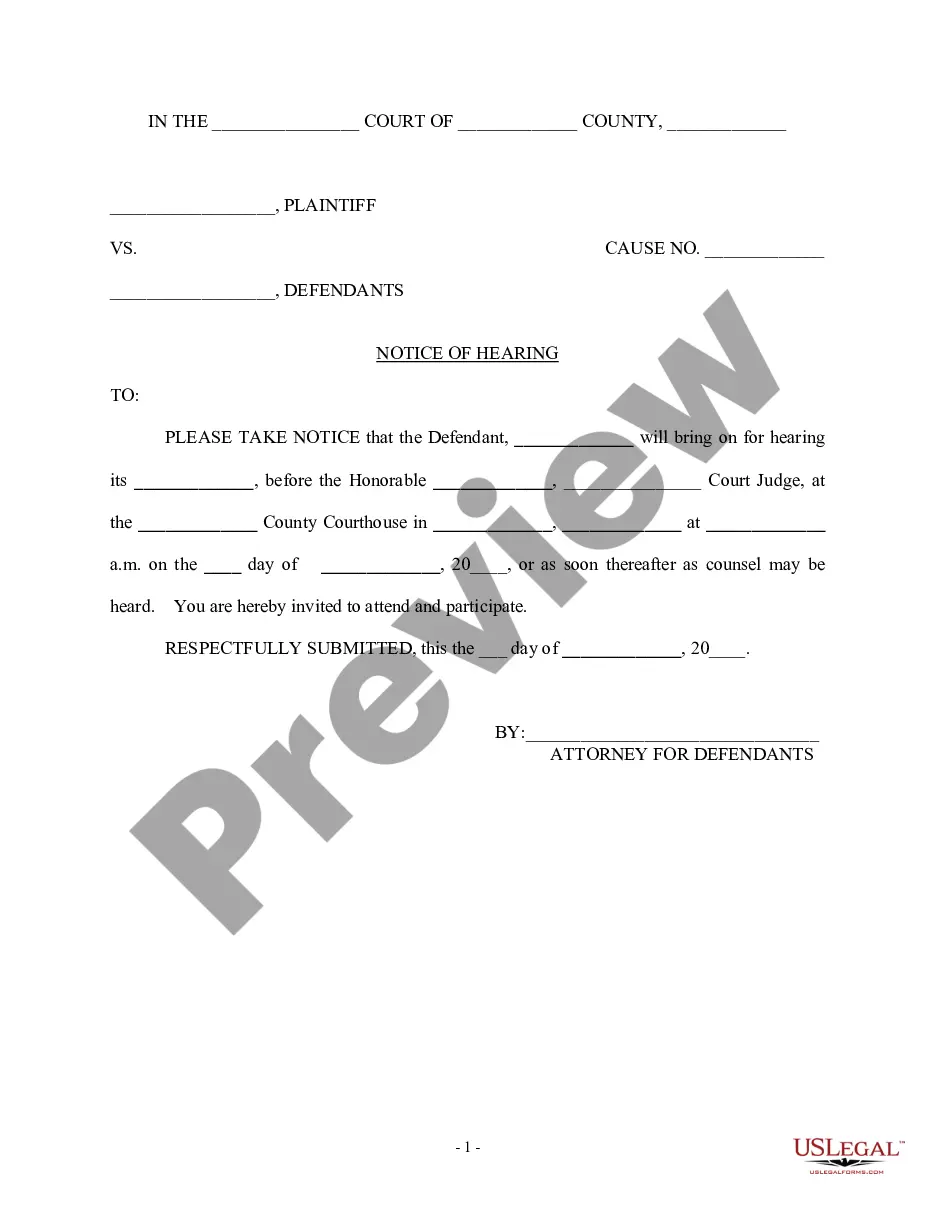
Notice Of Hearing For Eviction
Description


Get your form ready online
Our built-in tools help you complete, sign, share, and store your documents in one place.
Make edits, fill in missing information, and update formatting in US Legal Forms—just like you would in MS Word.
Download a copy, print it, send it by email, or mail it via USPS—whatever works best for your next step.
Sign and collect signatures with our SignNow integration. Send to multiple recipients, set reminders, and more. Go Premium to unlock E-Sign.
If this form requires notarization, complete it online through a secure video call—no need to meet a notary in person or wait for an appointment.
We protect your documents and personal data by following strict security and privacy standards.

Make edits, fill in missing information, and update formatting in US Legal Forms—just like you would in MS Word.

Download a copy, print it, send it by email, or mail it via USPS—whatever works best for your next step.

Sign and collect signatures with our SignNow integration. Send to multiple recipients, set reminders, and more. Go Premium to unlock E-Sign.

If this form requires notarization, complete it online through a secure video call—no need to meet a notary in person or wait for an appointment.

We protect your documents and personal data by following strict security and privacy standards.
Looking for another form?
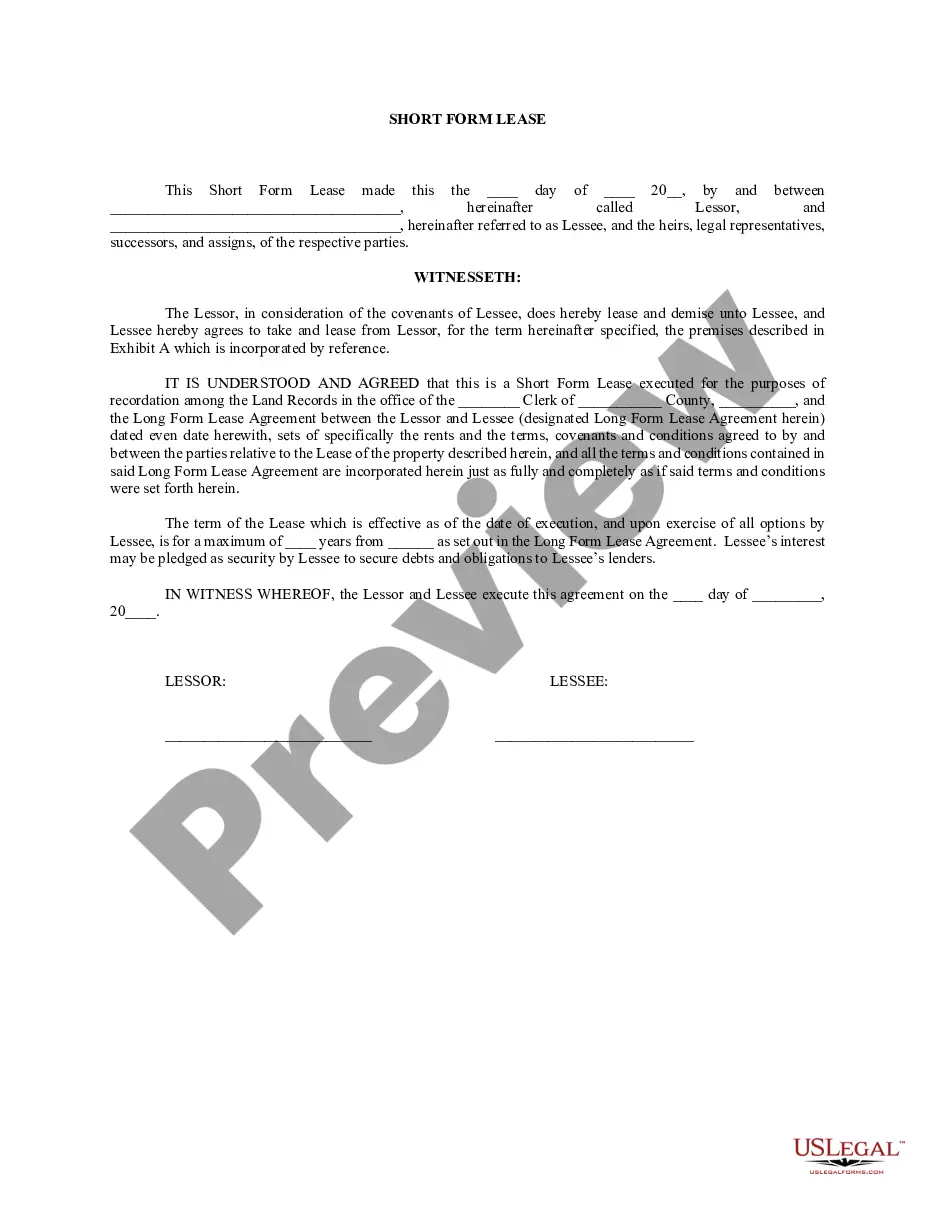
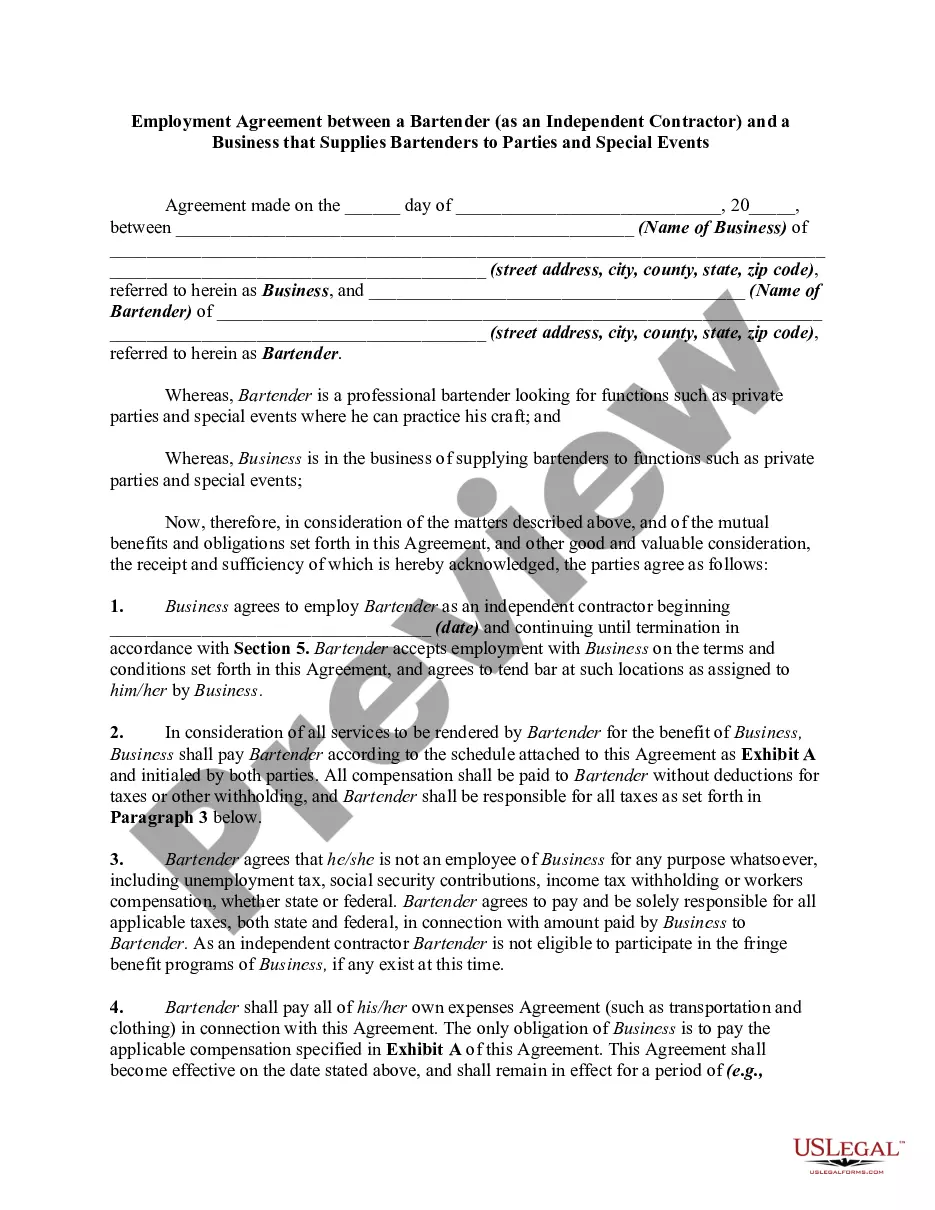





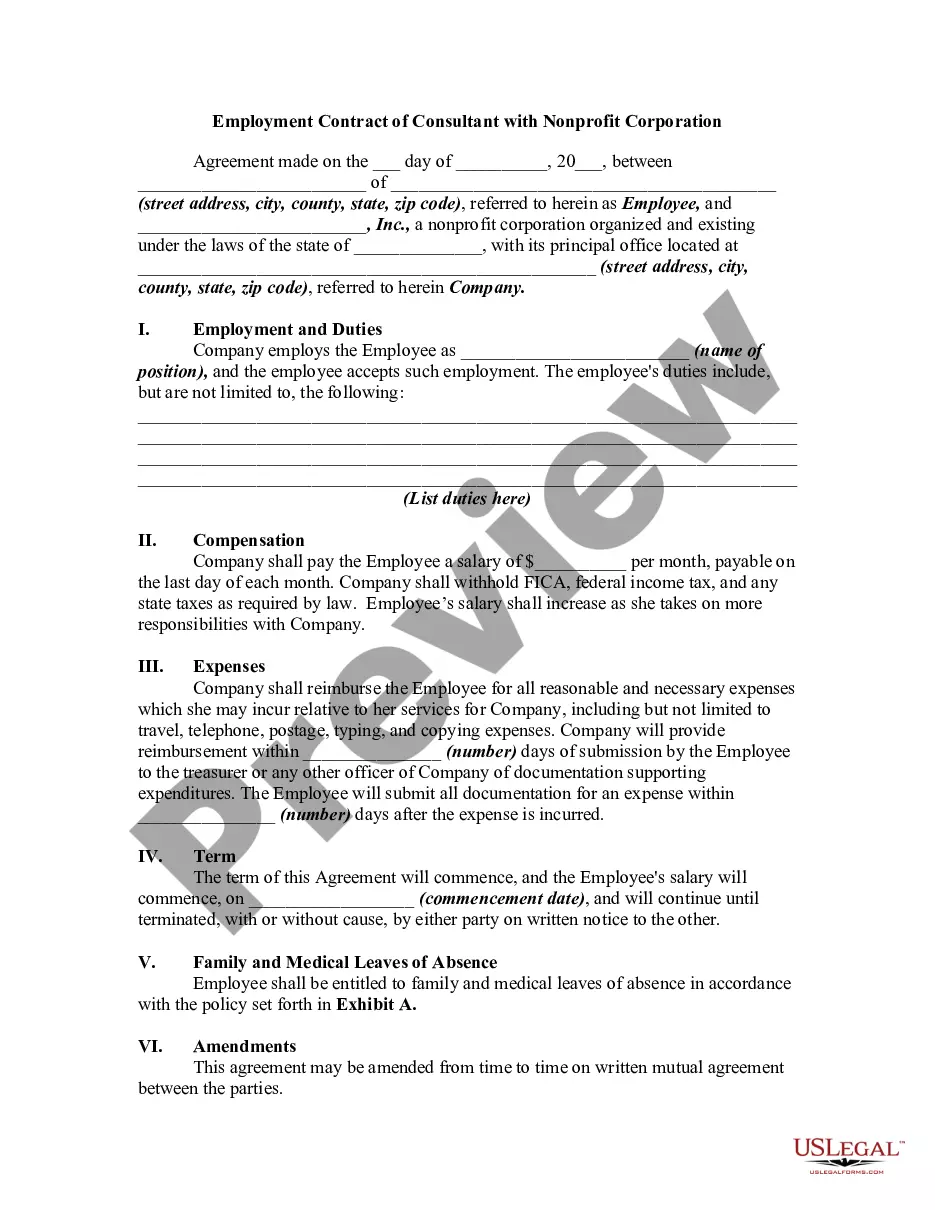

How to fill out Notice Of Hearing?
- If you're a returning user, log in to your account and download the required form by selecting the Download button, ensuring your subscription is active.
- For first-time users, start by previewing the form description to confirm that it meets your local jurisdiction's requirements.
- If necessary, utilize the search function to find alternative templates that fit your specific needs.
- Proceed to purchase the form by clicking the Buy Now button and selecting your desired subscription plan; an account registration is required for access.
- Complete your payment by entering your credit card details or using your PayPal account.
- Finally, download the form to your device and find it in the My Forms section of your profile for future reference.
With US Legal Forms, acquiring legal documents has never been easier. Their extensive library of over 85,000 forms ensures that you can find exactly what you need in a timely manner.
Don't wait until the eviction process becomes more complicated. Start your legal journey with US Legal Forms and access essential documents like the 'Notice of hearing for eviction' today!
Form popularity
FAQ
In Texas, the notice given to a tenant after a successful eviction ruling often allows for a brief period to vacate the premises, though it typically doesn't extend to 30 days. After receiving the Notice of hearing for eviction, tenants usually have a few days to a week to move out, depending on the court's decision. Understanding the timeline and requirements can make this process less stressful. It’s crucial to stay informed about your responsibilities during the eviction process.
In Texas, landlords cannot legally evict tenants without going through the court system. They must provide a Notice of hearing for eviction and, if necessary, file a lawsuit to proceed with the eviction. Attempting to self-evict without legal proceedings is prohibited and could lead to additional legal complications for the landlord. Always ensure that any eviction process adheres to legal guidelines.
The total time it takes to evict a tenant in Texas can vary, usually ranging from a few weeks to a couple of months. After serving a Notice of hearing for eviction, if the tenant contests the eviction, it may take longer due to court proceedings. However, if the tenant agrees to surrender the property or the eviction goes uncontested, the process may be quicker. Staying informed on each phase can allow landlords to anticipate the timeline more accurately.
The speed at which a landlord can evict a tenant in Texas largely depends on the circumstances surrounding the eviction. After issuing a Notice of hearing for eviction, a landlord often needs to wait for a specified period before filing an eviction suit if the tenant does not comply. Once the court hearings take place, the timeline for eviction can vary based on the court's schedule and subsequent actions. Being prepared and knowing your rights can help you expedite the process.
Evicting someone in Texas can be a complicated process, especially if you are unfamiliar with the legal procedures. You must provide proper notice to the tenant, typically through a Notice of hearing for eviction, and follow specific steps outlined by Texas law. Many landlords find it beneficial to seek assistance to navigate these requirements. Understanding each step can help streamline the eviction process.
Eviction in Vermont can take anywhere from a few weeks to several months, depending on circumstances. It begins with a Notice of Hearing for Eviction, which sets the timeline for court proceedings. During this period, tenants have opportunities to contest the eviction, which can extend the duration. Being informed about the process can help landlords and tenants understand the steps involved.
In Vermont, a tenant must provide a 30-day notice to terminate a month-to-month lease. This notice can also include a Notice of Hearing for Eviction if the landlord seeks to proceed with eviction. Understanding the time frames for giving notice helps both parties to plan accordingly and avoid potential disputes. Clear communication is essential to ensuring a smooth transition.
Yes, you can evict someone during the winter in Vermont, but specific rules apply. Landlords must still serve a Notice of Hearing for Eviction and comply with local laws. Generally, winter evictions require additional sensitivity, as extreme weather can impact both the process and the tenant's ability to find alternative housing. It’s vital to approach winter evictions with care and respect for the tenant’s situation.
The eviction process in Arkansas typically lasts 30 to 60 days, depending on various factors. It begins with a Notice of Hearing for Eviction that specifies the reason for eviction, followed by court hearings. After a judgment, if the tenant does not vacate, the landlord can proceed with a writ of possession to enforce the eviction. Knowing the timeline can help you prepare for each stage.
In Texas, eviction notices must be in writing, clearly stating the reason for eviction, and giving the tenant a specified period to vacate, usually three days. The notice of hearing for eviction indicates the scheduled court date should the tenant choose to contest the eviction. Landlords must follow specific legal formats and timelines to ensure valid notices. Knowing these rules can help tenants navigate the eviction process more effectively.