Joint And Several Liability With Pure Comparative Negligence
Description
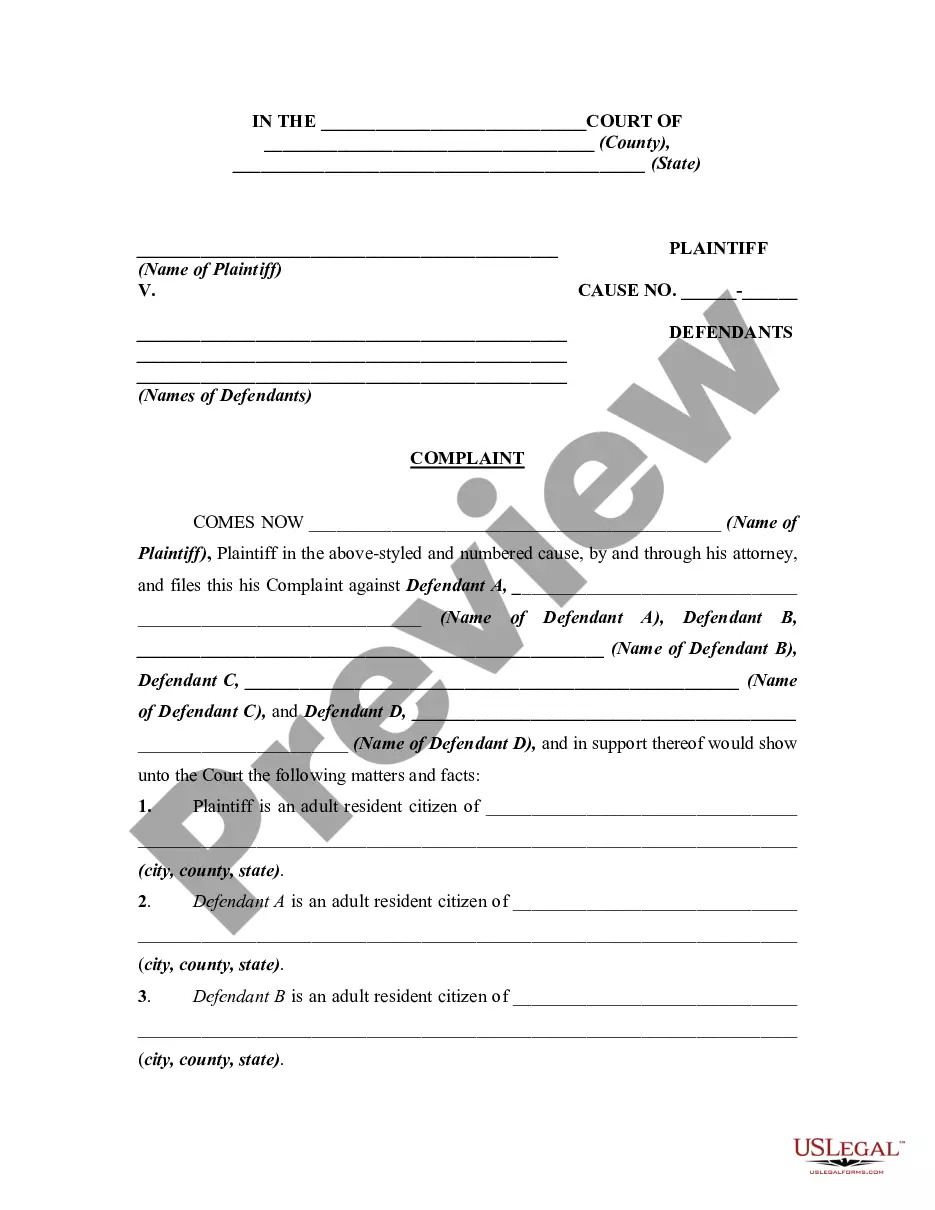
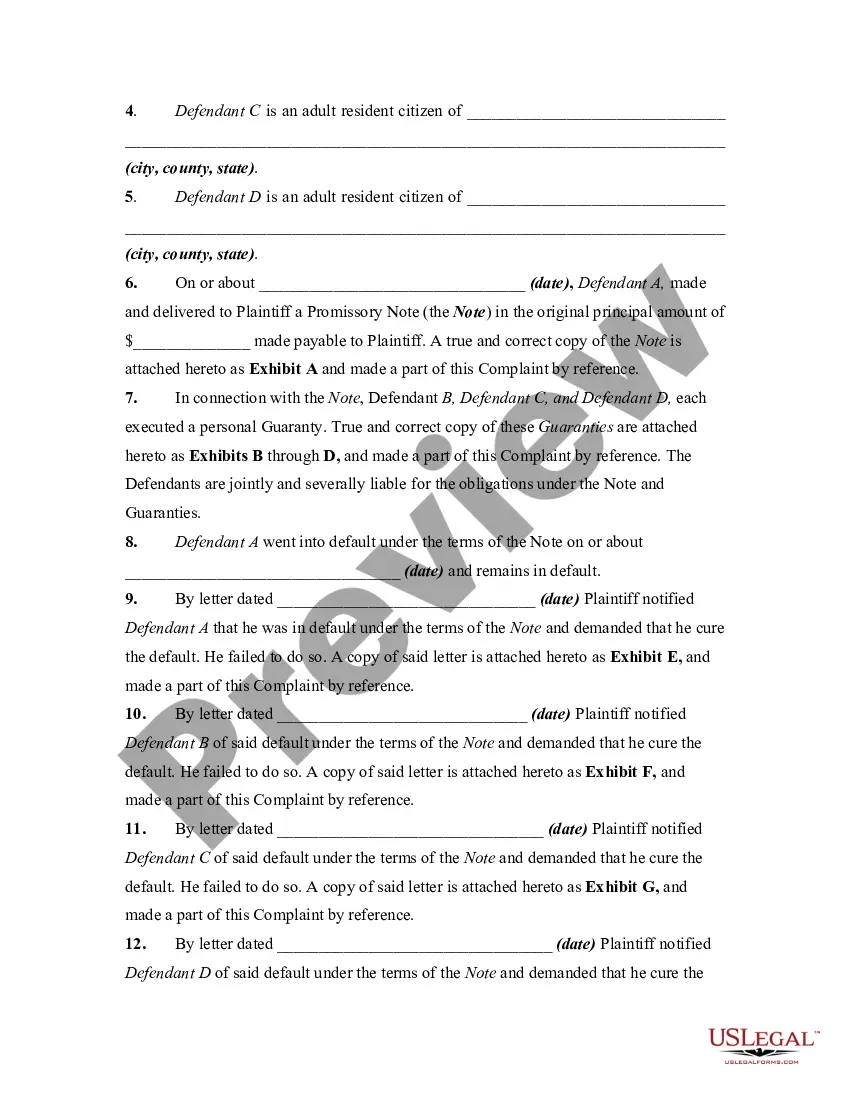
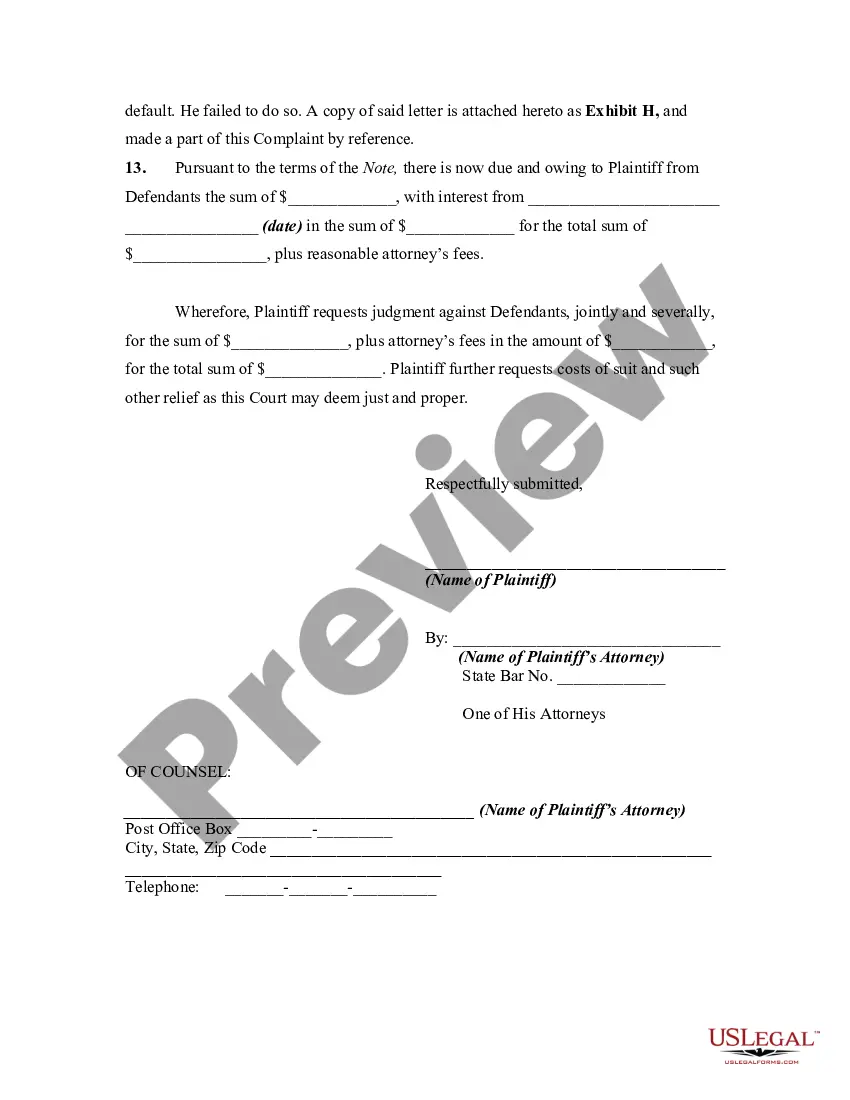

Get your form ready online
Our built-in tools help you complete, sign, share, and store your documents in one place.
Make edits, fill in missing information, and update formatting in US Legal Forms—just like you would in MS Word.
Download a copy, print it, send it by email, or mail it via USPS—whatever works best for your next step.
Sign and collect signatures with our SignNow integration. Send to multiple recipients, set reminders, and more. Go Premium to unlock E-Sign.
If this form requires notarization, complete it online through a secure video call—no need to meet a notary in person or wait for an appointment.
We protect your documents and personal data by following strict security and privacy standards.

Make edits, fill in missing information, and update formatting in US Legal Forms—just like you would in MS Word.

Download a copy, print it, send it by email, or mail it via USPS—whatever works best for your next step.

Sign and collect signatures with our SignNow integration. Send to multiple recipients, set reminders, and more. Go Premium to unlock E-Sign.

If this form requires notarization, complete it online through a secure video call—no need to meet a notary in person or wait for an appointment.

We protect your documents and personal data by following strict security and privacy standards.
Looking for another form?
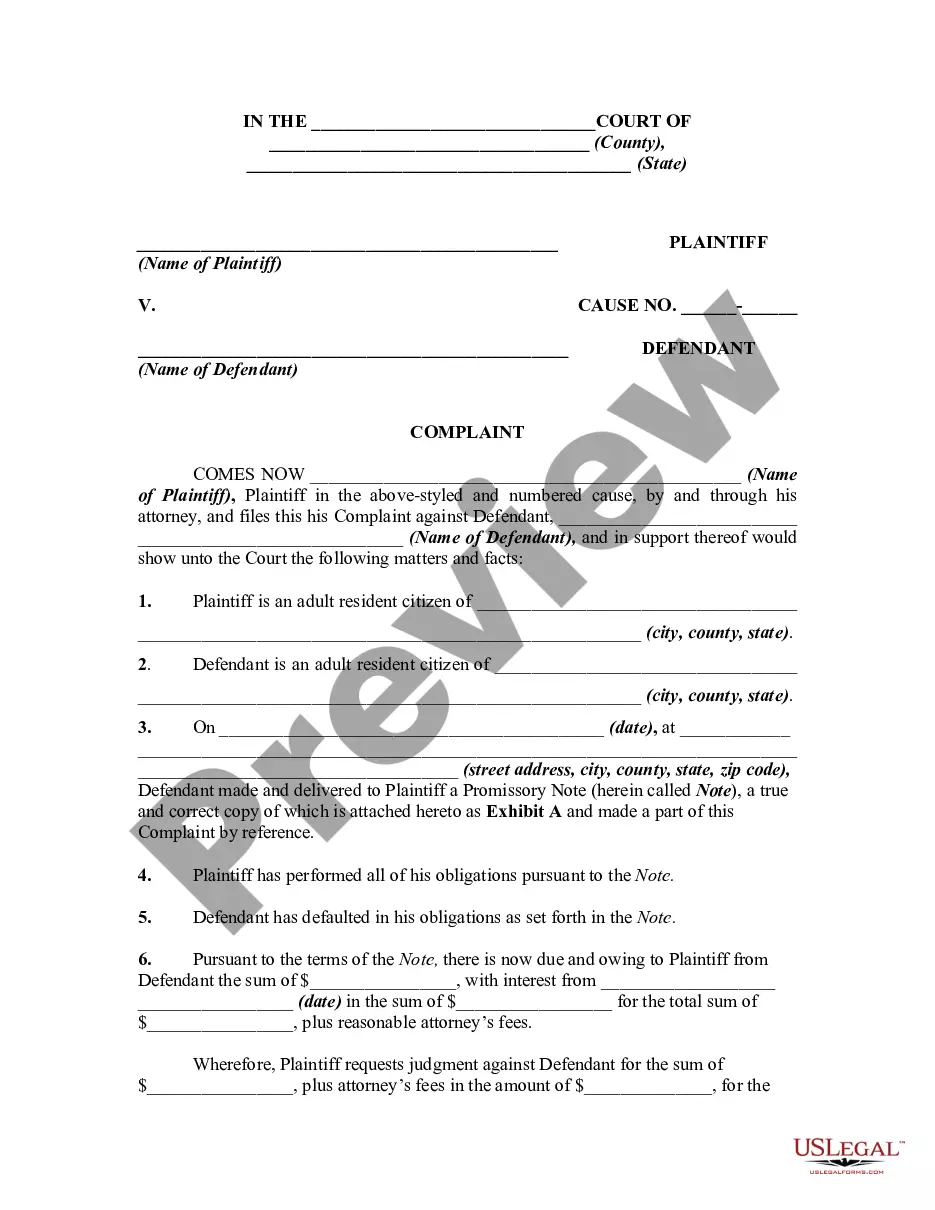
How to fill out Complaint Against Makers Of Promissory Note And Personal Guarantors For Joint And Several Liability?
It’s clear that you cannot instantly become a legal expert, nor can you quickly learn how to draft Joint And Several Liability With Pure Comparative Negligence without possessing a specialized skill set.
Creating legal documents is a lengthy process that necessitates specific education and expertise. So why not leave the drafting of the Joint And Several Liability With Pure Comparative Negligence to the professionals.
With US Legal Forms, one of the largest collections of legal templates, you can find everything from court documents to templates for internal business communication. We understand how vital compliance and adherence to federal and state laws and regulations are. That’s why all templates on our website are location-specific and current.
You can access your documents again from the My documents tab at any time. If you’re an existing client, you can simply Log In, and find and download the template from the same tab.
No matter the purpose of your forms—whether financial and legal, or personal—our website has you covered. Try US Legal Forms today!
- Find the document you require by utilizing the search bar at the top of the page.
- Preview it (if this option is available) and read the accompanying description to determine if Joint And Several Liability With Pure Comparative Negligence is what you need.
- Start your search again if you need another form.
- Create a free account and choose a subscription plan to acquire the form.
- Click Buy now. Once the transaction is complete, you can access the Joint And Several Liability With Pure Comparative Negligence, fill it out, print it, and send or mail it to the necessary individuals or organizations.
Form popularity
FAQ
Understanding Comparative Negligence Comparative negligence is most commonly used to assign blame in auto accidents. If two drivers both break the same traffic laws in an accident, then both may be denied their claims. Many insurance carriers assign blame between drivers on a percentage basis, such as 70/30.
In the pure comparative negligence system, the plaintiff may recover damages minus his degree of fault. This means that if the plaintiff is awarded $100,000 in damages, but the is found at fault for 25% of his injury, the plaintiff could still receive 75% of the $100,000 award.
In a pure comparative negligence jurisdiction, each defendant is only liable for his or her percentage of fault. A plaintiff is still able to recover damages in a pure comparative negligence jurisdiction, even if he or she was at fault in contributing to the accident.
Here's what this means: In pure comparative fault states, a plaintiff can recover compensation even if the defendant had only a very small amount of responsibility for causing harm. For example, if a defendant was just 1% to blame for an accident, the plaintiff could receive compensation for 1% of their losses.
Joint and several liability is also available in jurisdictions that adopted a comparative negligence system. Defendants that had to pay damages to the plaintiff in the amount greater than the percentage he was found responsible for may obtain contribution for the pro rata shares of other defendants.