Grandparents Family
Description
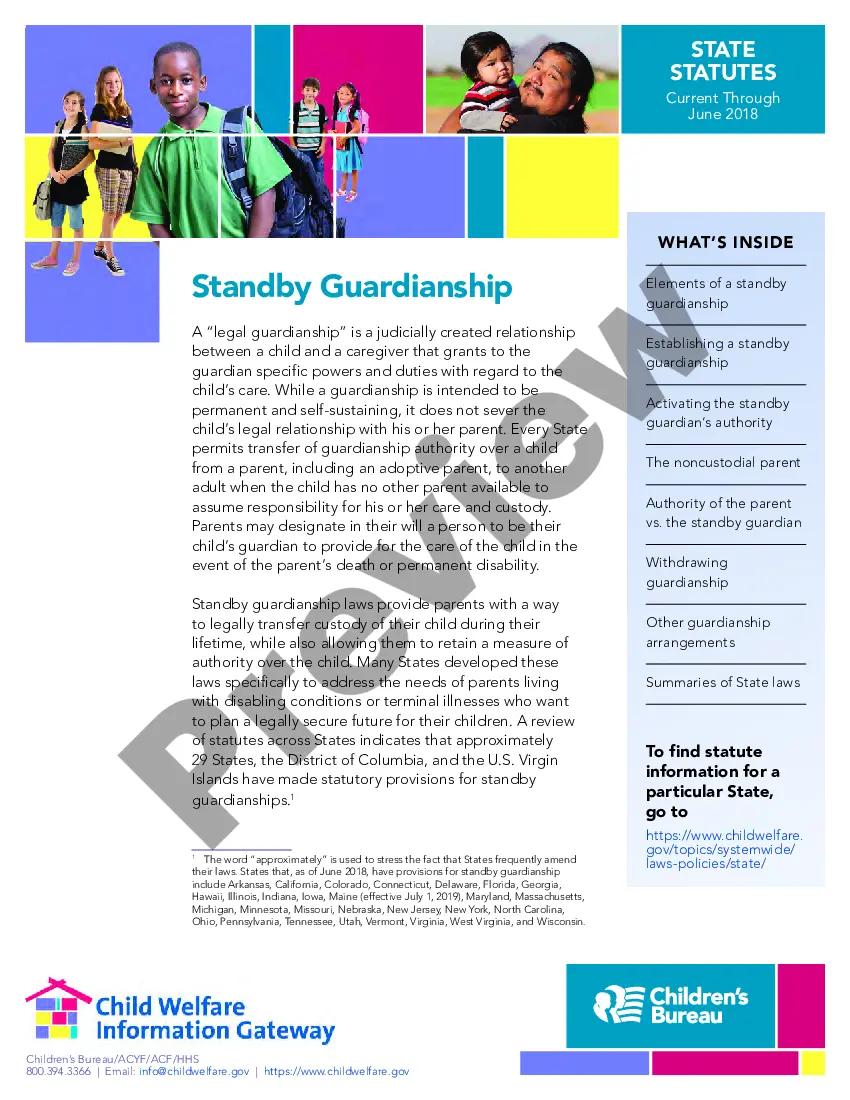
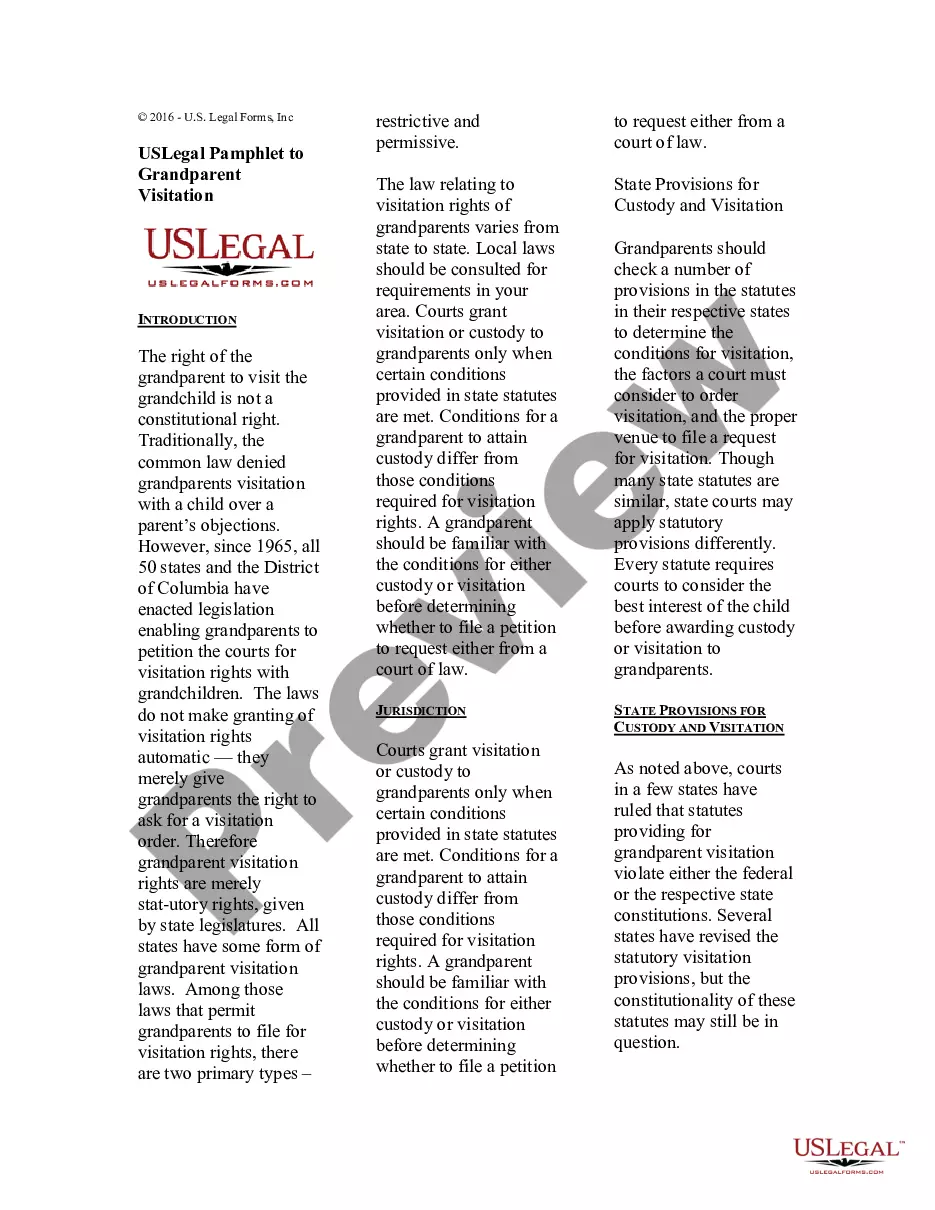
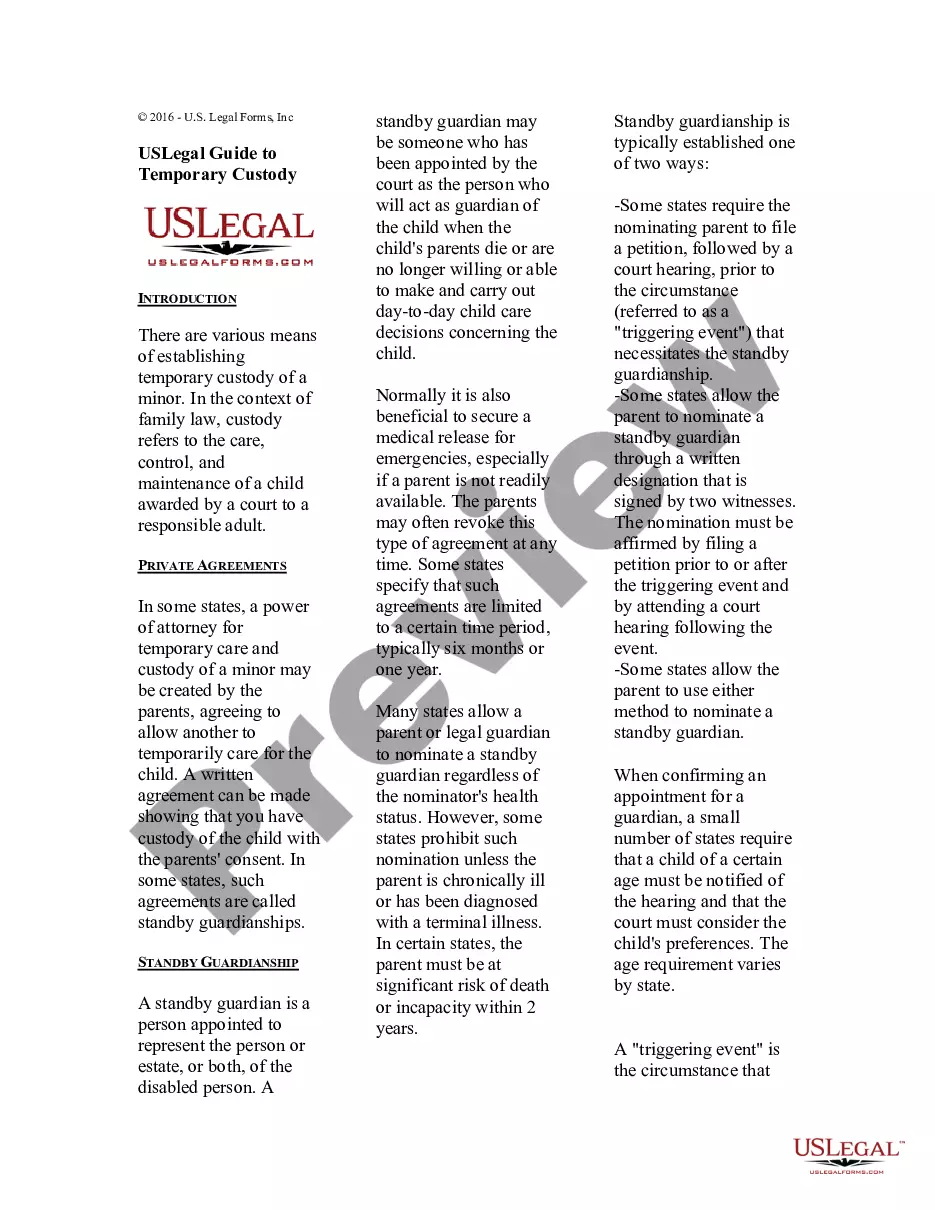
Get your form ready online
Our built-in tools help you complete, sign, share, and store your documents in one place.
Make edits, fill in missing information, and update formatting in US Legal Forms—just like you would in MS Word.
Download a copy, print it, send it by email, or mail it via USPS—whatever works best for your next step.
Sign and collect signatures with our SignNow integration. Send to multiple recipients, set reminders, and more. Go Premium to unlock E-Sign.
If this form requires notarization, complete it online through a secure video call—no need to meet a notary in person or wait for an appointment.
We protect your documents and personal data by following strict security and privacy standards.

Make edits, fill in missing information, and update formatting in US Legal Forms—just like you would in MS Word.

Download a copy, print it, send it by email, or mail it via USPS—whatever works best for your next step.

Sign and collect signatures with our SignNow integration. Send to multiple recipients, set reminders, and more. Go Premium to unlock E-Sign.

If this form requires notarization, complete it online through a secure video call—no need to meet a notary in person or wait for an appointment.

We protect your documents and personal data by following strict security and privacy standards.
Looking for another form?


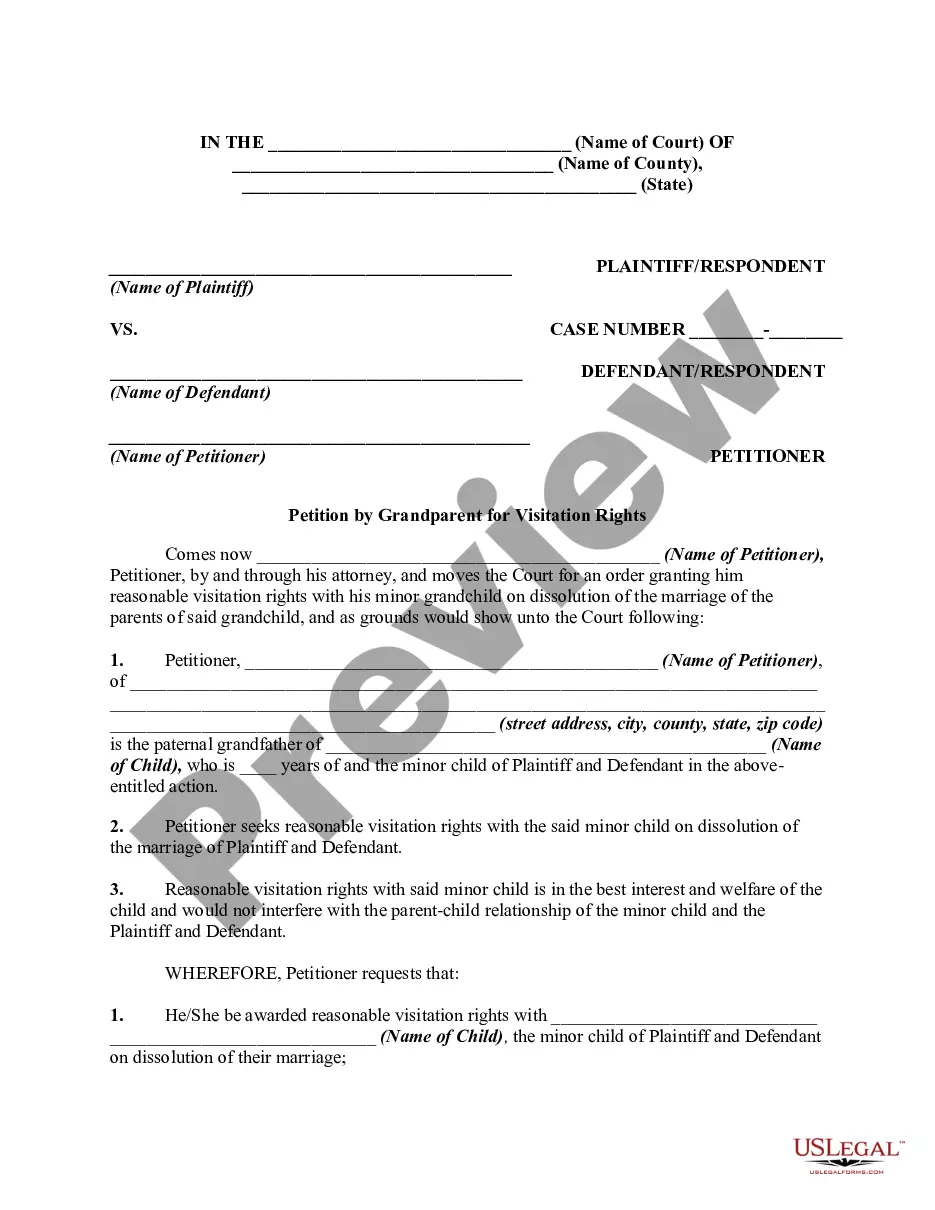
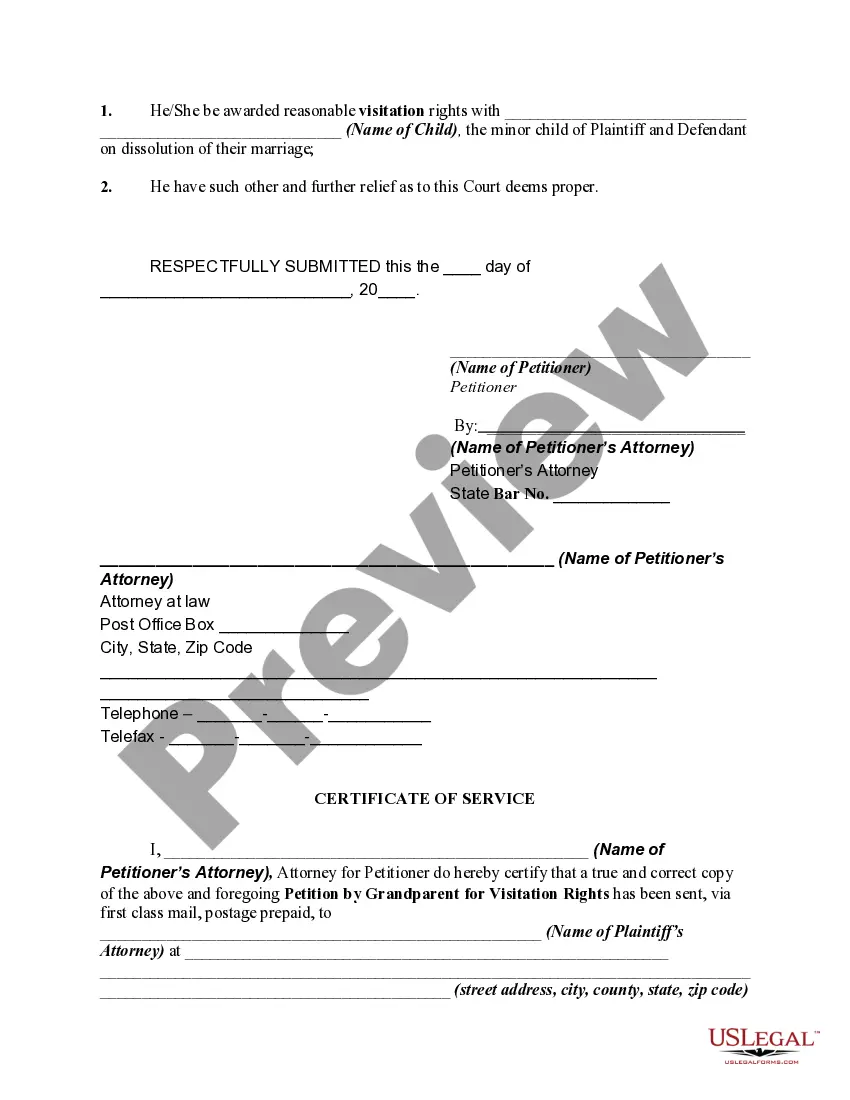
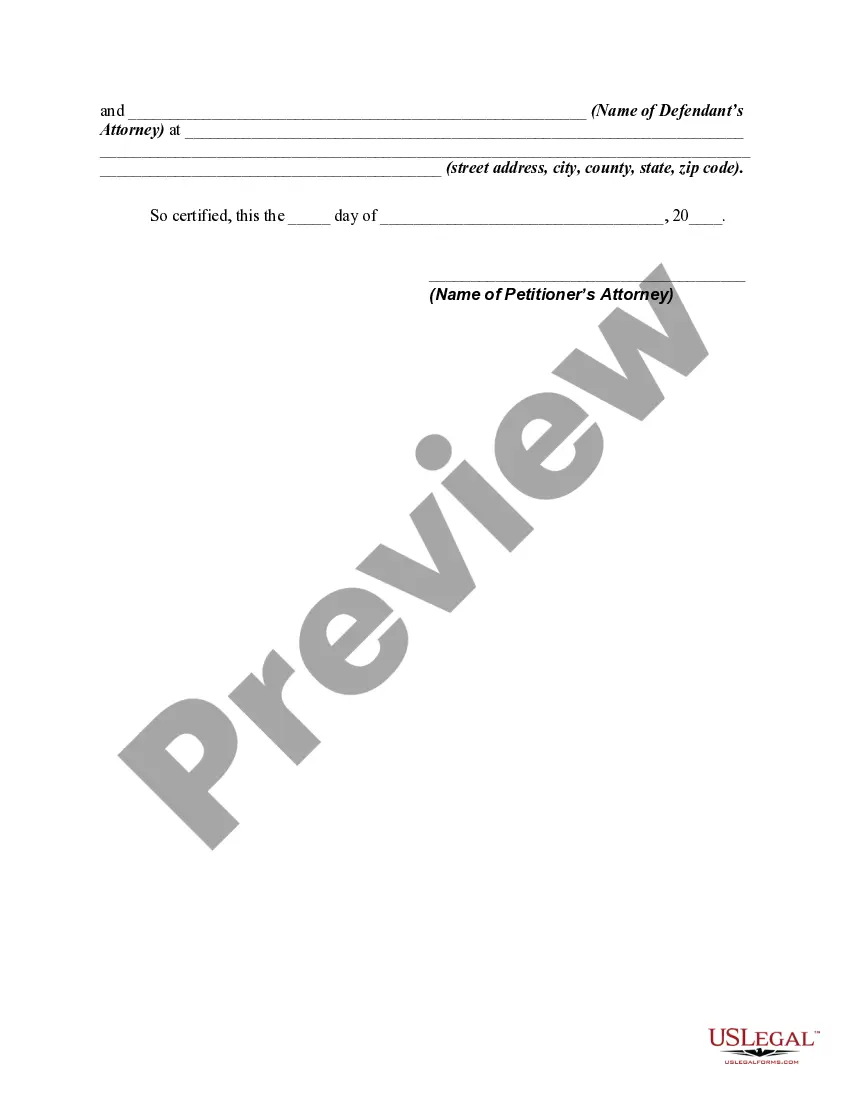
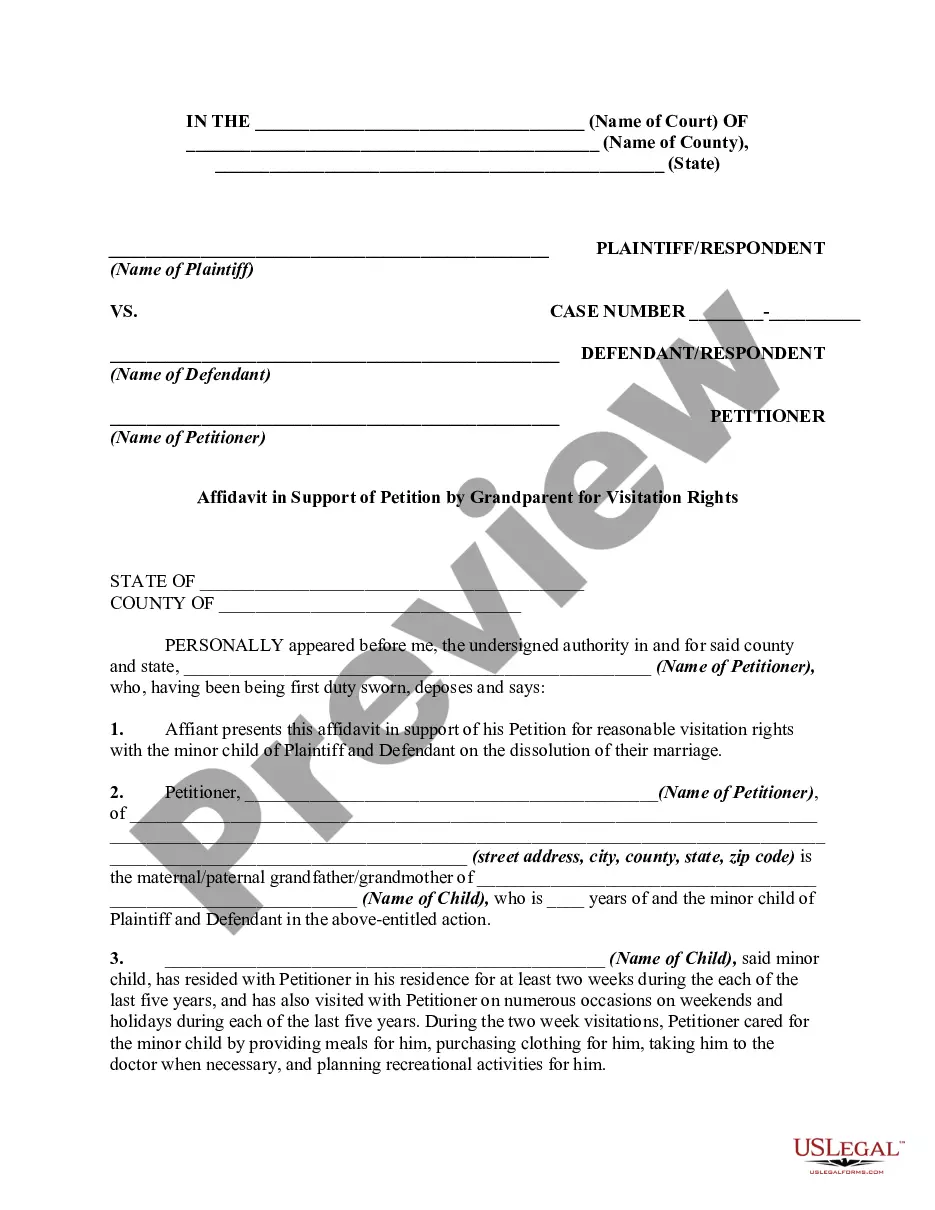
How to fill out Petition By Grandparent For Visitation Rights With Minor Grandchild On Dissolution Of The Marriage Of The Parents Of Minor Child?
- If you are a returning user, sign in to your account and locate the desired form template for download. Confirm that your subscription is active; renew it if necessary.
- For first-time users, begin by exploring the Preview mode and form description to verify that you have selected the right document tailored to your needs and local laws.
- Should you encounter any discrepancies, utilize the Search tab to find a more suitable template. If you identify the right form, proceed to the next step.
- Click on the Buy Now button to purchase the document. Choose a subscription plan that fits your requirements, and create an account for full access.
- Complete your purchase by providing your payment information through credit card or PayPal, ensuring your subscription is active.
- Once your transaction is confirmed, download your form to your device for easy access, and find it later in the My Forms section.
By leveraging US Legal Forms, grandparents families can efficiently secure legal templates without unnecessary hassle. The platform not only offers a robust collection of documents but also provides access to premium experts who can assist in ensuring that all paperwork is filled out correctly.
Don’t let legal documentation overwhelm you. Join US Legal Forms today and experience the benefits of a streamlined legal process tailored for families.
Form popularity
FAQ
In certain situations, you can file legal actions on behalf of your grandparents, especially if they are unable to do so themselves due to health concerns. The process often involves identifying the type of legal filing required, whether for estates, benefits, or other matters related to the grandparents family. You may need to demonstrate legal standing to act on their behalf, so seeking guidance from a legal expert is advisable to navigate any complexities.
The rights of grandparents, whether maternal or paternal, can vary based on individual state laws. Generally speaking, both maternal and paternal grandparents can have rights to see their grandchildren, but these rights often depend on the circumstances of the family's situation. In any case, it's important to understand how your state's laws apply to grandparents family situations. Consulting with a legal professional can provide clarity and help you advocate for your rights.
Grandparent alienation occurs when a parent deliberately interferes with a grandparent's relationship with their grandchild. An example could be a parent discouraging their child from spending time with grandparents, leading to emotional distance. Recognizing this behavior is crucial, and legal assistance from a resource like US Legal Forms can help address this issue.
Legally, grandparents do not count as parents under most circumstances unless they have been granted guardianship or legal custody. However, emotionally, grandparents often fulfill parental roles in their grandchildren's lives. It’s vital to recognize the unique position grandparents hold in the family structure.
If your child refuses to allow you to see your grandchild, first try to understand their perspective. Communicating calmly and openly can often bridge emotional gaps. If this approach does not yield results, seeking legal advice may be necessary to explore your options further.
In many states, grandparents do have specific legal rights to seek visitation, especially if they can show that the child’s well-being is at stake. However, these rights can vary widely, so it's essential to research your state's laws. Consultation with an attorney familiar with grandparents' family issues can further clarify your rights.
You may have legal options, such as filing for visitation rights, but the outcome depends on the laws in your state. Courts typically favor parental authority but may intervene if they believe it is in the child's best interests. Seeking legal advice through platforms like US Legal Forms can provide you with insights relevant to your situation.
Yes, a parent may try to stop you from seeing your grandchild if they do not support the relationship. This situation can be heartbreaking, but it’s important to communicate openly with your son about your feelings. Exploring mediation could be a positive step towards finding a resolution that respects the grandparents' family connection.
Obtaining grandparents' rights can vary based on state laws, but it often involves demonstrating a significant relationship with the grandchild. The process can be complex, and you may need to present evidence of the emotional bond between you and the child. Knowing the legal landscape is essential, and using a platform like US Legal Forms can help you navigate this process effectively.
While parents generally have the right to make decisions about their children's lives, it is often beneficial to encourage a relationship with grandparents. Open communication can help maintain family bonds. However, if there are concerns about the grandparent's influence, parents should thoughtfully consider their child’s best interests.