Affidavit Of Adverse Claim Heir
Description
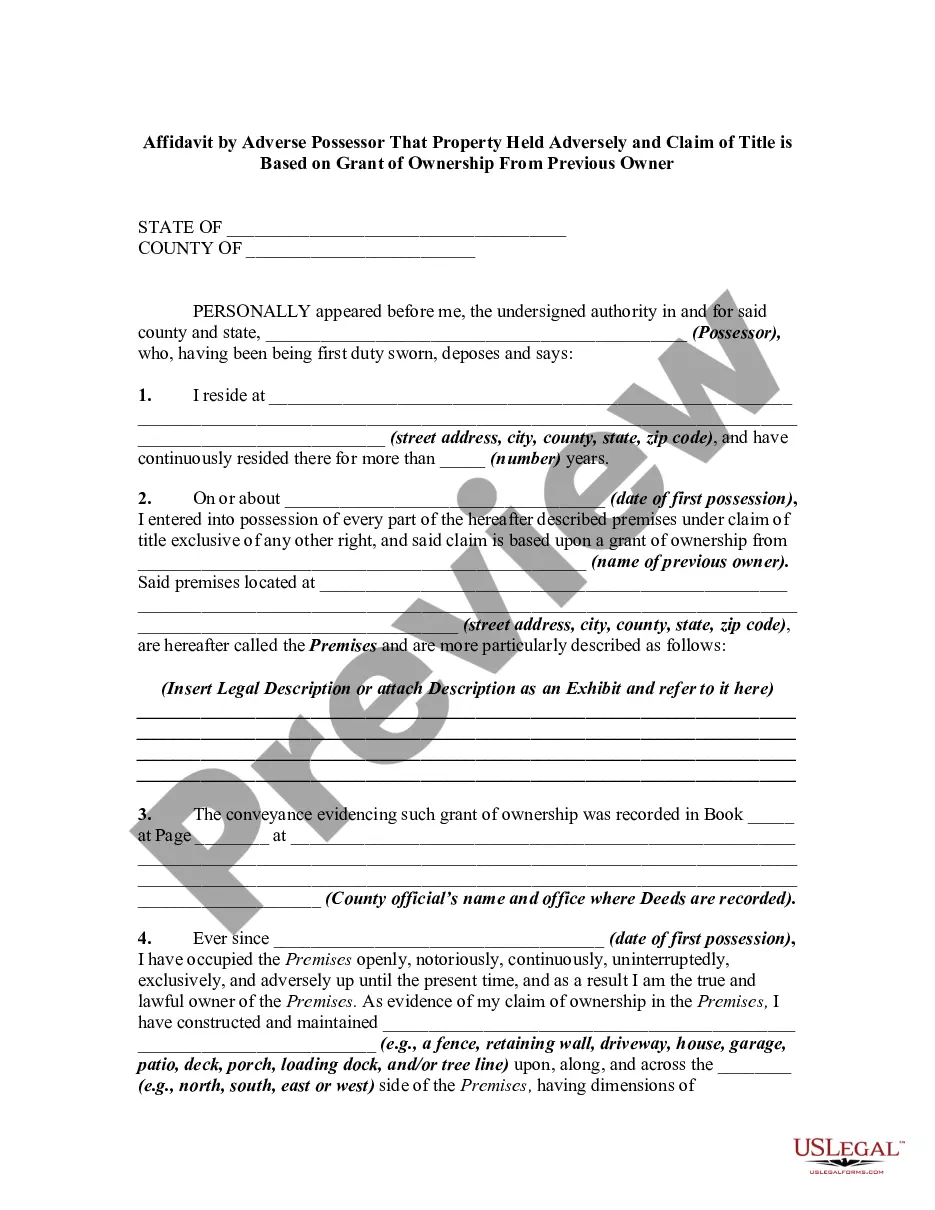
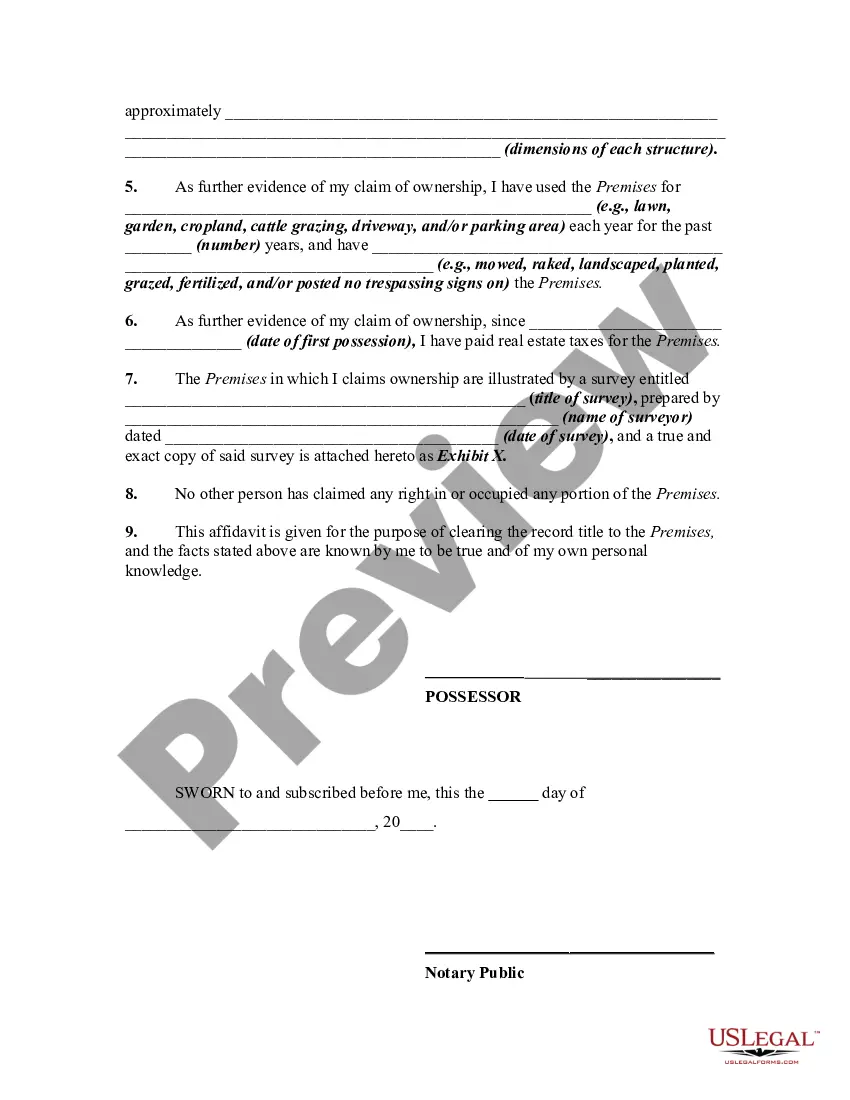

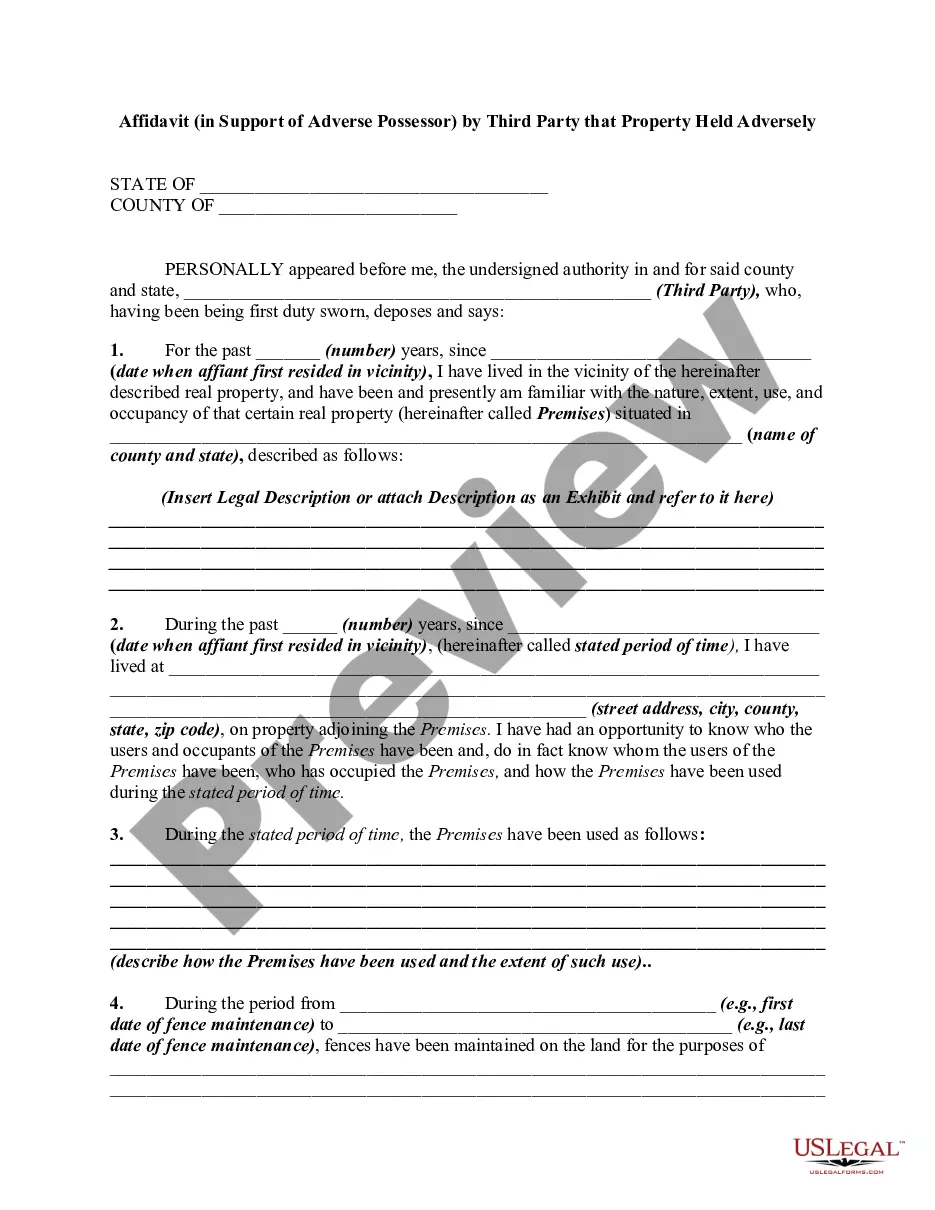
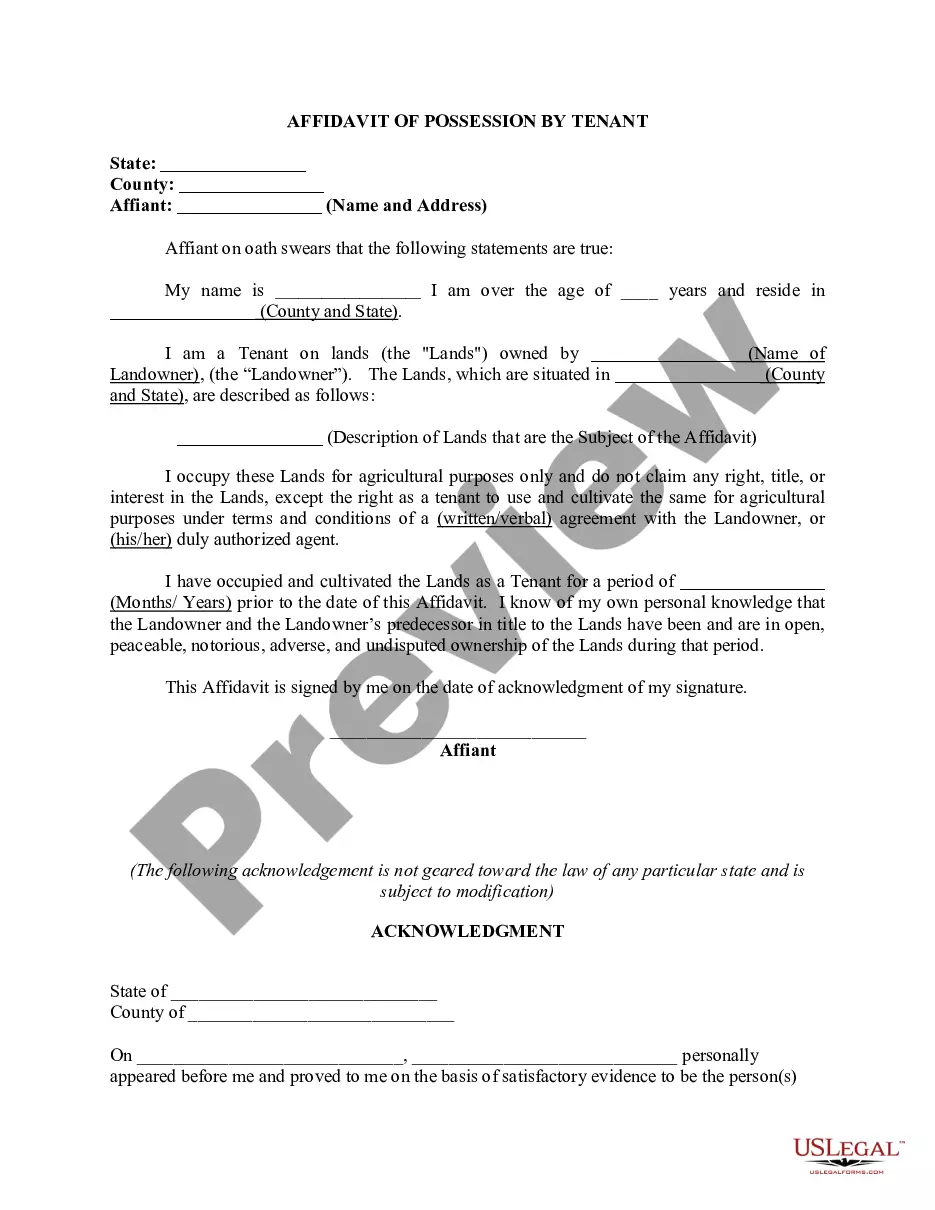
Get your form ready online
Our built-in tools help you complete, sign, share, and store your documents in one place.
Make edits, fill in missing information, and update formatting in US Legal Forms—just like you would in MS Word.
Download a copy, print it, send it by email, or mail it via USPS—whatever works best for your next step.
Sign and collect signatures with our SignNow integration. Send to multiple recipients, set reminders, and more. Go Premium to unlock E-Sign.
If this form requires notarization, complete it online through a secure video call—no need to meet a notary in person or wait for an appointment.
We protect your documents and personal data by following strict security and privacy standards.
Make edits, fill in missing information, and update formatting in US Legal Forms—just like you would in MS Word.
Download a copy, print it, send it by email, or mail it via USPS—whatever works best for your next step.
Sign and collect signatures with our SignNow integration. Send to multiple recipients, set reminders, and more. Go Premium to unlock E-Sign.

If this form requires notarization, complete it online through a secure video call—no need to meet a notary in person or wait for an appointment.
We protect your documents and personal data by following strict security and privacy standards.
Looking for another form?


How to fill out Affidavit By Adverse Possessor That Property Held Adversely And Claim Of Title Is Based On Grant Of Ownership From Previous Owner - Squatters Rights?
The Affidavit of Opposing Claim Heir presented on this page is a versatile legal document created by experienced attorneys in compliance with federal and state laws and regulations.
For over 25 years, US Legal Forms has supplied individuals, businesses, and legal practitioners with more than 85,000 validated, state-specific forms for all business and personal needs. It is the quickest, simplest, and most dependable method to acquire the documents you require, as the service ensures the highest standards of data security and anti-virus protection.
Subscribe to US Legal Forms to have authorized legal templates for all of life’s situations readily available.
- Search for the document you require and examine it. Browse through the sample you looked for and preview it or check the form description to ensure it meets your needs. If it doesn’t, use the search bar to find the suitable one. Click Purchase Now when you have found the template you require.
- Create an account and Log In. Select the pricing option that fits you and sign up for an account. Use PayPal or a credit card for a swift payment process. If you already possess an account, Log In and review your subscription to proceed.
- Obtain the fillable template. Select your preferred format for your Affidavit of Opposing Claim Heir (PDF, Word, RTF) and download the sample onto your device.
- Complete and sign the document. Print the template to fill it out manually. Alternatively, utilize an online multifunctional PDF editor to quickly and accurately fill out and sign your form using an eSignature.
- Download your document again. Reuse the same document whenever required. Visit the My documents section in your profile to redownload any previously saved forms.
Form popularity
FAQ
Removing an adverse claim from a title in the Philippines requires a legal process. You'll typically need to file a petition in court, contesting the validity of the adverse claim and presenting any supporting documentation. Utilizing an Affidavit of adverse claim heir can be crucial in demonstrating your rightful ownership and countering any unreasonable claims. It’s beneficial to consult with a legal professional to guide you through this procedure.
In the Philippines, the period for adverse possession generally lasts for ten years. During this time, the claimant must openly and continuously occupy the property without permission. Understanding how to use an Affidavit of adverse claim heir can facilitate this process. This documentation can help assert your claim and protect your rights during the possession period.
A lien refers to a legal claim against property that can be used as collateral to repay a debt. Depending on the type of debt owed, liens can be attached to real property, such as a home, or personal property, such as a car or furniture.
A judgment lien is created automatically on any debtor property located in the Oregon county where the judgment is entered. For debtor property in another Oregon county, the creditor must record the judgment in the County Clerk Lien Record for the county where the property is located.
You must include a statement of demand, the name of the owners of the property, the name of the person who hired you, a description of the property and a proper verification under oath (notary). ORS 87.035(3)-(4). You must record the lien in the county where the project is located. ORS 87.035(2).
If your contractor isn't paid, or if your contractor does not pay subcontractors, employees, rental equipment or material suppliers, or others who are owed money for work on your property, they may lien your property for payment.
How to File an Oregon Notice of Right to Lien Name of the property owner and complete mailing address of the property. Your full name and address. Name of the person who hired you to contribute to the construction project. Date you mailed the Right to Lien / Intent to Lien form.
Does Oregon require a specific statutory lien waiver form? No, Oregon does not provide or require statutory forms for lien waivers.
General contractors, subcontractors, employees, material suppliers, and equipment rental companies that do not receive payment can claim liens. Even if the property owner pays the general contractor in full, the subcontractors, employees, material suppliers, and equipment rental companies may not be paid.