Discharged Bankruptcy Chapter 13 With Credit Report
Description
Get your form ready online
Our built-in tools help you complete, sign, share, and store your documents in one place.
Make edits, fill in missing information, and update formatting in US Legal Forms—just like you would in MS Word.
Download a copy, print it, send it by email, or mail it via USPS—whatever works best for your next step.
Sign and collect signatures with our SignNow integration. Send to multiple recipients, set reminders, and more. Go Premium to unlock E-Sign.
If this form requires notarization, complete it online through a secure video call—no need to meet a notary in person or wait for an appointment.
We protect your documents and personal data by following strict security and privacy standards.

Make edits, fill in missing information, and update formatting in US Legal Forms—just like you would in MS Word.

Download a copy, print it, send it by email, or mail it via USPS—whatever works best for your next step.

Sign and collect signatures with our SignNow integration. Send to multiple recipients, set reminders, and more. Go Premium to unlock E-Sign.

If this form requires notarization, complete it online through a secure video call—no need to meet a notary in person or wait for an appointment.

We protect your documents and personal data by following strict security and privacy standards.
Looking for another form?

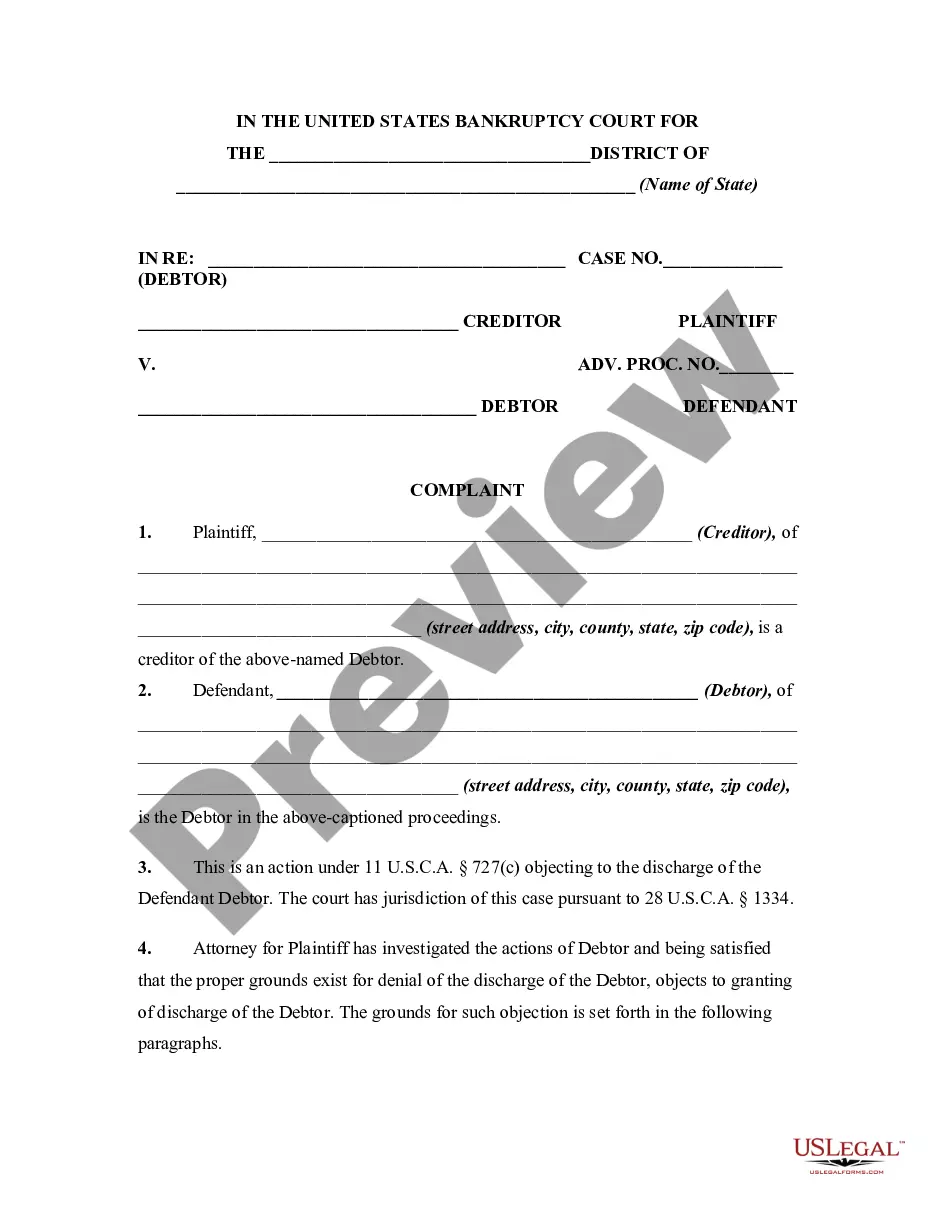
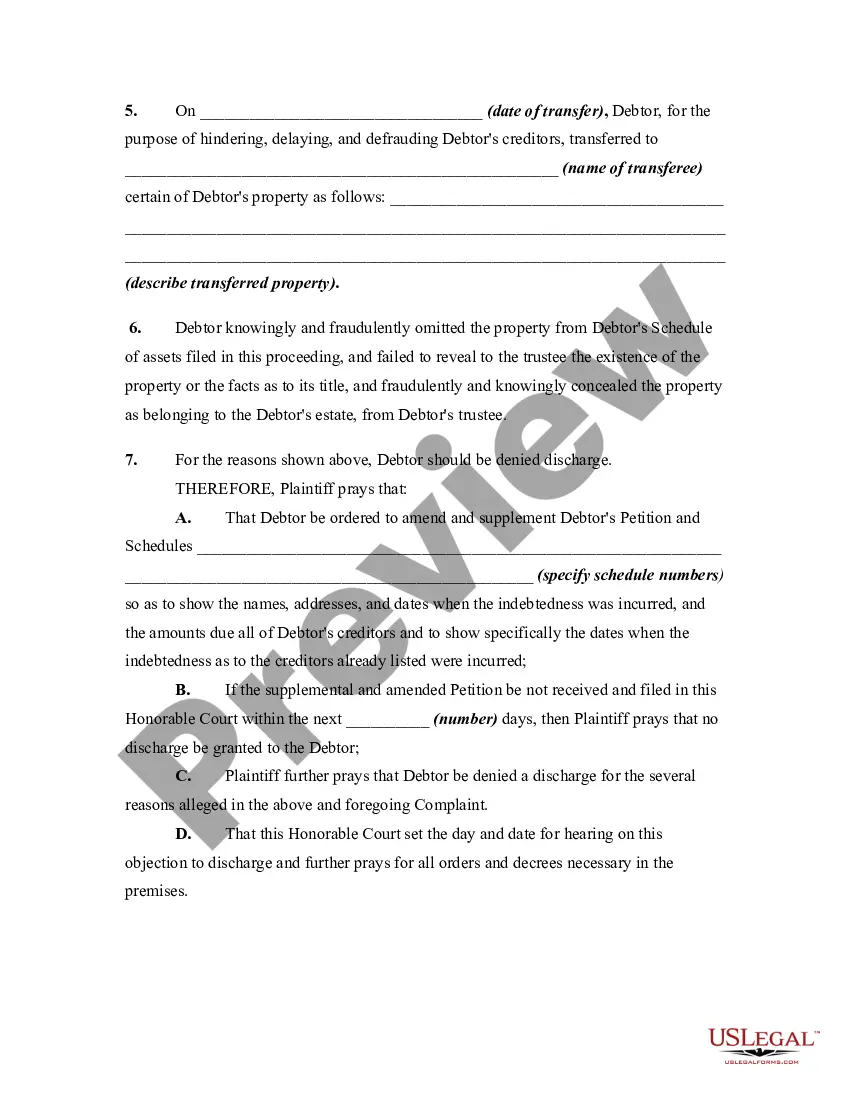
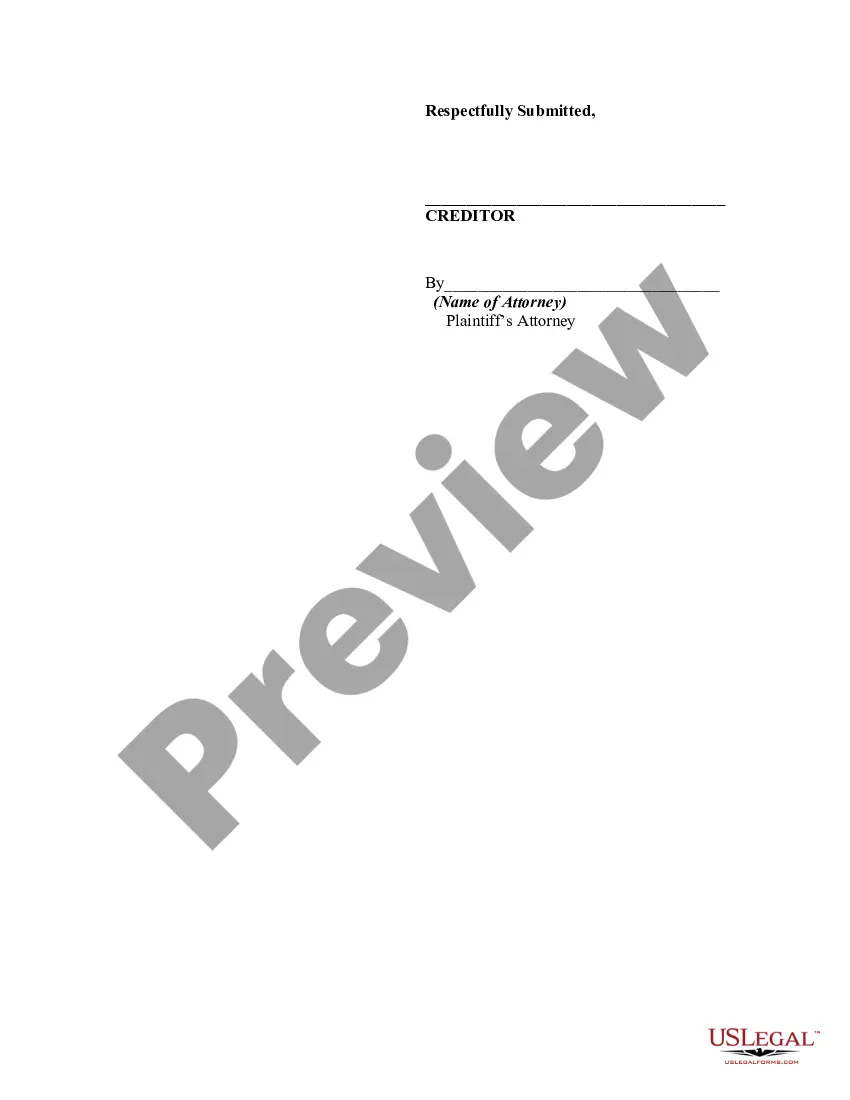
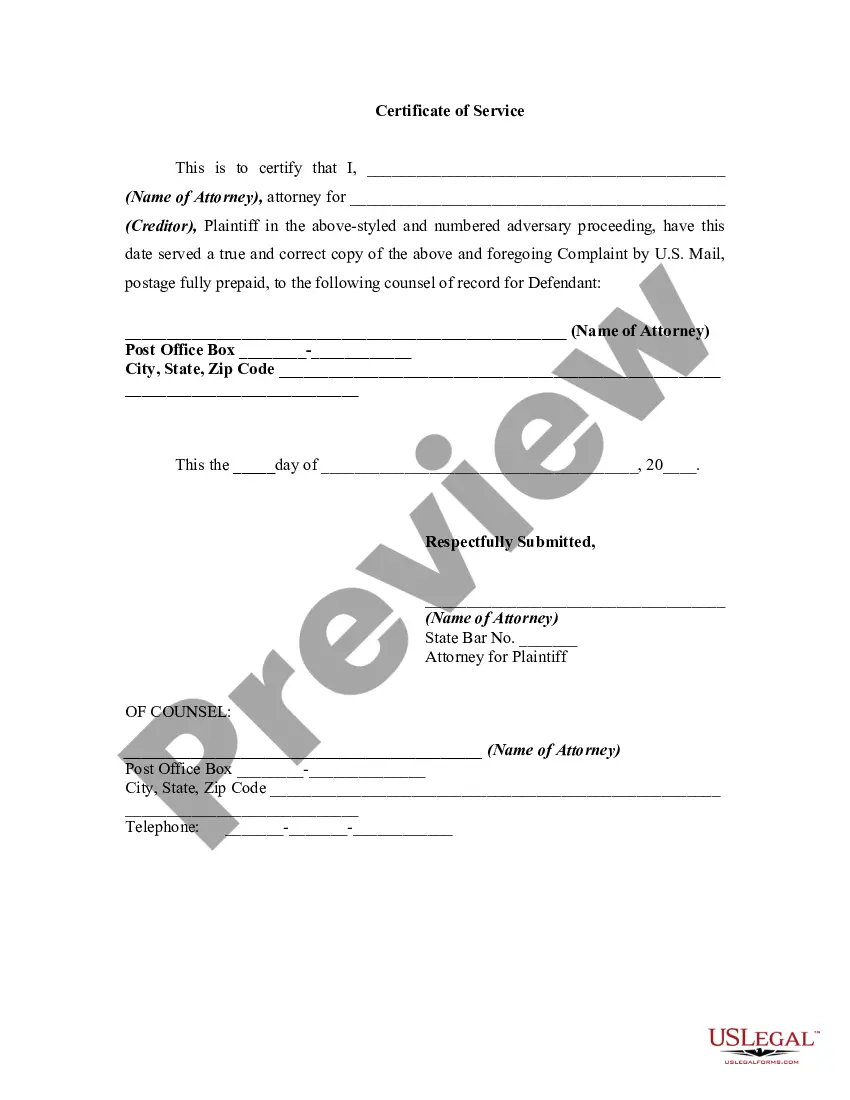
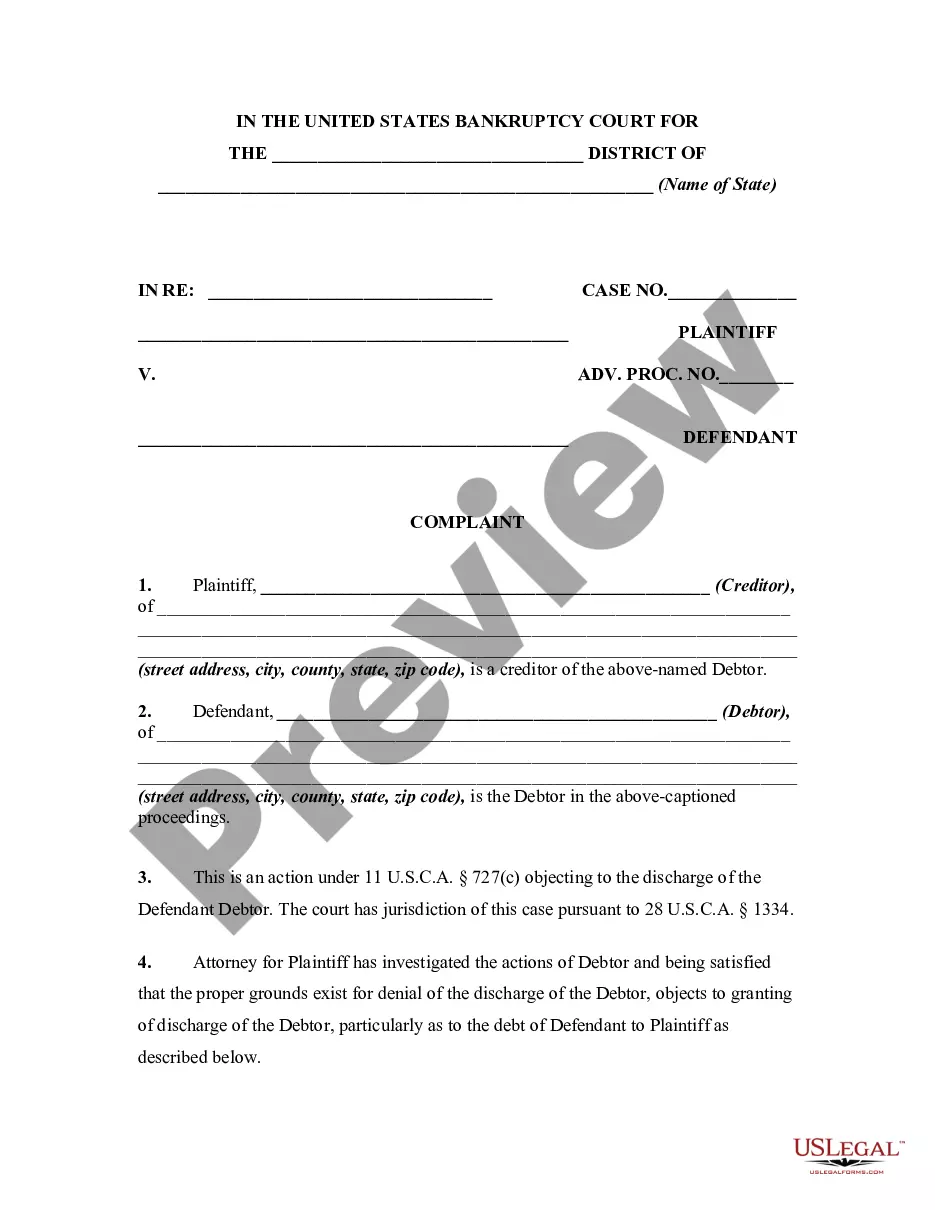
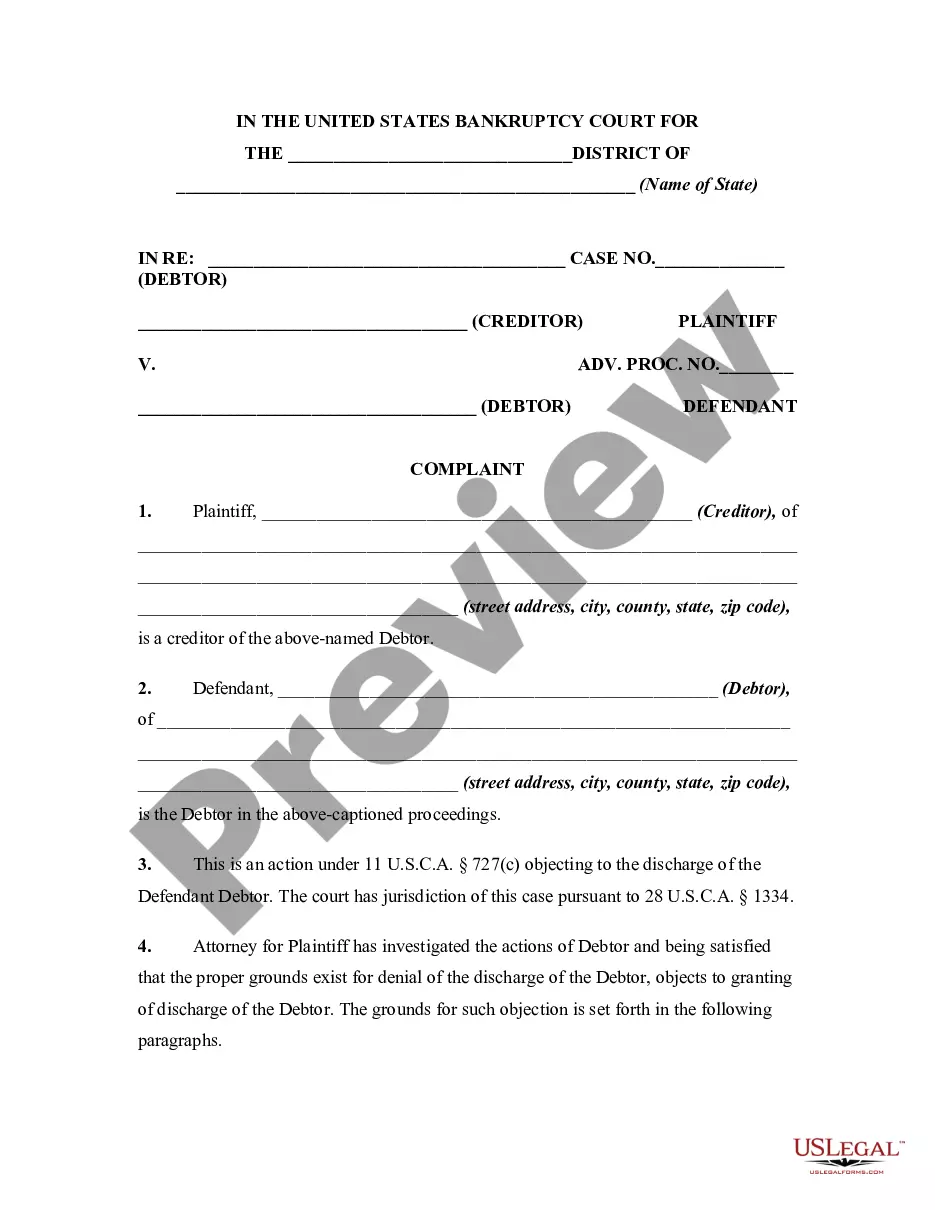
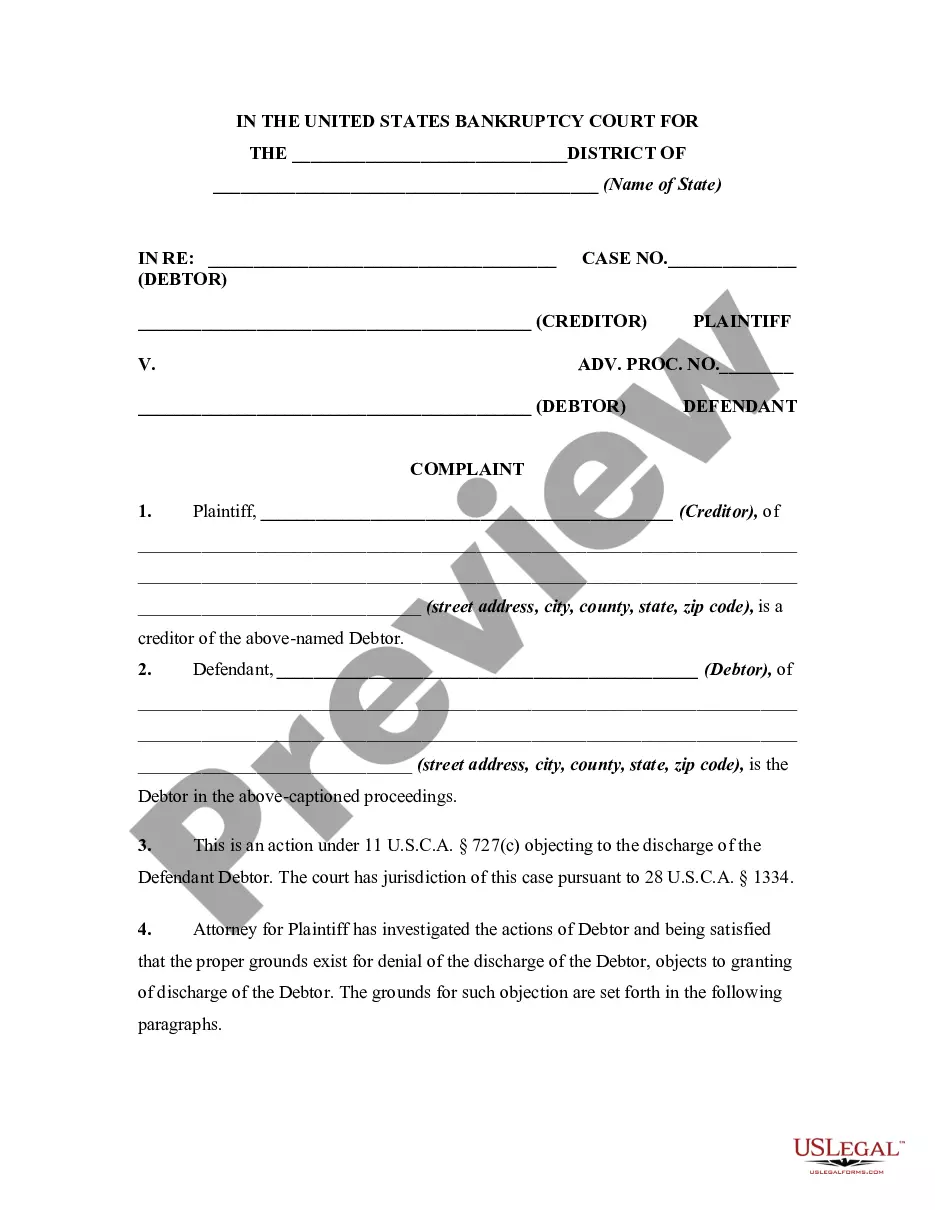
How to fill out Complaint Objecting To Discharge In Bankruptcy Proceedings For Concealment By Debtor And Omitting From Schedules Fraudulently Transferred Property?
Whether for corporate objectives or personal issues, everyone must tackle legal matters at some point in their lives.
Completing legal documents necessitates meticulous consideration, starting from choosing the correct form template.
With an extensive US Legal Forms collection available, you won’t have to waste time searching for the correct template online. Utilize the library’s straightforward navigation to find the proper document for any circumstance.
- Acquire the template you require by utilizing the search bar or catalog navigation.
- Review the form’s details to confirm it aligns with your situation, jurisdiction, and area.
- Click on the form’s preview to assess it.
- If it is the incorrect form, return to the search feature to locate the Discharged Bankruptcy Chapter 13 With Credit Report template you need.
- Download the file if it satisfies your requirements.
- If you have a US Legal Forms account, simply click Log in to access previously stored documents in My documents.
- In case you do not have an account yet, you can obtain the form by clicking Buy now.
- Choose the suitable pricing option.
- Complete the profile registration form.
- Choose your payment method: use a credit card or PayPal account.
- Select the document format you prefer and download the Discharged Bankruptcy Chapter 13 With Credit Report.
- After downloading, you can fill in the form using editing software or print it and fill it out manually.
Form popularity
FAQ
? FHA Loans In most cases, a Chapter 7 debtor can apply for an FHA loan two years after the date of the bankruptcy discharge. Chapter 13 debtors can apply for an FHA loan one year after the bankruptcy discharge; however, some Chapter 13 debtors could qualify sooner for an FHA loan.
Chapter 13 bankruptcy is typically removed from your credit report seven years after the date you filed, and this is done automatically. The turnaround is quicker because you're required to at least partially repay your debt.
After your discharge from the Chapter 13 Bankruptcy, there will remain accounts. These accounts were current prior to the bankruptcy filing, for a period of up to 7 years. This will result in a potentially negative impact on your credit score.
While it's not possible to remove a legitimate bankruptcy from your credit report, its impact wanes over time until it finally leaves your report after seven to 10 years. In the meantime, you can file a dispute with the credit bureaus if your bankruptcy contains any inaccurate information.
Your creditors are still allowed to list discharged debts on your credit report, but not as active or having any amount owed. Your bankruptcy-related debts can be listed as existing, but with zero balance.