Notice Of Eviction
Description
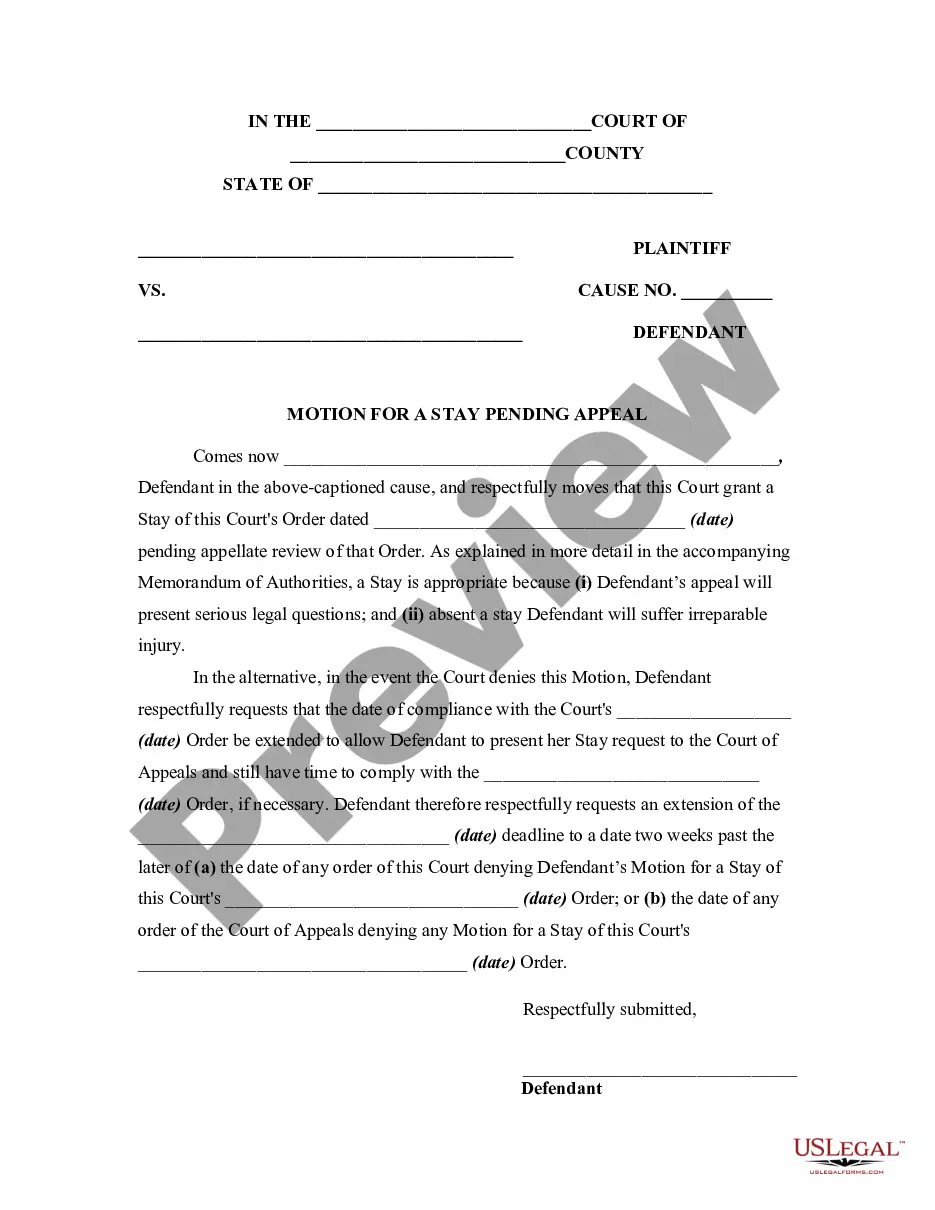
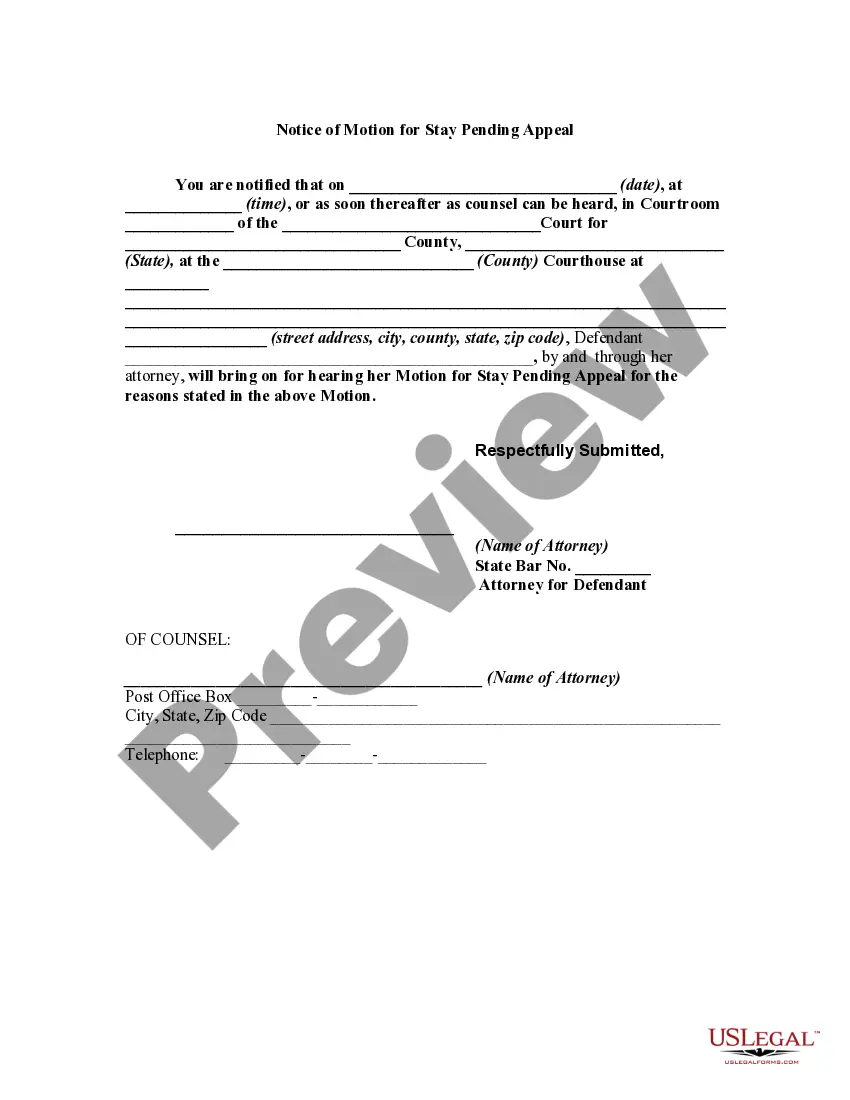
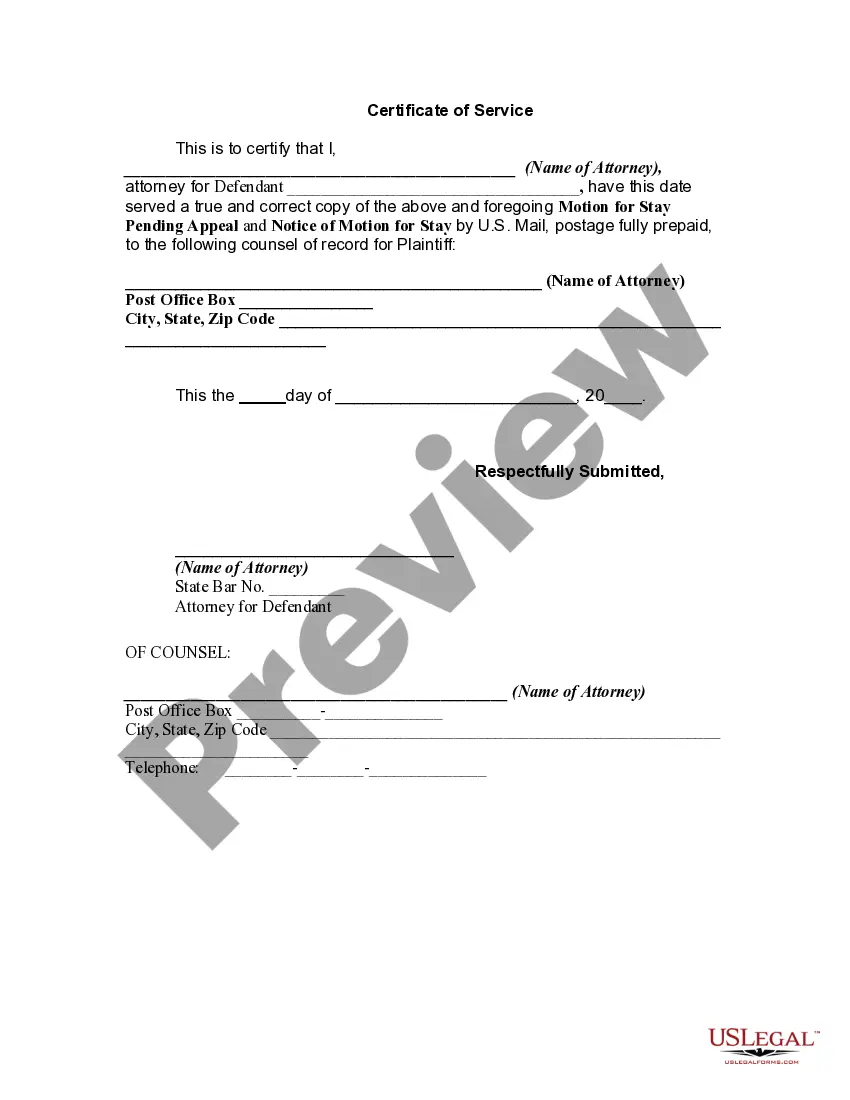
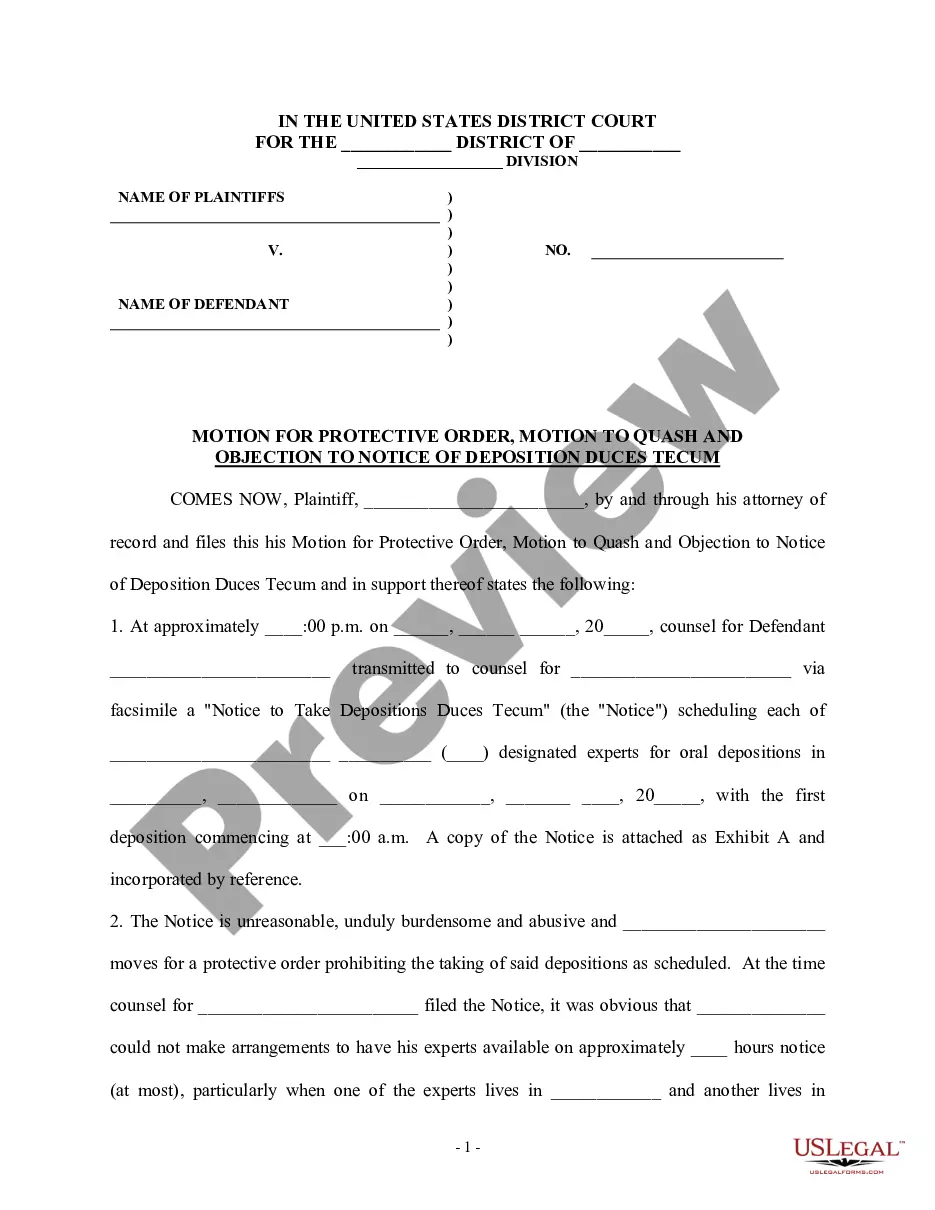
Get your form ready online
Our built-in tools help you complete, sign, share, and store your documents in one place.
Make edits, fill in missing information, and update formatting in US Legal Forms—just like you would in MS Word.
Download a copy, print it, send it by email, or mail it via USPS—whatever works best for your next step.
Sign and collect signatures with our SignNow integration. Send to multiple recipients, set reminders, and more. Go Premium to unlock E-Sign.
If this form requires notarization, complete it online through a secure video call—no need to meet a notary in person or wait for an appointment.
We protect your documents and personal data by following strict security and privacy standards.

Make edits, fill in missing information, and update formatting in US Legal Forms—just like you would in MS Word.

Download a copy, print it, send it by email, or mail it via USPS—whatever works best for your next step.

Sign and collect signatures with our SignNow integration. Send to multiple recipients, set reminders, and more. Go Premium to unlock E-Sign.

If this form requires notarization, complete it online through a secure video call—no need to meet a notary in person or wait for an appointment.

We protect your documents and personal data by following strict security and privacy standards.
Looking for another form?





How to fill out Motion For Stay Pending Appeal And Notice Of Motion?
- If you're an existing user, log into your account to access and download the notice of eviction template. Ensure your subscription remains active; renew if necessary.
- For new users, start by reviewing the Preview mode and description of the notice of eviction forms. Confirm that you've selected the correct template based on your needs and jurisdiction.
- In case you require a different format, utilize the Search feature to find the right form that suits your specific requirements.
- Proceed to purchase the selected document by clicking the Buy Now button. Choose the subscription plan that works best for you and register for an account to access the comprehensive library.
- Complete your purchase using your credit card or PayPal, and once confirmed, download your form to your device for future use.
- Access your downloaded forms anytime through the My Forms section on your profile.
By following these straightforward steps, you can ensure that you complete your notice of eviction accurately and efficiently.
Don't hesitate to explore US Legal Forms for all your legal document needs—sign up today and experience the ease of legal documentation.
Form popularity
FAQ
In Pennsylvania, landlords must follow specific legal procedures when issuing a notice of eviction. They must provide proper notice, which varies based on the rental situation, and go through the judicial process if a tenant does not vacate. Understanding your rights and responsibilities can help make this challenging situation clearer.
The timeline for eviction in Pennsylvania varies, but the process typically takes a few weeks from the filing of the notice of eviction to the court hearing. After the hearing, if the court rules in favor of the landlord, execution of the eviction can occur quickly. Always be prepared to respond promptly to any legal notices.
In Pennsylvania, a landlord cannot legally evict you without going to court. They must provide a notice of eviction and file for an eviction in the local court. Always remember that legal processes exist to protect both landlords and tenants, so staying informed about your rights is crucial.
To write a letter explaining a notice of eviction, start with your contact information, followed by the tenant’s details. Clearly state the reason for the eviction and include any relevant dates. Finally, ensure the letter is respectful and concludes with instructions for the tenant on how to proceed.
In Delaware, the eviction process begins with a notice of eviction served by the landlord, typically providing a 5-day notice for rent arrears. If the tenant does not resolve the issue within that period, the landlord can file for eviction in court. Once a judgment is made, the tenant usually has another 15 days to vacate before law enforcement may intervene. Understanding Delaware's eviction rules can significantly improve your experience.
Washington State requires landlords to follow specific rules for tenant eviction, starting with serving a notice of eviction that outlines the reason for eviction. Common reasons include non-payment of rent, lease violations, or the landlord's intent to occupy the unit. The notice must be delivered properly, and the process should comply with state regulations to ensure a legal eviction. Familiarizing yourself with these rules can help streamline the process.
In Washington State, a tenant must provide a minimum of 20 days' notice before moving out if they have a month-to-month lease agreement. However, if the lease specifies a longer notice period, the tenant must adhere to that agreement. Providing proper notice helps avoid misunderstandings and potential issues with the notice of eviction. It's always beneficial to communicate directly with your landlord when planning to move.
The length of time for an eviction in Washington state can vary, typically taking anywhere from three weeks to a couple of months. After serving a notice of eviction, if a tenant does not leave, the landlord files a court action, which usually leads to a hearing. Once a judgment is reached, the execution of the eviction might take additional time, depending on local law enforcement schedules. Being aware of the timeframe can help both landlords and tenants plan accordingly.
In Vermont, the eviction process starts with the landlord providing a correct notice of eviction to the tenant, which is generally required to be in writing. Depending on the reason for eviction, the notice period can range from 14 to 30 days. If the tenant does not respond or vacate, the landlord can file a lawsuit for eviction. Understanding these regulations can help you navigate this process more effectively.
The eviction process in Washington state begins with the landlord serving a notice of eviction to the tenant. Once the notice is delivered, the tenant typically has 14 days to vacate the premises. If the tenant does not leave, the landlord can file an unlawful detainer action in court. After a court judgment, law enforcement can remove the tenant if necessary.