Nunc Pro Tunc Meaning In Court
Description
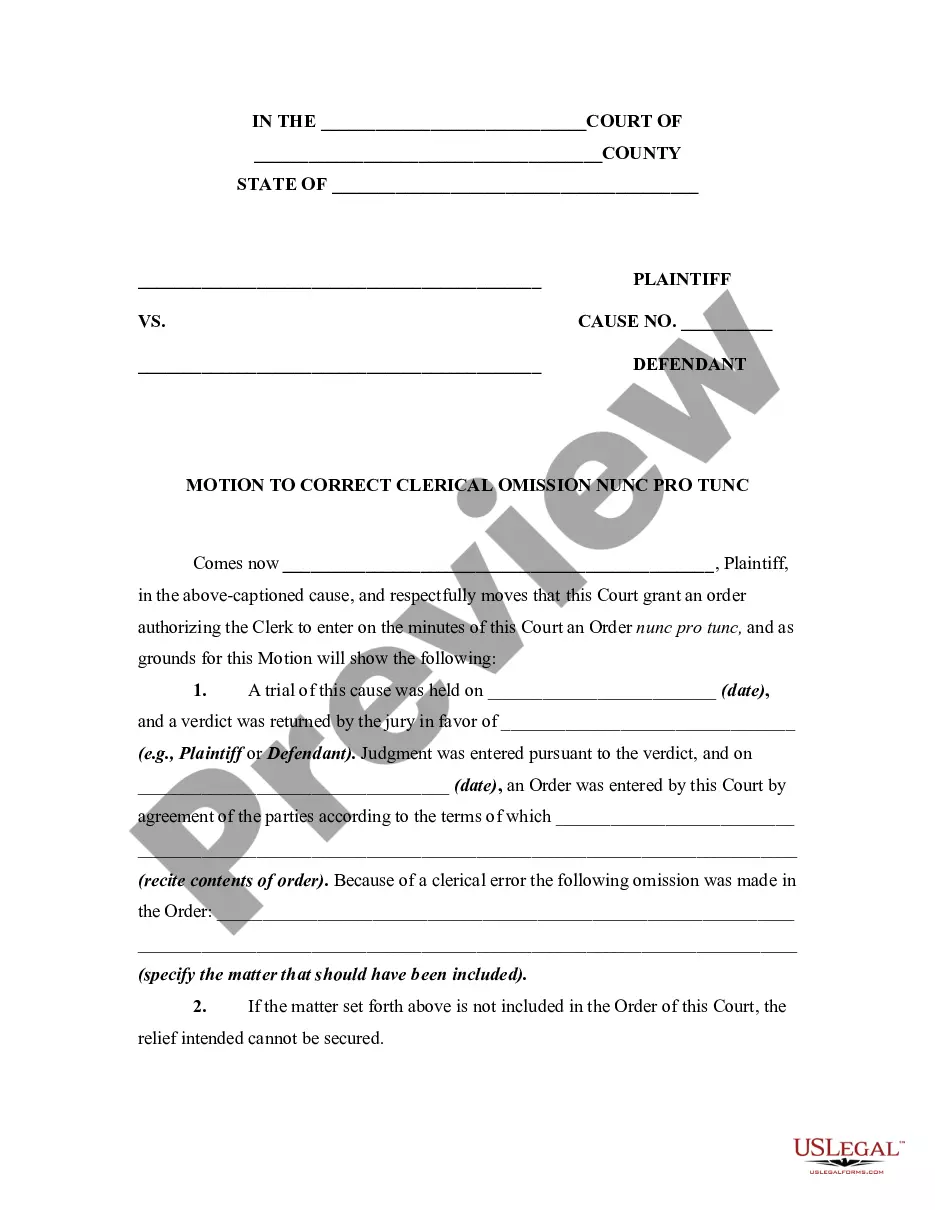
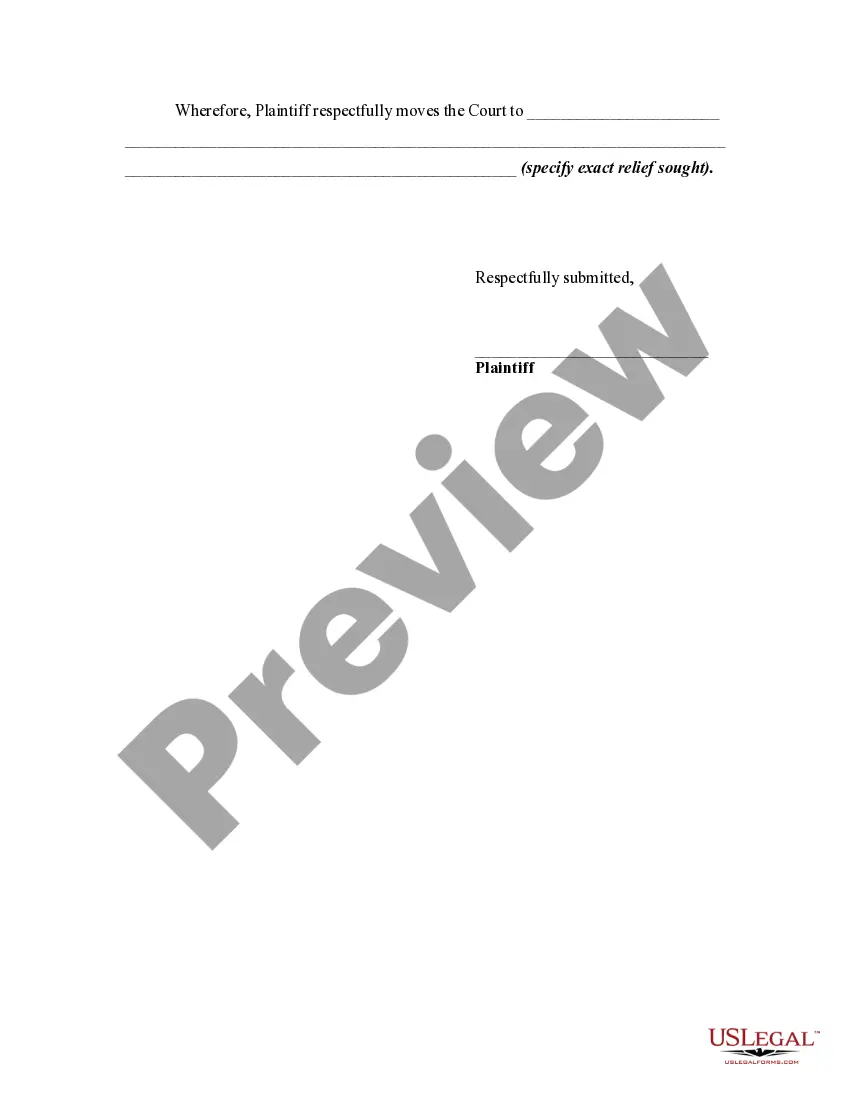
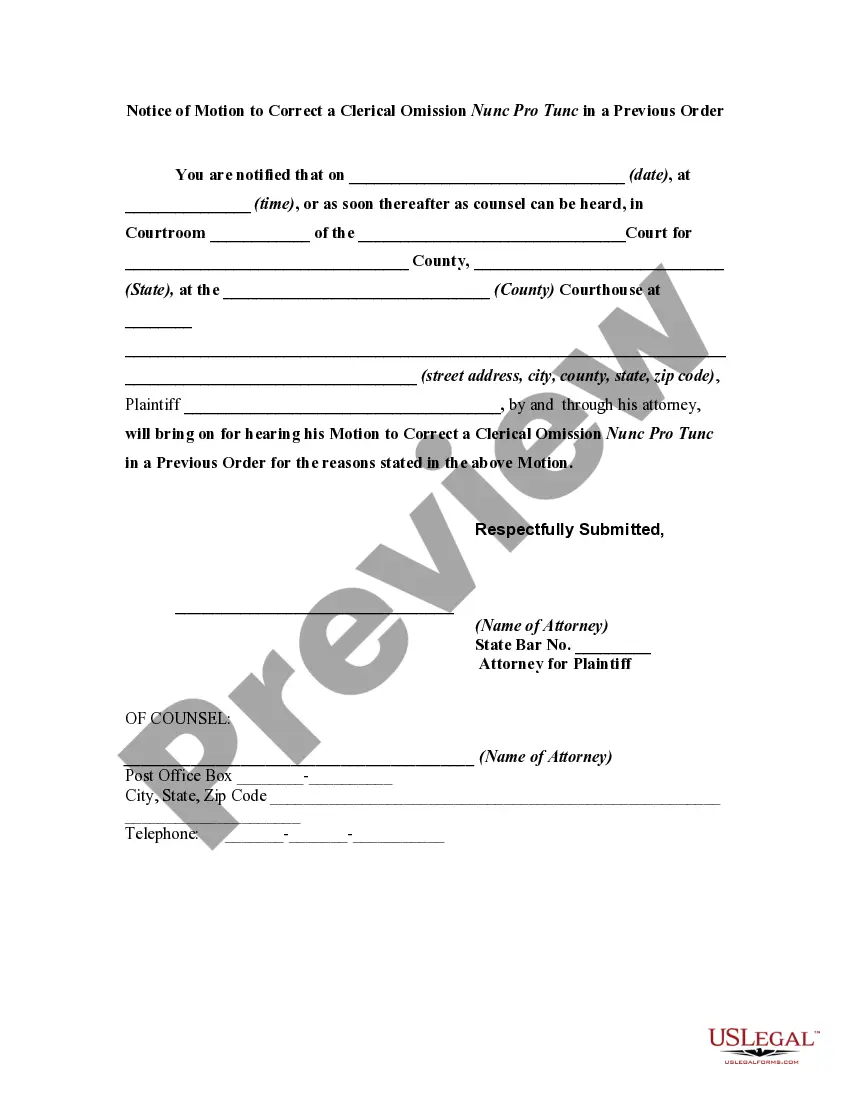
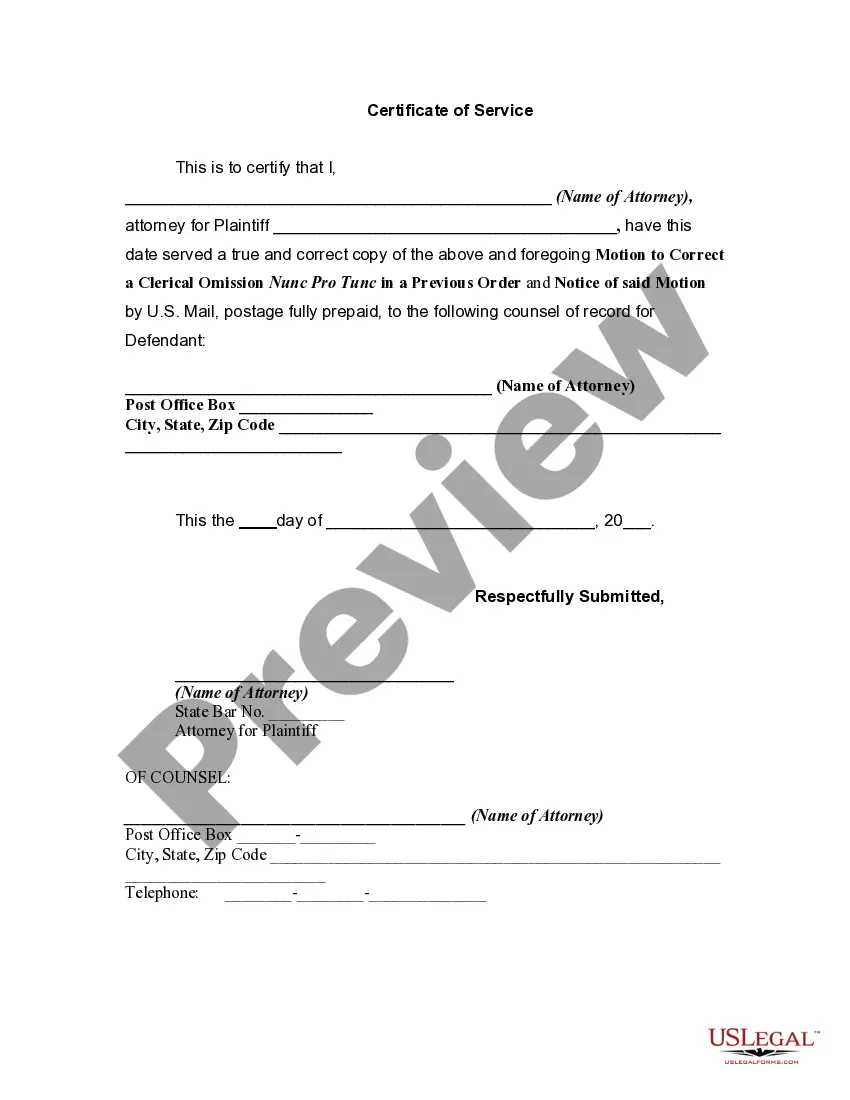
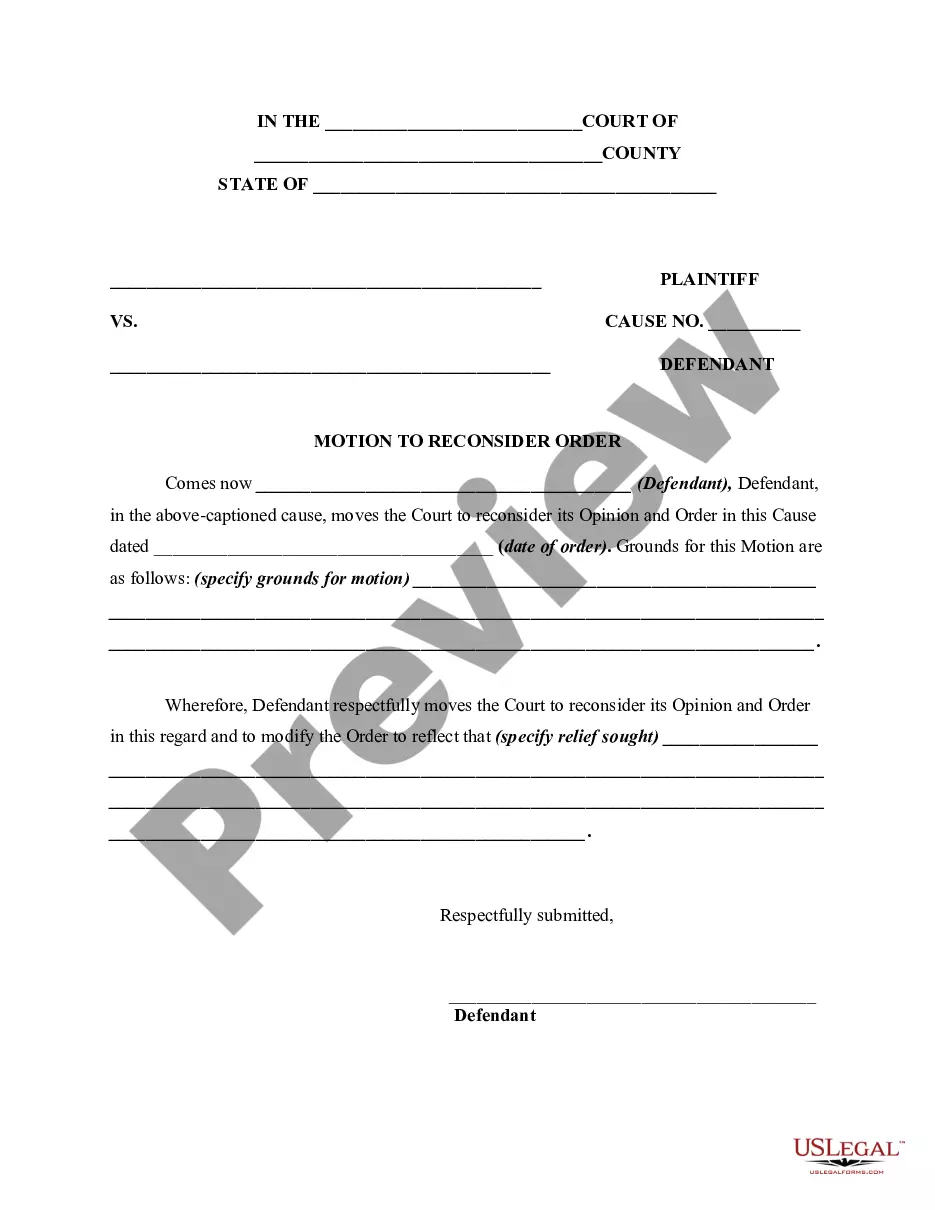
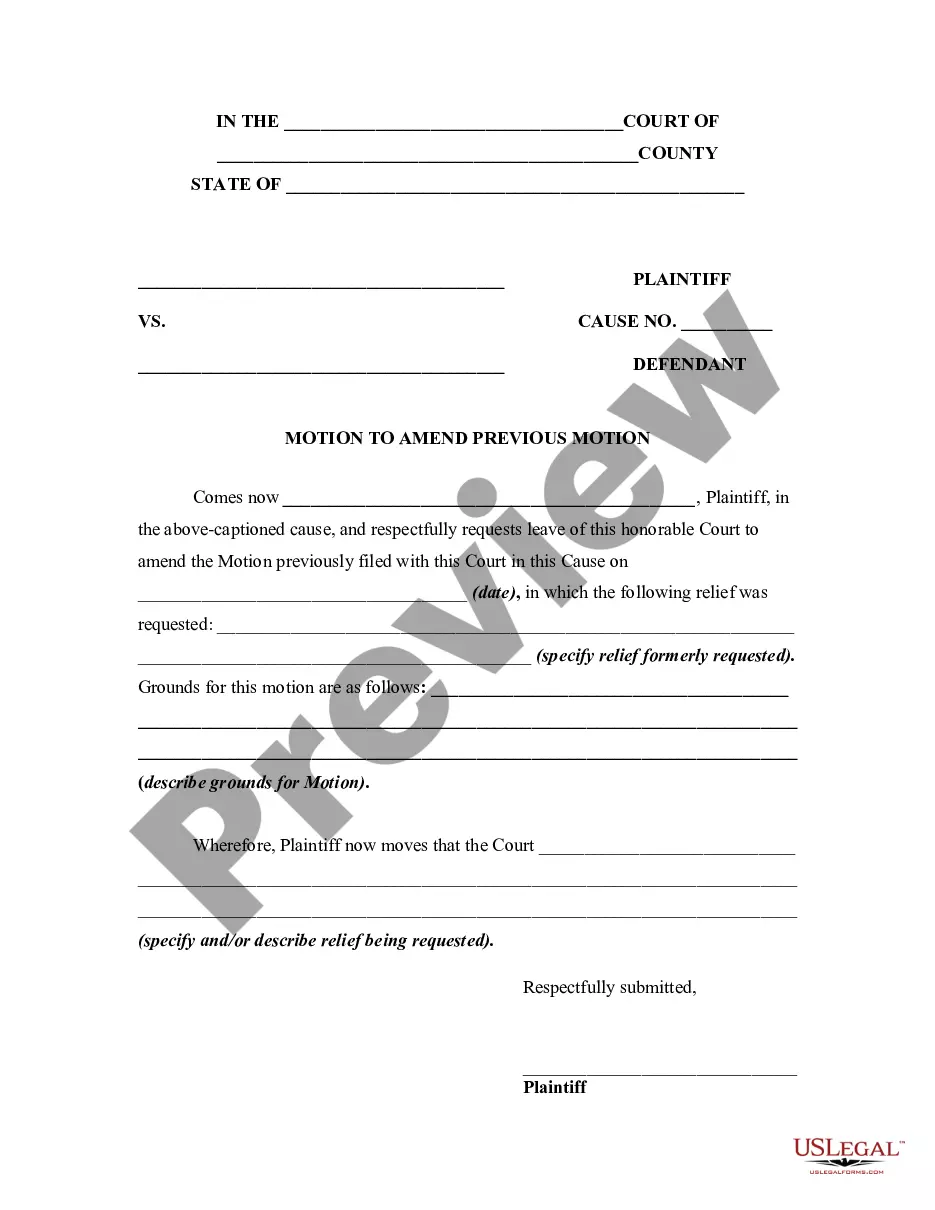
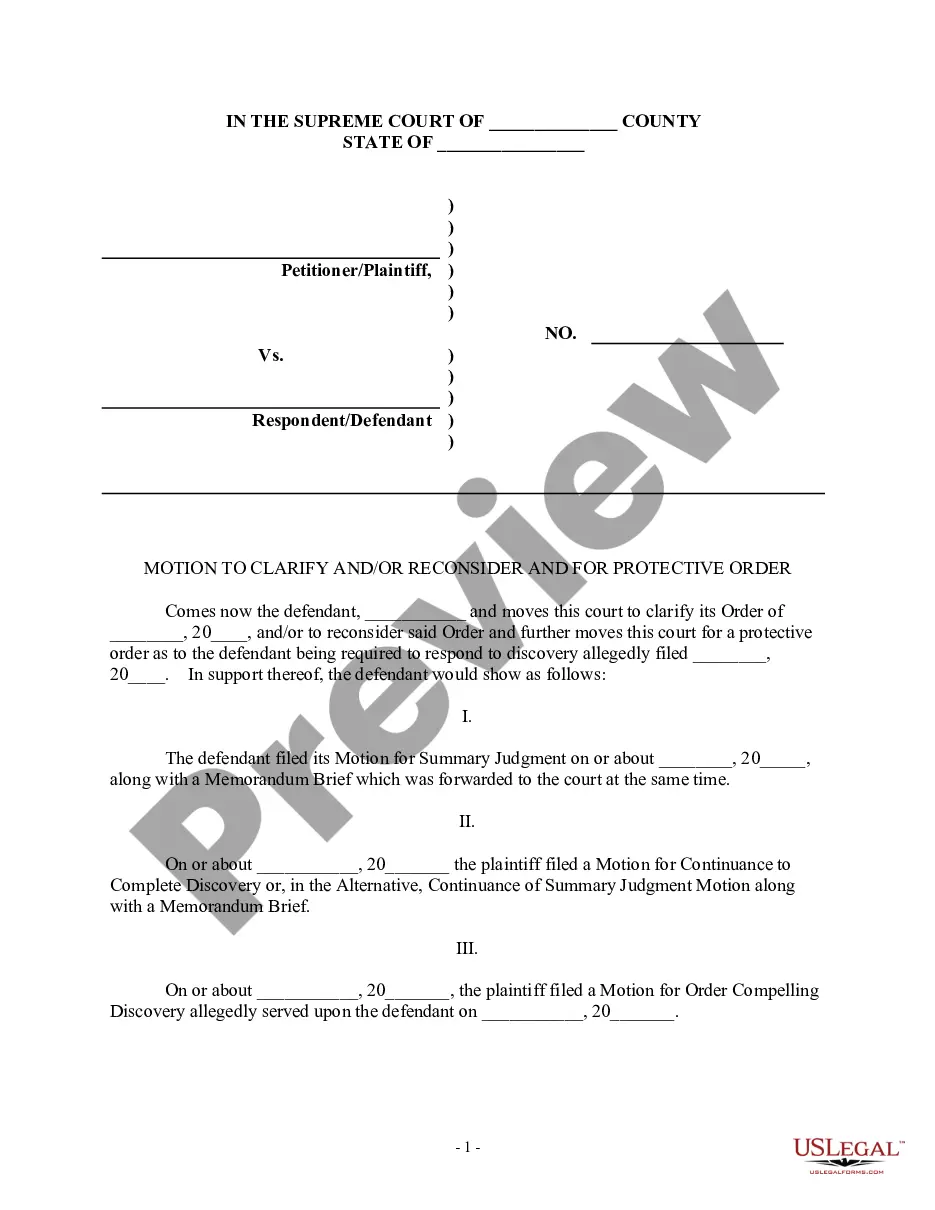

Get your form ready online
Our built-in tools help you complete, sign, share, and store your documents in one place.
Make edits, fill in missing information, and update formatting in US Legal Forms—just like you would in MS Word.
Download a copy, print it, send it by email, or mail it via USPS—whatever works best for your next step.
Sign and collect signatures with our SignNow integration. Send to multiple recipients, set reminders, and more. Go Premium to unlock E-Sign.
If this form requires notarization, complete it online through a secure video call—no need to meet a notary in person or wait for an appointment.
We protect your documents and personal data by following strict security and privacy standards.

Make edits, fill in missing information, and update formatting in US Legal Forms—just like you would in MS Word.

Download a copy, print it, send it by email, or mail it via USPS—whatever works best for your next step.

Sign and collect signatures with our SignNow integration. Send to multiple recipients, set reminders, and more. Go Premium to unlock E-Sign.

If this form requires notarization, complete it online through a secure video call—no need to meet a notary in person or wait for an appointment.

We protect your documents and personal data by following strict security and privacy standards.
Looking for another form?
How to fill out Motion To Correct A Clerical Omission Nunc Pro Tunc In A Previous Order?
Whether for professional reasons or personal matters, everyone encounters the need to handle legal situations at various stages of their life.
Finalizing legal documents requires meticulous focus, starting from selecting the appropriate form template.
With an extensive US Legal Forms catalog available, there’s no need to waste time searching for the right template online. Utilize the library’s straightforward navigation to find the suitable form for any situation.
- Locate the form you need by utilizing the search feature or browsing the catalog.
- Examine the form’s details to ensure it aligns with your circumstances, state, and locality.
- Click on the form’s preview to examine it.
- If it is the wrong form, return to the search function to find the Nunc Pro Tunc Meaning In Court template you require.
- Obtain the document when it fulfills your specifications.
- If you already possess a US Legal Forms account, just click Log in to access previously saved documents in My documents.
- If you don’t have an account yet, you can acquire the form by clicking Buy now.
- Select the appropriate pricing option.
- Complete the account registration form.
- Choose your payment method: either a credit card or PayPal account.
- Select the document format you prefer and download the Nunc Pro Tunc Meaning In Court.
- Once downloaded, you can fill out the form using editing software or print it and complete it by hand.
Form popularity
FAQ
You can use nunc pro tunc in a sentence by saying, 'The attorney filed a nunc pro tunc motion to ensure the correction of the judgment was recognized from the date of its original entry.' This emphasizes the importance of correcting past legal actions effectively. Knowing the nunc pro tunc meaning in court can help clarify various legal situations and facilitate proper legal adjustments.
To file a motion for nunc pro tunc, start by drafting your request, clearly stating your reasons for needing this retroactive effect. Include all necessary details, such as the case number and relevant dates, to help the court understand your request. It is advisable to consult with legal resources or platforms like US Legal Forms, which can guide you through the process by providing templates and best practices.
An example sentence that illustrates nunc pro tunc meaning in court would be, 'The judge issued the order nunc pro tunc to correct a clerical error from the previous ruling.' This phrase indicates that the order has retroactive effect, applying to a past date. Such clarity is essential for maintaining accuracy in legal documents and proceedings.
An example of a nunc pro tunc motion might involve a situation where a judge intended to issue a ruling but forgot to document it in the official record. In this case, a party may file a nunc pro tunc motion to request that the court retroactively obscure its intended ruling into the record. This process serves to correct oversights and ensure that justice is served, reinforcing the 'nunc pro tunc' meaning in court. If you need assistance in filing a motion, consider using the services offered by US Legal Forms for straightforward solutions.
The processing time for a nunc pro tunc motion can vary significantly depending on the court and the specific circumstances of the case. Typically, it may take several weeks to a few months for the court to review and decide on the motion. Factors that influence processing time include court schedules, the complexity of the issue involved, and any necessary hearings. Therefore, it is wise to consult your legal advisor for tailored guidance related to your situation.
The term 'nunc pro tunc' meaning in court refers to acts that are done now for then. This legal concept allows a court to retroactively correct a previous order or judgment, ensuring that the record reflects the true intention of the court at that time. When a court grants a nunc pro tunc motion, it effectively validates actions that should have been recorded earlier. As a result, this could restore rights or timelines that might otherwise be lost.
In simple terms, nunc pro tunc refers to a legal mechanism that allows a court to correct an earlier ruling as if the correction had been made at the time of the original decision. This approach ensures that court records are consistent with what was intended. Appreciate the simplicity of nunc pro tunc meaning in court to navigate your legal journey confidently.
A petition for nunc pro tunc is a formal request submitted to the court seeking retrospective correction of a prior ruling. This petition typically outlines the specific changes needed and the reasons for such adjustments. Familiarity with the petition process enhances your understanding of nunc pro tunc meaning in court.
An example of nunc pro tunc in an order can be seen when a judge realizes that a deadline set in a previous ruling was omitted in the written order. The judge may issue a new order that includes the correct deadline retroactively. This illustrates the application of nunc pro tunc meaning in court in ensuring accurate legal documentation.
An example of a nunc pro tunc would be a court correcting a clerical error in a divorce decree. If a judge intended to grant custody to one parent but the order stated otherwise, a nunc pro tunc motion could be filed to correct the ruling. Such corrections uphold the essence of nunc pro tunc meaning in court.