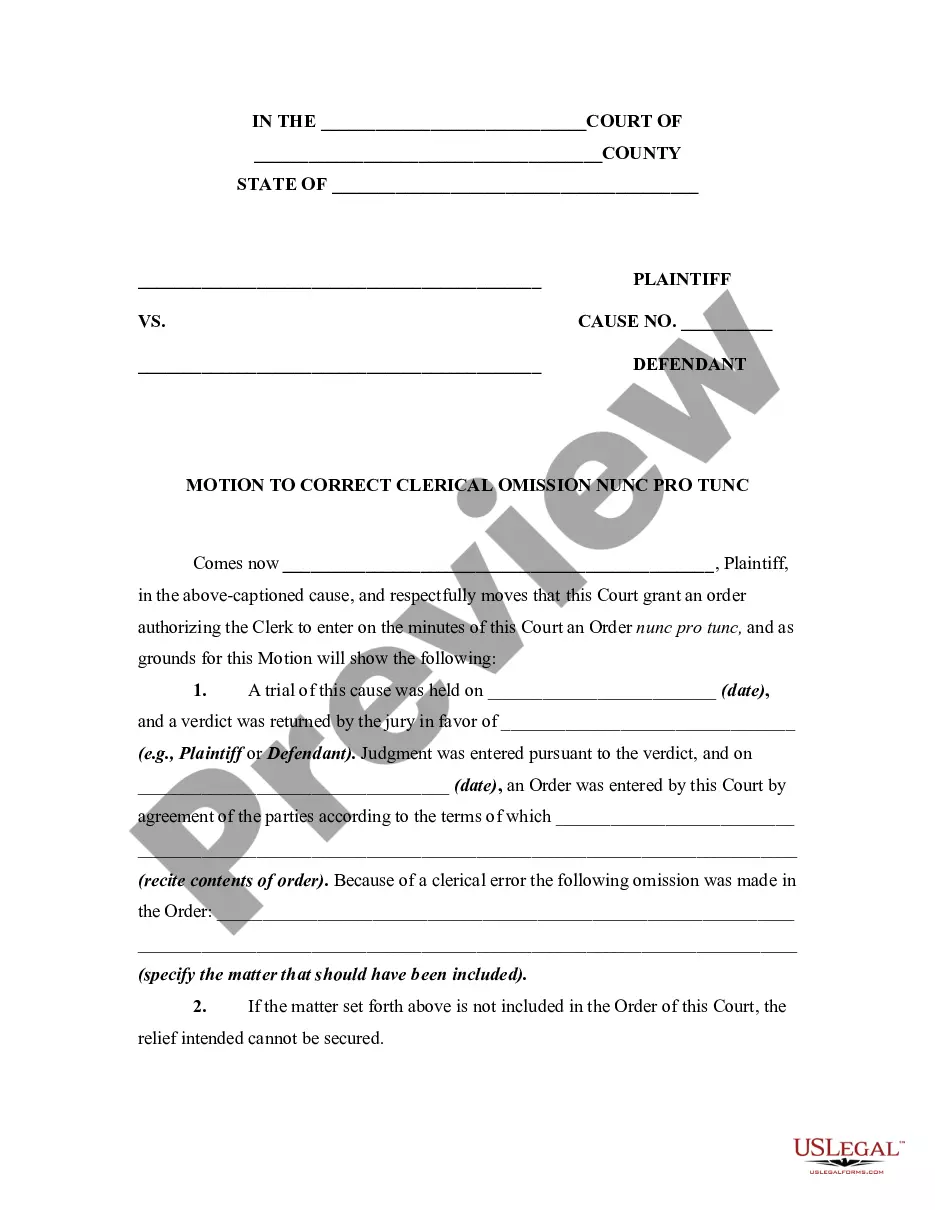
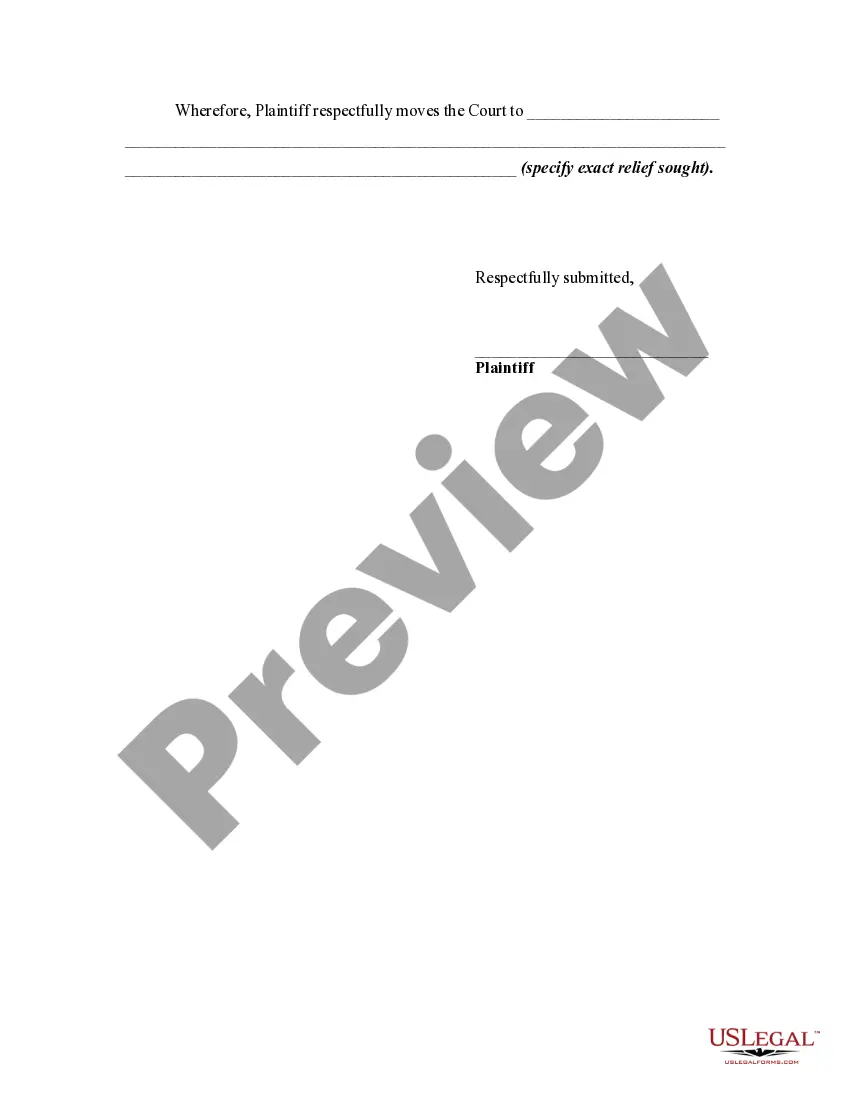
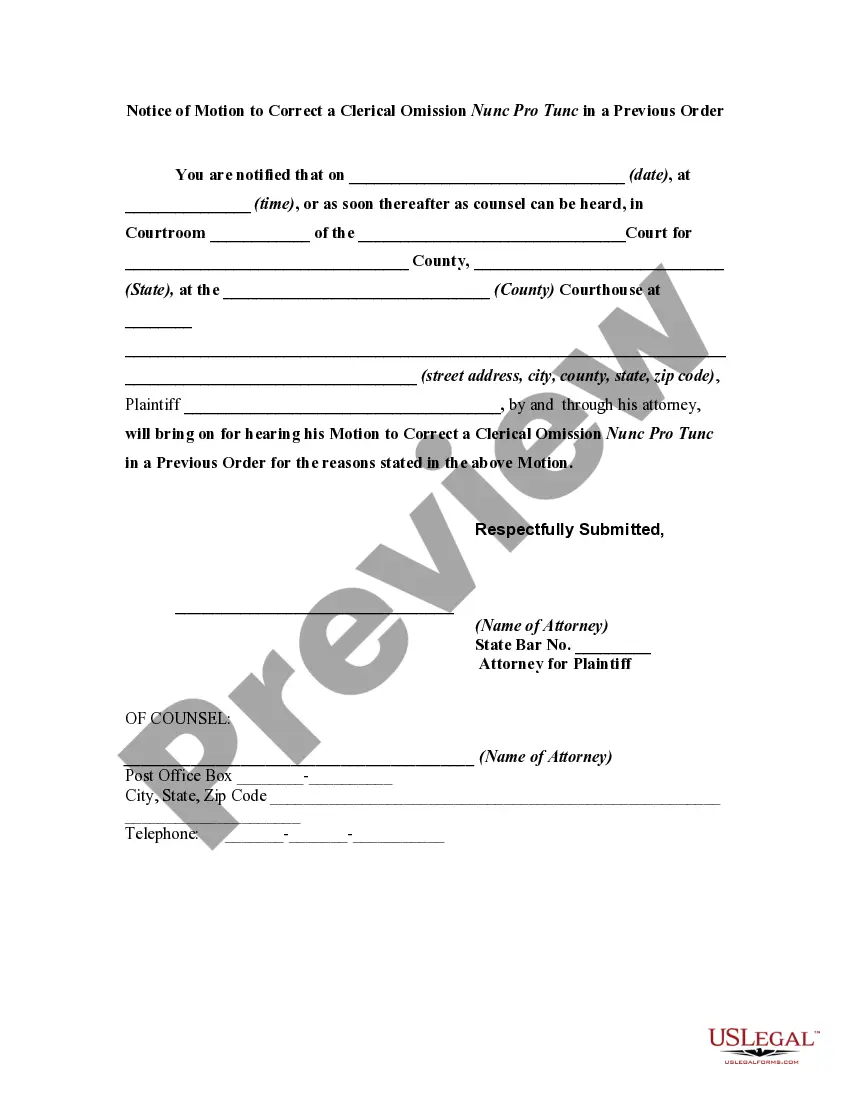
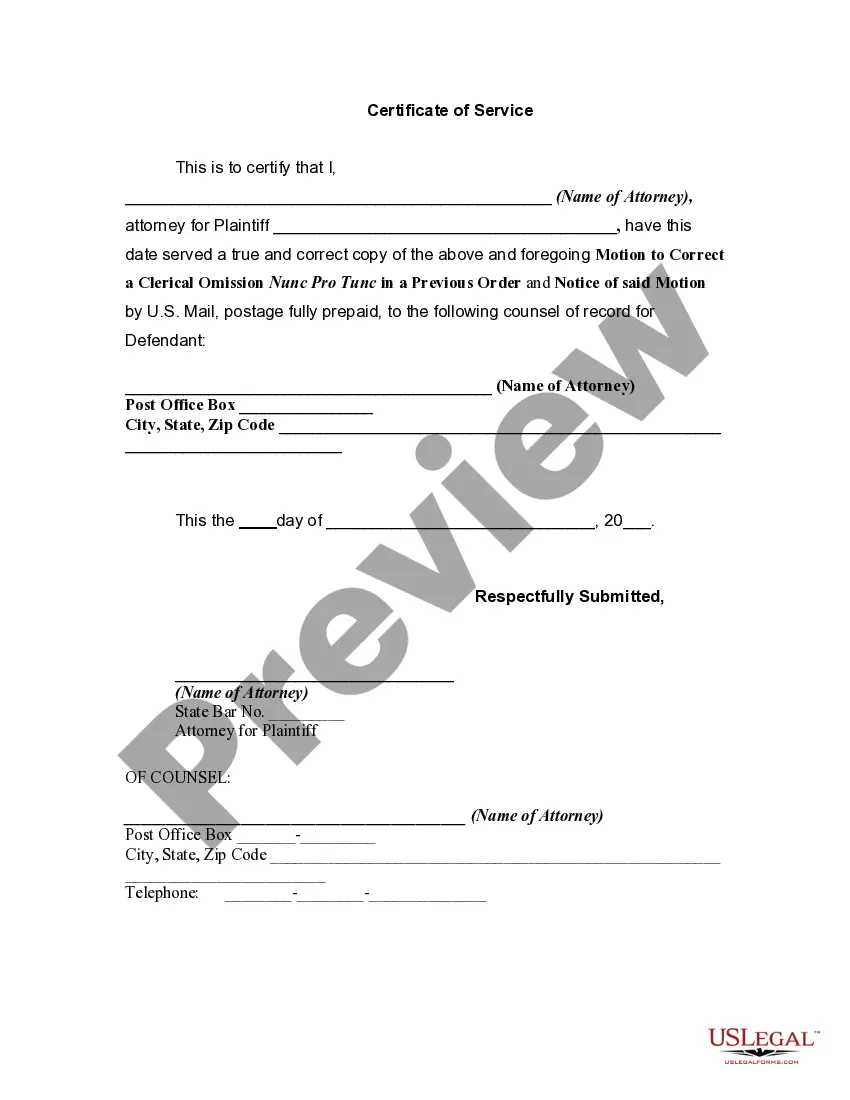
Nunc Pro Tunc Form Texas With Judgment
Description
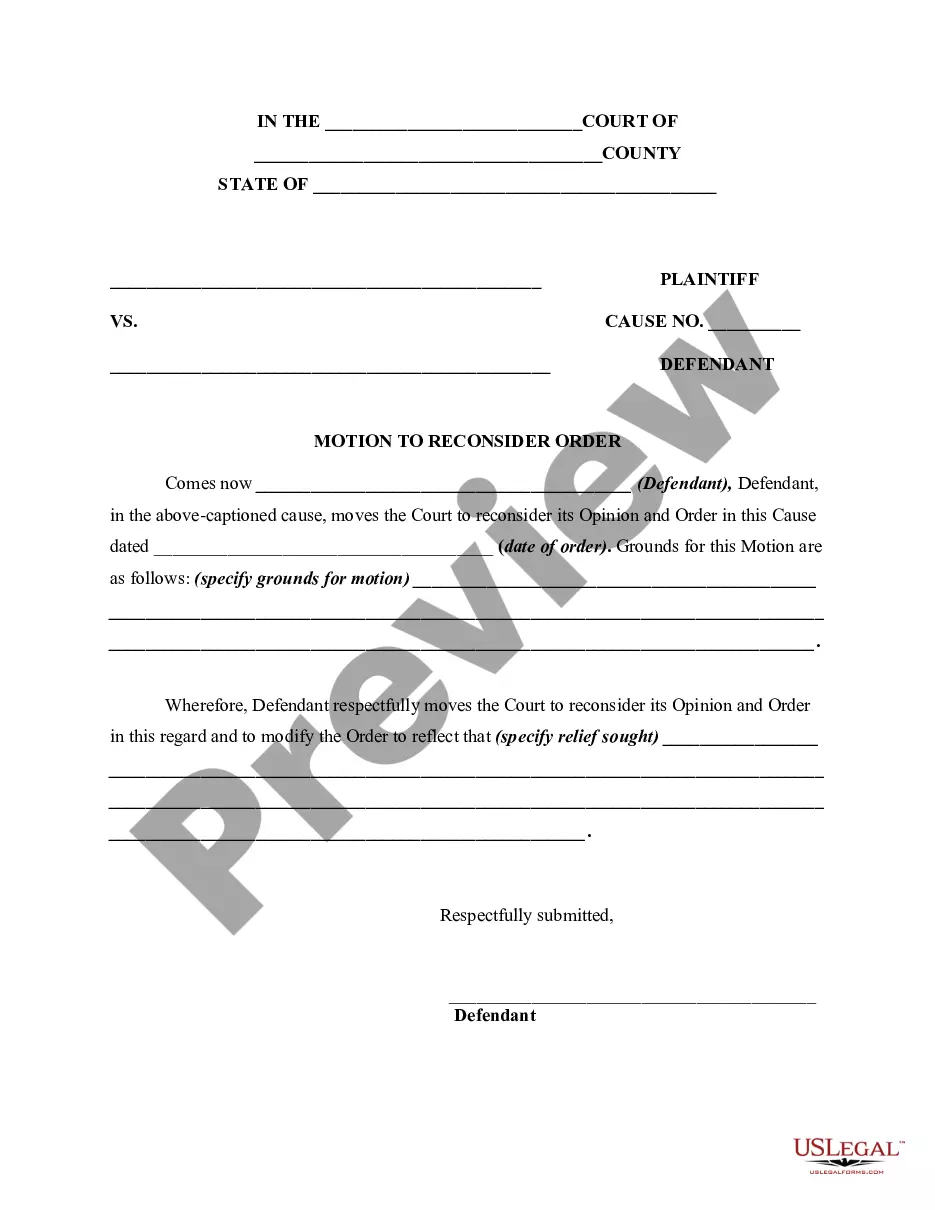
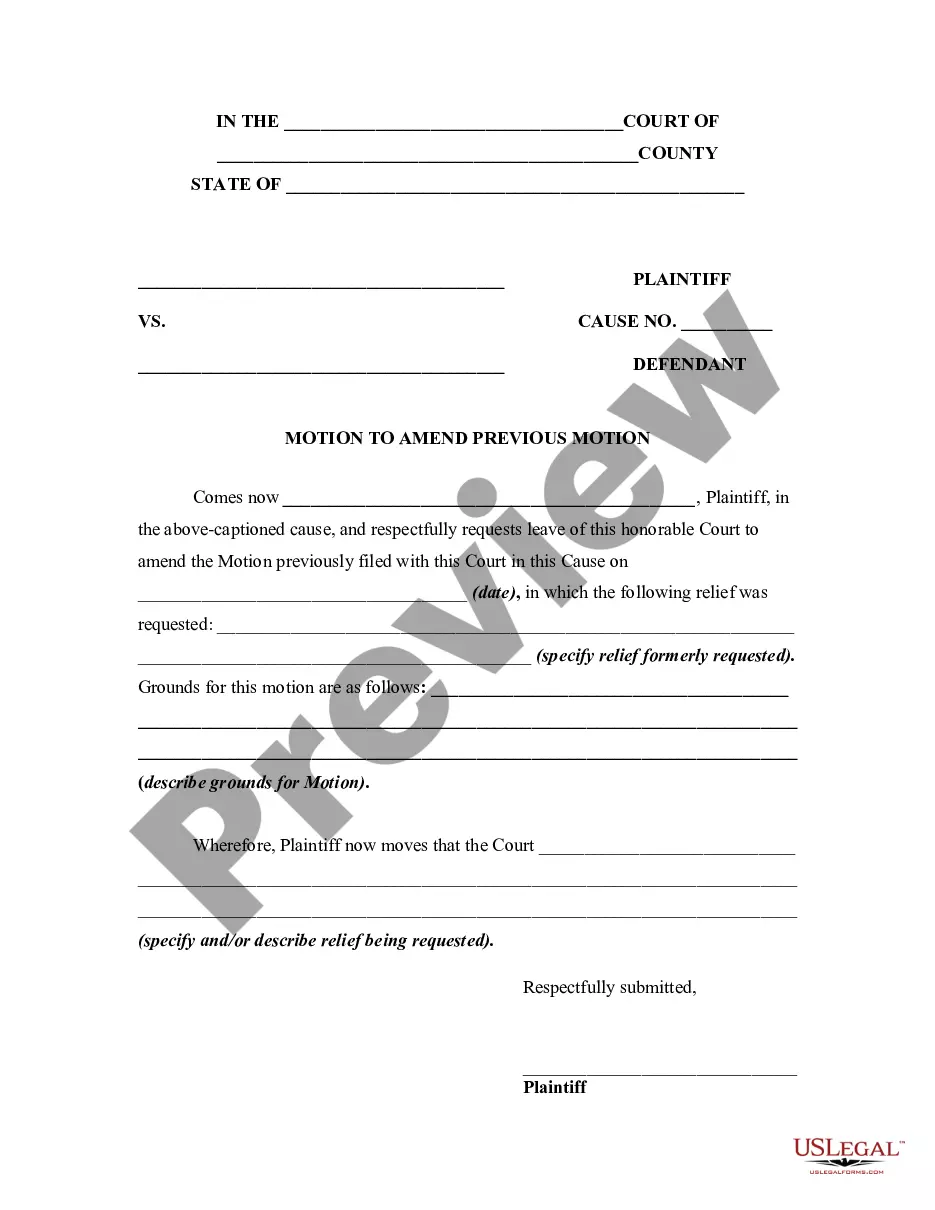
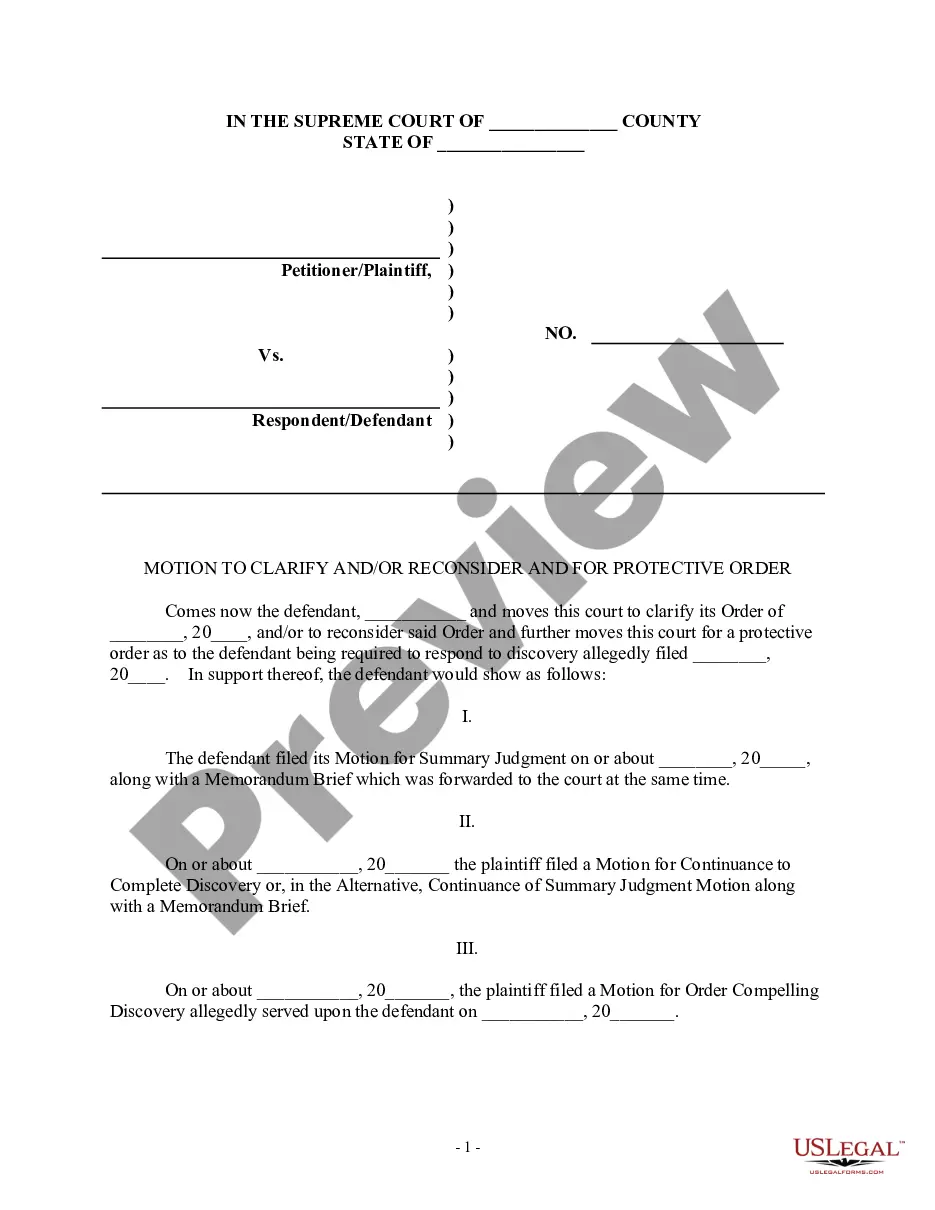

Get your form ready online
Our built-in tools help you complete, sign, share, and store your documents in one place.
Make edits, fill in missing information, and update formatting in US Legal Forms—just like you would in MS Word.
Download a copy, print it, send it by email, or mail it via USPS—whatever works best for your next step.
Sign and collect signatures with our SignNow integration. Send to multiple recipients, set reminders, and more. Go Premium to unlock E-Sign.
If this form requires notarization, complete it online through a secure video call—no need to meet a notary in person or wait for an appointment.
We protect your documents and personal data by following strict security and privacy standards.

Make edits, fill in missing information, and update formatting in US Legal Forms—just like you would in MS Word.

Download a copy, print it, send it by email, or mail it via USPS—whatever works best for your next step.

Sign and collect signatures with our SignNow integration. Send to multiple recipients, set reminders, and more. Go Premium to unlock E-Sign.

If this form requires notarization, complete it online through a secure video call—no need to meet a notary in person or wait for an appointment.

We protect your documents and personal data by following strict security and privacy standards.
Looking for another form?
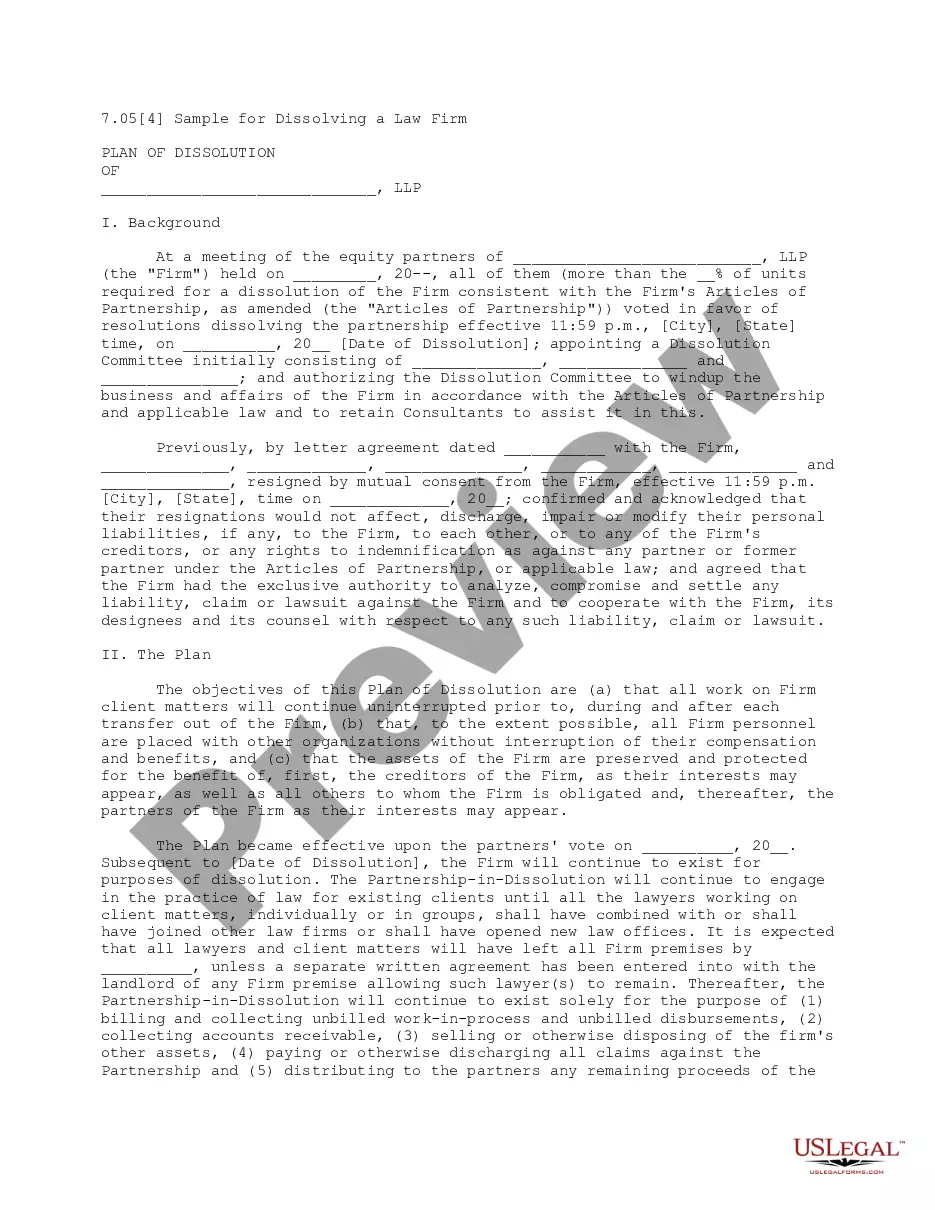
How to fill out Motion To Correct A Clerical Omission Nunc Pro Tunc In A Previous Order?
Managing legal documents can be exasperating, even for the most experienced professionals.
When you are searching for a Nunc Pro Tunc Form Texas With Judgment and lack the time to dedicate to finding the appropriate and current version, the tasks can become overwhelming.
US Legal Forms accommodates any requests you may have, from personal to corporate documents, all in one place.
Utilize sophisticated tools to complete and manage your Nunc Pro Tunc Form Texas With Judgment.
Here are the steps to follow after locating the form you need: Verify that this is the correct form by previewing it and reviewing its description. Ensure that the sample is accepted in your jurisdiction. Click Buy Now when you are ready. Choose a subscription plan. Select the format you need, and Download, complete, sign, print, and send your documents. Benefit from the US Legal Forms online catalog, backed by 25 years of experience and reliability. Transform your daily document management into a seamless and user-friendly process today.
- Access a repository of articles, guides, and manuals related to your circumstances and requirements.
- Conserve time and energy searching for the documents you require, and utilize US Legal Forms' advanced search and Review feature to locate and download Nunc Pro Tunc Form Texas With Judgment.
- If you are a subscriber, Log In to your US Legal Forms account, search for the form, and download it.
- Check your My documents tab to view the documents you have previously downloaded and manage your folders as necessary.
- If this is your first experience with US Legal Forms, create a complimentary account for unlimited access to all platform benefits.
- A comprehensive online form repository could be a transformative solution for anyone looking to handle these matters effectively.
- US Legal Forms is a leader in online legal documents, offering over 85,000 state-specific legal forms available to you at any time.
- With US Legal Forms, you can access legal and business forms tailored to your state or county.
Form popularity
FAQ
In Texas, a nunc pro tunc judgment can be requested by either party to the case or by the court itself. The request must be made in writing and must specify the error that is being corrected. The request must also be filed within a reasonable time after the error is discovered.
See Texas Rule of Civil Procedure 329b(e). If a trial court judge has not signed an order granting or denying a motion for new trial within 75 days after the date the final judgment was signed, the motion is generally overruled by operation of law.
(g) A motion to modify, correct, or reform a judgment (as distinguished from motion to correct the record of a judgment under Rule 316), if filed, shall be filed and determined within the time prescribed by this rule for a motion for new trial and shall extend the trial court's plenary power and the time for perfecting ...
Section 152 C.P.C. provides for correction of clerical arithmetical mistakes in judgments, decrees or orders or errors arising therein from any accidental slip or omission. It is not a power to review a judgement/decree or order.
Hear this out loud PauseWhen the defendant has pleaded a general denial, and the plaintiff shall afterward amend his pleading, such original denial shall be presumed to extend to all matters subsequently set up by the plaintiff.